Hamadan
Hamadan, Iran
Hamadan sits high against Alvand, where Median Ecbatana, a poet's tomb and a mountain inscription still share one city.
The place
Hamadan is the capital of its province in western Iran, a city set on the foothills of Mount Alvand. It stands at 1850 metres, high enough that winter brings snow and the warm months are bright and dry. The population is 554406, and Persian is the main language heard in the bazaar and on the avenues. Classical authors knew the city as Ecbatana, a name that still travels with Hamadan. The built city occupies a green basin with the mountain rising to one side. People come in summer for the older streets and three landmarks in particular: the Ganj Nameh inscriptions cut into the rock, the monument to the physician Avicenna, and the monument to the poet Baba Taher. Between them lie domes, courtyard houses and a working bazaar, with newer districts climbing toward the slopes. From the mountain paths the roofs look compact against the hills, which matches the view in photographs taken from Alvand. Walkers move easily between the central tombs before the ground steepens. Tehran lies well off to the northeast, a full journey across the plateau rather than a trip to a neighbouring town. Day to day the altitude shapes the place more than any skyline: thin clear air, a short warm season, and a long cold one. The municipal website, http://www.hamedan.ir/, publishes official city notices.
Its story
Hamadan's story begins long before the Islamic era, under the name Ecbatana. Herodotus describes it as the Median capital raised for King Diokes. Later it was one of the Achaemenid capitals. The Book of Ezra names Ecbatana as the place where a decree of Darius was found, allowing the Temple in Jerusalem to be rebuilt; the highland cold helped keep leather scrolls. Under the Parthians the main capital lay at Ctesiphon, and the rulers spent the hotter months in Hamadan. Sasanian rulers came up in the hot months and built palaces for that season. After the fighting at Nahavand, Arab armies took the city. In the early Islamic centuries local Alavi sayyids governed Hamadan, and the Alavian dome belongs to that time. A later ruler, Mardavij, sacked the city after townspeople killed his nephew and some of his Daylamite soldiers. Tradition says he smashed one of the city's two stone lions at the gate; its partner is the statue Hamadan still keeps. Buyid wars damaged the city again, until Fanna Khusraw restored its standing. The Seljuks then fought their way in, took the last Kakuyid stronghold, and for a time moved their capital from Baghdad to Hamadan. Mongol armies later ruined the city during their campaigns in the wider region. What remains for a visitor is not one intact ancient capital but a stack of memories: a Median name, a Jewish shrine, a poet's tomb, and a stone lion that outlasted the gate.
What to see
- Avicenna's Mausoleum — central Hamadan
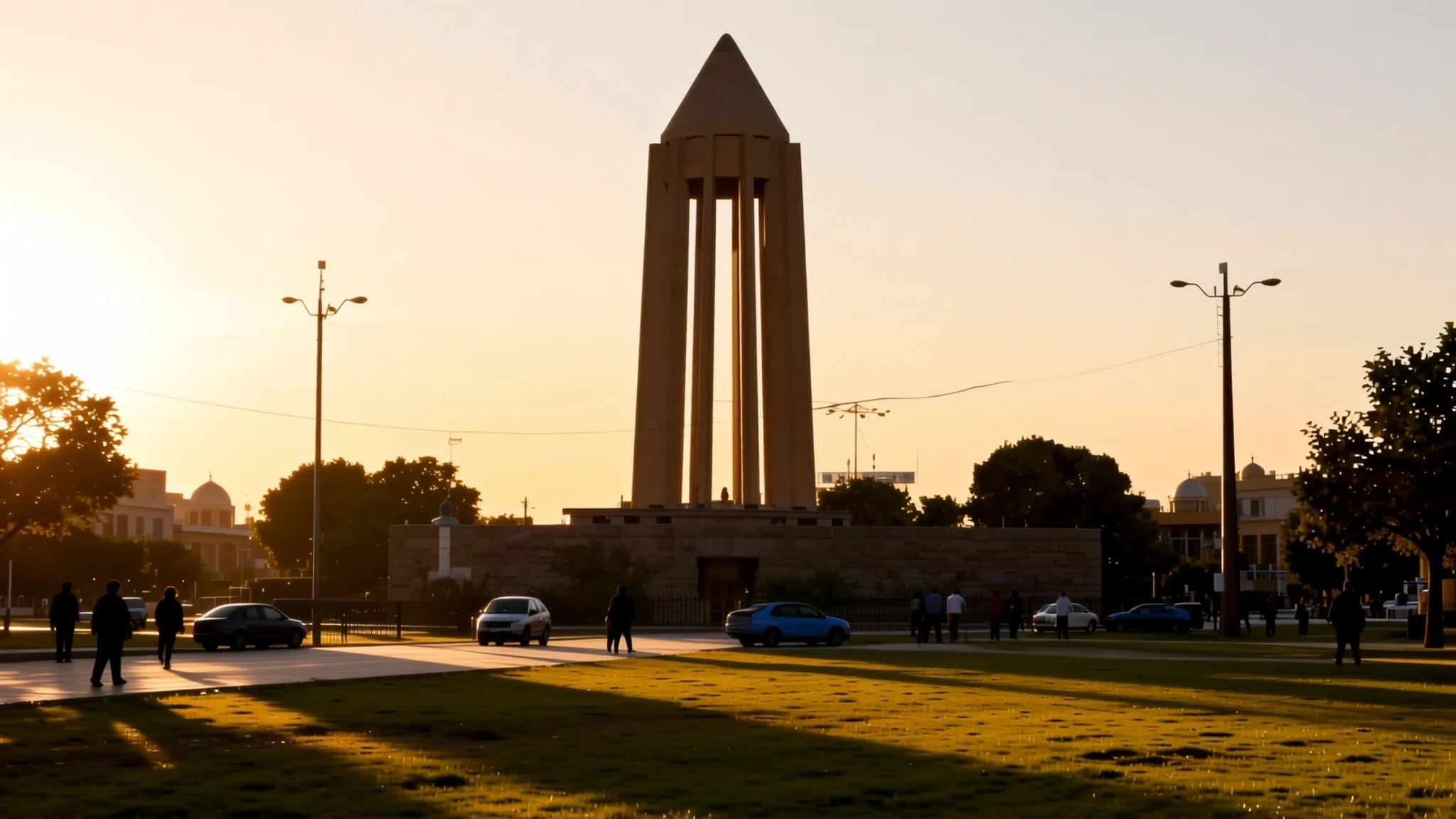
Hamadan keeps the tomb of Avicenna, the Persian polymath Abu Ali Sina, in a mausoleum that also contains a museum. It stands among ordinary streets in the central city. The visit covers the grave and the museum's account of his medicine and philosophy. Crowds build in the warmer months, and the early part of the day is calmer.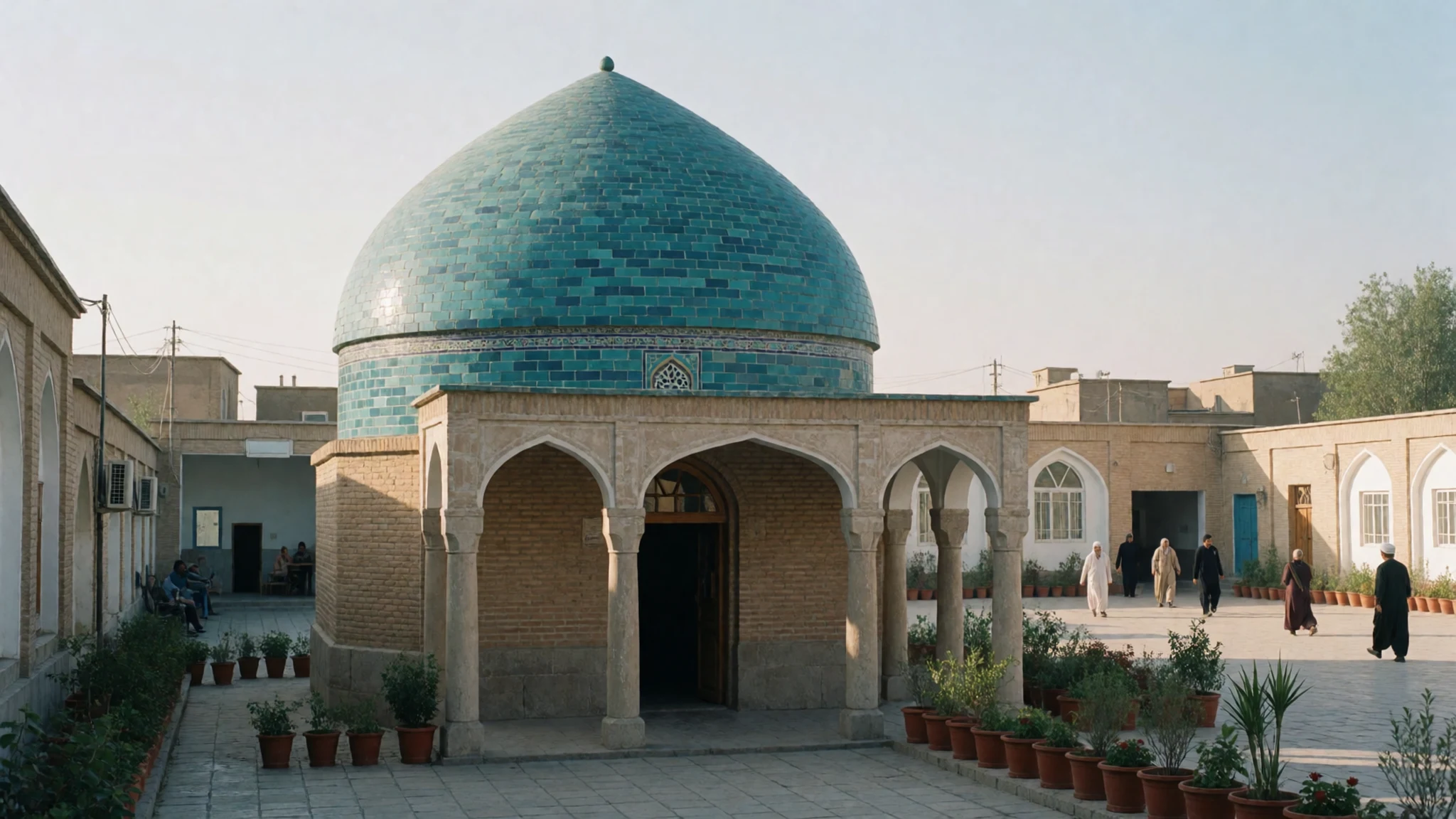
- Ganjnameh — Alvand foothills
Hamadan's Ganjnameh is a pair of ancient inscriptions cut into the granite on the slope above the city. The rock face carries two royal texts, Darius on one and Xerxes on the other. Reaching them means a climb toward Alvand, and the view back across Hamadan belongs to the visit as much as the writing does.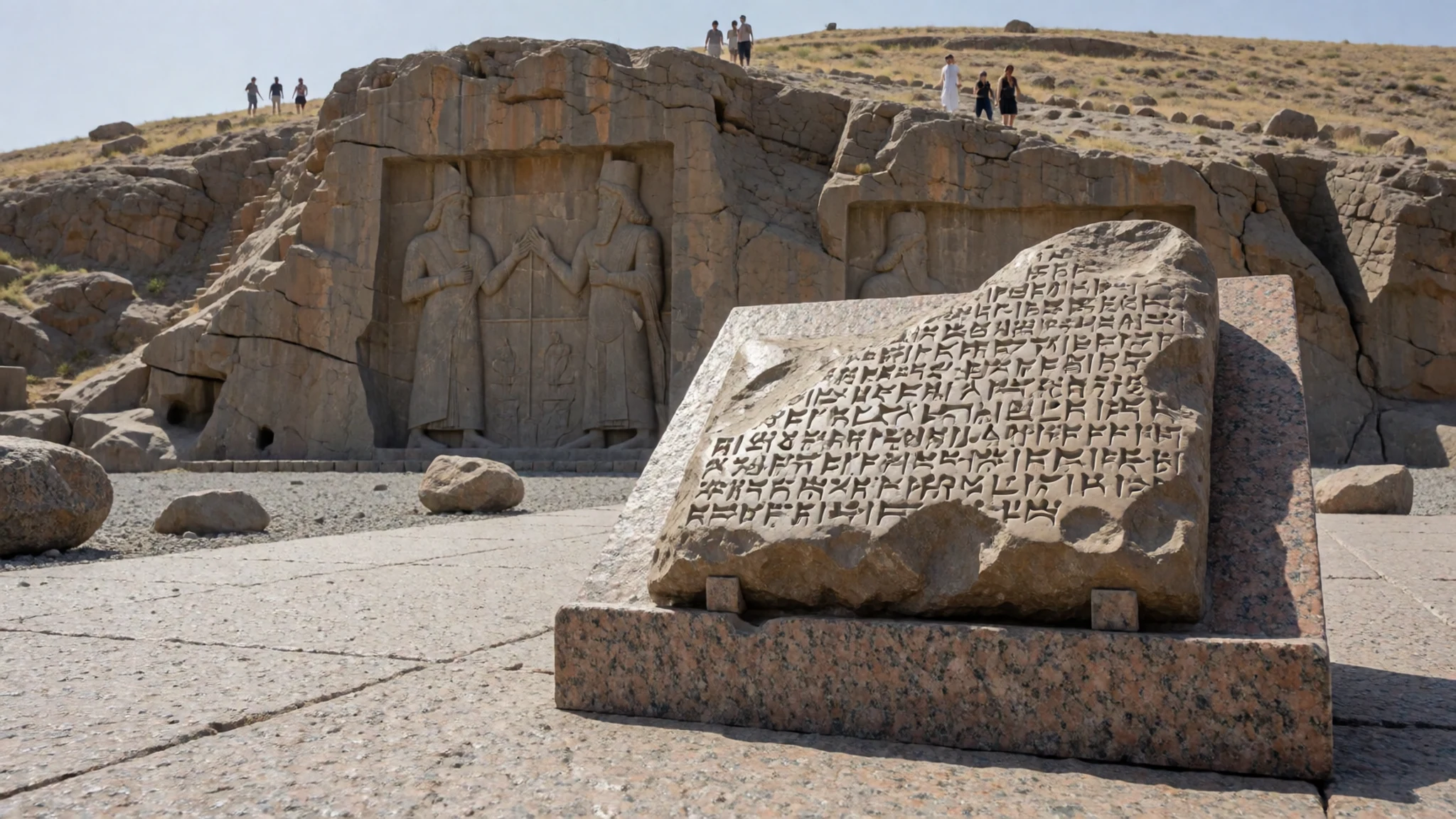
- Tomb of Esther and Mordechai — central Hamadan
Hamadan is home to a shrine believed to hold the remains of Esther, the biblical queen, and her uncle Mordechai. It stands in the central city as a Jewish pilgrimage place, modest in size and serious in purpose. The rooms are for prayer more than display. Keep voices low, follow the custodian's lead on dress, and ask before any photograph.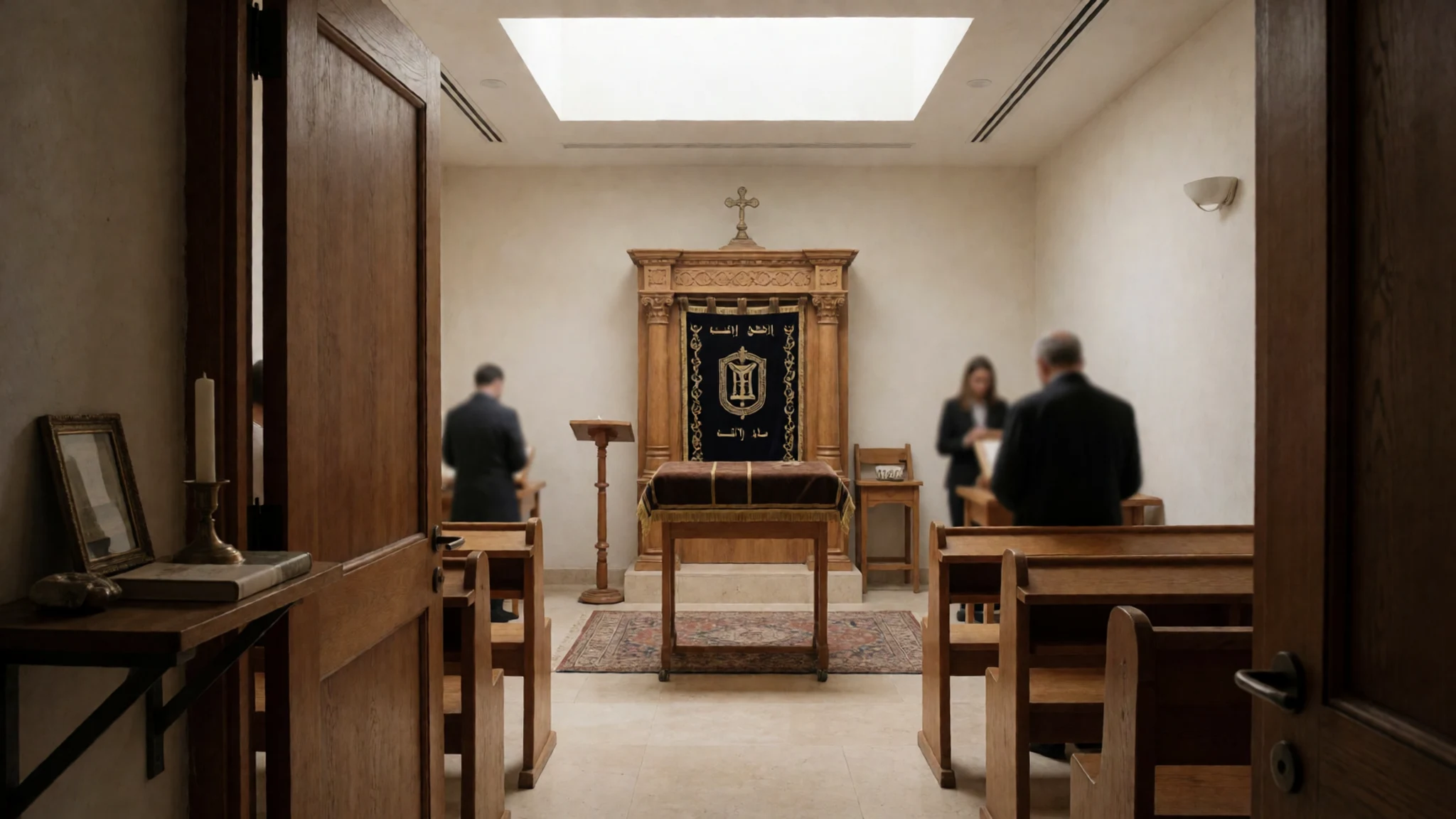
- Alavian Cupola — central Hamadan
Hamadan's Alavian cupola is a surviving building from the centuries when Alavi sayyids governed the city. The dome is the reason to step inside: brickwork and plaster of a kind that rewards a slow look, in a compact shrine rather than a large complex. Shoes come off where the floor steps up. Look up: the brick and plaster are the whole point of the stop.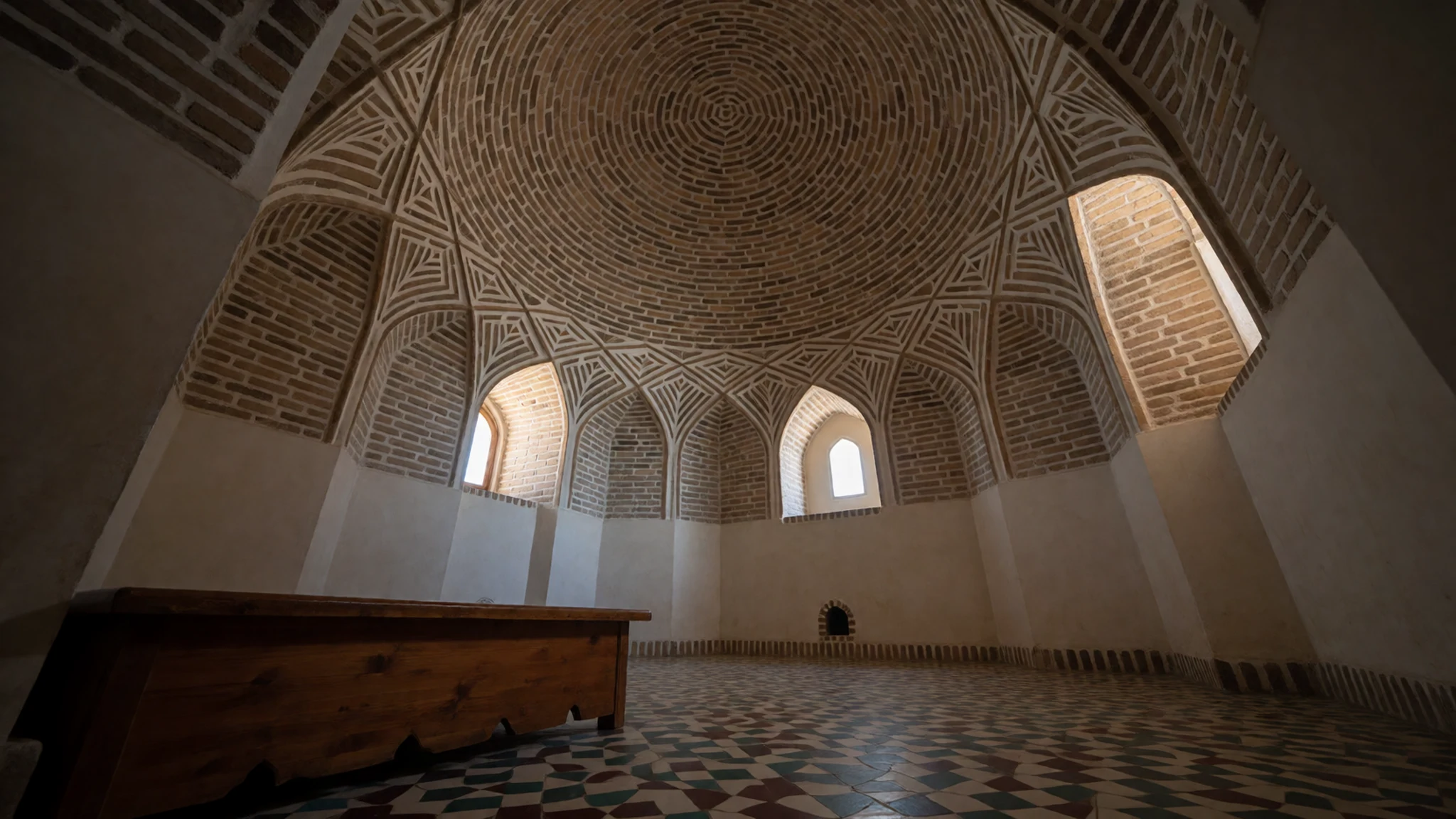
- Tomb of Baba Taher — central Hamadan
Hamadan honours Baba Taher, the mystic poet, with a tomb-monument in the city. The verses linked to him are short and plain, and people still quote them. The building joins that voice to a grave, rather than explaining him in long panels. A public plaza surrounds the tomb and is often busy in summer.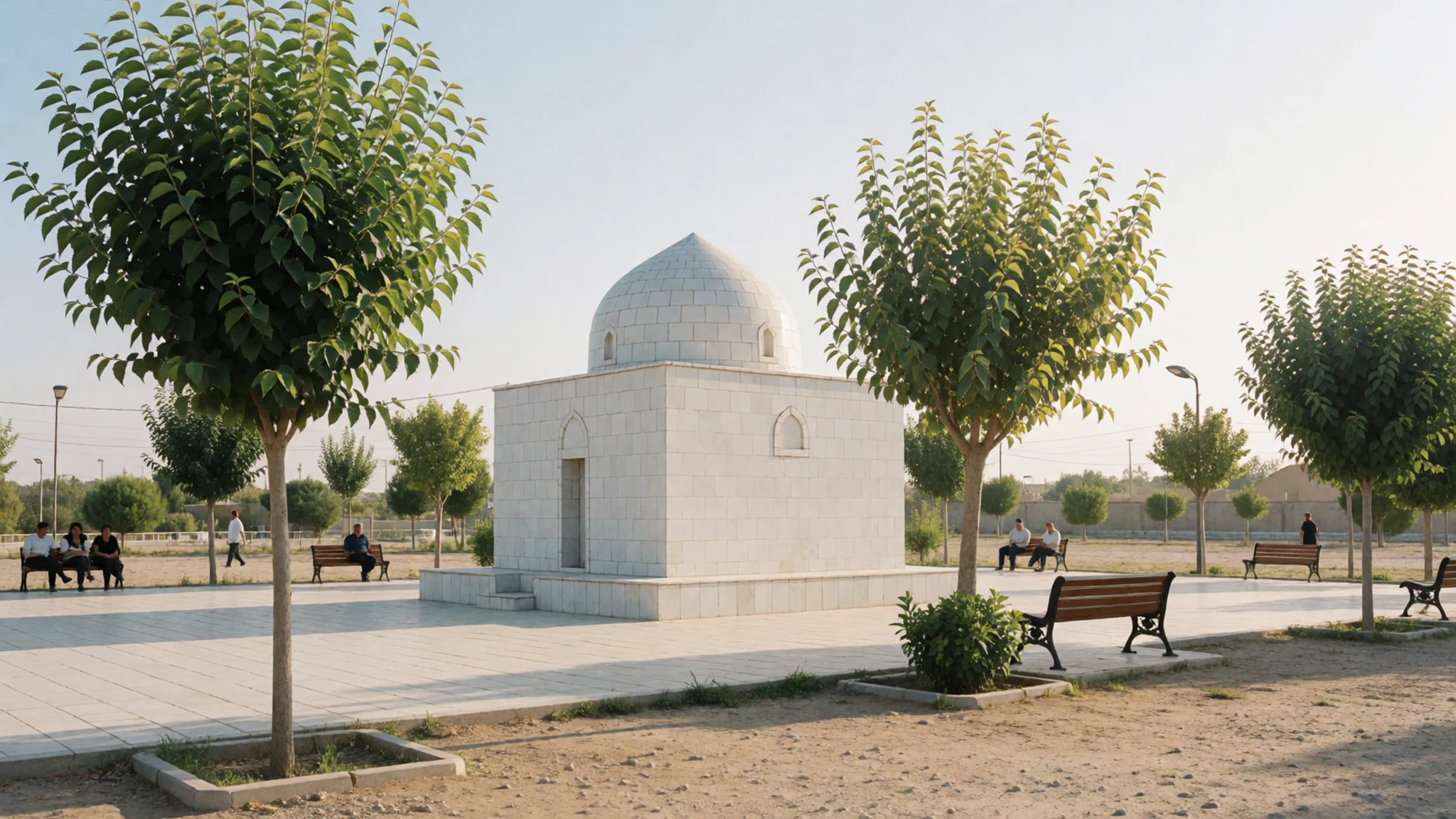
- Ali Sadr Cave — north of the city
Ali Sadr, north of Hamadan, is a water-filled cave that needs a day rather than a spare hour. Pedal boats carry visitors between the rock halls. It lies well outside the city, so the practical approach is a hired car or an organised tour from Hamadan, not a stroll from the bazaar. The interior stays cool, which is welcome after the hotter months in town.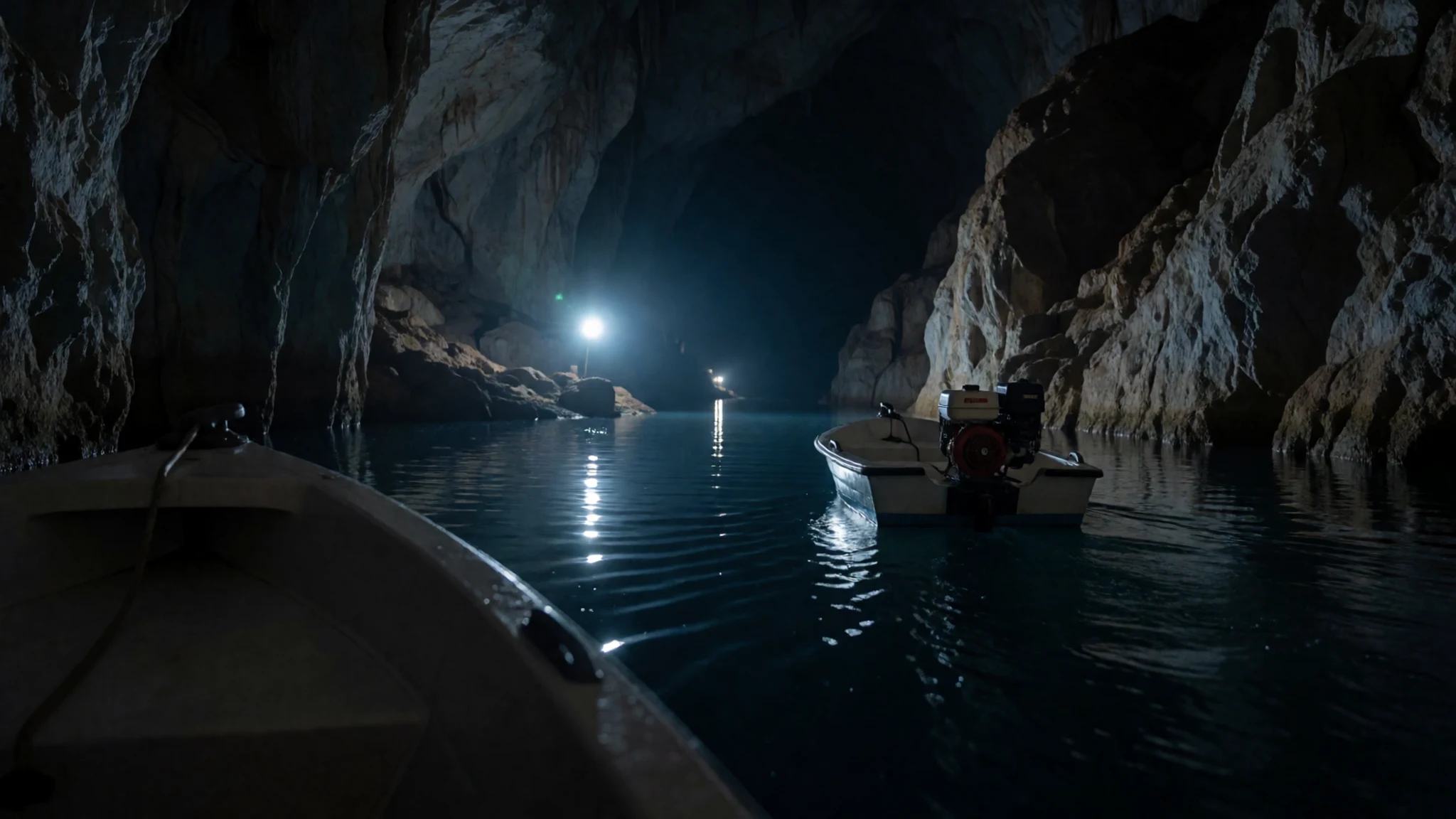
Culture
Hamadan's culture is Persian at its core, with a highland pace set by altitude and a long winter. Poetry is not a side interest here. Baba Taher's short verses are part of local pride, and Avicenna's name gives the city a claim on learning as well as on a grave. A Jewish shrine to Esther and Mordechai, and the Stephen Gregory church of the Iranian-Armenians, sit inside the same urban fabric, reminders that the city's memory is not only Muslim. The Alavian dome and the Stone Lion carry older Islamic and pre-Islamic stories into ordinary neighbourhoods. Carpet weaving belongs to the region around Hamadan: wool, geometric or medallion patterns, and workshops that still sell pieces near the bazaar. Tea, a shared meal and a long conversation are the social default, especially once the evening cools. Nowruz, the new-year holiday, fills houses and parks when the slopes begin to green. At mausoleums, the Alavian cupola and the shrine of Esther and Mordechai, take your shoes off where the floor changes and ask before you photograph people at prayer.
What to wear
Hamadan dresses for a high, cold city that also has a hard summer sun. Traditional cloth here is wool more than silk: heavy coats, layered shawls and, in the villages toward Alvand, woven wraps that match the carpet-weaving of the province. For women, the older formal outer layer is the chador, a full cloak worn over indoor clothes for shrine visits and mourning. Men's older public dress was a jacket over loose trousers, now mostly seen at weddings and in family photographs. On ordinary days Hamadan looks like any large Iranian city. Women wear a manteau, a mid-thigh or longer coat, with trousers and a headscarf that covers the hair. Men wear shirts, jackets and trousers; shorts are rare on the street. Winter adds quilted coats, knit hats and boots, because the city sits at 1850 metres and snow lingers. Summer thins the layers but does not drop the coat and scarf. A visitor should copy that public code. Women need a headscarf, a long coat and trousers; men need long trousers and covered shoulders. A warm coat is worth packing even in the milder months, plus shoes that slip off at a mausoleum door and still cope with the path at Ganjnameh. Bright clothes suit private gatherings; the street and the shrine call for covered, unfussy dress.
What to eat
- Kufteh Hamadani — bazaar eateries and simple kitchens in the centre
Hamadan gives its name to kufteh, a large meatball of minced meat, rice, split peas and herbs, sometimes with dried fruit or a boiled egg hidden in the middle. It comes in a bowl of broth. Bazaar eateries and simple kitchens in the centre serve it at midday.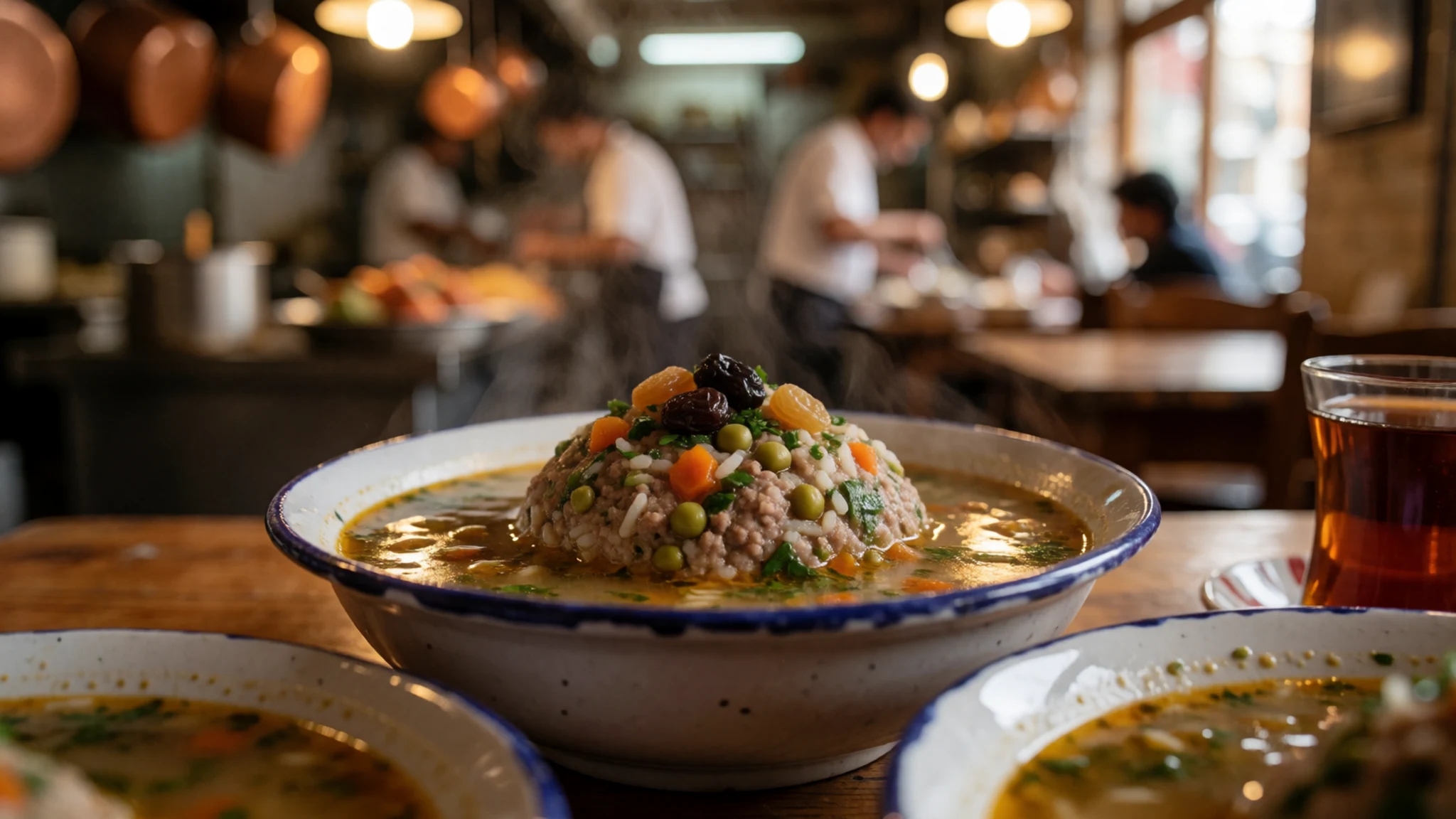
- Abgoosht — traditional kitchens near the bazaar
Hamadan serves abgoosht, also called dizi, as a slow lamb stew with chickpeas, potato and tomato in a small pot. The broth is drunk first and the solids are mashed and eaten with flatbread. Traditional kitchens near the bazaar have it at lunch.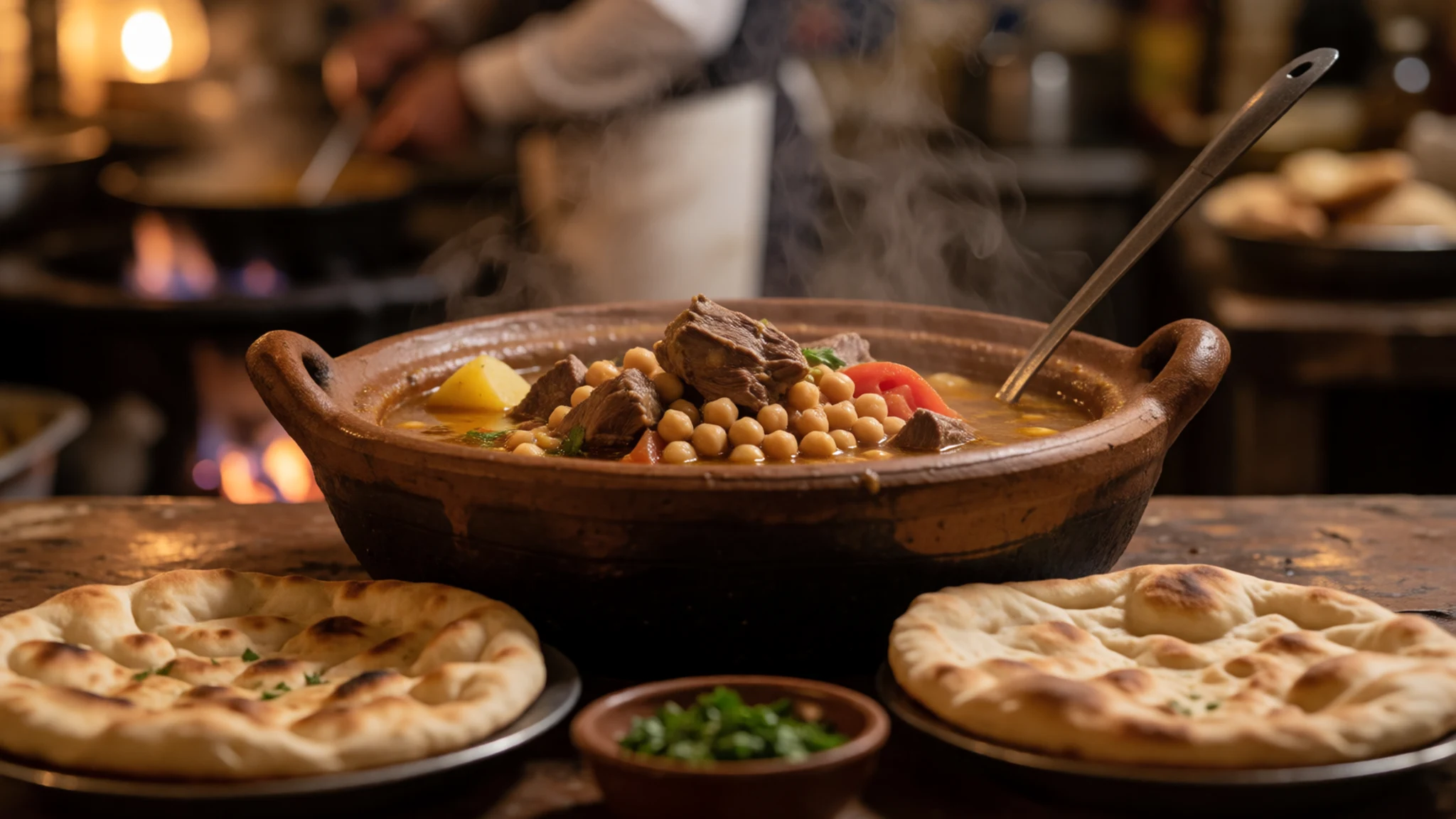
- Kabab koobideh — kebab houses around the central bazaar
Hamadan's everyday grill is kabab koobideh, minced lamb on a wide skewer with rice or flatbread, grilled tomato and raw onion. Sumac on the side is usual. Kebab houses around the central bazaar serve it from lunch into the evening. - Ash reshteh — winter kitchens and bazaar stalls
Hamadan eats ash reshteh when the weather turns: a thick soup of herbs, beans and wheat noodles, finished with whey paste and fried onion. It comes by the bowl. Winter kitchens and bazaar stalls serve it on cold afternoons. - Sangak — neighbourhood bakeries in the morning
Hamadan starts the day at the bakery. Sangak, a long flatbread baked on hot pebbles, is eaten warm with white cheese, herbs and walnut. Neighbourhood bakeries sell it through the morning, and many people carry it out to eat on the way.
Plan it
Best time. Late spring and early autumn suit Hamadan best, with clear days that avoid the peak of the heat and the months when snow settles in. The warm part of the year is brief and dry, with strong sun. The cold part of the year brings falls of snow that can stay on the ground for a long stretch. The old city still sees many visitors in summer, yet the hills are kinder to walk on either side of that heat.
How long. 3-4
Getting there. Hamadan has a daily flight from Tehran. A daily train runs from Mashad via Tehran, and buses come from Tehran and other major cities. Confirm times with the airline, the railway or the bus company before you travel.
Budget. low
Tips
- Start Ganjnameh early in the day, before coach traffic builds on the mountain road.
- Carry cash for the bazaar, small shrines and tea; cards are less reliable in those places.
- If you come in winter, expect snow underfoot for a long stretch and fewer hours outdoors.
- At 1850 metres the evening cools fast even after a hot afternoon, so keep a layer with you.
- Check current travel advice for Iran before you go, and save the local emergency contacts your host provides.
Etiquette
- Take shoes off where a shrine floor steps up, including the Alavian cupola and the mausoleums.
- Ask before you photograph people, above all at the shrine of Esther and Mordechai.
- In public, women wear a headscarf and a long coat; men keep shoulders and legs covered.
- Speak quietly inside tombs and domes, and follow the custodian if a door is reserved for prayer.
Nearby
Sources
- Wikidata Q28587 (CC0)
- Wikipedia (rev 1382990384) (CC BY-SA 4.0)
- Wikivoyage (rev 5343116) (CC BY-SA 4.0)
- Iran - Hamedan view from Alvand Mountain (CC BY 3.0)
- Hamedan (Behzad Alipour 82460) (CC BY 4.0)
- Hamedan (Behzad Alipour 98600) (CC BY 4.0)
- Hamedan (Behzad Alipour 59039) (CC BY 4.0)
- Hamedan (Behzad Alipour 93283) (CC BY 4.0)
- Hamedan (Behzad Alipour 91471) (CC BY 4.0)
- Hamedan (Behzad Alipour 73041) (CC BY 4.0)
- Matrakci Nasuh map of Hamedan (CC BY 3.0)


