Halifax, Nova Scotia
Halifax, Nova Scotia, Canada
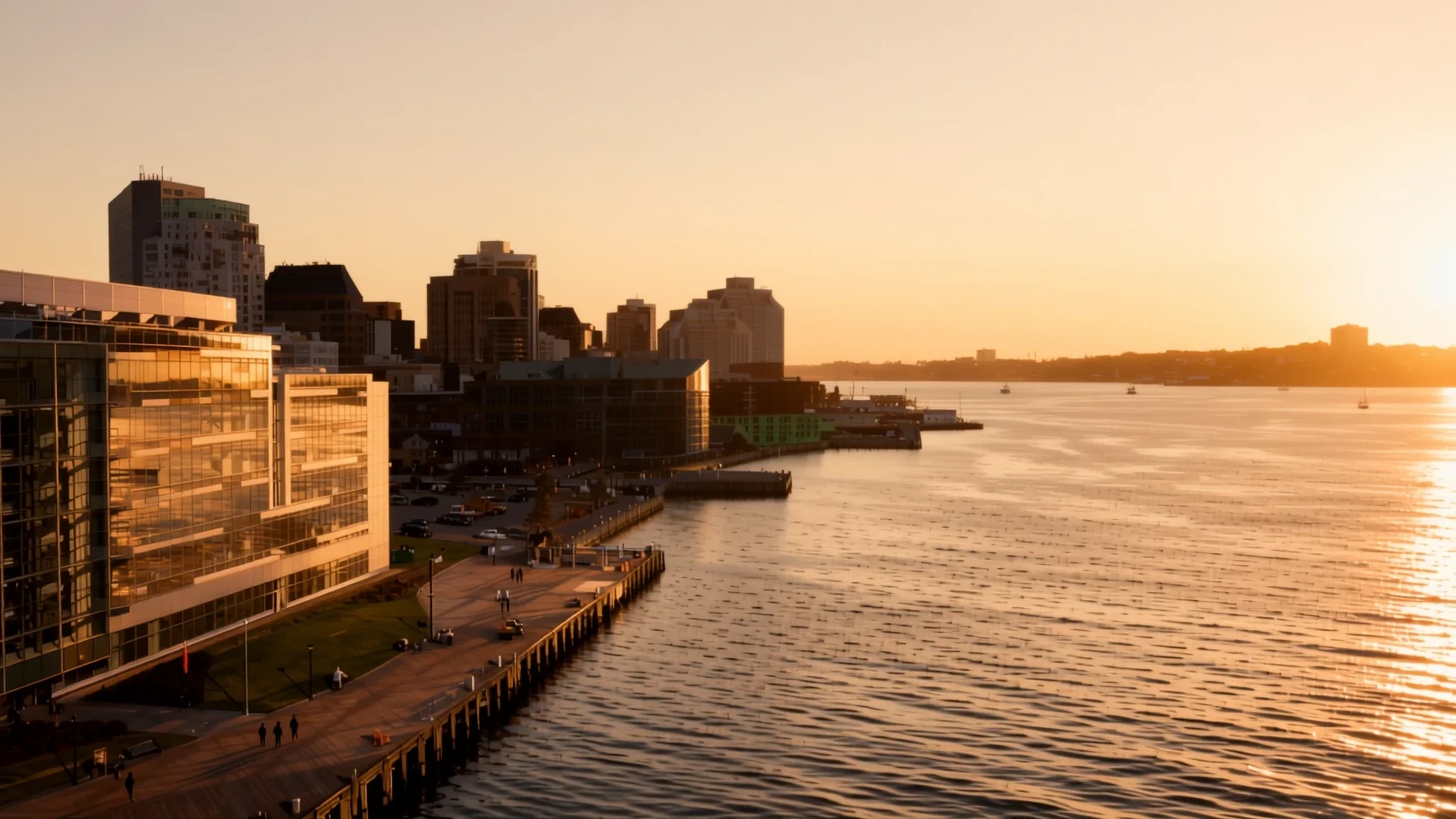
Come for salt-air maritime heritage, rugged Atlantic coastlines, historic stone forts, and a lively seaport culture shaped by generations of seafaring communities.
The place
Halifax stands as the largest urban municipality and capital of the Canadian province of Nova Scotia, anchoring the Atlantic coast with an energetic blend of historic stone architecture and contemporary maritime commerce. The modern regional municipality spans four former territorial entities united into one administrative area, creating a sprawling landscape that encompasses dense downtown streets, residential neighbourhoods, and rural pockets where traditional industries like fishing and forestry persist. Government offices, higher education institutions, major health networks, and shipyards drive the local economy, alongside a substantial student population that infuses the streets with youthful vitality. Climatically, the municipality experiences warm summers and relatively mild winters compared to inland areas at similar latitudes, cushioned by the moderating influence of the ocean waters and Gulf Stream currents. Temperatures through the year typically hover between comfortable summer ranges and colder winter lows, with occasional weather shifts brought by passing Atlantic fronts. Visitors walking the downtown core encounter steep streets sloping directly down to the deep-water harbour, where working vessels, ferries, and cruise ships share the busy maritime channels. Historic brick warehouses stand alongside modern glass developments, reflecting a city that honours its maritime roots while expanding outward. The surrounding coastline offers dramatic granite rocks, windswept headlands, and quiet fishing harbours that define the quintessential character of Canada's eastern seaboard.
Its story
Before British colonial authorities established a permanent settlement here, the region was known to the Indigenous Mi'kmaq people as Chebucto. In the middle of the eighteenth century, the British Crown decided to create a fortified military base and administrative capital to replace Annapolis Royal and counter French influence anchored nearby at Louisbourg. King George II directed the establishment of a new town on the peninsula, dispatching transports carrying hundreds of settlers and military personnel to secure the strategic harbour. The arrival of these colonists immediately disrupted existing regional treaties, sparking prolonged conflict as the Mi'kmaq defended their traditional territories against unauthorized European encroachment. To protect the Protestant settlers, engineers and soldiers quickly erected defensive works across the strategic high ground and surrounding coastal approaches, including Citadel Hill and outposts along the river valleys and neighbouring bays. Over subsequent decades, the settlement grew from a raw military outpost into a vital naval station for the British Empire, playing a crucial role in North American military campaigns and transatlantic shipping. Later migration waves brought diverse communities, including French-speaking settlers from surrounding rural districts who shaped the cultural fabric of nearby coastal villages. The physical remnants of these early fortifications and historic buildings remain embedded in the modern street layout, serving as tangible reminders of the complex colonial encounters that forged the early community.
What to see
- St. Paul's Anglican Church — Downtown core
Built in the middle of the eighteenth century by royal proclamation, this timber structure stands as the oldest building in the city and the oldest surviving Protestant place of worship in the entire country. Inside, visitors can examine historic plaques, original architectural details, and stained glass windows that reflect centuries of local religious life and community history along the downtown streets.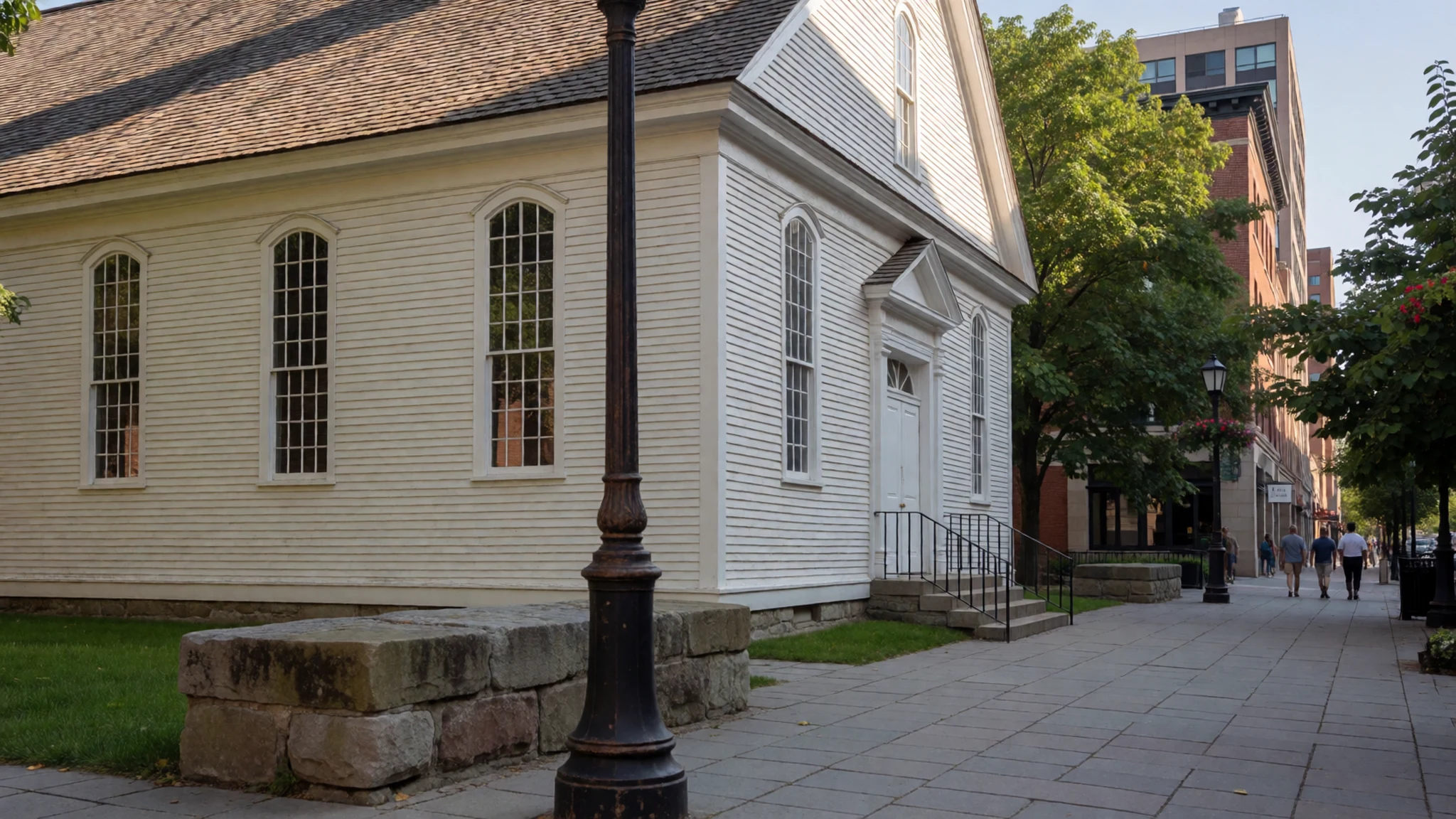
- The Halifax Citadel — Citadel Hill
Dominating the high ground above the harbour, this historic star-shaped fortress was constructed to defend the strategic naval station from potential attacks. Visitors can explore extensive defensive ditches, powder magazines, and museum exhibits detailing military life, while ceremonial guards in traditional uniforms perform daily duties and historical demonstrations overlooking the sweeping waters of the port.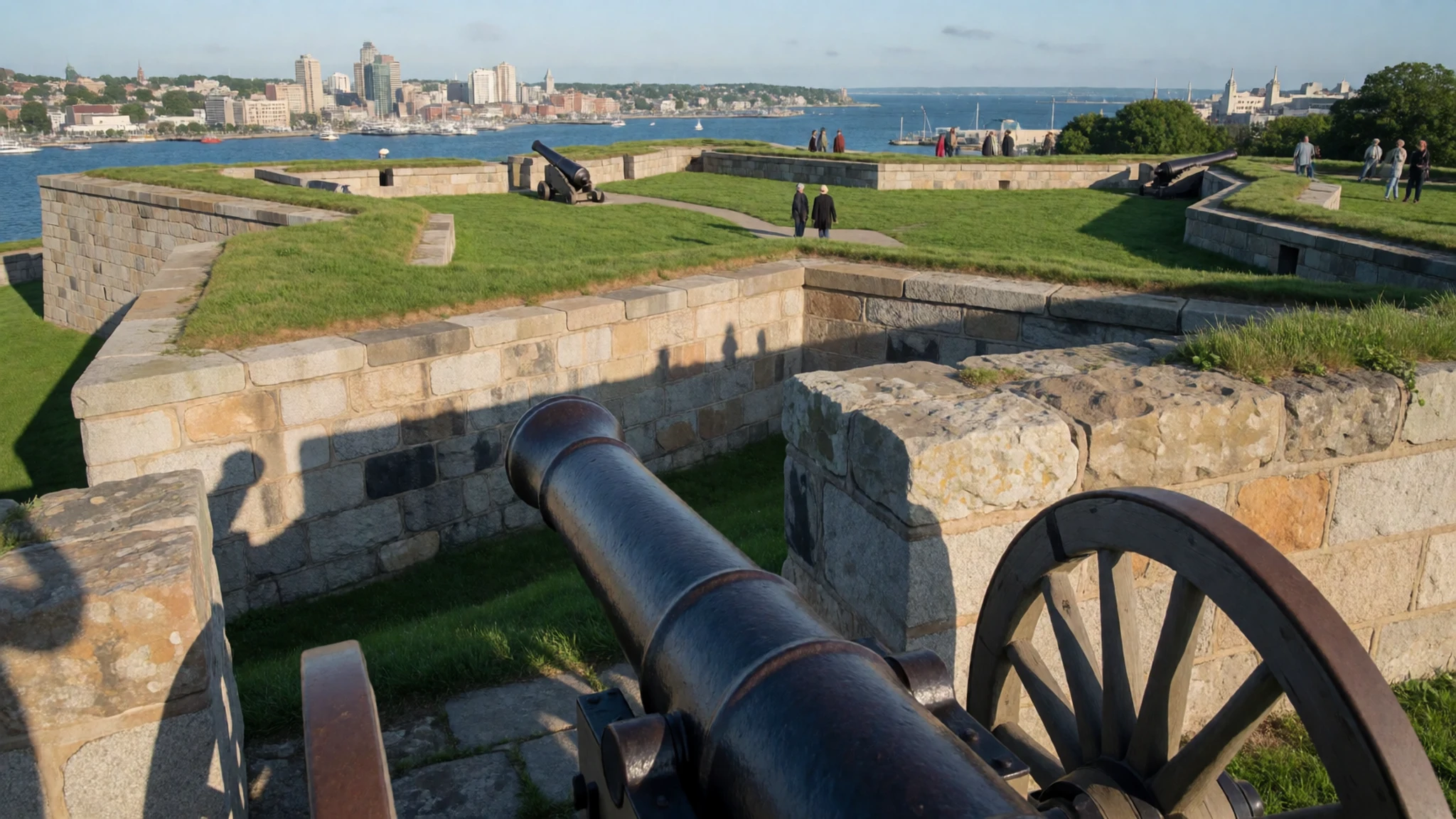
- Old Burying Ground — South End
Established during the initial colonial settlement period, this historic graveyard served as the primary burial place for early residents, soldiers, and mariners for nearly a century. Weathered slate headstones, decorative table tombs, and informative outdoor plaques reveal poignant stories of early inhabitants, while a grand triumphal monument stands near the pedestrian entrance archway.
- Province House — Downtown government district
Operating as the home of the oldest provincial legislature in the nation, this distinguished structure is a premier example of classical Georgian architecture. Opened in the nineteenth century, the legislative building has witnessed pivotal moments in political history, including early milestones of colonial self-governance, and remains an active centre for regional lawmaking.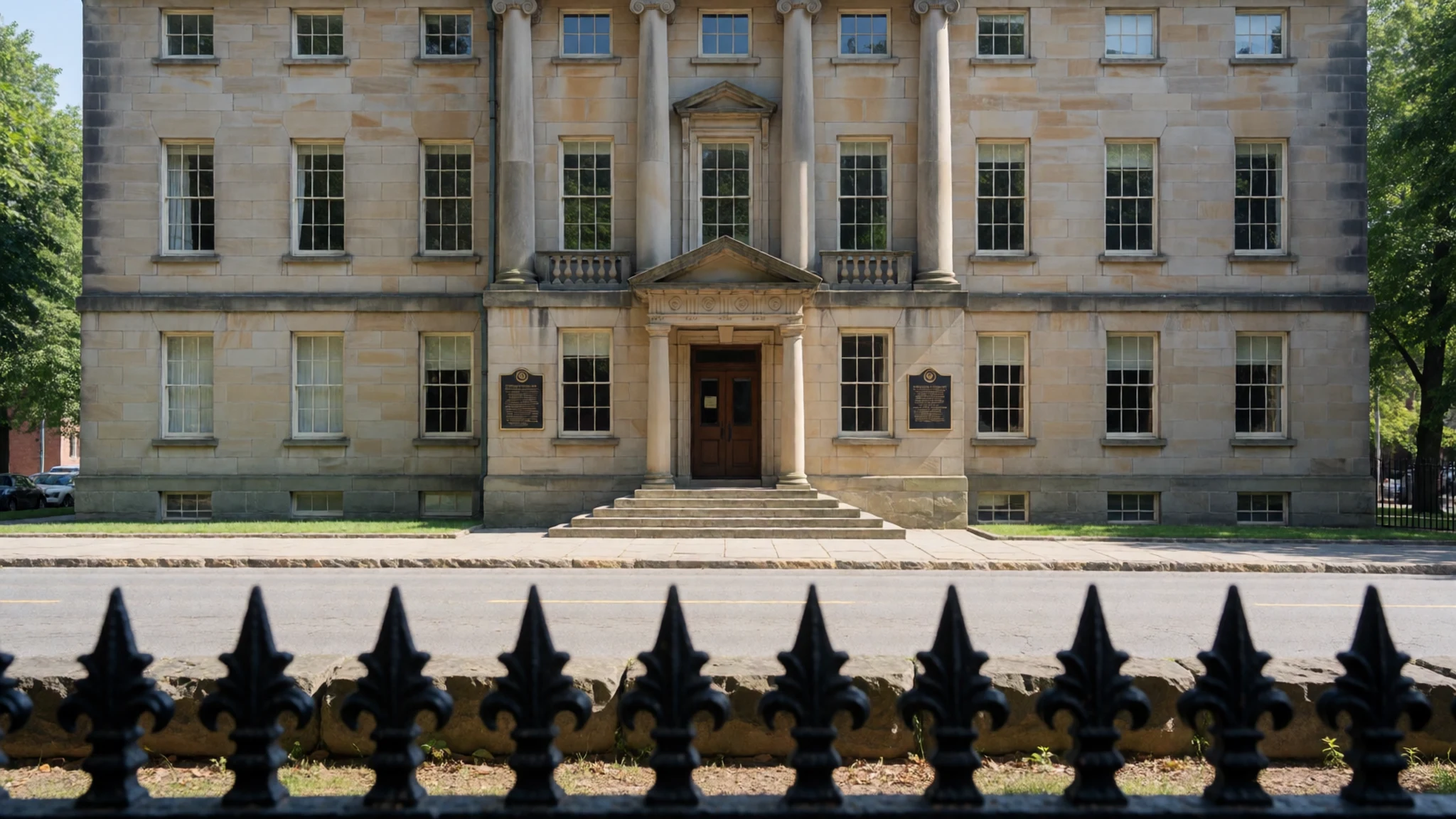
- Halifax Central Library — Spring Garden Road
Opened in recent years, this striking architectural landmark features cantilevered upper levels designed to resemble stacked books, earning widespread international design acclaim. The interior provides expansive public reading spaces, digital media labs, cafes, and community gathering areas that serve as a vibrant social hub for residents and students alike.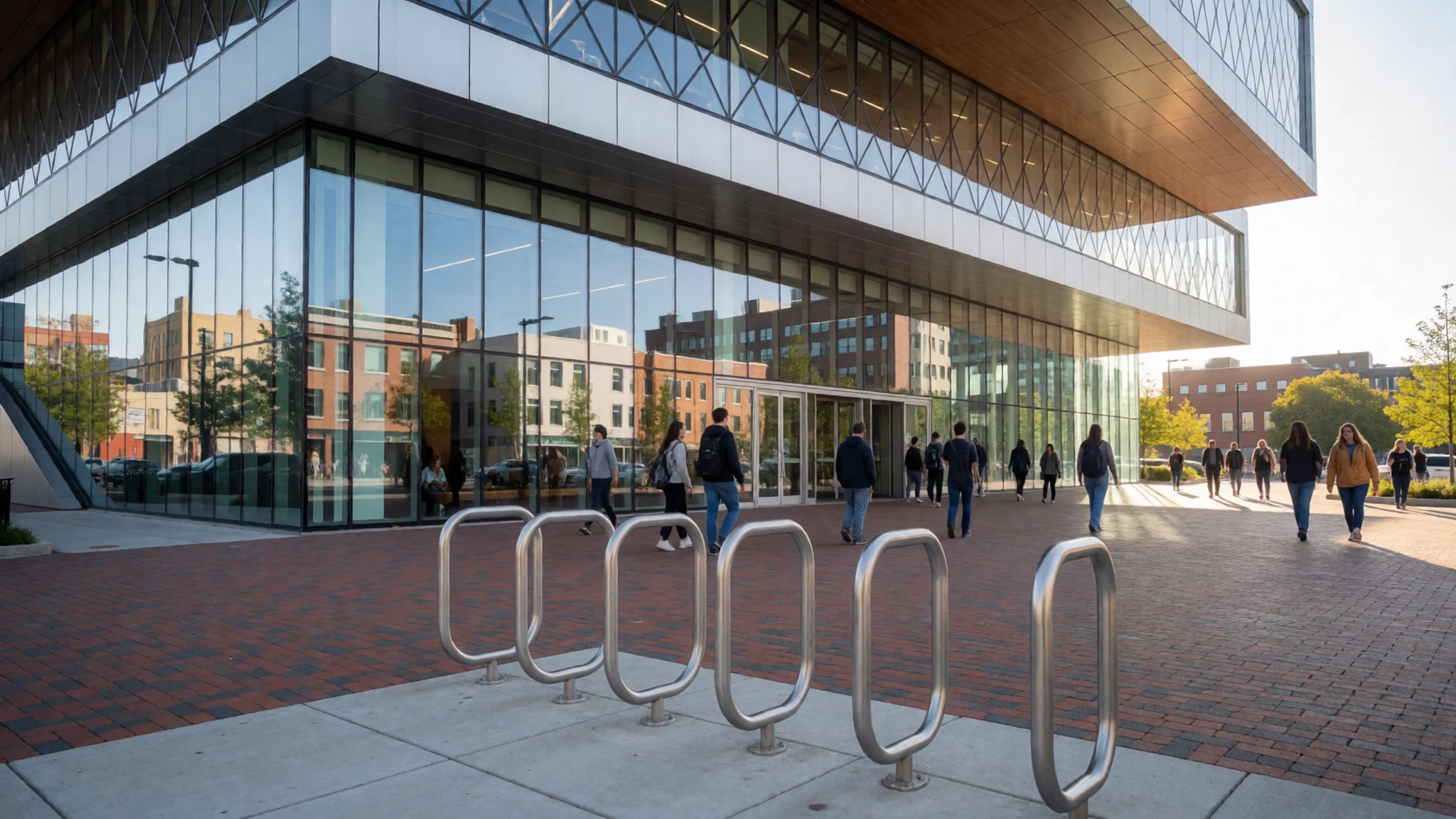
Culture
Halifax functions as the primary cultural heartbeat of the Atlantic provinces, blending deep-rooted maritime and military traditions with a progressive, multicultural outlook. The urban core derives much of its creative energy from a large population of university students, who support independent art galleries, live music venues, local theatres, and community festivals throughout the year. Traditional fiddle music and coastal storytelling share space with contemporary culinary arts and diverse immigrant communities, creating a welcoming atmosphere where historical heritage meets modern urban expression. Residents take immense pride in their seafaring history, coastal resilience, and easy access to the natural environment, balancing professional careers with outdoor recreation along the shoreline. Visitors should always respect local Indigenous heritage sites and coastal conservation areas by staying on marked paths and leaving natural environments undisturbed.
What to wear
Traditional attire in Nova Scotia reflects its rich Scottish, Irish, Acadian, and Indigenous roots, historically featuring wool garments, tartan accessories in specific clan patterns, and durable woven fabrics suited for damp coastal conditions. While formal historical dress such as tartan kilts or Gaelic woollens is now largely reserved for cultural festivals, highland games, and ceremonial military events, the textile heritage remains visible in local artisan shops crafting warm knitwear and woolen blankets. Today, everyday style among residents is practical, comfortable, and weather-conscious, prioritizing layers to cope with sudden shifts in coastal winds and ocean fog. Denim, sturdy waterproof jackets, comfortable walking shoes or boots, and flannel shirts are standard streetwear year-round, accommodating both active outdoor lifestyles and casual indoor gatherings in cafes and pubs. Visitors exploring the municipality should pack versatile layers, including a windproof and waterproof outer shell, comfortable footwear for walking up and down steep cobblestone or concrete streets, and warmer clothing for breezy evenings by the harbourfront, regardless of the season.
What to eat
- Trident Café — Lower Water Street
A welcoming neighbourhood bookshop and cafe where visitors can browse used books while sipping freshly roasted espresso drinks prepared with beans roasted on-site twice weekly.
- Steve-O-Reno's — Barrington Street district
A popular local gathering spot known for specialty coffees, loose-leaf teas, and hearty breakfast sandwiches like the signature 'Egg-O-Reno', best enjoyed before the midday rush.
- The Ardmore Tea Room — Quinpool Road corridor
A classic, unpretentious diner operating continuously for decades, celebrated by locals for serving affordable, comforting breakfast plates in a retro diner atmosphere. - Pizza Corner — Blowers and Grafton Street corner
A legendary downtown intersection famous for late-night food culture, where competing pizza shops dish out quick slices alongside the local favourite donair. - Shiraz — Downtown fringe
A remarkably tiny eatery housed in a converted former taxi stand, offering authentic and flavourful Iranian dishes at very reasonable prices.
Plan it
Best time. June to September offers the warmest weather for outdoor exploration and coastal boat tours, though July and August bring higher visitor numbers and busier attractions.
How long. 3–4
Getting there. Fly into the international airport, then take the MetroX Route 320 express bus service directly to downtown Halifax.
Budget. mid
Tips
- Wear sturdy footwear to comfortably navigate the steep hills descending toward the harbour
- Book accommodations well in advance if visiting during the peak summer holiday months
- Check weather forecasts regularly, as Atlantic coastal fog and wind can change conditions quickly
- Carry a mix of cards and cash for smaller independent bakeries and suburban markets
Etiquette
- Tip servers around fifteen to twenty percent in local restaurants and cafes
- Yield to pedestrians on shared multi-use waterfront boardwalks
Nearby
Sources
- Wikidata Q2141 (CC0)
- Wikipedia (rev 1379066115) (CC BY-SA 4.0)
- Wikivoyage (rev 5404114) (CC BY-SA 4.0)
- Photo photos/01-halifax-city-hall-summer-2014.jpg (CC BY 3.0)
- Photo photos/02-halifax-harbour-sunset-skyline-nova-scotia-24237034620.jpg (CC BY-SA 2.0)
- Photo photos/03-halifax-public-gardens-entrance.jpg (CC BY 4.0)
- Photo photos/06-halifax-town-clock.jpg (CC BY 3.0)


