Gyeongbokgung
Gyeongbokgung, South Korea
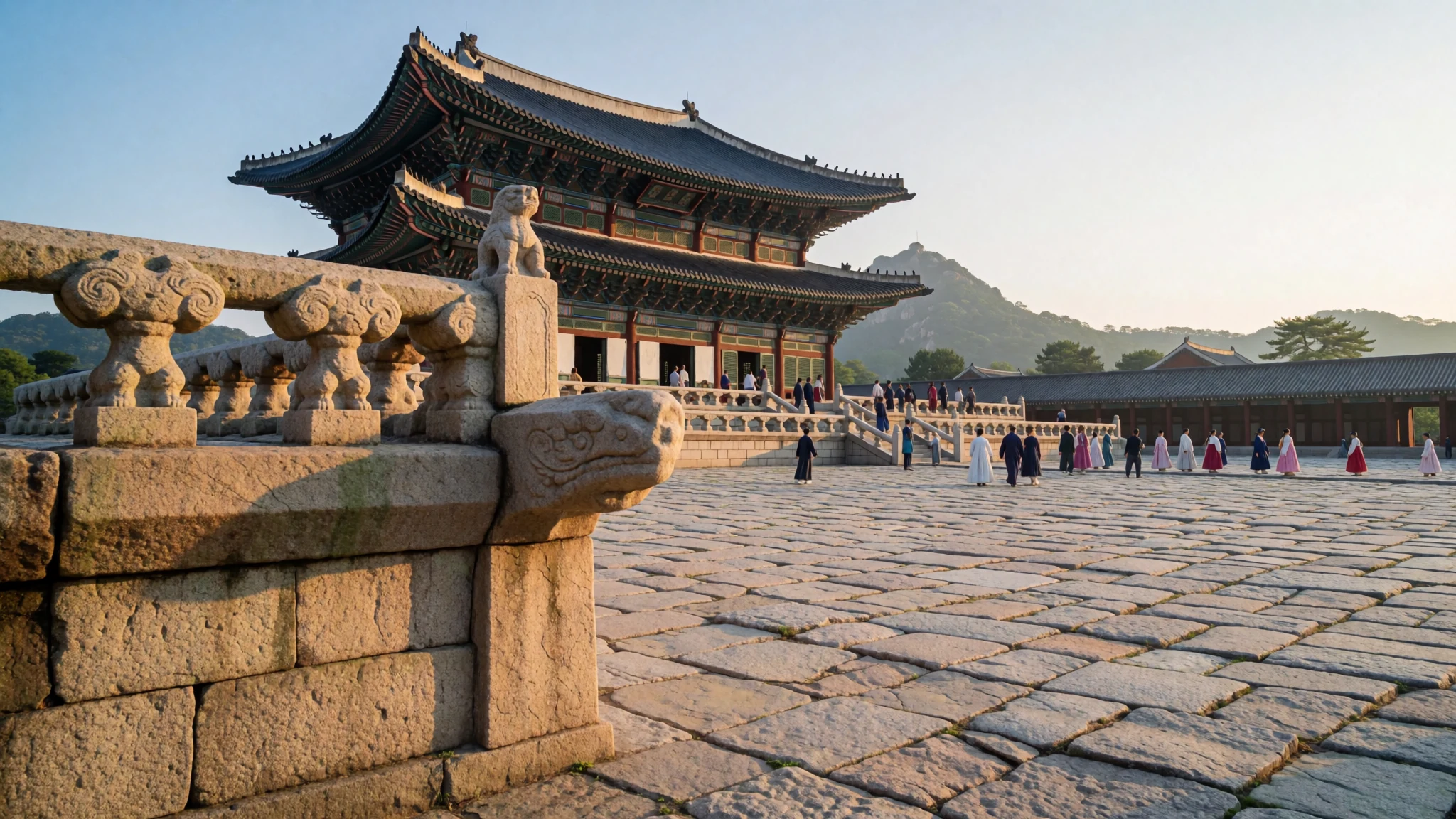
Gyeongbokgung stands as the premier royal palace of Seoul, offering an essential window into centuries of Korean dynastic history and architectural revival.
The place
Gyeongbokgung occupies a grand expanse in the heart of South Korea's capital. Established as the primary royal seat for the Joseon dynasty, the palace grounds contain sprawling courtyards, ornate wooden halls, and serene water pavilions that reflect classical East Asian design principles. Framed by distant mountains, the complex serves as a profound physical anchor for the city's modern layout. Visitors stepping through the monumental gates encounter vast stone courtyards designed to display royal authority, alongside quiet gardens once reserved for court nobility. Though much of the original complex suffered severe damage during historical conflicts and colonial rule, meticulous reconstruction efforts have returned many of the principal pavilions to their traditional appearance. Today, the palace grounds draw millions of visitors who walk beneath painted eaves and inspect intricate dancheong artwork on wooden beams. The surrounding district blends wide modern avenues with historic administrative quarters, creating a striking contrast between contemporary civic life and centuries-old imperial heritage. Exploring the courtyards requires considerable walking over gravel paths and stone courtyards, making comfortable footwear essential for any visit.
Its story
Gyeongbokgung began its long history when the founding monarch of the Joseon dynasty selected Hanyang, now known as Seoul, as the new state capital. Construction of the palace complex commenced near the close of the fourteenth century, and the king moved into the newly completed quarters soon after. During the early fifteenth century, the palace flourished under the reign of Sejong the Great, who oversaw major cultural advancements, including the creation of the native Korean script Hangul within the palace precincts. Political friction and shifting royal preferences led subsequent monarchs to reside in alternative residences nearby, leaving Gyeongbokgung occasionally neglected or abandoned for extended periods. In the late sixteenth century, the Imjin War brought total destruction, reducing the wooden structures to ashes. Funding shortages and political instability prevented rebuilding for centuries. The complex remained in ruins until the late nineteenth century, when the penultimate monarch ordered a comprehensive reconstruction project to restore royal authority. Following the Japanese annexation of Korea, the colonial administration systematically dismantled hundreds of palace structures, replacing them with administrative buildings. Decades later, extensive government-led archaeological and architectural initiatives began clearing away colonial additions to recover the original dynastic layout.
What to see
- Gwanghwamun Plaza — Jongno district
Stretching outward from the palace's main entrance, this expansive public square serves as a central civic gathering space in the capital. Monumental statues honouring historic figures from the Joseon dynasty anchor the pedestrian zone, which connects modern urban thoroughfares with ancient royal grounds.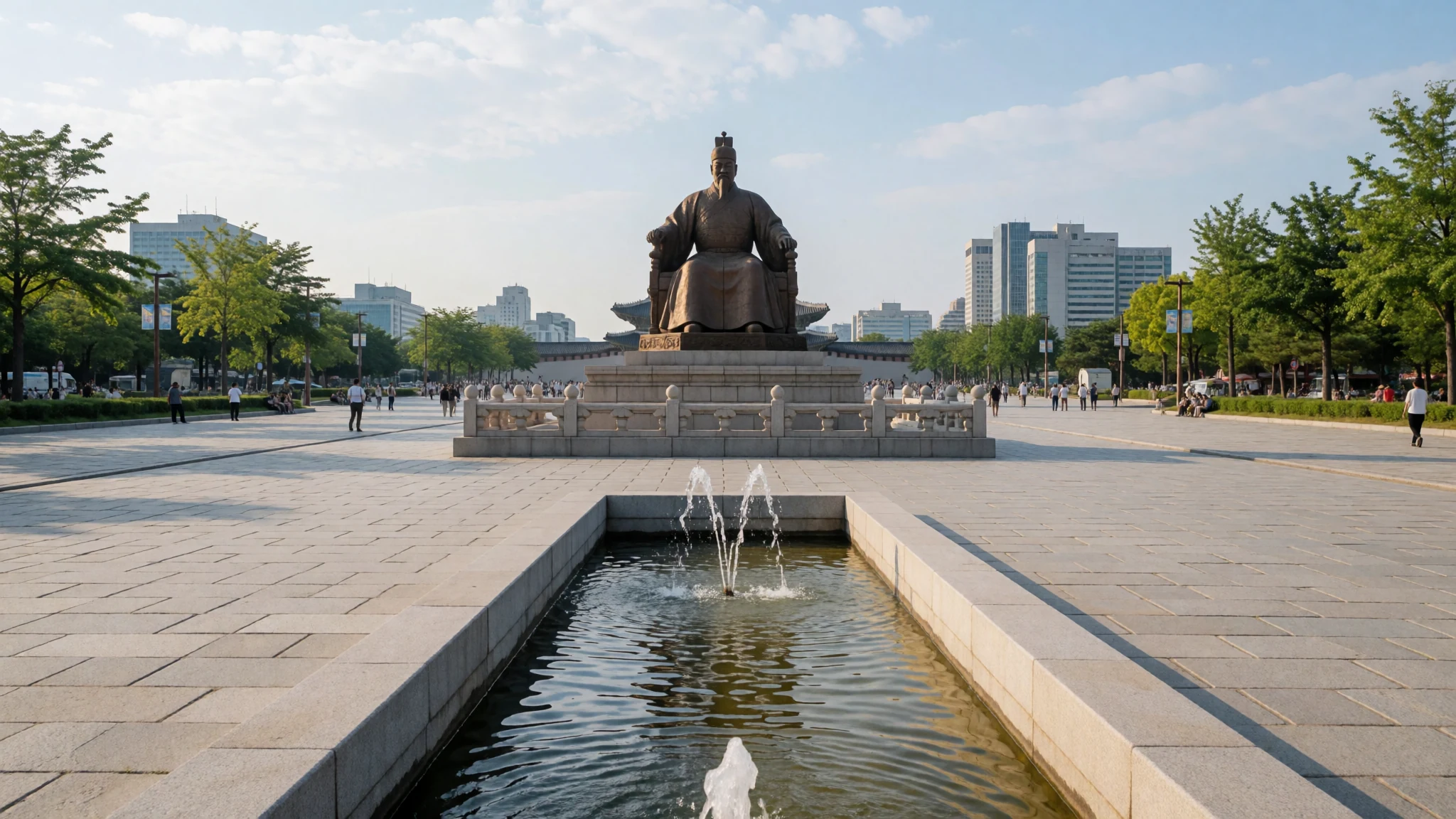
- Gyeongbokgung Main Grounds — Jongno district
The sprawling primary palace precinct contains grand throne halls, royal living quarters, and delicate pavilions floating on artificial ponds. Visitors wander through reconstructed courtyards that demonstrate traditional carpentry techniques, painted woodwork, and classical courtyard arrangements established during the medieval dynasty.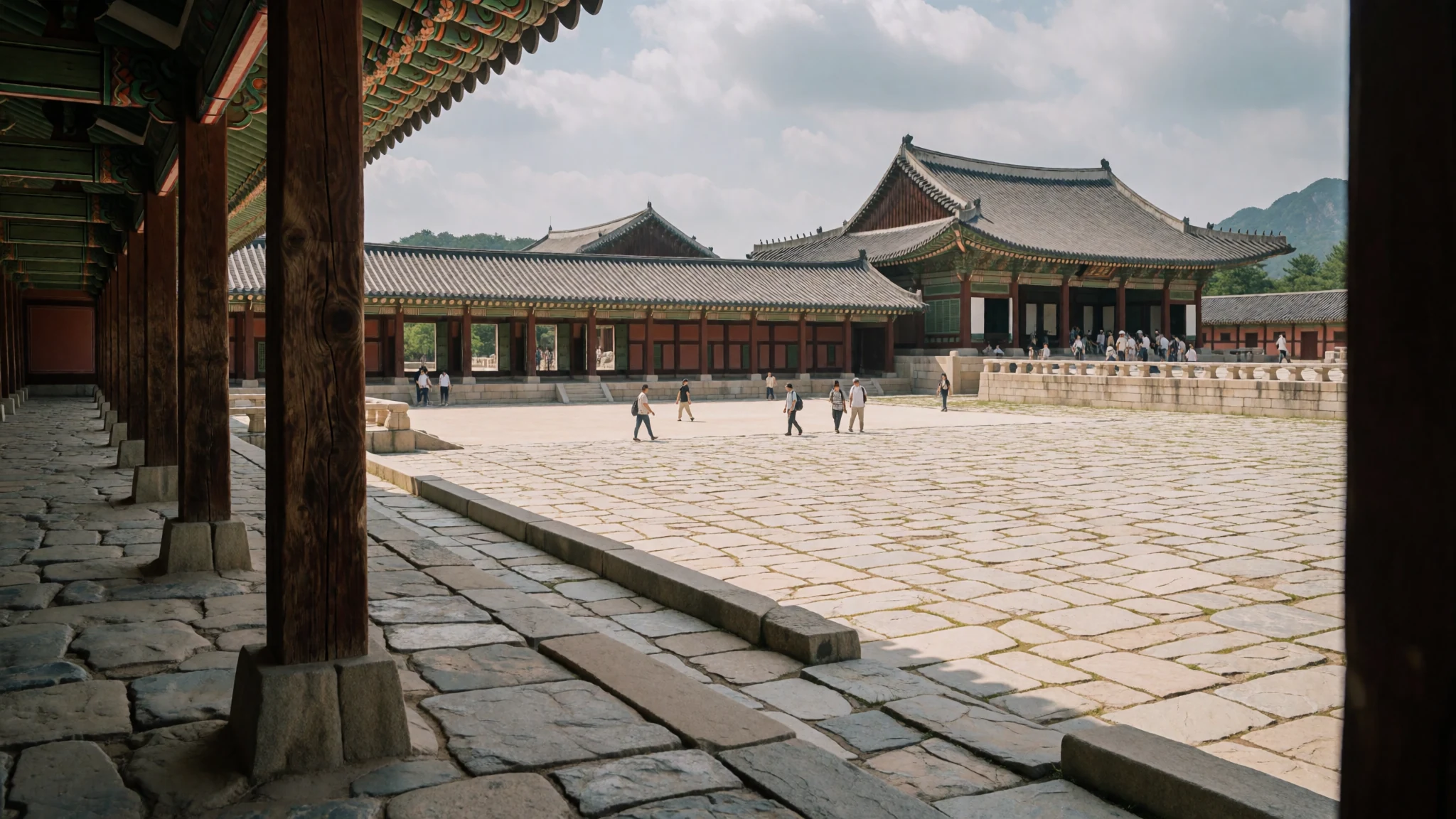
- Changdeokgung — Jongno district
Positioned nearby, this secondary royal palace features an extensive rear garden winding through natural wooded valleys. Constructed as an alternative residence during the early fifteenth century, the complex preserves quiet courtyards and pavilion architecture that complement the grander scale of the primary dynastic seat.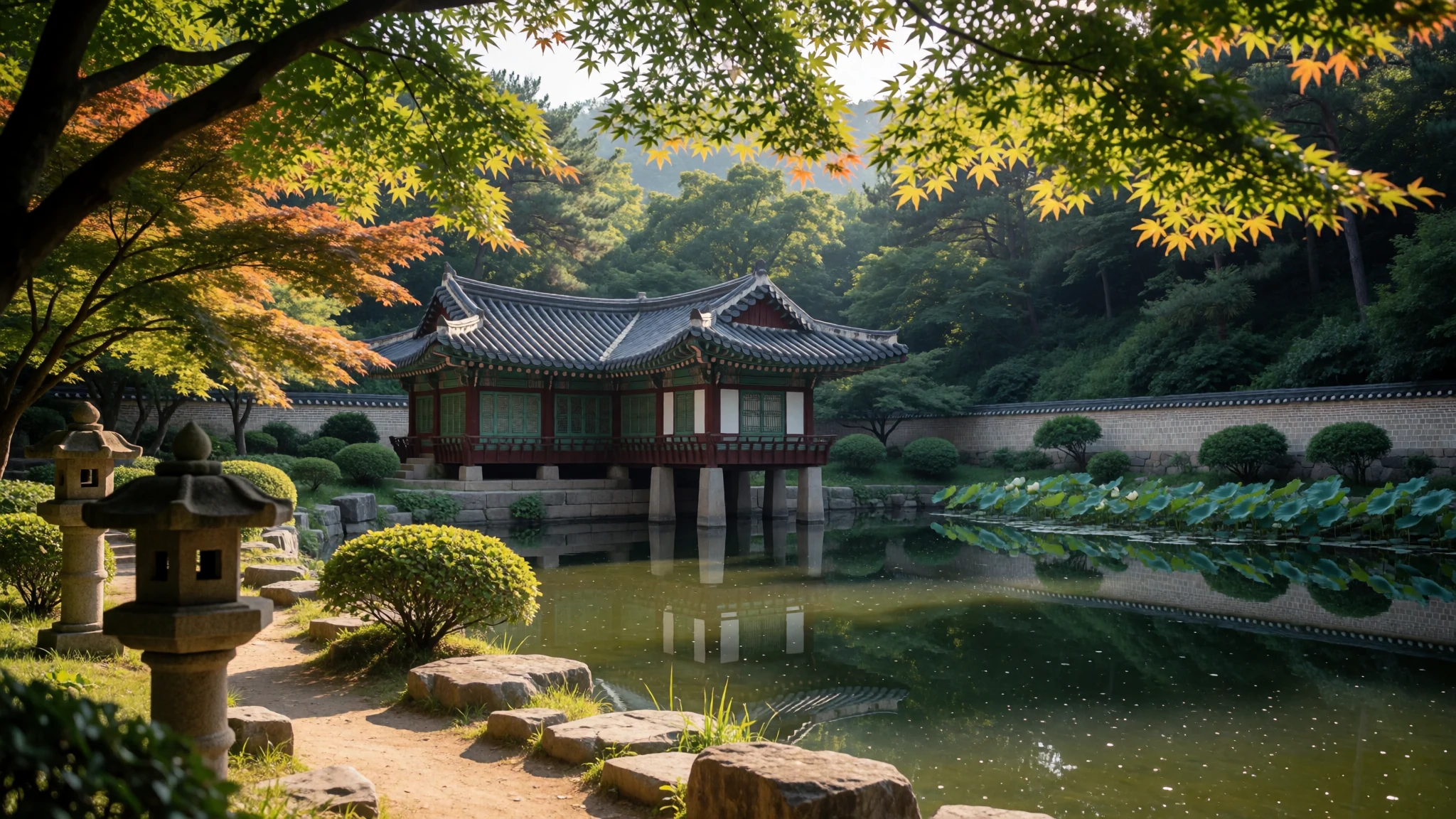
- Changgyeonggung — Jongno district
Originally established as a supplementary residence for royal family members, this historic palace ground offers serene walking paths beneath ancient trees. The restored halls and gardens present a more intimate perspective on daily court life during the Joseon era compared to the administrative formality of larger compounds.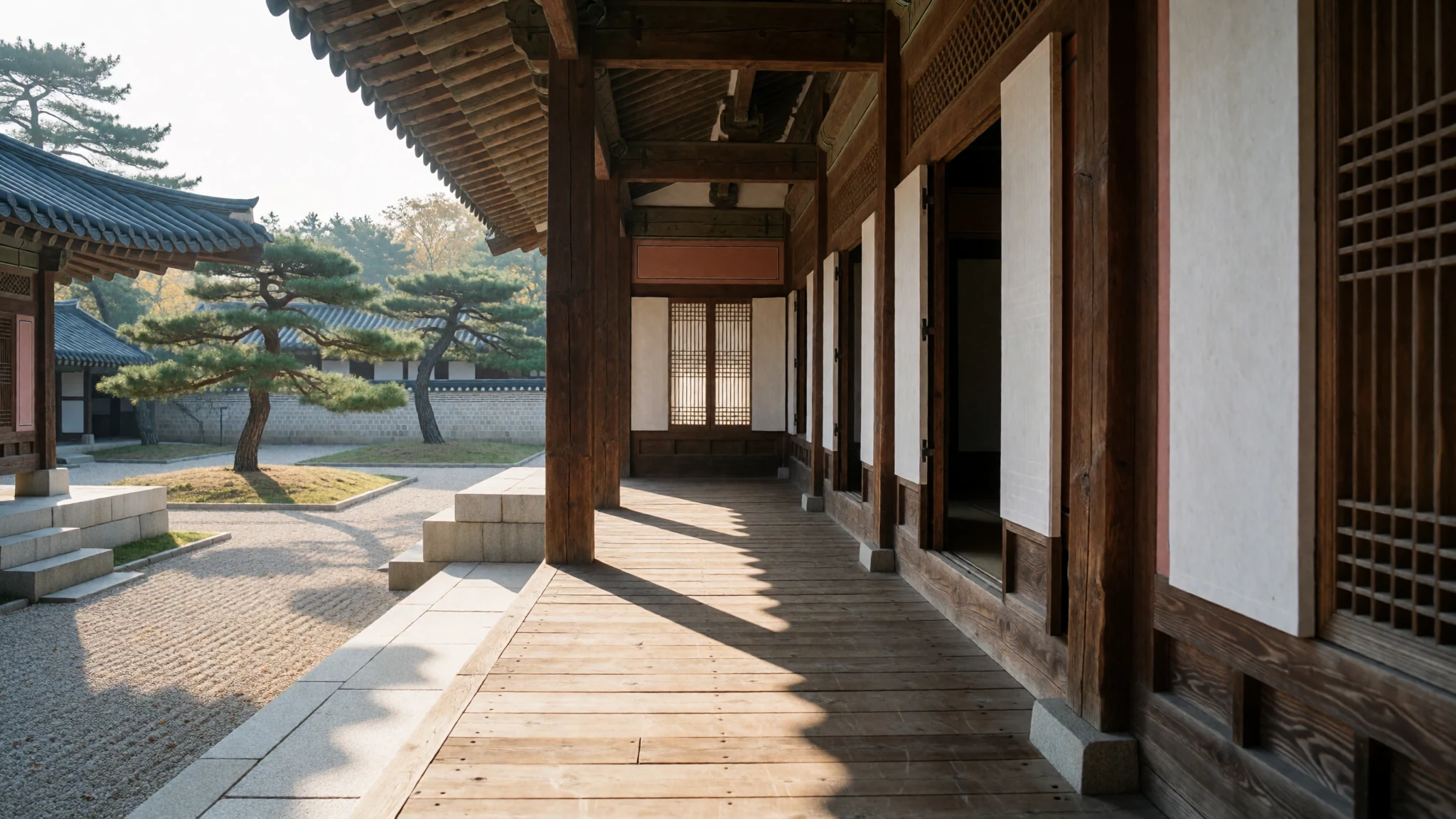
- Gyeonghui-gung — Jongno district
This smaller secondary palace served as a secondary emergency refuge for monarchs during times of political crisis. Although fires repeatedly damaged the original wooden structures in past centuries, surviving foundations and restored structures provide a peaceful sanctuary away from the busier central tourist areas.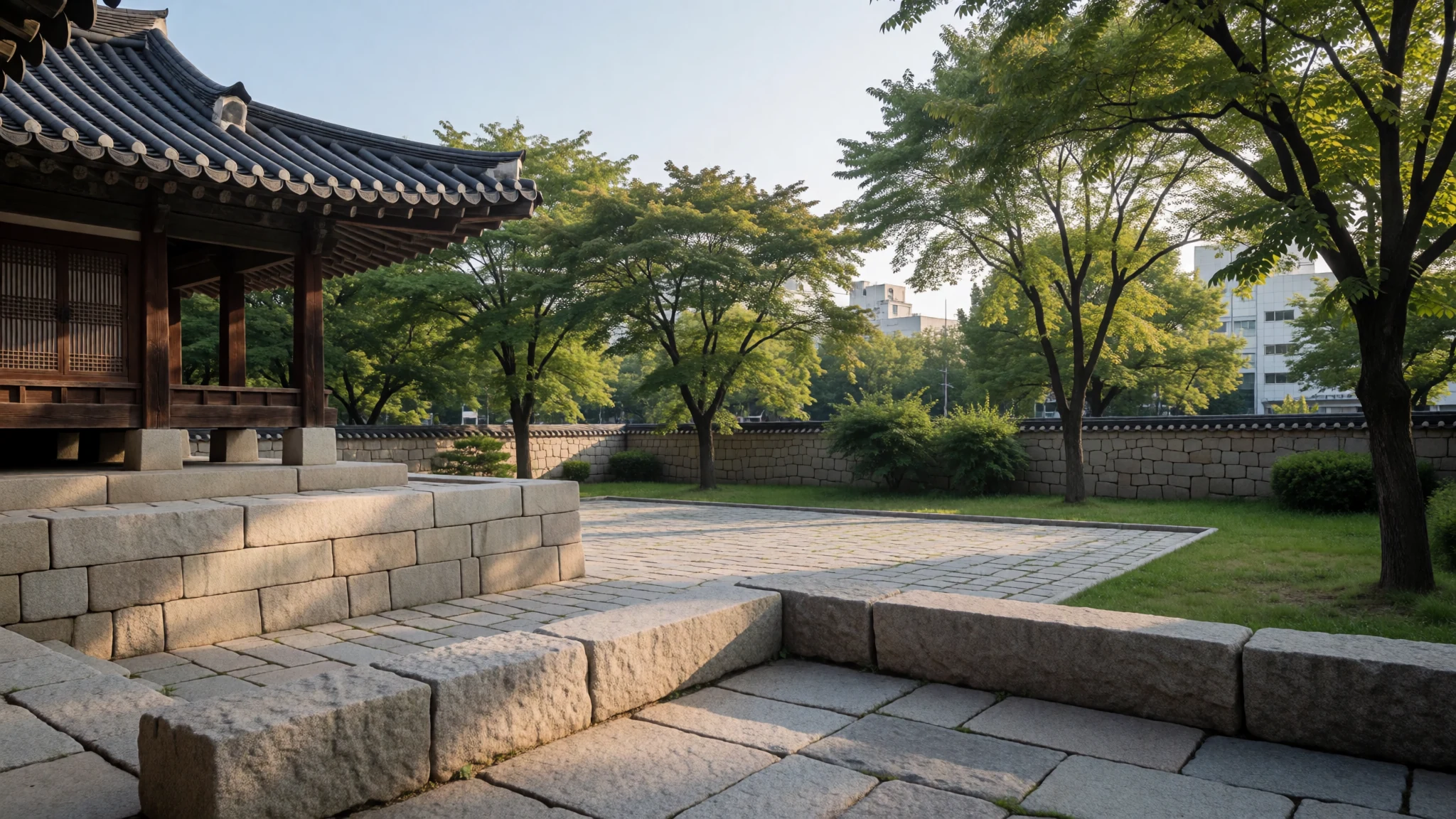
Culture
Gyeongbokgung and Korean cultural heritage emphasize deep respect for lineage, formal social decorum, and traditional craftsmanship passed down through generations. Visitors walking through the historic halls observe local customs that prioritize quiet observation and reverence for ancestral spaces. Many domestic and international visitors embrace traditional aesthetics by wearing historic garments while touring the courtyards, transforming the palace grounds into a living gallery of national identity. Traditional arts, music performances, and royal guard changing ceremonies take place daily, keeping historic pageantry alive for contemporary audiences. When entering indoor exhibition areas or traditional wooden pavilions, visitors should observe standard local etiquette by silencing mobile devices and respecting marked boundaries around delicate artifacts. Please remove your shoes whenever stepping onto raised wooden flooring inside traditional heritage structures.
What to wear
Gyeongbokgung is famously associated with the hanbok, the traditional Korean attire characterised by high-waisted wrap skirts, flowing jackets, and vibrant cloth textiles. Historically worn across all social strata with distinct regional and seasonal variations in silk or ramie fabrics, the hanbok is today reserved for festive occasions, weddings, and cultural celebrations. At the palace, visitors frequently rent modern interpretations of these garments to wear during sightseeing tours, which also grants complimentary admission to the grounds. For everyday wear in Seoul, locals favour contemporary, polished streetwear influenced by global fashion trends, with meticulous attention to tailoring and seasonal layering. Visitors should dress in comfortable layers suited to the local climate, keeping in mind that extensive walking over gravel courtyards requires sturdy footwear. Modest casual attire is entirely appropriate for all areas of the palace complex.
What to eat
- Imun Seolnongtang — Jongno district
Operating in the capital for over a century, this historic eatery specializes in a rich, milky beef bone soup simmered over many hours. Served simply with scallions and salt, the nourishing broth represents traditional comfort food in the old Jongno quarters.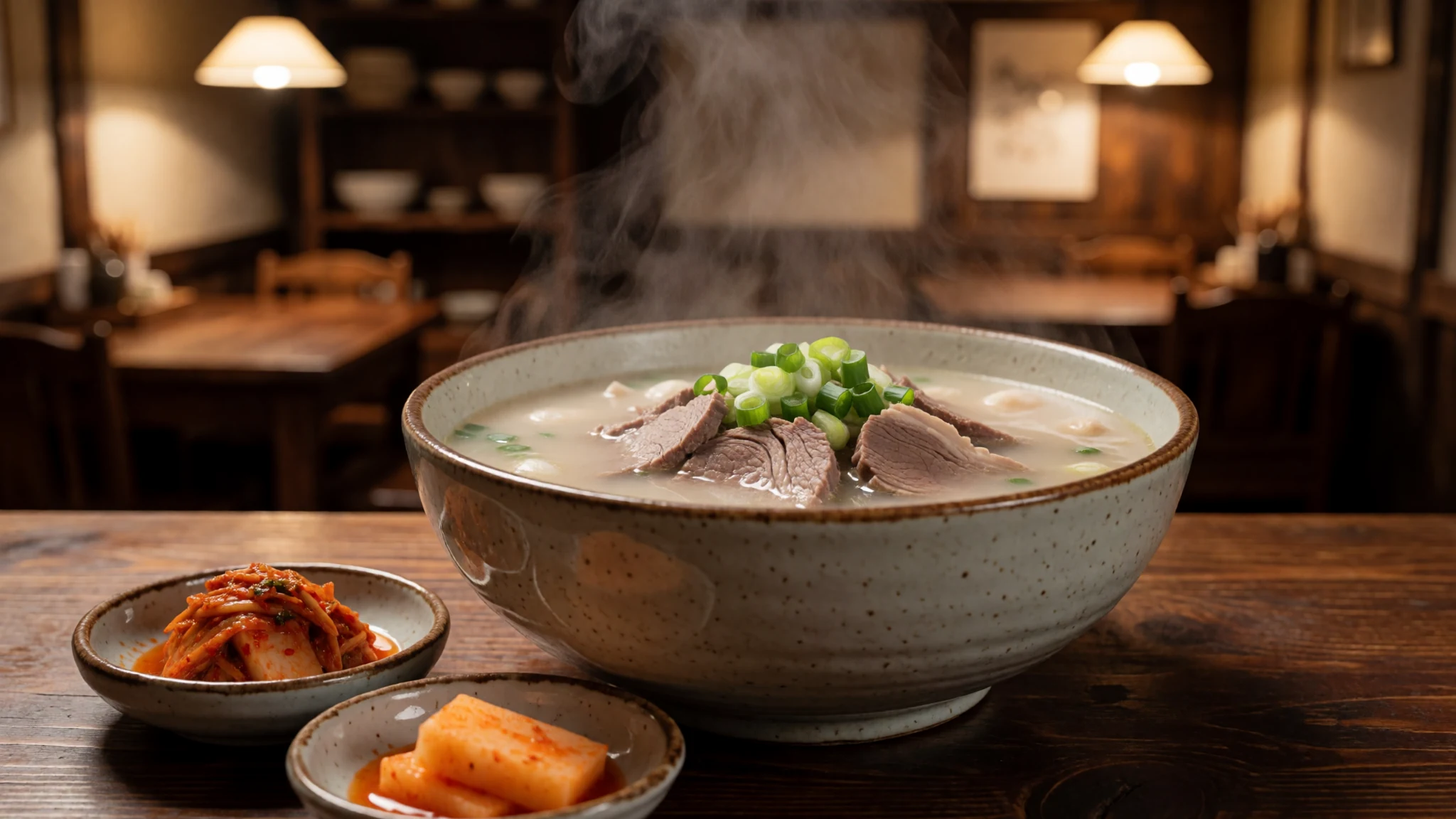
- Sadongmyenok — Jongno district
A beloved local noodle shop renowned for traditional dumplings stuffed generously with seasoned meats and fresh vegetables. Served piping hot in a clear broth alongside traditional fermented side dishes, the hearty portions offer genuine culinary comfort after walking through the palace.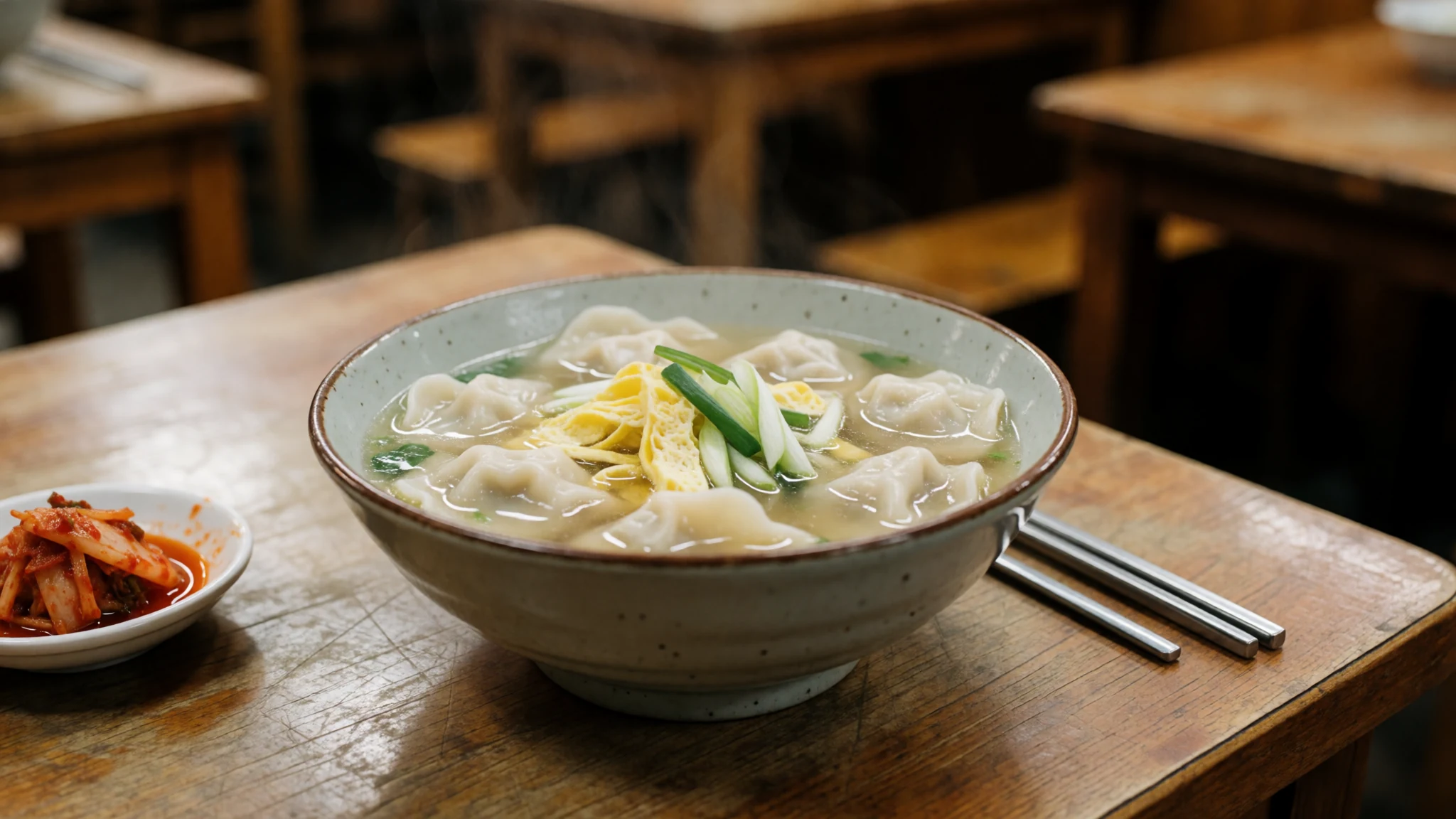
- Gung Restaurant — Jongno district
This specialized dining room focuses on traditional dumpling recipes originating from northern regional traditions. Alongside delicate handmade dumplings filled with savoury stuffings, the kitchen prepares flavourful chickpea patties that provide a satisfying meal in a quiet neighborhood setting. - Everest Restaurant — Jongno district
Situated nearby in a vibrant multicultural enclave, this long-standing eatery offers an aromatic selection of spiced mutton curries, freshly baked flatbreads, and traditional Himalayan dishes that reflect the diverse culinary landscape surrounding the historic centre of Seoul.
Plan it
Best time. March to April brings mild spring weather and cherry blossoms, while late October to November offers vibrant autumn foliage; August is extremely hot and humid.
How long. 2–3
Getting there. Arrive via Incheon International Airport, take the express train to Seoul Station, and transfer to the local metro network to reach the station closest to the palace.
Budget. mid
Tips
- Arrive early in the morning to explore the courtyards before large tour groups enter.
- Wear comfortable flat shoes suitable for walking extensively over gravel paths and stone yards.
- Check official schedules for seasonal night-opening dates when the palace gates open after sunset.
- Carry a combination of cards and local currency for small eateries and market stalls nearby.
- Rent a traditional hanbok from nearby shops to gain free admission to the palace grounds.
Etiquette
- Remove your shoes when stepping onto raised wooden floors inside historical heritage halls.
- Maintain a respectful quiet tone when observing traditional ceremonies and exhibitions.
- Ask permission before photographing local visitors dressed in traditional attire.
Nearby
Sources
- Wikidata Q482485 (CC0)
- Wikipedia (CC BY-SA 4.0)
- Wikivoyage (CC BY-SA 4.0)