Great Ocean Road
Great Ocean Road, Australia
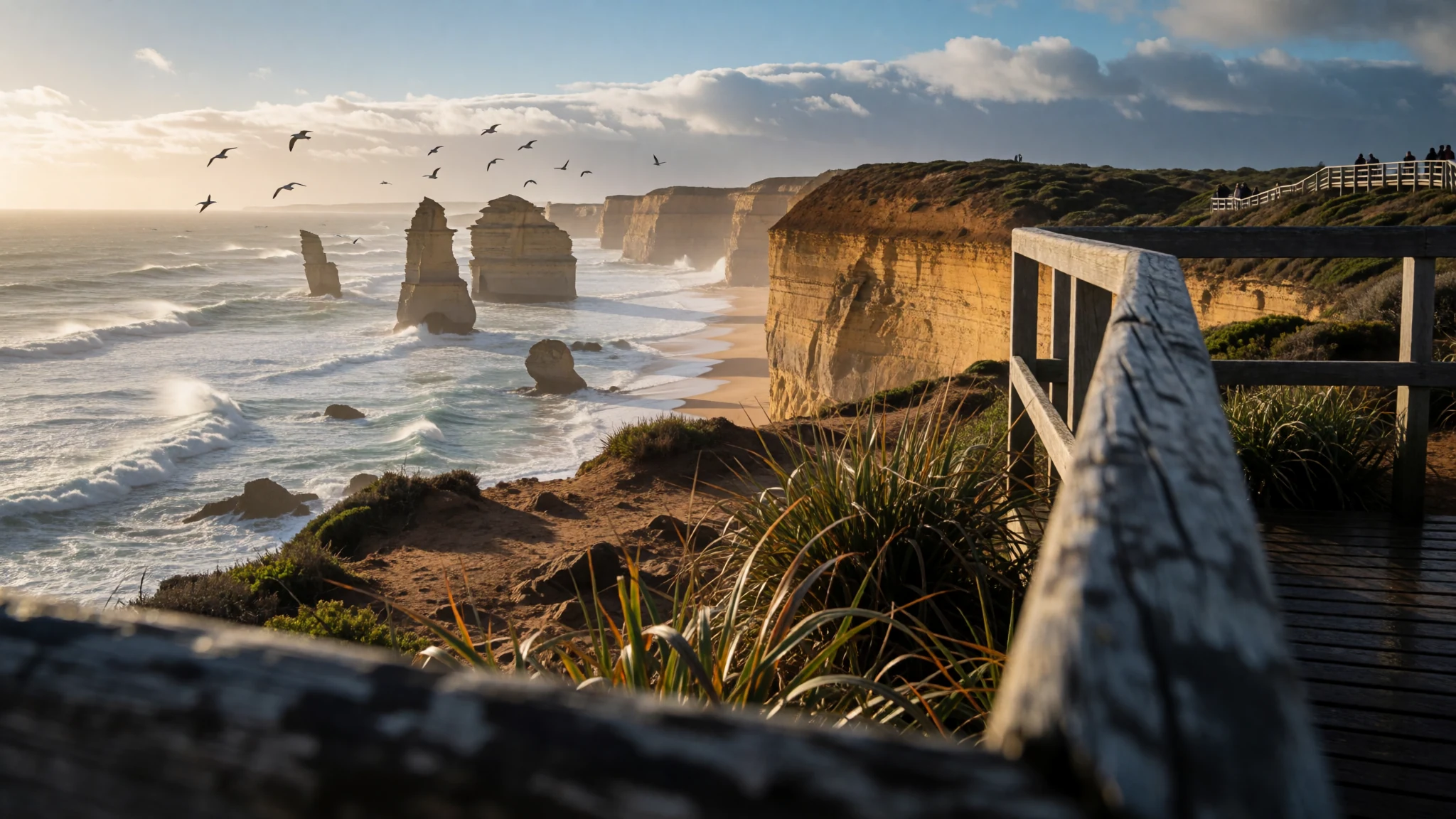
Drive the world's largest war memorial, hugging dramatic southeastern Australian cliffs and sweeping surf beaches from Torquay to Allansford.
The place
The Great Ocean Road traces the rugged south-eastern fringe of Australia, weaving past dramatic sandstone cliffs, eucalyptus forests, and pounding ocean surf. Stretching across the Victorian coast between the towns of Torquay and Allansford, the route is celebrated for its sweeping vistas and changing environments. Travellers navigate curves carved directly into steep rock faces, looking out over wild waters where ancient limestone stacks rise abruptly from the sea. Inland, the landscape folds into quiet river valleys and dense temperate rainforests filled with ferns and towering trees. Small coastal settlements punctuate the journey, offering sheltered bays and sweeping golden sand beaches that draw surfers and holidaymakers alike. The sheer variety of the terrain sets this coastal drive apart, offering an immersion in maritime weather that can shift from brilliant sunshine to cool, misty sea spray within the span of a single afternoon. Whether explored in brief roadside halts or over several days of slow travel, the route demands attention to the winding tarmac while rewarding every pause with vast horizons over the Southern Ocean.
Its story
The genesis of the Great Ocean Road lies in the aftermath of the First World War, when authorities sought meaningful employment for thousands of returning soldiers. Before construction began, the rugged coastline of Victoria's Western District was largely isolated, accessible only via rough bush tracks or by sea. In 1919, a private company called the Great Ocean Road Trust was formed under the leadership of Howard Hitchcock, raising funds through public subscriptions and tolls with the aim of connecting remote coastal communities and boosting the timber industry. Around three thousand returned servicemen were deployed to carve the route out of near-vertical cliffs and dense coastal scrub. Labour was arduous and largely manual, relying on picks, shovels, wheelbarrows, and explosives that workers transported with immense care. Despite the peril, the men built a route that would serve as a permanent tribute to their fallen peers, ultimately completing the full stretch by 1932. Legend and local lore accompanied the construction years, most famously when a coastal steamer struck a reef near Cape Patton, allegedly sending hundreds of barrels of beer and spirits into the sea for enterprising road workers to salvage. Handed over to the state government once debts were cleared, the road transitioned from an ambitious engineering feat into a cherished national heritage icon.
What to see
- Torquay Surf Beach — Torquay
Considered the spiritual home of Australian surfing, this lively coastal hub features sweeping golden sands and rolling waves where boardriders test the swell. Visitors can explore local surf culture, browse specialist shops, or watch the waves roll in from the shore.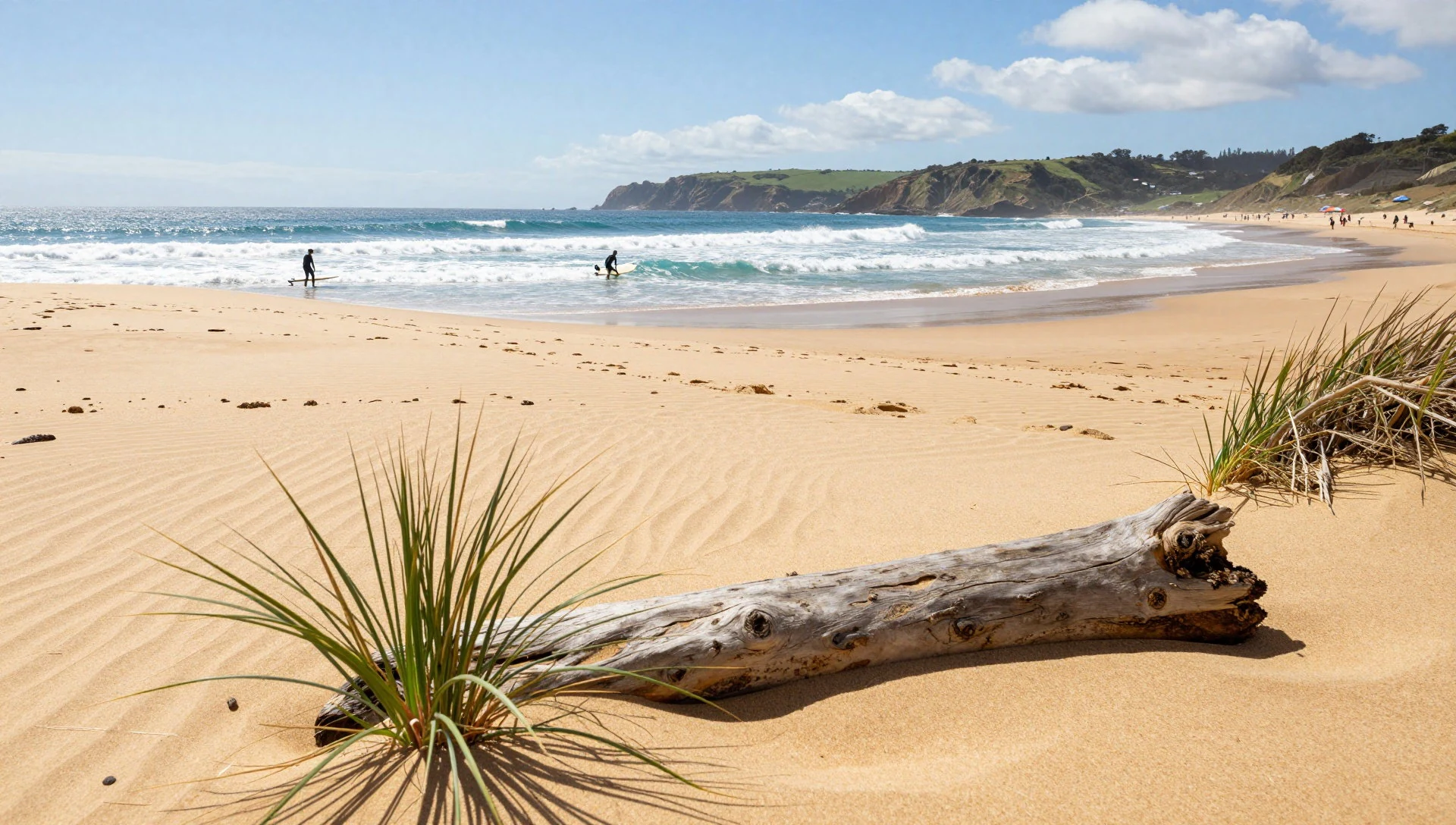
- Teddy's Lookout — Lorne
Perched high above the coastal township of Lorne, this vantage point offers sweeping aerial perspectives over the curving ribbon of asphalt as it hugs the cliff face. A short walking track through native bushland leads to the viewing platform overlooking the river mouth.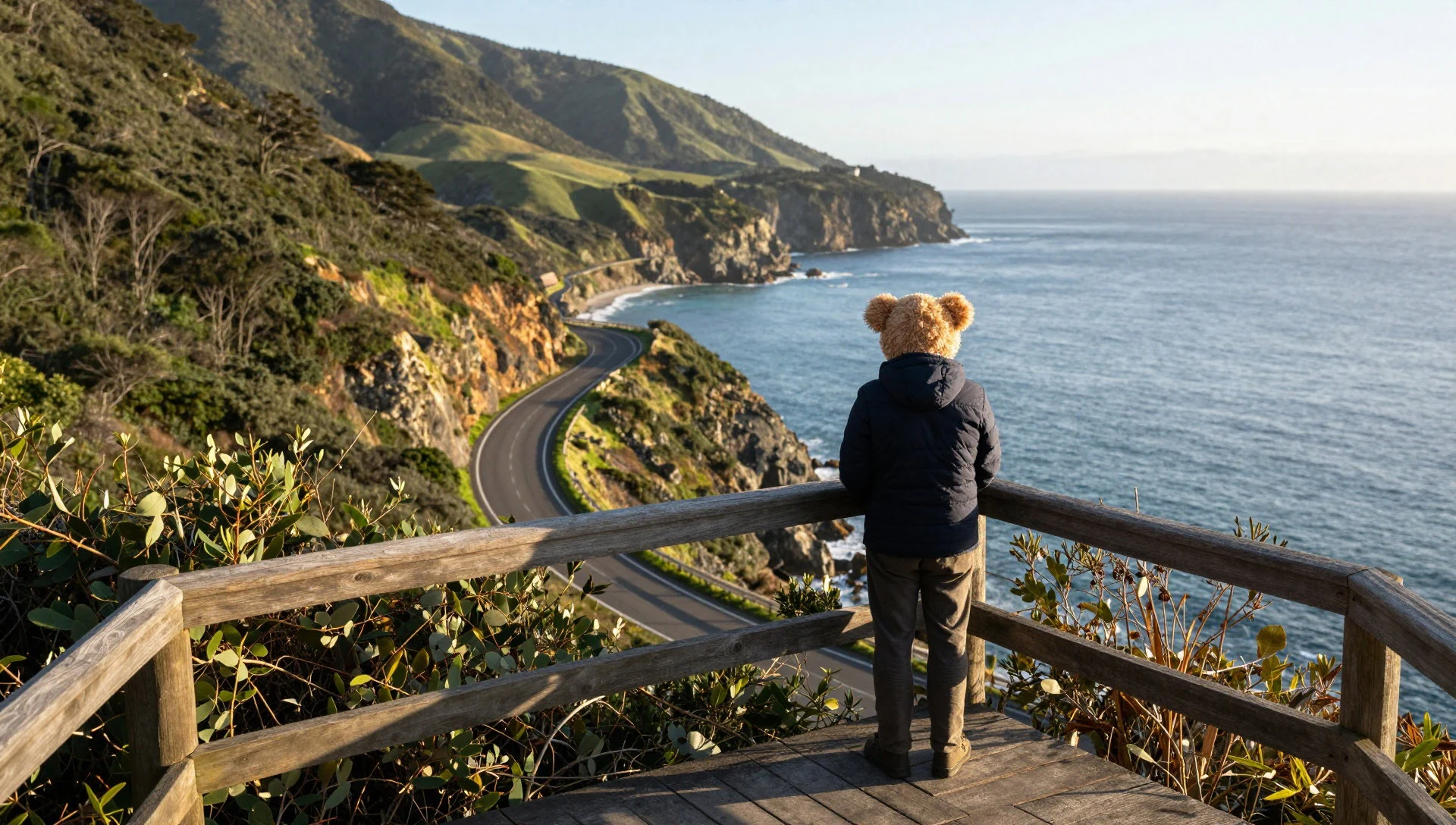
- Mariners Lookout — Apollo Bay
Rising above the crescent-shaped bay of Apollo Bay, this hilltop viewpoint reveals panoramic vistas across the harbour, sandy beaches, and surrounding green hills. It provides a striking perspective where the tranquil waters meet the rugged Australian coastline.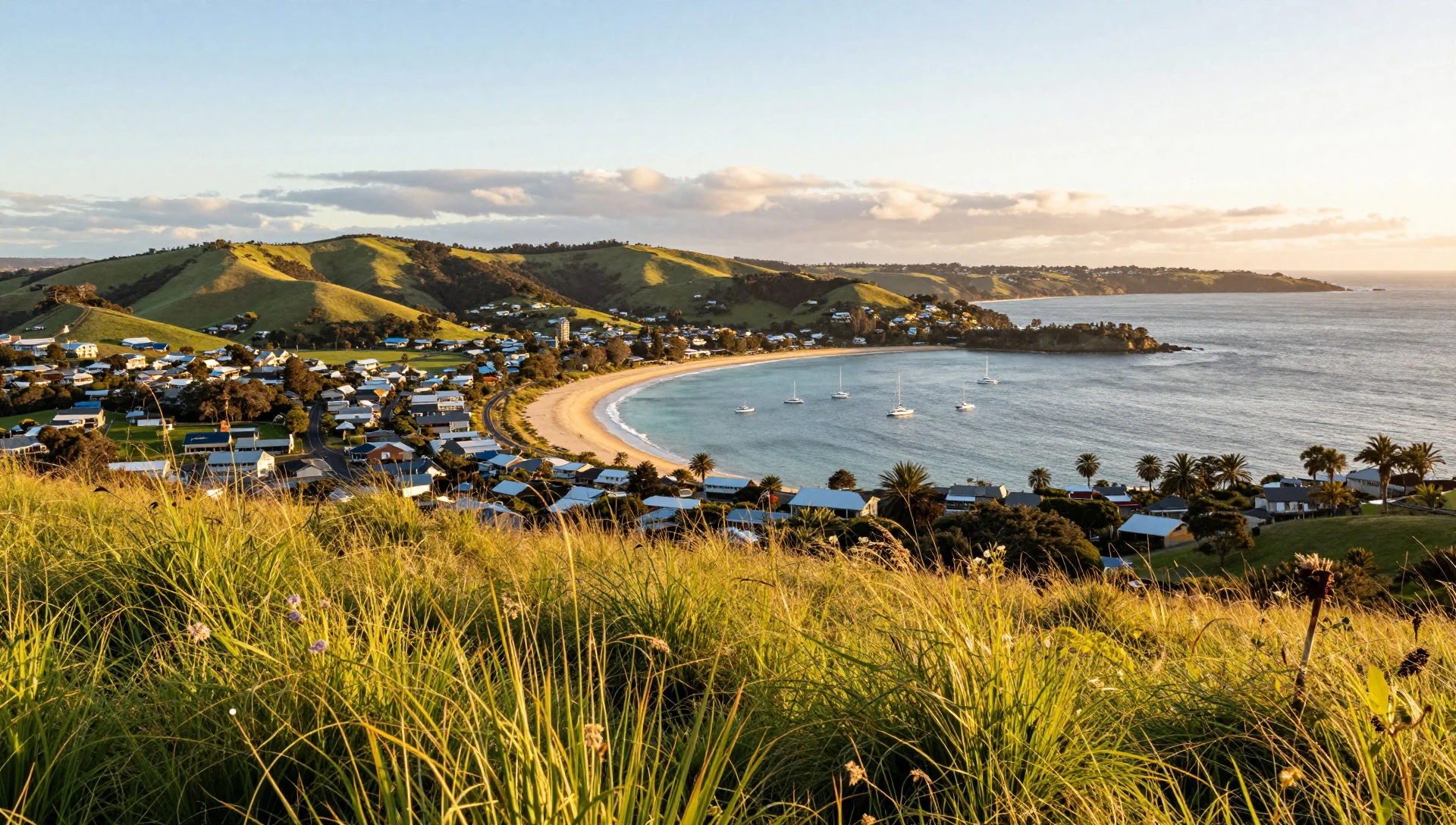
- London Arch — Port Campbell National Park
Formerly a double-span natural rock bridge resembling its namesake landmark, this dramatic offshore geological formation collapsed into a single remaining span surrounded by churning surf. Potted viewing platforms allow visitors to witness the relentless power of ocean erosion.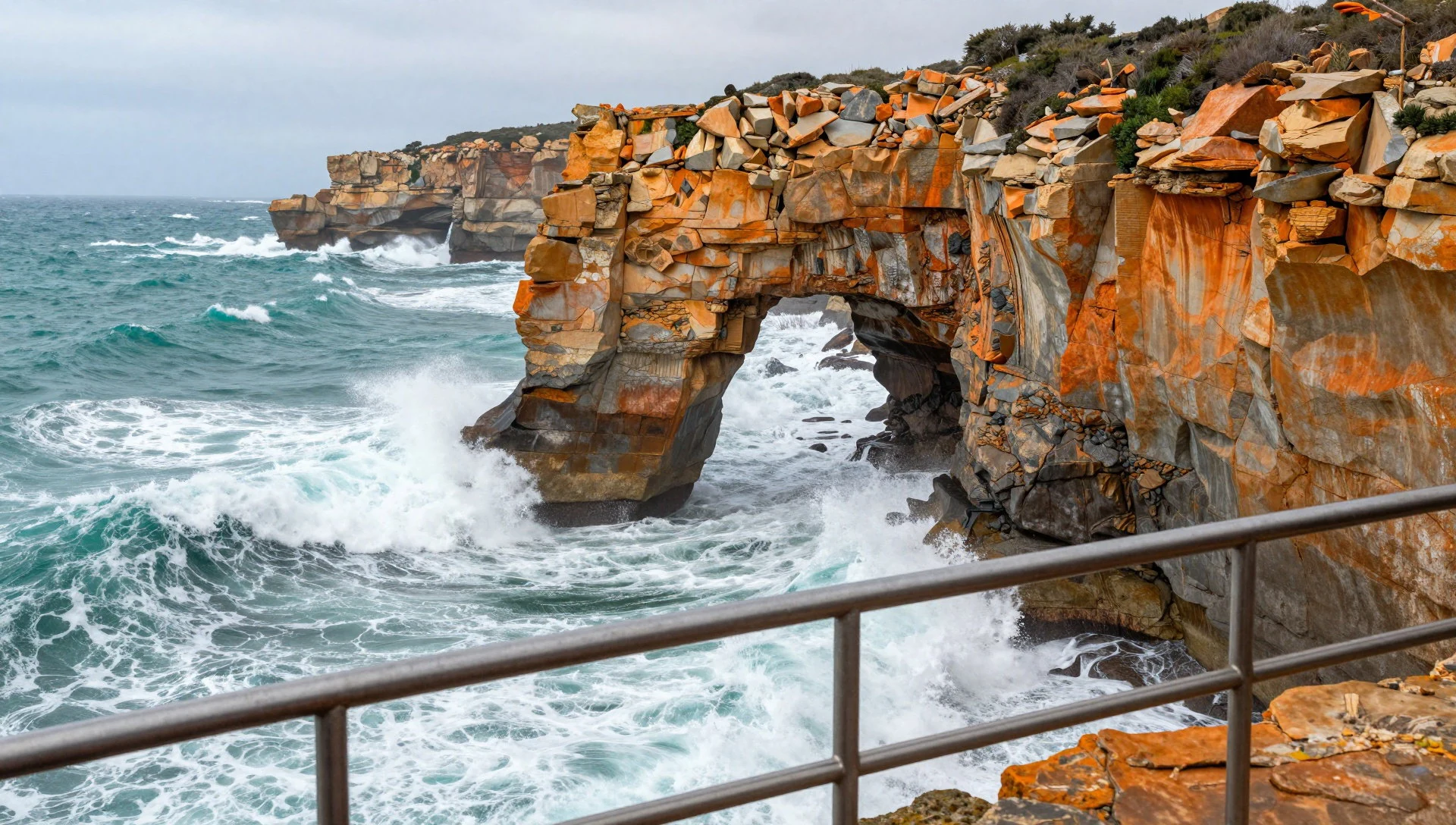
Culture
The cultural fabric of the Great Ocean Road is deeply tied to maritime heritage, surf traditions, and the remembrance of those who served in global conflict. Long before the tarmac was laid, the traditional custodians—including the Wadawurrung, Eastern Maar, and Gunditjmara peoples—stewardshiped these coastal lands, maintaining a spiritual and physical connection to the flora, fauna, and sea. Today, that indigenous history sits alongside a vibrant coastal lifestyle centred around beach culture, lifesaving clubs, and community gatherings in small seaside hamlets. Locals place a strong emphasis on preserving the natural environment against the pressures of heavy tourism, participating in coastal conservation and bushland protection. Visitors will find a relaxed, unpretentious atmosphere in the towns along the route, where conversations frequently turn to the surf conditions, local weather, and wildlife sightings. When visiting coastal areas and memorial sites, treat the environment and monuments with quiet respect and dispose of all rubbish properly.
What to wear
Fashion along the Great Ocean Road is practical, casual, and shaped entirely by the unpredictable maritime climate. Traditional attire is virtually absent in daily life, though local heritage displays honour the heavy woollen shirts, trousers, and felt hats worn by the returned soldiers who laboured on the road in the early twentieth century. Today, residents and beachgoers lean heavily into surf culture, wearing boardshorts, rash vests, hoodies, and durable outdoor footwear suited for sand and coastal trails. Because the weather along the southern coast can shift rapidly from warm sunshine to brisk, windy downpours, visitors should dress in versatile layers. Pack a windproof and waterproof jacket, sturdy walking shoes or boots for exploring clifftop paths, comfortable denim or casual trousers, and a warm fleece or sweater for chilly evenings by the ocean. Sun protection is essential year-round, so a wide-brimmed hat and quality sunglasses are absolute essentials for any daytime excursion.
What to eat
- Fresh Coastal Seafood — Apollo Bay harbourfront eateries
Sample locally caught fish, calamari, and shellfish served simply at casual eateries and cooperative fish shops dotted along the harbours of towns like Apollo Bay.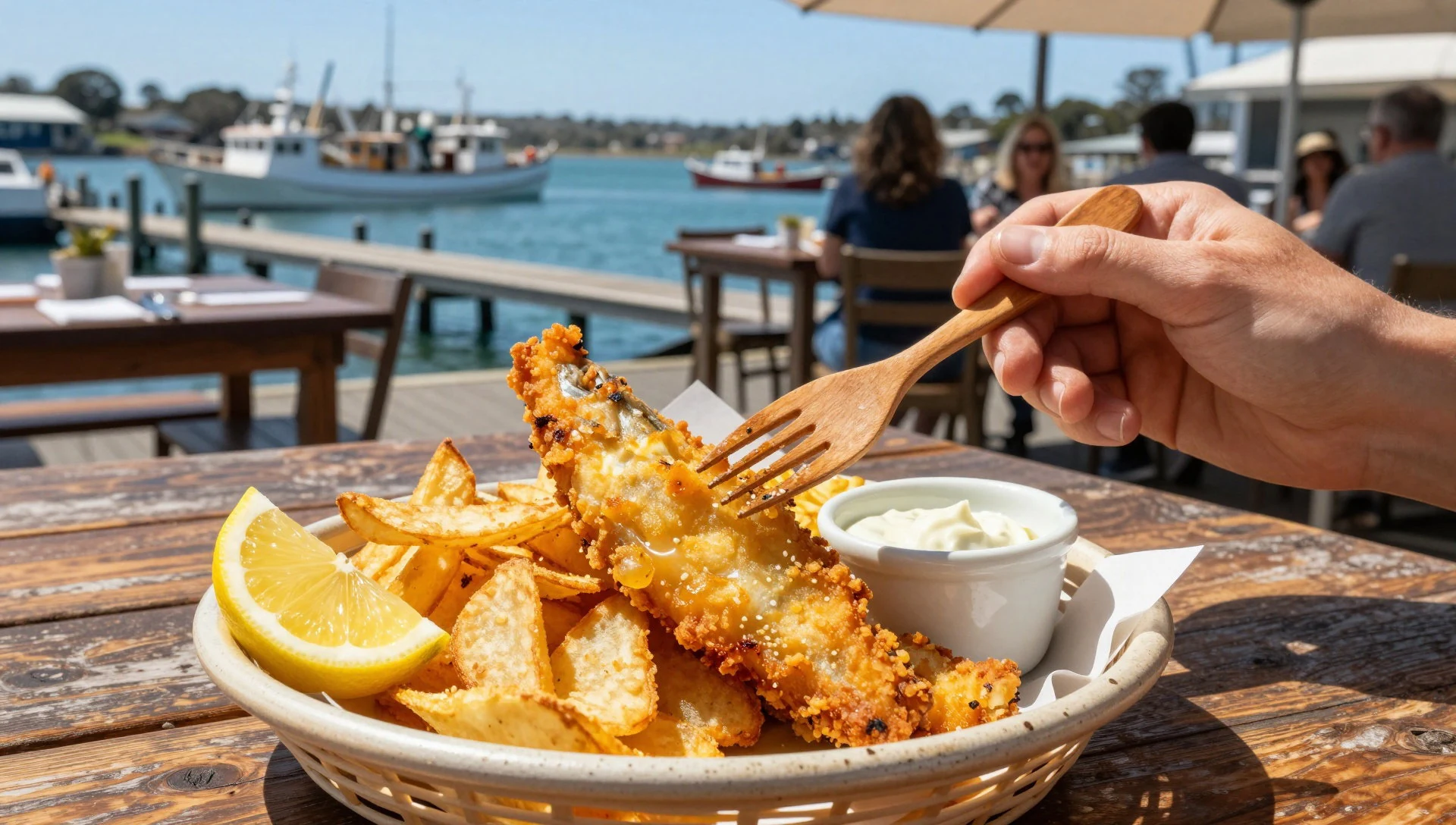
- Sourdough and Artisan Bakery Goods — Lorne and Torquay village bakeries
Pick up freshly baked artisan loaves, pastries, and savoury pies from traditional bakeries tucked into the main streets of coastal villages.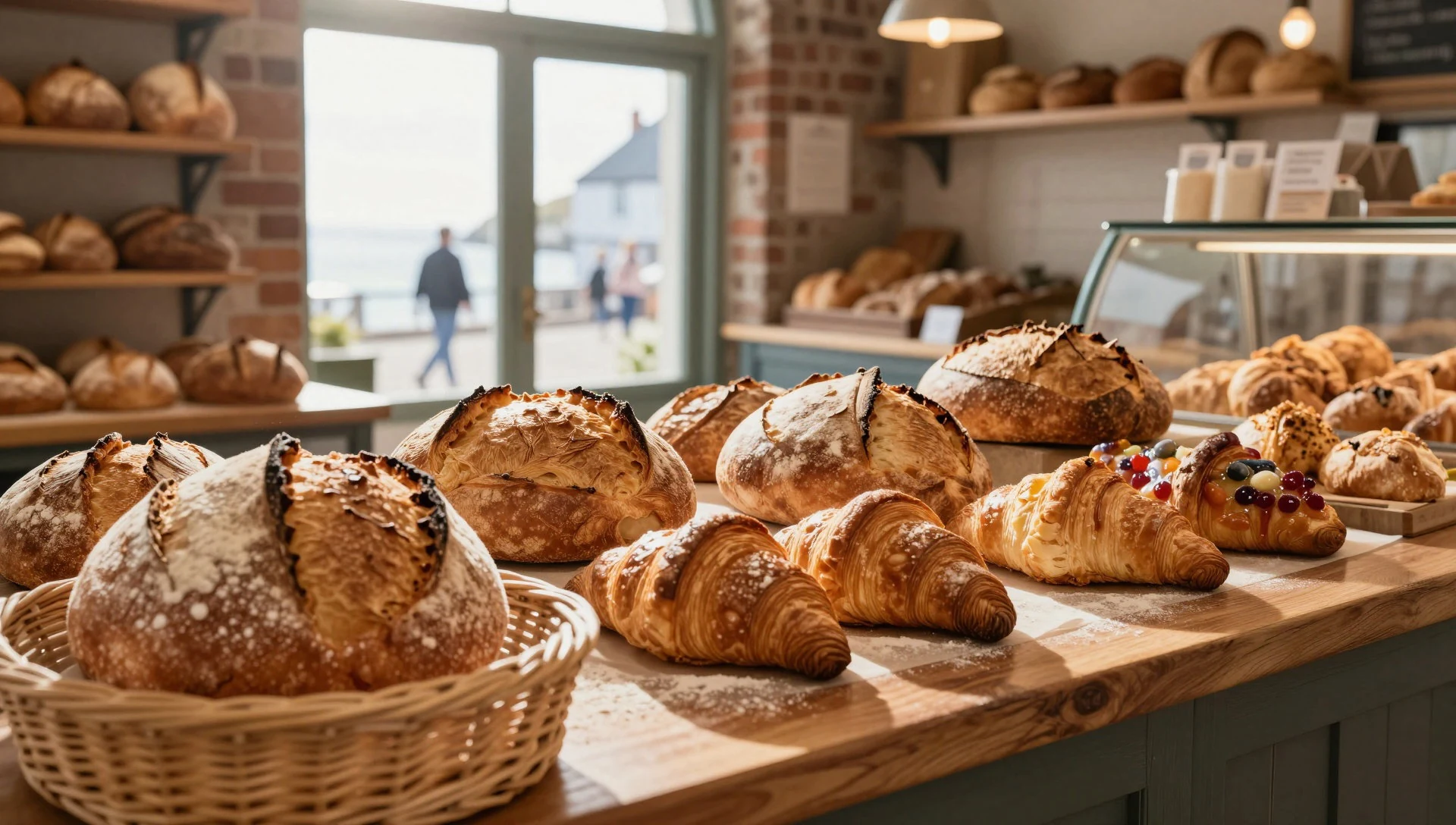
- Otway Region Berry Produce — Farm gate stalls and local markets near the Otway Ranges
Taste freshly picked seasonal berries and fruit preserves cultivated in the fertile microclimates of the lush green foothills behind the coast. - Cool-Climate Regional Wine — Cellar doors and bistros throughout the Surf Coast hinterland
Enjoy glasses of crisp local pinot noir and chardonnay produced in nearby boutique vineyards influenced by the bracing maritime breezes.
Plan it
Best time. December to March brings warm, long summer days ideal for swimming and coastal walks, while the shoulder months of autumn offer quieter roads and crisp, clear weather.
How long. 2–3
Getting there. Fly into Melbourne, then take a train to Geelong from Southern Cross station and rent a car to begin the journey west toward Torquay.
Budget. mid
Tips
- Concentrated driving is essential on the winding coastal curves; pull over safely at designated view bays rather than trying to sightsee while driving.
- Rent your vehicle outside central Melbourne to avoid navigating complex city tram layouts and hook turns.
- Keep a close eye out for native wildlife such as kangaroos, koalas, and birds that frequently wander near the tarmac.
- Stay strictly behind safety barriers and on marked trails when visiting clifftop lookouts and eroding limestone formations.
- Book accommodation well in advance if travelling during peak summer holidays or public long weekends.
Etiquette
- Treat war memorial arches and roadside plaques with quiet respect.
- Never feed local wildlife, as human food harms their health and alters natural foraging behaviours.
Nearby
Sources
- Wikidata Q74046 (CC0)
- Wikipedia (rev 1381692883) (CC BY-SA 4.0)
- Wikivoyage (rev 5403160) (CC BY-SA 4.0)
- Photo photos/01-great-ocean-road.jpg (CC BY 3.0)
- Photo photos/02-2009-0825-greatoceanroadsign.jpg (CC BY 3.0)
- Photo photos/03-great-ocean-road-map.png (CC BY 3.0)
- Photo photos/04-torquay-surf-beach-03.jpg (CC BY-SA 4.0)
- Photo photos/05-aerial-panorama-of-the-coastal-township-of-anglesea-victoria.jpg (CC BY-SA 4.0)
- Photo photos/06-torquay-entrance-sign-home-of-australian-surfing.jpg (CC0 1.0)
- Photo photos/07-great-ocean-road-lorne-australia-feb-2012.jpg (CC BY 3.0)
- Photo photos/08-apollo-bay-australian-surf-coast.jpg (CC BY-SA 4.0)


