Grand Cul-de-Sac Marin
Grand Cul-de-Sac Marin, France
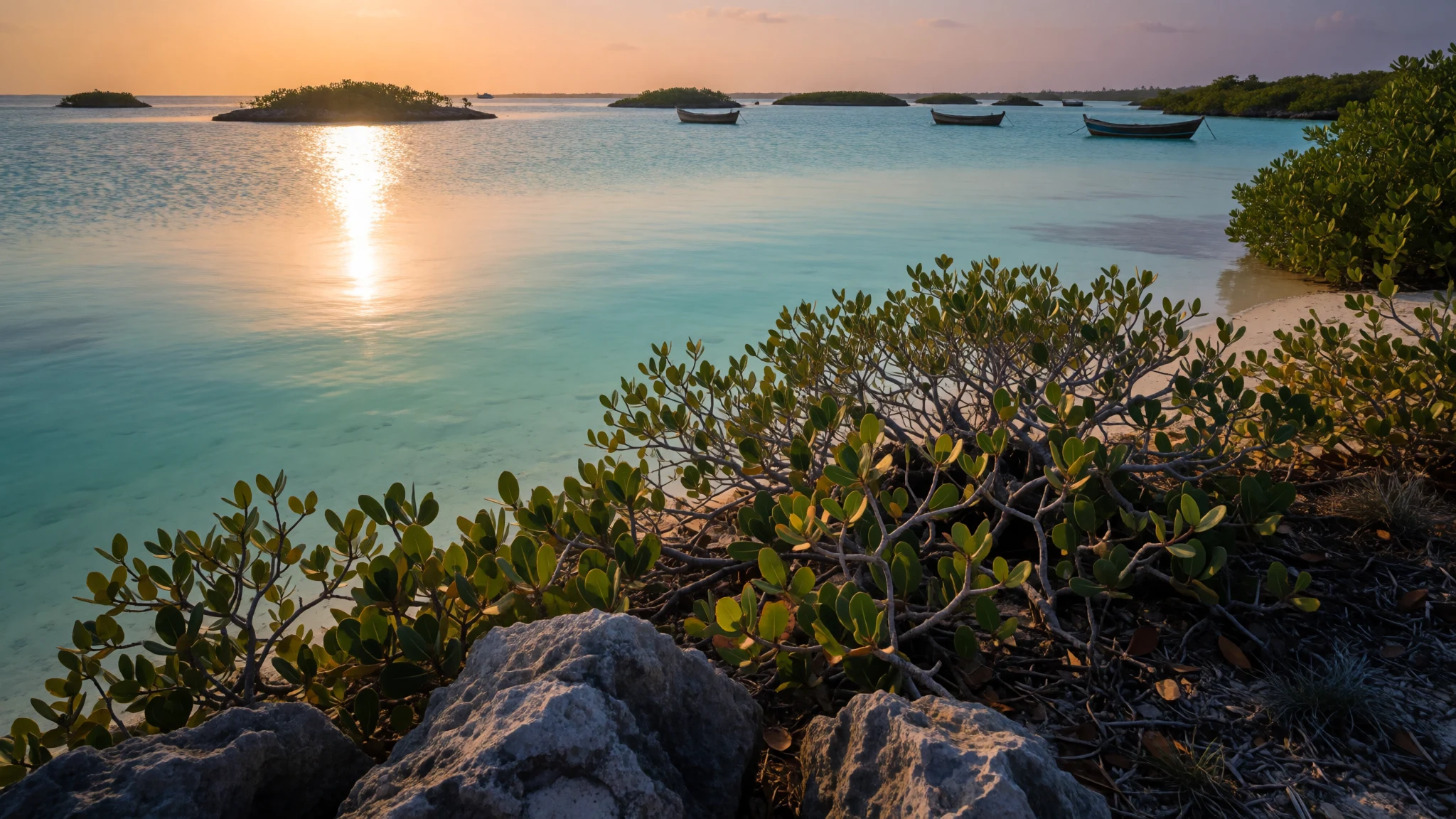
Grand Cul-de-Sac Marin is Guadeloupe’s calm lagoon world—easy day-going for views, boat time, and that postcard-blue water.
The place
Grand Cul-de-Sac Marin sits in Guadeloupe, an archipelago in the French overseas region (France). It’s a bay-like lagoon setting, reached from the island’s calmer coasts where water colour does most of the impressing. From a distance the scene looks simple: a stretch of turquoise water, low horizons, and small islets that make the bay feel like a slow-moving landscape rather than an open sea.
The vibe changes depending on where you stand. Looking out from the surrounding shores, the water can read glassy and sheltered, great for a relaxed wander and a long sit with a drink. Up closer, the lagoon becomes a patchwork—channels, sandy shallows, and spots where boats drift in and out of view. It’s the kind of place where “time” feels elastic because the setting encourages lingering.
Guadeloupe overall runs with subtropical warmth tempered by trade winds, with moderately high humidity. That matters here: mornings can feel comfortable for being out on foot or on the water, while afternoons can turn steamy, and sudden squalls aren’t unheard of.
A practical note: the name “Grand Cul-de-Sac Marin” is often used for a broader lagoon area, so plans tend to be built around points of departure, viewpoints, and islet moments rather than a single landmark. The best approach is to treat it as a flexible day—views from land, then a bit of water time if that suits the day’s energy.
Its story
Grand Cul-de-Sac Marin is one of those places where the “story” is more atmosphere than monuments. It’s the lagoon as a living backdrop: calm enough for people to slow down, but busy enough that you still catch movement—small boats, islet homes, and the occasional shimmer of light that makes the water look newly painted.
In the broader Guadeloupe setting, you’re always aware of the contrast between islands and landscapes. The archipelago includes volcanic and limestone formations, and that variety shows up in the way the horizon feels—some directions look softer and low, others hint at hills and rugged terrain across the water. The Grand Cul-de-Sac Marin area sits in that mix, giving the lagoon a slightly framed, “protected” look.
There’s also a quiet sense of history in the water. In places like this, wreck stories belong naturally to the coastline: not as a scare tactic, but as part of the reason snorkels and boat rides feel layered with curiosity. When you spot an old wreck referenced in local imagery, it turns the lagoon from “pretty water” into “a place that has been travelled and used for decades.”
For visitors, the best “chapter” is usually simple: arrive with enough daylight, check how the wind feels before committing to longer water time, and plan for the light to do its own work. Some days the lagoon reads calm and intimate; others it feels brighter, more animated. Either way, the Grand Cul-de-Sac Marin experience tends to reward patience—staying a little longer than planned, just to watch how the water shifts.
What to see
- Lagoon viewpoints — Marin coast viewpoints
Grand Cul-de-Sac Marin lagoon viewpoints — stand at the edges of the water for open-frame angles towards the Basse-Terre side. The lagoon’s turquoise shifts with wind and cloud, so the view changes hour by hour. Early daylight tends to feel gentler.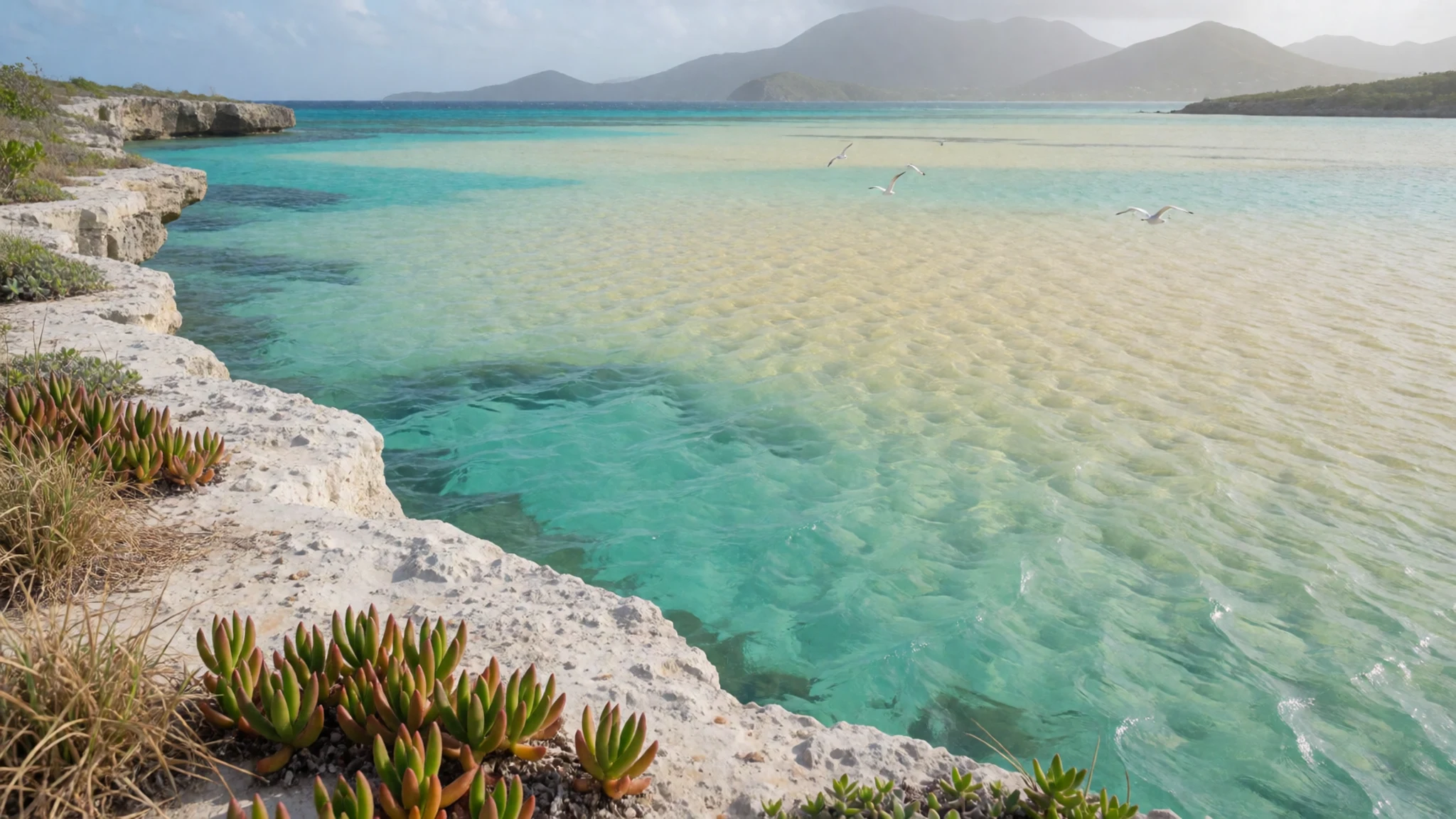
- Cabane on an islet (Sainte-Rose side) — Sainte-Rose area
House-on-islet scenes near Sainte-Rose — small buildings sit close to the waterline on an islet feel, with the lagoon acting like a courtyard. It’s the sort of view that looks both lived-in and fragile. Keep your distance from private areas when photographing.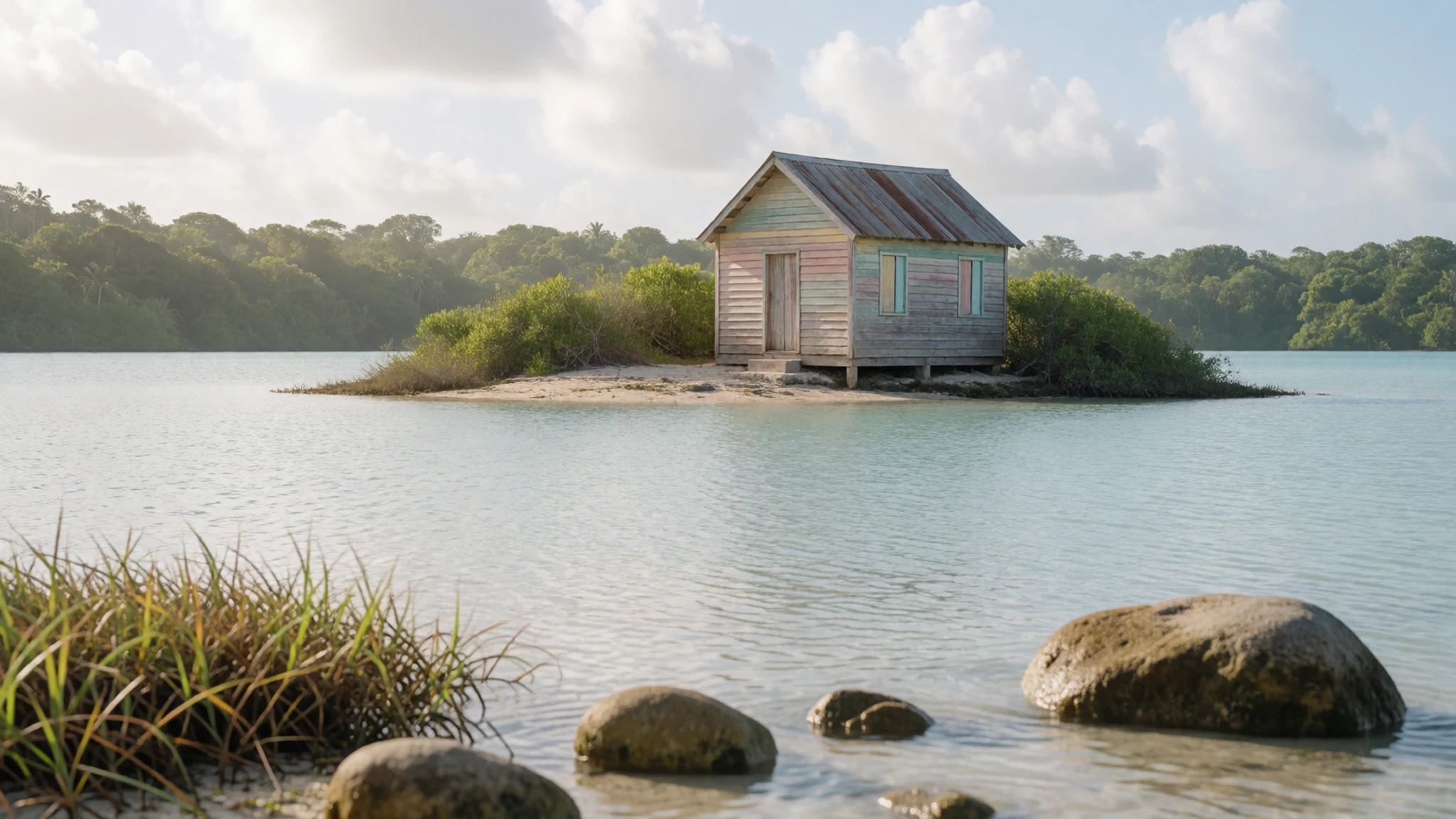
- La cabane sur Mer — Grand Cul-de-Sac Marin waterfront
La cabane sur Mer — look for lagoon-side cabins where the water seems to come right up to the structure. From certain angles you get the feeling of a floating-house moment, with the broader bay stretching behind. It’s ideal for slower, longer looks rather than quick snaps.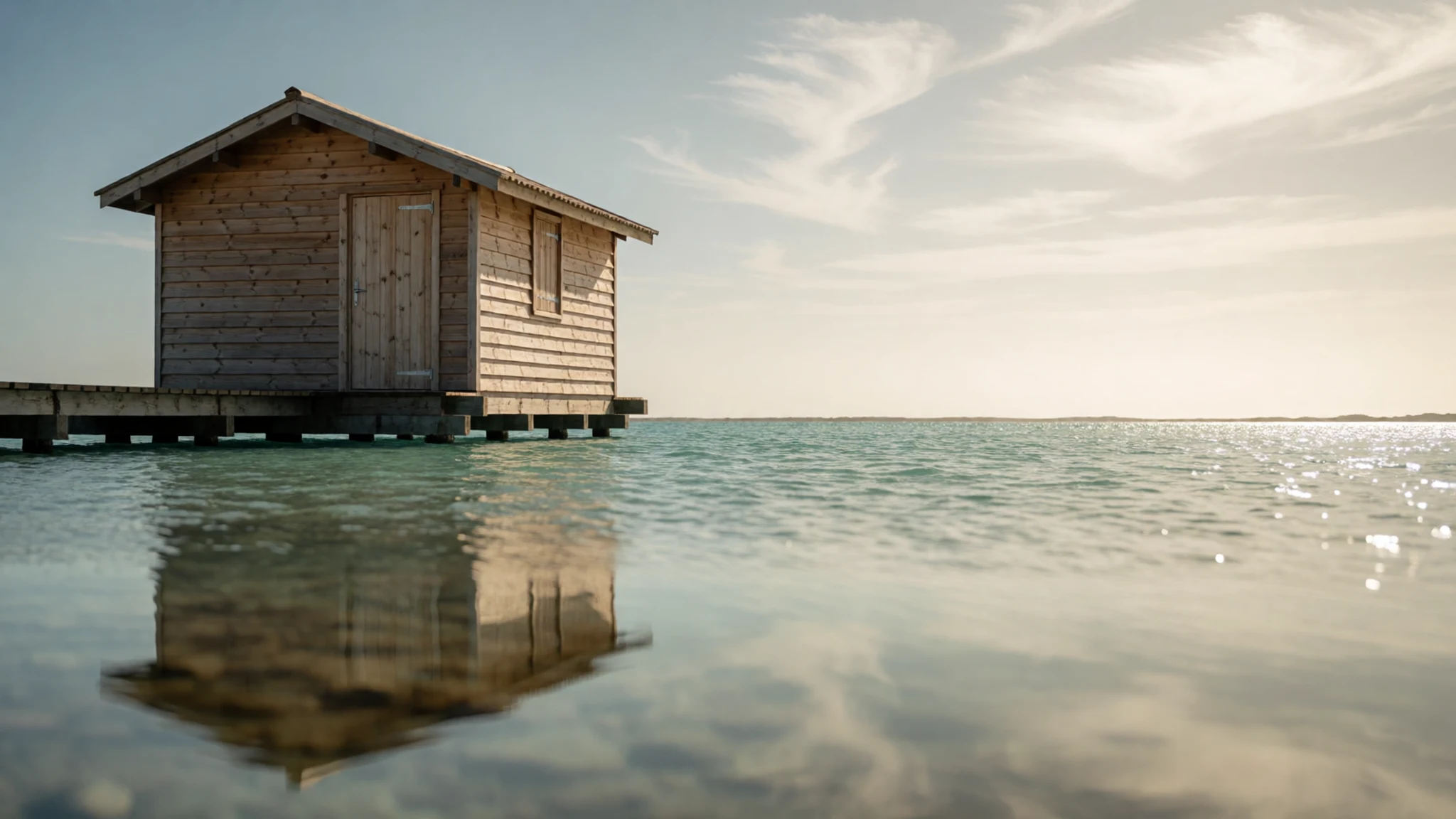
- Ilet Caret — Inside the lagoon near Ilet Caret
Ilet Caret — a classic sand-and-water interplay spot inside the lagoon. Sandbars and shallows can make the islet appear like a punctuation mark on the water, especially when light is low. Conditions matter, so observe what’s happening before trying to approach safely.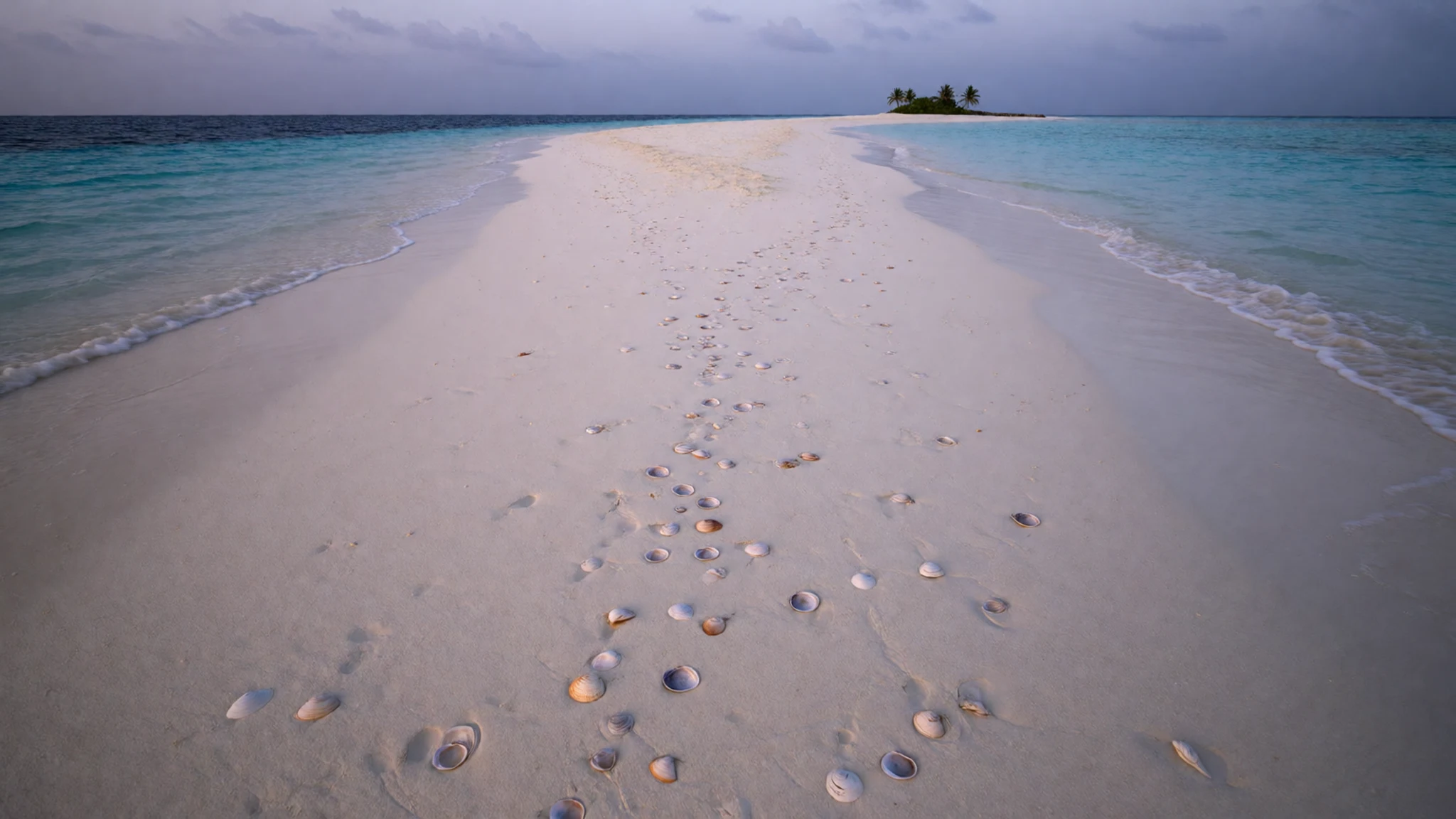
- Ilet Carret (sandbar mood) — Inside the lagoon near Ilet Carret
Ilet Carret — this is the sandbar mood of Grand Cul-de-Sac Marin: pale sand set against deeper blue water, sometimes leaving a strong sense of depth. The islet can feel photo-forward from nearby shores when the light is bright but soften during overcast weather.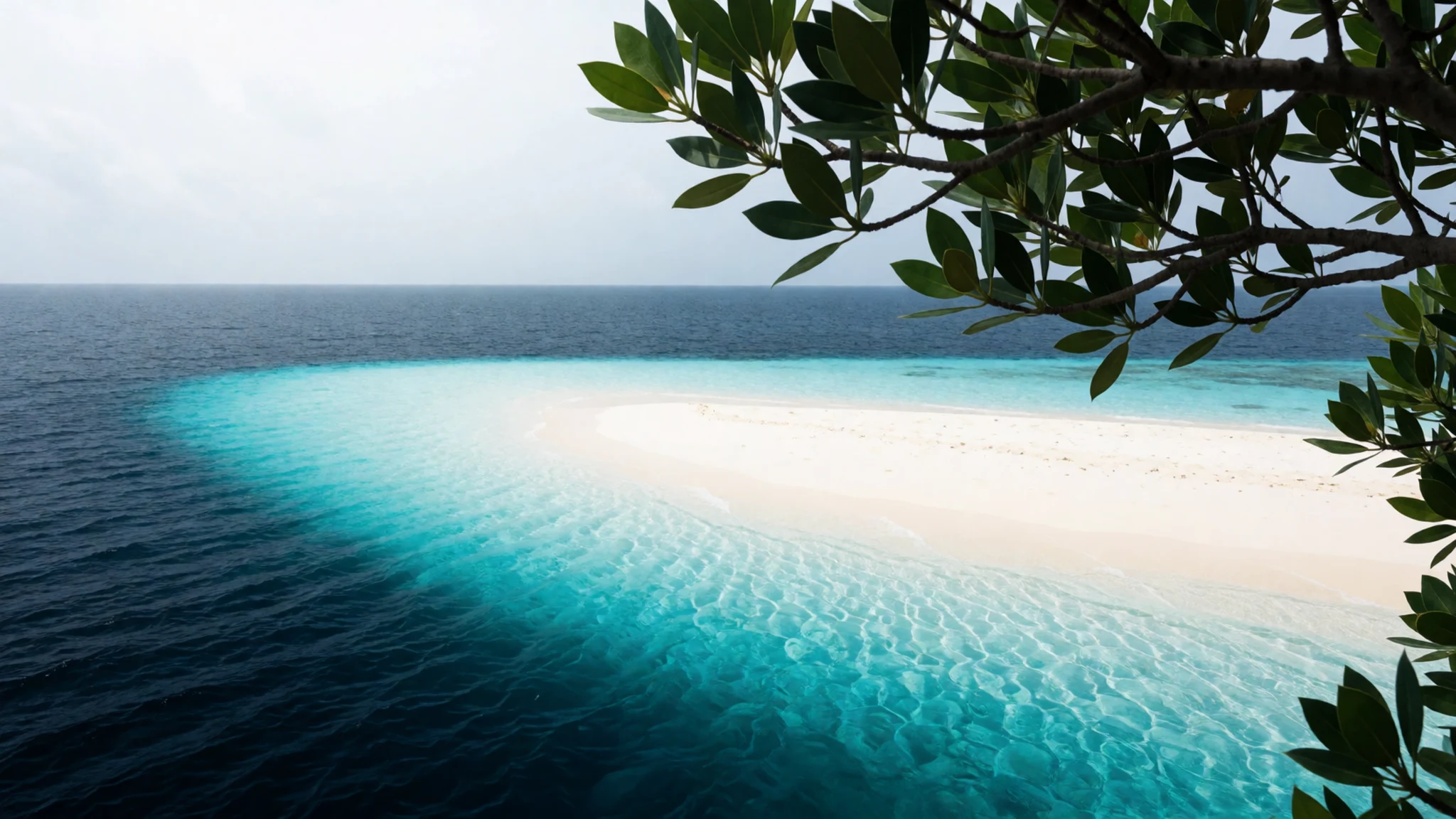
- Epave de la Maria (wreck atmosphere) — Grand Cul-de-Sac Marin waters
Epave de la Maria — an old wreck resting on the lagoon floor adds a darker, reflective layer to an otherwise sunny scene. Even if the structure isn’t fully obvious at a glance, the idea of history under the surface changes how you see the water. Respect any marked areas.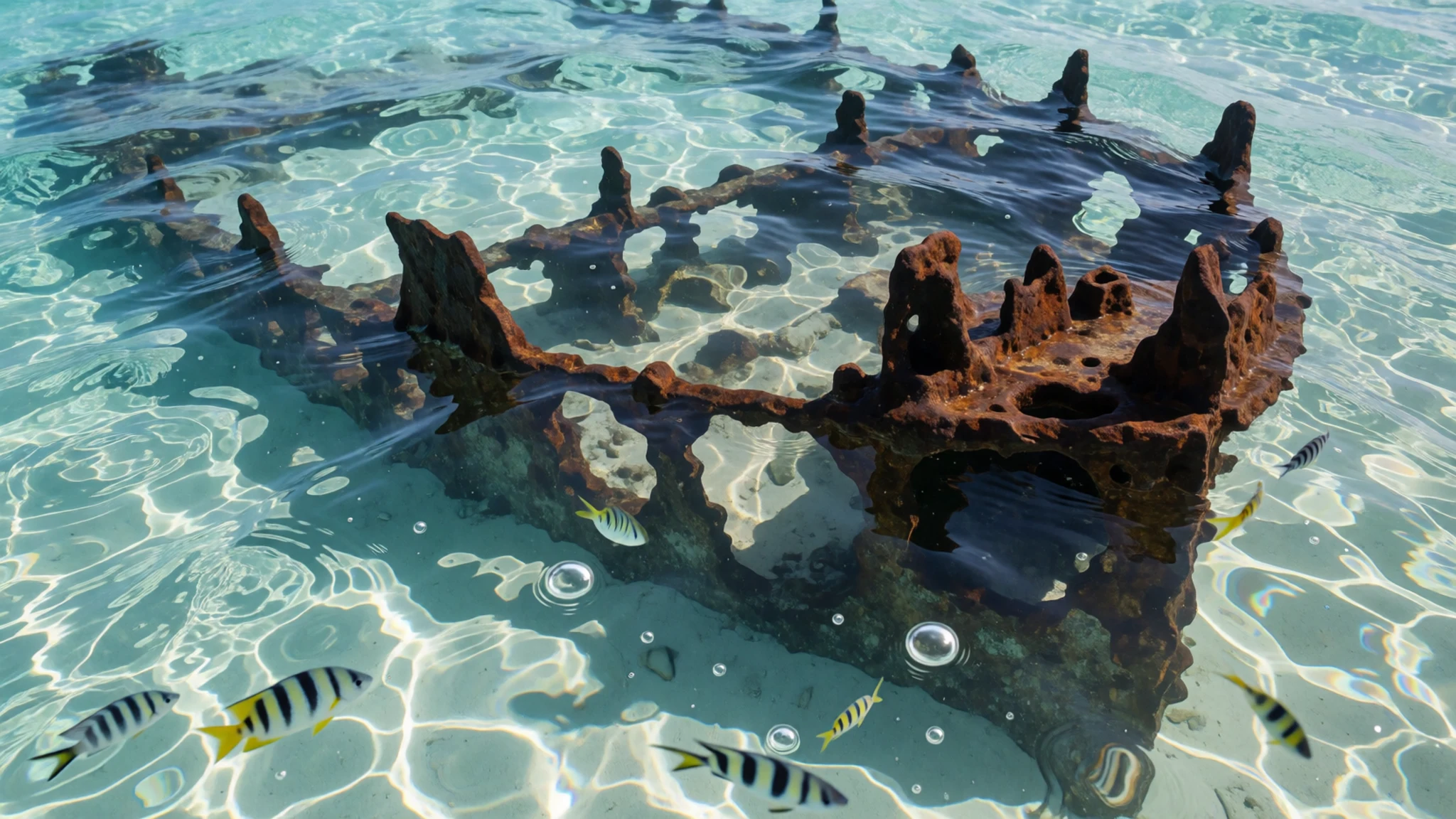
Culture
Guadeloupe’s culture blends French and Caribbean influences, and everyday etiquette tends to feel like a mix of relaxed coastal life and the more formal norms you’d recognise in European France. People are generally used to visitors, but local social space is still social space: beach areas, markets, and waterfront roads are where people chat and pass time, not just where outsiders “take content.”
On the water, the same idea applies. If you’re around boats, islets, or shorelines, keep movement calm and avoid blocking access routes for residents or working boats. If you’re invited into conversations, it’s fine to keep things light and listen—Guadeloupe’s day-to-day is very social.
Food culture leans Creole and can feel celebratory, even when it’s casual. Look out for local rhythm around meals—sharing, sampling, and taking time over something simple. Festivals are described as street parties, so if you’re there during a lively stretch, expect music, crowds, and people moving in groups.
Ultimately, the easiest way to fit in is to be respectful and quietly observant, especially around private homes and everyday waterfront routines.
Visitor etiquette: Keep voices low near homes and islets, and don’t enter private areas while photographing.
What to wear
Grand Cul-de-Sac Marin sits in a subtropical climate with trade winds but moderately high humidity, so clothing that breathes wins. Traditional Guadeloupe dress is rooted in French and Caribbean culture, often seen during festivals and cultural moments; visitors may notice garments styled with bright colours and light fabrics, and music-and-street events are where people most clearly dress up.
In day-to-day life around the lagoon, what you’ll see most is practical resort wear: lightweight shirts, breathable shorts or skirts, and sandals or water-friendly footwear. The humidity can make cotton feel heavy if it’s not airy, so quick-dry fabrics are comfortable.
For visitors, plan for sun and water: a hat, sunglasses, and a light layer for breezy moments help. For waterfront spots and any boat time, wear footwear with grip because sand and wet surfaces can be slippery. If stopping at religious or community spaces elsewhere on the island, switch to modest coverage (especially shoulders and knees) and carry something light but more covered.
Footnote: a compact change of clothes is worth packing—lagoon days can get splashed.
What to eat
- Colombo (chicken, rice, curry) — Local restaurants near the coast and along main roads
Colombo is a Creole-style plate featuring chicken with rice and a curry-style sauce. It’s common across Guadeloupe, and you’ll usually find it at local restaurants near beaches, on shores, or along main roads.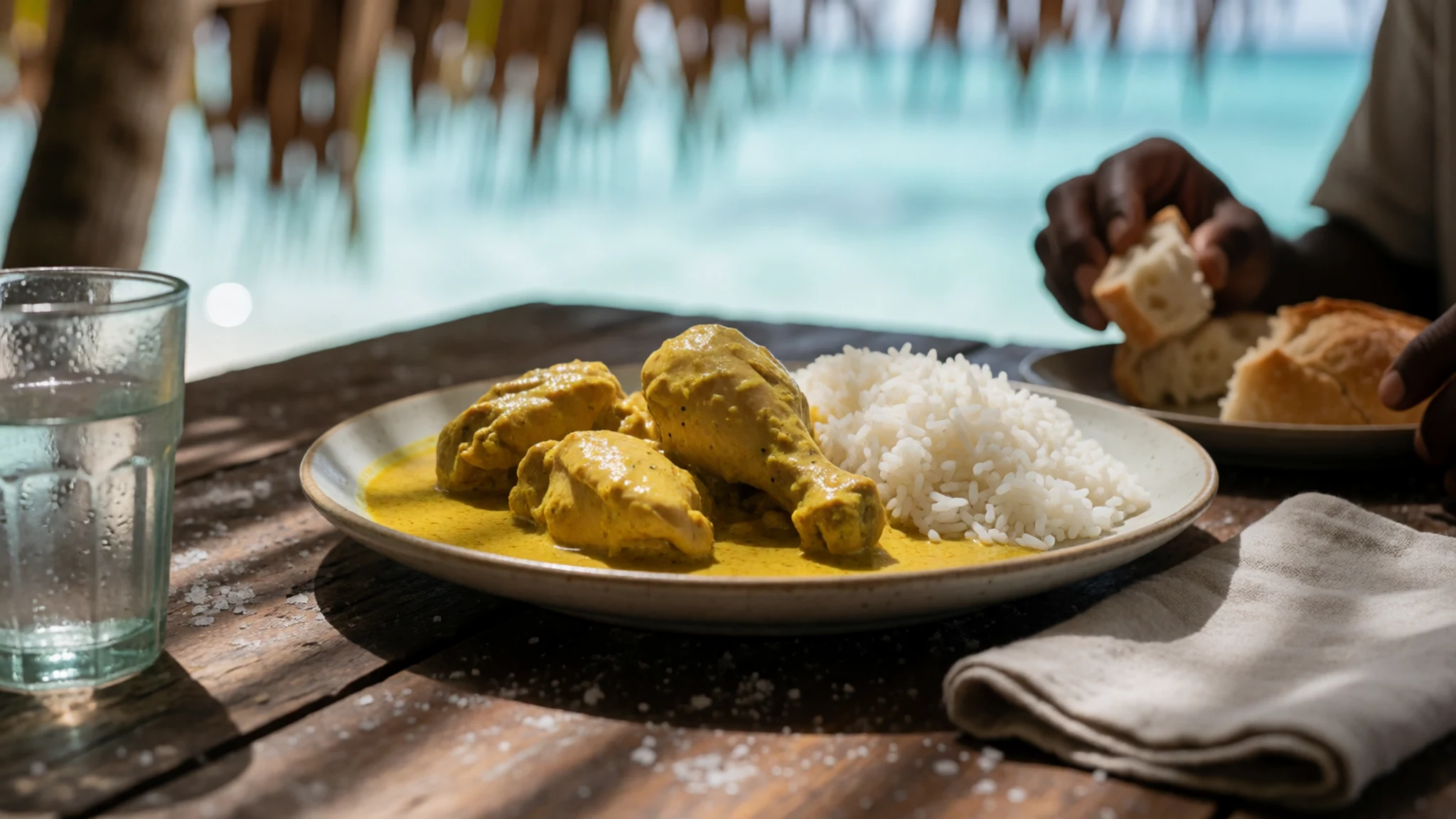
- Boudin créole (black pudding) — Local Creole restaurants and casual eateries
Boudin créole is a spicy black pudding made with Creole ingredients. It’s the kind of hearty island comfort food you’ll see on menus at local eateries, especially where people go for casual, local plates.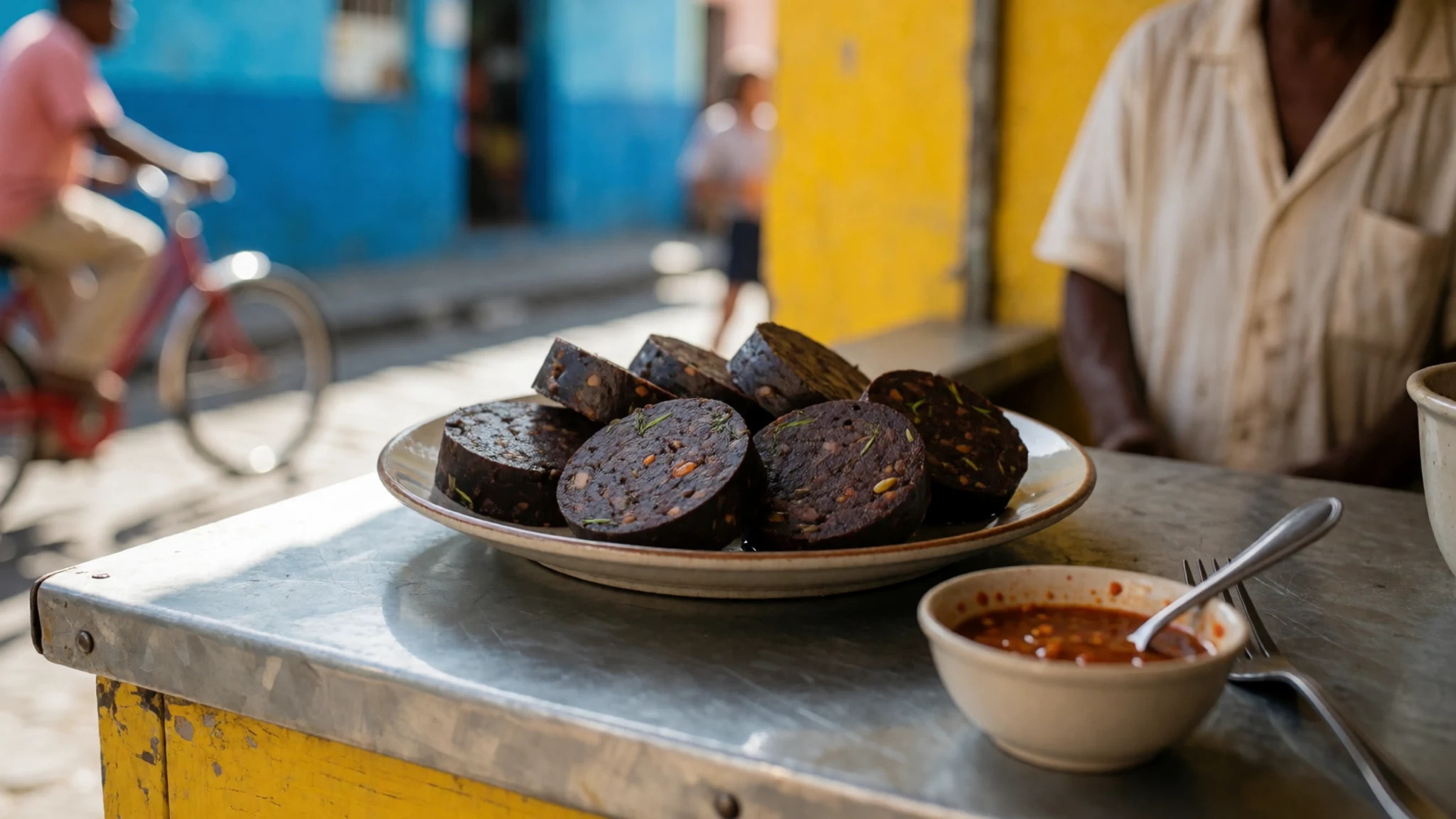
- Féroce d’avocat — Creole restaurants and local food counters
Féroce d’avocat is a guacamole-style avocado dish, but its seasoning can vary, so the heat level is something to learn by tasting. It’s a common local starter and shows up in Creole food spots. - Accras (cod fritters) — Street markets and snack stalls in towns
Accras are small fritters traditionally made with cod, sometimes with other fish, shrimp, or vegetables. They’re widely sold as snacks, and you can often grab them from street-style stalls or Creole food counters. - Ti Punch (rum, lime, cane sugar) — Beach bars and casual venues
Ti Punch is the classic local drink: rum mixed with lime and cane sugar. It’s commonly served in social settings, and you’ll typically find it wherever locals meet—beach bars and casual venues.
Plan it
Best time. March–April and October–November for more comfortable, trade-wind tempered weather; June can be rainier and August can be very hot and humid.
How long. 2–3
Getting there. Arrive via regional air travel into Guadeloupe, then use local transport to reach the lagoon area around Sainte-Rose and the surrounding coast.
Budget. mid
Tips
- Go early in the day to enjoy calmer light and more comfortable humidity for lagoon walks and viewpoints.
- Check wind and cloud before committing to longer water time; lagoon conditions can shift quickly.
- Build a flexible day: land viewpoints first, then decide on boat or islet time when you can judge the water.
- Bring water and sun protection, then plan for a slow lunch rather than rushing between spots.
- If a wreck site is a focus, ask locally about safe viewing options suited to current conditions.
Etiquette
- Keep noise down around homes and small islets, and avoid stepping into private areas.
- Be careful around sandbars and shallow water—don’t treat the lagoon like solid ground.
- If you’re offered local food or drink, accept politely and keep the conversation friendly.
Nearby
Sources
- Wikidata Q3113579 (CC0)
- Wikivoyage (Guadeloupe, rev 5413121) (CC BY-SA 4.0)
- Grand Cul-de-Sac Marin photo (photos/01) (CC BY-SA 4.0)
- Wikipedia (CC BY-SA 4.0)
