Gondwana Rainforests of Australia
Gondwana Rainforests of Australia, Australia
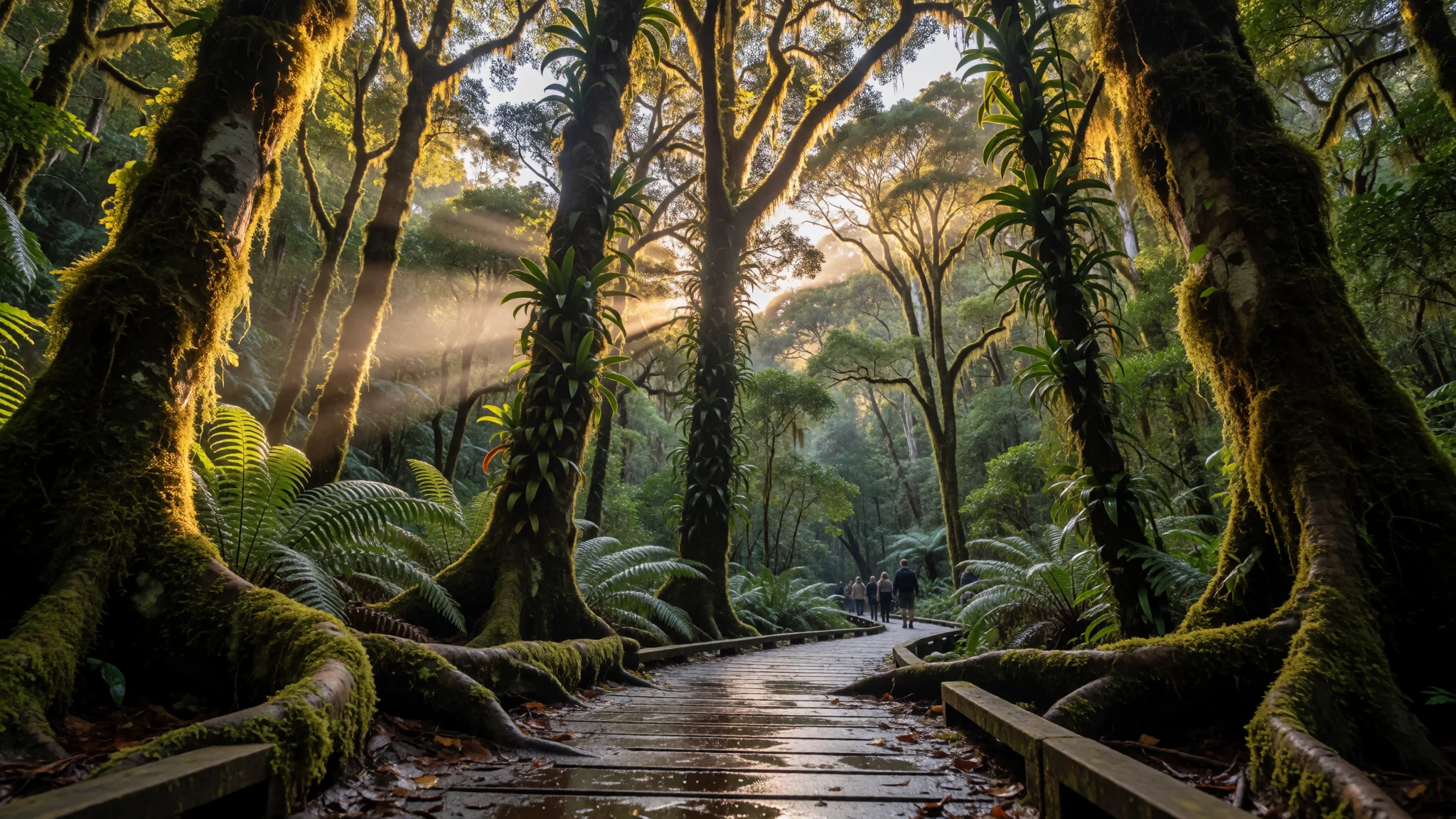
Gondwana Rainforests of Australia is a living World Heritage patchwork of cool, wet forests with rare species and long ecological memory.
The place
Gondwana Rainforests of Australia is a World Heritage site made up of multiple rainforest reserves spread across north-east New South Wales and south-east Queensland. Rather than one single park, it’s a network—formerly known as the Central Eastern Rainforest Reserves—that together protects an unusually complete slice of Australia’s rainforest history.
The forests sit in a subtropical belt, but the mix of habitats means the plant life isn’t just “green and wet”. You’ll find lineages that go back to before the landmass Gondwana broke apart, including early examples of ferns and conifers, as well as flowering plants tied to long-running ecosystems. In practical terms for visitors, that translates into dense growth, shaded gullies, and walking tracks where the temperature feels gentler than the surrounding coast.
Crowds vary a lot by reserve: some trails are close to towns and can feel busy in peak periods, while other sections feel quieter and more remote once the track moves away from car parks and lookouts. The weather is part of the experience too—humidity and rainfall can arrive without much warning, and trails can be slick after showers.
It’s also a place with layered human presence. Aboriginal Australians used rainforests for ceremonies, for food and shelter, and as refuge. That cultural depth is woven into how you move through the landscape: slow down, listen, and treat the rainforest as something living rather than simply scenery.
Its story
The Gondwana Rainforests of Australia story starts with deep time. Australia split from Gondwana about 180 million years ago, and at that point much of the continent was rainforest. Over time, as the landmass shifted north, the forests withdrew, and by 1788 only a small fraction of Australia still held rainforest cover.
Rainforests weren’t just background ecology; they mattered to Aboriginal Australians for ceremonial life, food and shelter, and as refuge from outside change. That long relationship with place continued until European colonisation, when logging caused heavy loss—another large drop in rainforest area that followed the early years.
The modern World Heritage chapter began when the Central Eastern Rainforest Reserves were inscribed in 1986 at the tenth session of the World Heritage Committee. Later, the site boundaries were expanded in 1994, with more area added to protect rainforest systems across the region. In 2007, the name was changed to Gondwana Rainforests of Australia, a shift that underlines the “Gondwana” link back to those ancient ecological lineages.
Today, the site is managed mainly through Queensland Parks and Wildlife Service and New South Wales National Parks and Wildlife Service, with many reserves offering walking trails and visitor facilities. The upshot: Gondwana Rainforests of Australia is both a scientific treasure and an active public landscape, where everyday steps along rainforest tracks connect to processes that keep moving.
What to see
- Box Log Falls (Springbrook National Park) — Springbrook National Park
Box Log Falls is a classic rainforest-waterfall scene: a steep, green drop framed by dense foliage. In wetter weather the view feels louder and more misty, and the air along the track often cools down.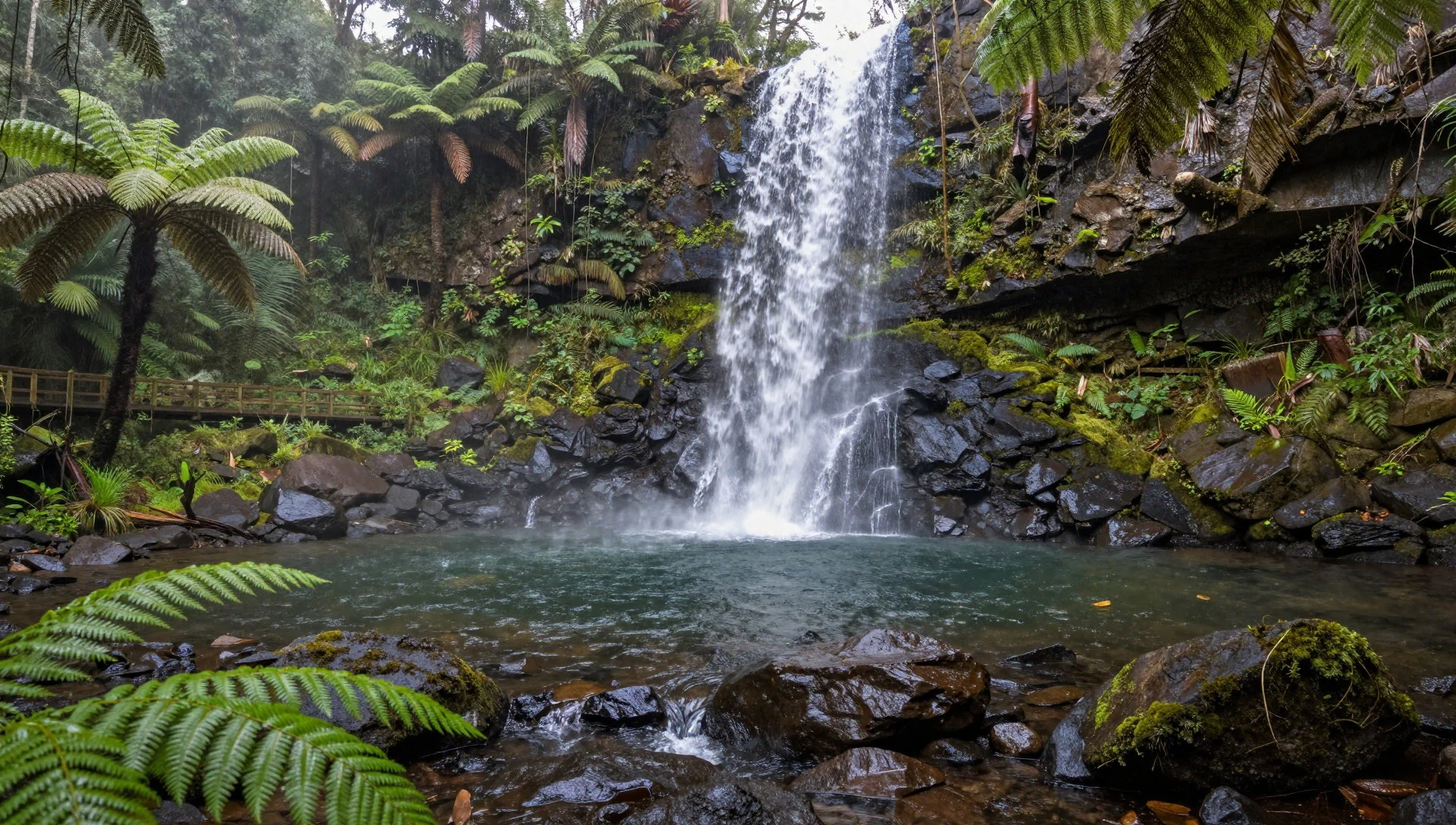
- Moist gullies and fern-rich clearings — Rainforest reserves across north-east NSW and south-east QLD
Rainforest reserves here are shaped by constant moisture—gullies that stay shaded, small clearings where ferns take over, and paths that can look springy underfoot after rain. Move slowly and watch the understory.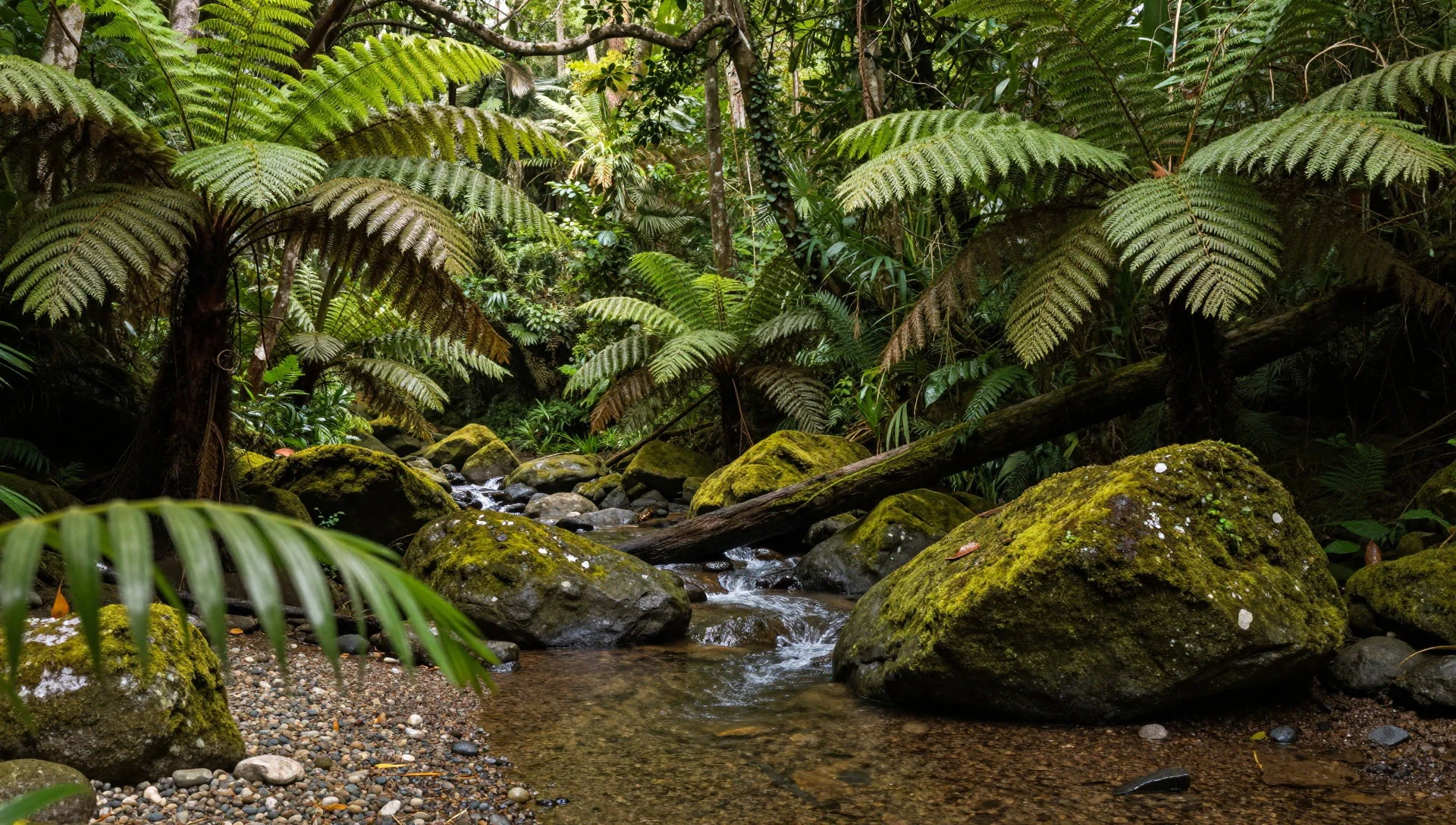
- Hastings River Mouse and other animals — Hastings River region (rainforest reserves in the network)
Hastings River Mouse is a reminder that Gondwana Rainforests are about more than plants. Look for clues like vegetation structure and sheltered ground on quieter routes—habitat quality matters for small wildlife that doesn’t show up on command.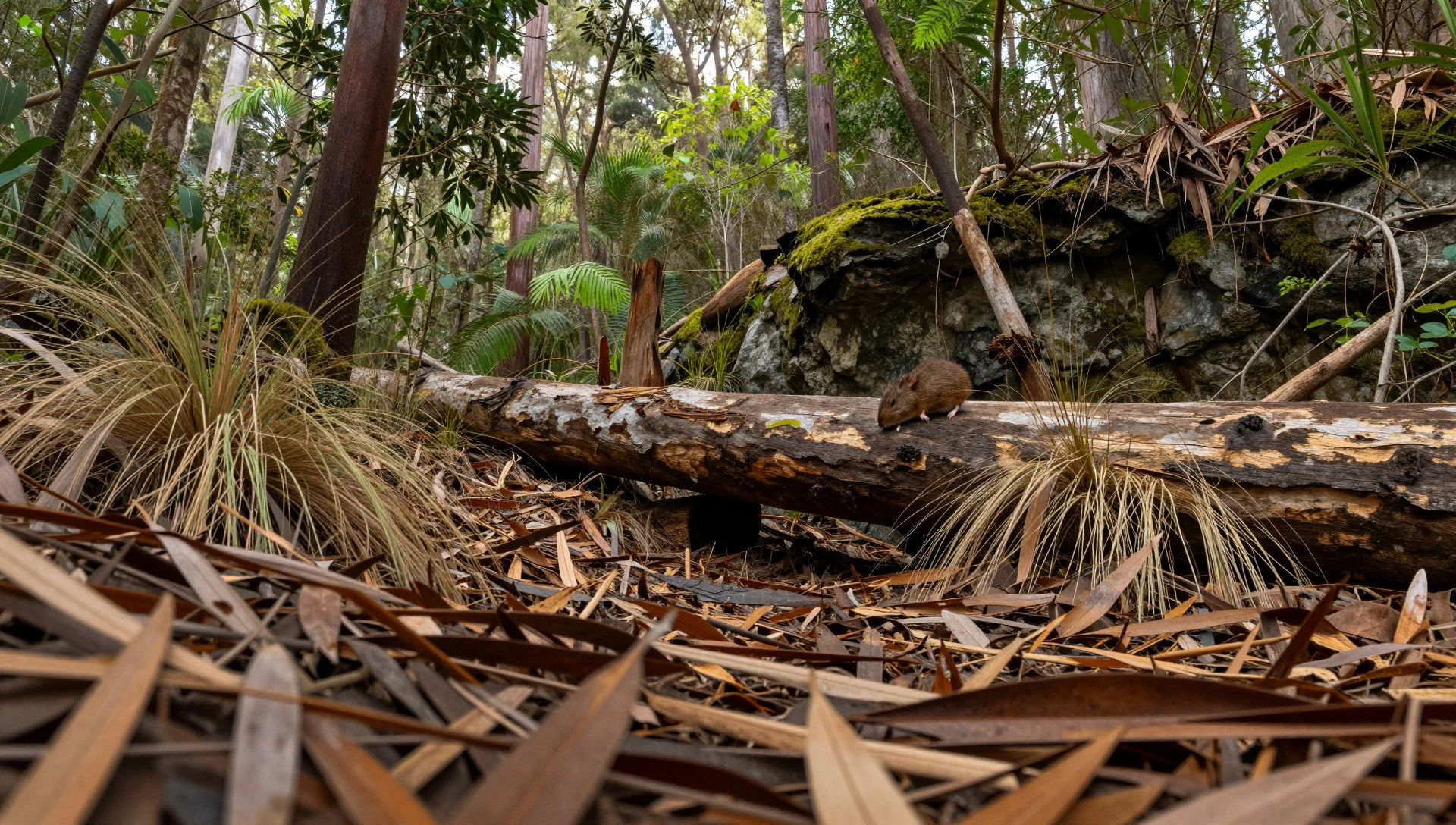
- Rainforest walking trails and lookouts — Multiple reserves within the World Heritage site
Many reserves include visitor facilities and walking tracks, ranging from short strolls to longer hikes through layered forest. Early starts typically feel calmer and drier; afternoons can become busier around popular viewpoints.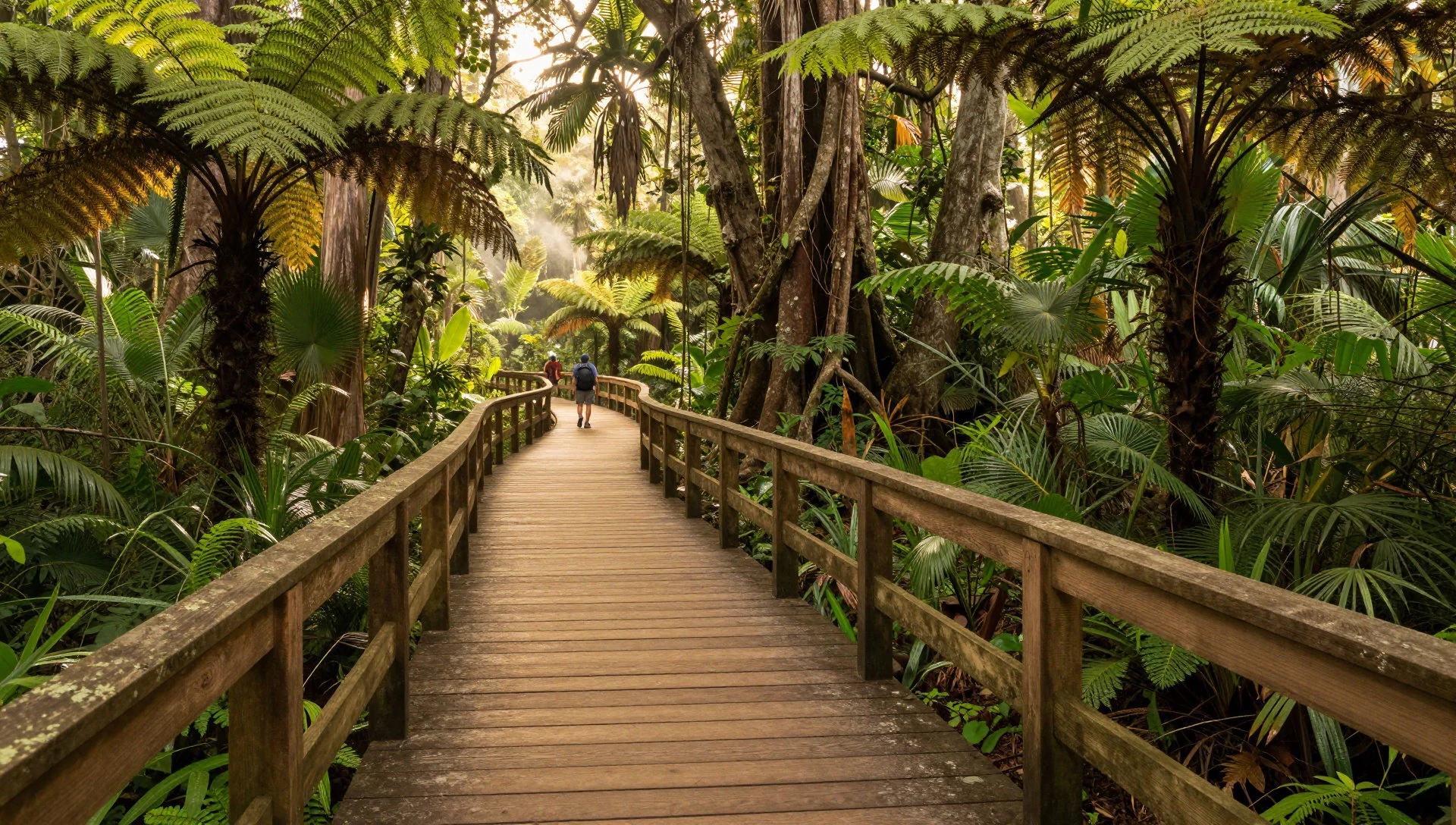
Culture
Gondwana Rainforests of Australia carries meaning beyond scenery. Long before World Heritage status, Aboriginal Australians lived with these forests and drew on them for ceremonial activities, for food and shelter, and as refuge. That deep relationship shows up today in the way many reserves manage walking tracks, protect habitat, and encourage respectful, low-impact visiting.
In practice, rainforest etiquette is less about formal rules and more about behaviour that keeps the ecosystem stable. Stick to marked paths so roots and understory plants aren’t trampled. Keep voices down—wildlife and birds do not need extra noise to be “found”. If rain moves through, expect surfaces to be slippery; footwear and careful steps matter, both for safety and for reducing erosion.
Photography is part of most visits, but it should stay considerate: avoid blocking narrow paths to frame shots, and be mindful when other walkers pass through shaded stretches where people naturally linger.
Visitor etiquette: Stay on marked tracks, keep noise low, and treat Aboriginal cultural and natural areas as places to pass through quietly and carefully.
What to wear
Gondwana Rainforests of Australia doesn’t demand a specific “traditional outfit” for visitors, but the right clothing choices make the forest much more comfortable. The rainforests can be humid and changeable, so lightweight layers work best: a breathable top, a warm layer if the air feels cool in shade, and a waterproof outer that can handle mist and rain.
Today, people in the wider area wear everyday Australian casuals—T-shirts, shorts or light trousers, and sensible shoes for walking. For visitors, the main practical focus is footwear and traction. Trails can be wet and muddy, and rainforest surfaces can stay slippery longer after showers.
If any part of a visit involves cultural areas or guided interpretation, modesty is still a good default: clothes that cover shoulders and legs and avoid very bright distractions feel more respectful. A cap or hat helps with sun when weather clears, while a small daypack with a rain cover keeps essentials dry.
In short, wear what you can move in, keep it weather-ready, and choose shoes that grip—because the rainforest doesn’t “dry out” just because the forecast says so.
What to eat
- Rainforest picnic supplies — Town areas near the reserve entrances and visitor precincts
For Gondwana Rainforests of Australia day trips, build a picnic from supermarkets and local convenience shops—things like fruit, sandwiches and bottled water tend to be the easiest. Eat where facilities advise, and pack out all wrappers.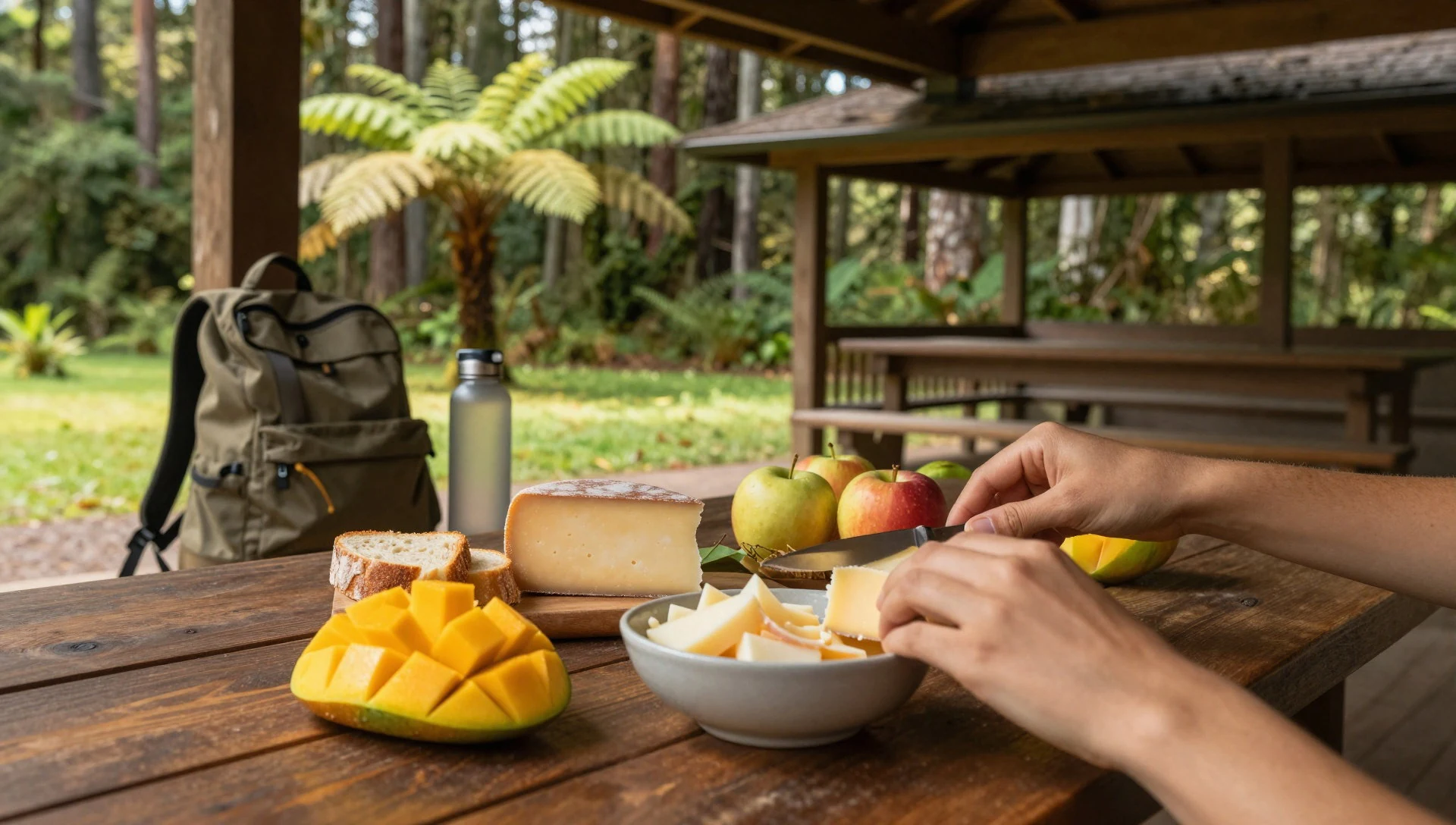
- Local bakery-style snacks — Neighbourhood bakeries in nearby towns in north-east NSW and south-east QLD
Between walks, look for bakery-style quick stops for warm pastries, pies and sandwiches. It’s an easy way to keep energy up when routes run longer than expected due to weather or crowds.
- Pub and café meals — Local pubs and cafés in towns near the walking tracks
After a damp walk, a pub or café is often the simplest reset: hearty mains and easy-to-share plates. Choose a place that can accommodate groups if the reserve has peak-day visitor volume. - Market fruit and snack stalls — Weekend markets in the region around the World Heritage reserves
If a market is on during the visit, fruit and snack stalls can be a practical source of light meals. It keeps the day flexible, especially when a trail is muddy and time gets tight.
Plan it
Best time. January, February, and December are the wettest and often the most humid months; the coolest, driest stretch tends to be June through September, when days are mild to cool and rainfall is lighter. For the most comfortable balance of mild temperatures and manageable rain, aim for October and November or April and May; these months tend to feel less intense than mid-winter while still keeping track conditions reasonable.
How long. 3–4
Getting there. Fly into Sydney or Brisbane, then drive to the reserve areas in north-east NSW or south-east Queensland. The last leg is by road from the nearest town/visitor access points to trailheads and waterfall viewpoints.
Budget. mid
Tips
- Start early for quieter trails, especially on reserve sections with car parks near popular lookouts.
- Pack a waterproof layer and footwear with grip—after rain, surfaces stay slippery for longer than expected.
- Build in buffer time: weather shifts can slow down rainforest walking and photography.
- Use maps for trail decisions rather than assuming straight-line distances—tracks often curve and climb.
Etiquette
- Stay on marked paths to protect understory plants and reduce erosion on wet ground.
- Keep voices low and let wildlife and birds move undisturbed.
- When photographing, avoid stopping in narrow sections so other walkers can pass safely.
Nearby
Sources
- Wikidata Q643063 (CC0)
- Wikipedia (rev 1384198598) (CC BY-SA 4.0)
- Wikivoyage (rev 5402928) (CC BY-SA 4.0)
- Photo Box Log Falls, Springbrook National Park (CC BY-SA 4.0)
- Photo Captured Hastings River Mouse (CC BY-SA 2.0)
- Photo Sydney Opera House (reference image kept by brief) (CC BY-SA 4.0)


