Göbekli Tepe
Göbekli Tepe, Turkey
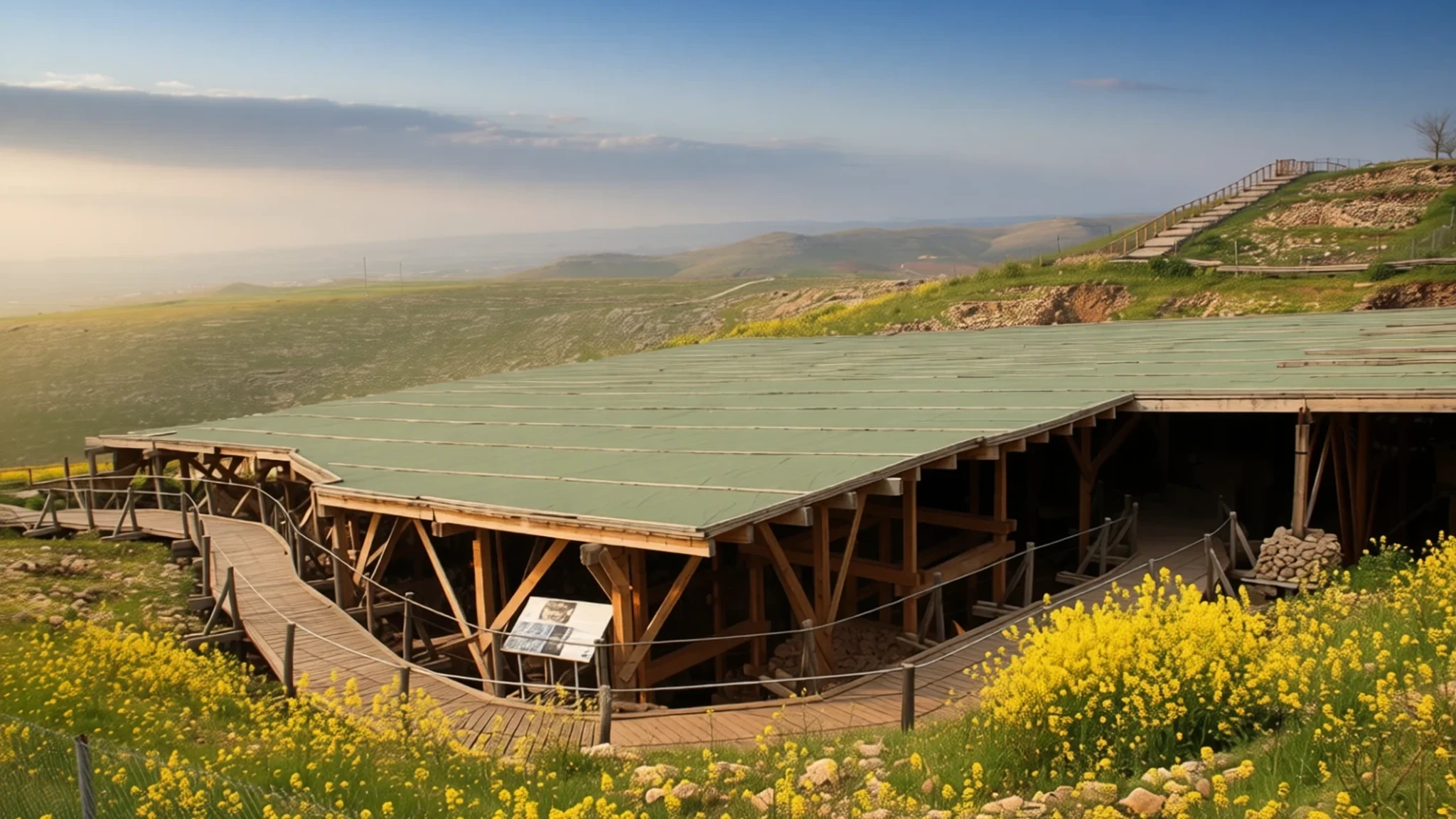
Göbekli Tepe is home to megalithic stone circles that challenge our understanding of prehistoric societies long before the dawn of written history.
The place
Göbekli Tepe sits high upon a rugged limestone ridge in Upper Mesopotamia, looking out across the vast rolling plains of southeastern Turkey. Known locally as Potbelly Hill, this ancient mound rises above a landscape that has witnessed the very beginnings of human settlement. Visitors arriving at the site today walk beneath modern protective canopies that shield the fragile archaeological trenches from the baking Anatolian sun and sudden downpours. The terrain is arid, windswept, and sparsely vegetated, dominated by low shrubs, chalky dust, and distant blue horizons stretching toward Syria.
Walking the metal pathways suspended above the excavations reveals a complex web of dry-stone walls and circular enclosures. Massive T-shaped limestone pillars, some weighing several tonnes, stand upright in concentric rings, their surfaces carved with low reliefs of leaping foxes, cautious boars, scorpions, and long-necked water birds. The atmosphere is quiet and contemplative, punctuated only by the wind whistling through the valley and the occasional crunch of footsteps on gravel. Unlike many classical ruins with soaring marble columns and grand arches, Göbekli Tepe feels raw and primordial. The surrounding countryside remains largely rural and traditional, dotted with stone-built villages, grazing sheep, and shepherds tending flocks much as their ancestors have done for millennia. Travellers exploring the region find an arresting contrast between the modern infrastructure built to protect the excavations and the timeless, unchanging horizon that frames this remarkable hilltop. The air carries the scent of sun-baked earth and wild thyme, anchoring every visitor firmly in the ancient geography of the Fertile Crescent.
Its story
Göbekli Tepe was constructed during the Pre-Pottery Neolithic period, a pivotal era when human communities transitioned from nomadic foraging to sedentary life. For decades, conventional historical theory held that large-scale monumental architecture only appeared after societies had mastered agriculture and established stable, food-surplus communities. Yet Göbekli Tepe turns this sequence on its head. Built entirely by hunter-gatherers, the complex predates the widespread cultivation of crops and the domestication of most livestock in the region, suggesting that spiritual impulses and communal gathering may have actually driven people to settle down in the first place.
Excavations reveal multiple layers of monumental circular buildings, which were intentionally buried under tonnes of limestone rubble and soil by their creators at the end of every cycle of use. This deliberate backfilling has preserved the delicate carvings and upright megaliths in astonishing detail. Recent archaeological discoveries at Göbekli Tepe have also uncovered domestic structures, water-management systems, and cereal-processing tools, painting a richer picture of a permanent or semi-permanent community rather than a purely seasonal sanctuary. These finds continue to reshape our understanding of early human civilisation, proving that prehistoric groups possessed sophisticated social organisation, artistic vision, and engineering capabilities long before writing systems or metal tools ever emerged in the ancient world.
What to see
- Main Excavation Area — Central archaeological zone
The main excavation area at Göbekli Tepe reveals the monumental circular enclosures where massive T-shaped stone pillars stand in concentric rings. Walking along the elevated wooden walkways allows visitors to look directly down into the prehistoric pits and examine the intricate animal reliefs carved into the ancient limestone blocks without disturbing the fragile surfaces below.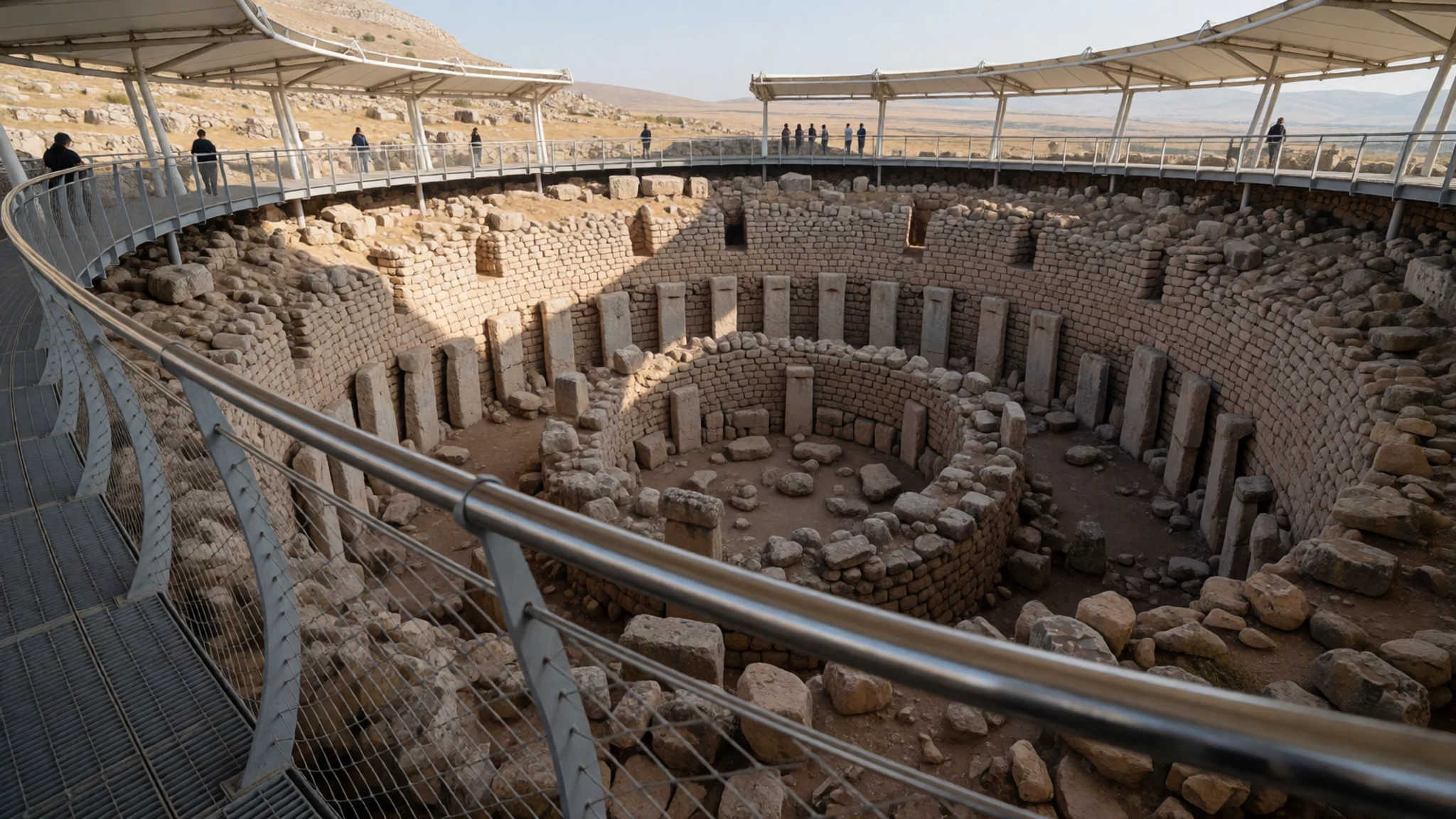
- Enclosure D Stela Displays — Southern excavation sector
Enclosure D features some of the best-preserved and most striking megaliths at Göbekli Tepe. The central pillars here display distinct anthropomorphic arms, carved stone belts, and stylized loincloths, offering rare visual evidence of how early humans conceptualised their deities or ancestors during the dawn of the Neolithic period.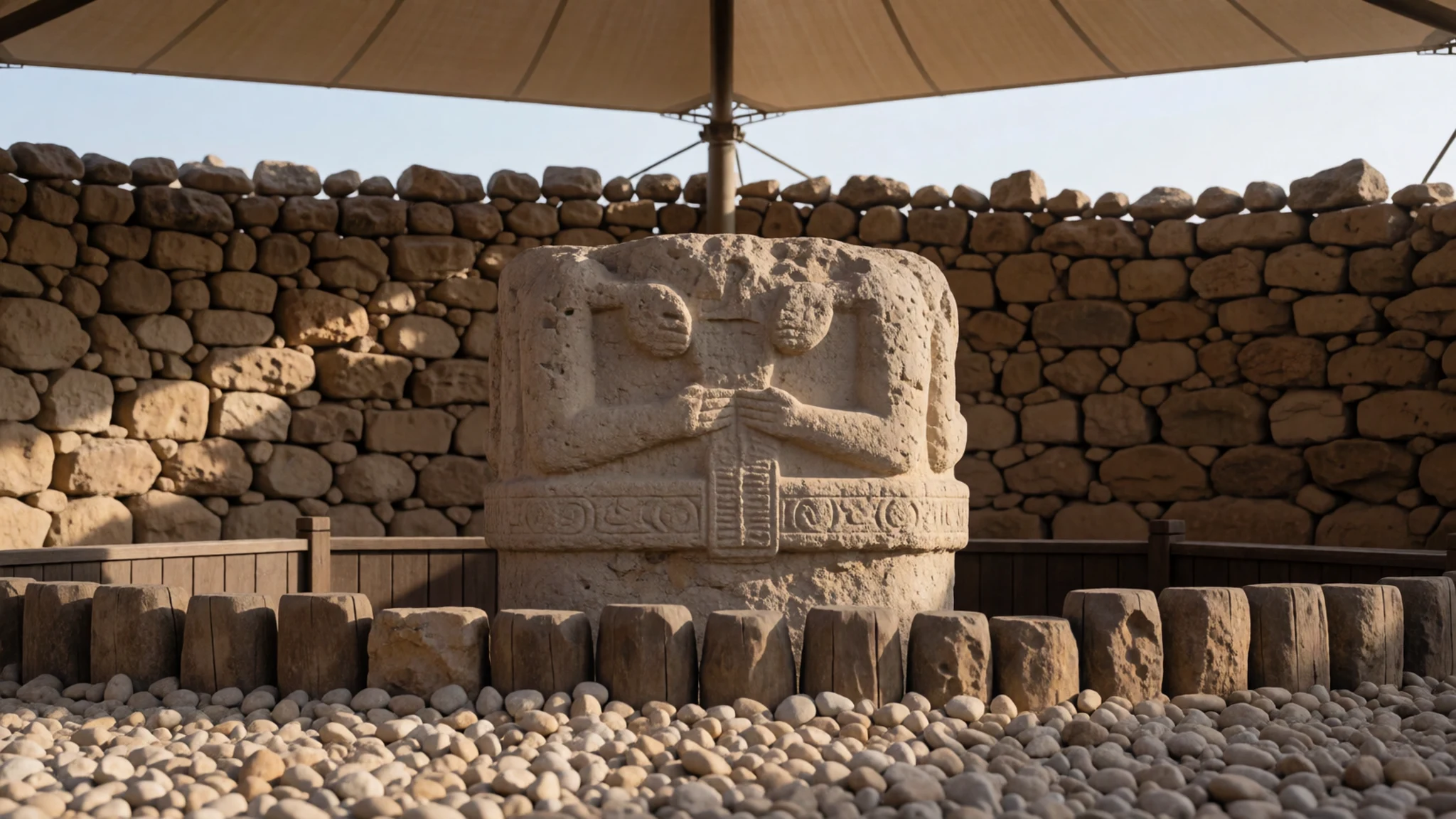
- Şanlıurfa Archaeology Museum — Şanlıurfa city centre
Located a short drive from Göbekli Tepe in the city centre, this modern museum houses an exceptional collection of artefacts recovered from the site. Visitors can view original stone statues, carved animal totems, and reconstructed room settings that bring the prehistoric context of the region vividly to life.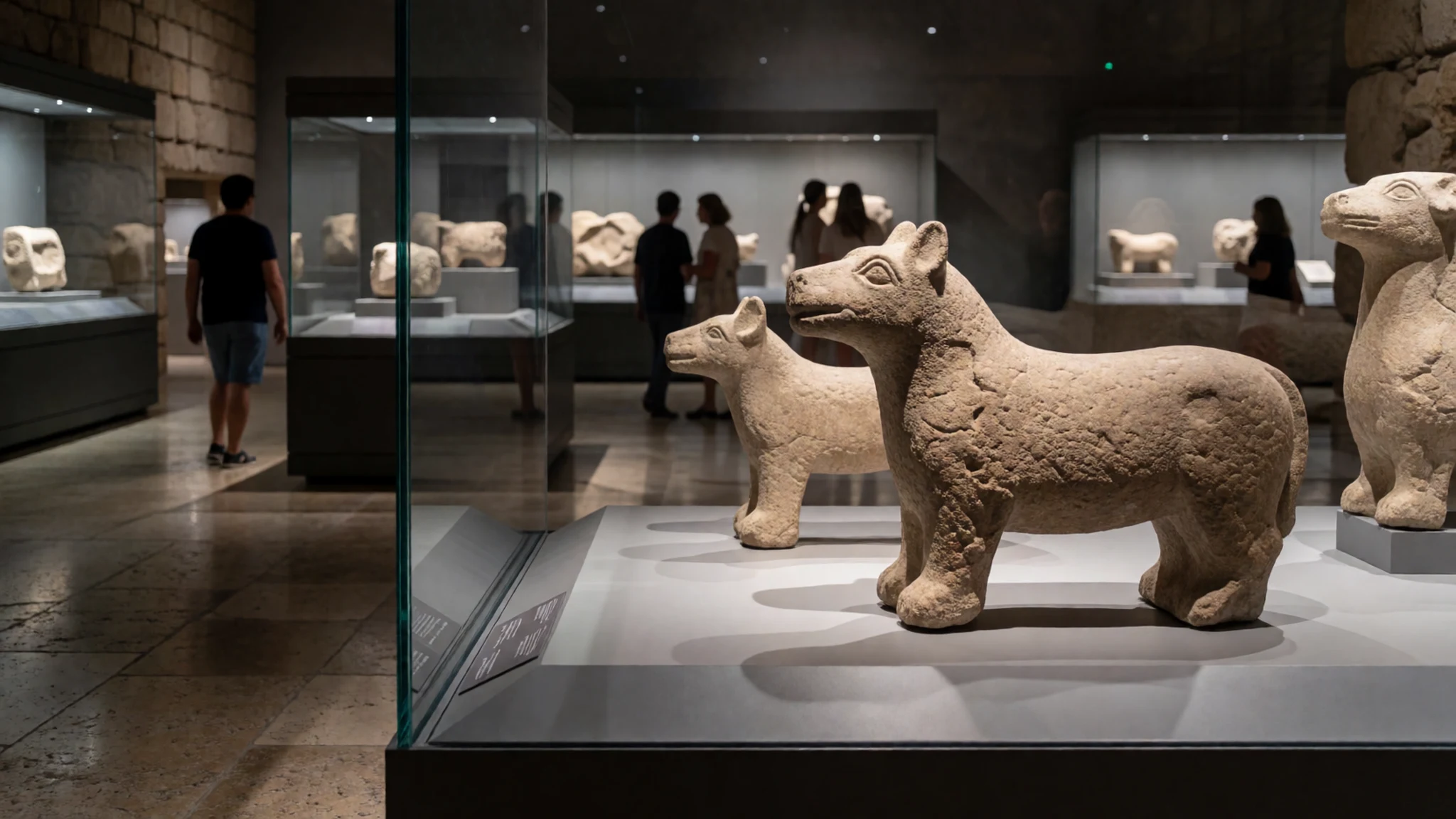
- Surrounding Plateau Views — Perimeter ridge
The limestone plateau surrounding Göbekli Tepe offers sweeping panoramic views across the sweeping plains of Upper Mesopotamia and al-Jazira. Standing at the edge of the archaeological park, travellers can appreciate the strategic high ground and expansive horizons that made this hilltop a significant beacon for early human communities.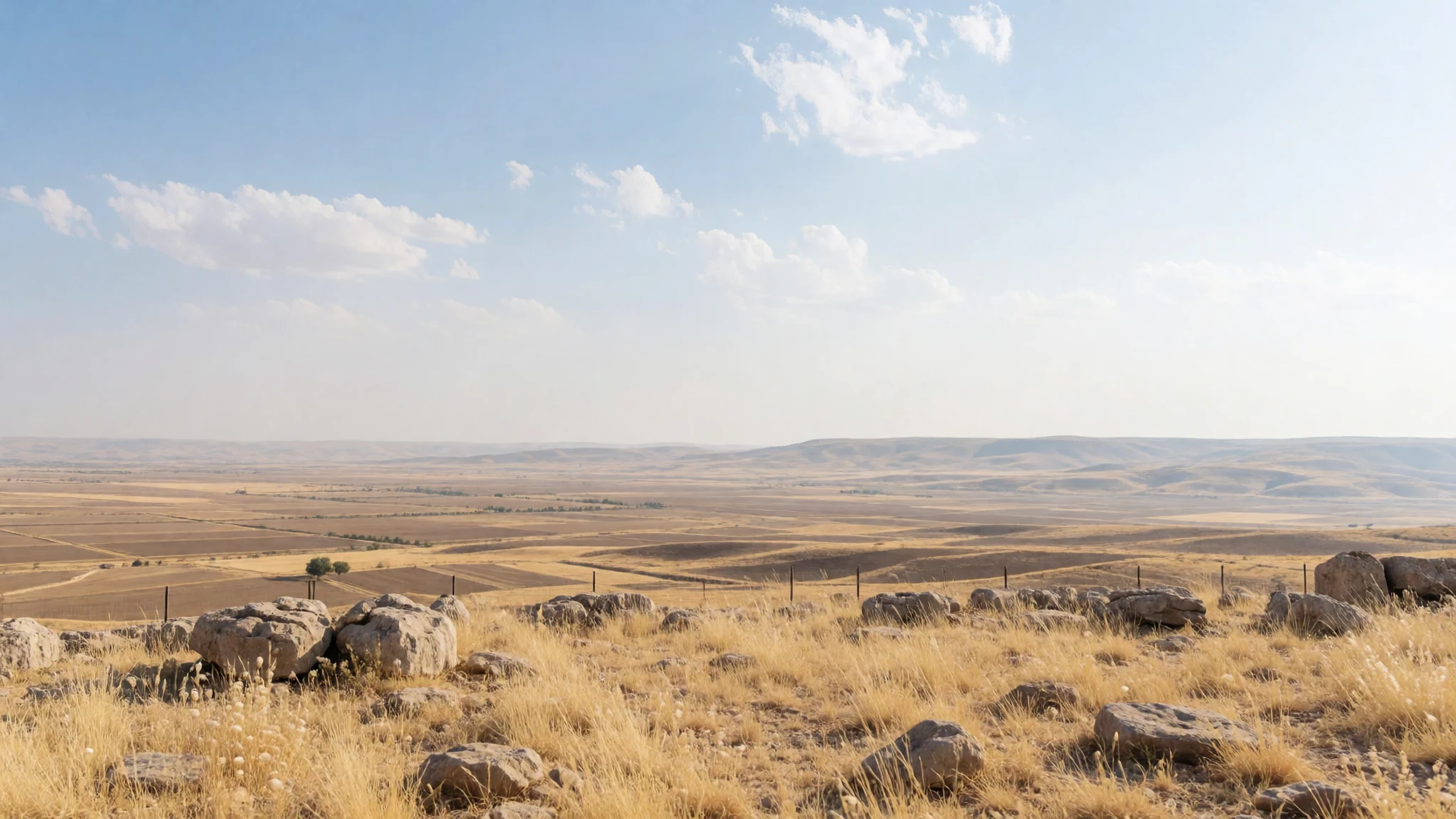
Culture
Göbekli Tepe and the surrounding Şanlıurfa region reflect the deeply ingrained traditions of southeastern Turkey, where hospitality is treated as a sacred duty. Local residents are exceptionally welcoming, often greeting strangers with warm tea and genuine curiosity. Traditional social structures here remain close-knit and family-oriented, with values rooted in mutual respect, community solidarity, and a shared Islamic heritage that shapes daily rhythms and celebrations. Visitors will notice that public life moves at a more deliberate pace compared to the bustling metropolises of western Turkey. Craftsmanship, local folklore, and oral traditions are passed down through generations, keeping ancient regional narratives alive in the bazaars and tea houses. When visiting rural communities or traditional homes near Göbekli Tepe, dress modestly, accept offers of hospitality with a polite nod, and always remove your shoes before stepping across a household threshold.
What to wear
Göbekli Tepe and the surrounding Şanlıurfa province see traditional dress blending with practical modern attire. Older generations in rural villages often wear traditional regional garments, including loose-fitting cotton trousers known as şalvar, colourful embroidered vests, and draped headscarves or traditional turbans designed to offer protection from the intense regional sun. Fabrics are predominantly breathable cottons and wools suited to the harsh Anatolian climate. In towns and modern spaces, locals dress more casually, though modesty remains standard practice out of respect for local customs. Travellers visiting Göbekli Tepe should prioritise practical comfort and sun protection. Lightweight, breathable trousers, modest shirts covering shoulders and knees, and sturdy walking shoes are essential for navigating the dusty, uneven archaeological paths and exposed pathways. A wide-brimmed hat and sunglasses are indispensable during the scorching summer months.
What to eat
- Urfa Kebab — Traditional Ocakbaşı grills throughout Şanlıurfa
A signature local speciality consisting of minced lamb seasoned with regional red pepper flakes and herbs, hand-pressed onto wide iron skewers and grilled over hot coals. Enjoy it wrapped in warm flatbread with charred tomatoes and fresh onions.
- Lahmacun — Local bakeries and neighbourhood pide salons
Often called Turkish pizza, this thin, crispy round dough is topped with a spiced minced meat paste, tomatoes, onions, and parsley, then baked quickly in a stone oven. Squeeze fresh lemon juice over the top and roll it up with herbs to eat.
- Mercimek Çorbası — Morning soup kitchens and traditional roadside eateries
A comforting, golden-hued red lentil soup blended with onions, carrots, and mild spices, finished with a dash of melted butter and red pepper oil. It is traditionally served piping hot with wedges of fresh lemon and crusty bread. - Türk Kahvesi — Historic tea gardens and bazaar coffee houses
Finely ground coffee beans simmered slowly with water and sugar in a small copper pot called a cezve, served unfiltered in tiny cups. Sip slowly and let the sludgy grounds settle at the bottom.
Plan it
Best time. March to April and October to November offer pleasant daytime temperatures for exploring the archaeological site, while June through August bring intense, scorching heat across the plains.
How long. 2
Getting there. Fly into Şanlıurfa GAP Airport, then take a taxi or arranged shuttle service for the final drive northeast toward the archaeological park near Örencik village.
Budget. mid
Tips
- Arrive early in the morning to beat the midday heat and afternoon tour buses
- Wear sturdy walking shoes with good grip for the dusty gravel paths
- Carry cash for small entrance fees, local snacks, and handicrafts
- Bring a refillable water bottle and strong sun protection
Etiquette
- Remove your shoes immediately when entering traditional homes or local mosques
- Dress modestly with shoulders and knees covered out of respect for local customs
- Ask permission before photographing local residents in nearby villages
Nearby
Sources
- Wikidata Q214944 (CC0)
- Wikipedia (CC BY-SA 4.0)
- Wikivoyage (CC BY-SA 4.0)