Glacier National Park
Glacier National Park, United States
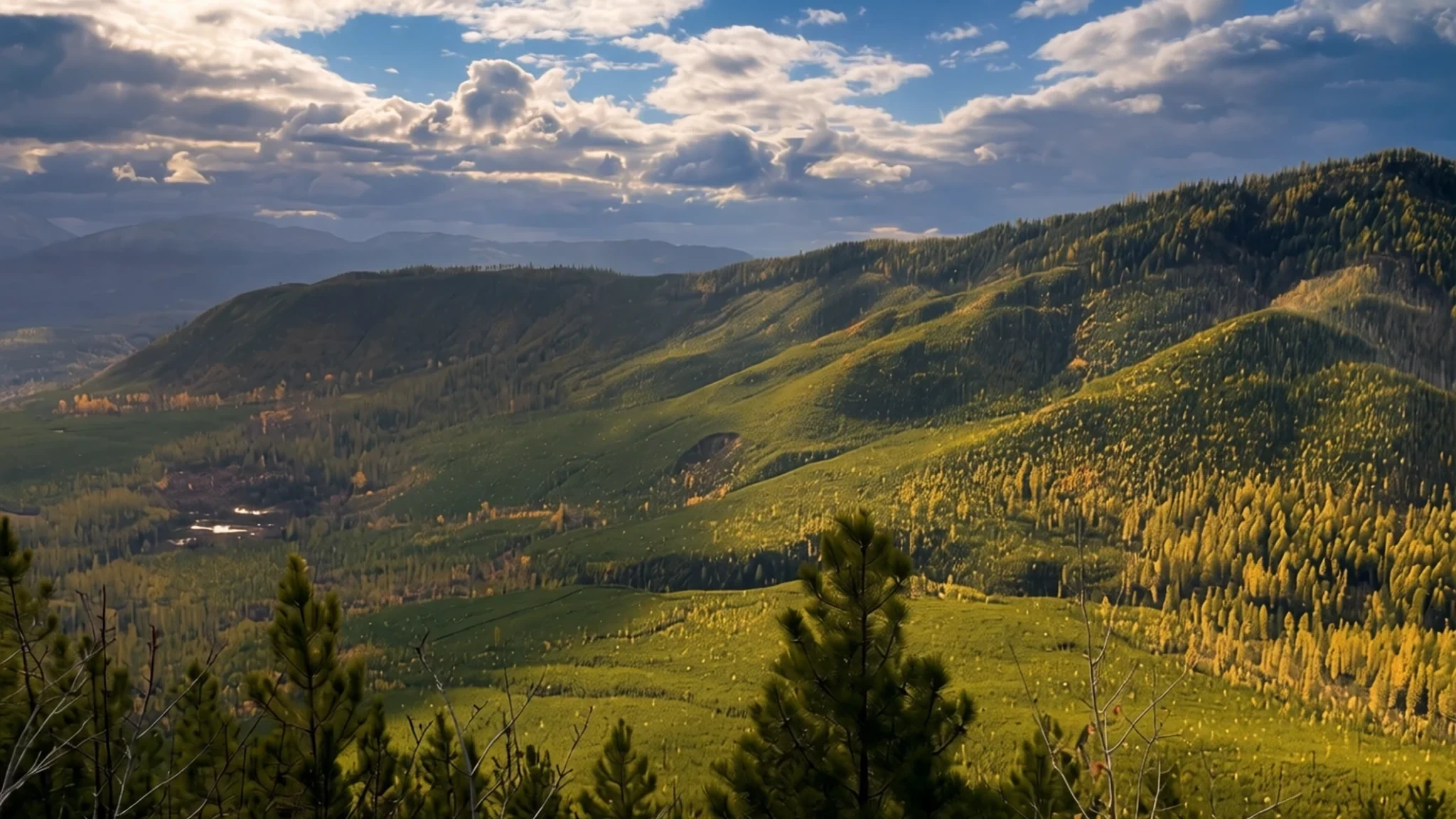
Glacier National Park offers vast alpine ecosystems, towering rocky peaks, and historic alpine chalets across a magnificent North American wilderness.
The place
Glacier National Park sits in northwestern Montana along the border with Canada, encompassing more than one million acres of protected wilderness. Within this vast landscape, parts of two distinct mountain ranges rise sharply, sheltering over one hundred and thirty named lakes and a rich variety of native plants and animals. This remote alpine environment forms the literal heart of a much wider protected transboundary ecosystem often called the Crown of the Continent. Ancient geological forces shaped these steep valleys long ago, pushing older rock layers up and over younger strata to create dramatic escarpments and high-altitude basins. Today, visitors arrive to traverse the winding asphalt of the high mountain pass roads, gaze across pristine glacial waters reflecting timbered slopes, and spot native wildlife roaming freely through the valleys. Summer brings warm days and wildflower meadows beneath bright blue skies, while autumn paints the aspen groves in shades of gold before winter snows close the high routes. The park manages to feel both vast and intimate, offering travellers a rare glimpse of North America as it appeared centuries ago, untouched by industrial development and fiercely protected for future generations to explore.
Its story
Long before European explorers mapped the territory, Glacier National Park was home to indigenous peoples who maintained deep spiritual and practical ties to the land. The Flathead, Kootenai, Shoshone, and Cheyenne all shared ancestral links to these valleys, while the Blackfeet people hunted and sheltered along the eastern mountain slopes. To the Blackfeet, towering peaks such as Chief Mountain and the sacred waters at Two Medicine were known as the backbone of the world, serving as profound sites for traditional vision quests and winter camps. As settlement pushed westward, treaties reshaped these ancestral lands, culminating in an 1895 agreement where Blackfeet leaders authorised the sale of the high mountain areas to the federal government. Following its official establishment, the Great Northern Railway played a transformative role in opening the interior, constructing historic timber hotels and alpine chalets to accommodate early rail tourists. Workers later completed the legendary mountain pass road in the early decades of the twentieth century, granting motorists direct passage across the continental divide. These historic structures and engineering feats remain woven into the fabric of the region, reminding modern travellers of the pioneering expeditions that first brought tourists deep into the rugged northern wilderness.
What to see
- Going-to-the-Sun Road — Central mountain corridor
Cutting straight across the rugged continental divide, this legendary mountain highway delivers some of the most dramatic panoramic viewpoints anywhere in the American West. It winds past plunging rock walls, high-altitude alpine tundra, and sweeping glacial valleys before closing for the long winter snow season.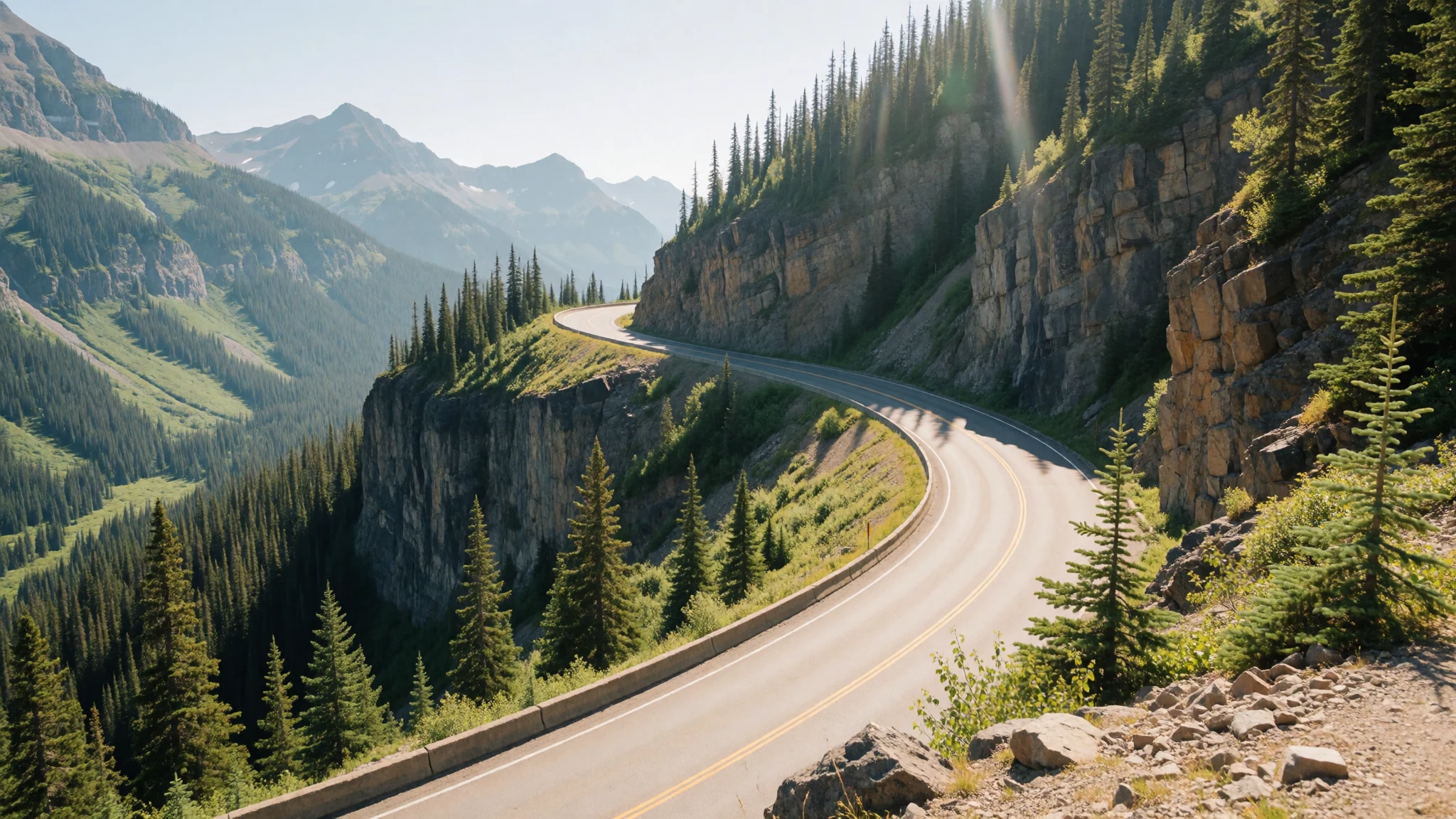
- Many Glacier Hotel — Northeastern sector
Perched dramatically on the shores of Swiftcurrent Lake, this historic timber lodge stands as a masterpiece of early twentieth-century railway architecture. Visitors gather on its sprawling wooden balconies to watch the sunset paint the surrounding jagged peaks in warm copper tones.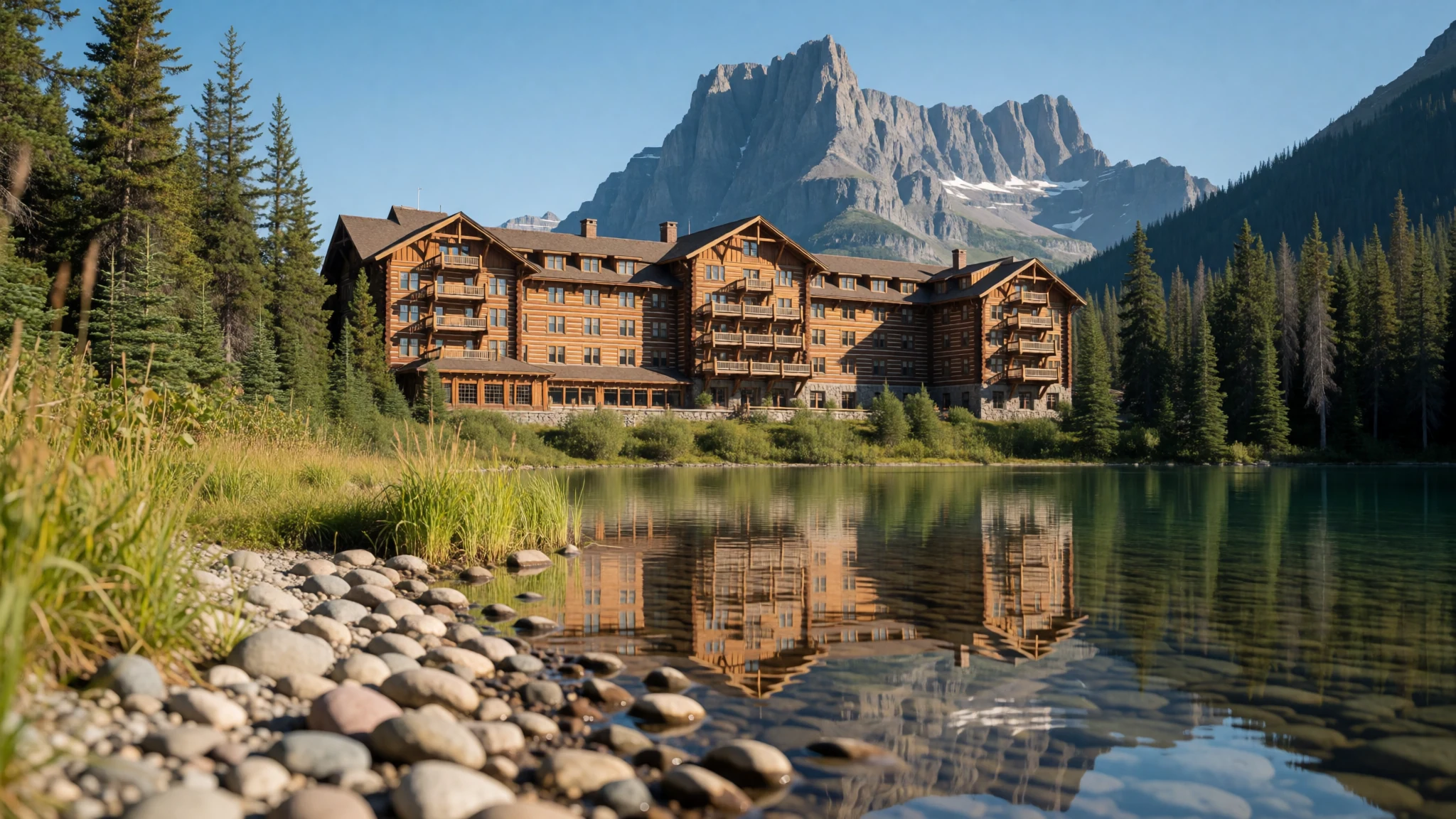
- St. Mary Lake and Wild Goose Island — Eastern park entrance
Long and intensely blue, this glacial lake fills a deep U-shaped valley beneath steep mountain walls. A small cluster of hardy evergreens clings to the tiny rock outcrop in the middle, creating one of the most photographed vistas in the entire American park system.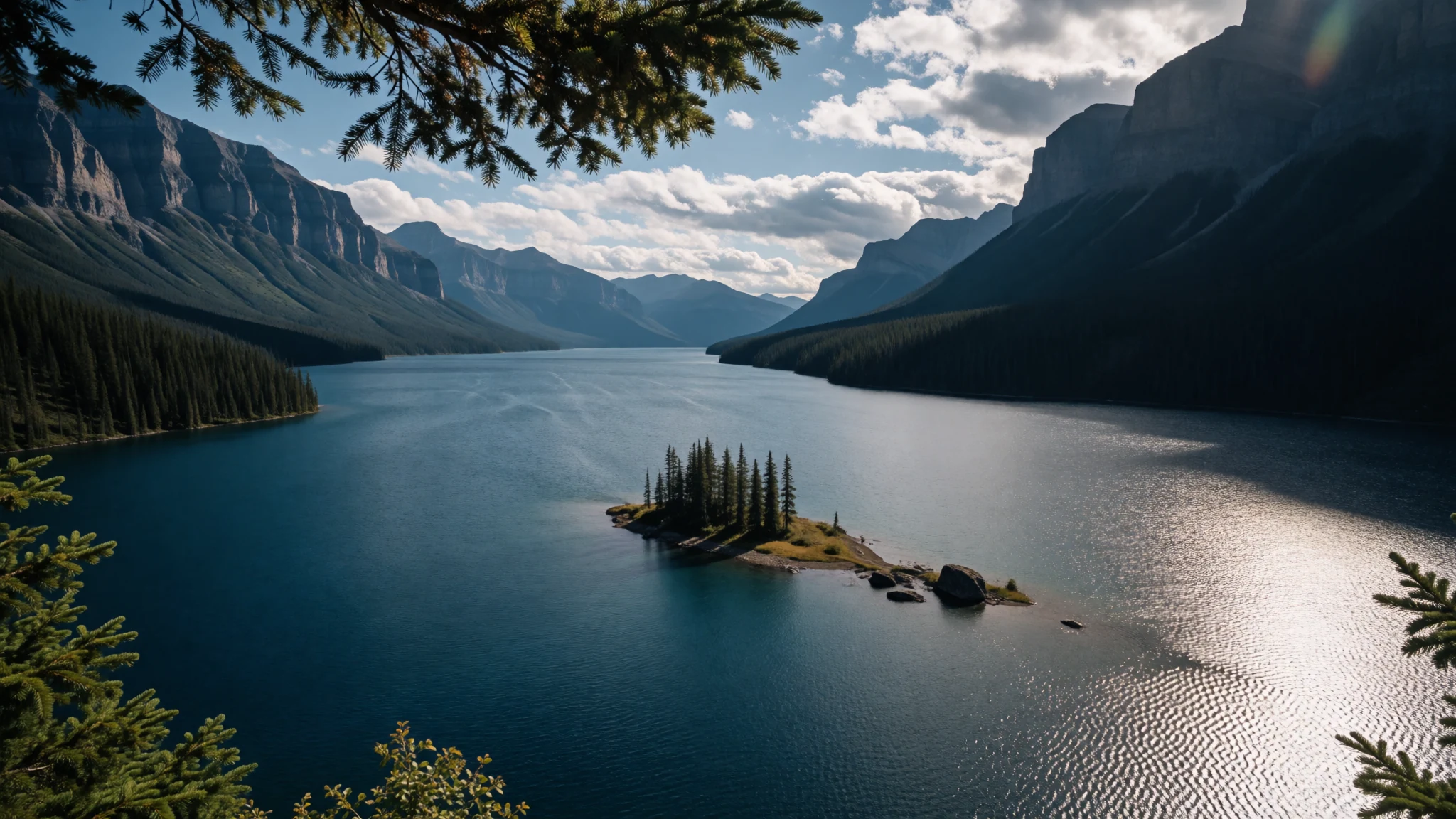
- Two Medicine Valley — Southeastern sector
Tucked away in the southeastern corner of the park, this quieter glacial basin holds immense spiritual significance for local indigenous nations. Walking trails wind past cascading waterfalls through dense pine forests towards crystal-clear alpine lakes reflecting towering grey limestone cliffs above.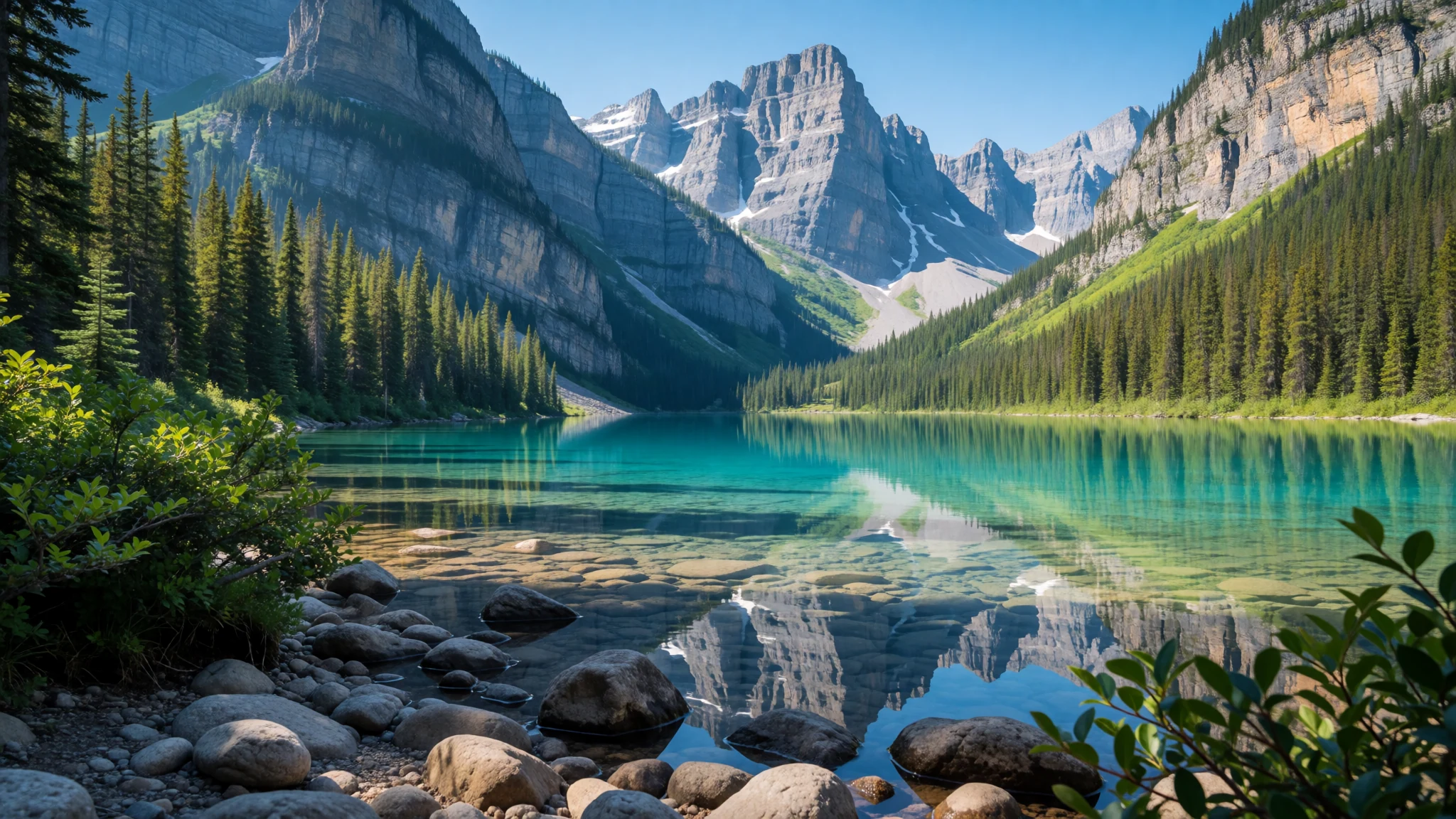
- Chief Mountain International Highway — Northern boundary
Straddling the northern boundary near the Canadian border, this scenic corridor links the American parklands directly with neighbouring wilderness reserves in Alberta. Travellers cross rolling foothills beneath the imposing watchtower silhouette of Chief Mountain itself.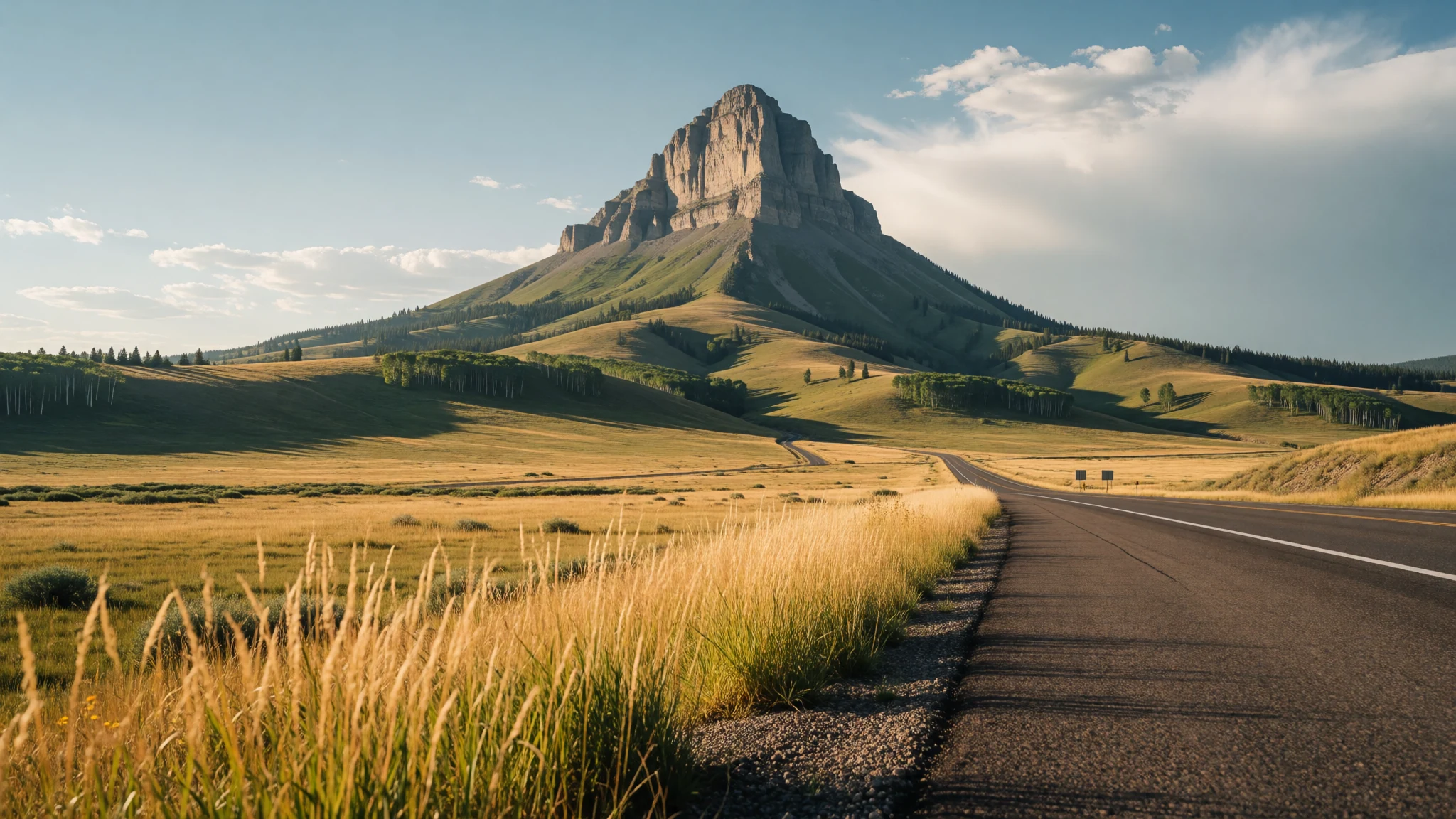
Culture
Glacier National Park is deeply intertwined with the heritage of neighbouring tribal nations whose elders continue to pass down oral histories tied to the peaks, rivers, and wildlife of the region. Visitors will notice a strong conservation ethic shared by park rangers, local residents, and travellers alike, centred on preserving fragile alpine tundra and keeping pristine watersheds clean. Respect for indigenous heritage is visible in cultural exhibits, traditional naming practices, and ongoing partnerships between federal authorities and regional tribes regarding land stewardship. When exploring the backcountry, hikers are expected to pack out all waste, maintain safe distances from wild animals, and respect the quiet solitude of the mountain environment. Always carry bear spray in an accessible holster and know how to use it before stepping onto any park trail.
What to wear
Traditional clothing worn historically by the indigenous tribes of the northern plains and mountain slopes featured finely tanned buckskin tunics, leggings, and moccasins adorned with porcupine quillwork and elk teeth, designed to withstand bitter winter winds. Today, locals and park staff dress in practical outdoor gear suited for shifting mountain weather, including moisture-wicking layers, durable trousers, and sturdy hiking boots. Visitors should pack for rapid meteorological changes, bringing waterproof outer shells, fleece mid-layers, wide-brimmed sun hats, and broken-in footwear with good traction for rocky trails.
What to eat
- Classic Mountain Burger — Eddies Cafe inside the park
Hearty beef or bison burgers served hot with regional cheddar and thick-cut fries, ideal for refueling after a long day of strenuous hiking along the continental divide. - Huckleberry Pastries — Camp stores and bakeries around West Glacier
Sweet, flaky pastries and warm tarts baked fresh daily using tart wild huckleberries foraged from the surrounding forested mountain slopes during the brief summer season. - Trailside Camp Stew — Park camp stores and village grocers
Simple, nourishing backcountry meals and freeze-dried provisions packed for high-altitude trekking when cooking over camp stoves near alpine lakes. - Fireside Steak Dinners — Historic railway hotel dining rooms
Thick cuts of grilled Montana beef paired with roasted root vegetables, served in rustic dining rooms overlooking historic timber-framed lodges. - Pike and River Trout — Eateries in nearby gateway towns
Freshly prepared freshwater fish dishes seasoned with local herbs, reflecting traditional fishing heritage across the clear rivers flowing out of the mountain ranges.
Plan it
Best time. July to September offers the most reliable weather, fully open high mountain roads, and accessible alpine hiking trails, though summer crowds peak during these months.
How long. 3–5
Getting there. Arrive via Amtrak's Empire Builder train directly to West Glacier or East Glacier Park stations, or fly into regional airports and rent a car for the final road journey.
Budget. mid
Tips
- Book historic park lodges and vehicle reservations many months in advance.
- Arrive at major trailheads before dawn to secure parking spots.
- Always carry certified bear spray and know how to use it safely.
- Pack layers for sudden rain, wind, or unexpected freezing temperatures.
- Check road status daily as high passes close frequently for weather.
Etiquette
- Never approach or feed wild bears, mountain goats, or elk.
- Pack out all rubbish and leave alpine wildflowers untouched.
Nearby
Sources
- Wikidata Q373567 (CC0)
- Wikipedia (CC BY-SA 4.0)
- Wikivoyage (CC BY-SA 4.0)