Gir National Park
Gir National Park, India
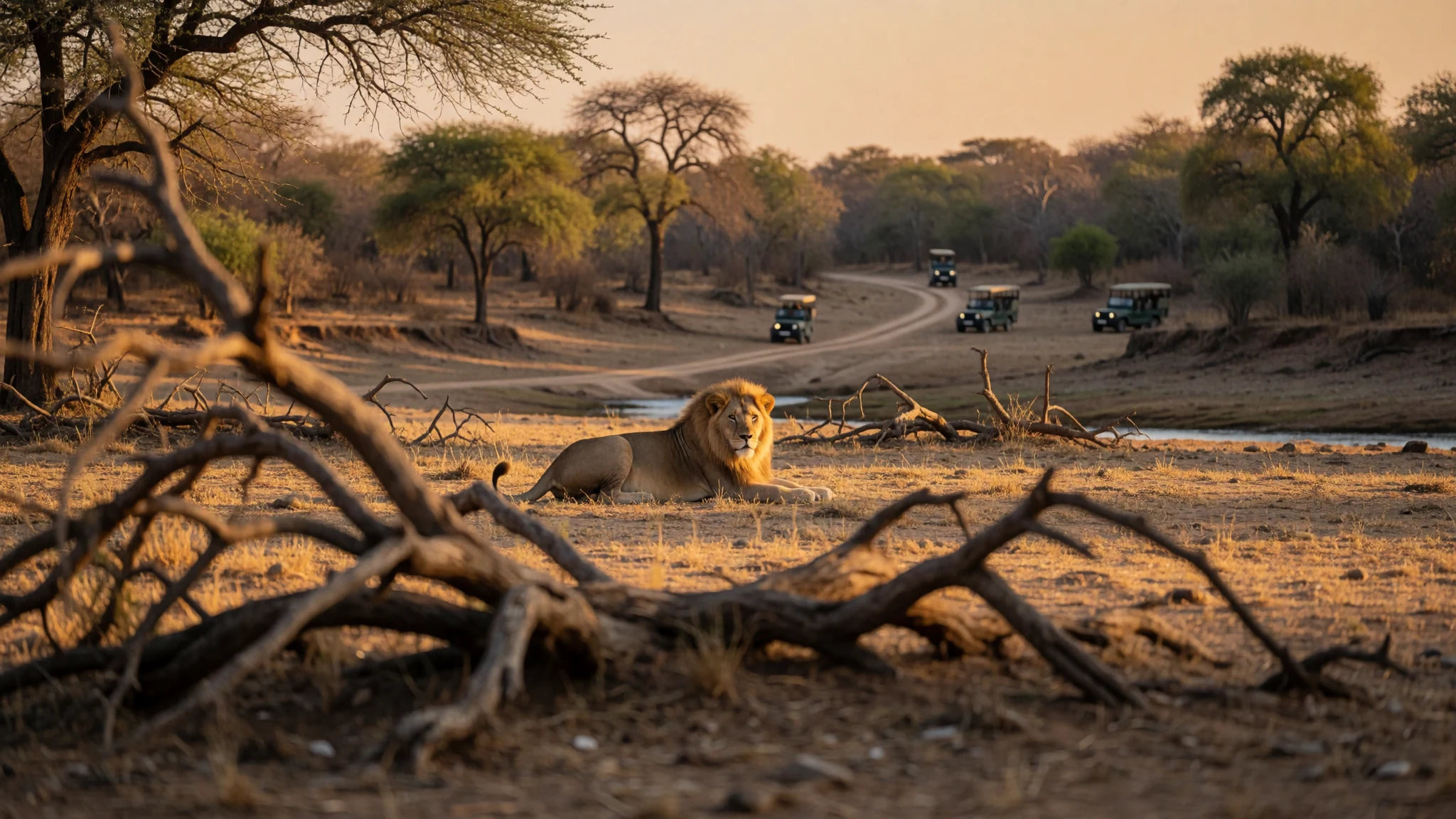
Gir is one of India’s easiest wildlife trips: the Asiatic lion lives here year-round, with safaris as the main way in.
The place
Gir National Park and Wildlife Sanctuary—also called Sasan Gir—sits in Gujarat, India, as a protected patch of dry forests and scrubland managed for wildlife. It began in 1965, when protection and administration were formalised around the area that had long been associated with Asiatic lions. Today it’s not just a “park with fences”: it’s a park-and-sanctuary setup, with a fully protected national park zone and a wider wildlife sanctuary around it.
The landscape around Gir is built for survival rather than spectacle-at-a-glance. Dry deciduous forest types dominate the ecosystem, and water availability shapes what animals do and where you’ll be looking from during a safari. Several perennial rivers run through the Gir region—Hiran, Shetrunji, Dhatarvadi, Shingoda, Machhundri, Ambajal and Raval—and the area also has reservoirs linked to dams on those rivers, including the Kamleshwar Dam. That mix of rivers and reservoirs matters for sightings, especially when the dry months tighten the margin.
Planning also comes with a simple reality check: the park closes every year from 16 June to 15 October for the monsoon period. Outside that window, the experience is organised around jeep safaris (the common way to enter the habitat) and careful viewing from the routes where vehicles are allowed. If the goal is wildlife photography, expect a lot of patience, sometimes excellent light, and occasionally a quiet safari where the animals keep their distance.
Its story
Gir’s story is tied to a long-running tug-of-war between people and the animals they once hunted, and then the shift towards protection. In the late 19th century, rulers of Indian princely states sometimes invited British officials on hunting expeditions, and that pressure mattered because Asiatic lions were already facing severe declines. At that time, the lions were concentrated in Gir Forest, which formed part of the Nawab of Junagadh’s private hunting grounds.
When the steep drop in lion numbers became impossible to ignore, local leadership stepped in. Protection was established for the forest area and the lion population, and the sanctuary model took shape from there. That change didn’t happen in a vacuum: it relied on the on-the-ground forest administration that keeps large habitats functioning, plus the support of wildlife activists and NGOs who pushed for conservation as an ongoing practice rather than a one-off decision.
Today, Gir is closely associated with a distinctive conservation focus: it’s the only place in Asia where Asiatic lions are found. The emphasis is not just on counting animals, but on managing the wider ecosystem—food and water, habitat stability and the interactions among many species. When a safari feels like “waiting for movement”, that’s actually the point: wildlife here is shaped by seasons and the protected routes, and the biggest wins come from being attentive and calm rather than chasing.
What to see
- Jeep safari routes for Asiatic lion sightings — Gir Forest National Park zone (Sasan Gir)
Gir National Park is experienced mainly through safaris that take vehicles through the protected habitat. Wildlife sightings, including Asiatic lions, depend on where animals are moving that day and on the time you’re on the route.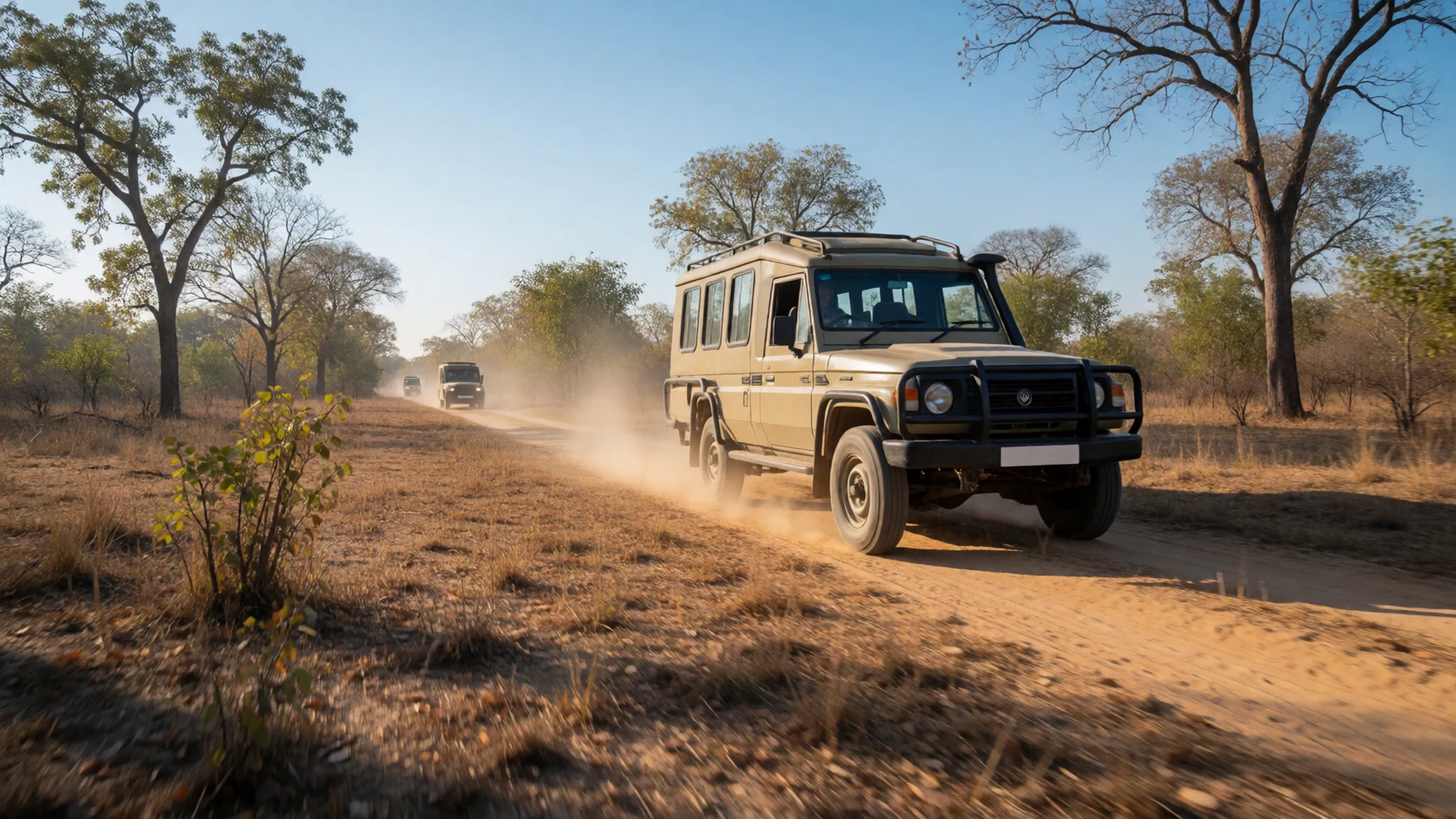
- Dry forest and teak woodland atmosphere — Khathiar–Gir dry deciduous forests
Gir’s feel is dry deciduous forest with stretches of teak woodland, not lush greenery. In the right light, the texture of leaves, branches and dust makes the habitat look layered—ideal for slow, quiet observation during a safari.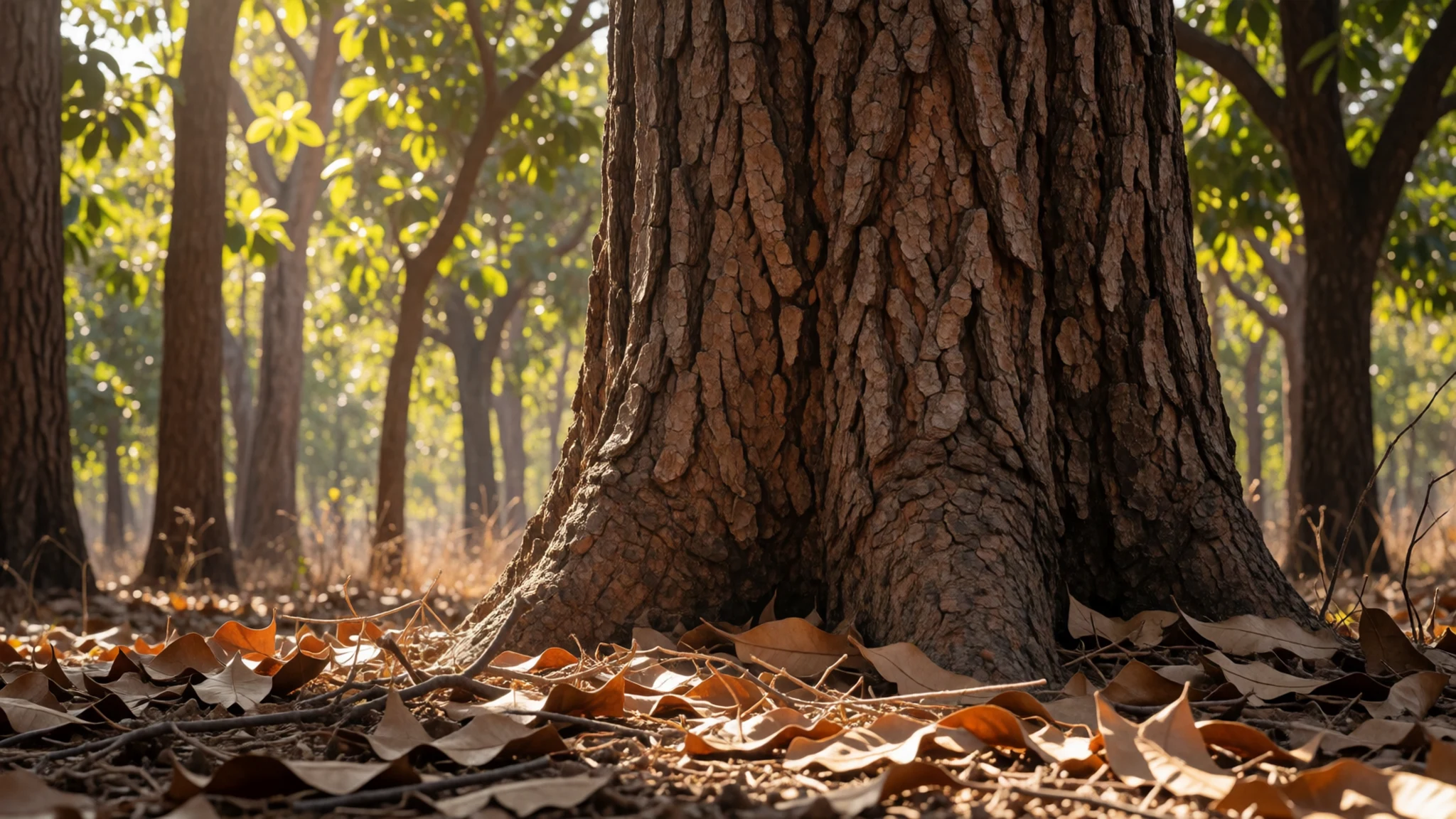
- Water edges around rivers and reservoirs — Gir region water reserves (Hiran, Shingoda, Machhundri, Raval)
Gir’s perennial rivers and dam-linked reservoirs create natural meeting points for animals. Mugger crocodiles and other wildlife may show up around water reserves, so early morning viewing near water can be productive.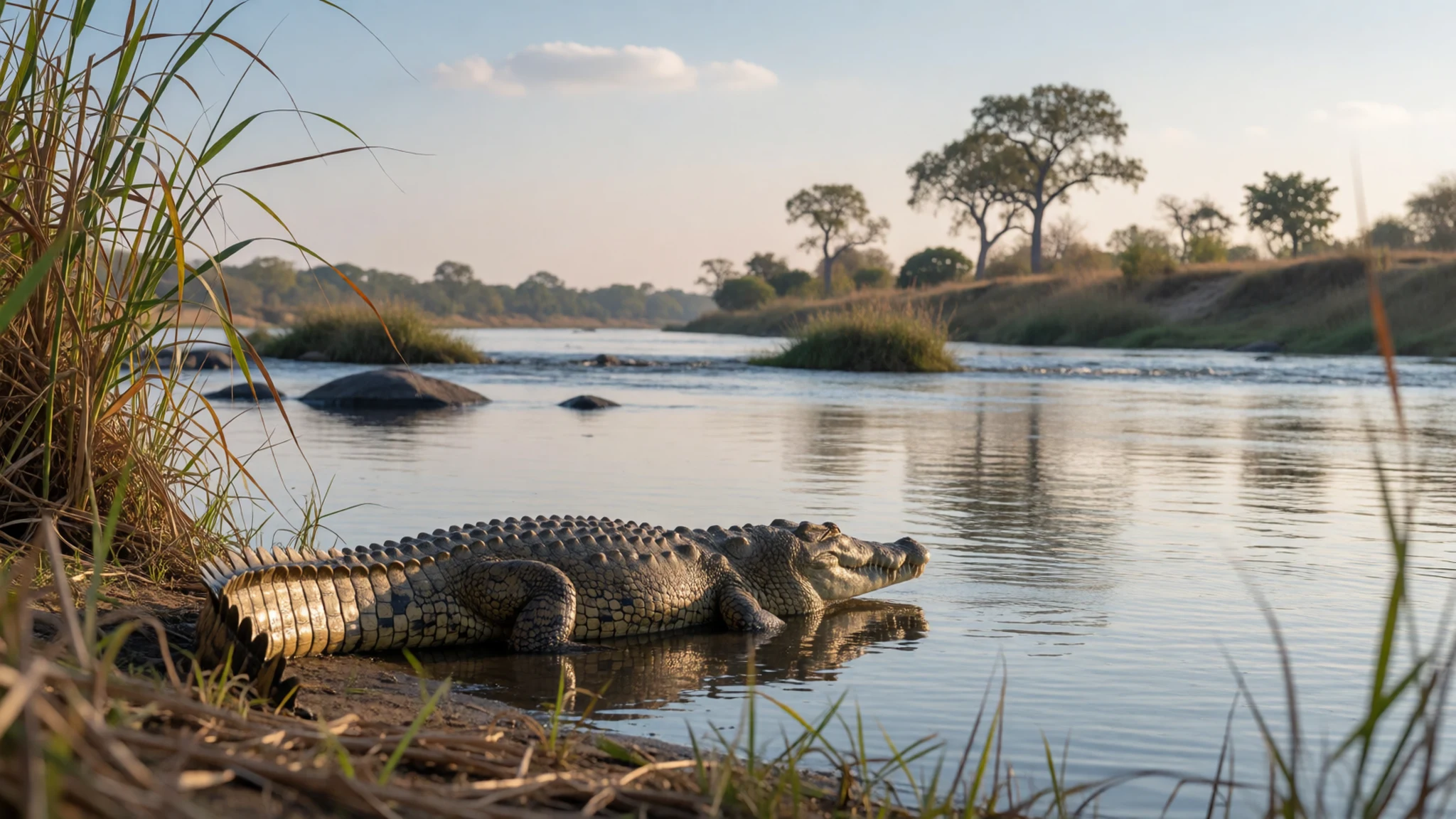
- Leopard chances and the “right light” principle — Gir Forest National Park (main safari circuits)
Leopards can appear as brief, careful movements—often when the light and shade line up well. Keep expectations realistic: spotting can be hit-and-miss, but staying alert for stillness and tracks helps.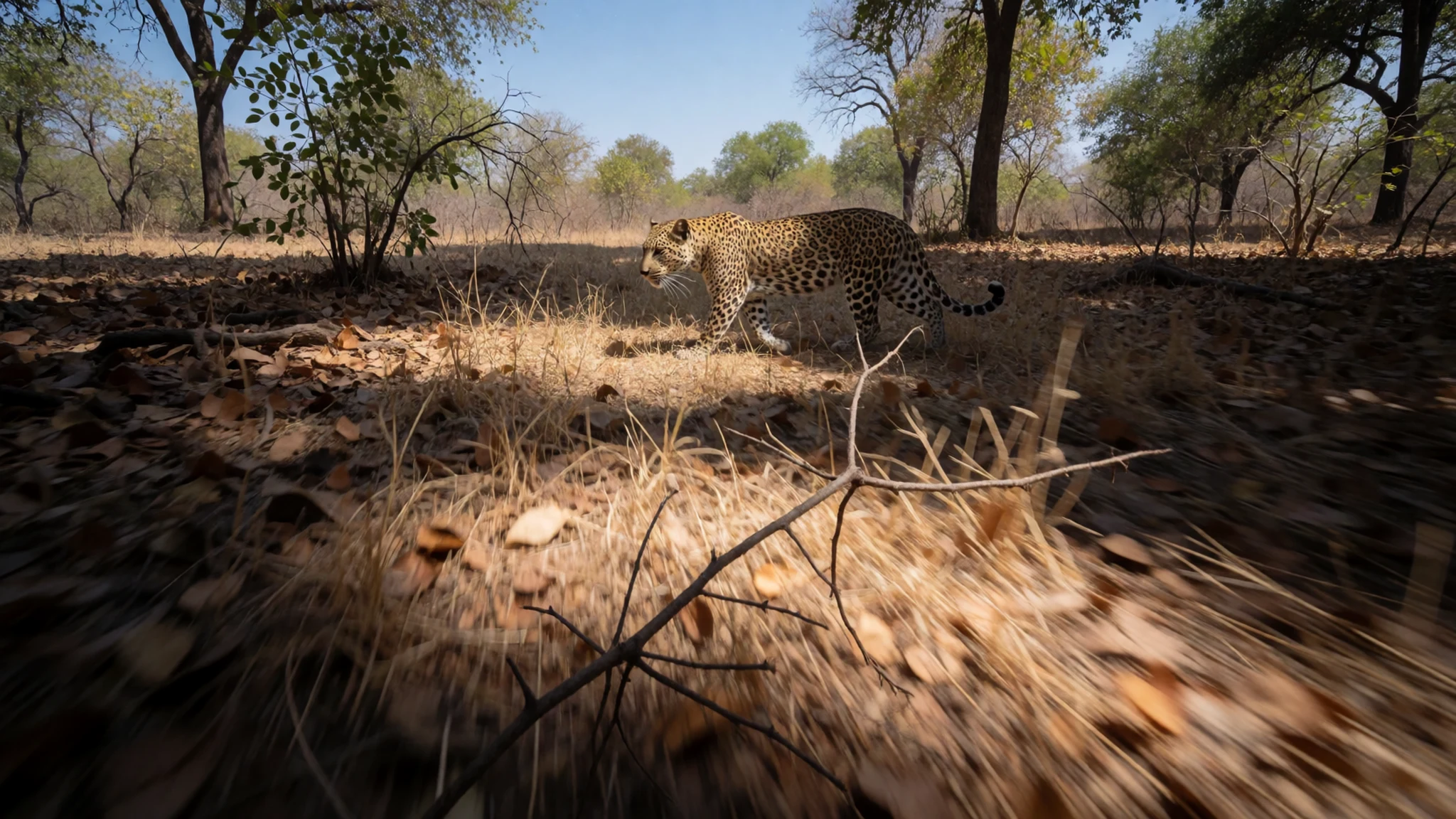
- Birdwatching across seasonal movement — Gir forest belt and river corridors
Gir is also for birds: migratory patterns and local resident species both shape what you’ll notice. If one safari is quiet, another time of day—or a different season—can bring a different mix to the trees and waterlines.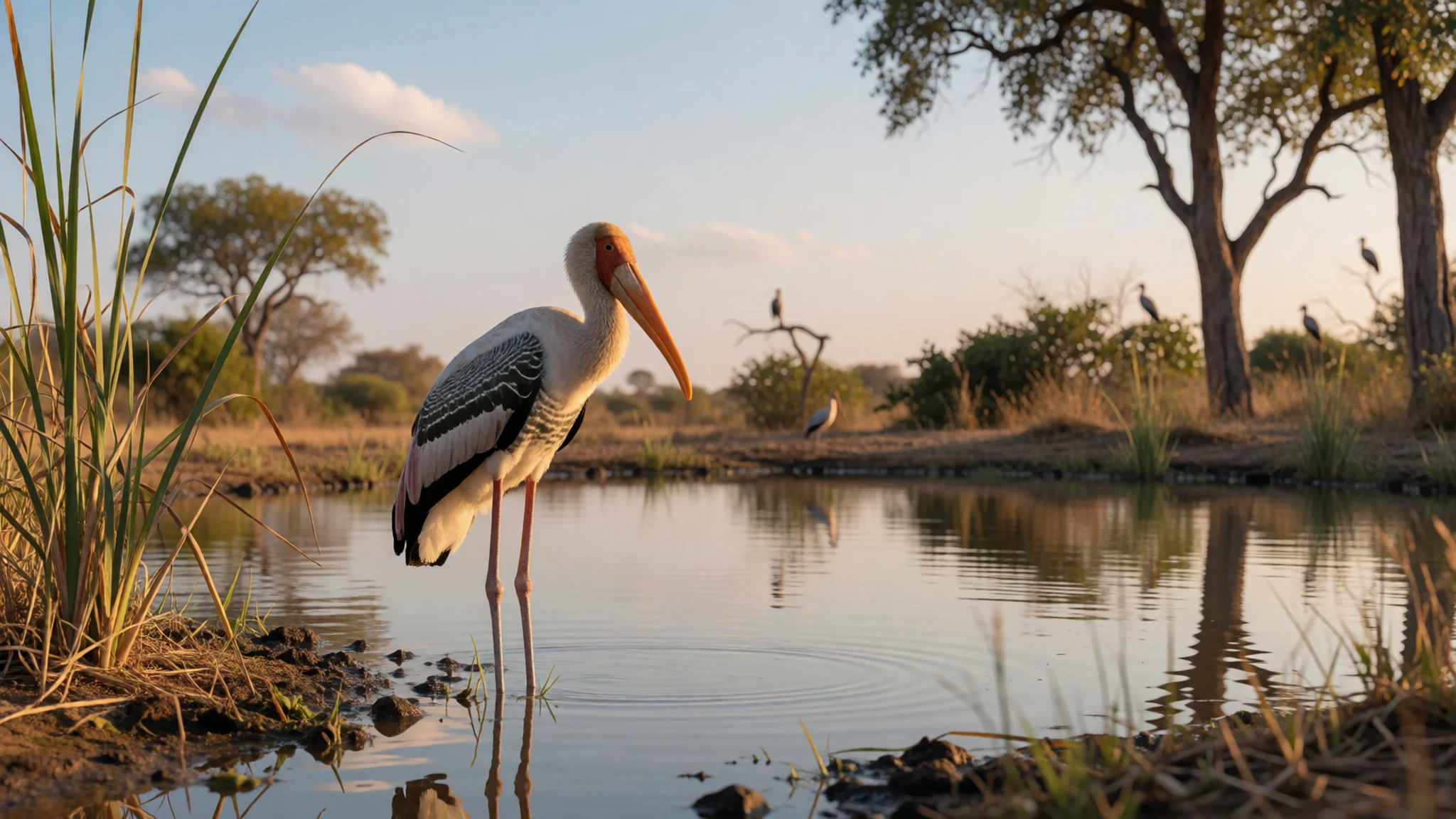
Culture
Gir National Park is a living habitat first, and the cultural “rules” are mostly about respect: for wildlife, for the protected status of the area, and for the staff who run safaris and manage visitor movement. During the annual monsoon closure (16 June to 15 October), the park rests—so outside those months, the area can feel busy with groups trying their luck on similar routes.
On safari, the biggest etiquette is to stay quiet and keep distractions low: wildlife often responds to sudden noise and movement. If staff guide you into a better viewing position, take it, then settle—leaning out too far or changing stance repeatedly can break the calm. Photography is generally fine, but don’t treat animals like props; if a vehicle is repositioned, follow the flow and avoid blocking other people’s line of sight.
There’s also a practical side to etiquette: dry heat can make people sloppy with water and planning, which is rough for everyone when you’re stuck waiting in a vehicle. A bit of preparation goes a long way.
Visitor etiquette: stay quiet on safari and keep your camera steady, never blocking others or disturbing animals.
What to wear
Gir National Park is in Gujarat’s dry forest belt, so dressing is about sun, dust and comfort during long safari sessions. Traditional dress in this wider region is often cotton-based—think simple, breathable garments that handle heat well—while today’s visitors typically wear light, long clothes for sun coverage and to reduce skin contact with dust.
For men and women, a practical baseline is lightweight long trousers or comfortable safari-friendly pants, a breathable shirt or top, and a hat or cap for glare. Closed-toe shoes or sturdy trainers are better than sandals because safari movements and dusty surfaces are part of the experience.
If visiting any nearby villages or stopping at religious sites in the broader Gir area, modesty norms usually favour clothing that covers shoulders and keeps hemlines reasonable. Also remember that the park closure runs from 16 June to 15 October, so the “in-season” months can still feel warm; keep layers minimal but sunscreen and a water bottle non-negotiable.
Visitor look that works: light cotton layers, long sleeves for sun, and shoes you don’t mind getting dusty.
What to eat
- Park-area snack stalls — Near the park access roads and local stall areas
Along travel days and safari-adjacent areas, small snack stalls are common—typically simple bites like chips and similar grab-and-go items for quick energy between routes.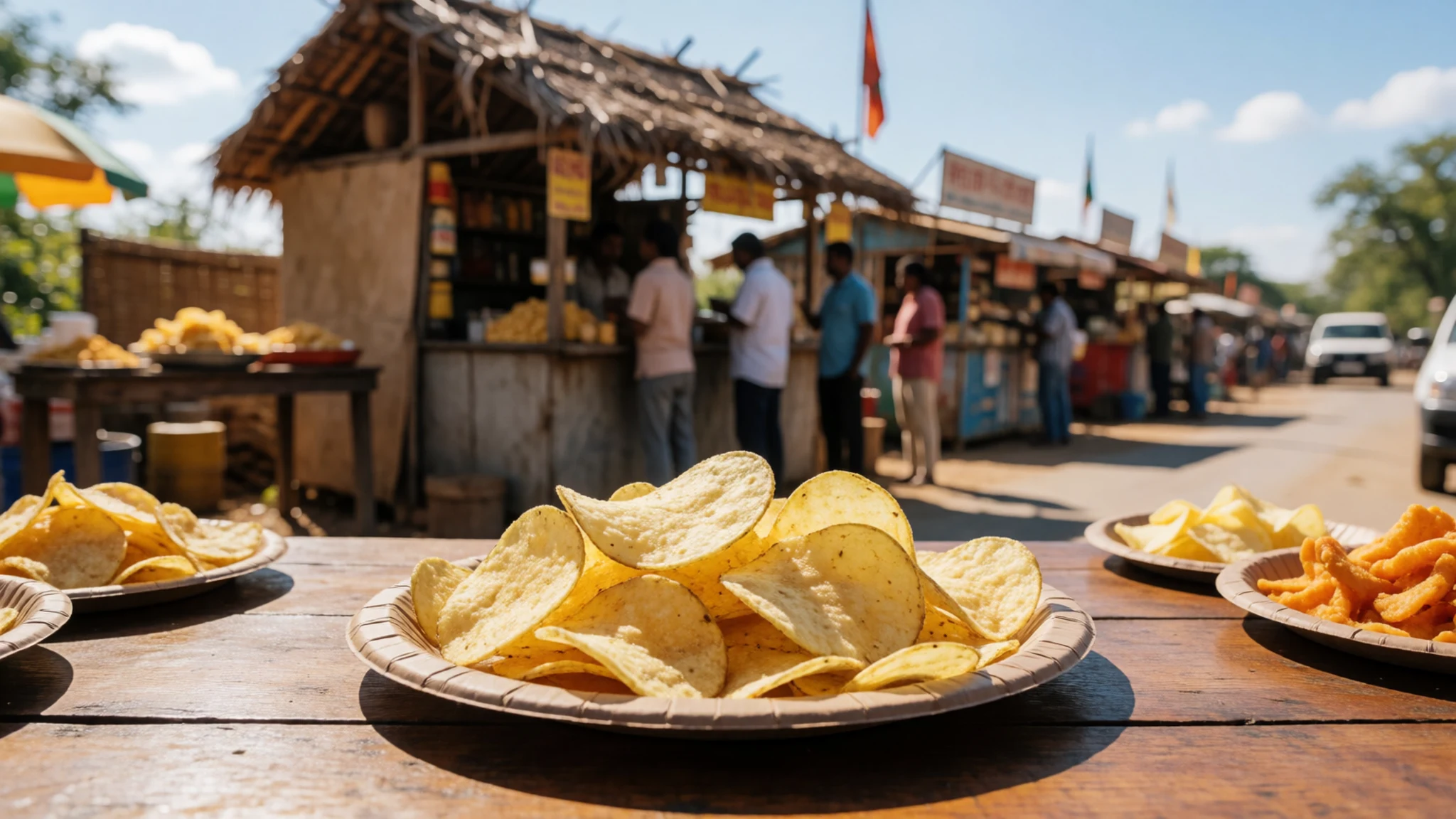
- Local eatery meals around Gir — Town eateries near the park (often used as overnight bases)
Gir travel plans often include basic meals at small local eateries, usually straightforward and filling. Think of it as fuel for early starts: reliable plates rather than formal dining.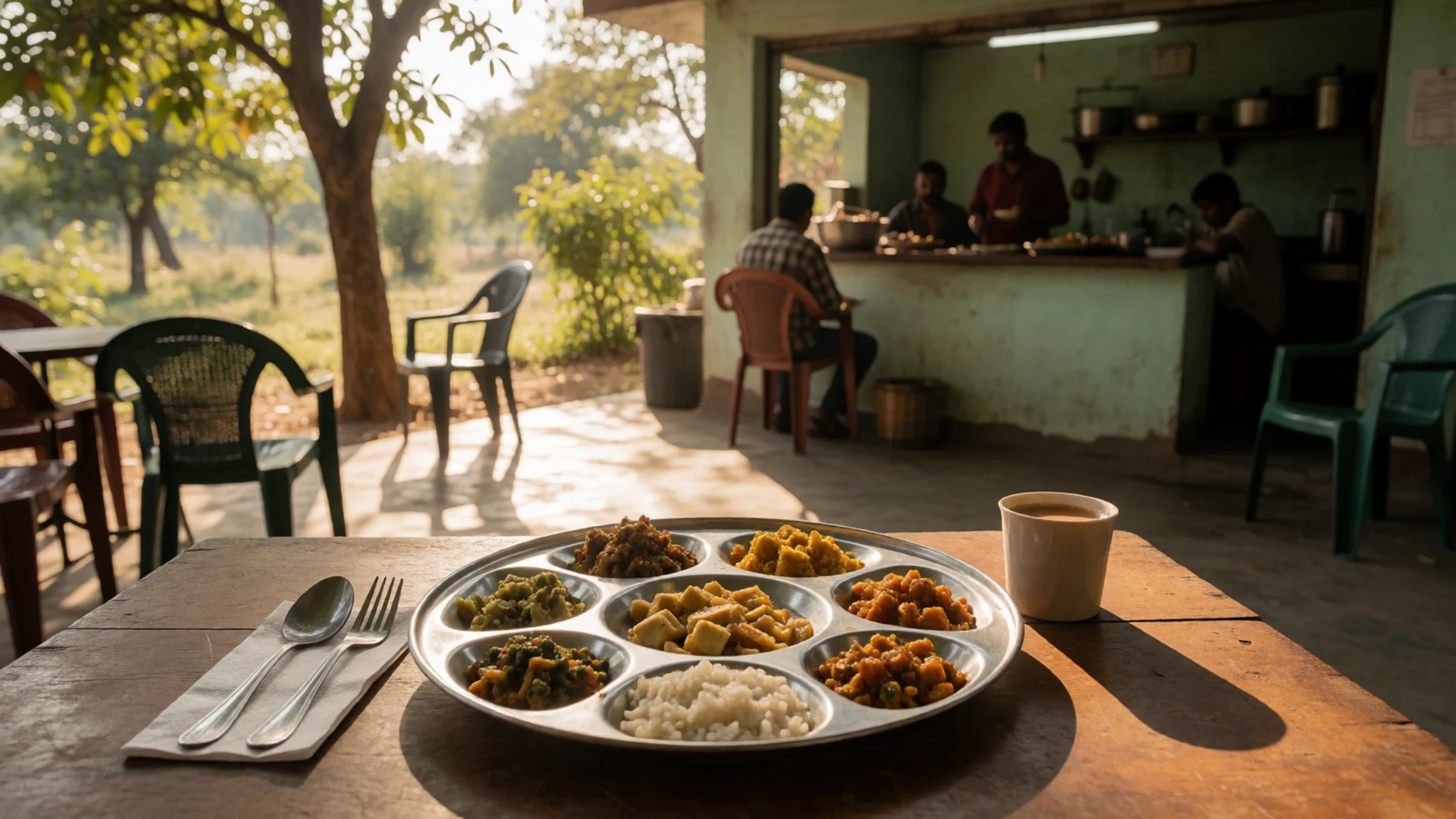
- Tea breaks during road transfers — Service stops and roadside tea stalls during transfers
Between safaris, bus or taxi legs, and waiting around, tea breaks are a common pause. It’s an easy way to reset while you wait for the next transfer or briefing. - Market snacks and packaged bites — Markets in nearby towns used for overnight stays
Before heading out, visitors often top up with snacks from nearby markets or shops. These are convenient for long gaps where you want something small without stopping too long.
Plan it
Best time. Late October–November for cooler safari days, and March–April when the weather is generally pleasant; June is in the monsoon closure window and July–September are not available because the park closes from 16 June to 15 October.
How long. 3–4
Getting there. Rajkot is the closest airport (about 160 km). From there, take the last leg by taxi to the Gir area; for rail, trains run to Junagadh (about 65 km from Gir) and Veraval (about 45 km from Gir), then continue by road to the park. (A once-daily train to Gir is reported but may not align with safari times.)
Budget. mid
Tips
- Plan around the monsoon closure: the park is shut from 16 June to 15 October each year.
- If the first safari is slow, try again the next day—wildlife movement and lighting change day to day.
- Start early on safari days; wildlife viewing is usually more comfortable before the day gets hotter.
- Pack for dust and sun: cover up and carry water for waiting time in vehicles.
- Use a town overnight base (like Junagadh) so the first safari day starts early.
Etiquette
- Stay quiet and avoid sudden movements while the vehicle is watching wildlife.
- Follow the driver/staff instructions for where to sit and when to reposition.
- Keep your camera steady and do not block other visitors’ views.
Nearby
Sources
- Wikidata Q337028 (CC0)
- Wikipedia (rev 1384601618) (CC BY-SA 4.0)
- Wikivoyage (rev 5127261) (CC BY-SA 4.0)
- Photo photos/01-map-guj-nat-parks-sanctuary.png (CC BY-SA 1.0)
- Photo photos/02-map-guj-gir-natpark-sanctuary.png (CC BY 3.0)
- Photo photos/03-teak-trees-in-gir-forest-national-park.jpg (CC BY-SA 2.0)
- Photo photos/04-mugger-crocodile-in-gir-forest-national-park.jpg (CC BY-SA 1.0)
- Photo photos/05-leopard-in-gir-10-feb-2015-ajt-johnsingh-img-4861.jpg (CC BY-SA 4.0)
- Photo photos/06-striped-hyena-hyaena-hyaena.jpg (CC BY 3.0)
- Photo photos/07-adult-asiatic-lion.jpg (CC BY 3.0)
- Photo photos/08-beautiful-gir.jpg (CC BY-SA 4.0)


