Gangtok
Gangtok, India
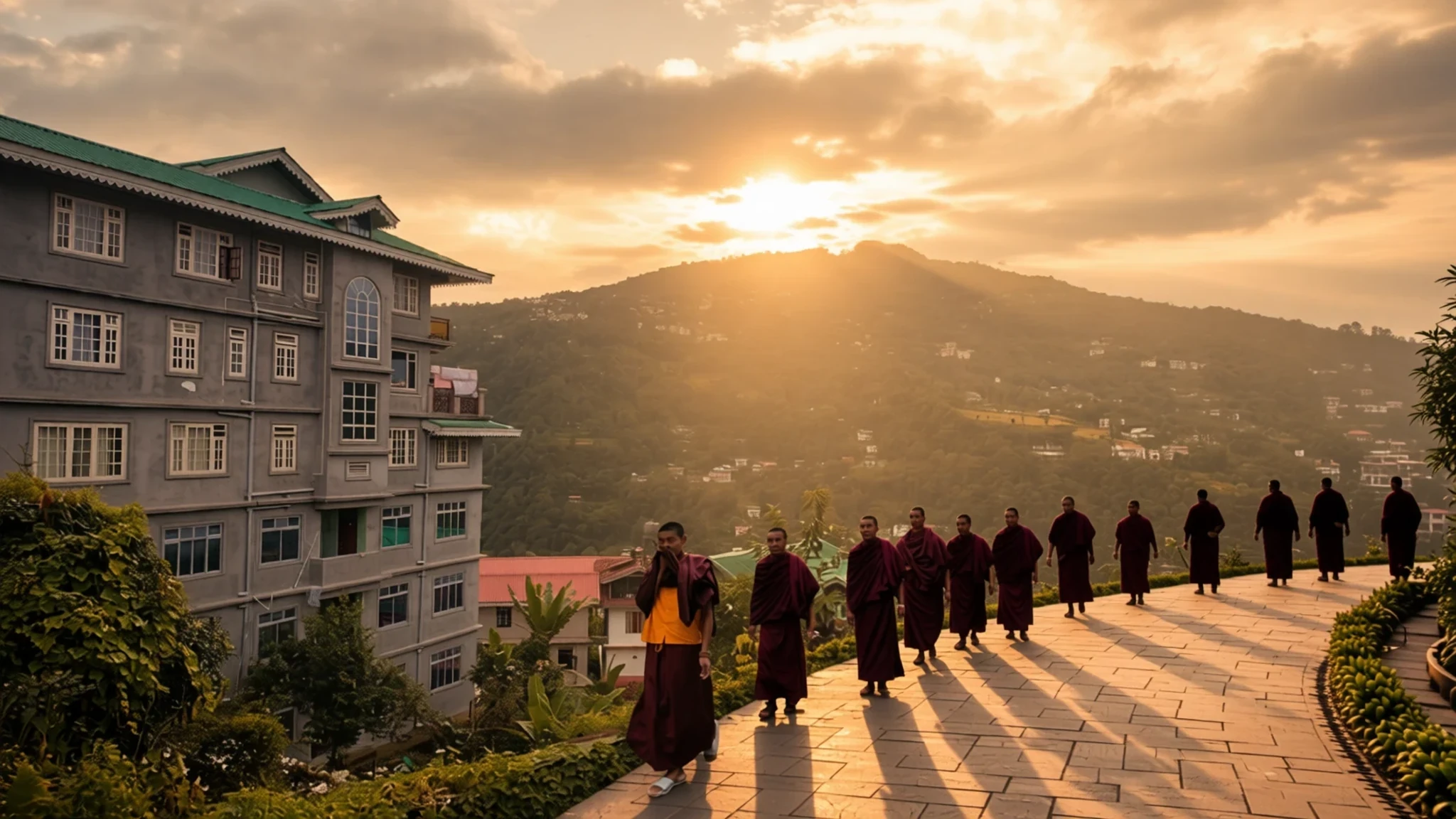
Climb into the eastern Himalayas to experience Gangtok, where winding mountain roads open to ancient monasteries and snow-capped peaks.
The place
Nestled within the folds of the eastern Himalayan range, Gangtok serves as the principal settlement and regional capital of Sikkim. The municipal area clings to steep, terraced hillsides, presenting rows of houses and commercial lanes that step down green slopes beneath towering mountain weather. Life here is shaped directly by the surrounding topography, where roads loop tightly around ridges and pedestrians navigate steep stairways between tiers of the settlement. The local populace includes diverse communities comprising Bhutias, Lepchas, and Indian Gorkhas, alongside residents from various other parts of the country. Because of its valley setting in the lower Himalayas, the city experiences a mild temperate climate throughout the year, keeping temperatures moderate compared to the heavy heat of the Indian plains below. Mist frequently rolls up the ravines from surrounding river valleys, wrapping the residential clusters in white cloud before clearing to reveal wide vistas of forested ridges and distant high peaks. The surrounding environment remains a primary draw for travellers, functioning as the central hub for journeys deeper into the mountain districts, alpine passes, and glacial valleys of the state. Visitors arriving here enter a distinct cultural crossroad where Himalayan trade history, Tibetan Buddhist traditions, and contemporary Indian hill life overlap along every winding street and market lane.
Its story
Early accounts of Gangtok remain sparse, with initial records tied to the establishment of a hermetic retreat in the early eighteenth century. For generations, the location remained a quiet hamlet until the construction of a prominent Nyingma monastery transformed the area into a focal point for religious pilgrimage. During the mid-nineteenth century, colonial conflicts and subsequent treaties brought administrative changes to the region, positioning the local settlement along vital trade arteries connecting British India with Tibetan markets across the mountain passes. Pack trains laden with wool, silk, and goods regularly traversed the difficult tracks passing through the area, bringing merchant caravans and telegraph lines to the developing hillside station. In the final decade of the nineteenth century, the ruling Sikkimese monarch relocated the royal capital to this elevated site, prompting the construction of administrative buildings and a grand palace that elevated the political significance of the settlement. Following India's independence, the polity maintained a distinct status as an independent protectorate for decades, continuing administrative functions from the capital before a subsequent political merger integrated the region fully into the Indian union. Throughout these shifts in governance and trade patterns, the settlement retained its character as a mountain capital, preserving its monastic heritage while adapting to modern infrastructure, administrative responsibilities, and regional connectivity across the challenging Himalayan terrain.
What to see
- Enchey Monastery — Ridge above the city
Perched on a high ridge above the residential quarters, this centuries-old sanctuary belongs to the Nyingma tradition of Tibetan Buddhism. The complex features traditional architectural elements, prayer wheels, and colourful murals depicting protective deities, offering quiet spaces for reflection and unobstructed views across the surrounding mountain valleys.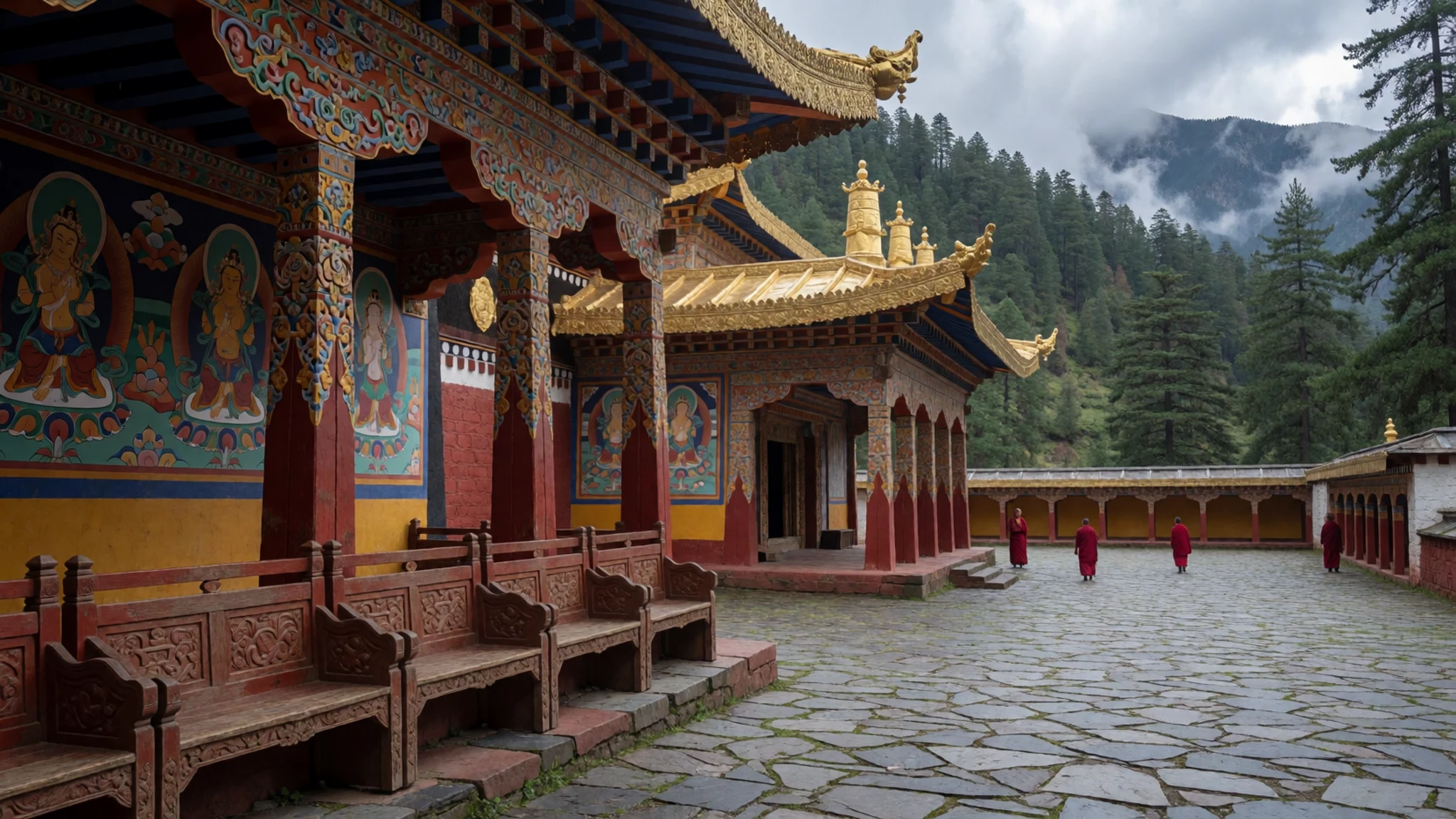
- Do-drul Chorten — Southern district
Constructed in the mid-twentieth century, this prominent Buddhist stupa complex features a gleaming white dome ringed by sacred prayer wheels that visitors spin while walking the perimeter path. The surrounding grounds house religious relics, sacred texts, and smaller shrines visited daily by local devotees.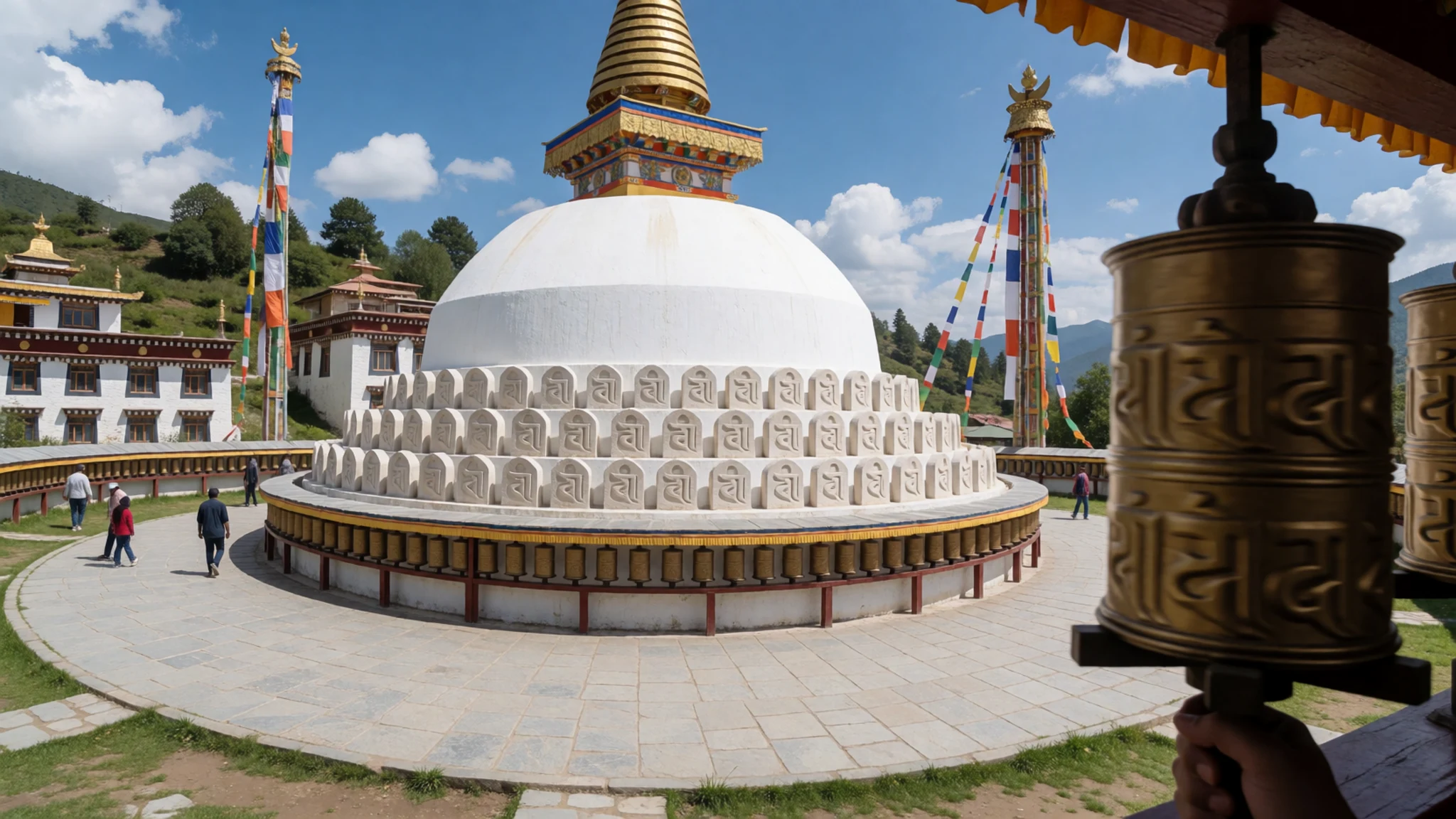
- Namgyal Institute of Tibetology — Deorali district
Housed in a traditional timber-framed building, this research centre and museum preserves an extensive collection of Tibetan iconography, rare manuscripts, ancient thangkas, and ritual objects. Exhibits detail the historical ties, language, and cultural traditions shared across the Himalayan region.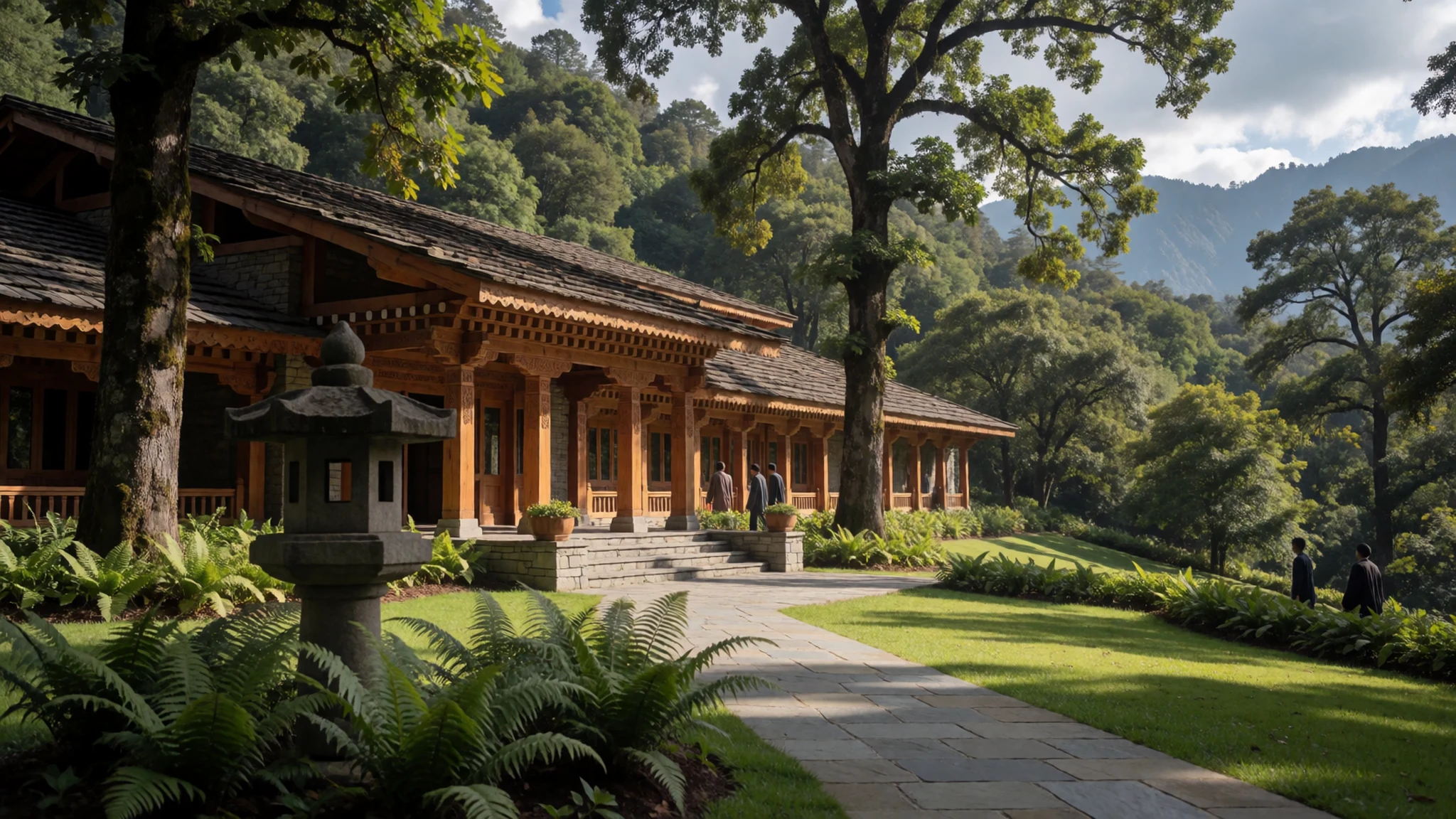
- Flower Exhibition Centre — White Hall grounds
Situated near administrative lawns, this exhibition space showcases the diverse botanical wealth of the surrounding mountain zones. During peak blooming seasons in spring and autumn, visitors can walk through displays featuring native orchids, alpine flowers, and ornamental plants cultivated across the varied climatic belts of the state.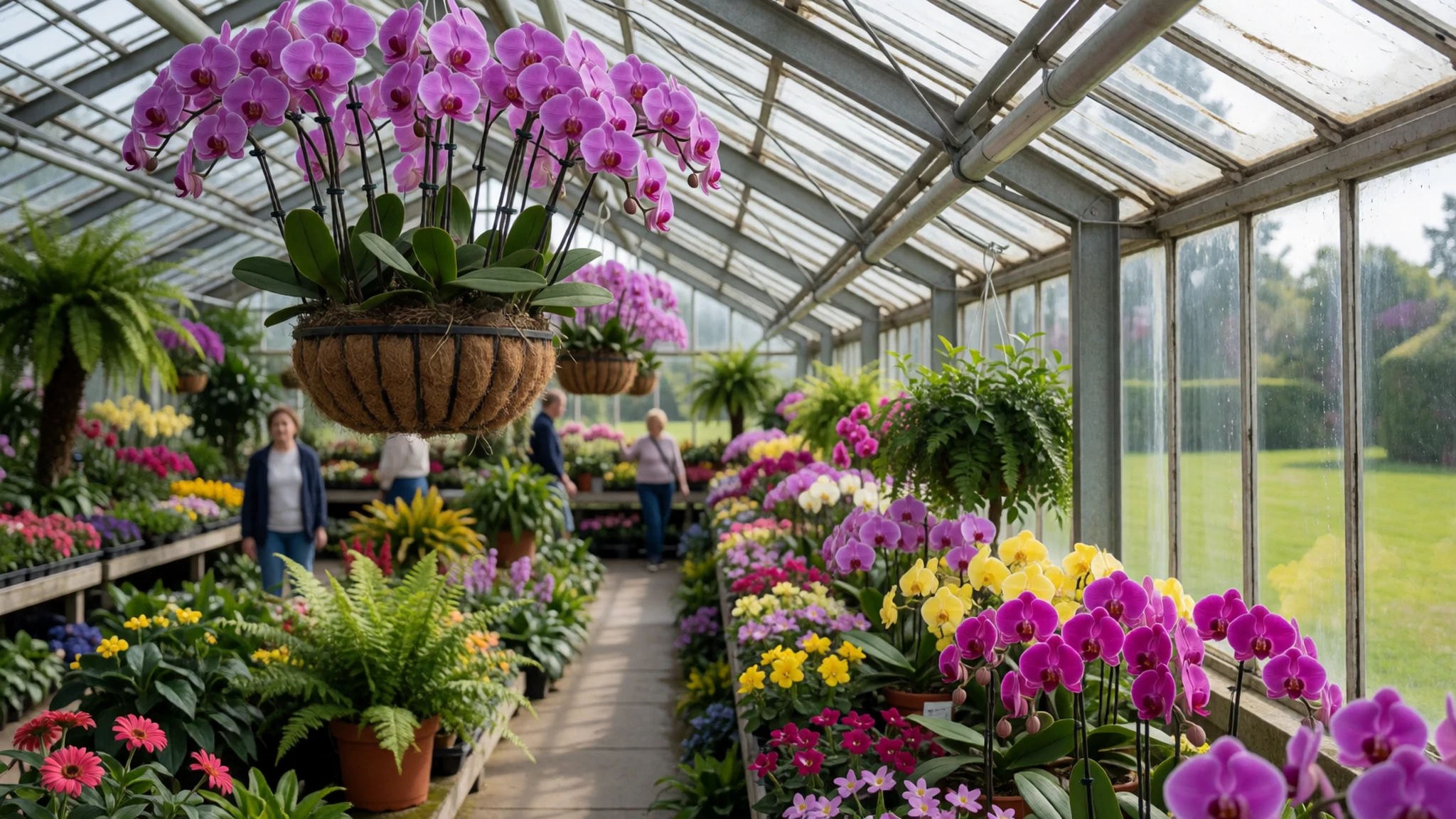
- Ganesh Tok Viewpoint — Upper ridge road
Reaching this compact hilltop shrine requires ascending a steep access road above the main municipal lanes. A small viewing platform beside the shrine provides expansive panoramas over the terraced hillsides, rooftops, and deep river gorges spreading out beneath the horizon.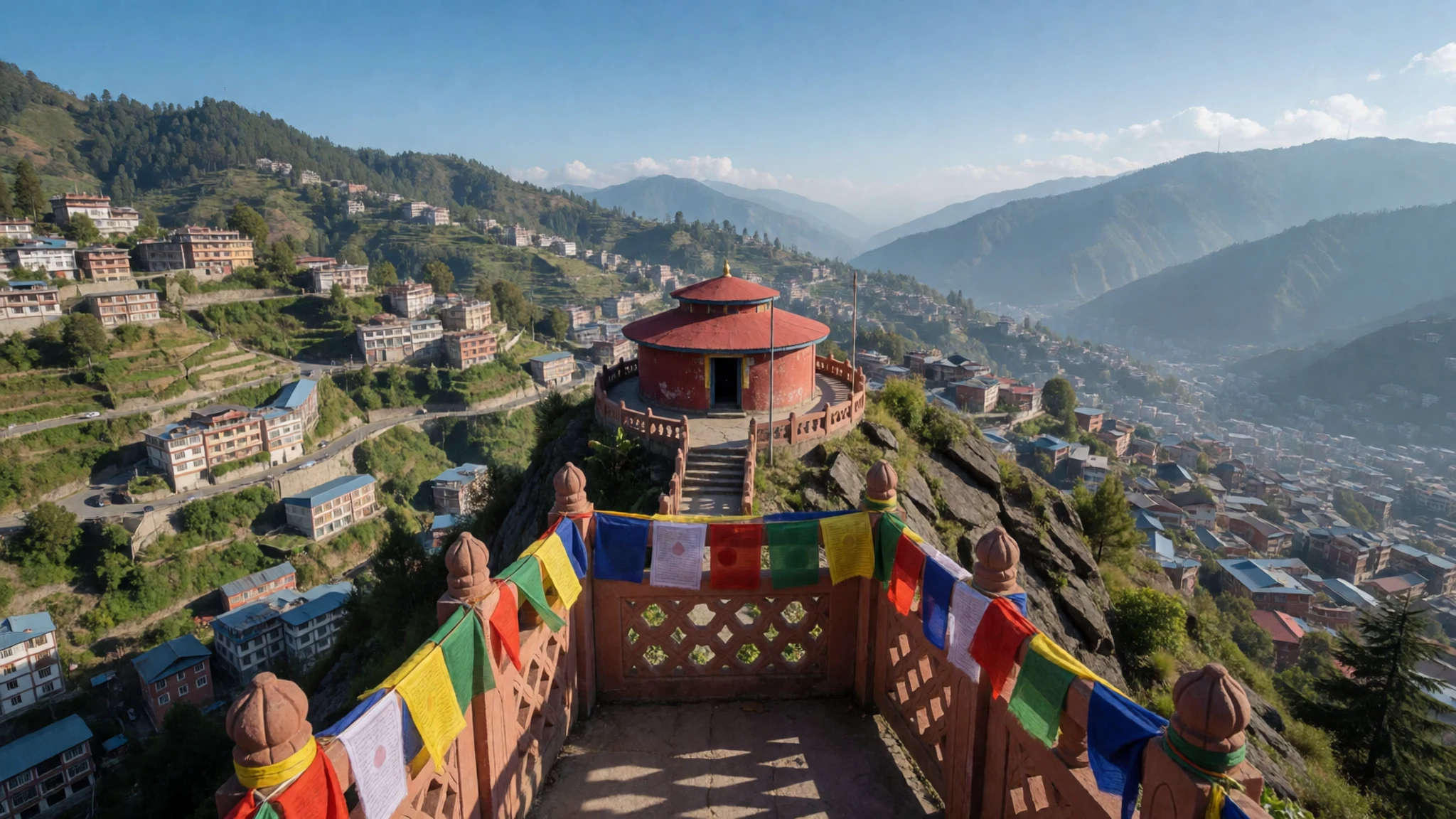
Culture
The cultural fabric of Gangtok reflects a diverse mix of ethnic traditions, languages, and religious observances practiced by the Bhutia, Lepcha, and Gorkha communities. Throughout the annual calendar, residents observe numerous festivals that combine Buddhist rituals with regional harvest celebrations. Communities mark the traditional new year in January with festive gatherings, while Tibetan families celebrate Losar with traditional masked performances known as the devil dance during winter months. Other major occasions include Saga Dawa, sacred lunar anniversaries, and pan-Indian celebrations observed across the hillside neighbourhoods. Daily life is characterised by strong community bonds, traditional weaving arts, and hospitality rooted in mountain customs. Traditional attire remains visible during ceremonies and official gatherings, while local markets serve as social meeting points where residents gather to converse, trade goods, and share meals. When entering monastery prayer halls or sacred enclosures, always remove your shoes and walk around shrines in a clockwise direction.
What to wear
Traditional dress in Gangtok reflects the heritage of the region's main ethnic groups. Bhutia men traditionally wear a loose gown called the 'bakhu' or 'kho', fastened at the waist with a cloth belt, while women wear a silk blouse paired with a striped, hand-woven cotton apron known as the 'pangden' that signifies marital status. Lepcha attire similarly emphasises durable, handloom fabrics suited to mountain conditions, often featuring earthy tones and practical woven wraps. In daily modern life, most residents wear contemporary Indian and Western clothing, including jeans, jackets, and sweaters, due to the cool mountain temperatures. Visitors should pack practical layers, sturdy walking shoes with good grip for steep, uneven stairways and damp stone paths, and a reliable waterproof jacket for sudden mountain showers. When visiting monasteries or religious sites, modest clothing that covers shoulders and knees is required, and hats should be removed before entering inner sanctums.
What to eat
- Momos — Porky's and local tea stalls across the municipal lanes
Ubiquitous steamed dumplings filled with minced meat or seasoned vegetables, wrapped tightly in thin dough and served alongside a warm, watery soup and fiery chili dipping sauce.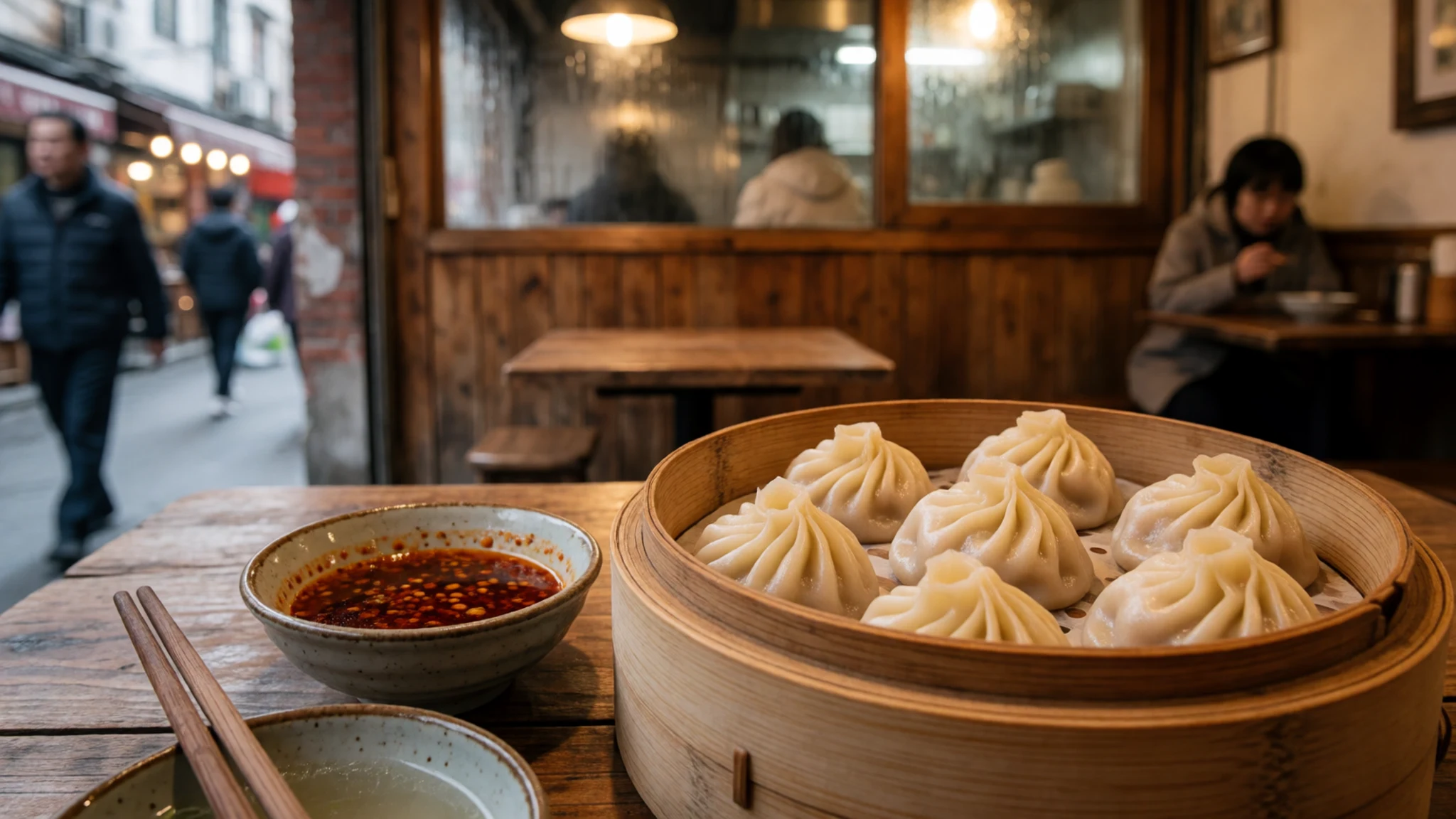
- Thukpa — House of Bamboo and neighbourhood eateries
A hearty noodle soup featuring wheat noodles immersed in a savoury, aromatic broth flavoured with garlic, ginger, vegetables, and optional pieces of meat.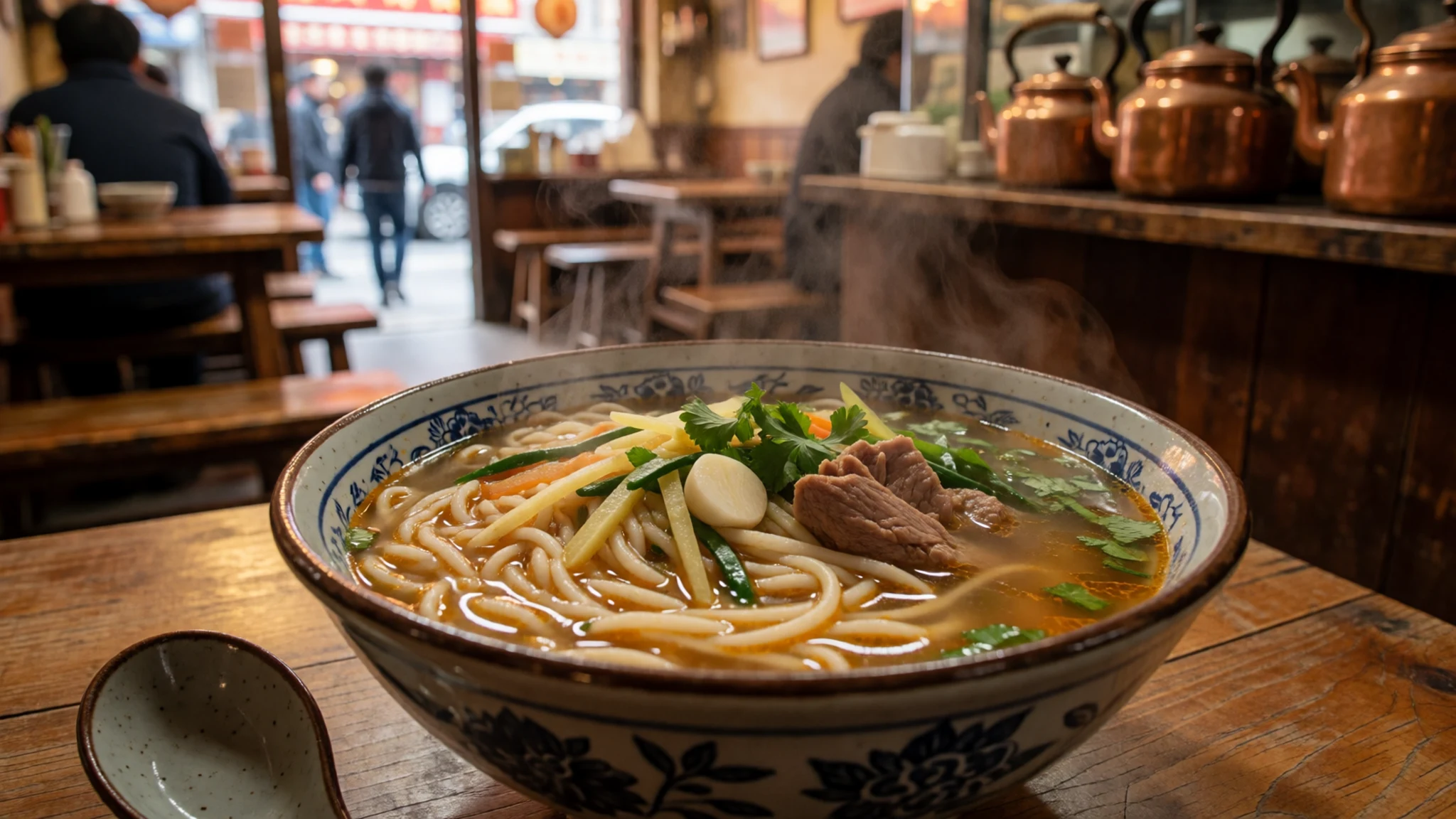
- Shiafale — Cafe Culture along the ridge pathway
A popular local snack consisting of seasoned meat and onion encased in dough, folded into semicircles and deep-fried until crisp and golden brown. - Wai-Wai — Small grocery shops and roadside kiosks
A widely available packaged noodle snack that locals enjoy either eaten dry straight from the packet with seasoning powder or prepared rapidly in a hot soup bowl. - Tibetan Butter Tea — Traditional teashops and Potala restaurant
A traditional hot beverage churned with brick tea, yak butter, and salt, providing warmth and high-calorie energy in the cool mountain climate.
Plan it
Best time. March to April for blooming flowers and clear valley views, or October to November for crisp autumn weather and mountain panoramas; avoid the heavy monsoon rains.
How long. 3–4
Getting there. Fly to Bagdogra Airport or take a train to New Jalpaiguri station in Siliguri, then complete the journey to Gangtok by shared taxi or bus along winding mountain roads.
Budget. mid
Tips
- Expect slow travel speeds on winding mountain roads; allow extra time for all transfers.
- Carry cash, as smaller shops, teashops, and monastery donation boxes rarely accept cards.
- Start morning sightseeing early before cloud cover obscures the distant mountain peaks.
- Drink bottled or filtered water and avoid raw salads washed in unverified supply.
Etiquette
- Remove your shoes before stepping inside monastery prayer halls and temples.
- Always walk around stupas, chortens, and mani walls in a clockwise direction.
- Ask permission before photographing local residents or monks during ceremonies.
Nearby
Sources
- Wikidata Q186141 (CC0)
- Wikipedia (CC-BY-SA 4.0)
- Wikivoyage (CC-BY-SA 4.0)
- Photo 01 (CC BY-SA 2.0)
- Photo 02 (CC BY-SA 2.0)
- Photo 03 (CC BY 3.0)
- Photo 04 (CC BY-SA 4.0)


