Fuji-Hakone-Izu National Park
Fuji-Hakone-Izu National Park, Japan
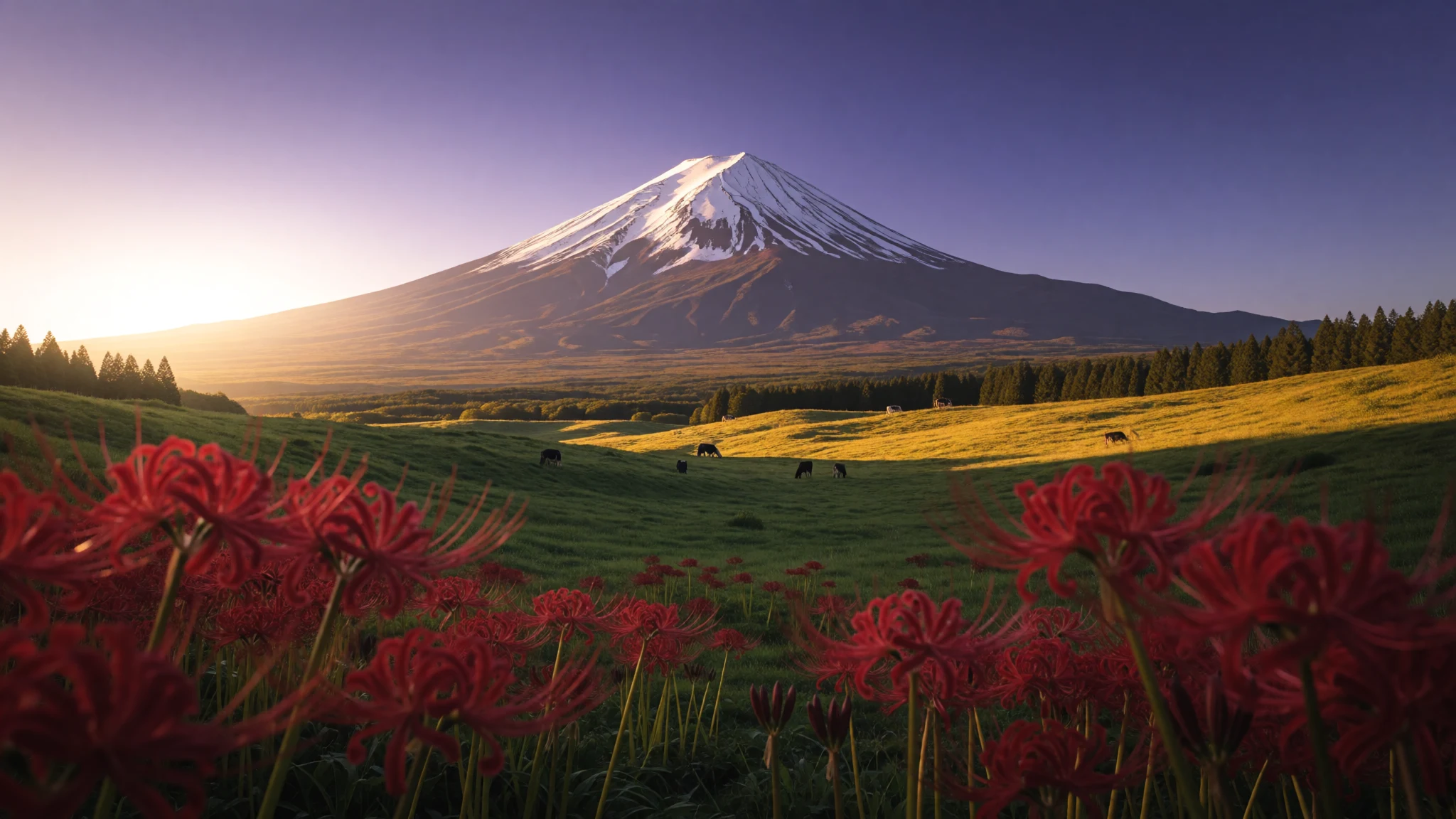
Fuji-Hakone-Izu National Park is a convenient mix of volcano views, hot springs, lakes and coasts just outside Tokyo.
The place
Fuji-Hakone-Izu National Park (富士箱根伊豆国立公園) isn’t one single landscape you can “tick off” — it’s a big collection of places spread across Yamanashi, Shizuoka, Kanagawa and even western Tokyo. In practice, that means you travel between very different moods in the same trip: Mount Fuji viewpoints and the Fuji Five Lakes area, the mountain-and-lake country of Hakone, and then the Izu Peninsula with its Pacific coastline and island weather.
The park’s backbone is volcanic scenery. The best-known highlights cluster around Fuji, where lakes sit below the mountain and the air can turn crisp when the clouds move. Hakone adds another flavour: geothermal activity and hot springs, plus ridgelines that make the views feel close even when everything is partly hidden by mist. Head further south-west towards the Izu Peninsula and the islands, and the vegetation shifts into something more subtropical, with coves, headlands and sea views doing most of the talking.
Because it’s close to the Tokyo metropolis and easy to reach, it draws heavy weekend and holiday crowds, especially around well-connected viewpoints and transport hubs. Expect your plans to feel busy, and plan for weather to decide how much you actually see of Mount Fuji. Even when visibility is mediocre, the region still works: footpaths, hot spring towns, coastline drives and layered scenery keep it interesting.
If this park is one thing, it’s variety — volcanic mountain drama, lake calm, and Pacific edges, all within a transport network that makes short trips realistic.
Its story
Fuji-Hakone-Izu National Park began as a focus on Fuji and Hakone, then widened its map as Japan’s relationship with these landscapes evolved. It was established in 1936 as Fuji-Hakone National Park, putting official protection around the volcanic heart of the region. Later, the park’s scope expanded with the addition of the Izu islands, which helped turn it from a mountain-and-lakes story into something that also includes coastlines and island nature.
What makes the park feel different from many protected areas is how “piece by piece” it’s experienced. Instead of one grand route through a wilderness, travellers often stitch together several bases: a Fuji-side town for sunrise views, a Hakone stay for hot springs and lakes, then the Izu Peninsula for coastal walking and relaxed seaside stops. It’s a bit like assembling a set of scenes that each looks best at a particular time of day.
The Tokyo connection shapes the atmosphere. Trains and buses bring people quickly, so peak seasons and public holidays can feel crowded — not necessarily uncomfortable, but very busy at the main viewing points. That’s why the most satisfying trips tend to lean into timing: early starts for calmer viewpoints and gentle walks, and slower afternoons for cafés, baths and coastal viewpoints when the crowds thin out.
The region also rewards flexibility. Cloud cover and coastal haze can wipe out Mount Fuji on one day and reveal it on the next, even without changing plans. When the weather is awkward, the park’s geothermal towns and the variety of volcanic coasts still keep the trip moving. The story here is less about one perfect moment and more about collecting a run of good ones.
What to see
- Mount Fuji viewpoints (Fuji-side) — Fuji area
Go where the mountain frames the scene — lakes, ridgelines and planned lookout points. On clear mornings the outlines can look sharp; with cloud, the shapes still shift dramatically. Even in busy periods, a short walk away from the main stop often improves the view.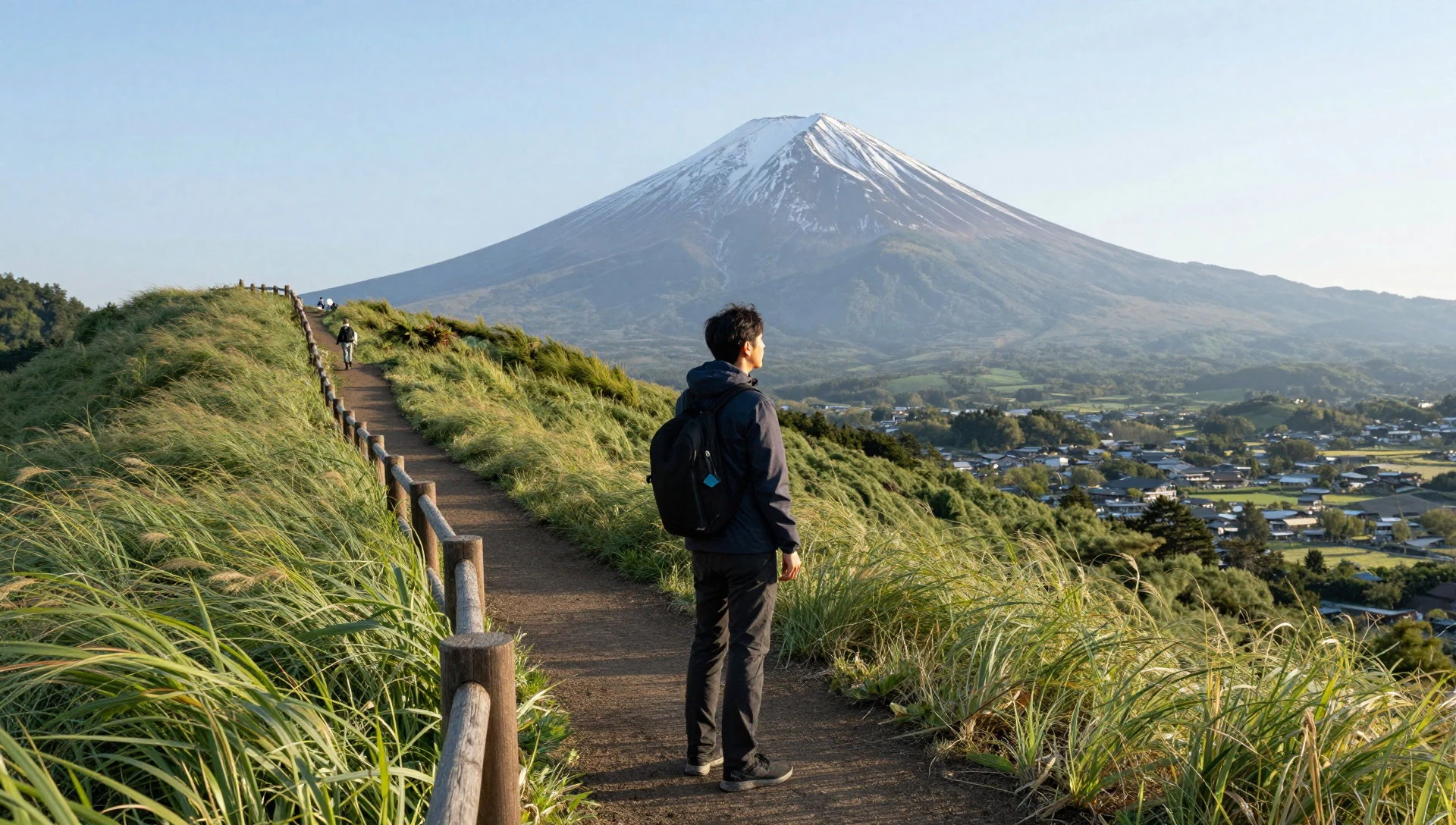
- Fuji Five Lakes (Lake Kawaguchi to Yamanaka) — Fuji Five Lakes
The Fuji Five Lakes area lets you compare reflections and shoreline angles. It’s a practical place to base yourself because you can move between lakes without changing towns. The best experiences come from patient viewing when light softens the water.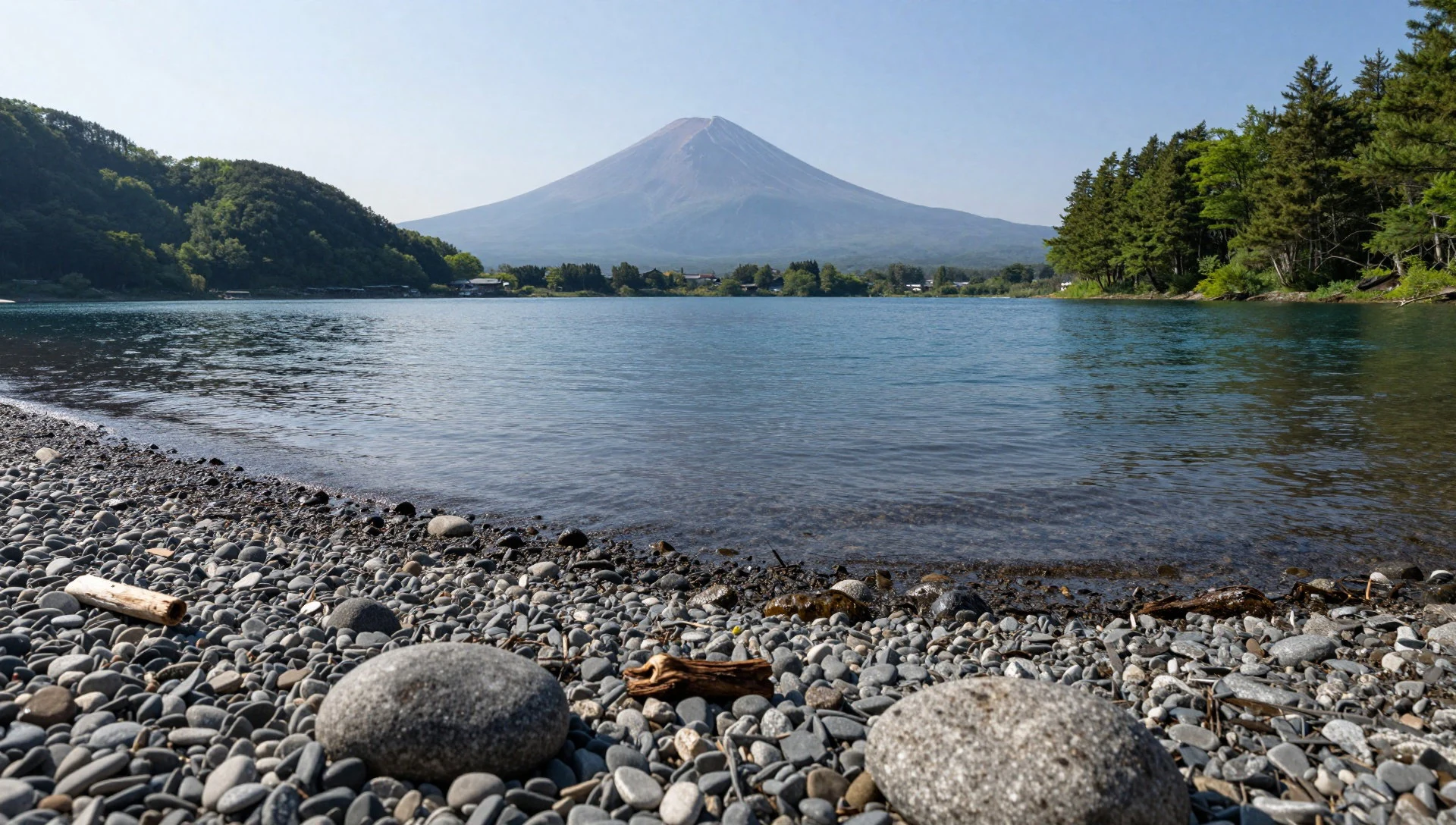
- Hakone lakeside & ropeway country — Hakone
Hakone blends volcanic terrain with calm water. Lakes and viewpoints make it easy to understand the region’s geothermal character without needing to hike far. If haze rolls in, scenery turns moody rather than ruined.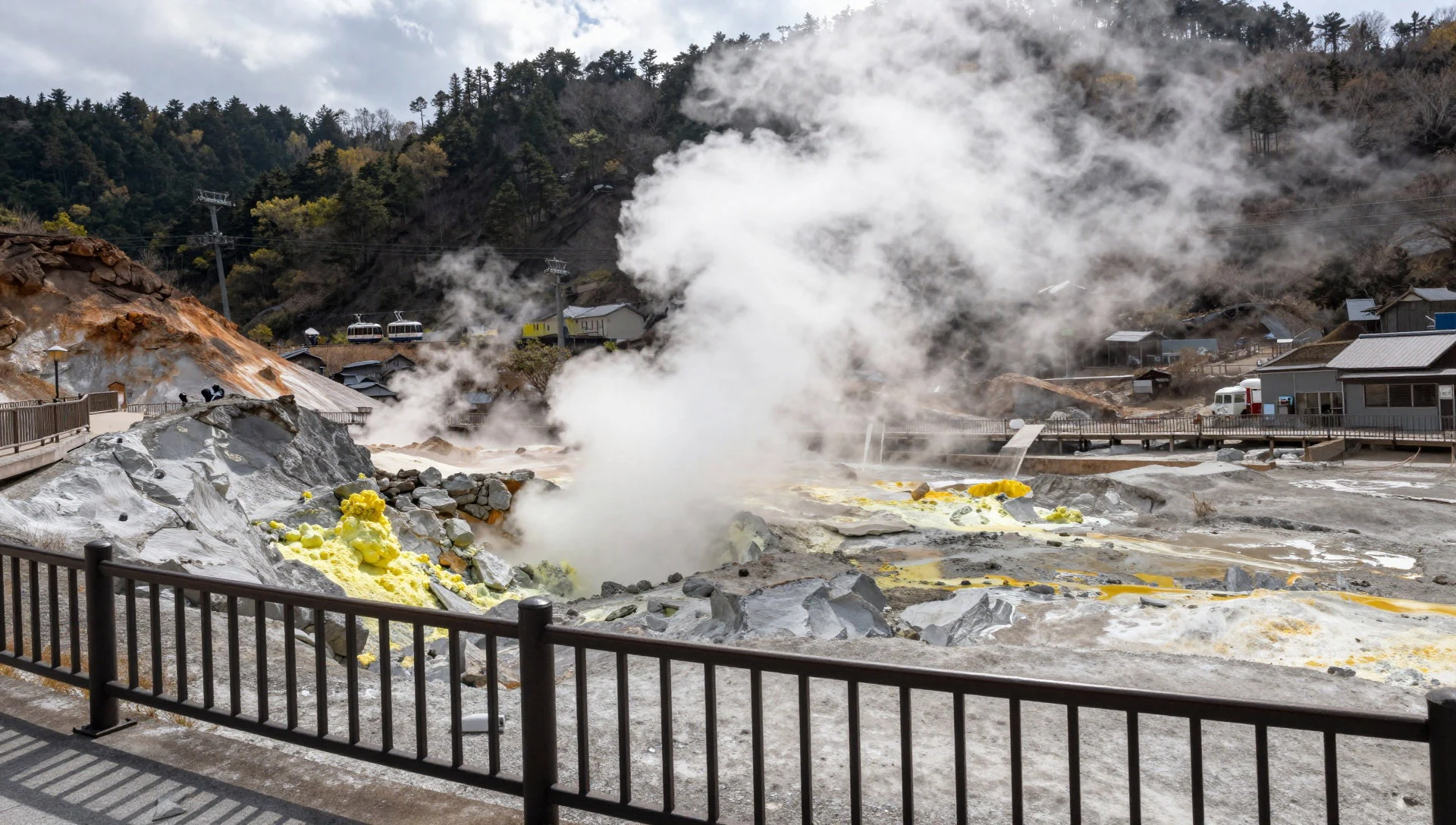
- Shiraito Falls — Izu peninsula
Shiraito Falls offers a straightforward nature break: a waterfall that’s known for its waterfall curtain look. It’s the kind of stop people pair with nearby walks, and it’s usually busier than the trails further up the hillside.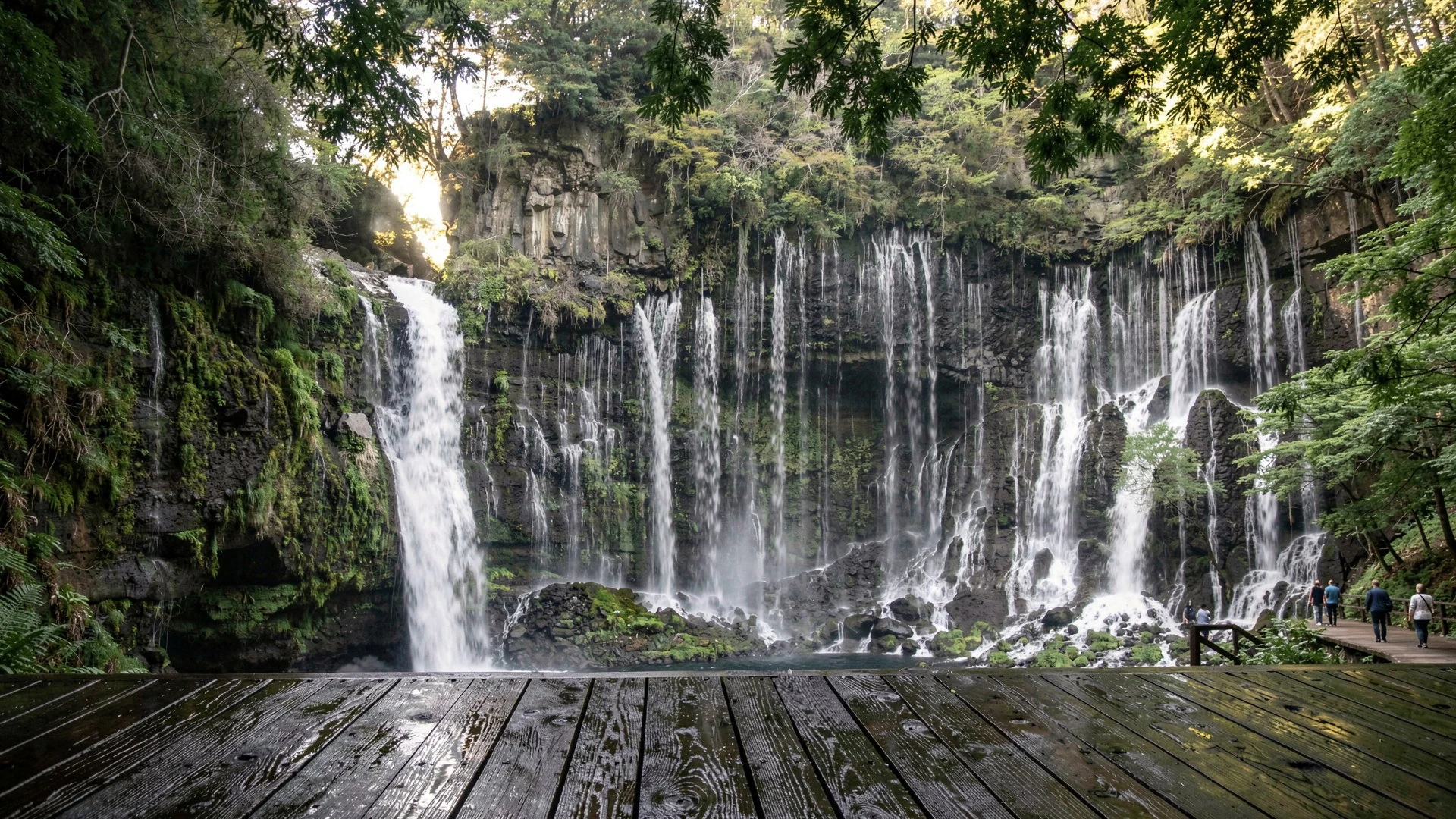
- Izu Peninsula coast (Jōgasaki Coast) — Izu peninsula
For sea views, head to the Izu coastline. Jōgasaki Coast gives rugged shoreline scenery and broad Pacific perspectives. It’s a good option when you want something scenic but not physically demanding, though the viewpoints can be crowded on clear days.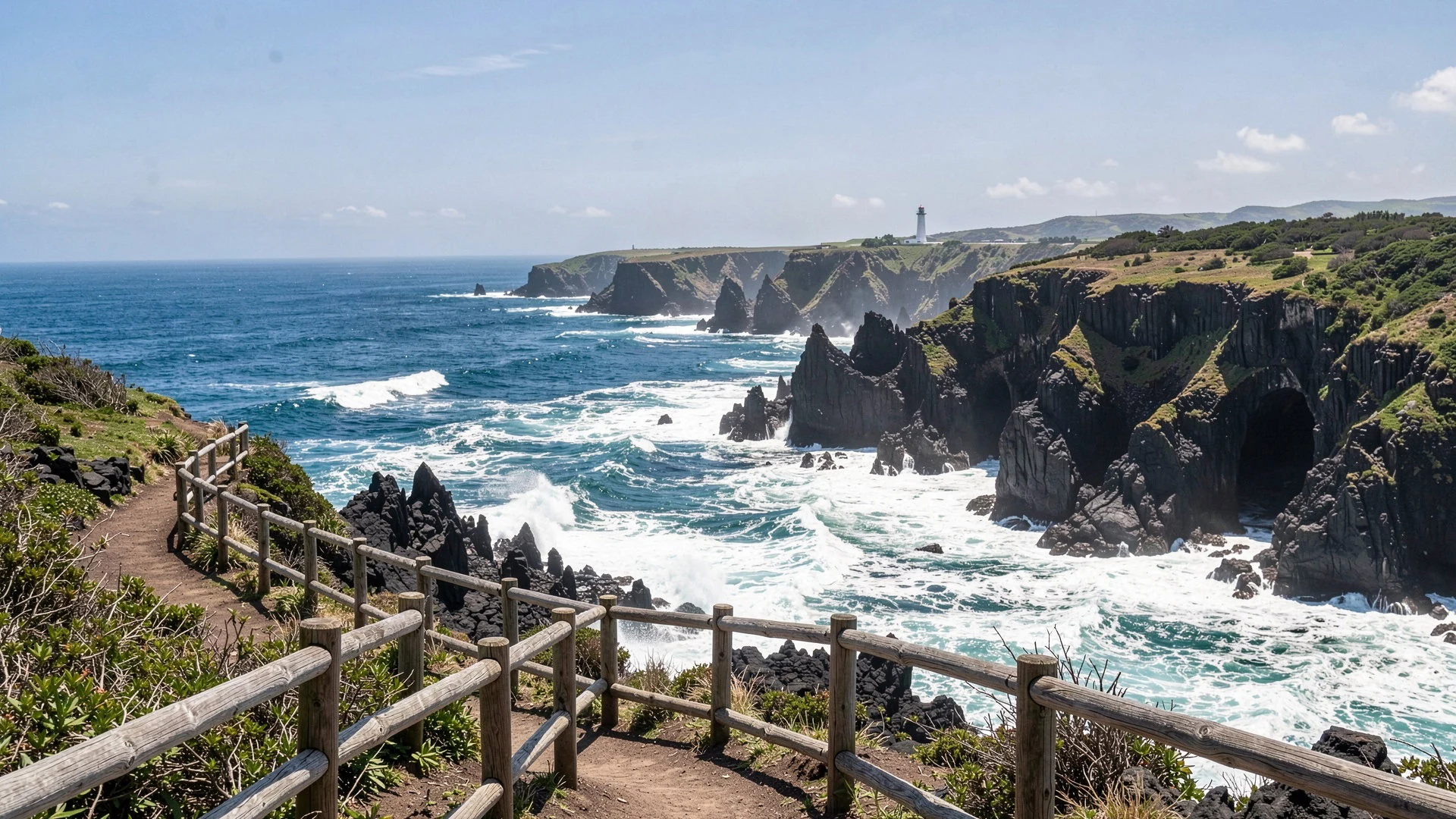
Culture
Fuji-Hakone-Izu National Park is Japan’s “easy access nature”: hot spring culture in Hakone, lake towns around Fuji, and coastal life on the Izu side. The respect etiquette is generally the same across shrines, viewpoints and park facilities — keep paths tidy, don’t block photo spots, and follow local signage because routes and access can change with weather.
If hot springs are part of the plan, the main cultural rhythm is calm and privacy. Public baths are not the place for long conversations or loud phone calls; keep voices low and follow the bathing rules displayed at each facility. In temple and shrine areas near the park, basic manners matter: remove hats when asked, don’t walk into restricted zones, and be mindful of where people are praying or taking quiet photos.
Seasonal crowding is real here. When the park is at its most visible — clear days for Mount Fuji and autumn for colour — popular stops fill quickly, so patience helps. The parks’ “dispersed” nature is your advantage: if a viewpoint is packed, shifting to a nearby lake or coastal stretch usually restores breathing space.
Visitor etiquette: be quiet in bath and worship areas, and don’t block the walkway while taking photos.
What to wear
Fuji-Hakone-Izu National Park doesn’t demand a special wardrobe, but the region’s mix of geothermal towns, lakeside promenades and coastal walks makes comfort the priority. Traditional dress in Japan exists around these areas as festival attire rather than daily wear; when you see it, it’s usually kimono in summer-light fabrics or layered wool for cooler seasons, plus tabi-style socks or sandals depending on the weather.
What people actually wear day to day is practical: T-shirts, light jackets, comfortable trousers and trainers. In autumn the evenings can feel cool, and on clear mornings temperatures drop quickly around higher viewpoints near Fuji and Hakone. Coastal Izu can also be breezier than inland stops.
For visitors, pack layers: a breathable top plus a warm mid-layer for morning and evening, and a light waterproof or windproof layer. Sturdy footwear matters because paths can be wet after rain and slippery near waterfalls and coastal rocks. If visiting hot springs, also bring a simple bag for wet items and quick-dry underwear or swimwear as required by the facility.
Modesty is relevant near shrines and bathing areas: avoid overly revealing outfits, and keep shoulders and midriffs covered in worship zones.
What to eat
- Onsen-style Japanese meals — Hakone onsen towns
Look for set meals at ryokan and onsen towns around Hakone — think seasonal rice, grilled fish or meat, and small plates designed to match the calm of bath time. You’ll find these most easily where tourists check in for the night.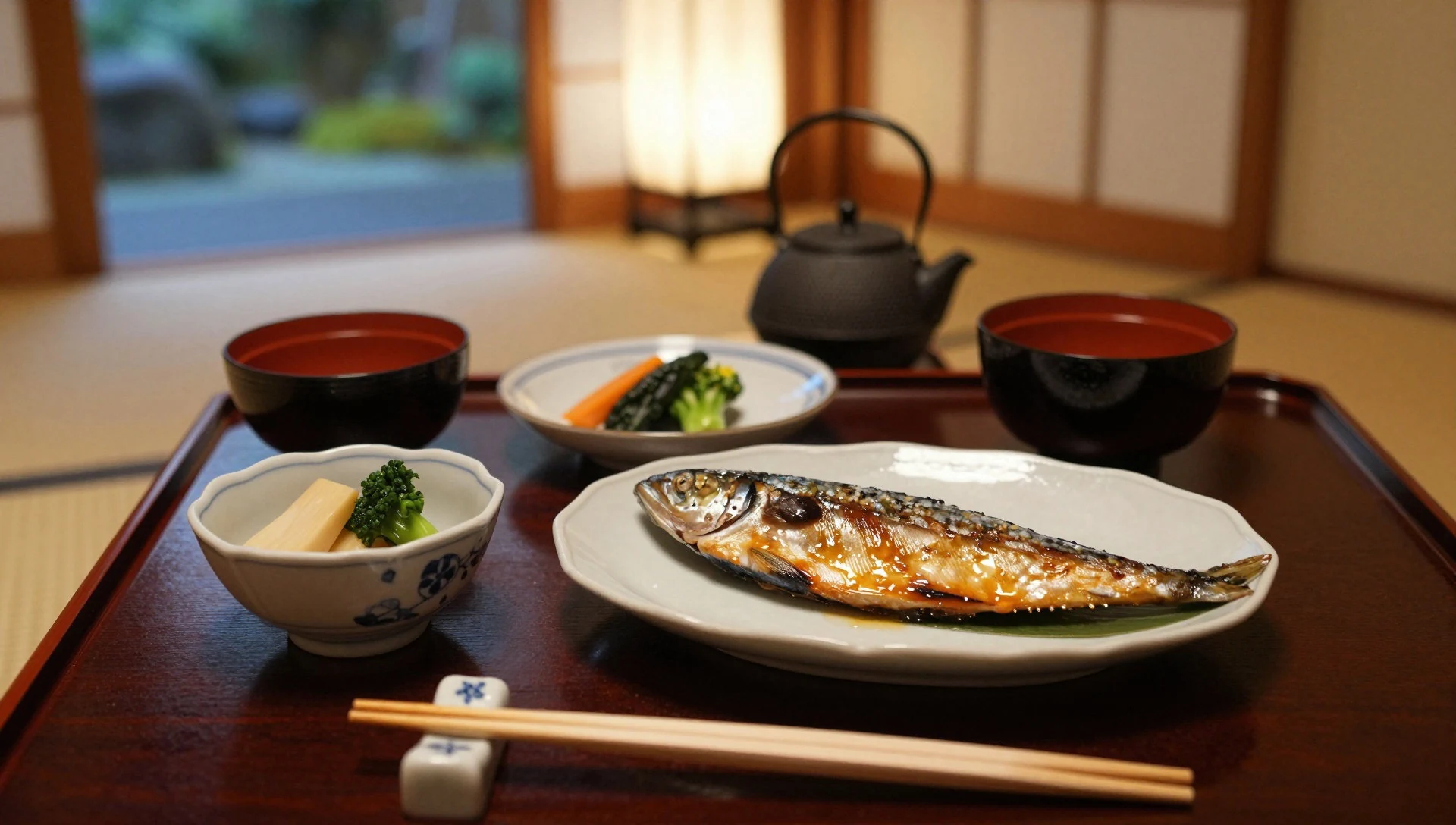
- Fuji-area soba and udon — Near Fuji-side stations and lakes
Around the Fuji side, soba and udon are common comfort foods after sightseeing, often served hot in cooler months. Many casual eateries and small family-run spots near stations and lakes offer quick lunches that don’t derail a day’s itinerary.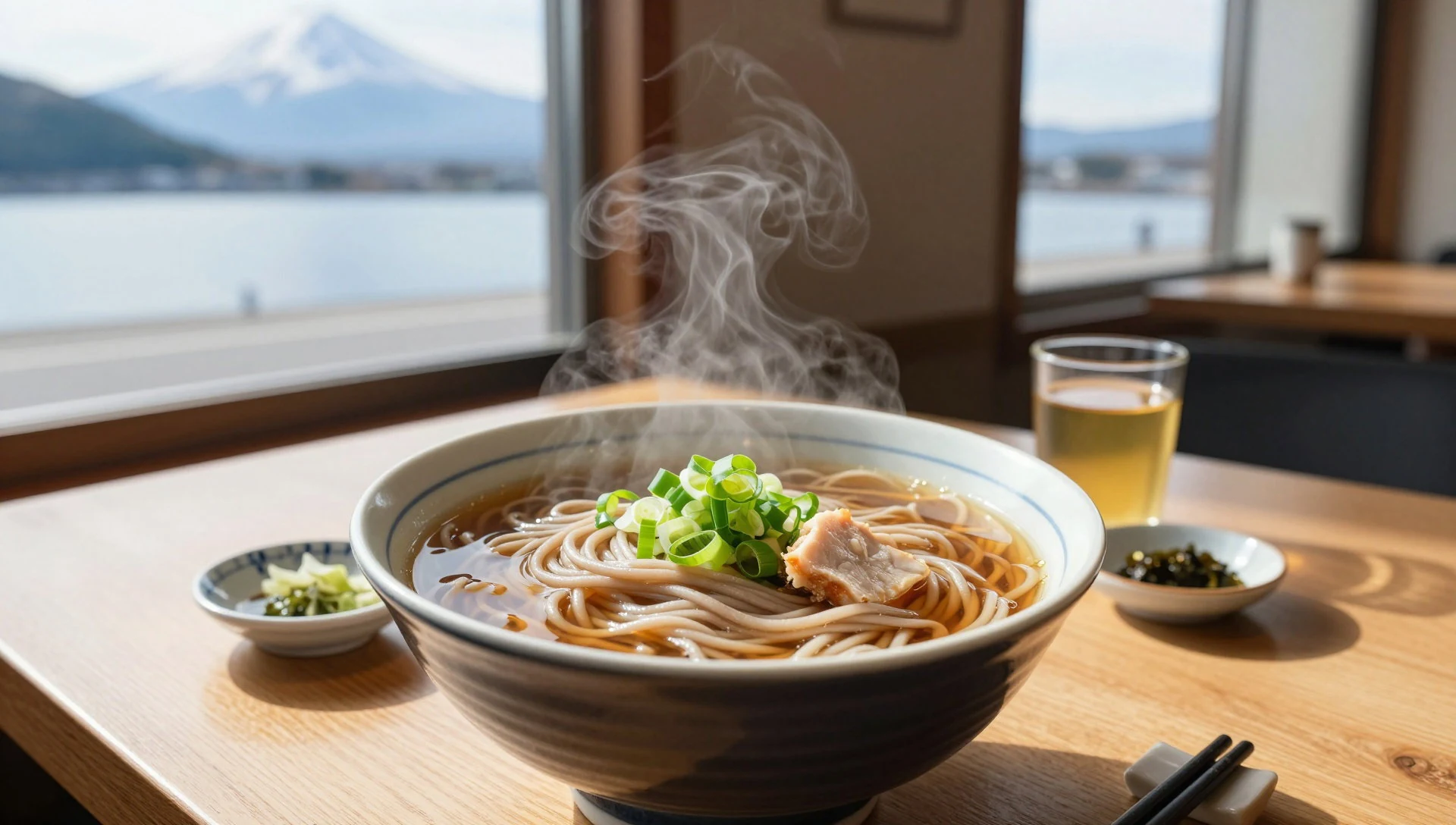
- Seafood bowls (kaisendon-style) — Izu harbours and seaside neighbourhoods
On the Izu Peninsula and along the coast, seafood-focused meals are a natural fit. Find rice bowls topped with seasonal fish in local eateries near harbours and shopping streets, especially when you’re near the seaside after a coastal walk. - Local sweets and matcha treats — Viewpoint-side tea shops and snack counters
Between viewpoints, you’ll see matcha (green tea) drinks and simple sweets that fit a day of walking. Look for tea shops and snack counters near popular stops, where you can cool down in summer or warm up with hot tea in autumn. - Street snacks at travel hubs — Station forecourts and bus stops
In busy travel corridors, small snacks help fill time between buses and trains. Try takoyaki-style bites or grilled skewers from casual stalls and counters around major stations serving day-trippers.
Plan it
Best time. May–June and October–November for milder, more comfortable sightseeing; July and August are the hottest months, and the wettest stretch is June through October, with frequent heavy rain especially from July to September, while winter is cooler and drier but still bring cold mornings at viewpoints.
How long. 3–4
Getting there. From Tokyo, take the Shinkansen and connect to the local rail or buses for Fuji or Hakone; for the Izu Peninsula and islands, use rail to the closest coastal gateways and then local connections. Check routes based on your chosen base town.
Budget. mid
Tips
- Start early for clearer Mount Fuji chances and quieter viewpoints
- Pick one main base (Fuji, Hakone or Izu) and use day trips rather than bouncing every few hours
- Carry a small amount of cash for small shops and park-side stalls
- Have a rain layer ready; weather can change fast around lakes and coasts
Etiquette
- In hot spring facilities, follow the bath rules posted at the entrance
- Keep voices low and avoid blocking narrow walkways at viewpoints
- Stay on marked paths around waterfalls and coastal cliffs
Nearby
Sources
- Wikidata Q1137542 (CC0)
- Wikipedia (rev 1383722508) (CC BY-SA 4.0)
- Wikivoyage (rev 4706824) (CC BY-SA 4.0)
- Photo photos/01-fujisan-from-motohakone.jpg (CC BY 3.0)
- Photo photos/02-asagiri-highland-and-mount-fuji.jpg (CC BY-SA 4.0)
- Photo photos/03-fuji-five-lakes-and-mount-fuji.jpg (CC BY-SA 4.0)
- Photo photos/04-n2-shiraito-falls-2.jpg (CC BY 2.5)
- Photo photos/05-lake-ashi-from-mt-komagatake-03.jpg (CC BY 3.0)
- Photo photos/06-mount-omuro-izu-peninsula-20100426-b.jpg (Public domain)
- Photo photos/07-j-gasaki-coast-01.jpg (CC BY 2.5)
- Photo photos/08-izu-oshima-img-4759.jpg (CC BY-SA 1.0)


