Monte Fitz Roy
Monte Fitz Roy, Chile
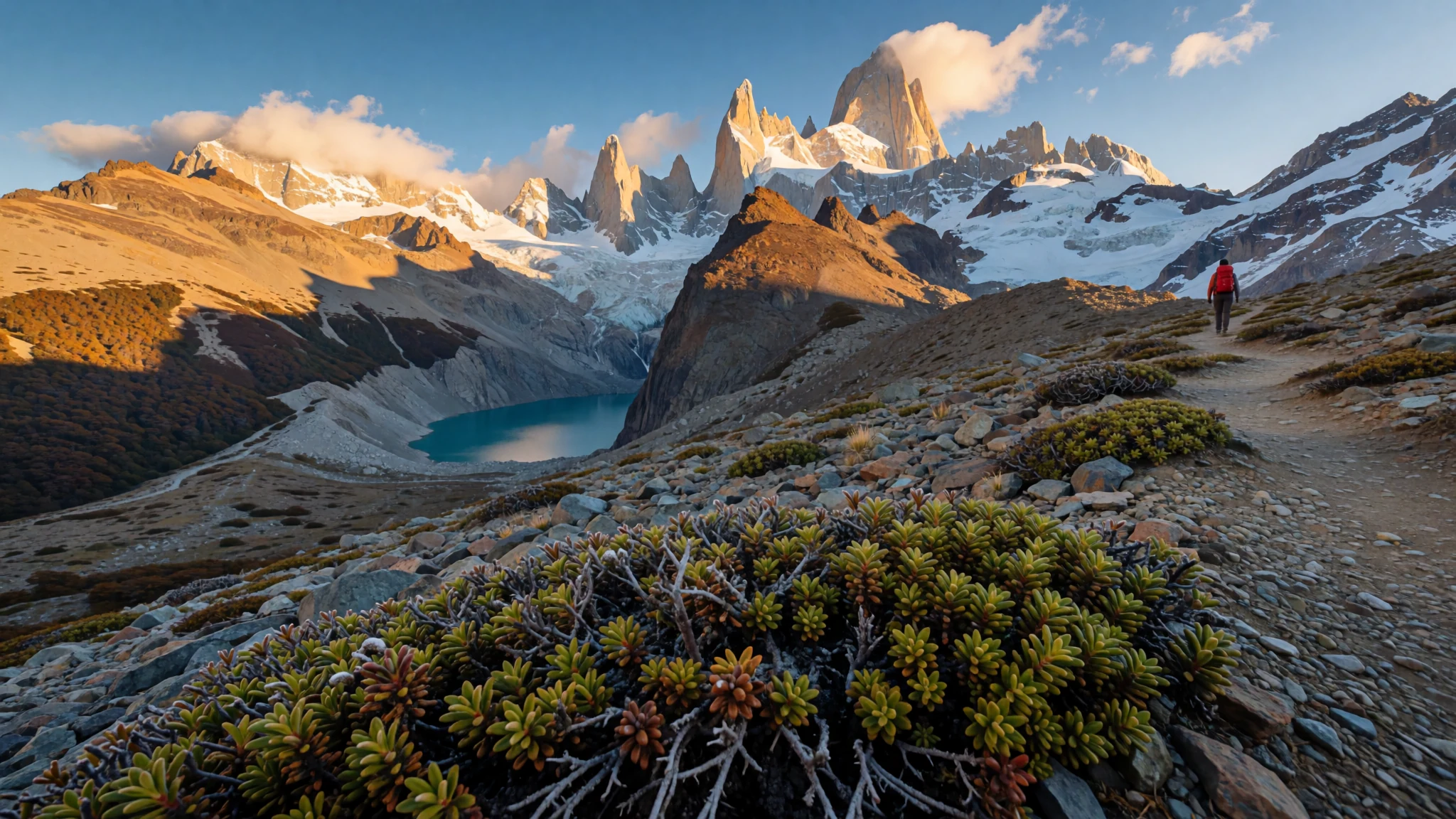
Rise into the Southern Patagonian Ice Field to stand before the jagged granite spires of Monte Fitz Roy.
The place
Monte Fitz Roy stands as a dramatic anchor in Patagonia, shared along the border between Argentina and Chile. Rising within the Southern Patagonian Ice Field near Lake Viedma and the settlement of El Chaltén, the mountain is celebrated for its sheer granite faces and volatile weather patterns. The surrounding terrain belongs to a landscape of wind-scoured steppes, dense native beech forests, and turquoise glacial lakes fed by receding ice.
Argentina regards the peak as a powerful emblem of Santa Cruz Province, featuring its outline on regional heraldry and flags. Meanwhile, the Chilean side falls within the Chaltén Mountain Range Natural Site, established by the National Forestry Corporation to protect the rugged western slopes and surrounding cordillera. International boundaries in the wider sector have seen careful historical demarcation, yet parts of the frontier running south toward Cerro Murallón remain a subject of ongoing definition.
Geography here is defined by immense scale and isolation. The peak is swept by fierce westerly gales generated over the South Pacific Ocean, testing climbers and hikers alike. Below the towering rock walls, valleys carved by ancient glaciers offer paths through a stark wilderness where indigenous Tehuelche (Aonikenk) heritage, echoed in the name Chaltén, and centuries of exploration have left a quiet, enduring mark.
Its story
The human history of the Monte Fitz Roy borderlands is rooted in the careful work of nineteenth-century surveyors and centuries of indigenous presence. Before European arrival, northern and central territories experienced Inca influence alongside the deep-rooted sovereignty of the Araucanians or Mapuche people, who maintained independence long after the Spanish crown established authority elsewhere in South America.
Following the landmark 1881 treaty between Argentina and Chile, territorial demarcation fell to notable surveyors including Francisco Pascasio Moreno for Argentina and Diego Barros Arana for Chile. By 1898, these expedition leaders agreed upon natural mountain continuities across the region, noting prominent landmarks such as Fitz Roy, Torre, Huemul, Campana, Agassiz, Heim, Mayo, and Stokes. Unlike other contested sectors that required international arbitration in the early twentieth century, the frontier line from Mount Fitz Roy down to Cerro Stokes was established without dispute.
Decades later, modern diplomacy continued with the 1998 agreement between Chile and Argentina to solidify specific boundary sections near the mountain. Mountaineering history added another layer of renown when French alpinists Lionel Terray and Guido Magnone completed the first successful ascent in 1952, conquering the formidable vertical granite after enduring days of fierce storms and technical climbing.
What to see
- Laguna de los Tres — Los Glaciares National Park
A demanding trek brings hikers directly beneath the east face of Monte Fitz Roy, where an intense turquoise glacial tarn mirrors the sheer granite needles. The path winds past moraines and low alpine scrub, offering shifting perspectives of the massif as clouds catch and tear across the summit spires.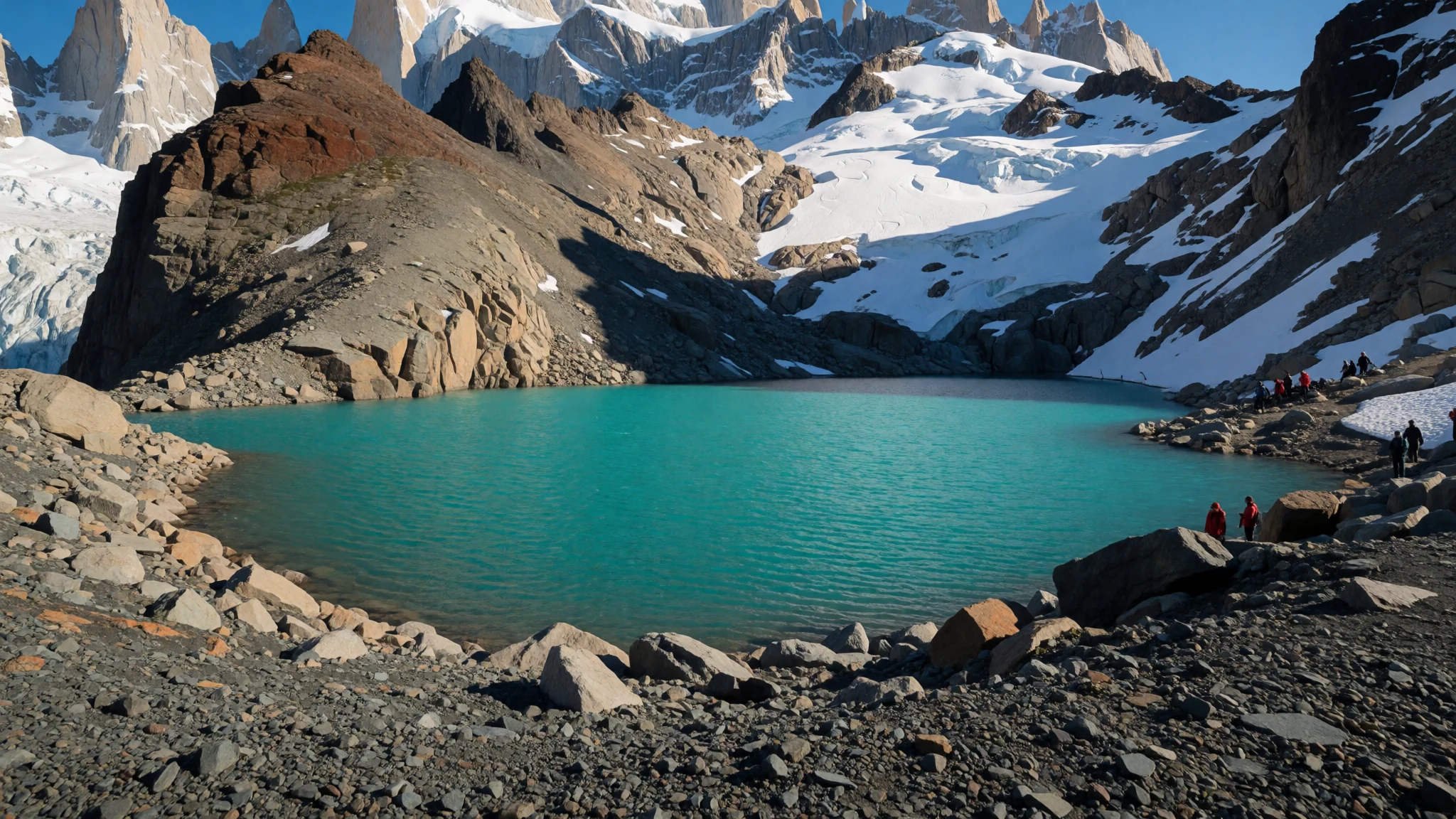
- Laguna Capri — Near El Chaltén village
A sheltered forest walk leads to this quiet lake framed by southern beech trees, providing one of the most classic reflections of the mountain range. It serves as an ideal rest point or overnight campsite for travellers beginning deeper explorations into the surrounding valleys.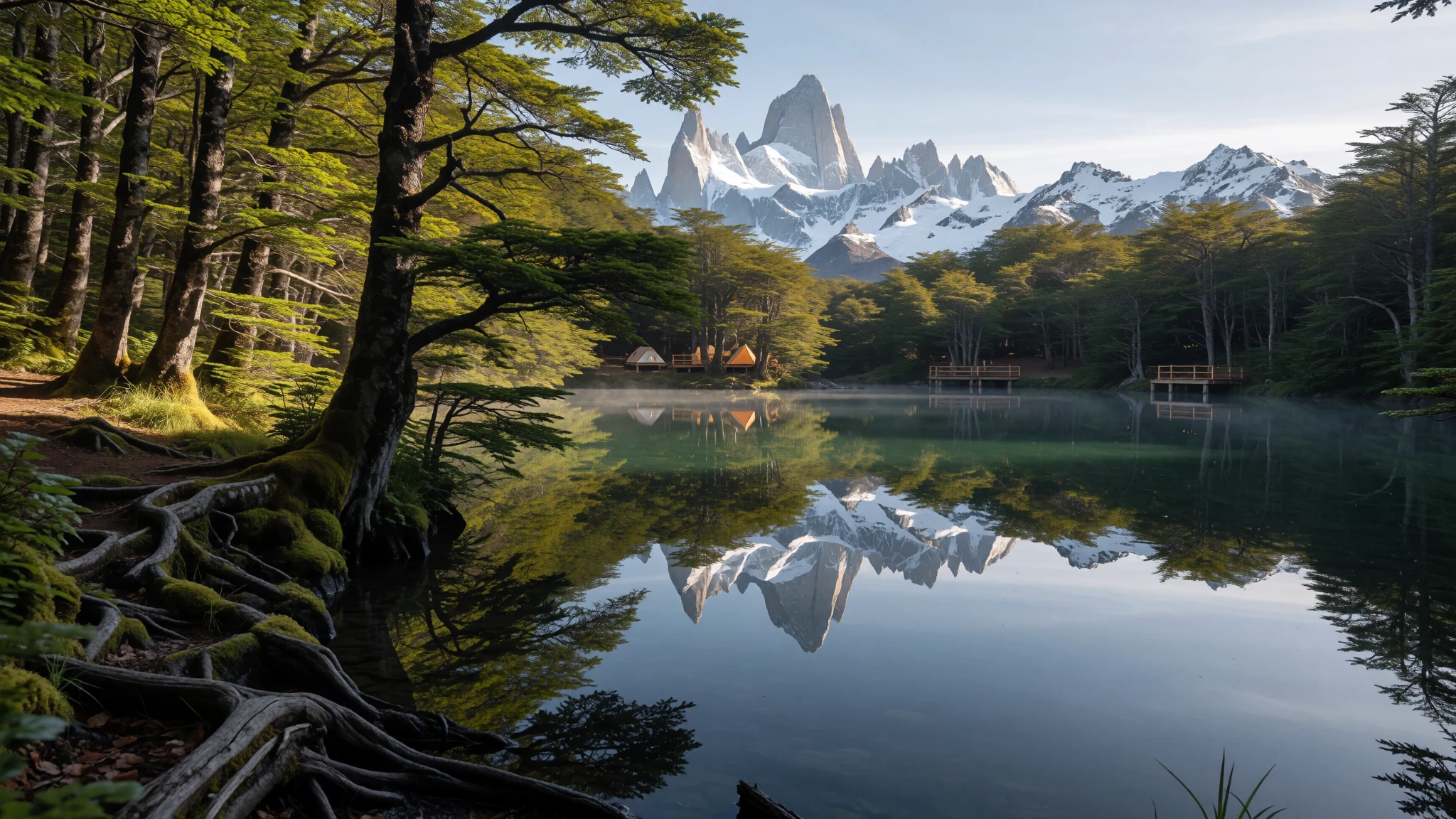
- Southern Patagonian Ice Field — Border region between Argentina and Chile
The immense expanse of ice feeds the glaciers and lakes surrounding the peak, representing one of the largest mid-latitude ice masses on earth. Its remote crevassed wastes and nunataks dictate the austere climate and dramatic weather systems that sweep across the entire border zone.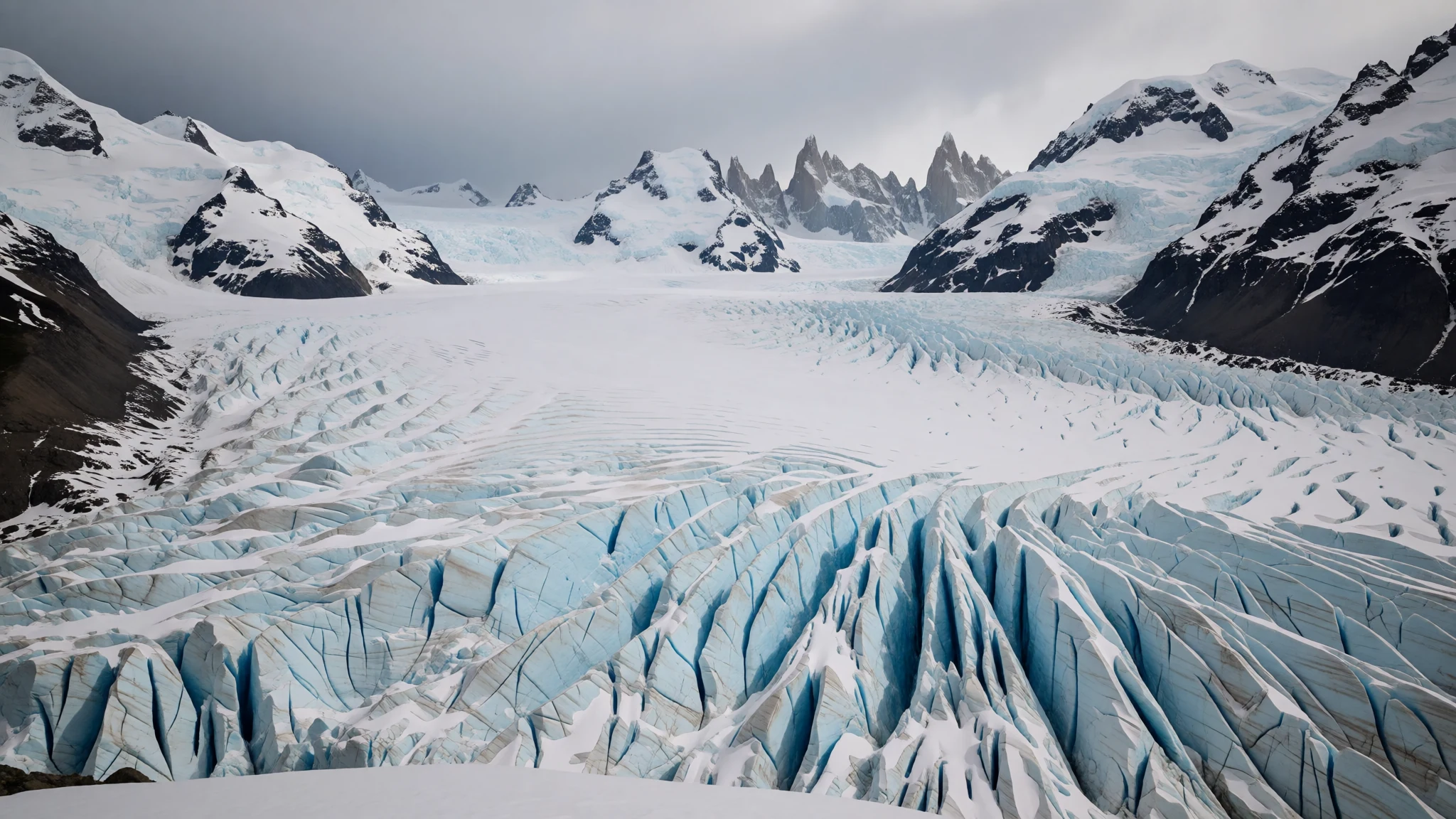
- Chaltén Mountain Range Natural Site — Chilean side of the mountain range
Created to safeguard the Chilean slopes and adjacent peaks, this protected sector preserves remote alpine ecosystems and high-altitude flora. It underscores the wilderness character of the cordillera, where steep valleys descend toward the long Pacific coastline further west.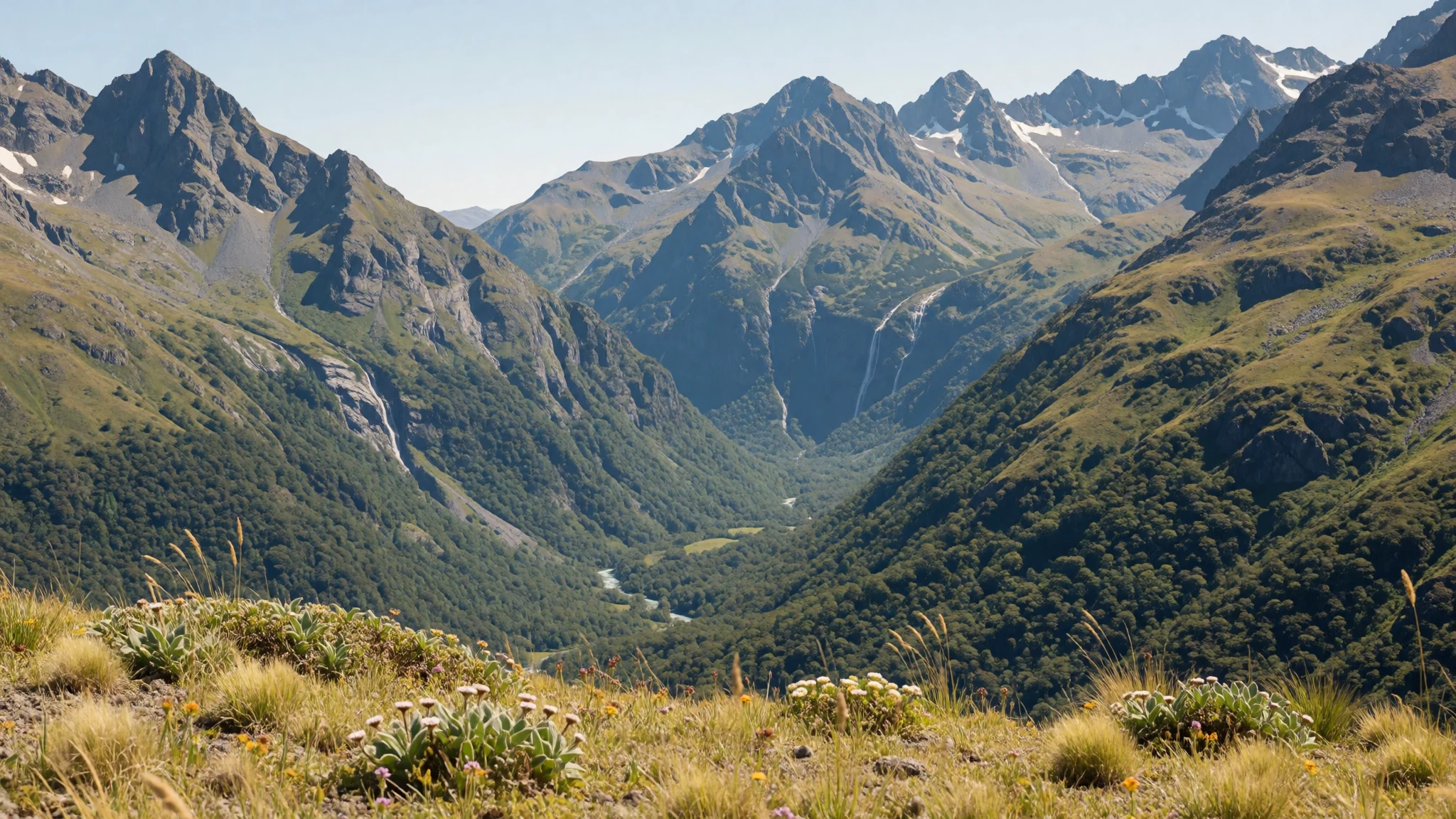
Culture
Patagonian mountain culture is shaped by isolation, resilience, and a deep respect for the unforgiving climate. While historical institutions such as the Roman Catholic Church played a significant role throughout Chile and Argentina, modern society has grown increasingly secular, with many citizens identifying as independent or irreligious. Politics across the wider region can be emotive and polarising, reflecting passionate discussions about land, governance, and economic life.
Local communities near the peaks operate at a steady, unhurried pace dictated by the arrival of seasonal travellers and seasonal work rhythms. Hospitality is straightforward and warm, grounded in shared meals and stories around wood stoves after long days exposed to the elements. When visiting places of local significance or rural sanctuaries, always act and dress with modest respect, and avoid proselytising of any kind.
What to wear
Traditional wear in rural Patagonia reflects practical pastoral life, featuring sturdy leather boots, wide-brimmed hats, and heavy woollen ponchos designed to ward off biting winds and sudden rain. European immigrant traditions from the nineteenth and twentieth centuries also left subtle influences on everyday garments in southern townships.
Today, locals and long-term residents wear durable, utilitarian clothing suitable for changing weather, including flannel shirts, denim, and heavy-duty fleece jackets. Visitors heading toward Monte Fitz Roy should abandon fashion concerns entirely in favour of a technical layering system. Essential gear includes a windproof and waterproof outer shell, moisture-wicking base layers, sturdy broken-in hiking boots with good ankle support, a warm fleece or wool jumper, gloves, and a fleece beanie to handle plunging temperatures and intense gales.
What to eat
- Ceviche — Coastal markets and local eateries
Fresh fish cured sharply in citrus juice with finely sliced onions, popular across coastal regions and coastal settlements as a bright, refreshing starter.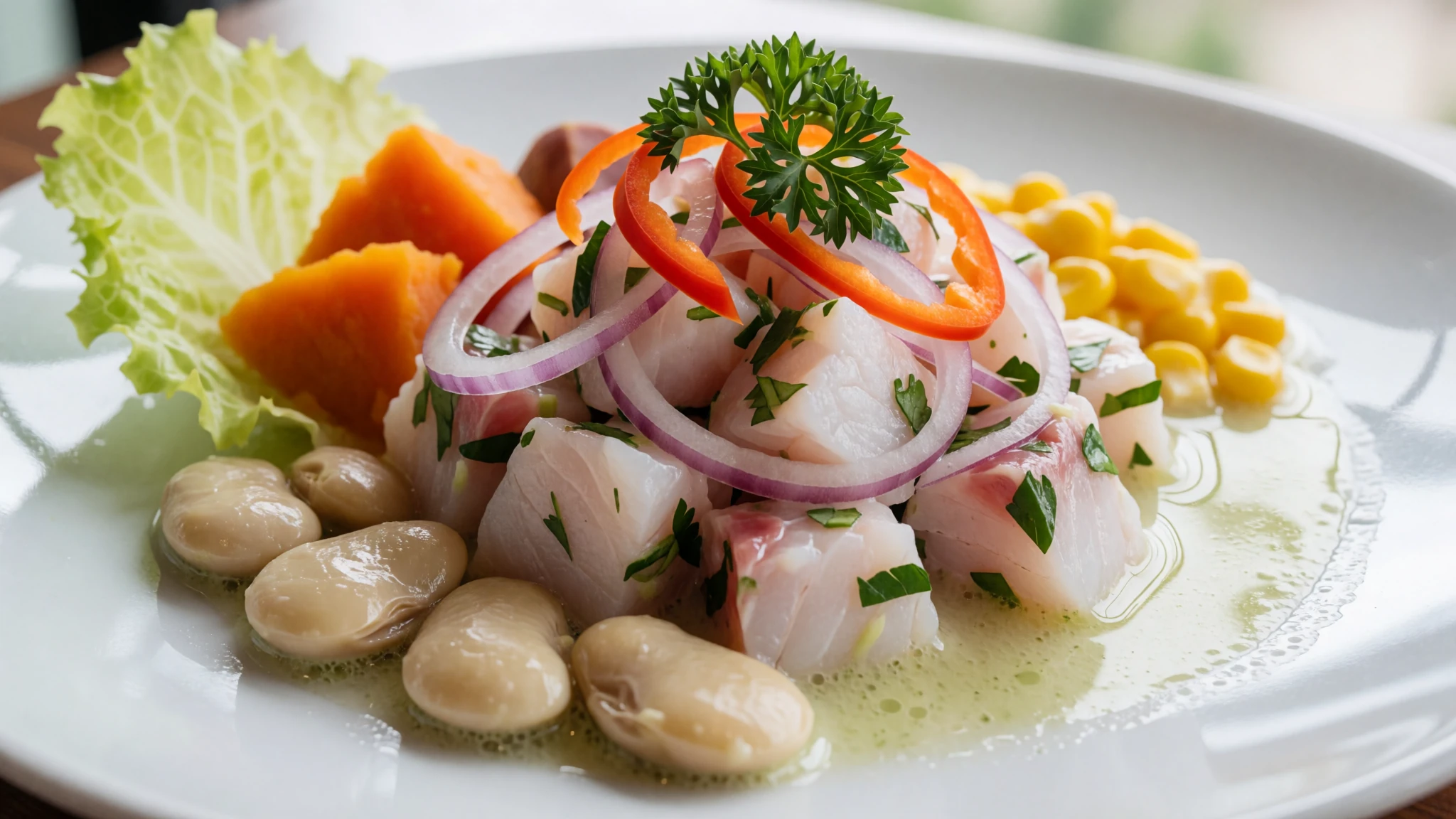
- Curanto — Southern community gatherings and specialized kitchens
A traditional heavy feast of mixed seafood, meats, sausages, and potatoes traditionally cooked in a hot stone pit dug into the earth.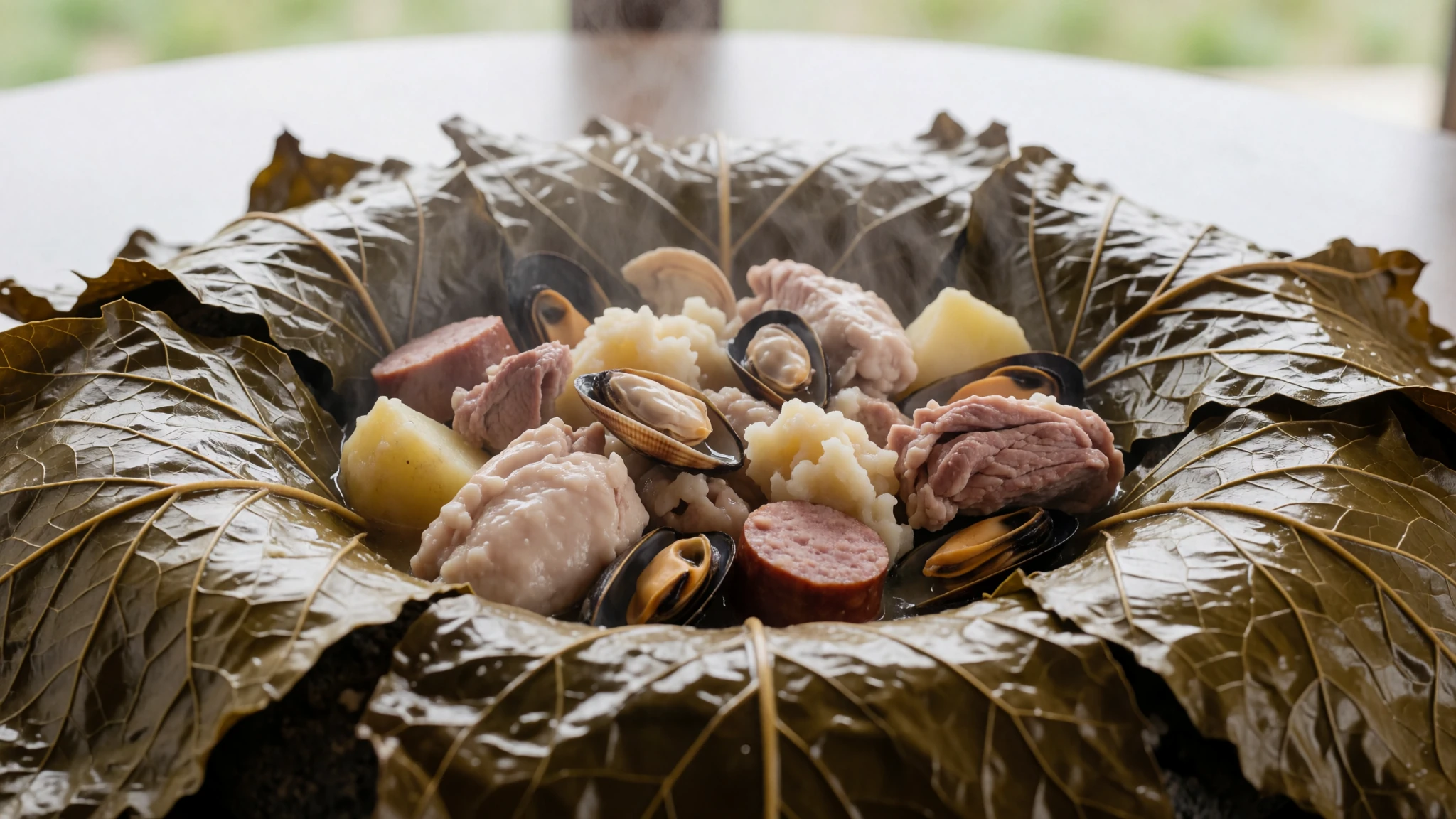
- Milcao — Local bakeries and family-run eateries
A dense potato pancake prepared using both grated raw and cooked potatoes mixed with pork fat, representing classic southern comfort baking.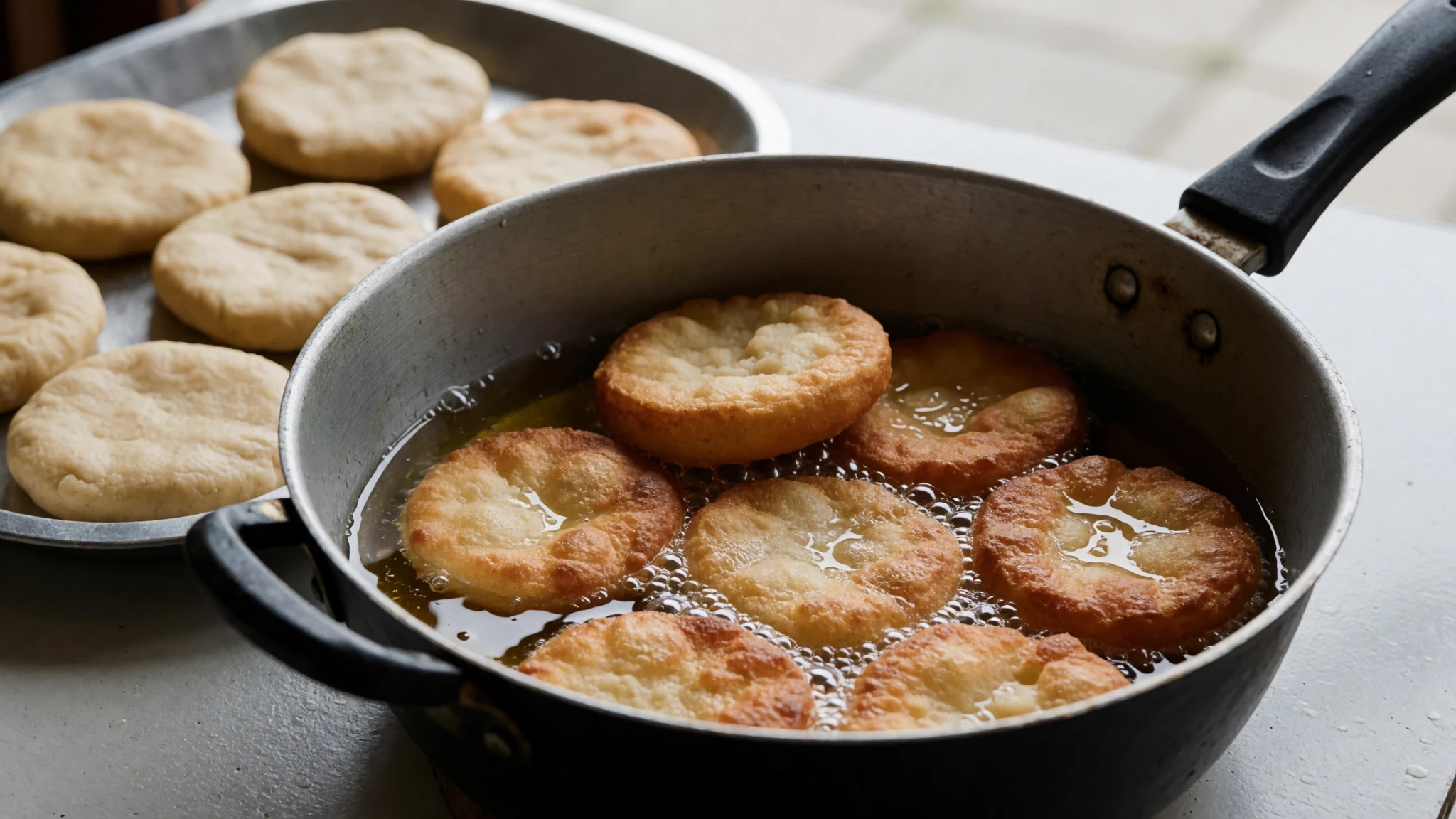
- Chapaleles — Traditional rural kitchens
Steamed potato dumplings made from flour and mashed potatoes, often served warm alongside stews or sweetened with honey.
Plan it
Best time. November through March offers the longest daylight hours and milder summer weather, though high winds can strike at any time; winter months bring heavy snow and shorter days.
How long. 3–4
Getting there. Fly into regional hubs in southern Patagonia, then take local buses or hired transport to reach El Chaltén village near the base of the mountain.
Budget. mid
Tips
- Check weather forecasts constantly before heading onto exposed mountain trails
- Carry cash for small establishments where card machines may fail
- Pack layers for all four seasons regardless of the morning sky
- Bring reusable water bottles and fill up from clean glacial streams
Etiquette
- Respect local conservation rules by packing out all rubbish
- Greet trail users and villagers politely when passing
Nearby
Sources
- Wikidata Q215138 (CC0)
- Wikipedia (rev 1379363401) (CC BY-SA 4.0)
- Wikivoyage (rev 5396541) (CC BY-SA 4.0)