Fenghuang County
Fenghuang County, People's Republic of China
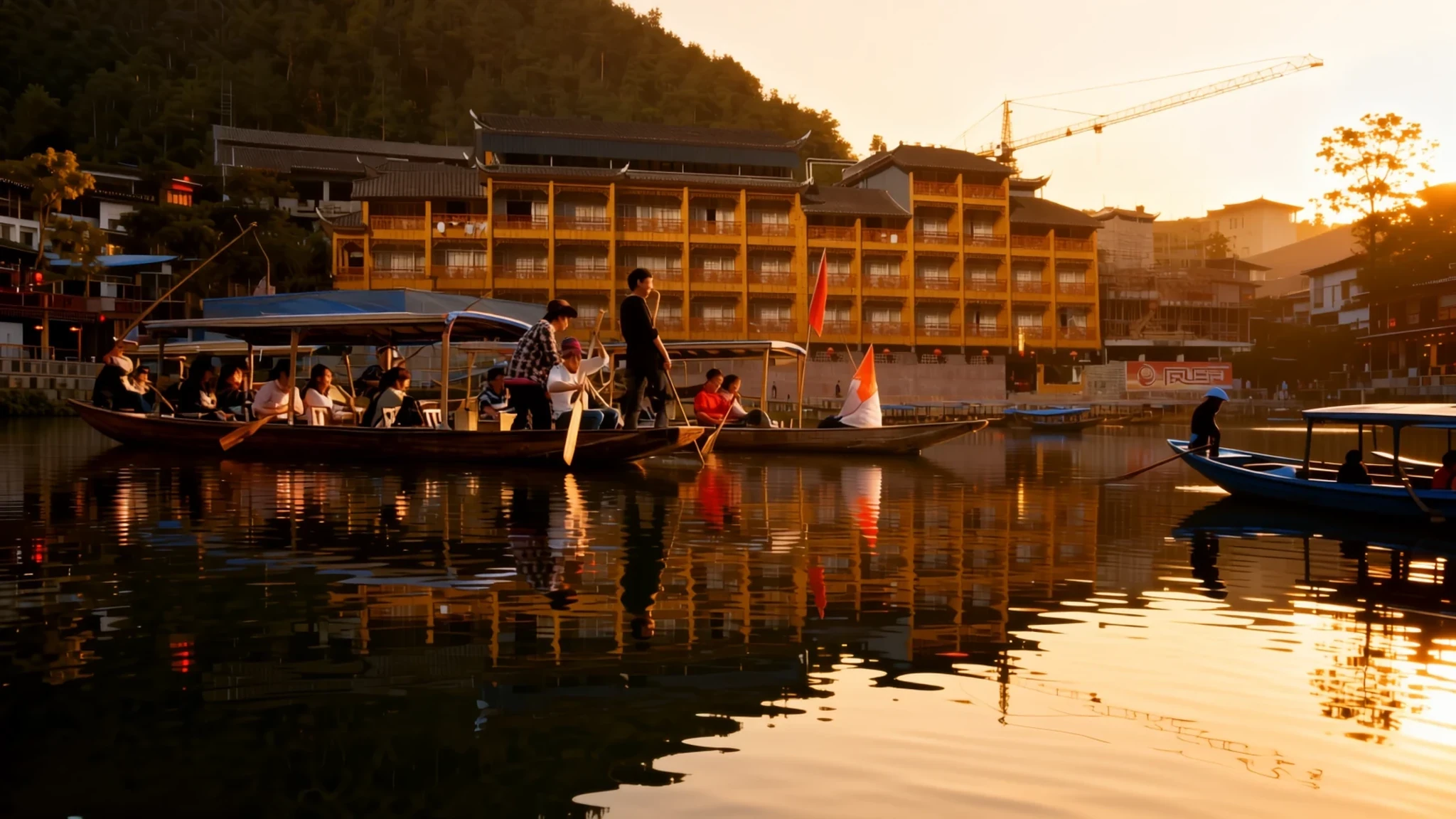
Fenghuang County pairs dramatic mountain scenery and well-preserved Ming and Qing architecture with vibrant Tujia and Miao minority heritage.
The place
Fenghuang County sits on the western margin of Hunan Province, sharing a boundary with neighbouring Guizhou. Named after the mythical phoenix birds, the county covers a largely mountainous terrain defined by the natural curves of the Tuojiang river, which cuts directly through the historic settlement. The county seat at Tuojiang anchors an administrative area of towns and townships home to a registered population running into hundreds of thousands. Over half of the local residents belong to the Miao and Tujia ethnic minority groups, imparting a distinct linguistic and cultural character that sets the region apart from eastern Hunan. Traditional timber dwellings, built on tall wooden stilts directly over the water, crowd the riverbanks, creating a dense urban fabric where daily life plays out on stone quays and across low stepping stones. Mountain mists frequently roll through the valleys, settling over the slate roofs and stone-paved alleys of the ancient town. While modern development has expanded outward into the surrounding hills, the historic core retains its traditional layout, anchored by defensive towers, ancestral shrines, and arched bridges that span the winding waterway.
Its story
Fenghuang County carries centuries of complex border history, having served as an imperial frontier outpost designed to manage and contain minority populations. The ancient town core took definitive shape under the Qing dynasty, incorporating intricate timber architecture and defensive structures that have survived largely intact. For generations, the region was a stronghold for the Miao people, culminating in the major mid-nineteenth-century uprisings that reshaped local demographics and triggered a wider diaspora across Southeast Asia. To secure the frontier against indigenous groups, imperial forces constructed defensive barriers including sections of the Southern China Great Wall, a lesser-known fortification system traversing the rugged hills west of the town. In the twentieth century, the locality gained literary renown when writer Rewi Alley proclaimed it the most beautiful town in China, drawing national attention to its preserved vernacular architecture. The settlement transitioned through administrative renamings before adopting its current identity, and later gained recognition through inclusion on cultural heritage tentative lists. Despite enduring natural challenges such as seasonal flooding, the community maintains ancestral traditions, funeral rites, and folk arts that reflect centuries of cultural exchange between Han administrators and indigenous minorities.
What to see
- Hong Bridge — Central Old Town
Spanning the Tuojiang river, this covered stone bridge features an upper gallery offering elevated views of the stilt houses and busy waterways below. It serves as a central landmark for navigating the ancient town.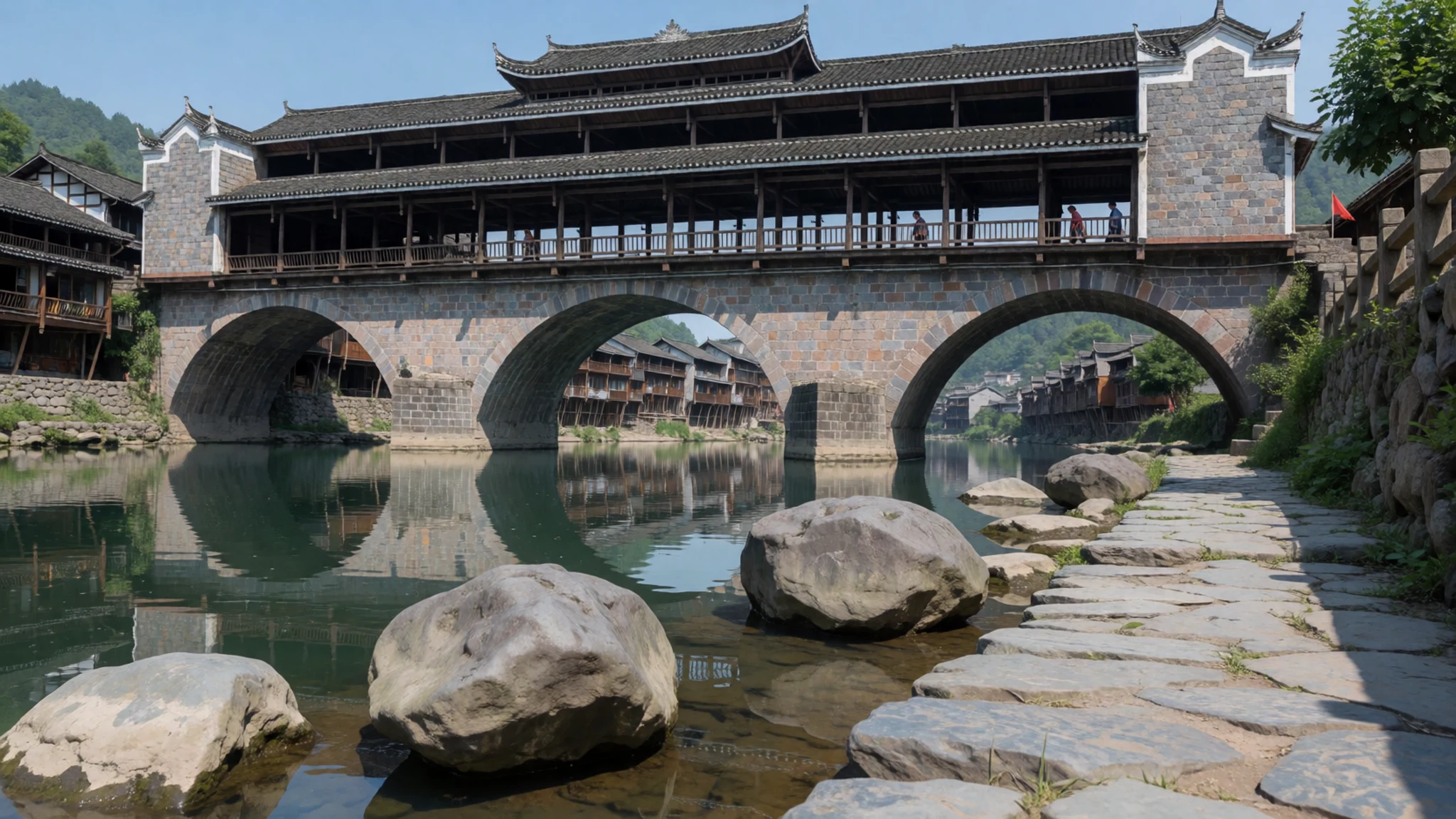
- Yang Family Ancestral Hall — Northwestern Old Town
A prime example of traditional clan architecture, this walled compound features elaborate wood carvings, a central courtyard stage, and exhibits detailing local lineage history and regional military heritage.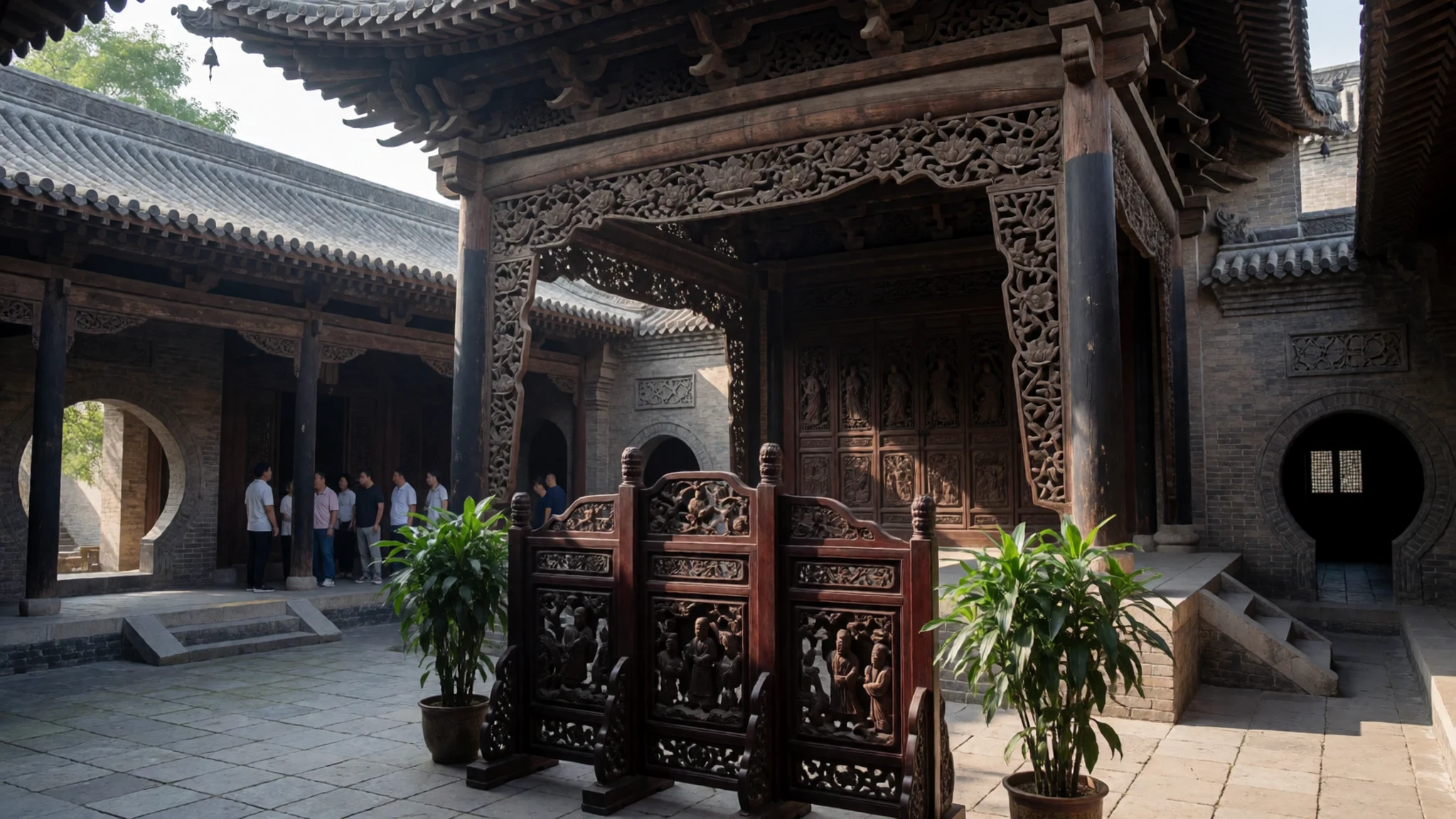
- East Gate Tower — Eastern Wall
Constructed from red sandstone blocks, this defensive gateway forms an integral part of the old town walls, connecting narrow interior alleyways with paths leading down to the river quays.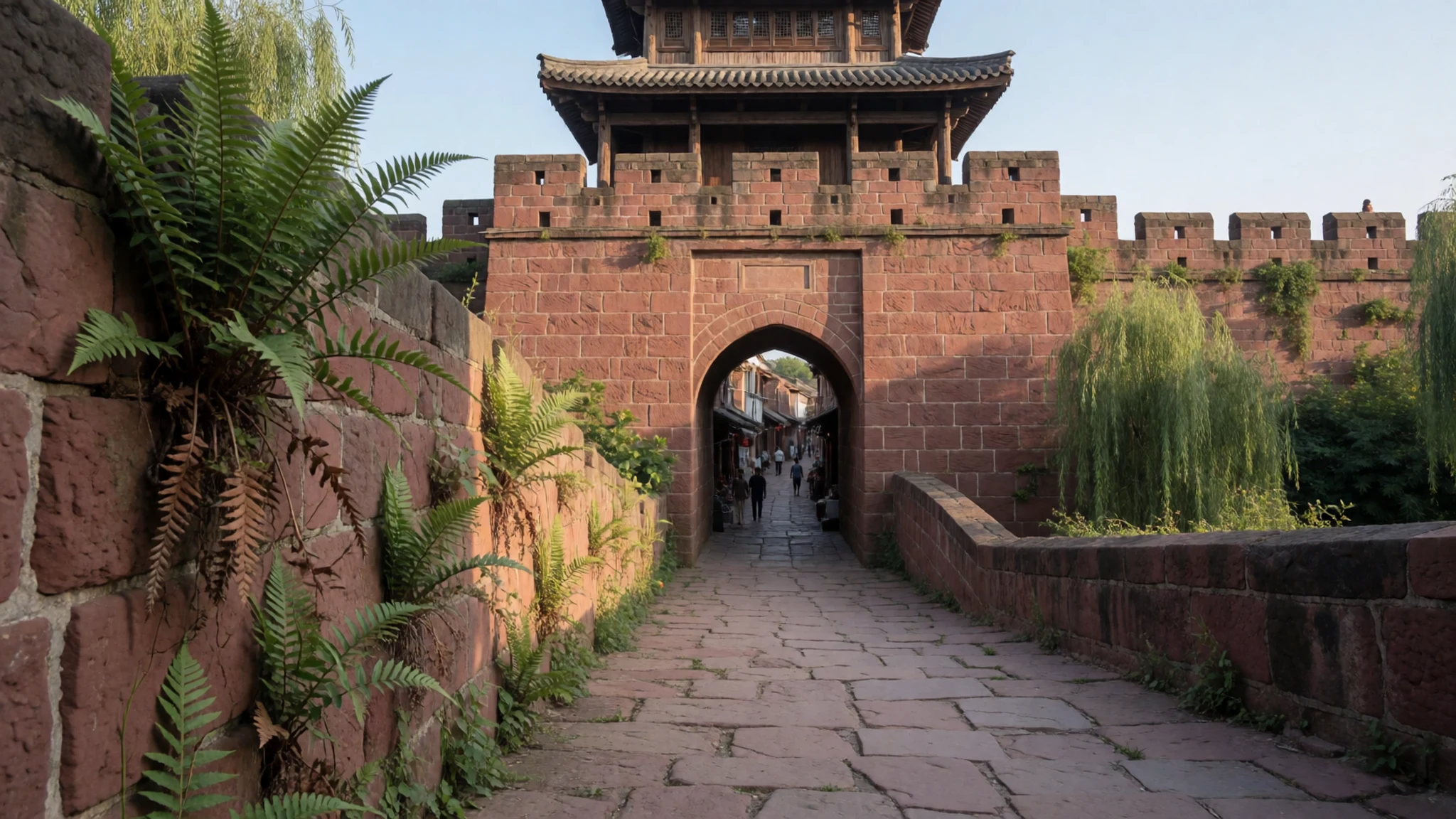
- Wanshou Temple — Northern Riverside
Built by visiting merchants and regional guilds, this historic temple complex combines religious shrines with grand architectural facades facing the river corridor.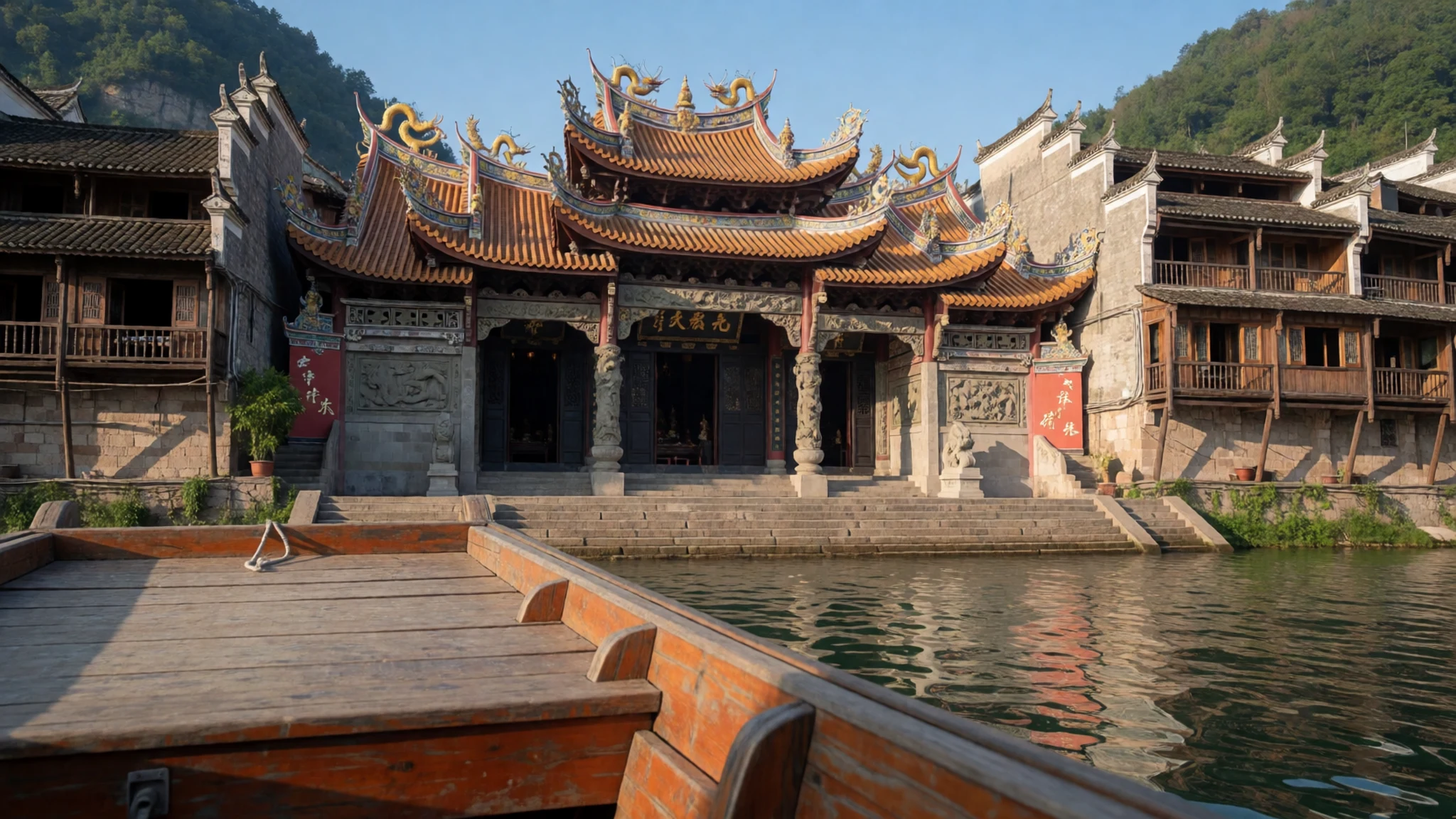
- Southern Great Wall — Western Hills
Located in the hills west of the main town, these restored Ming-era stone fortifications climb rugged ridges through terraced fields, offering panoramic views over the surrounding rural valleys.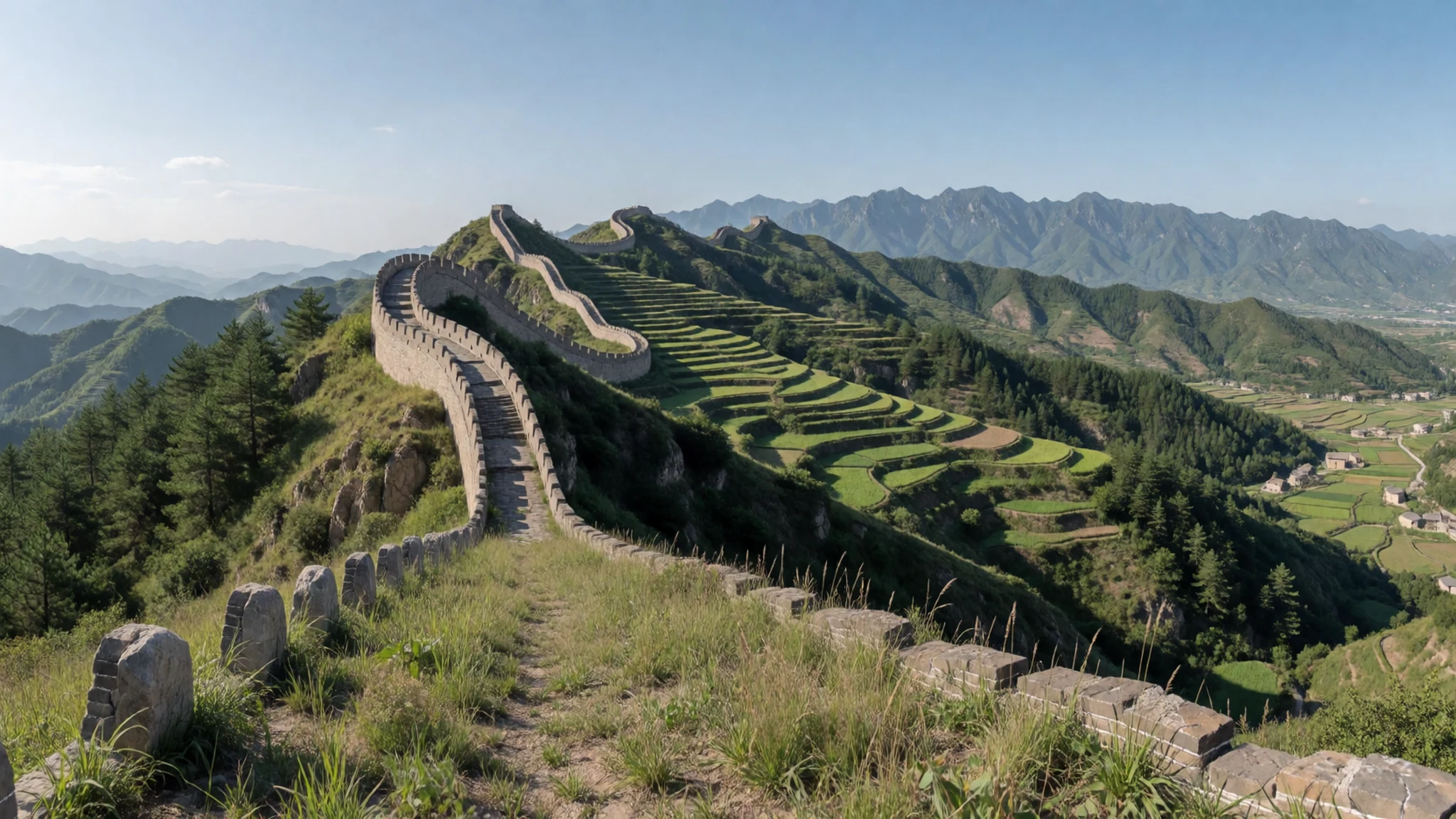
Culture
The cultural fabric of Fenghuang County is shaped by the traditions of the Miao and Tujia ethnic minorities, who make up a substantial portion of the population. Visitors encounter distinctive local customs through folk music, elaborate silver ornamentation, and community rituals tied to agricultural cycles and ancestral veneration. Traditional crafts such as indigo-dyed batik and hand-woven textiles remain active in surrounding villages, passed down through generations of artisans. Local festivals provide occasions for traditional singing competitions and communal gatherings that reinforce ethnic identity. As tourism has grown, parts of the ancient town have transformed into a bustling commercial hub, yet quiet courtyards and residential alleys still maintain a slower rhythm centred on family and neighbourhood ties. When exploring temples, ancestral halls, and minority villages, dress modestly and always ask permission before photographing local residents in traditional attire.
What to wear
Traditional dress in Fenghuang County remains visible during cultural festivals and community gatherings, particularly among Miao and Tujia women. Classic ceremonial attire features heavy, hand-woven cotton or hemp garments dyed in dark indigo, complemented by elaborate silver headpieces, necklaces, and intricately embroidered back-baby carriers. These textiles often display geometric patterns and motifs symbolising natural elements and ancestral lore. In daily life, residents wear contemporary casual clothing identical to styles found across urban China. For travellers visiting the region, practical attire is essential due to the variable mountain climate and uneven stone paving. Pack lightweight, breathable layers for warm daytime conditions, a waterproof jacket for sudden mountain downpours, and sturdy walking shoes with reliable grip for navigating slippery flagstones, river stairs, and rural footpaths.
What to eat
- Hot Pot — Riverside restaurants throughout the old town
A communal staple across local eateries, featuring simmering spicy broths loaded with local river fish, cured meats, and fresh mountain vegetables. - Grilled River Fish — Night market stalls along the riverbanks
Fresh catches from the Tuojiang river seasoned generously with dried chili flakes, Sichuan pepper, and local herbs before being cooked over charcoal. - Stuffed Rice Dumplings — Old town pedestrian alleys
Glutinous rice wrapped in bamboo leaves with savory or sweet fillings, prepared by street vendors using traditional regional recipes. - Fried Potatoes — Evening snack carts in the town centre
Local mountain potatoes sliced, fried until crisp, and tossed with crushed garlic, spring onions, and fiery chili powder. - Cured Pork with Chili — Traditional family-run dining houses
Hunan-style preserved pork belly stir-fried with abundant fresh and dried chili peppers, showcasing the region's signature bold and spicy flavour profile.
Plan it
Best time. Spring (March to May) and autumn (September to November) offer pleasant weather and clear mountain views; summer brings high heat and humidity alongside seasonal rains.
How long. 3
Getting there. Arrive via the high-speed railway station connecting to major regional hubs, then take local transport or a taxi into the ancient town.
Budget. mid
Tips
- Book accommodation well in advance if visiting during national holidays or weekends
- Arrive at major sights early in the morning to avoid heavy tour group crowds
- Carry sufficient cash, as smaller market stalls and rural transport may not accept digital payments easily
- Wear comfortable footwear with good grip for walking on uneven flagstones and slick river steps
- Bargain politely on transport fares before hiring minivans to outlying sights
Etiquette
- Ask permission before photographing local residents in traditional dress
- Dress modestly when entering ancestral halls and religious temples
- Respect quiet hours in residential alleyways late at night
Nearby
Sources
- Wikidata Q664864 (CC0)
- Wikipedia Fenghuang County (CC BY-SA 4.0)
- Wikivoyage Fenghuang (CC BY-SA 4.0)
- Photo 01-panoramio-1.jpg (CC BY 3.0)
- Photo 02-fenghuang-hunan.jpg (CC BY-SA 2.0)
- Photo 03-chinaxiangxifenghuang.png (CC BY-SA 4.0)
- Photo 04-1-fenghuang-ancient-town-hunan-china-2.jpg (CC BY-SA 2.0)
- Photo 05-1-fenghuang-2018.jpg (CC BY-SA 4.0)
- Photo 06-tian-jian-ci-tang.jpg (CC BY 3.0)
- Photo 07-bouillon-roujiamo.jpg (CC BY-SA 4.0)
- Photo 08-chili-pepper-fenghuang-hunan.jpg (CC BY-SA 2.0)


