Essen
Essen, Germany
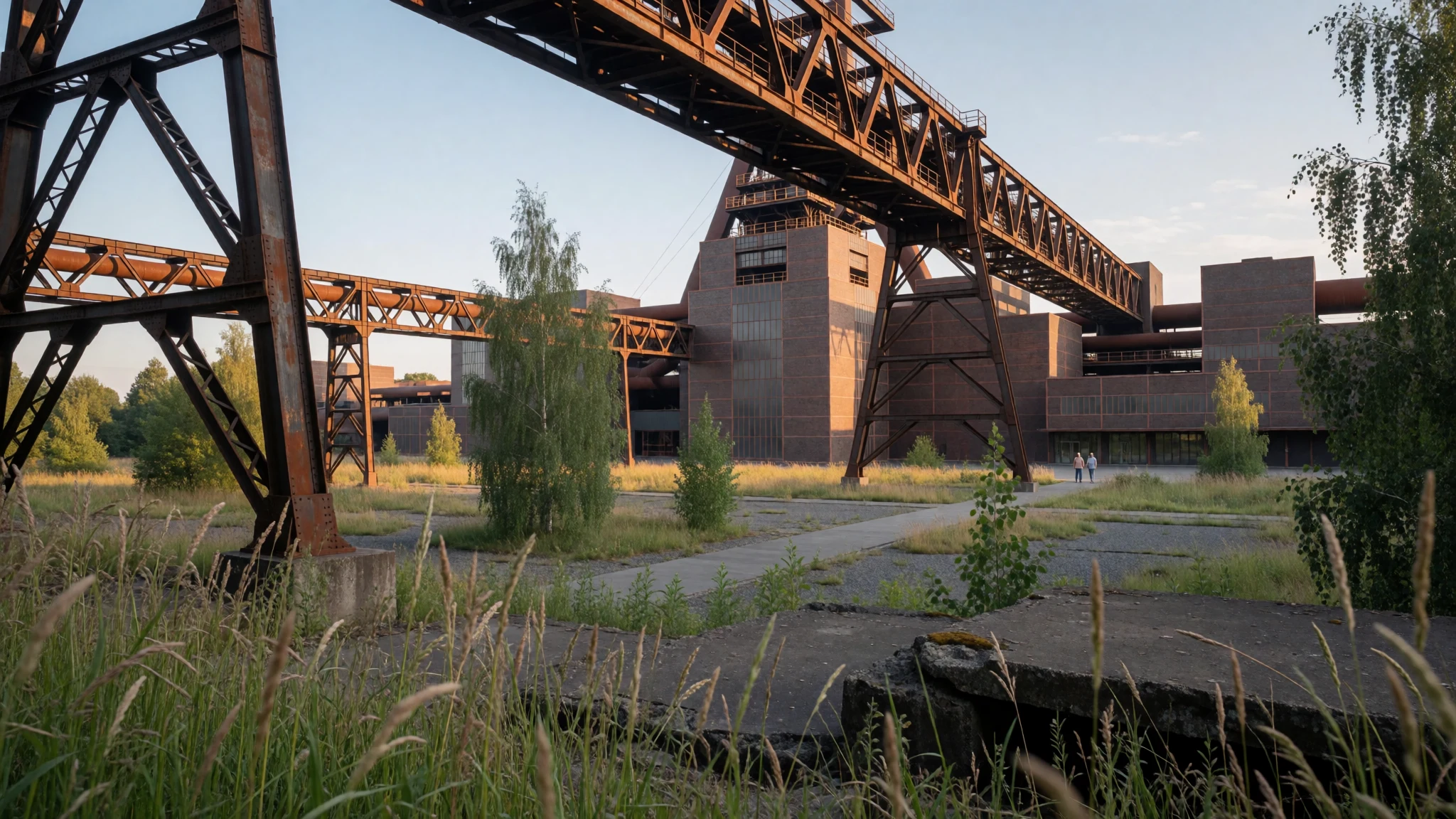
Essen offers a compelling journey through industrial heritage, world-class design museums, and vibrant urban green spaces.
The place
Essen stands as the central hub and second-largest urban centre of the Ruhr, functioning as the industrial heartland and energy capital of Germany. Home to a population of about 573,000 residents, the city forms a vital part of the extensive Rhine-Ruhr metropolitan region, where commerce, corporate headquarters, and heavy manufacturing historically converged. Two distinct waterways shape the municipal geography: the Emscher river crossing through the northern borough sectors, and the Ruhr river flowing across the southern districts, where it widens into recreational reservoirs such as Lake Baldeney and Lake Kettwig. Culturally, Essen bridges linguistic traditions, transitioning from Low German Westphalian dialects in the northern and central quarters to Low Franconian Bergish vernacular in the south. The urban fabric reflects a dramatic transformation from heavy coal mining and steel production into a prominent centre for higher education, the arts, and administrative governance. Major corporate giants, including prominent energy providers and industrial firms, base their operations here, alongside influential institutions like the Folkwang University of the Arts and the University of Duisburg-Essen. Visitors walking through the city encounter an intriguing blend of monumental industrial architecture, sprawling parklands, bustling commercial streets, and quiet residential neighborhoods that testify to decades of steady structural reinvention. Despite its gritty manufacturing past, the municipality has successfully reclaimed large expanses for nature, culture, and leisure, making it a fascinating destination for travellers interested in modern European industrial history.
Its story
The story of Essen stretches back over hundreds of thousands of years, anchored by remarkable archaeological discoveries in the local soil. The earliest known trace of human presence in the area is the Vogelheimer Klinge, an ancient stone blade uncovered during canal construction work in the northern borough of Vogelheim. While other scattered Stone Age artifacts emerge occasionally, intensive land use and extensive mineral extraction during the Industrial Age left few undisturbed prehistoric layers from earlier epochs. Artifacts dated from later millennia appear more frequently, highlighted by a notable megalithic tomb discovered during the interwar period. The origin of the municipal name has long amused linguists and visitors alike, as it mirrors the German verb for eating and the noun for food. Historical linguistic scholarship traces the earliest recorded form of the name back to Astnide, which gradually mutated through various medieval spellings like Assinde and Essendia before settling into its modern designation. Historians debate whether the ancient term originally described a landscape rich in ash trees or simply denoted a settlement situated toward the east of the Frankish Empire. Over the centuries, the small settlement grew around religious foundations before the discovery of rich underground mineral wealth triggered a massive economic boom. Colossal collieries and steel mills reshaped the horizon, turning the community into a powerhouse of the industrial revolution. Following the devastation of twentieth-century conflicts, the city reinvented itself once more, trading smoke-filled factory floors for design schools, corporate offices, and peaceful lakeside promenades.
What to see
- Zeche Zollverein — Northern Essen
Essen boasts the legendary Zeche Zollverein, widely celebrated as the most beautiful coal mine in the world and designated as a UNESCO World Heritage Site. Visitors can explore vast industrial machinery, fascinating museums, and innovative cultural spaces housed within monumental brick architecture.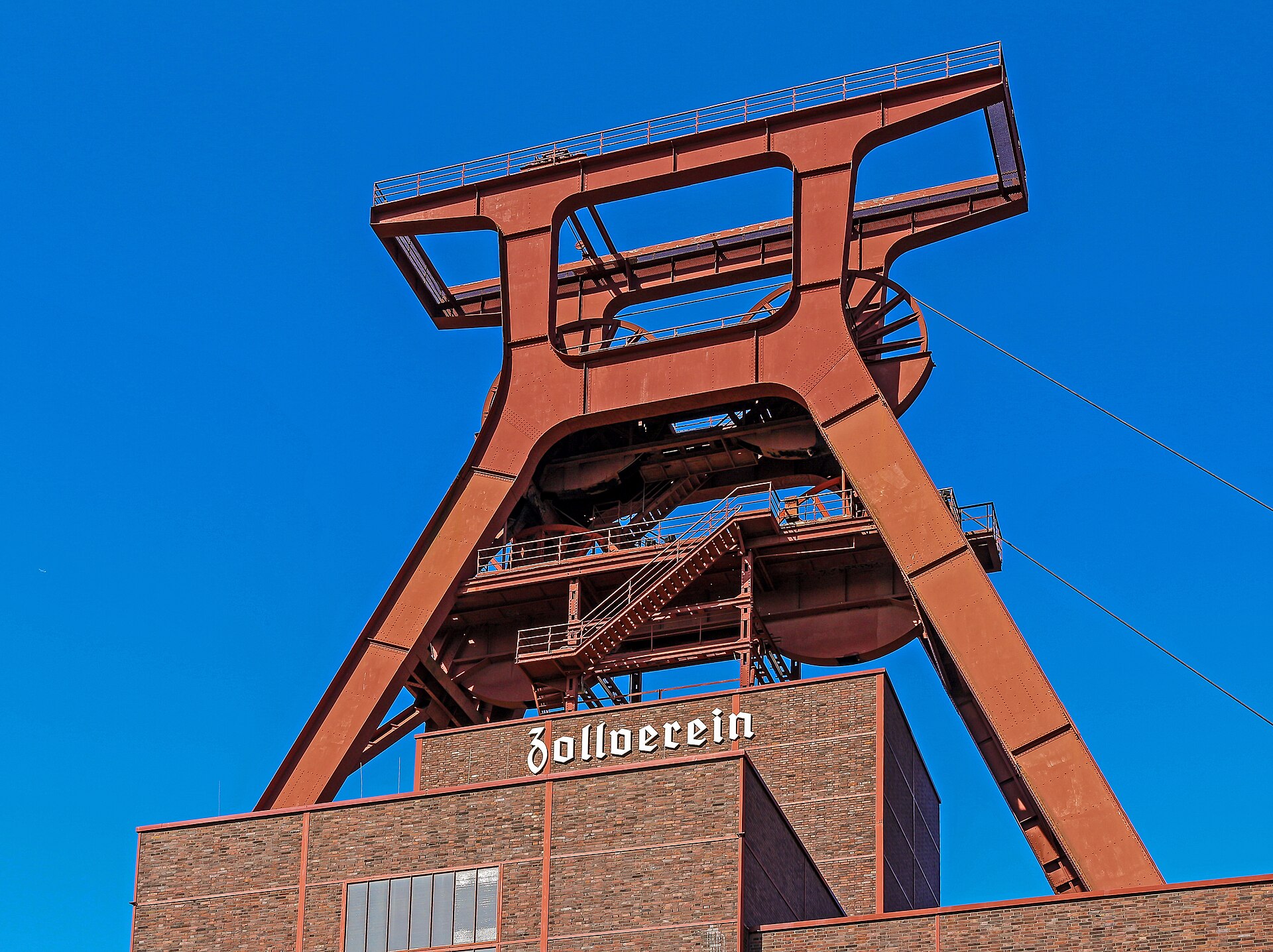
- Red Dot Design Museum — Zollverein complex
Situated within the industrial complex, the Red Dot Design Museum showcases an immense permanent collection of exemplary contemporary product design from across the globe. Travellers can examine thousands of everyday objects evaluated for their innovative form, ergonomic qualities, and manufacturing excellence. - Museum Folkwang — City centre
Art enthusiasts visiting Essen will appreciate Museum Folkwang, an esteemed institution renowned for its remarkable collections of historical photography, graphic arts, and paintings spanning multiple eras. The bright, open galleries provide an immersive environment for viewing works by legendary European masters and modern creators alike. - Villa Hügel — Southern Essen
Overlooking the water, Villa Hügel serves as the historic former residence of the prominent Krupp industrialist family. This sprawling mansion functions as an art history museum and concert venue, surrounded by extensive wooded parklands leading down to scenic Lake Baldeney.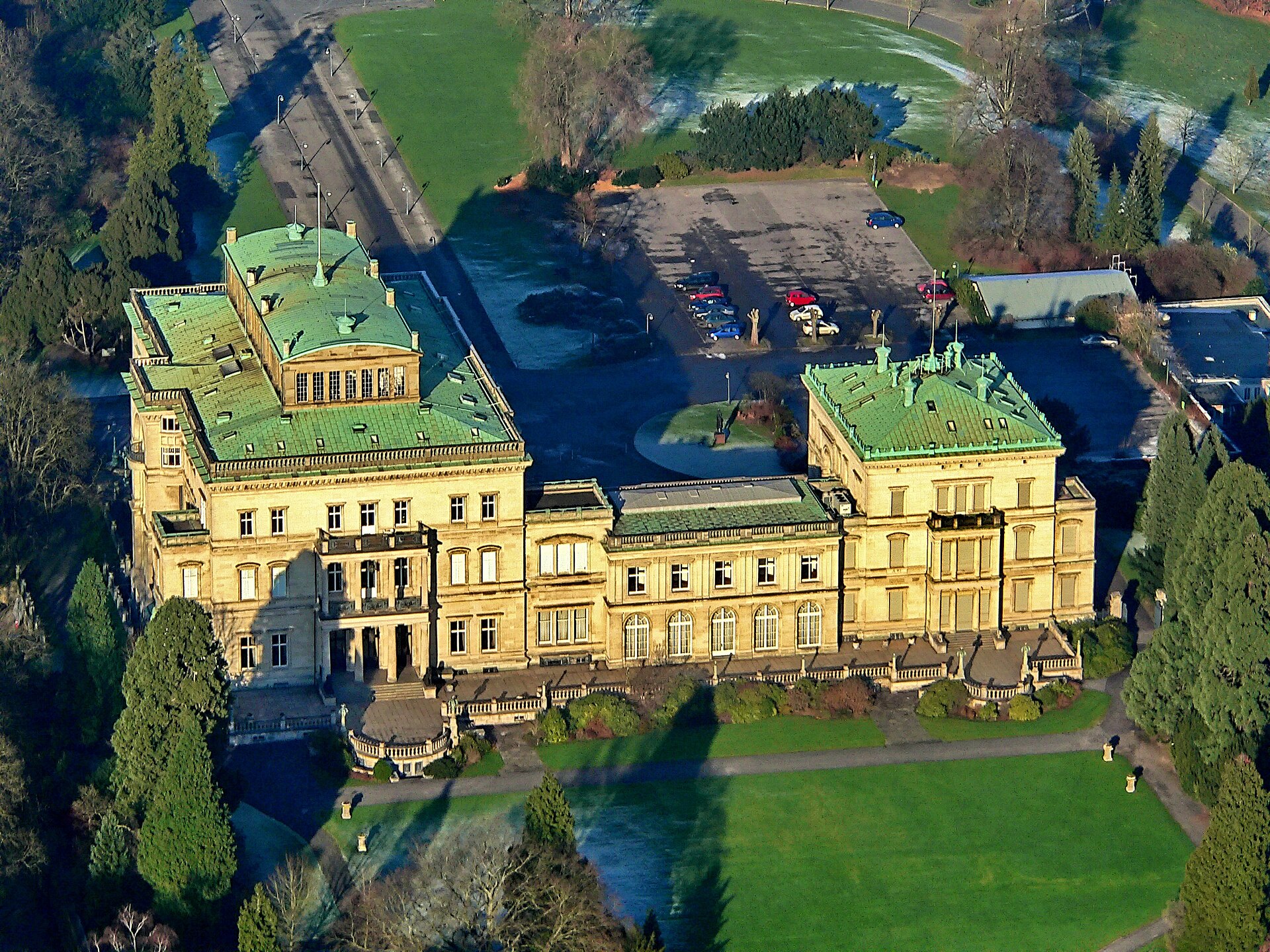
- Kettwig Historical District — Western Kettwig
The charming old centre of Kettwig preserves picturesque lanes lined with traditional half-timbered houses and historic buildings reflecting centuries of local architecture. Having maintained an independent municipal identity for generations, this riverside quarter offers quiet cafes and relaxing walks away from the bustling core. - Old Synagogue and Jewish Culture Centre — City centre
The Old Synagogue stands as a monumental architectural landmark that survived the turbulence of the twentieth century to become a vibrant house of culture and remembrance. Its striking domed structure and thoughtful exhibitions offer deep insights into regional Jewish history and heritage.
Culture
Essen reflects the distinct cultural identity of the Ruhr region, characterised by a warm, unpretentious working-class ethos combined with a rapidly expanding arts scene. Historically shaped by coal mining and heavy manufacturing, local society places a high value on straightforward hospitality, solidarity, and community gatherings. Traditional festivals, seasonal markets, and neighborhood celebrations draw residents together in public squares and beer gardens across the boroughs. In daily interactions, locals appreciate polite directness and punctuality, while valuing the multicultural influences brought by communities from around the world. Visitors engaging with the local cultural landscape will find that English is widely spoken, particularly around university campuses and major exhibition venues. When entering historic churches, quiet residential courtyards, or solemn memorial sites, maintain a respectful tone and keep noise levels modest.
What to wear
Traditional dress in Essen historically reflected the practical needs of miners and industrial laborers, featuring sturdy fabrics, durable leather boots, and utilitarian woolen garments designed for heavy physical work in the local collieries. While traditional regional costumes are rarely worn in daily life today, they occasionally appear during historical commemorations, folk festivals, and heritage club gatherings across the Ruhr area. In contemporary daily life, residents of Essen dress in comfortable, practical, and casual attire suited for an active urban lifestyle. Jeans, trainers, weather-resistant jackets, and layered sweaters dominate the streets, reflecting the ever-changing European weather conditions. Visitors exploring the city should pack comfortable walking shoes for navigating uneven industrial heritage sites, expansive museum grounds, and cobblestone lanes in historic quarters. Layered clothing is recommended throughout most seasons, along with a waterproof jacket or umbrella to handle sudden showers. No special religious dress codes apply at standard cultural attractions, though modest attire is always appreciated when visiting historic churches or places of worship.
What to eat
- Mediterranean Cuisine and Vegetarian Plates — Unperfekthaus dining spaces
Sample creative plant-based dishes and modern Mediterranean plates served in a relaxed, communal atmosphere within the city centre. - Traditional Ruhr Region Home Cooking — Historic local guest houses
Enjoy hearty regional comfort food prepared according to classic local recipes, featuring seasonal vegetables, roasted meats, and traditional German dishes. - South Asian Spiced Specialties — Central urban dining streets
Taste authentic Pakistani curries, grilled meats, and fragrant rice dishes prepared with aromatic spices in a welcoming neighbourhood eatery. - Classic Italian Pasta and Wood-Fired Pizza — Central downtown alleyways
Savour freshly prepared stone-baked pizzas, handmade pasta dishes, and traditional Mediterranean seafood specialties in a family-run trattoria. - Vietnamese Street Kitchen Flavours — Inner city restaurant quarters
Discover aromatic noodle soups, fresh herb salads, and wok-fried delicacies inspired by traditional Vietnamese culinary traditions.
Plan it
Best time. May to September offers pleasant warm weather for exploring outdoor industrial parks, lakeside paths, and lively city streets.
How long. 2–3
Getting there. Fly into Düsseldorf-International Airport and take a direct regional train to Essen central station in about half an hour.
Budget. mid
Tips
- Wear sturdy walking shoes for exploring large industrial heritage sites and museums
- Keep some cash handy for independent cafes and smaller market stalls
- Use the efficient regional train network for easy day trips around the Ruhr area
- Book tickets in advance when visiting special exhibitions at Zollverein
Etiquette
- Keep noise levels modest when visiting residential neighbourhoods and memorial sites
- Greet shopkeepers and service staff politely upon entering and leaving establishments
Nearby
Sources
- Wikidata Q2066 (CC0)
- Wikipedia (rev 1382800603) (CC-BY-SA 4.0)
- Wikivoyage (rev 5401792) (CC-BY-SA 4.0)