Eifel National Park
Eifel National Park, Germany
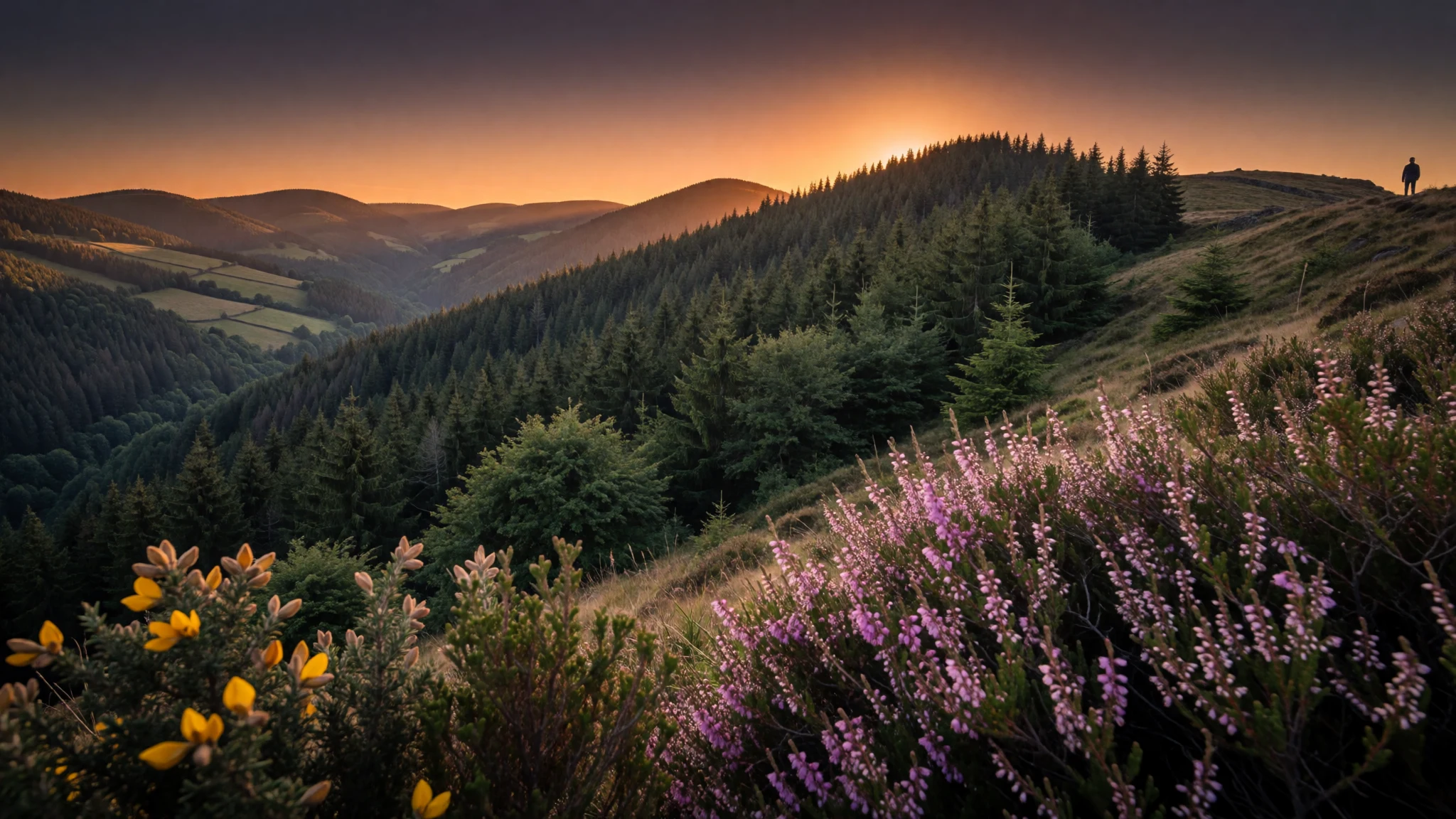
Eifel National Park is an easy-going mix of forested hills and a dam lake, best visited for calm walks in shoulder seasons.
The place
Eifel National Park (German: Nationalpark Eifel) sits in North Rhine-Westphalia, Germany, with rolling hills and deep forests doing most of the talking. It opened as a national park in 2004, and it’s still described as a “national park in development” — which, in practice, means you’ll find routes, signage, and visitor areas that feel designed for walking rather than sightseeing-by-coach.
The landscape is the draw: valleys with villages sitting around 300 metres above sea level, then hills that climb up to about 600 metres. That change in height matters. On a clear day you get long looks over wooded slopes and the water systems that carve through the park. One big focal point is a dam — Ruhrtalsperre — where the surrounding hills overlook a lake. It’s the kind of spot where you can pause without needing a ticket or a timed entry, just wind, water, and a few paths threading down through the trees.
Eifel National Park also sits within the wider High Fens – Eifel Nature Park, a cross-border protected area linking Germany and Belgium since 1960. So the feel is both local and regional: a place to roam at an unhurried pace.
For visitors, the most realistic expectation is simple: this is countryside hiking. Bring good footwear and set aside time for slow moments, because the best experiences tend to be the ones where you follow trails, glance at water from above, and let the forests do their quiet work.
Its story
Eifel National Park has a layered backstory that you can feel even when you’re just walking. Before it became a place for visitors, the area had a different purpose: it served as a combat training area for British troops. When a landscape has that kind of history, it often carries a slightly pragmatic, “used-before” atmosphere — fewer fairytale views, more practical paths and managed spaces.
Today, the park’s human footprint is mostly in the form of trails and the visitor-side infrastructure that followed. A “nature resort” opened in 2006, and that shift is part of why walking here works: you can arrive, find a route, and spend the day moving through valleys and woods without constantly changing plans.
One good way to understand Eifel is to think in belts. Start down in the valley where villages cluster around roughly 300 metres. Then watch the terrain rise: wooded slopes push upward toward about 600 metres, and with that elevation comes different light and colder air. Even in the warmer months, mornings can feel crisp compared with the lowlands.
Winter is the other story. The park gets a lot of snow in winter, so conditions can change quickly — and that’s worth respecting. Instead of assuming every season is “the same hiking”, approach it seasonally: choose calmer, clearer days in winter, and plan for softer ground when snow melts.
In the end, Eifel’s story is about transformation: training ground to protected nature space, then from that protection to a place where people come for quiet walks, water views, and the simple satisfaction of being outdoors in hills and forest.
What to see
- Dam-lake viewpoints (Ruhrtalsperre area) — High points around the Ruhrtalsperre lake
Look down from the hills around the dam lake for an easy payoff: water, forest, and open views without needing anything more than a short climb and time to stand still.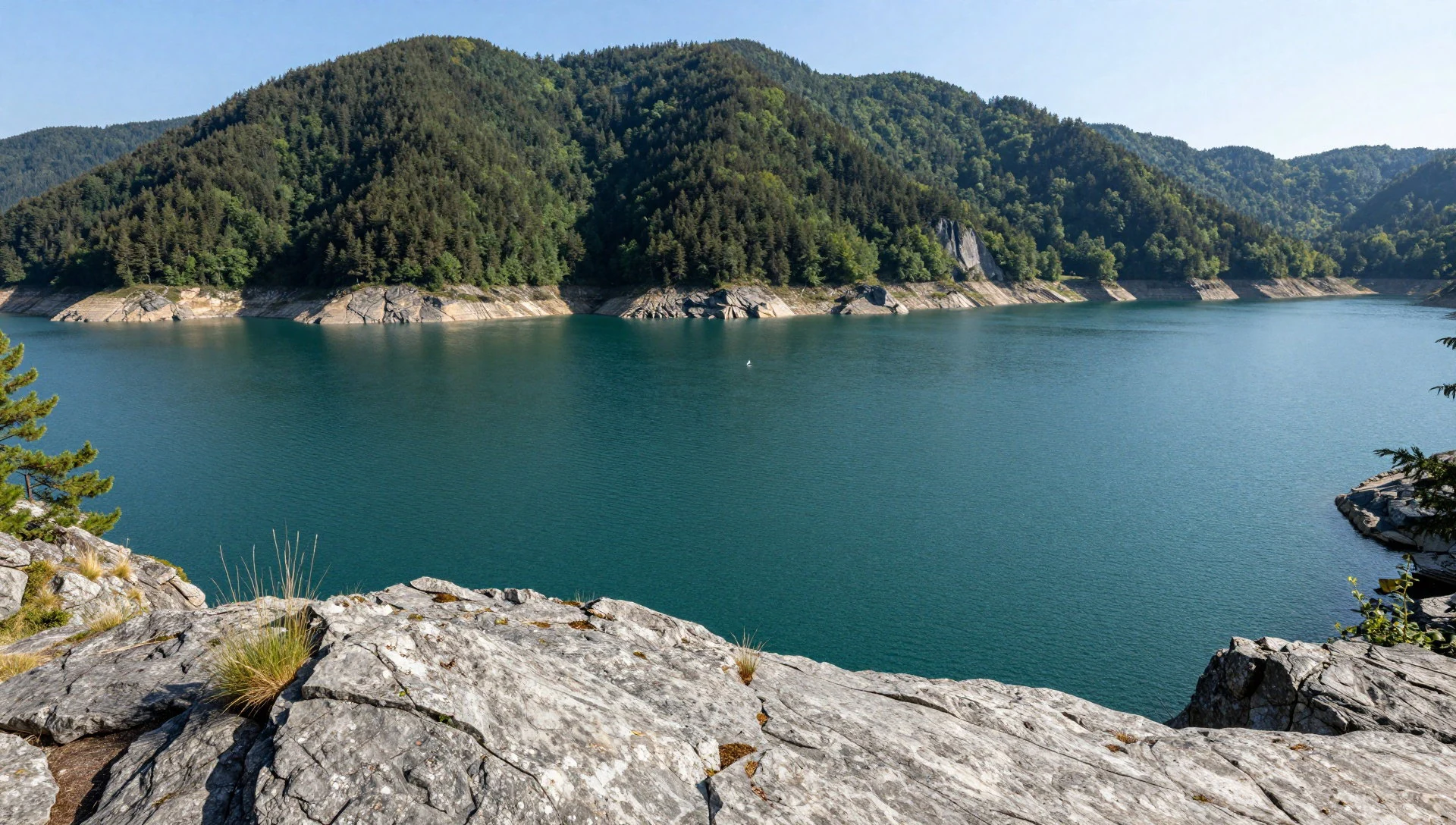
- National park walking trails — Across the park’s marked trail network
Eifel National Park is set up for foot travel, and the total trail length is 85 km. Pick a route that matches the day’s weather, then turn it into a loop or out-and-back so you’re not rushing between points.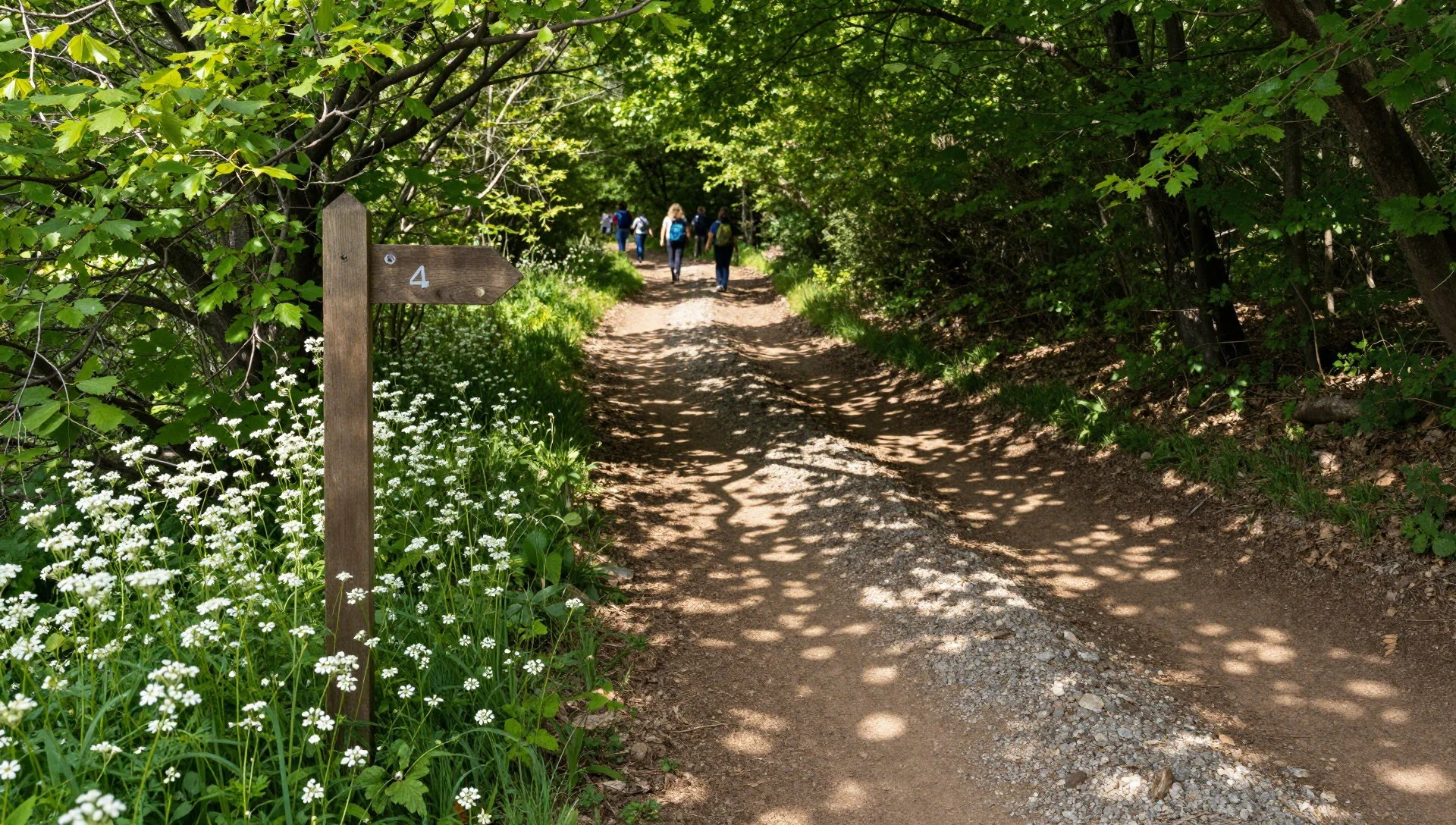
- Woods near Schleiden — Schleiden area
The forest around Schleiden gives you that classic Eifel feel: shaded paths, filtered light through leaves, and a steady sense of quiet. It’s a great place to slow down and walk without chasing a checklist.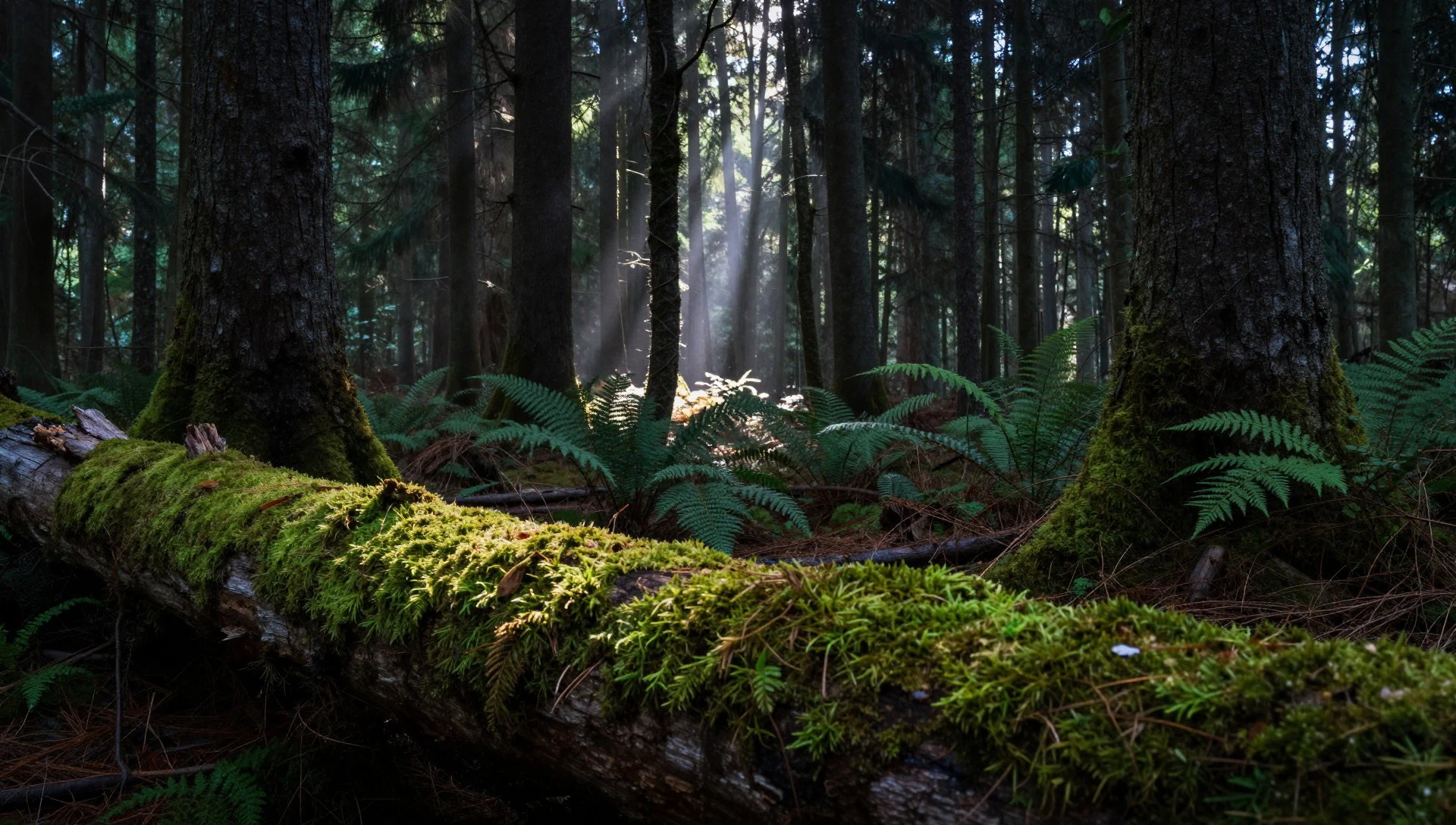
- Wildlife moments (including insects) — Meadows and forest edges throughout the park
Even when you’re not “birding”, you’ll spot life if you look closely. A calm walk can turn into an observation session — for example, insects like bees are part of the park’s everyday scenes.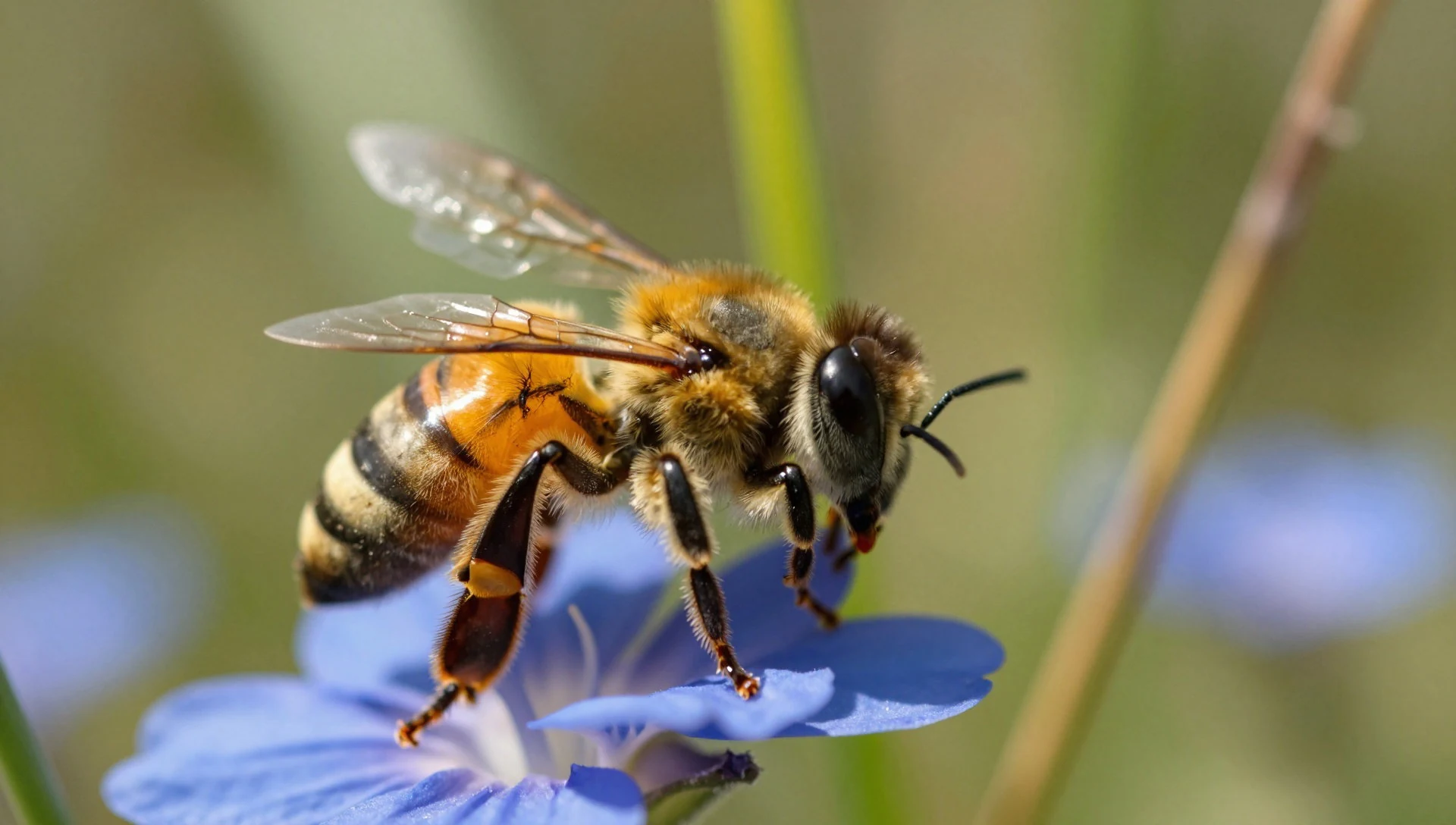
Culture
Eifel National Park is run for nature first, and that shows in how people behave on the trails. In practice, it means quiet walking, respecting marked routes, and keeping to the rhythm of the landscape rather than treating the forest like a photo set.
One cultural difference you may notice if you’re travelling from busier cities is how normal it feels to pause. In places like this, people don’t just “get through” — they linger at viewpoints over the dam lake, then continue slowly. It’s also common to see visitors dressed sensibly for weather changes. In winter there’s a lot of snow, so footwear and warm layers aren’t optional.
The park sits in a wider cross-border nature region with Belgium, but day-to-day etiquette is local: keep noise down, don’t wander off paths, and follow any temporary restrictions you see on-site. If you spot signage that looks security-related or asks you to avoid a section, treat it as part of the landscape management, not something you can bargain with.
Visitor etiquette: stay on marked trails, keep voices low in the woods, and don’t go off-route during snowy or restricted conditions.
What to wear
Eifel National Park doesn’t have a single “traditional outfit” culture in the way a city festival might. Instead, the right clothing is about season and terrain.
Traditional and heritage textiles aren’t really the focus here, but what you’ll see locally is everyday German countryside wear: practical wool, knits, and layers that work in cool, changeable weather. Those materials make sense because the park ranges from valley villages around 300 metres up to hills near 600 metres, and temperatures can shift with elevation.
What people wear now is mostly hiking gear: waterproof footwear, warm base layers, and a jacket you can handle when the weather turns. In winter, expect snow — so boots with decent grip and proper socks are crucial.
What visitors should wear: in shoulder seasons, go with layered clothing (a warm mid-layer plus a rain shell), comfortable walking shoes, and a daypack. In colder months, add gloves and a hat; in wet weather, prioritise waterproof or water-resistant outerwear. The forest trails can be muddy even when the forecast looks okay, so pick clothes you don’t mind getting dirty.
What to eat
- German-style bakery treats (various pastries) — Town centres near the park
Grab something warm from a local bakery in towns around the park before a walk — think simple pastry and bread options for an easy morning boost.
- Hearty regional soup — Local restaurants and village eateries
On colder days, a bowl of soup is a reliable option while you plan your route. Look for small eateries serving classic, filling soups suited to hiking weather.
- Schnitzel or grilled meat with sides — Restaurants in and around Schleiden and nearby villages
After a long trail day, a classic schnitzel plate works well: quick to order, filling, and easy to share. Many eateries around the region offer it as a standard. - Fresh bread rolls and simple salads — Delis and bakeries for grab-and-go
For a lighter lunch, go for rolls or a small salad when you don’t want a heavy sit-down meal mid-walk. Ideal for a picnic-style break in the countryside. - Coffee and cake stop — Cafés in the valleys and village centres
If the weather closes in, a café break helps reset your day. Order a coffee and something sweet, then decide whether to tackle another loop or head back.
Plan it
Best time. March–April and October–November for comfortable walking temperatures; winter can bring a lot of snow.
How long. 2–3
Getting there. Fly or train into Aachen, then use bus services to reach Einruhr. From Aachen central bus station, the SB63 to Einruhr takes around 1h20min.
Budget. mid
Tips
- Start earlier in the day so you’re on the trails before the weather shifts
- Use the marked walking network to stitch together your own route length rather than trying to cover everything in one go
- If you’re visiting in winter, plan for snow and traction-friendly footwear
- Carry water for longer forest stretches
- Check the park’s official visitor info and updates before you set off
Etiquette
- Stick to trails and follow any signs, especially when conditions are snowy or restricted
- Avoid off-trail shortcuts in woodland areas
- Keep to the quiet pace of other walkers—don’t turn viewpoints into picnic noise hotspots
Nearby
Sources
- Wikidata Q705097 (CC0)
- Wikipedia (Eifel National Park) (rev 1362954988) (CC BY-SA 4.0)
- Wikivoyage (Eifel National Park) (rev 4960196) (CC BY-SA 4.0)
- Photo photos/01-tussen-einruhr-en-kesternich-der-eiserbachtal-positie2-foto6.jpg (CC BY-SA 4.0)
- Photo photos/02-mapnationalparkeifel.jpg (CC BY 3.0)
- Photo photos/03-nationalpark-bei-wahlerscheid-002.jpg (CC BY 3.0)
- Photo photos/04-minenfeld01.jpg (CC BY 3.0)
- Photo photos/05-blick-von-burg-vogelsang-auf-tal.jpg (CC BY-SA 2.5)
- Photo photos/06-20170713-150354-biene.jpg (CC BY-SA 4.0)
- Photo photos/07-20180804-062925nationalpark.jpg (CC BY-SA 4.0)
- Photo photos/08-20180826-081245wald-bei-schleiden.jpg (CC BY-SA 4.0)


