Drepung Monastery
Drepung Monastery, People's Republic of China
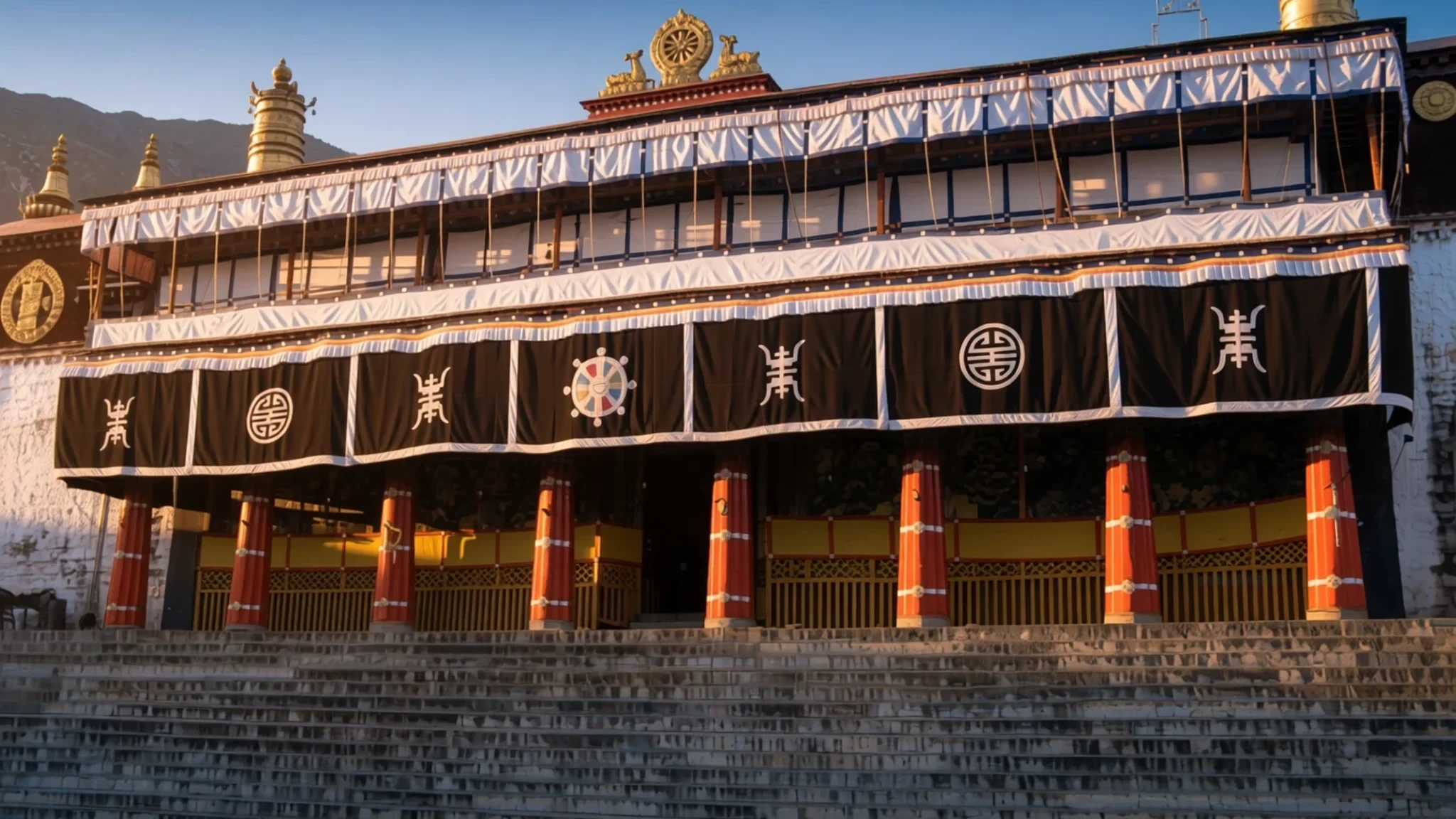
Visit Drepung Monastery to witness the vast scale and enduring spiritual heart of historical Tibetan Buddhist scholarship.
The place
Drepung Monastery sits at the foot of Mount Gephel on the Gambo Utse mountain, positioned on the western outskirts of the regional urban centre. Its Tibetan name translates to Rice Heap Monastery, a poetic nod to the dense, cascading clusters of white monastic buildings that tumble down the hillside. Founded long before modern infrastructure reached these high valleys, the complex grew into an enormous hillside settlement featuring residential quarters, assembly halls, and printing houses. Walking its stone pathways reveals narrow alleys flanked by whitewashed walls, heavy wooden doors, and fluttering prayer flags caught in the mountain wind. The altitude is high, and the air is remarkably thin and crisp, making every uphill step a deliberate exercise. Sunlight hits the pale stone facades sharply, casting deep shadows across courtyards where scholars gather. From the upper terraces, visitors look out across the broad valley floor towards the surrounding peaks, taking in a landscape that has shaped monastic life for centuries. The surrounding slopes remain quiet, save for the low murmur of chanting and the occasional chime of horns echoing through the thin air. Inside the halls, butter lamps burn with a steady, warm glow, filling the dark interiors with the scent of melted wax and sacred offerings. Pilgrims and travellers share the stone steps, moving slowly past centuries-old shrines and courtyards worn smooth by millions of footsteps.
Its story
Drepung Monastery was established in the year 1416 by Jamyang Choge Tashi Palden, who served as a prominent disciple of Tsongkhapa. It quickly rose to become the principal seat of the Gelug school of Tibetan Buddhism and maintained its premier position among the major monastic institutions of the region. Within its walls, the Ganden Phodrang served as the residential estate of the early leaders of the tradition before the construction of the monumental palace in the valley below. Drepung earned renown across the plateau for its exceptionally rigorous academic standards, often earning comparisons to the great monastic universities of ancient India. Scholars here debated complex philosophical texts for hours in gravel courtyards, training generations of teachers and administrators. The institution was divided into several colleges, each housing students from different regions who lived, studied, and practised together under strict monastic rules. Its historical weight extended far beyond religious instruction, as the estate associated with the leadership became deeply entwined with the administration of the entire region. Even as political structures shifted around it, the monastic community preserved its distinct literary, artistic, and ritual traditions through centuries of change, remaining a central pillar of cultural continuity on the high plateau.
What to see
- Ganden Phodrang — Drepung Monastery grounds
Ganden Phodrang is the historic residential estate within Drepung Monastery that once housed the early leaders of the tradition before the construction of the valley palace. Visitors can explore the preserved courtyards and rooms where generations of administration and religious life were shaped, offering a direct tangible link to the political and spiritual history of the region.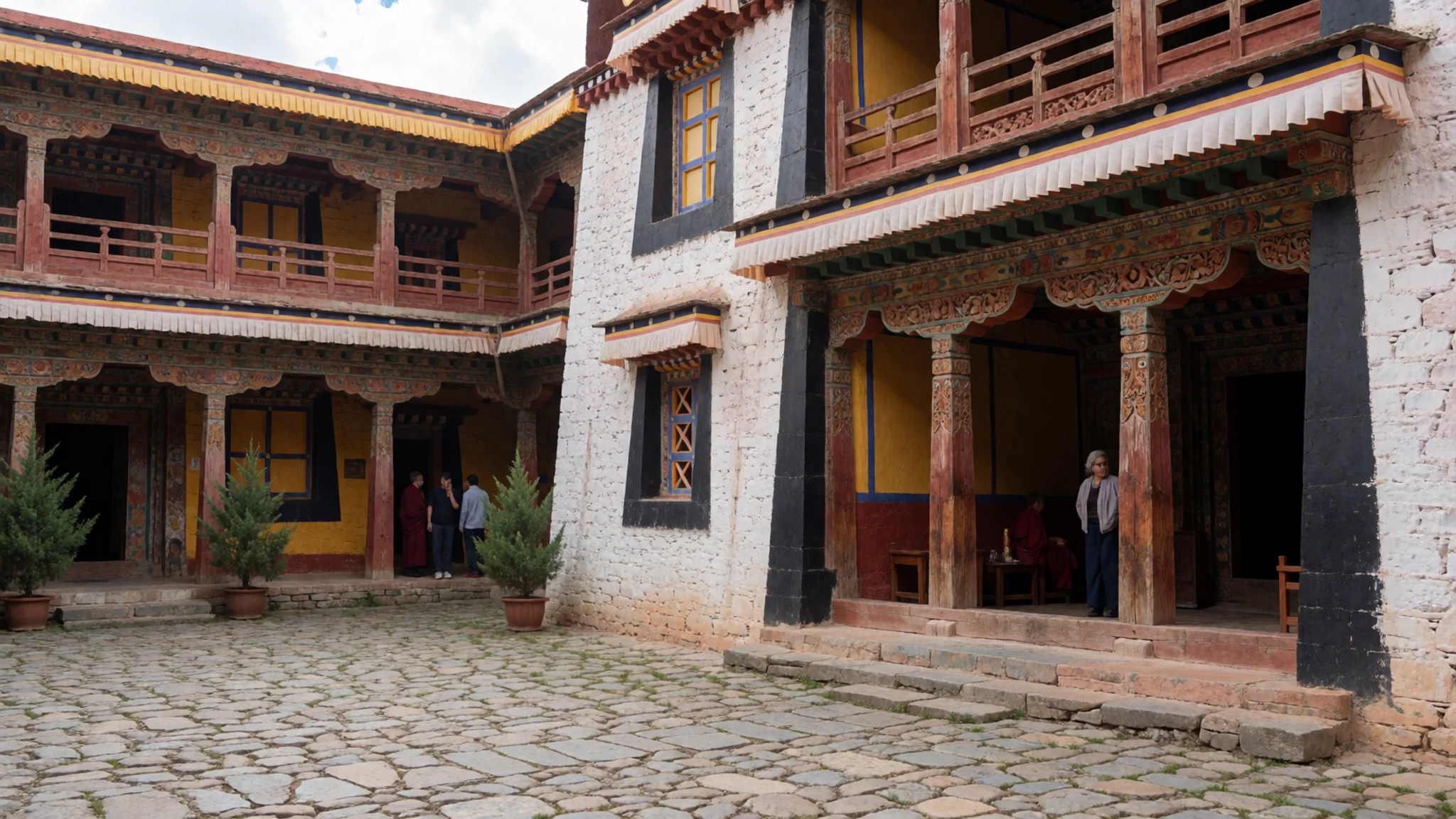
- Potala Palace — Marpo Ri Hill, Lhasa valley
Potala Palace towers above the valley floor on a prominent rocky hill, serving as the greatest monumental structure in the region. Perched high above the streets, its massive red and white masonry houses vast halls, sacred chapels, and golden tombs, reflecting centuries of political and religious authority.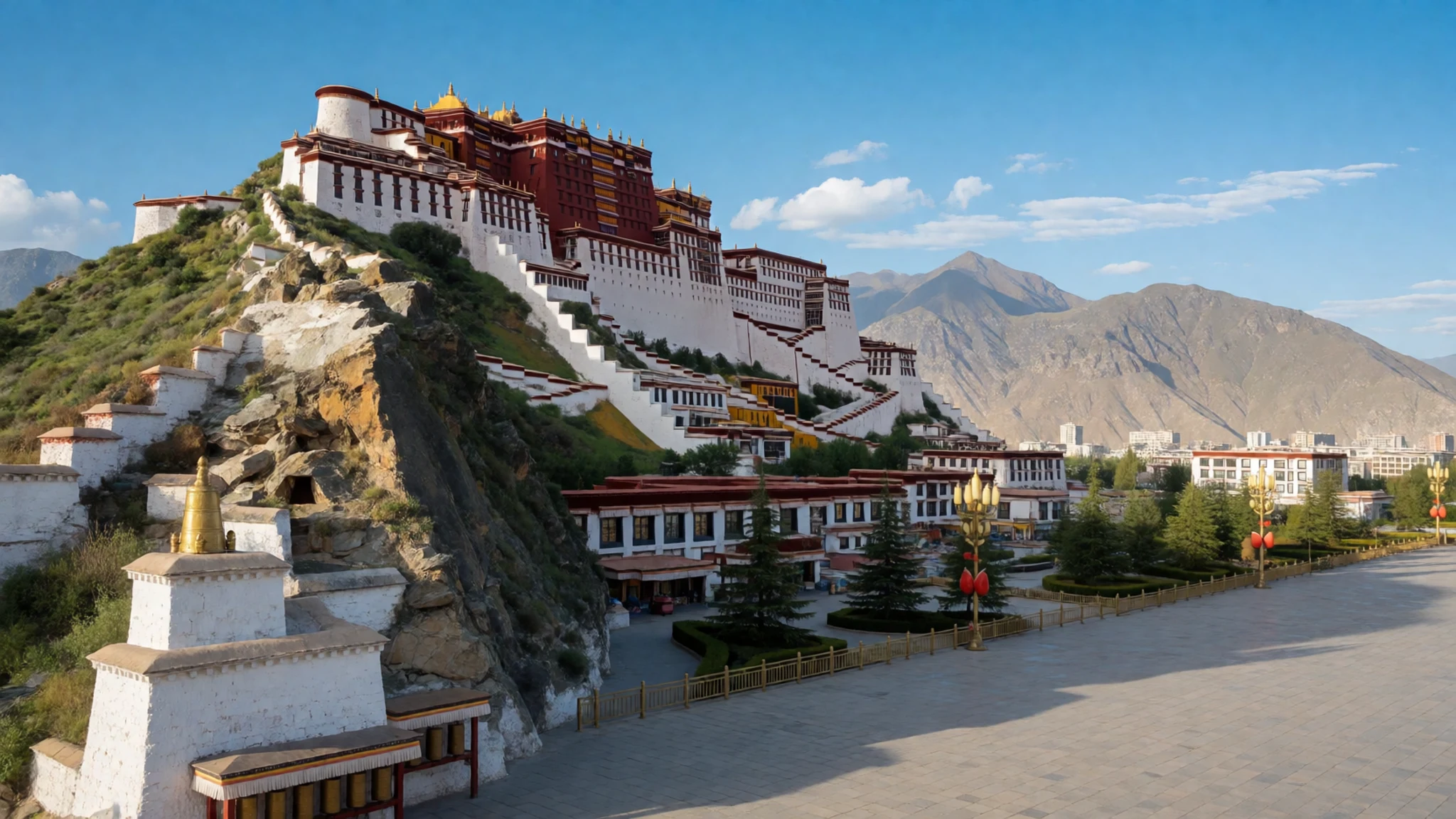
- Jokhang Temple and Barkhor Street — Central old city, Lhasa
Jokhang Temple and Barkhor Street form the vibrant spiritual and commercial heartbeat of the old city. Pilgrims complete traditional circuits around the sacred temple complex while traders sell crafts, ritual items, and textiles along the ancient stone-paved thoroughfare.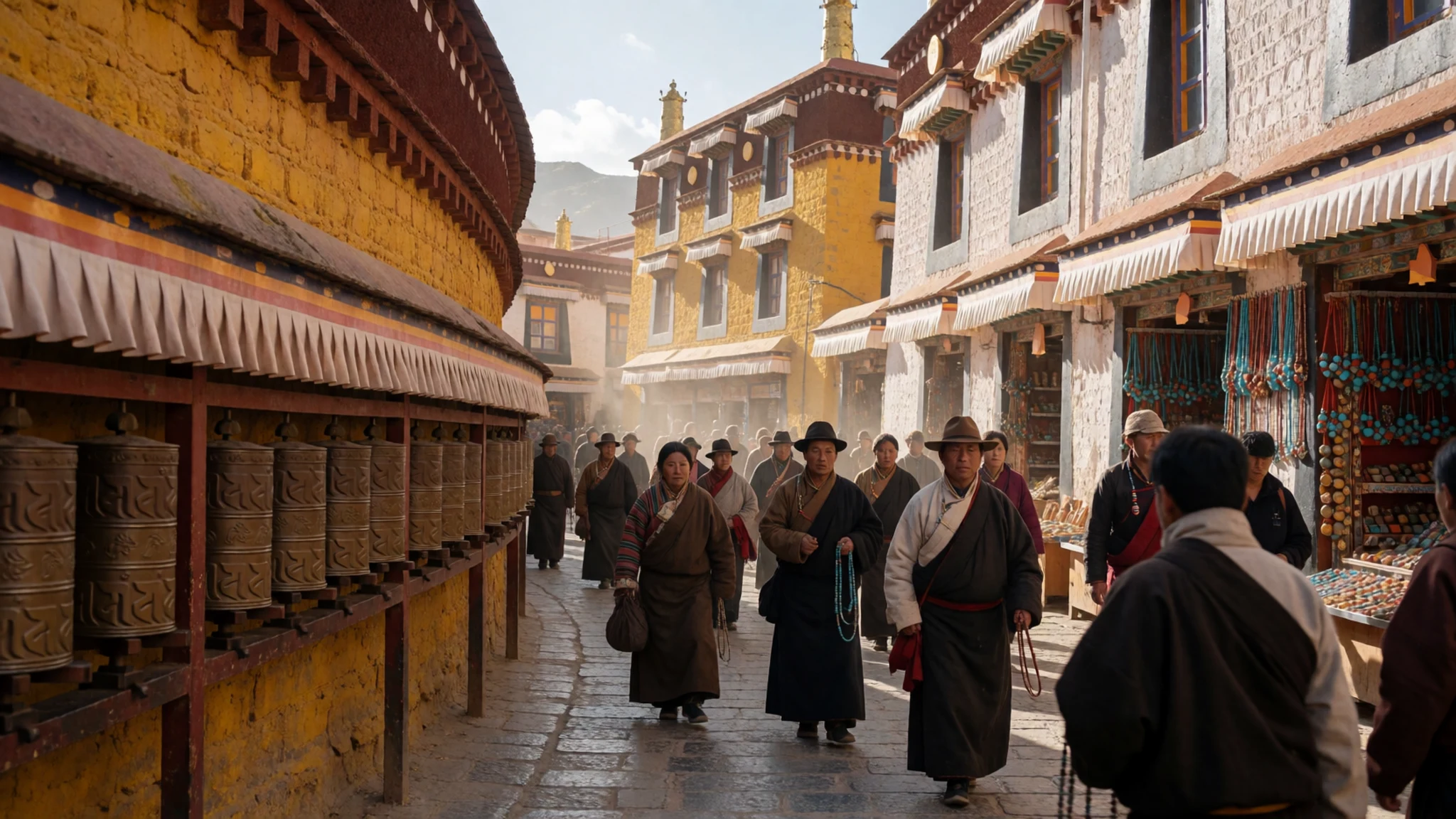
- Norbulingka — Western woodlands, Lhasa
Norbulingka served as the traditional summer palace for the leaders of the tradition, nestled within quiet wooded grounds outside the dense urban centre. The estate features sprawling gardens, pavilions, and quiet ponds designed for seasonal retreat and relaxation away from the formal administrative halls.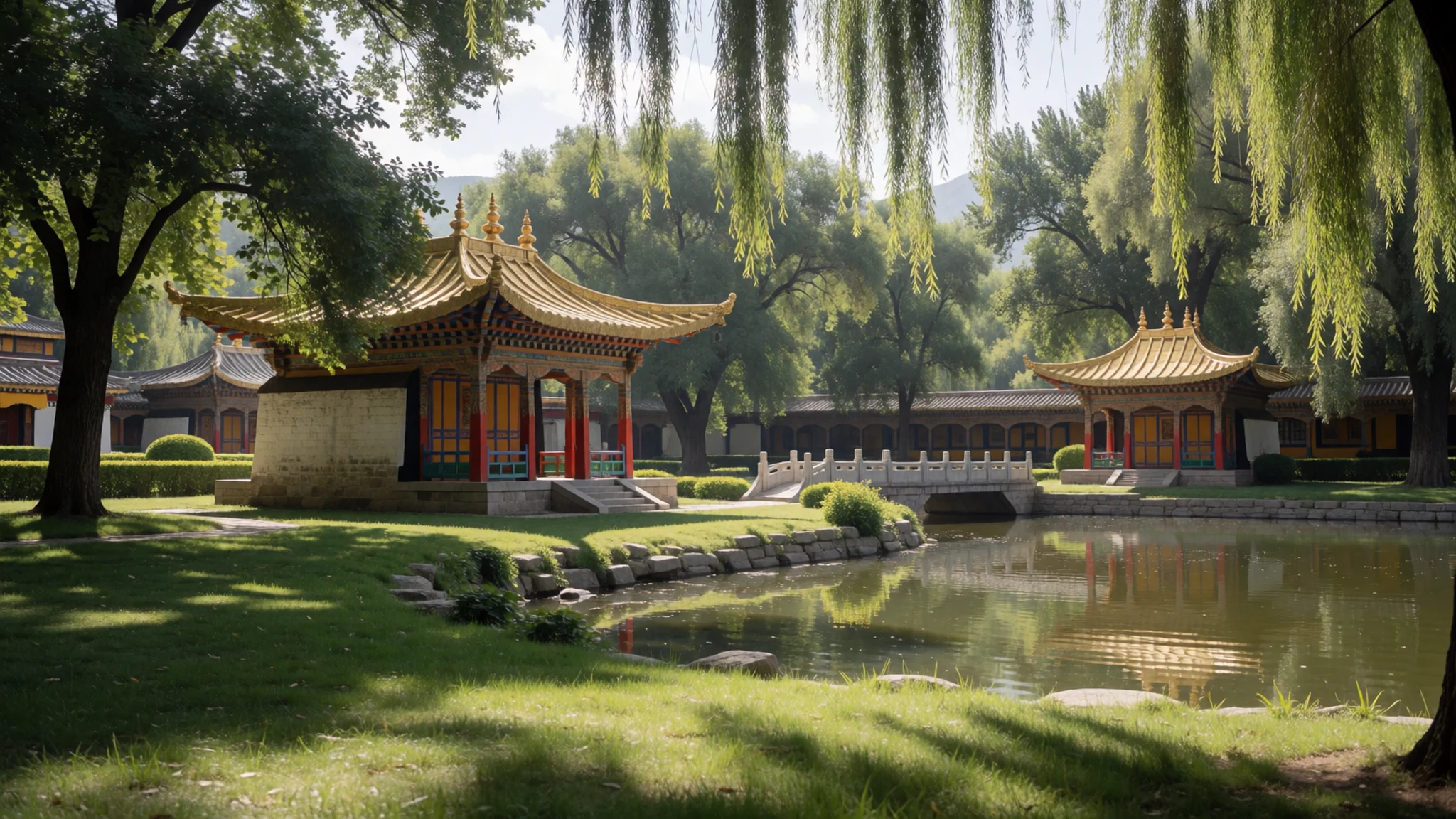
Culture
Culture at Drepung Monastery is deeply rooted in Tibetan Buddhist traditions, where daily life revolves around communal chanting, philosophical debate, and devotional practice. Monks follow rigorous schedules dictated by prayer bells and seasonal rituals, maintaining customs that have been passed down through generations. Visitors interacting with monks and local pilgrims should always approach with patience, quiet respect, and an awareness of sacred boundaries. Photography rules vary strictly between outdoor courtyards and dark inner chapels where deities reside, so travellers must look out for signage or ask permission before lifting a camera. Always remove hats inside sacred halls, speak in hushed tones, and walk clockwise around shrines, stupas, and monastic walls in accordance with local custom.
What to wear
Fashion around Drepung Monastery combines traditional garments with durable modern layers suited to high-altitude mountain weather. Traditional attire includes heavy woollen chuba robes tied at the waist with woven sashes, paired with sturdy leather boots designed for rocky terrain and cold winds. Local residents and visiting pilgrims frequently wear these layered woolen garments, often accompanied by turquoise or coral bead ornaments and woven aprons. Today, younger Tibetans and town residents also wear practical jackets, fleece pullovers, and trousers for everyday convenience. Visitors should dress modestly out of respect for the religious site, ensuring shoulders and knees are fully covered. Because mountain weather shifts rapidly between intense sunshine and biting winds, travellers must wear layered clothing, sturdy walking shoes with good grip for steep stone paths, sunglasses, and sun protection.
What to eat
- Yak Butter Tea — Tea stalls and local eateries around Lhasa
Yak Butter Tea is the most famous traditional drink across the plateau, churned from fermented tea leaves, yak butter, and salt. It is served hot in bowls throughout the day to warm travellers against the cold mountain air.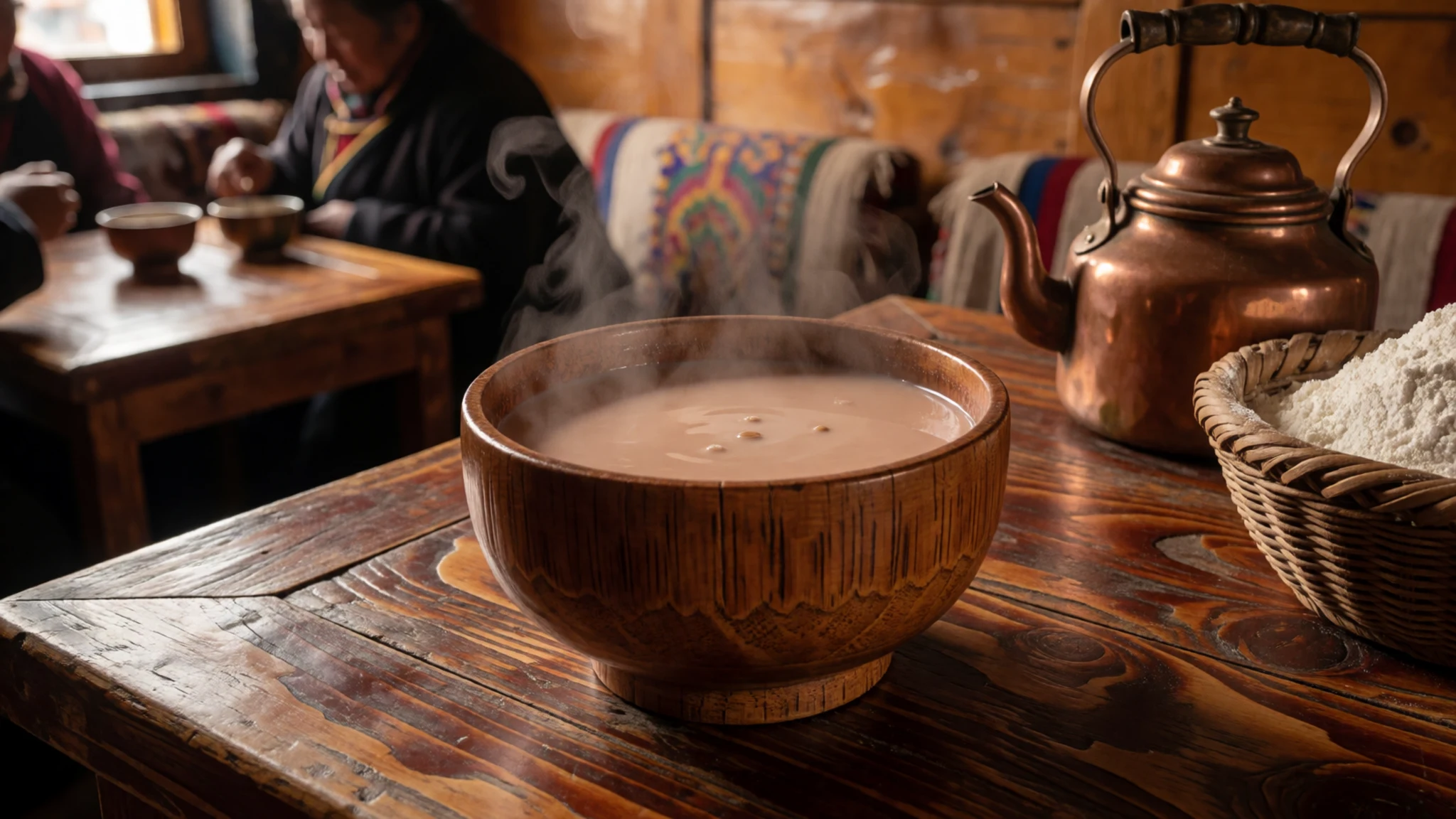
- Yak Burger — Cozy upstairs restaurant located directly above Pentoc Giftshop
Yak Burger is a hearty local adaptation of the classic sandwich, featuring savoury minced yak meat patty served in a soft bun with crisp fries on the side. It provides a filling meal after a long morning of walking up steep monastic slopes.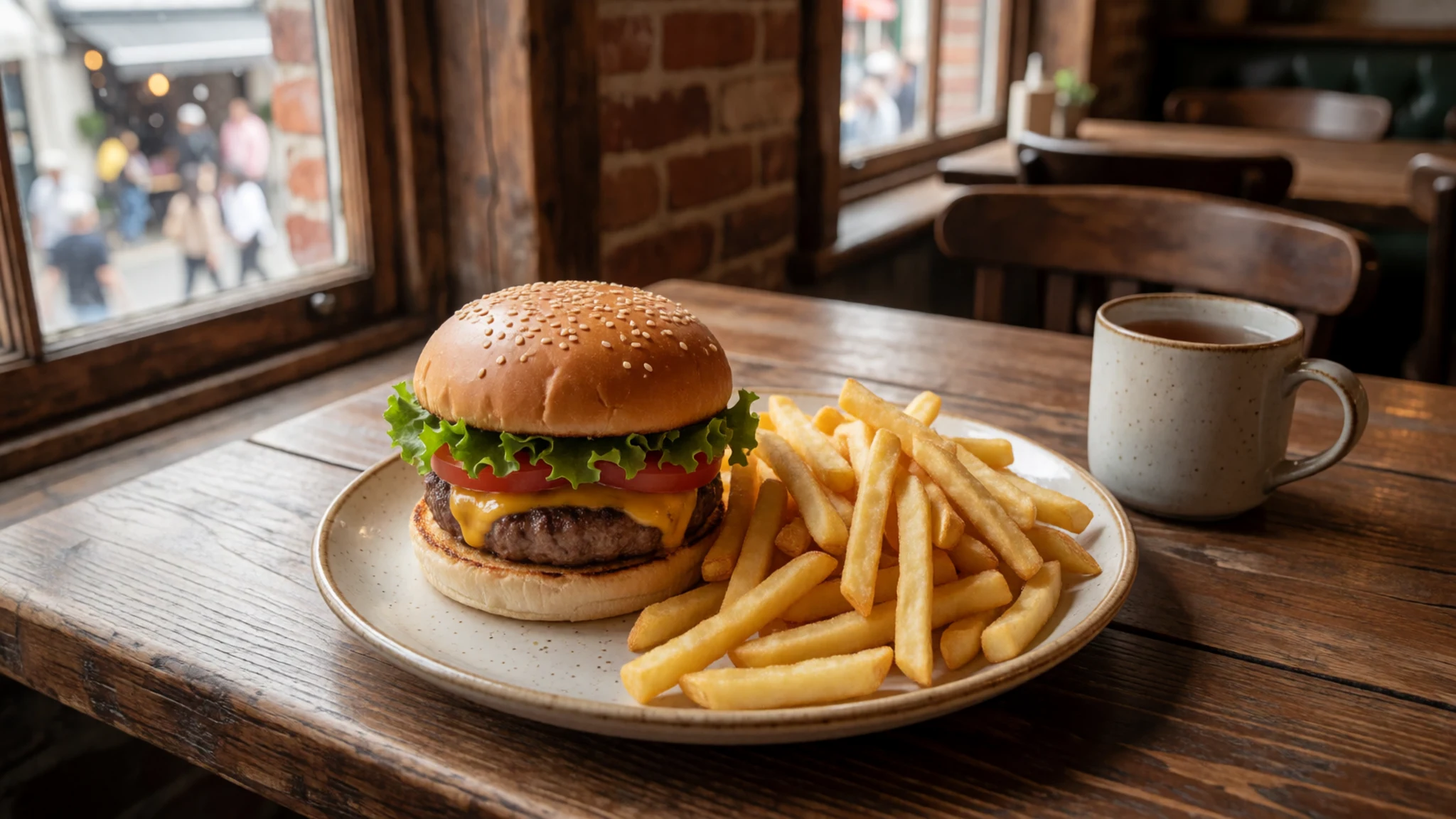
- Thukpa — Traditional noodle shops and family-run eateries across the old city
Thukpa is a comforting noodle soup filled with handmade wheat noodles, vegetables, and tender chunks of meat in a clear, warming broth. It is a staple comfort dish enjoyed by locals and visitors alike during chilly mountain evenings. - Tsampa — Local tea houses and morning markets throughout Lhasa
Tsampa is the foundational staple food of the region, made from roasted barley flour that is mixed with butter tea or water and kneaded by hand into small edible dough balls. It has sustained travellers and monks across high-altitude plateaus for centuries.
Plan it
Best time. May to September offers the most temperate daytime weather and clear skies for exploring the high-altitude mountain terrain, though summer brings occasional rain.
How long. 2–3
Getting there. Fly into Lhasa Gonggar Airport (LXA), then take a taxi or shuttle bus into the city centre before heading out to the monastery on the western outskirts.
Budget. mid
Tips
- Acclimatise to the high altitude for a couple of days in the city before attempting the steep walk up to the monastery.
- Carry sufficient physical cash in small denominations, as cards are rarely accepted at ticket desks and rural stalls.
- Drink plenty of water throughout the day to combat the dry mountain air and prevent altitude sickness.
- Start your visit early in the morning to experience the quietest hours before tour groups arrive.
Etiquette
- Always walk in a clockwise direction around shrines, altars, and monastic buildings.
- Remove your hat when entering prayer halls and sacred indoor chapels.
- Ask permission before photographing monks or local worshippers inside religious spaces.
Nearby
Sources
- Wikidata Q241937 (CC0)
- Wikipedia (CC BY-SA 4.0)
- Wikivoyage (CC BY-SA 4.0)