Drakensberg
Drakensberg, South Africa
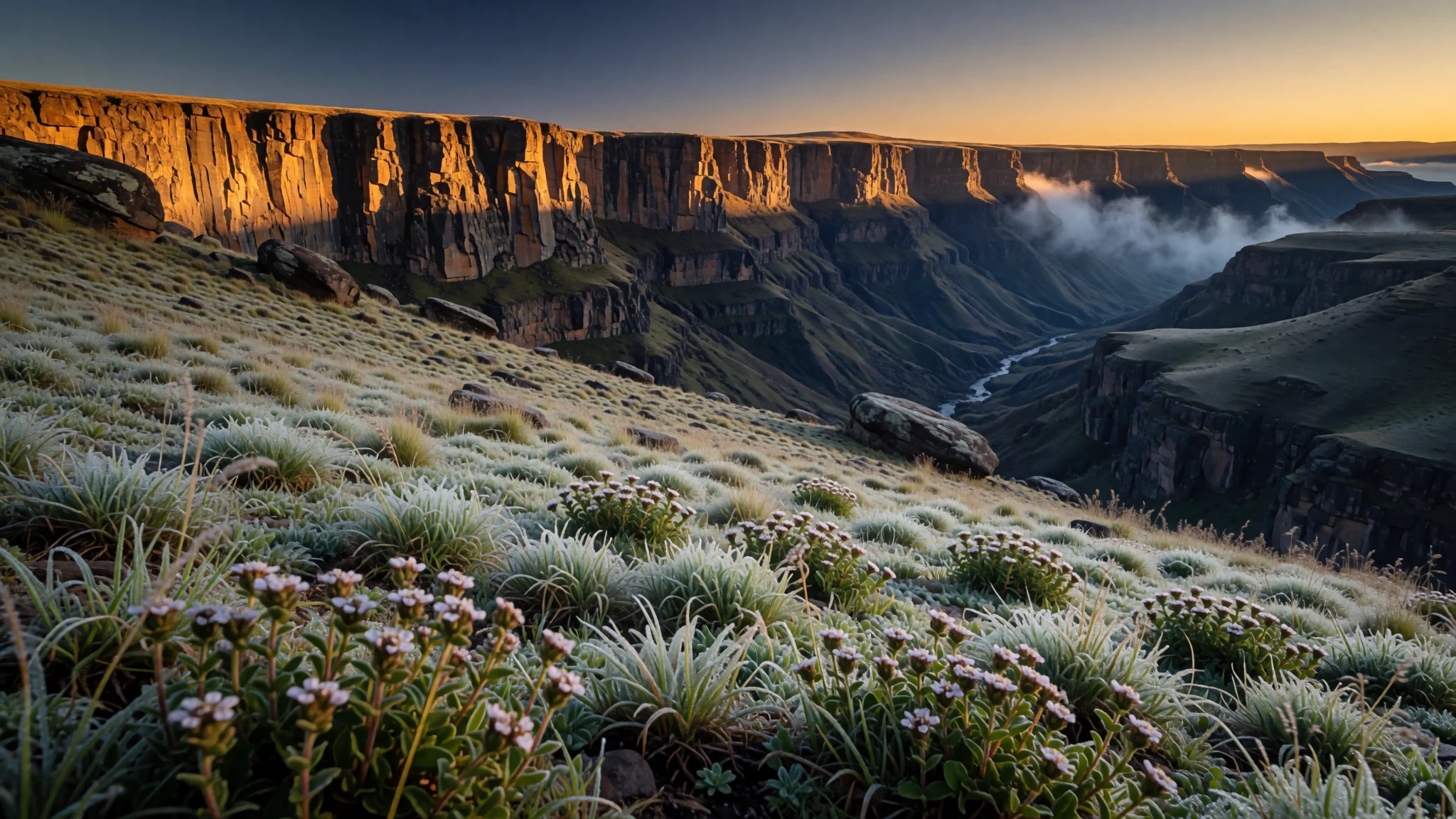
Go to the Drakensberg for monumental basalt cliffs, ancient rock art, and high altitude trails along Southern Africa's great escarpment.
The place
The Drakensberg forms the towering eastern bulwark of the great interior plateau, stretching for more than a thousand kilometres across Southern Africa. This vast barrier defines international borders and changes character entirely as it runs from the southern ridges up through the high peaks of the border region with neighbouring kingdoms, continuing further north into rolling green canyons and misty northern mountains. The scale is immense, with sheer rock walls plunging into deep river valleys and high altitude grasslands that roll away toward the horizon under vast open skies. Weather here can shift in minutes, turning bright morning sunshine into sudden mountain mists or thunderstorms that feed countless clear streams and plunging cataracts. Walking these paths means moving through a world shaped by immense geological forces, where the air is thin and crisp, and every ridge reveals a new perspective over dramatic slopes and shadowed gorges. It is a landscape that demands respect from travellers, rewarding careful planning with quiet wilderness, solitude, and sweeping views that stretch across multiple provinces and beyond.
Its story
Long before European travellers mapped these heights, the Drakensberg was the spiritual home of the San people, who left a remarkable record of their lives painted onto sheltered sandstone overhangs and cave walls across the foothills. These delicate ochre and charcoal images depict eland, ritual dances, and visions of the spirit world, serving as a profound cultural legacy etched directly into the rock. The geological formation of the range itself tells an even older story of ancient continental breakup, when massive subterranean activity forced molten basalt up through the crust to cap the older sandstone layers in thick, dark sheets. When European farmers and explorers arrived centuries later, they called the steep, jagged rampards by a name evoking mythical dragons, sensing the formidable barrier the mountains presented to anyone trying to cross from the coast to the interior plateau. Today, the valleys and peaks preserve both the deep history of early hunter-gatherers and the pioneering tales of later sheep farmers, mountaineers, and conservationists who fought to protect these fragile alpine ecosystems from overuse while keeping the remote interior accessible to thoughtful explorers.
What to see
- Tugela Falls — Royal Natal National Park
Tugela Falls drops in multiple distinct leaps within the boundaries of Royal Natal National Park. Fed by high mountain snowmelt and rainfall, the cascading water plunges over the edge of the great plateau in a dramatic series of drops that catch the morning light before vanishing into the forested gorge below.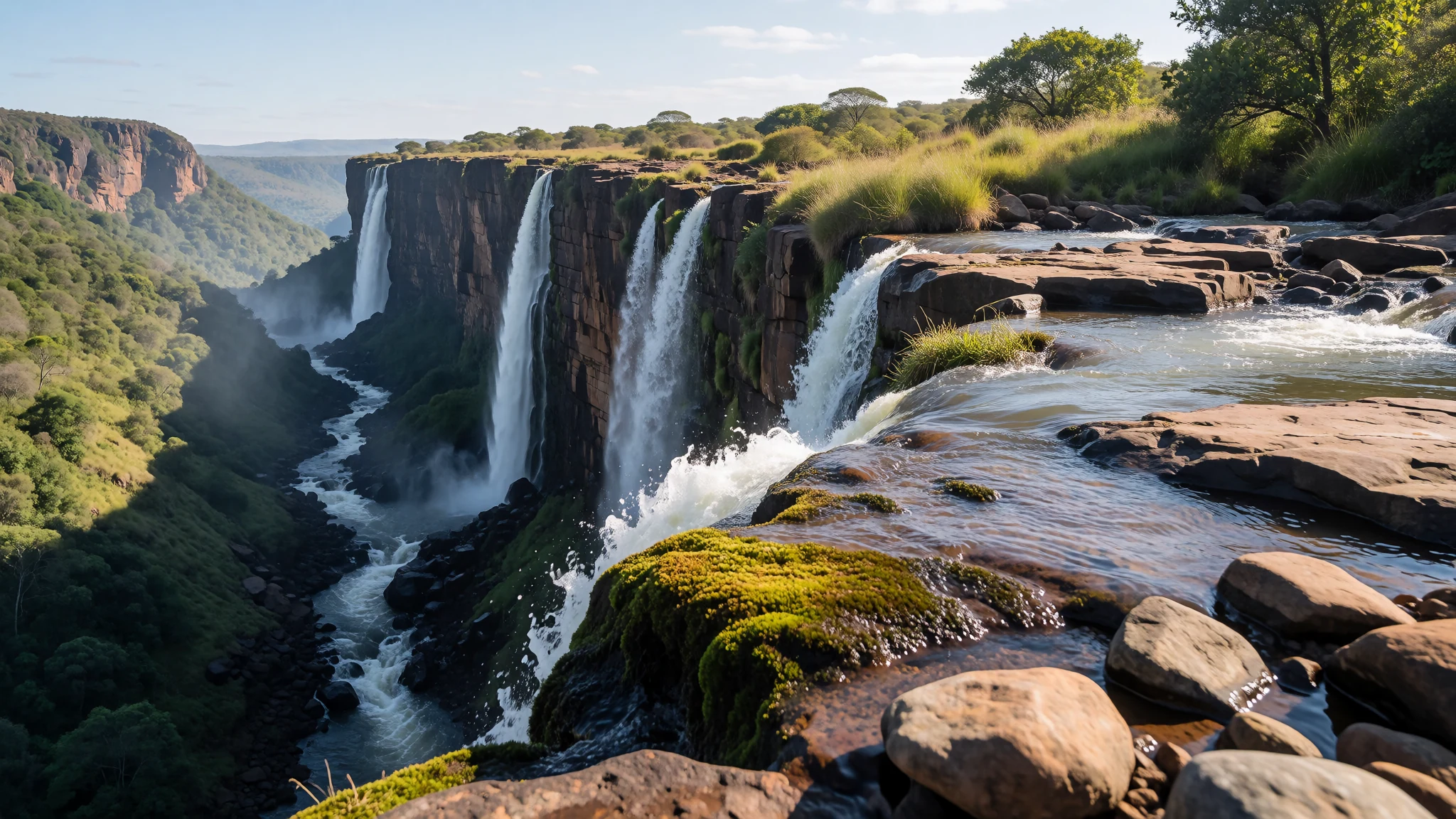
- The Amphitheatre — Royal Natal National Park
The Amphitheatre is a stupendous wall of dark basalt towering over the green river valleys below. Hikers can traverse the sweeping natural semicircle of rock or take the chain ladders right up onto the exposed summit plateau for panoramic views that stretch across the entire region.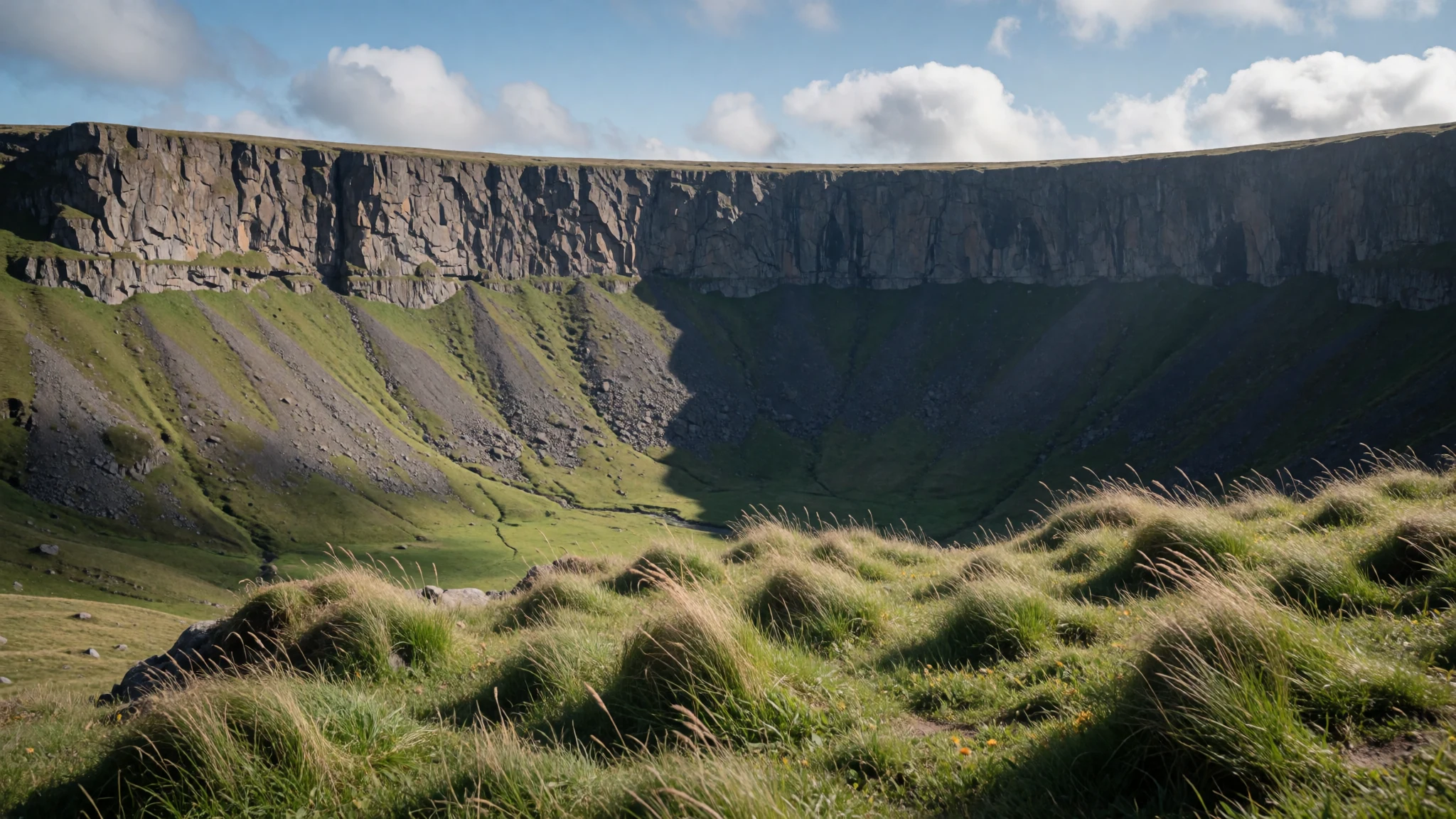
- Sani Pass — Border region
Sani Pass climbs a steep mountain route that requires a capable four-wheel drive vehicle to navigate safely through the border territory. The track zigzags up the sheer escarpment wall, passing from the lower South African gate into neighbouring high altitude territory with remarkable views at every turn.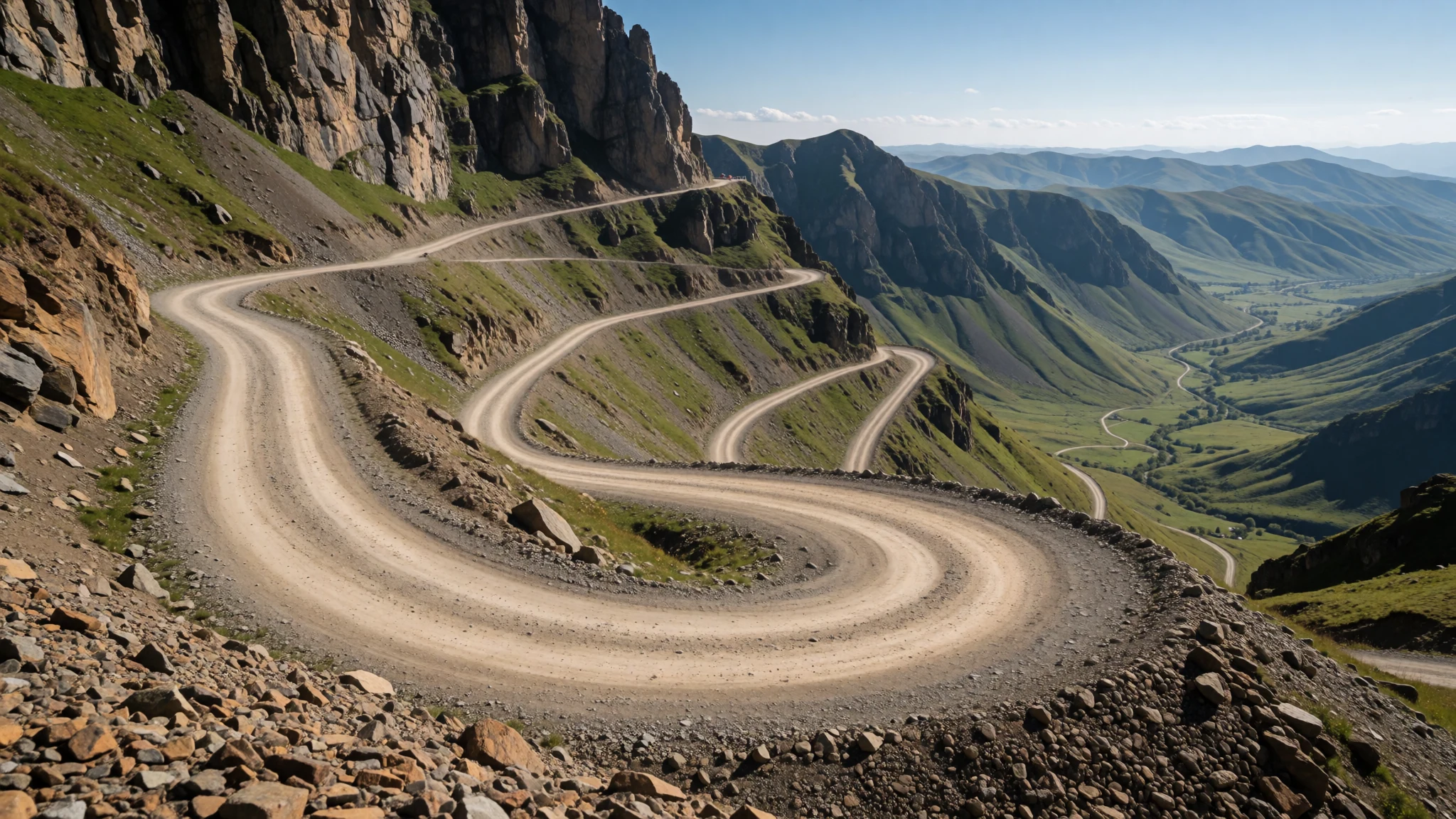
- Giant's Castle — Central Drakensberg
Giant's Castle is a massive spur of rock that dominates the central range with sweeping views and well-maintained hiking paths. The surrounding reserve encompasses deep river valleys, rolling high altitude grasslands, and important heritage sites preserving traditional San rock paintings.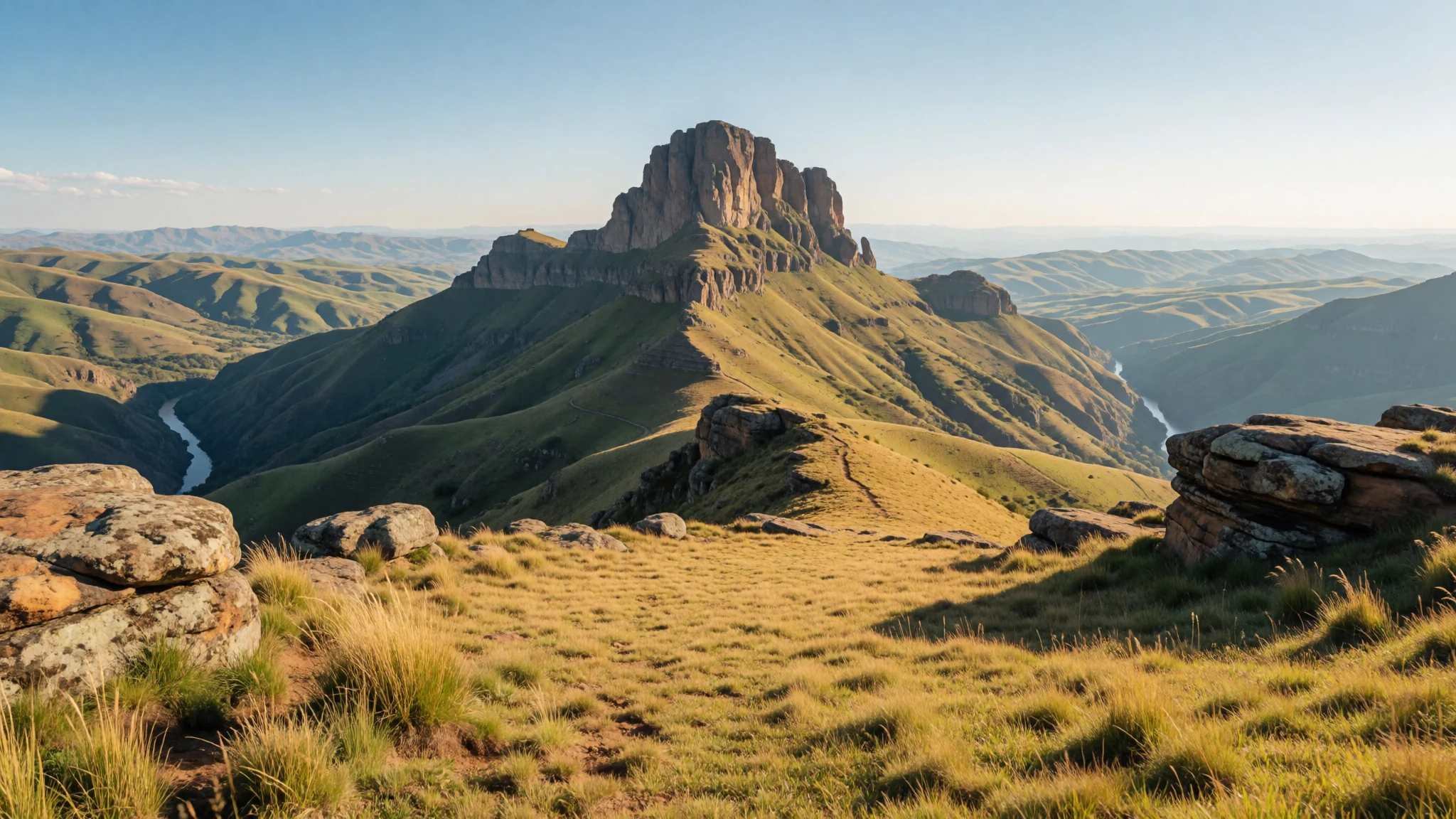
- Monk's Cowl Nature Reserve — Northern Drakensberg
Monk's Cowl serves as the primary gateway into the rugged Mlambonja and Mdedelo wilderness areas. The reserve offers shaded forest trails alongside rushing streams, steep ridge ascents for experienced hikers, and dramatic outlooks toward towering basalt pinnacles.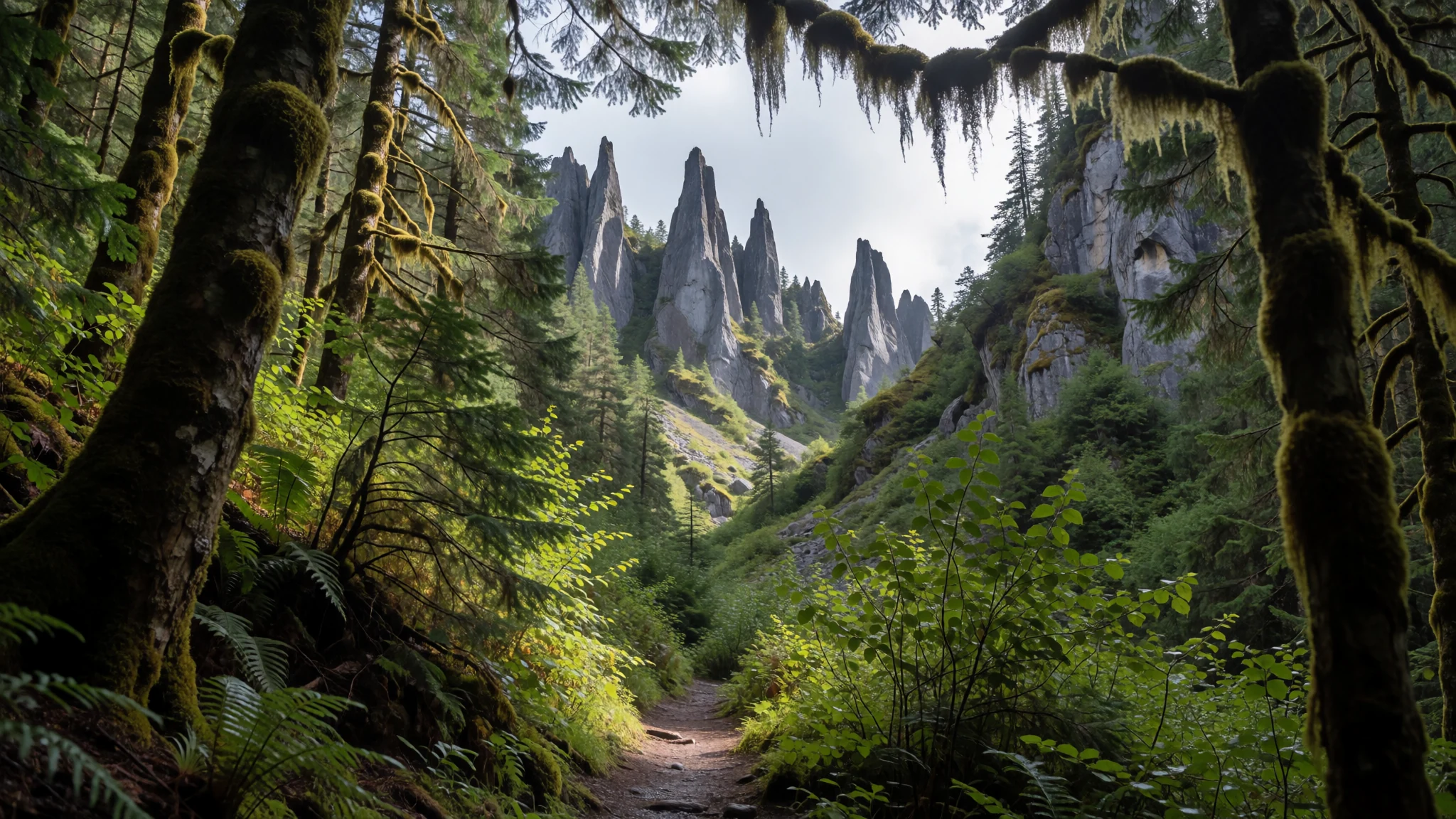
Culture
Mountain culture here is defined by a strong outdoor ethos, blending farming traditions with a deep respect for conservation and wilderness preservation. Local communities along the foothills and rural access roads maintain strong ties to the land, with Zulu and Sotho heritage woven into daily life, language, and the management of regional reserves. Traditional hospitality is warm and straightforward, found in local guesthouses, farm stalls, and family run lodges where visitors gather around open hearths after a long day of walking. Traditional crafts, particularly woven grass baskets and beadwork made by artisan cooperatives, reflect generations of local skill and artistic expression. When visiting rural villages or historical rock art shelters, always approach with humility, respect local custodianship, and never touch the ancient painted surfaces, as oils from human skin can permanently damage the fragile pigments.
What to wear
Clothing in the Drakensberg is entirely practical, driven by the unpredictable mountain climate rather than passing fashion trends. Locals and experienced hikers dress in durable layers, combining breathable moisture-wicking shirts with fleece jackets and sturdy waterproof shells because temperatures can plummet rapidly even after a warm afternoon. Sturdy, broken-in hiking boots with good ankle support are essential footwear for tackling uneven rock, loose gravel, and steep trail gradients. For everyday dining at local farm stalls, lodges, and country guesthouses, smart casual attire such as jeans, wool jumpers, and comfortable walking shoes is standard. Visitors should always pack a warm windproof hat, UV-blocking sunglasses, and reliable sun protection because the high altitude atmosphere offers much less shelter from intense ultraviolet radiation.
What to eat
- Boerewors and Braai — Local lodges and farm restaurants
Boerewors is a spiced beef and pork sausage traditionally cooked over open wood coals during an outdoor braai. You can find hearty braai meals served alongside crisp salads and homemade bread at farm restaurants and lodge dining rooms across the region. - Pap and Chakalaka — Country eateries and traditional kitchens
Pap is a stiff maize porridge served hot as a comforting staple alongside spicy vegetable relish known as chakalaka. This traditional pairing is widely available at country eateries and rural community dining spots throughout the foothills. - Farmhouse Scones and Jam — Farm stalls along the R600
Freshly baked scones served with thick cream and local berry jam are a beloved regional tradition following a long morning walk. Look for these comforting afternoon treats at country farm stalls and tea gardens dotted along the R600 route. - Crusted Mountain Trout — Valley restaurants and country inns
Fresh freshwater trout, raised in cool upland streams, is often pan-fried or herb-crusted and served with seasonal garden vegetables. Many country inns and valley restaurants feature locally caught trout on their evening menus.
Plan it
Best time. April to May offer the most comfortable walking weather, while June to August are dry but bring freezing nights and thick snow on the high peaks, and the summer months from December to February bring the heaviest rain, with January the wettest month and afternoon thunderstorms.
How long. 3–4
Getting there. Fly into Durban for the closest international airport connection, then rent a car or arrange a private transfer to drive inland via the N3 highway toward the mountain reserves.
Budget. mid
Tips
- Pack windproof and waterproof gear because mountain weather can change instantly at any time of year
- Avoid driving regional gravel access roads after dark due to livestock and pedestrians
- Carry cash for small craft purchases and local park fees where card machines may fail
- Bring water purification tablets or a portable filter when drinking from natural streams
Etiquette
- Never touch ancient San rock art panels under any circumstances
- Close farm gates behind you if walking across private agricultural land
Nearby
Sources
- Wikidata Q183295 (CC0)
- Wikipedia (rev 1373348481) (CC BY-SA 4.0)
- Wikivoyage (rev 5344360) (CC BY-SA 4.0)
- Photo 01-monks-cowl-15127602555.jpg (CC BY-SA 2.0)
- Photo 02-south-africa-drakensberg-16261357780.jpg (CC BY 2.5)
- Photo 07-giantscastlepanoramasmall.jpg (CC BY 3.0)


