Doñana National Park
Doñana National Park, Spain
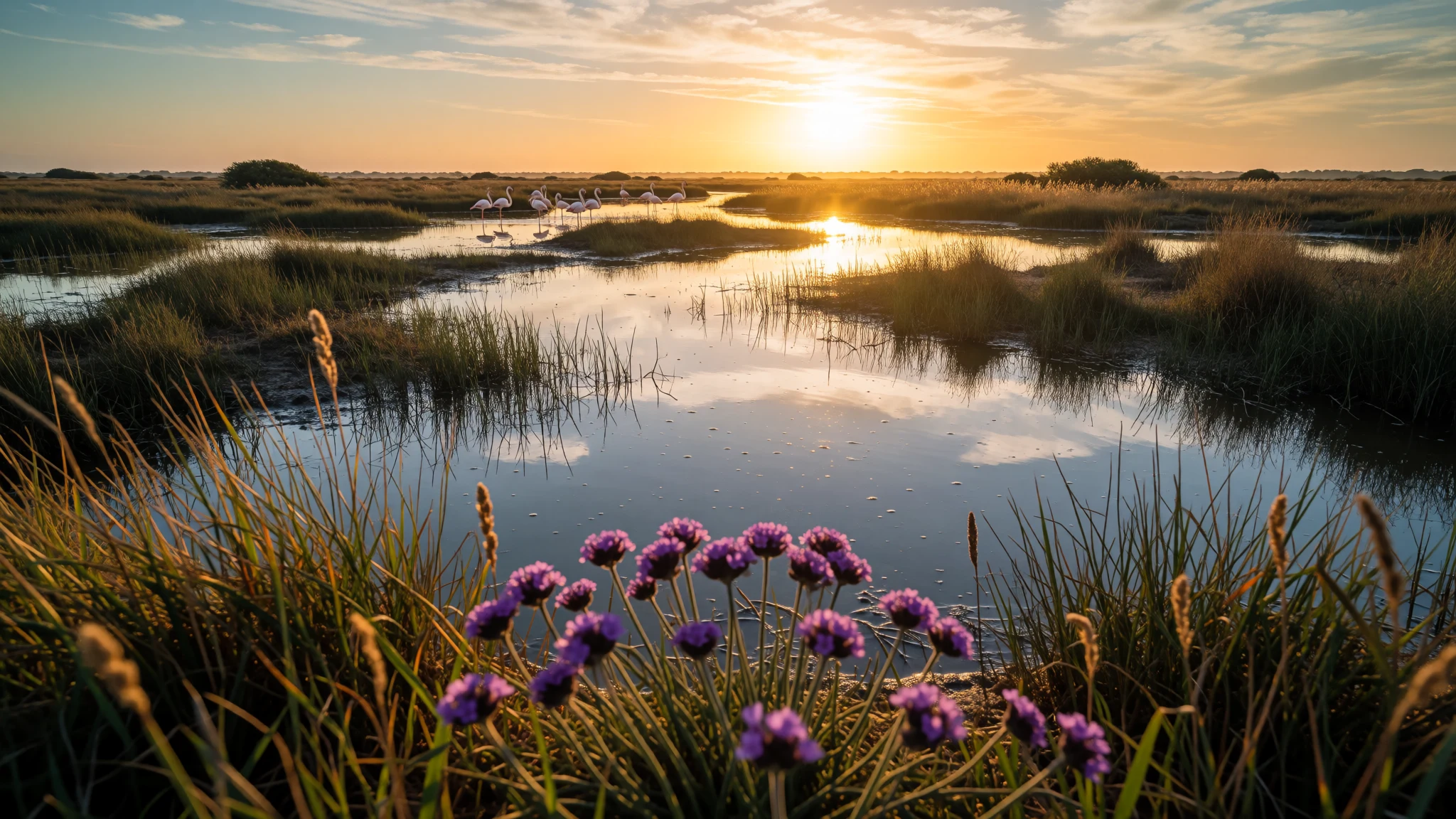
Doñana is where dunes, marshes and shallow channels meet—an easy day-trip feel in parts, with real wildlife patience built in.
The place
Doñana National Park (Parque Nacional y Natural de Doñana) sits in Andalusia in southern Spain, spread across the provinces of Huelva, Cádiz and Seville, with much of it in the municipality of Almonte. The landscape is the star: the Las Marismas wetland area, shallow streams, and broad sand dunes. In practice, it’s an ever-changing mosaic—water that can look calm one moment and turn wind-rippled the next, then a sudden sweep of dune and scrub as you move between habitats.
The park’s story is closely tied to water. Doñana is named after Doña Ana de Silva y Mendoza, wife of the 7th Duke of Medina Sidonia, but the living, breathing “character” of the place is its marsh-and-delta setting. As the Guadalquivir flows towards the Atlantic, the wetland lowlands form an important refuge for wildlife. It also means the ecosystem has faced constant pressure, particularly from draining marshland and using river water to support agriculture along the coast.
It’s also a place of practical decisions. Some visitor areas are set up for easy access and viewing, while other parts are best reached by organised routes or by using the visitor-centre hubs (especially around El Acebuche and El Rocío). Crowds are manageable most days, but weekends and school holidays around nearby coastal towns can add traffic and busier facilities. The park works best with time, layers of clothing for breezes, and a willingness to “watch and wait” more than “dash and see”.
Its story
Doñana National Park’s history reaches way back before modern conservation, even if the topography itself is relatively recent on a geological timescale. Archaeology points to human presence in the area for thousands of years. A few different ancient peoples are often associated with the region, and later accounts include research into mythical ideas and lost cities.
One thread is the sheer scale of the landscape—marshes and dunes that have long shaped settlement patterns. The Guadalquivir marshes were once described in broader classical terms as a large inland lake, which fits the way water and land trade places in Doñana. That watery setting helped attract communities involved in fishing and fish processing.
In the 20th century, the narrative shifts from exploration and agriculture pressures to protection. A key turning point came in 1969, when the Spanish government and WWF collaborated to buy and protect part of the marshes. The goal was simple: keep a vital wetland system functioning rather than letting it be fully drained.
That conservation focus remains relevant today. Doñana is not just scenery—it’s a working ecosystem under stress from water extraction, pollution pressures upriver, and changes that come with nearby development and tourism infrastructure. The result is a place that feels alive and purposeful, where history isn’t a museum piece. It’s written into the channels, the reeds, the dunes, and the ongoing effort to keep the balance.
What to see
- Marshes and water channels of Las Marismas — Las Marismas
Doñana’s Las Marismas wetland is the heart of the park—low, watery ground with reed beds and shallow channels where you can spot birdlife as the light shifts.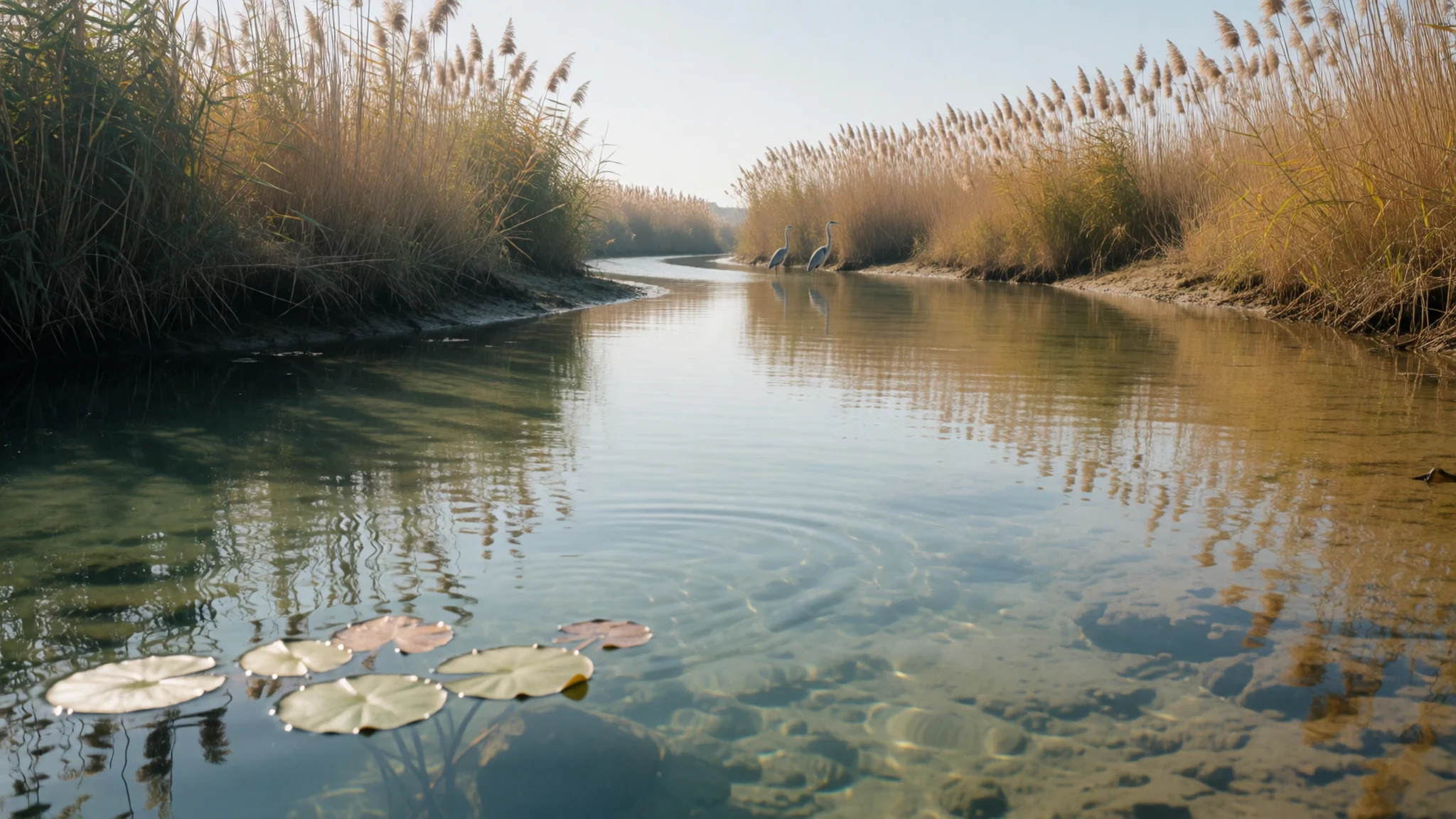
- El Acebuche viewpoints and visitor area — El Acebuche area (Almonte)
Near the El Acebuche visitor centre, viewpoints give you a steadier rhythm: walk, pause, and scan. The best sessions tend to come when the wind eases and birds become active.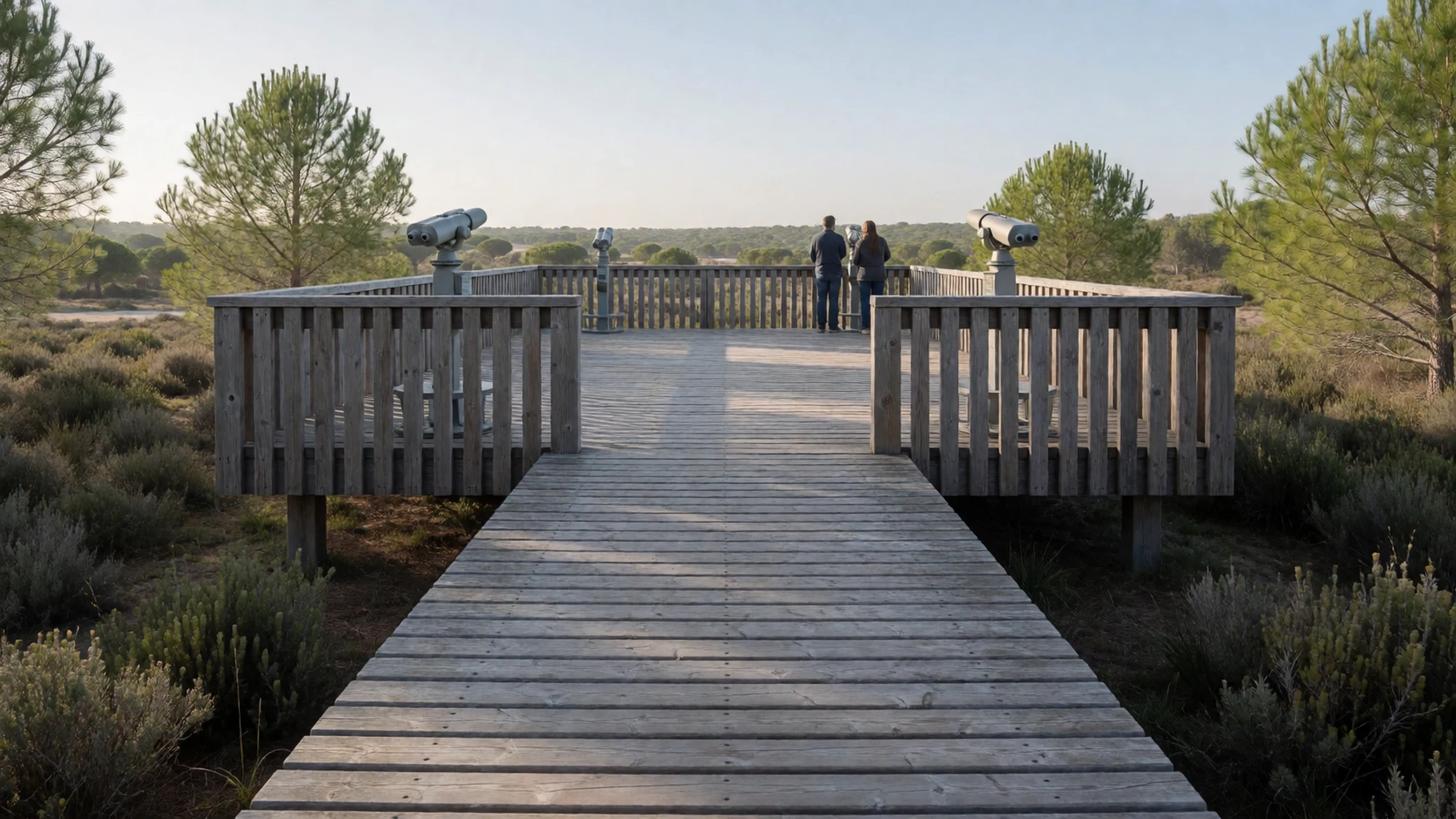
- Dune-and-wetland transition areas — Dune margins across the park
Doñana’s dunes can sit astonishingly close to wet ground. Stand where sand meets low vegetation and you get that classic dune–habitat “edge” feeling that wildlife loves.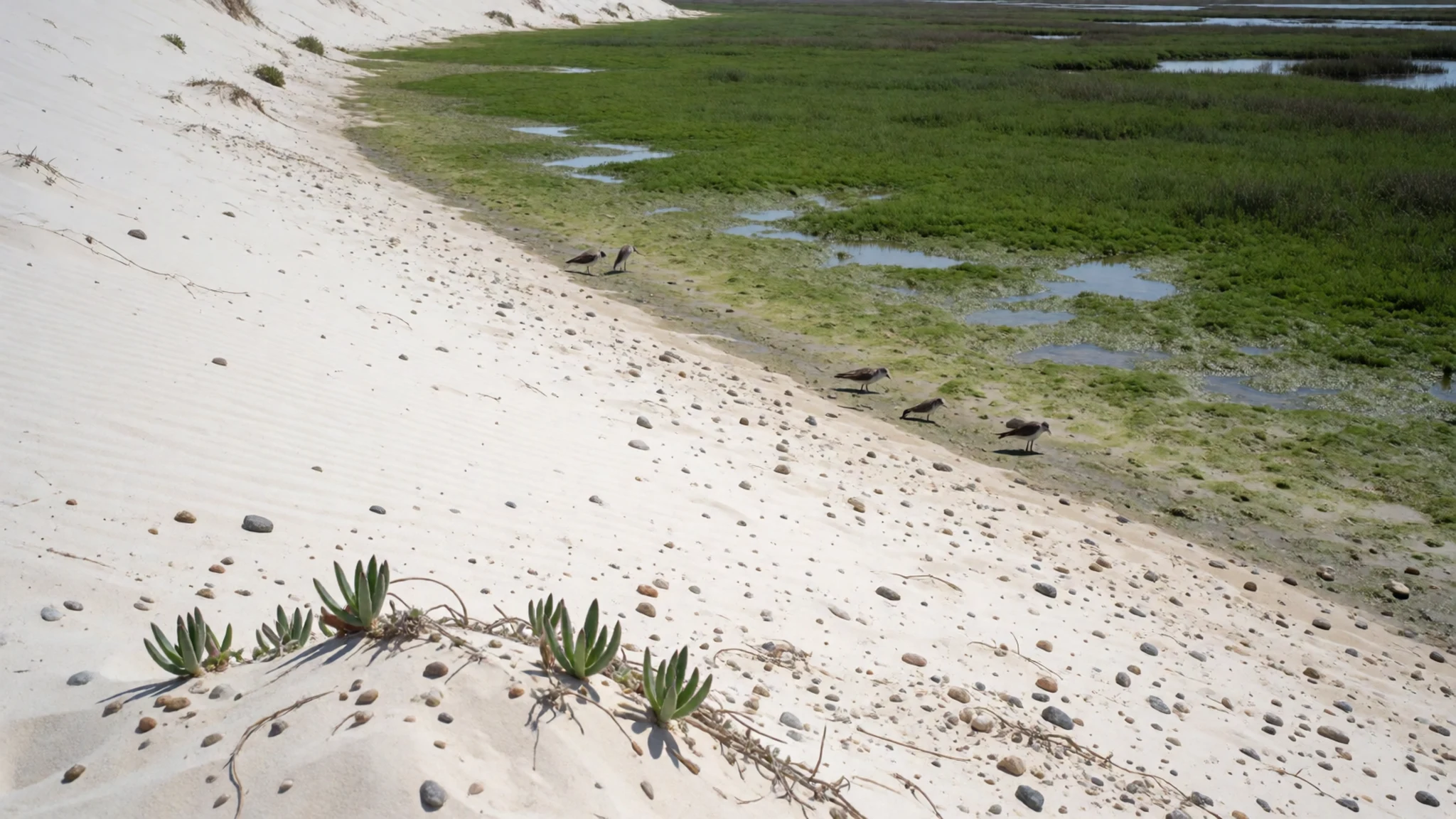
- El Rocío, on the marsh edge — El Rocío (Almonte, Huelva)
El Rocío is a small pilgrimage village on the edge of the marshes, a useful base for understanding how people live next to protected wetland landscapes—and how access works seasonally.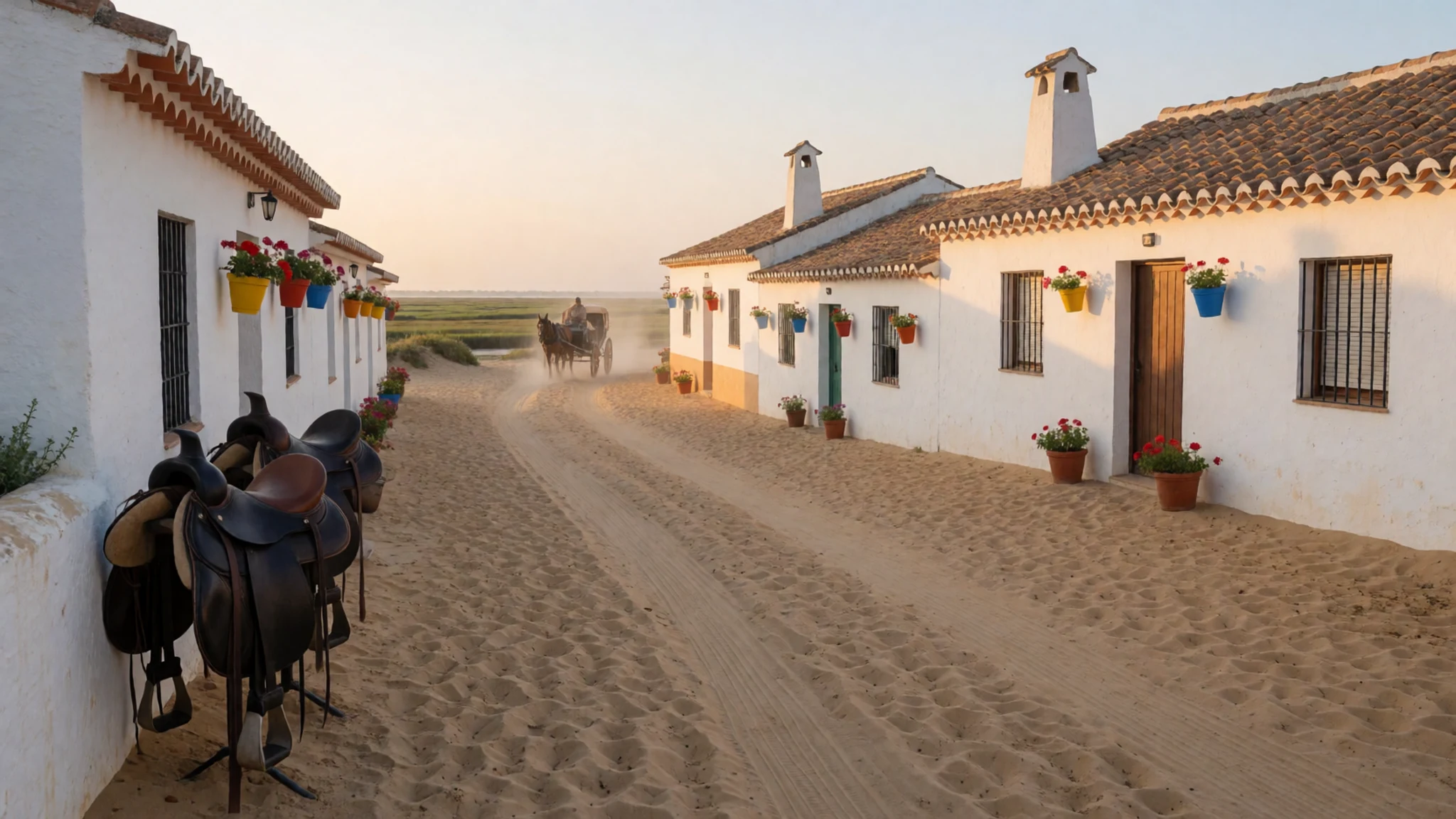
- Matalascañas and the coastal gateway — Matalascañas (Almonte, Huelva)
Matalascañas is the coastal resort side of the Doñana region. It’s convenient for getting in and out, and it helps if the park’s interior needs a rest day in the sun.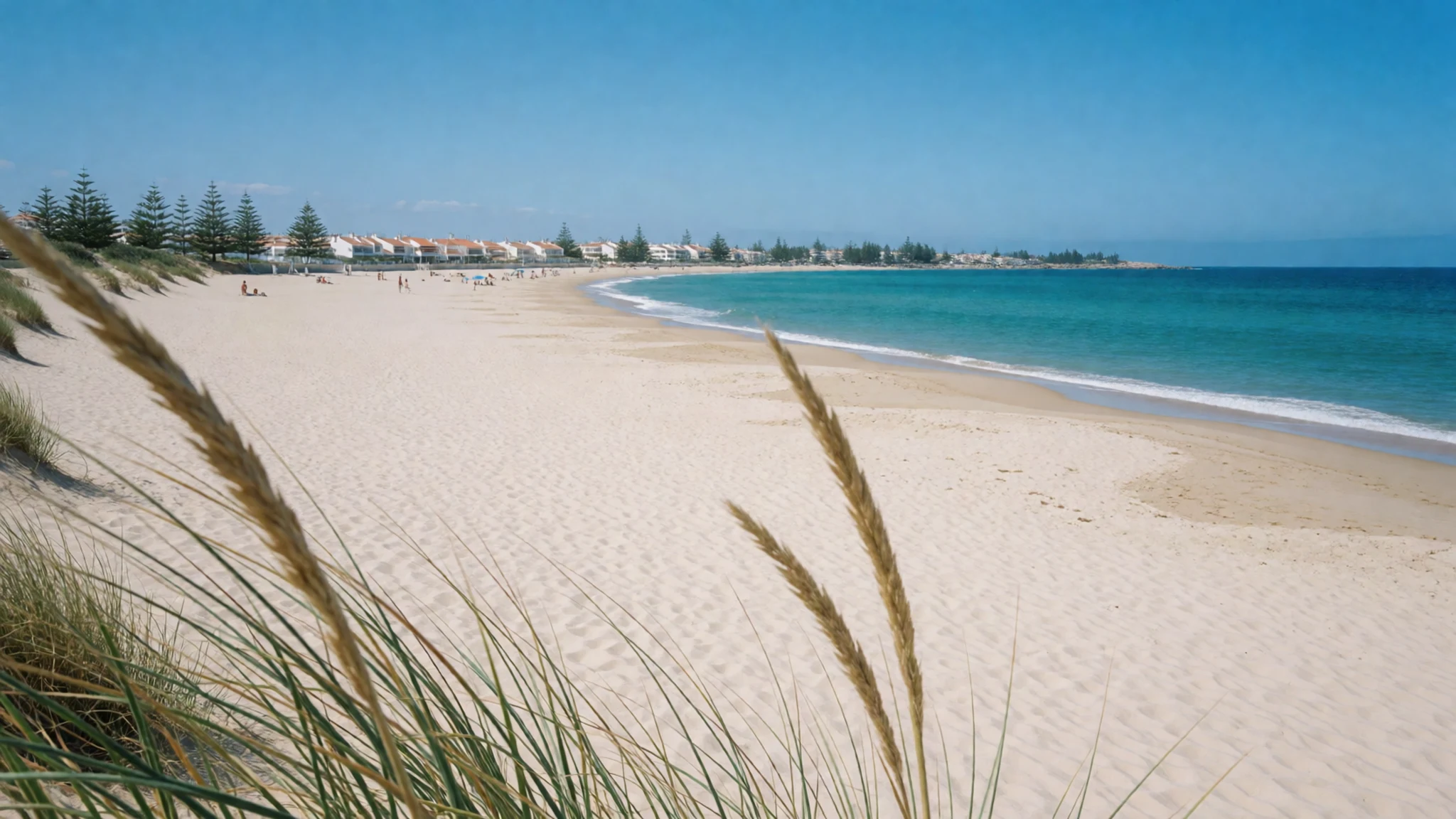
Culture
Doñana is a conservation landscape with a human coastline: nearby towns and villages shape how visitors experience the park. El Rocío, for example, sits at the edge of the marshes and reflects the rhythm of seasonal life around the protected wetlands. Matalascañas, developed as a summer enclave beside the park area, is more about access and atmosphere, with the coast acting as the “start line” for day trips.
There’s also a strong sense of place in how you move. Some areas are easiest by private vehicle, while others are connected via walking paths from access points such as El Rocío to visitor infrastructure like La Rocina. That’s why organised routes matter here: vehicles adapted to the environment let you cover ground without turning your day into a stressful logistics puzzle.
Cost-wise, the big expense for most people is transport—getting to the park region and then choosing the type of guided route or self-drive access that fits their comfort level. In warm months, the practical culture is simple: pace yourself, hydrate, and plan around the sun. Even when the crowds aren’t huge, the park’s “slow observation” culture is real—people come for birds, light and quiet, not checklists.
Visitor etiquette: keep to marked areas and respect wildlife distance—don’t approach animals or block viewing spots.
What to wear
Doñana’s weather is typically mild in a Mediterranean way, but it swings between dry, sunny conditions and wetter periods in spring and autumn. In summer, expect dry heat; in winter, conditions are cooler and damp can happen on misty days near the wetlands. That means clothing should be layered: breathable tops, a light waterproof or wind layer, and a hat for sun.
Traditional dress isn’t really central inside the park visitor areas, but the regional vibe around nearby towns in Andalusia leans towards light fabrics and practical footwear. When people dress up for local events, you’ll often see colourful, airy garments made for warm weather—yet for a visitor’s day in Doñana, comfort matters more than tradition.
What to wear now: everyday casual clothes are normal in nearby towns, but inside the park you want practicality for sand, scrub and boardwalk-style routes. Closed walking shoes (or sturdy trainers) are best; avoid flimsy sandals because paths can be uneven. Bring long sleeves if you’re prone to sunburn and a small daypack for water. If rain shows up in spring or autumn, quick-dry layers and a compact waterproof save the day.
What to eat
- Picnic at EL Acebuche — EL Acebuche picnic area
Use the picnic area by the CV El Acebuche for a simple lunch between walks. Tables and benches help, and it’s set up without barbecues, so it’s straightforward for a calm, park-day meal.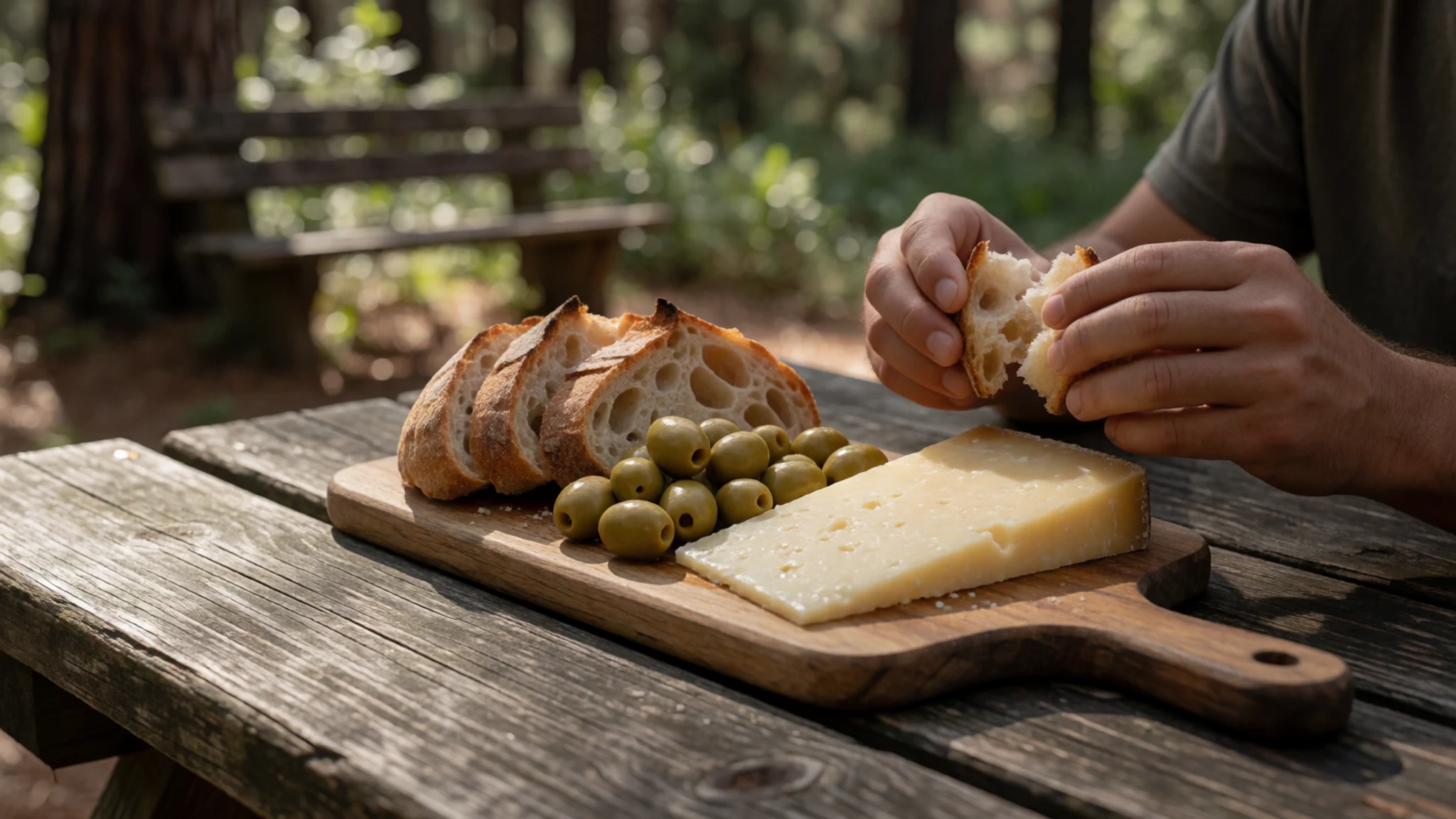
- Beach-and-road picnic at Mazagón (seasonal kiosk) — Mazagón access area by the A-494
The Mazagón picnic spot is reached via the road between Matalascañas and Mazagón and sits near the beach. There’s also a seasonal kiosk-bar for snacks, which works well if weather changes.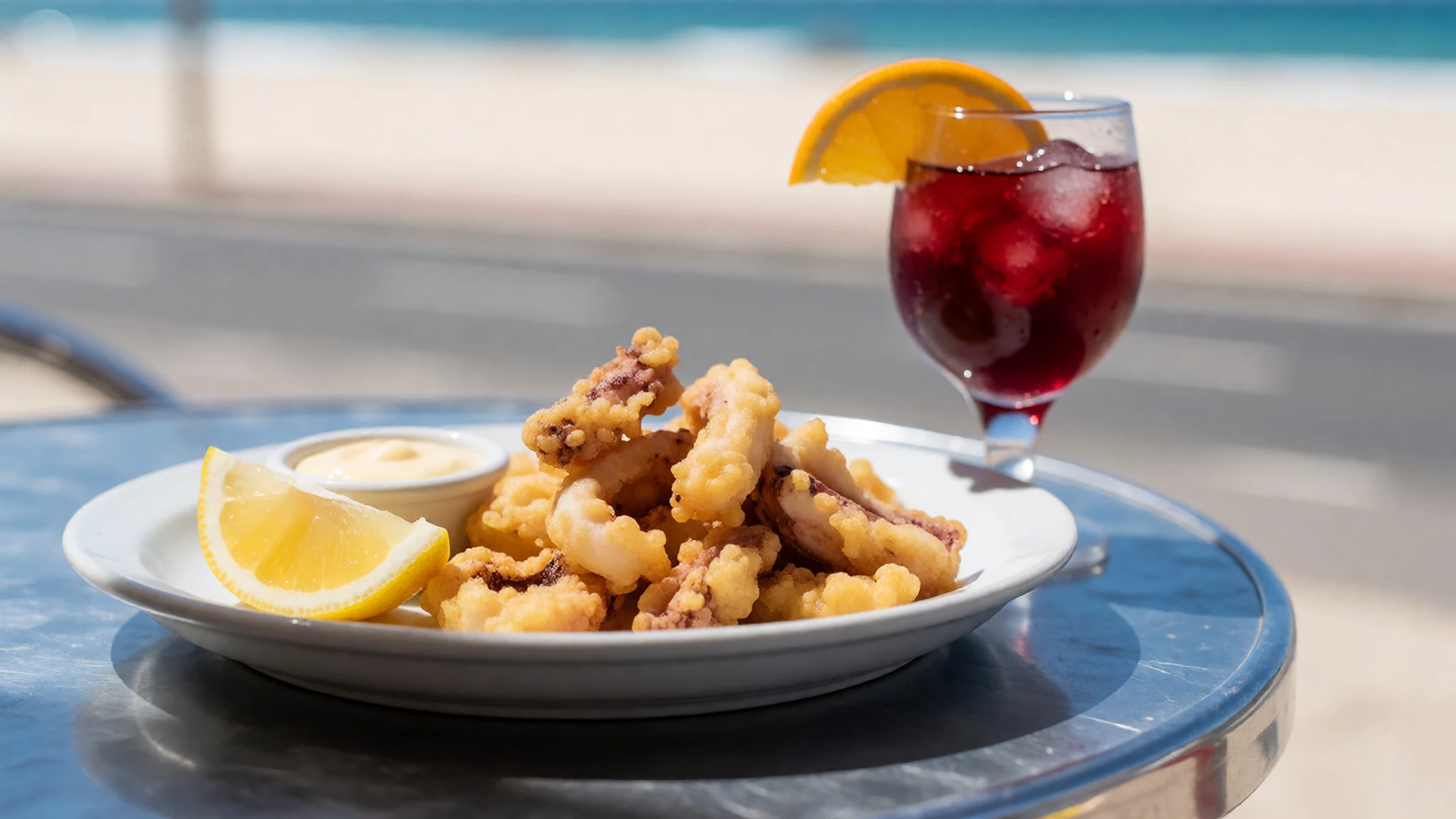
- Pinar del la Algaida picnic with barbecue option — Pinar de la Algaida (Sanlúcar de Barrameda)
In Sanlúcar de Barrameda’s Pinar de la Algaida, the picnic zone offers tables and benches—and barbecues are available. It’s a good choice if a longer break fits the route you’re following. - La Ermita picnic at the end of the lane — La Ermita picnic area (Pinar de la Algaida)
“La Ermita” is another picnic-friendly spot within the Pinar de la Algaida area, tucked at the end of the main lane near the Nuestra Señora de la Algaida hermitage—useful for a quieter lunch stop. - Eat in nearby towns (Sanlúcar de Barrameda, El Rocío, Matalascañas, Almonte) — Nearby towns around Doñana
When you’re ready to eat properly, plan around nearby village restaurants in Sanlúcar de Barrameda, El Rocío, Matalascañas or Almonte. This is also where it’s easiest to find options for vegetarians and groups.
Plan it
Best time. For the most comfortable conditions, aim for May and September: they’re mild and, by the numbers, not as wet as the mid-autumn and winter months. The hottest stretch is July and August, when high temperatures peak, while winters are cool and wet, with the wettest months around November and January.
How long. 3–4
Getting there. Fly into Sevilla or Jerez, then continue by regional roads towards Huelva and the Doñana access towns (El Rocío and Matalascañas). If driving from Seville, route via the A-49 towards Huelva and then follow onward roads towards Almonte, El Rocío and Matalascañas.
Budget. mid
Tips
- Build at least one early-morning observation slot, especially around wetlands where activity can change quickly
- Use El Rocío and Matalascañas as practical bases, then match your park entry points to the day’s route
- For limited-access visitor centres like El Acebuche or Palacio del Acebrón, rely on private vehicle or organised options rather than expecting public transport
- Pack water and sun protection for the dry summer months; add a light layer for breezy coastal air
- Keep some small change handy for local purchases and the seasonal kiosk-bar style stops
Etiquette
- Stay on marked paths and viewing areas—wetland edges can look firm but shift with conditions
- Be quiet when scanning wildlife and don’t crowd viewpoints
- In places near villages, respect local access rules and keep the route flexible around seasonal traffic
Nearby
Sources
- Wikidata Q463141 — Doñana National Park (CC0)
- Wikipedia (CC BY-SA 4.0)
- Wikivoyage (CC BY-SA 4.0)