Divriği Great Mosque and Hospital
Divriği Great Mosque and Hospital, Turkey
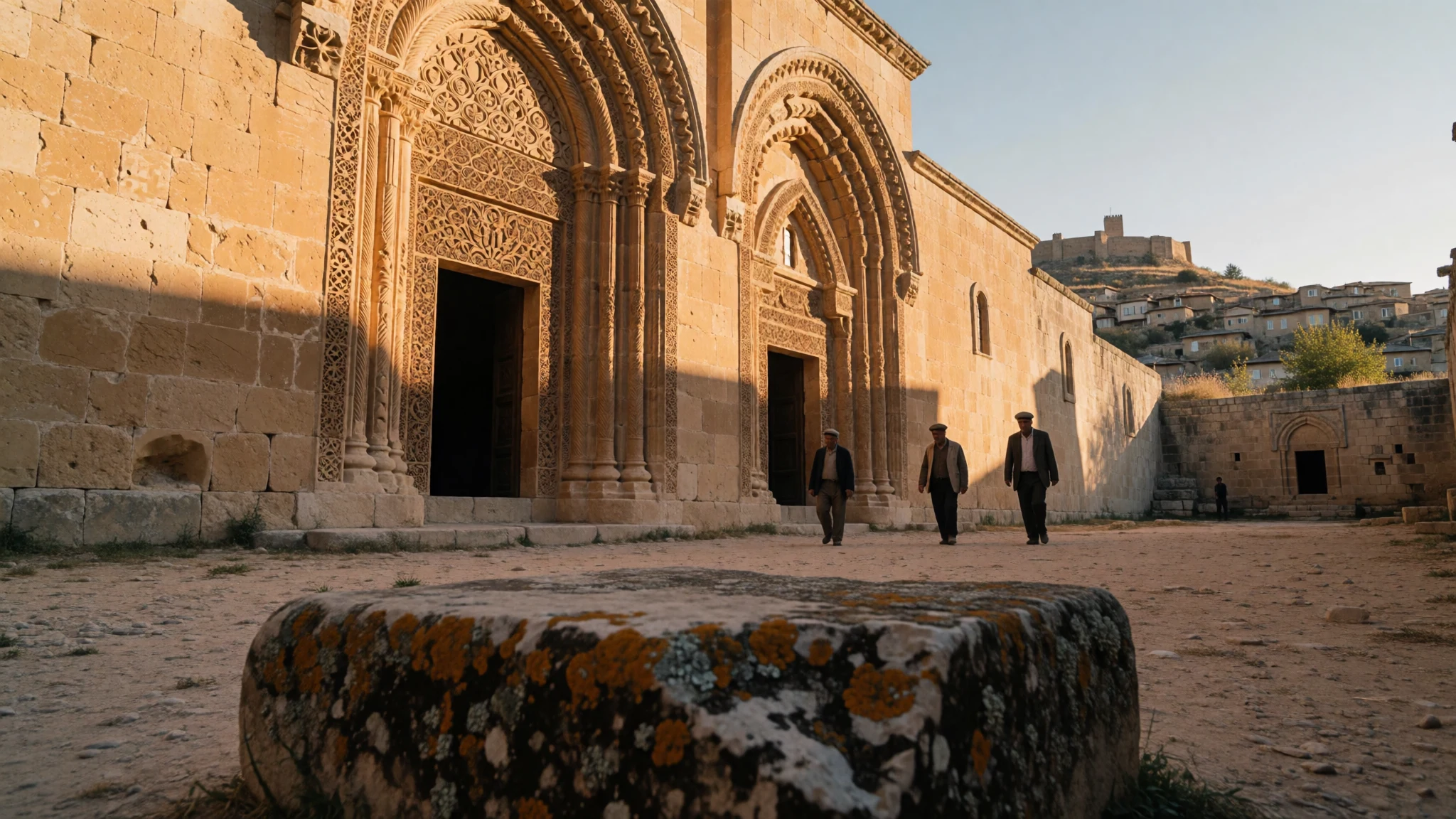
Divriği is a compact town in eastern Anatolia, but its mosque–hospital complex is carved stone history at full volume.
The place
Divriği Great Mosque and Hospital (Divriği Ulu Cami ve Darüşşifası) sits in the upper part of Divriği, a small Anatolian town in Sivas Province, Turkey. The complex is built as a religious and civic pairing: a grand mosque for worship and the darüşşifa, traditionally associated with a hospital function. What makes the site feel extraordinary isn’t just the fact that it survives, but the way the stonework covers almost every meaningful surface.
Most visitors arrive expecting a single portal moment, then get pulled deeper into the layout: the portals frame the approach, while the interior spaces and thresholds keep revealing more carving—patterns, floral motifs, and architectural details that look both precise and exuberant. Divriği’s location away from major routes helps explain the atmosphere. It is not a place where crowds constantly churn; instead, it tends to feel like a slow, focused stop.
The UNESCO listing (status attached to this complex) brings the architecture to the front of the conversation, but the practical experience is simple: the complex is walkable, the best impressions come from lingering near entrances and angles where carvings catch daylight, and the “wow” is as much about texture as it is about design. Stone tones look especially vivid in the milder months of spring and autumn, when highs are mild and rain is more frequent; summer brings the warmest conditions (July–August) and the least rain, so aim for early morning or later in the day to make the walking feel easier.
Its story
Divriği Great Mosque and Hospital is a time-capsule from the Mengücek era, when this mountainous corner of Anatolia wasn’t a front line and could quietly accumulate art. In the broader story of the region, Divriği’s identity kept shifting as Byzantine rule, Seljuk expansion, and local Turkish principalities overlapped and separated. That kind of change often brings new building styles, new patronage, and new forms of public life.
The Mengücekids ruled Divriği for a stretch of the 11th to 13th centuries, and their court life leaned into culture—arts, knowledge, and craftsmanship. When rulers invest in skilled workers, architecture becomes the public record: plans, portals, and carved surfaces act like a signature. Divriği’s mosque–hospital complex reflects that patronage in a tangible way, merging a sacred space with a civic institution under one monumental project.
The town’s earlier layers also matter for mood, even if the mosque is the headline. The place was settled and contested across centuries, and the result is a patchwork of influences rather than one single “origin story”. In practice, standing at the entrances, the complex reads less like a relic and more like a curated display of how confident the builders were about their materials, their symmetry, and their storytelling in stone.
What to see
- Divriği Great Mosque and Hospital — Upper town
Divriği’s UNESCO-listed complex pairs a mosque with a hospital function, built under the Mengücekids. Expect deep stone portals and intricate carvings that reward slow looking, with light shifting across surfaces as you move around the approach.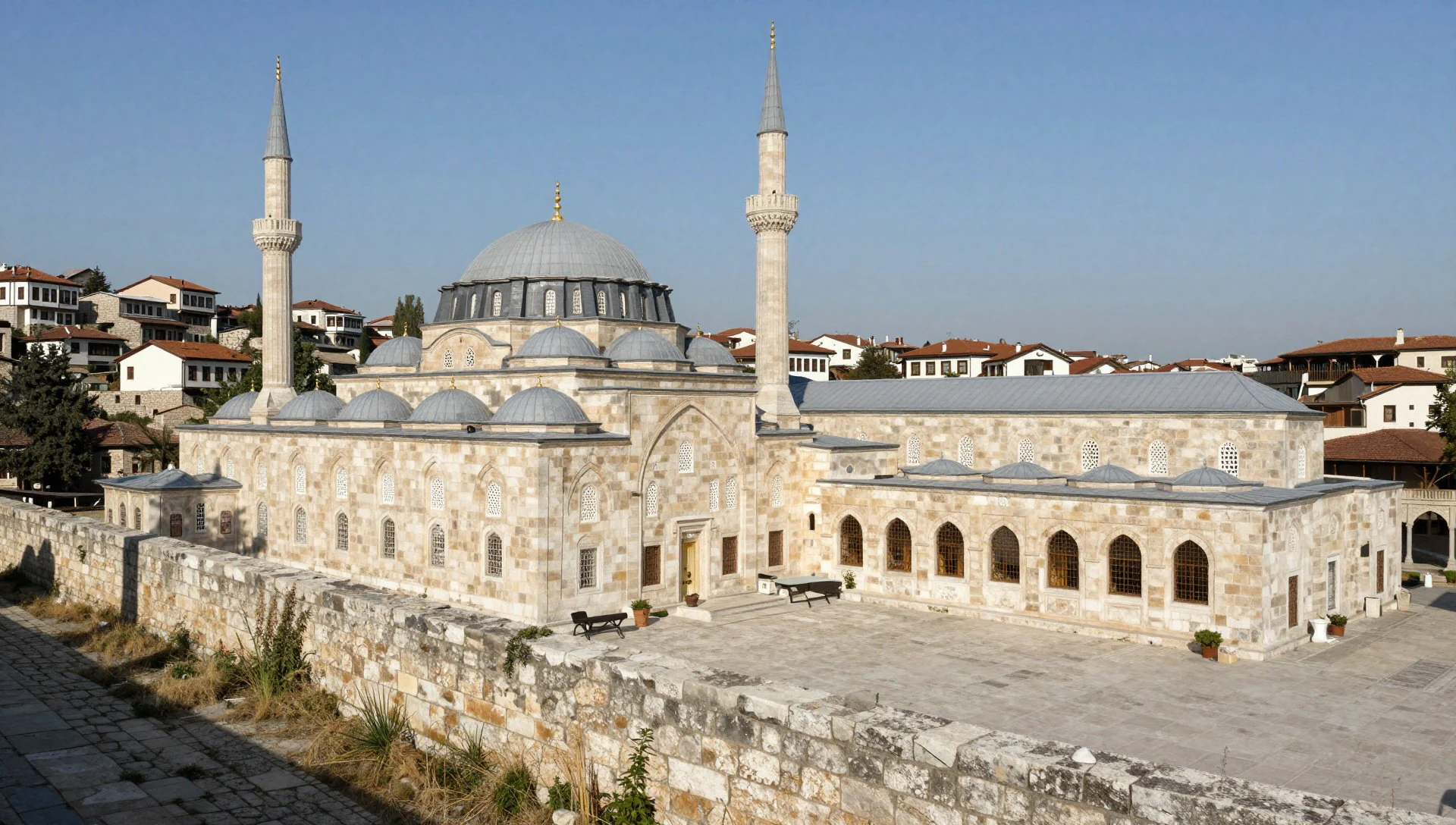
- North portal mosque — Around the main complex
The north portal is one of the best places to study how the complex frames arrival. The carvings create layered depth—floral and geometric forms that feel almost three-dimensional—so step back, then move closer to pick out patterns.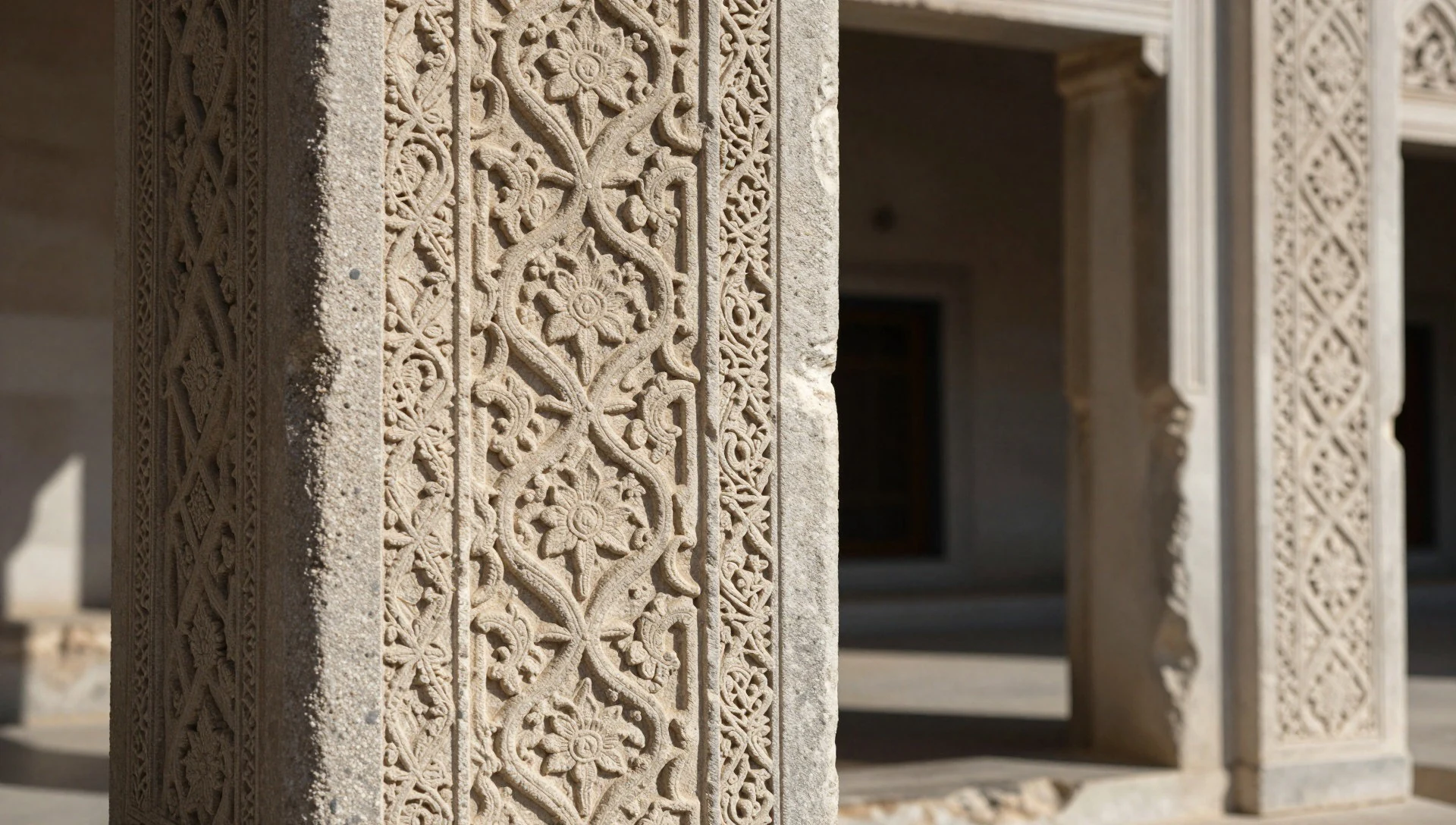
- Western entrance portal — Around the main complex
The western entrance portal gives a strong “first impact” view of the Great Mosque. Because the stonework is dense, the details can look busy at a glance; a quiet pause lets the motifs separate into readable bands and corners.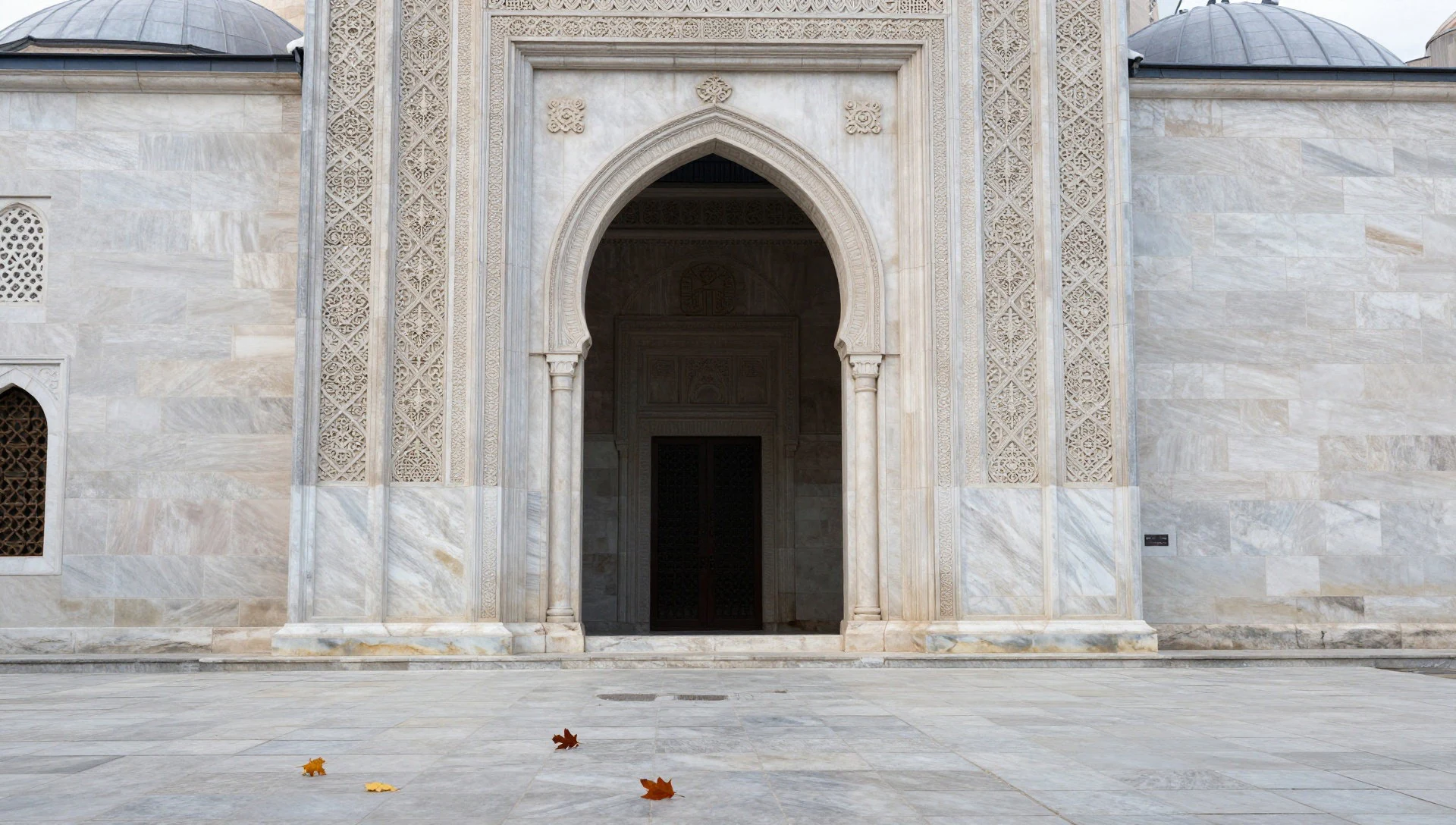
- Kesdoğan citadel viewpoints — Across the river (Kesdoğan area)
Kesdoğan is a ruined citadel across the river, best treated as a short walk plus viewpoint time. The main value here is perspective: from above, the town’s setting makes the original builders’ choice of location feel logical, even without long explanations.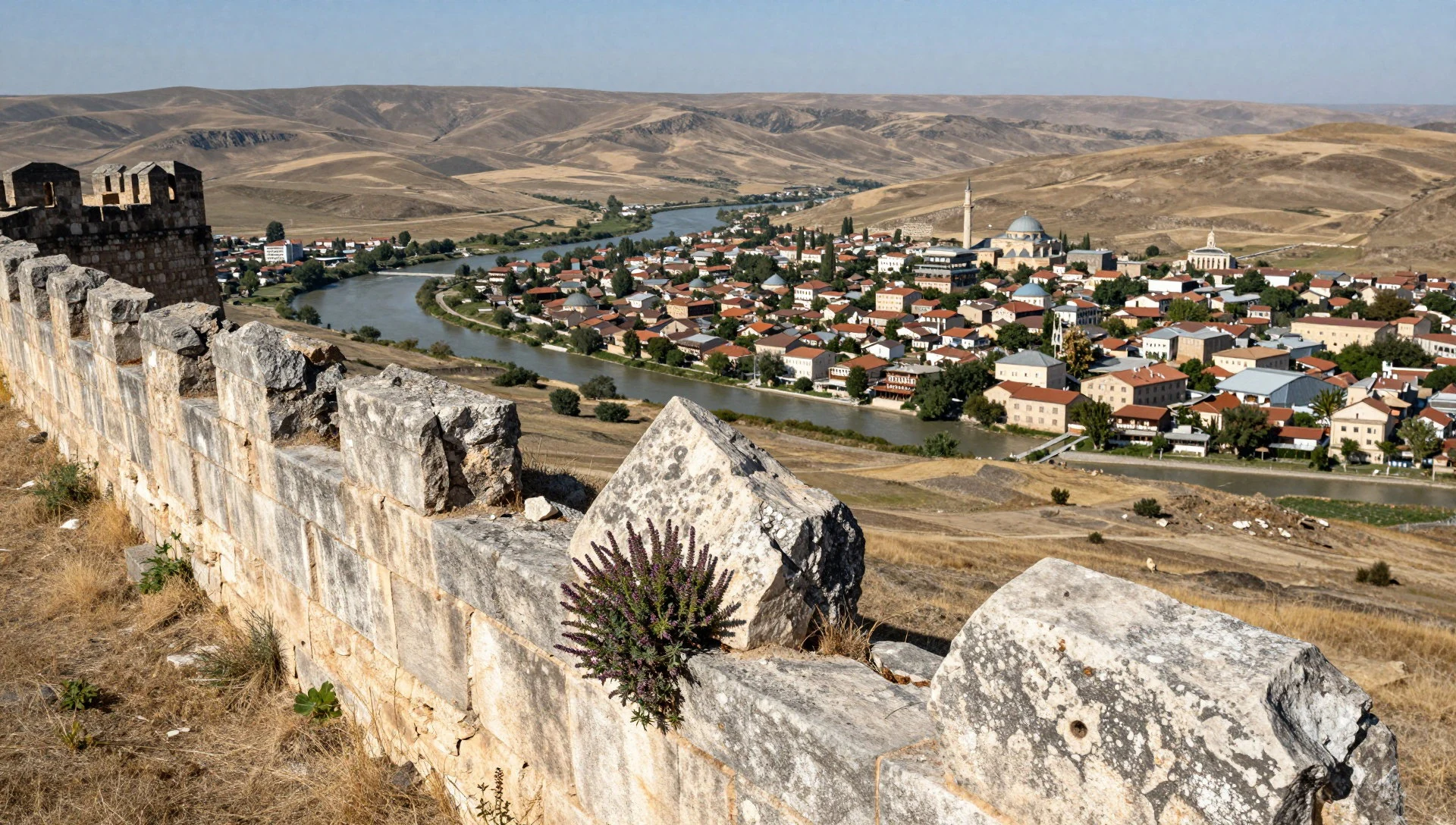
- Kamareddin Türbesi — West of the Great Mosque
Kamareddin Türbesi sits about a short distance west of the Great Mosque complex and is a compact tomb visit. It is a useful stop if the carvings in the main complex make the legs tired—still historic, but calmer and easier to absorb.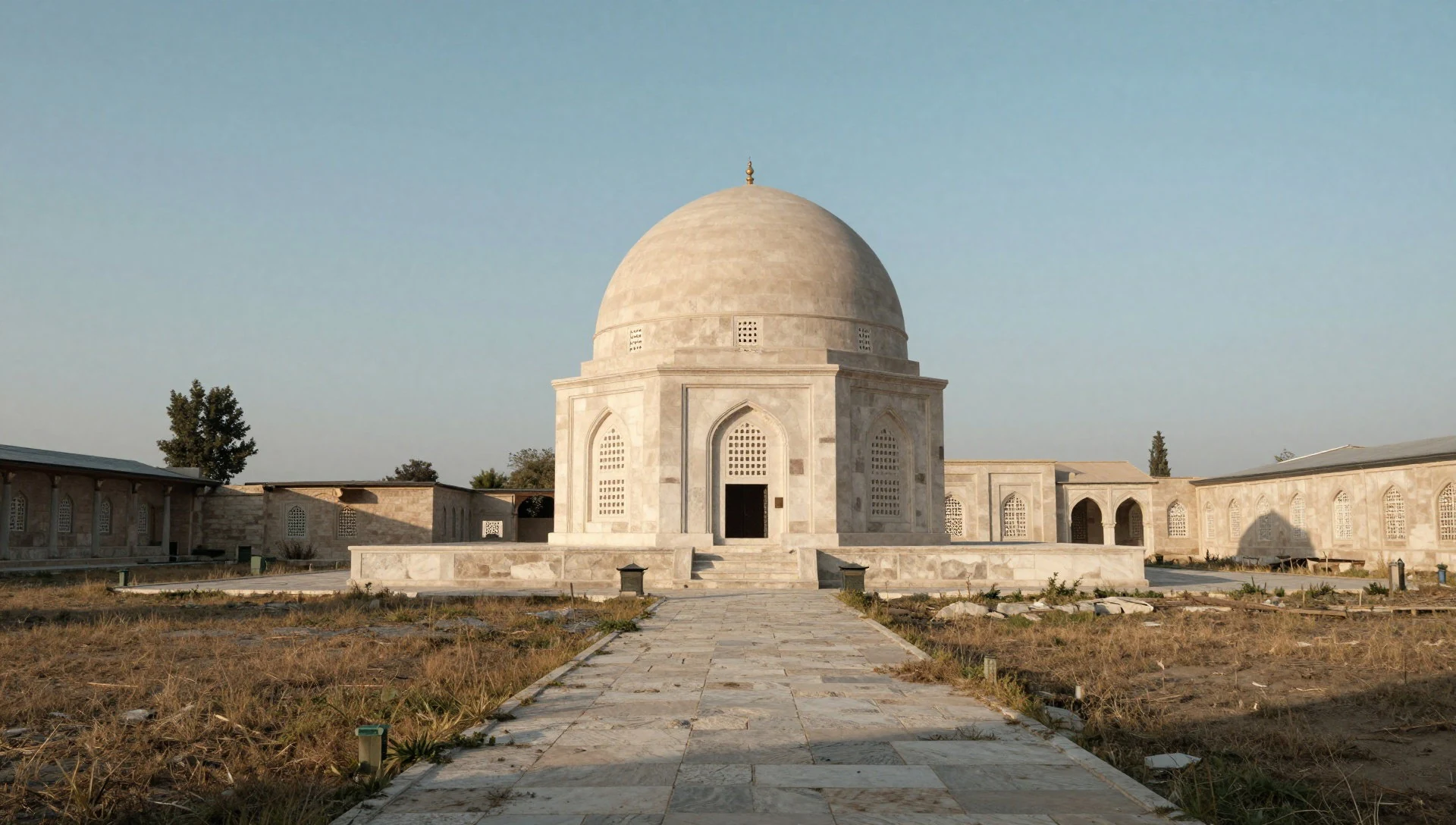
- Nurettin Salih Türbesi (Kemankeş Türbesi) — Southwest of the Great Mosque
Nurettin Salih Türbesi, also known as Kemankeş Türbesi, lies a bit southwest of the Great Mosque. It’s well preserved, and although it is described as comparatively plain, the quiet setting makes it a good “breather” between bigger architectural stops.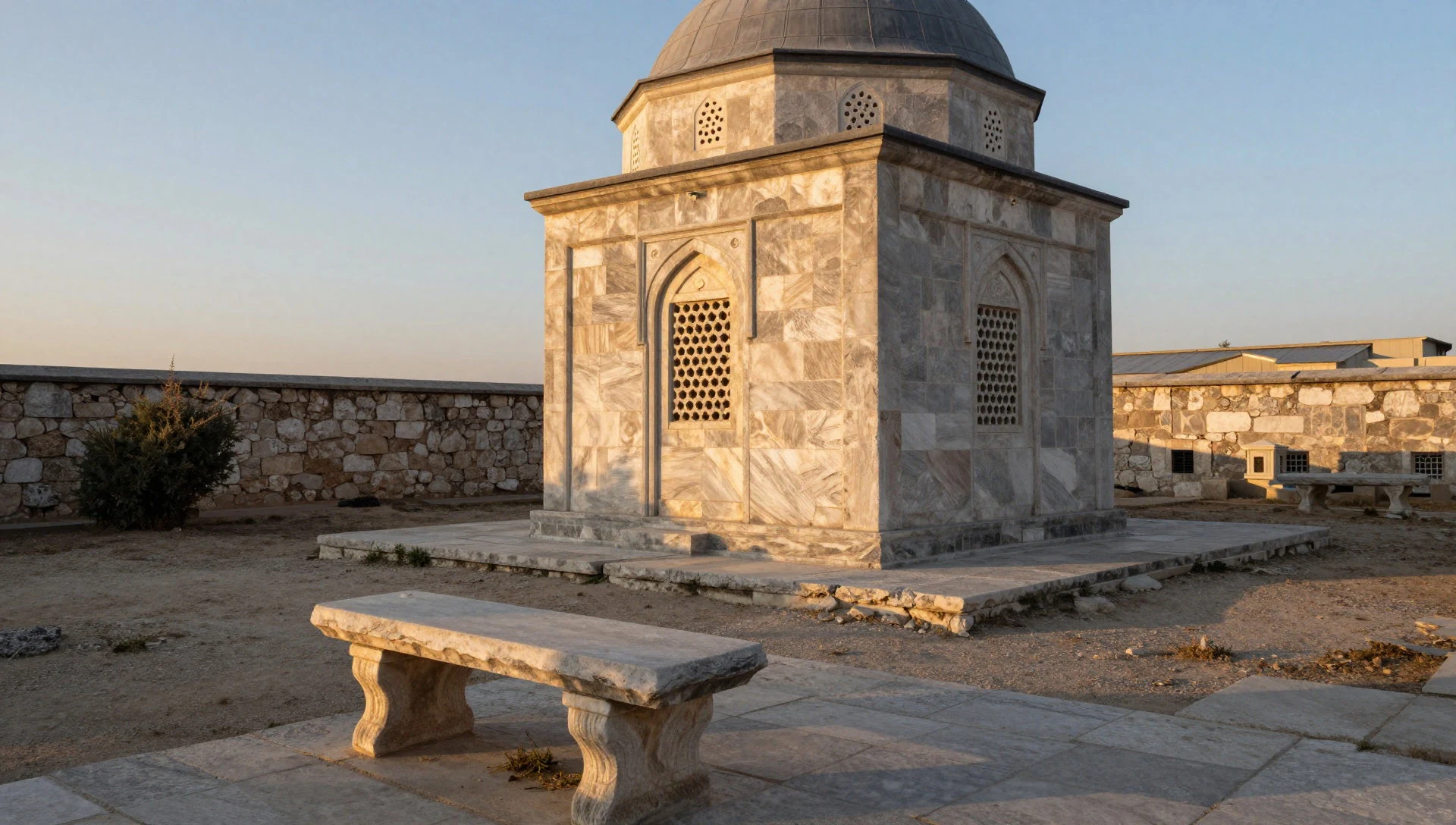
Culture
Divriği Great Mosque and Hospital is both an architectural landmark and an active religious site, and once you’re there most exploring is done on foot. The complex’s stonework can draw photographers quickly, but it’s worth remembering that the setting includes places where people practise, pause, and move through entrances.
A practical way to enjoy Divriği is to treat the carvings like a gallery: stand back for overall composition, then step in slowly to read the details. When a portal is busy with groups, waiting a few minutes can make a bigger difference than hunting for the “perfect angle”. If midday sun hits hard, the light can flatten textures; earlier or later in the day tends to bring out depth in the relief.
Dress norms matter around entrances and interior thresholds. Even if tourist activity feels relaxed, modest clothing and respectful behaviour are the safe default. Language help is limited in small-town settings, so patience goes a long way—ask if photography is welcome before you start, and keep tripods close.
Visitor etiquette: dress modestly and keep voices low inside mosque areas; avoid blocking entrances while photographing.
What to wear
Divriği Great Mosque and Hospital doesn’t have a single “traditional costume” requirement, but the site expects modesty. The complex sits in Turkey, and the surrounding town life is influenced by everyday Anatolian styling—light layers for daytime, and more covered clothing when moving through religious spaces.
Traditional dress in the region often features long garments and head coverings for women (where worn), typically in patterned textiles and practical fabrics suited to the seasons. In everyday life, many people now wear modern clothes—T-shirts, shirts, long trousers or skirts—paired with simple footwear for walking. The main difference for visitors is about coverage rather than style.
What to wear: breathable, long clothing (or a light scarf/shawl that covers shoulders when entering), long trousers where possible, and socks or flat shoes that handle uneven stone. In warmer months, light layers help; in cooler months, bring something warm enough for morning and late afternoon near entrances. Avoid clothing that is too short or too transparent for mosque areas, and keep a scarf accessible so it can be put on quickly if needed.
What to eat
- Bazaar snacks — The bazaar in Divriği
Budget eating places line the bazaar, making it easy to graze. Look for simple warm items and quick bites to recharge between the mosque–hospital complex and the mausoleums around it.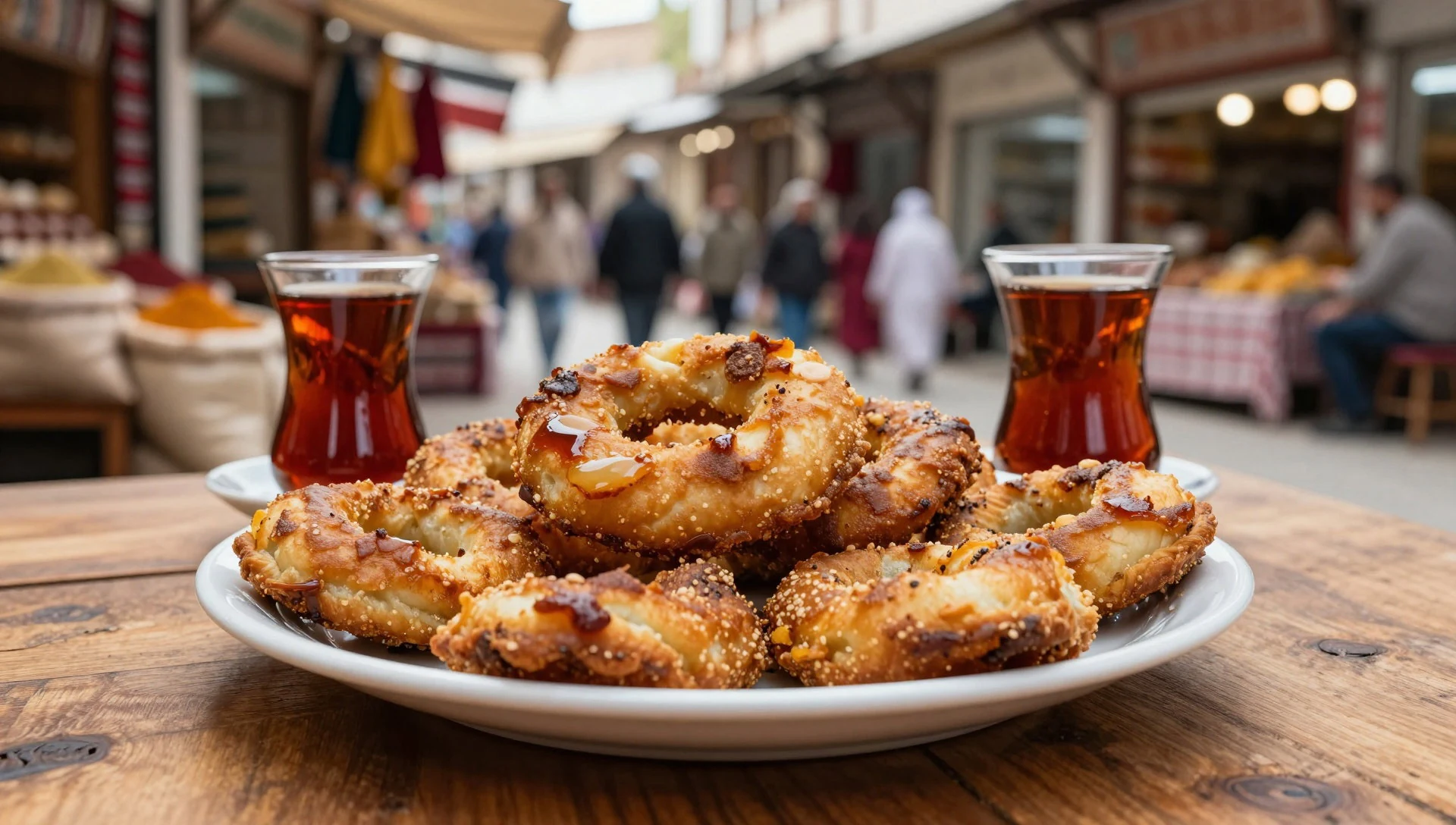
- Local café meals — Town-centre cafés
Some cafes serve beer and also work well for a slower sit-down meal. Choose something filling that won’t feel heavy in the heat, then pair it with water before heading back out for more portals and tombs.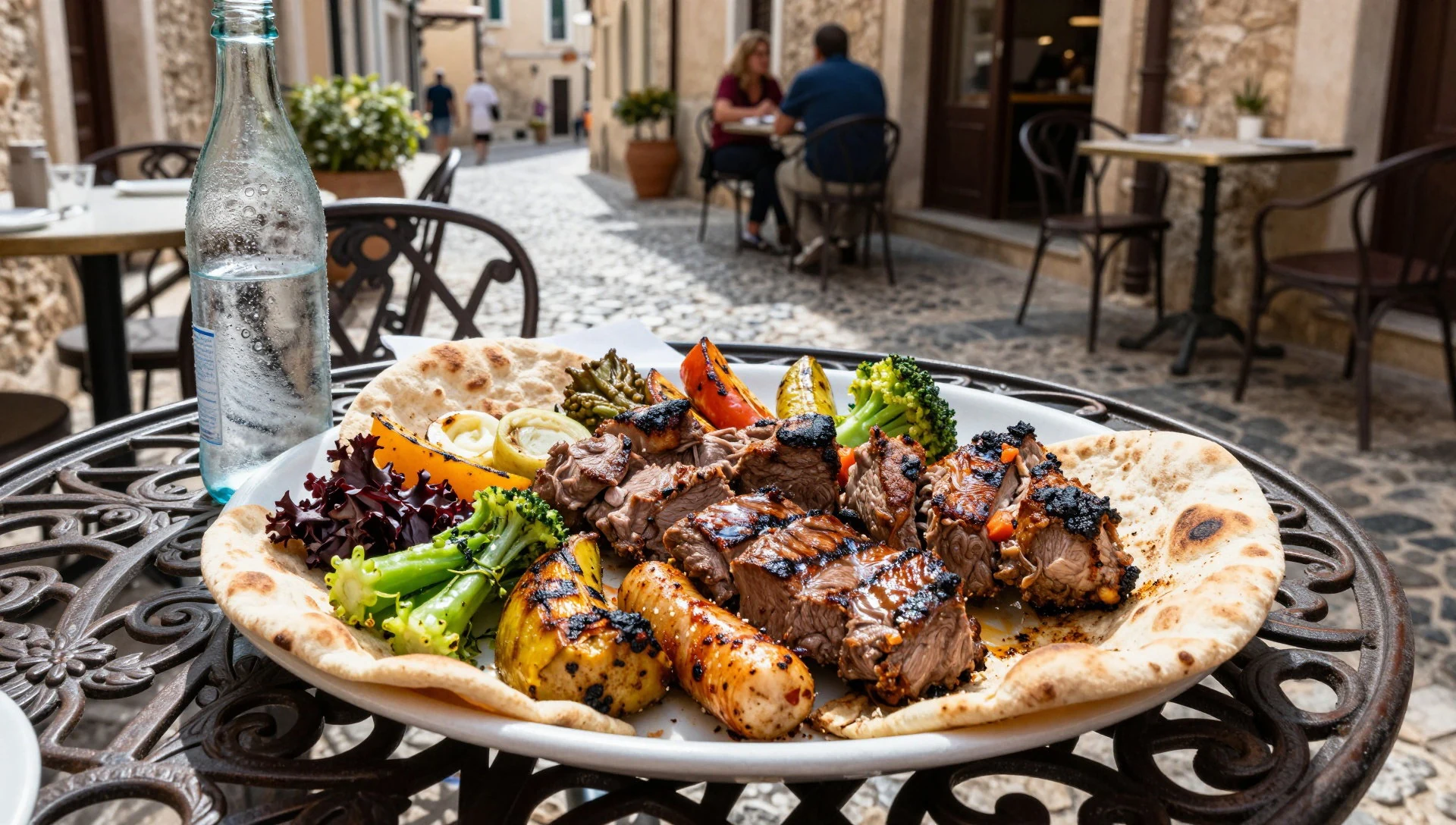
- Comfort staples from the budget eateries — Small budget eateries around town
Budget places in Divriği tend to offer hearty, straightforward Turkish comfort food rather than elaborate dishes. The exact menu changes, but it’s generally the kind of place where you can order without needing a long conversation. - Quick bakery-style stops — Walkable areas near the bazaar and main streets
When exploring historic areas, short stops matter. Find bakery-style snacks in the areas where people naturally pause and queue—ideal for an in-between bite before the next walkable stop.
Plan it
Best time. April and October are especially comfortable months for stone and walking, with milder daytime temperatures; July–August are the hottest and also among the driest, so plan around early mornings and late afternoons.
How long. 3–4
Getting there. The nearest airport is in Sivas (about 3 hours by road). If flying is awkward, Ankara is a practical alternative; from there travel onwards to Divriği by overnight train or by bus that runs from Istanbul via Ankara and Sivas.
Budget. mid
Tips
- Start the main complex earlier in the day so the carved portals catch the light clearly before it gets harsh
- Use the tombs and citadel viewpoints as a pacing tool—mix big architecture with shorter, calmer stops
- If arriving by bus or train, build in time for a first meal and a slow walk before the first “serious” photo session
- Carry some cash for small-town eateries and any ticketing where card payments may not be reliable
- Bring water for the walks between the mosque complex and places like the citadel across the river
Etiquette
- Dress modestly at mosque areas and keep shoulders and legs reasonably covered
- Avoid blocking entrances or pathways while photographing
- If photography is restricted anywhere, switch off immediately and follow staff guidance
Nearby
Sources
- Wikidata Q581641 (CC0)
- Wikipedia (rev 1365732927) (CC BY-SA 4.0)
- Wikivoyage (rev 5401166) (CC BY-SA 4.0)
- Photo photos/01-divrigi-complex-dscf3028.jpg (CC BY-SA 4.0)
- Photo photos/02-divrigi-darussifa.jpg (CC BY 3.0)
- Photo photos/03-divrigi-n-p1.jpg (CC BY 3.0)
- Photo photos/04-divrigi-mosque-n-portal-dscf2438-edit.jpg (CC BY-SA 4.0)
- Photo photos/05-divrigi-n-p2.jpg (CC BY 3.0)
- Photo photos/06-divrigi-moschee-p1.jpg (CC BY 3.0)
- Photo photos/07-divrigi-mosque-west-portal-dscf3174.jpg (CC BY-SA 4.0)
- Photo photos/08-divrigi-mosque-west-portal-dscf2519.jpg (CC BY-SA 4.0)


