Delhi
Delhi, India
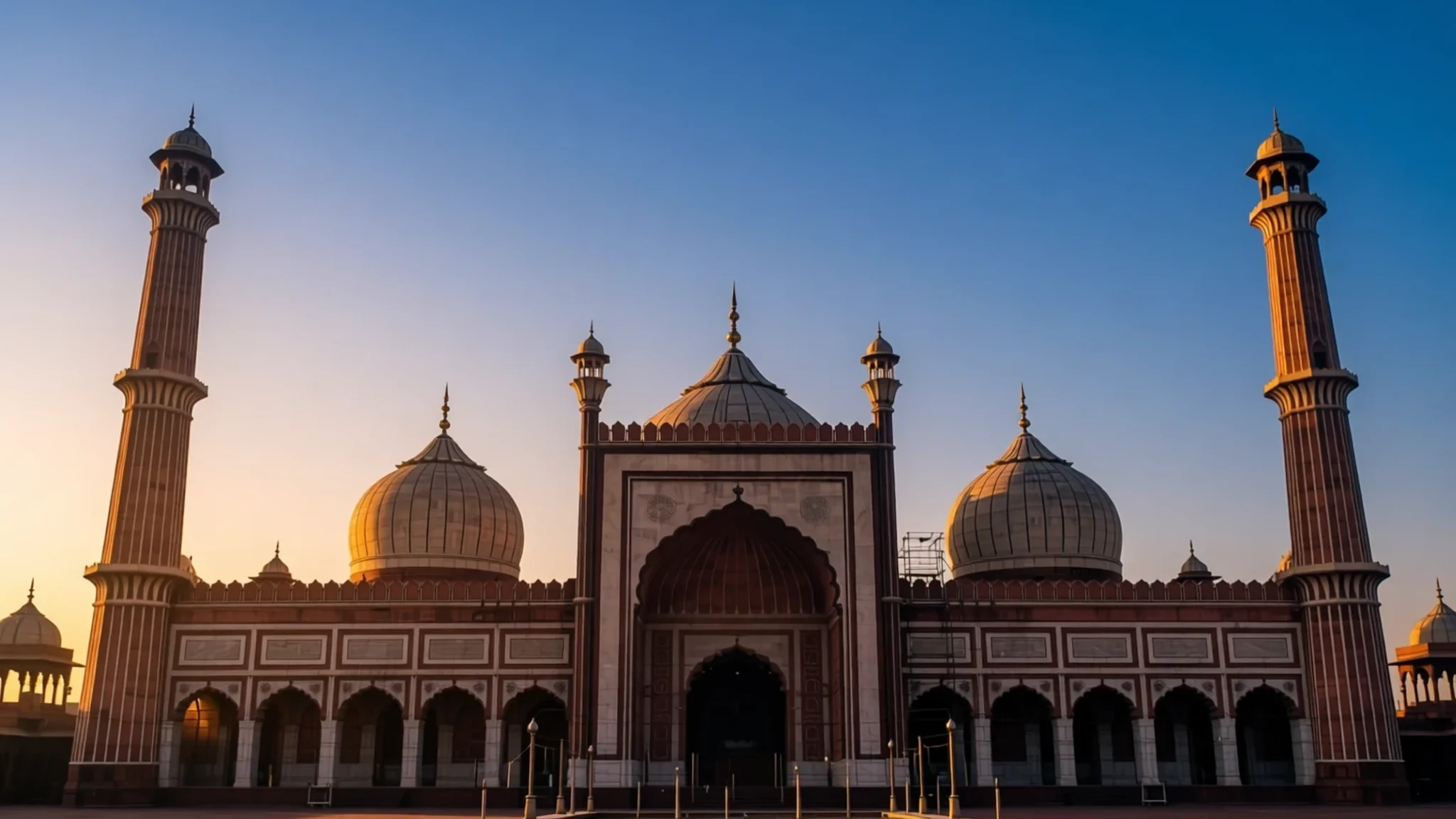
Delhi combines centuries of imperial history with monumental Islamic architecture, vibrant markets, and an exceptional culinary heritage.
The place
Delhi, officially the National Capital Territory of Delhi, functions as a massive urban expanse and union territory that encompasses New Delhi, the national capital. The metropolis spreads westward from the right bank of the Yamuna river, sharing land borders with the state of Uttar Pradesh to the east and the state of Haryana in all other directions. The National Capital Territory covers an expansive geographic area, and the city proper supports an immense resident population alongside millions more across the wider metropolitan territory. Topographically, the medieval fort Purana Qila sits near the riverbanks, echoing literary descriptions of the ancient citadel Indraprastha found in Sanskrit epics, though modern archaeological excavations have yielded no built environment from that mythic era. For centuries, Delhi served as the sovereign seat for major imperial powers, including the Delhi Sultanate and the Mughal Empire, which governed vast territories across South Asia. This royal heritage is preserved in magnificent red sandstone ramparts, towering minarets, and sprawling palace grounds scattered throughout the urban core. The city is a study in architectural contrasts, shifting abruptly from the walled alleys of the older quarters, lined with open-fronted workshops and spice merchants, to the grand imperial avenues, expansive roundabouts, and orderly government enclaves designed during the early twentieth century. Visitors navigating the metropolis encounter an overwhelming sensory landscape where modern metro trains rumble past ancient ruins, and quiet garden tombs offer respite from the continuous motion of the streets.
Its story
The historical chronicle of the region is traditionally divided across successive cities established by competing dynasties over millennia. The earliest referenced settlement, Indraprastha, appears in the Sanskrit epic Mahabharata, composed across several centuries BCE to describe an earlier heroic age. Art historians note that while the literary topography of a fortified city on a knoll matches the location of the Purana Qila, excavations have uncovered only scattered pottery fragments rather than monumental walls or ancient palaces. The earliest physical architectural relics remaining above ground date back to the Maurya period, marked by ancient rock inscriptions discovered within the urban footprint. Subsequent dynasties left distinct imprints across the southern landscape. Tomara Rajput King Anang Pal established the early fortress of Lal Kot alongside several shrines, setting a precedent of continuous construction and conquest. From the early thirteenth century onward, successive Turkic and Afghan dynasties established the Delhi Sultanate, transforming the region into an administrative powerhouse. This era of Islamic rule culminated with the Mughal Empire, whose emperors funded ambitious building campaigns that defined the city's architectural identity. Later, the administrative shift under British rule led to the creation of a new capital city adjacent to the historic core, superimposing European planning principles onto the ancient terrain. Through successive waves of migration, conflict, and partition, the urban fabric absorbed myriad cultural influences, evolving into a complex metropolis that continues to layer the contemporary city directly over its imperial foundations.
What to see
- Red Fort — Old Delhi
Commissioned in the seventeenth century as the royal residence of the Mughal emperor, this sprawling red sandstone citadel features massive defensive ramparts, marble audience halls, and ornate garden pavilions that once housed the imperial court. Visitors wander through vast courtyards reflecting early Mughal architectural mastery.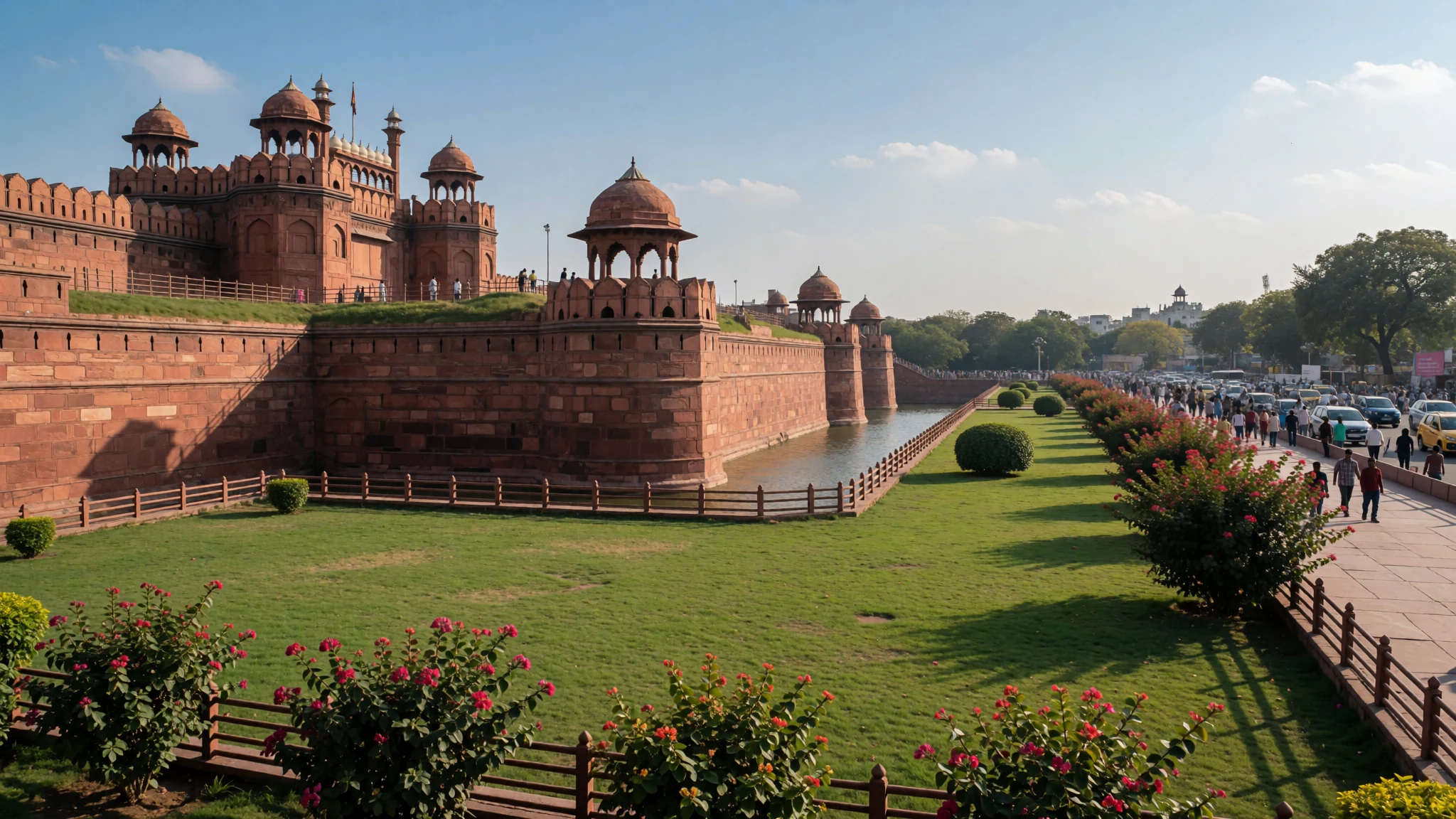
- Jama Masjid — Old Delhi
Constructed in the mid-seventeenth century, this colossal Friday mosque stands as one of the largest Islamic houses of worship in the country. Its expansive central courtyard accommodates thousands of worshippers beneath towering minarets and striped domes, offering sweeping views across the surrounding markets.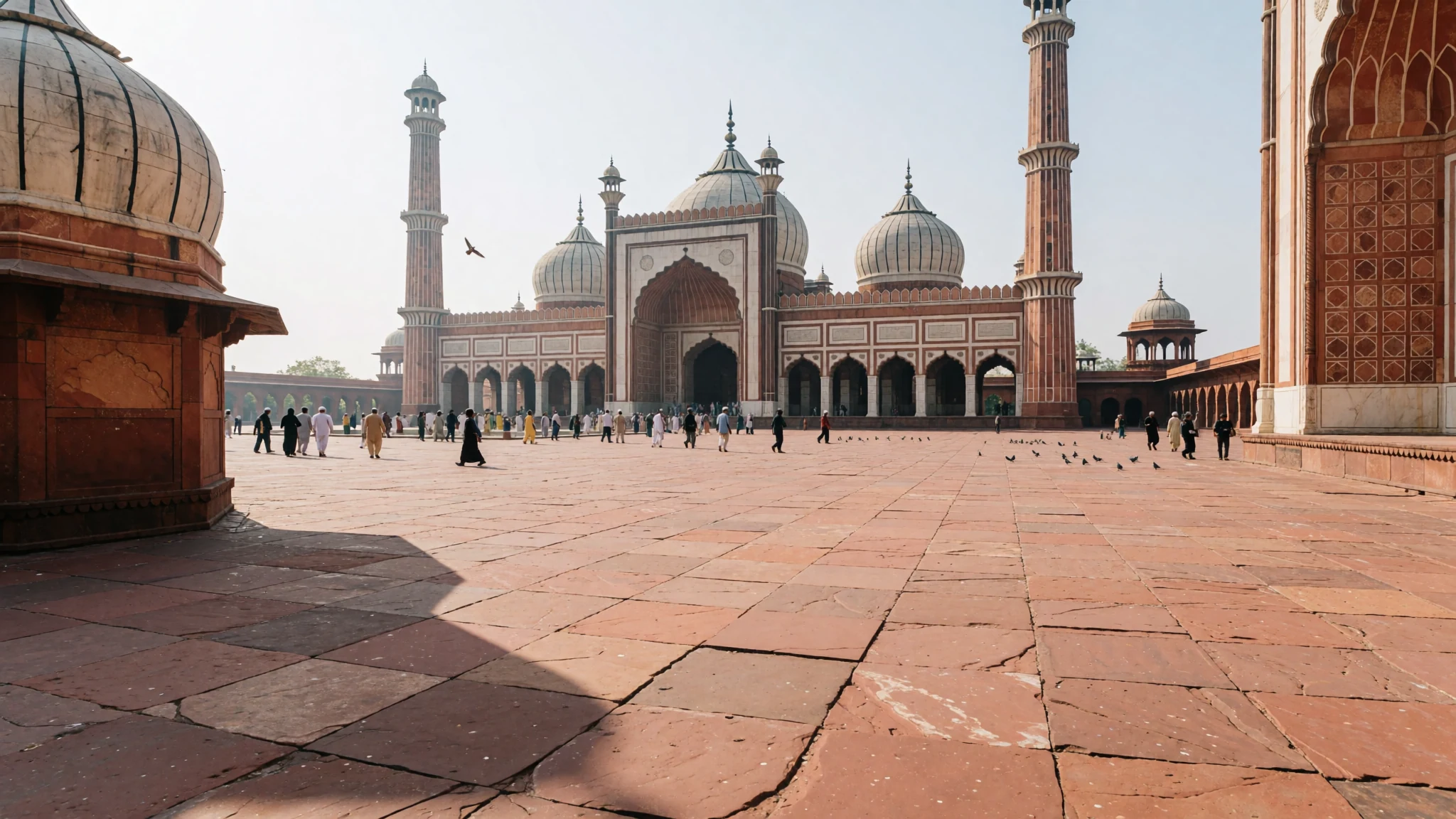
- Qutb Minar — Mehrauli
Rising from the southern edge of the metropolis, this thirteenth-century victory tower reaches a staggering height of seventy-three metres. The tapering red sandstone shaft features intricate Quranic inscriptions and decorative balconies, surrounded by the evocative ruins of early mosques and an ancient iron pillar.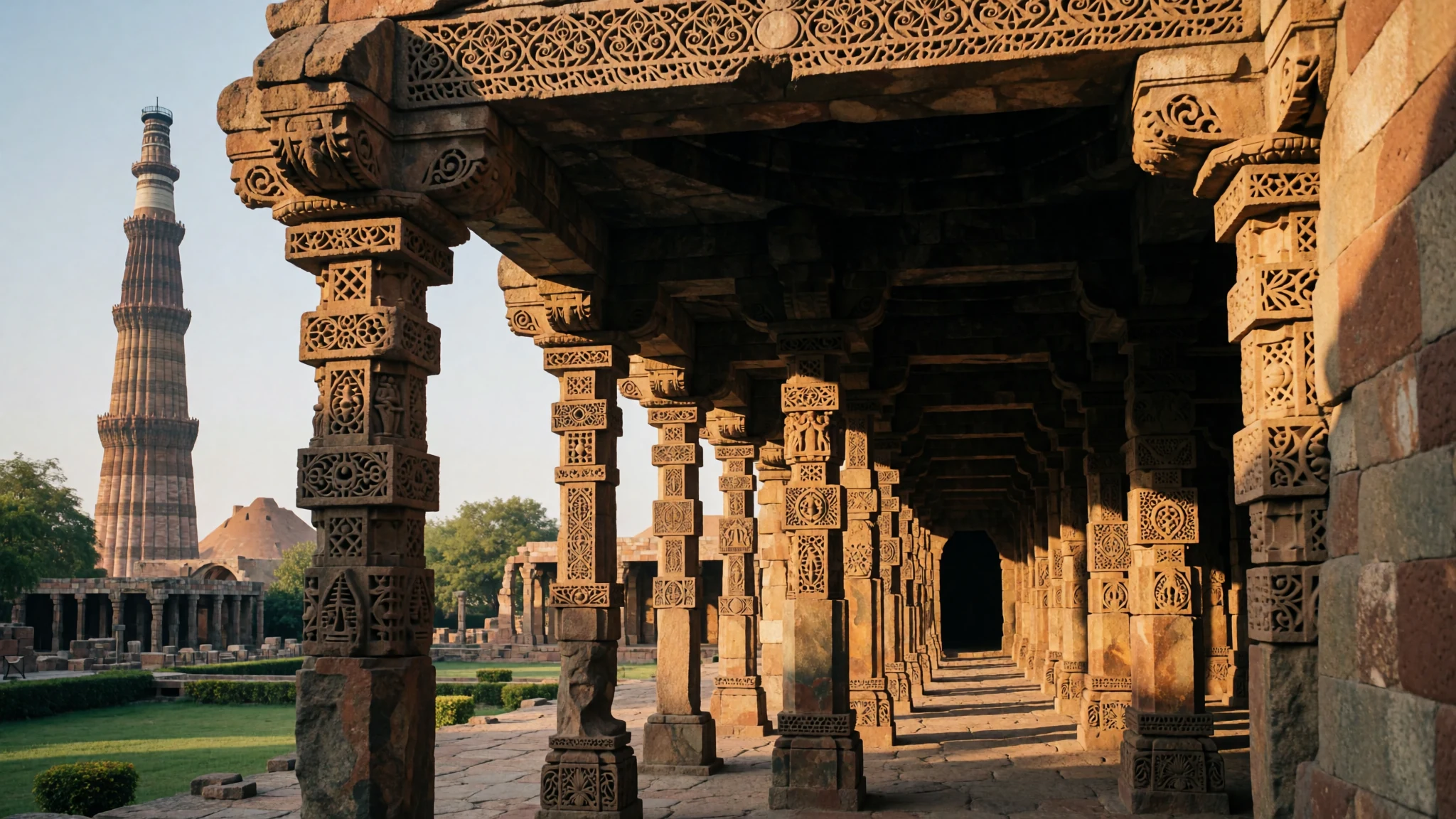
- Humayun's Tomb — Nizamuddin East
Constructed in the sixteenth century, this monumental garden tomb served as the architectural precursor to the Taj Mahal. Red sandstone and white marble blend harmoniously across symmetric terraces, surrounded by formal water channels and lush lawns that create a tranquil sanctuary.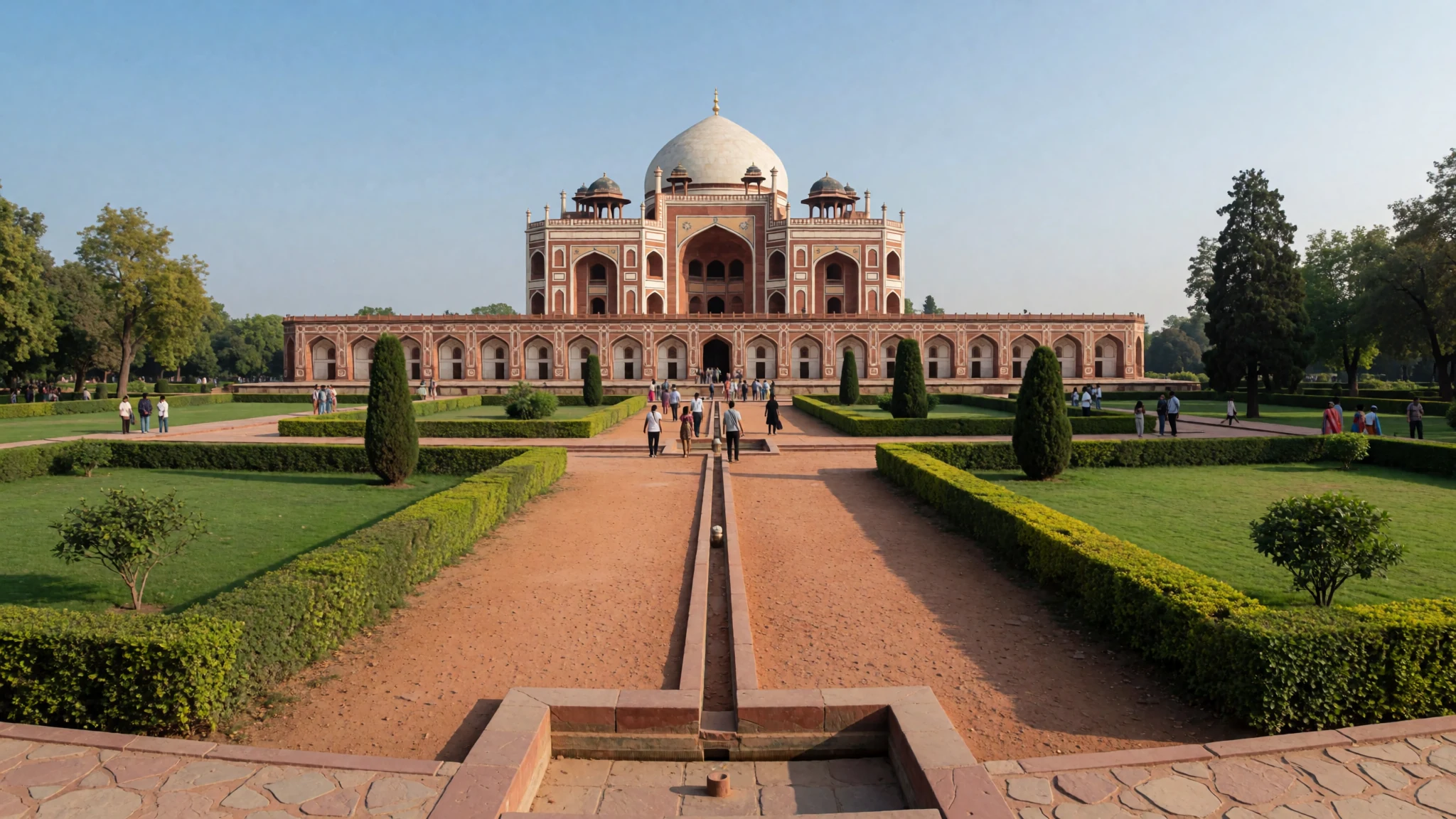
- Purana Qila — Mathura Road
Overlooking the riverbanks, this sixteenth-century fortress presents imposing stone ramparts and formidable arched gateways. Excavations and legends connect its elevated site to ancient settlements, while the interior grounds now provide quiet grassy expanses and boating lakes beside historic mosque structures.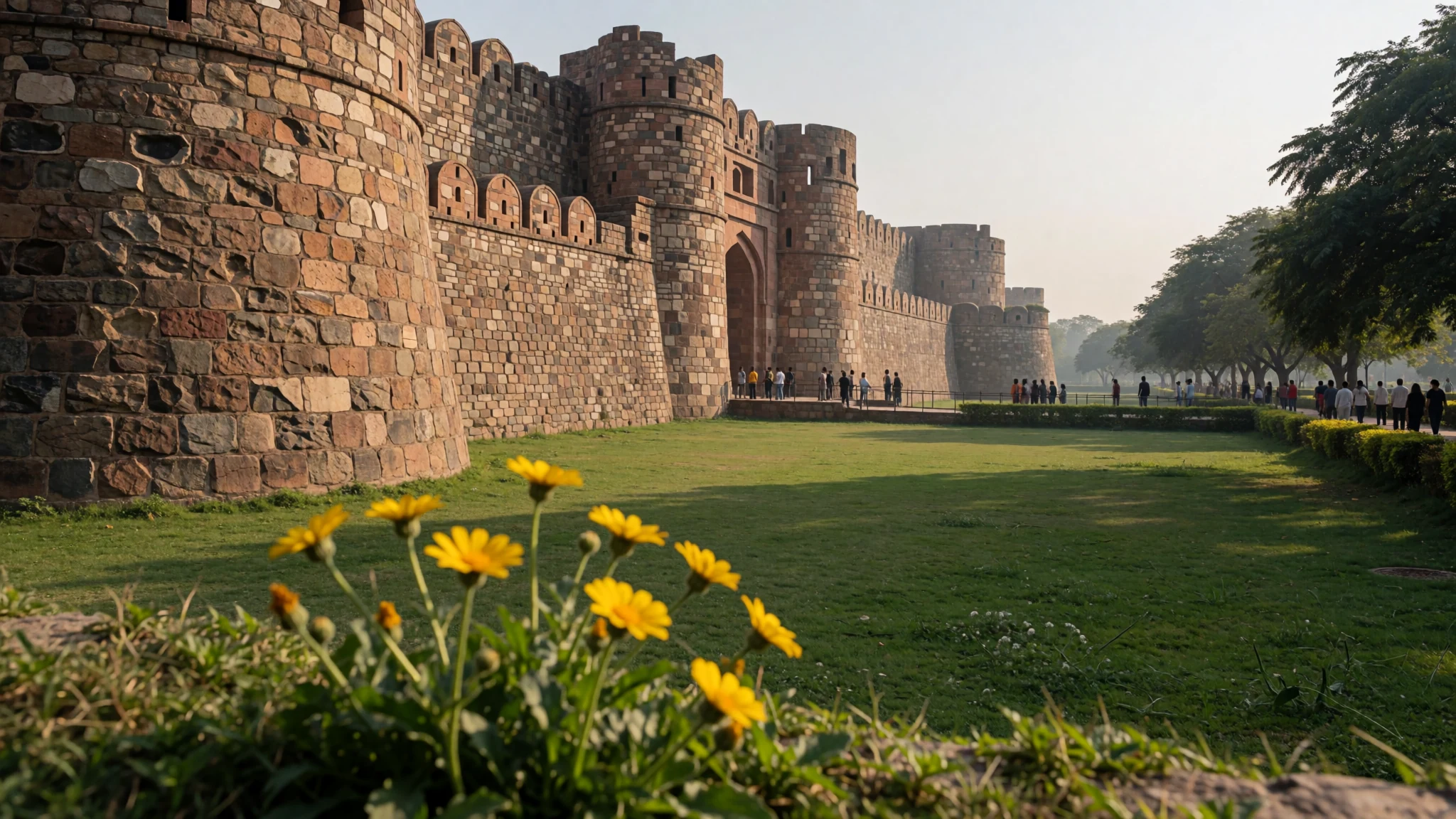
Culture
The social fabric of the metropolis has been deeply shaped by its long history as an imperial capital and the massive demographic shifts following partition in nineteen forty-seven, which introduced a strong Punjabi influence into local speech, dress, and daily habits. Subsequent migration from every corner of the country turned the territory into a diverse cultural melting pot, where traditional customs blend effortlessly with modern urban lifestyles. The Archaeological Survey of India officially recognises hundreds of heritage buildings and national monuments across the urban area, ensuring that medieval structures coexist with contemporary commercial districts. Sufism and classical musical traditions hold a revered place in the local heritage, with historic shrines echoing devotional qawwali performances that trace their lineages back centuries. Visitors navigating holy sites and traditional neighborhoods will find that hospitality is paramount, though social conservatism remains prevalent in many public spaces. Always remove your shoes before entering temples, mosques, and domestic interiors.
What to wear
Traditional attire across the city reflects centuries of courtly refinement alongside sturdy regional styles. Historic garments include flowing kurtas, embroidered tunics, and draped sarees fashioned from fine cottons, rich silks, and handwoven textiles that were patronized by successive imperial courts. Following mid-twentieth-century migrations, Punjabi styles such as vibrant salwar kameez became ubiquitous across local markets. Today, urban residents mostly wear contemporary Western attire, including jeans, shirts, and office wear, though traditional garments remain standard for festivals, weddings, and formal family gatherings. For visitors, dressing modestly is essential to respect local cultural norms and religious sensitivities. Both men and women should choose loose-fitting clothing that covers shoulders and knees, particularly when visiting historic shrines, temples, and crowded traditional markets. Lightweight, breathable cotton fabrics are ideal for coping with the local climate, and slip-on footwear is highly recommended since shoes must be removed frequently at religious thresholds.
What to eat
- Stuffed Parathas — Chandni Chowk
These thick, griddle-fried wheat breads are stuffed with spiced potato, cauliflower, or paneer, served piping hot with butter. Find them at specialty shops along the historic lane of Paranthe Wali Gali in Chandni Chowk.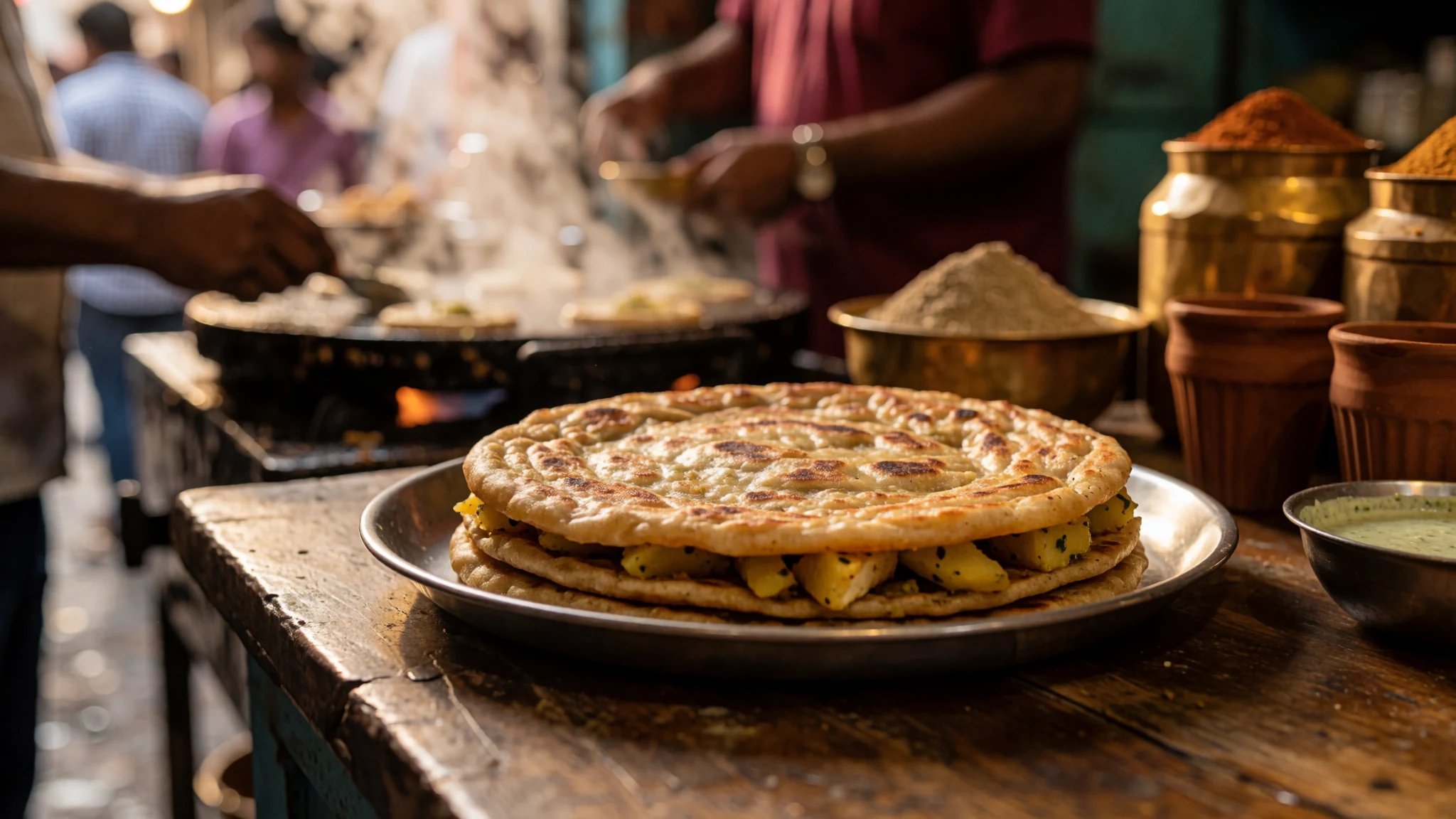
- Mughlai Kebabs — Old Delhi
Skewered minced meat and tender marinated chunks roasted over glowing charcoal, carrying rich spice blends inherited from royal court kitchens. Look for them at open-air food stalls surrounding Jama Masjid.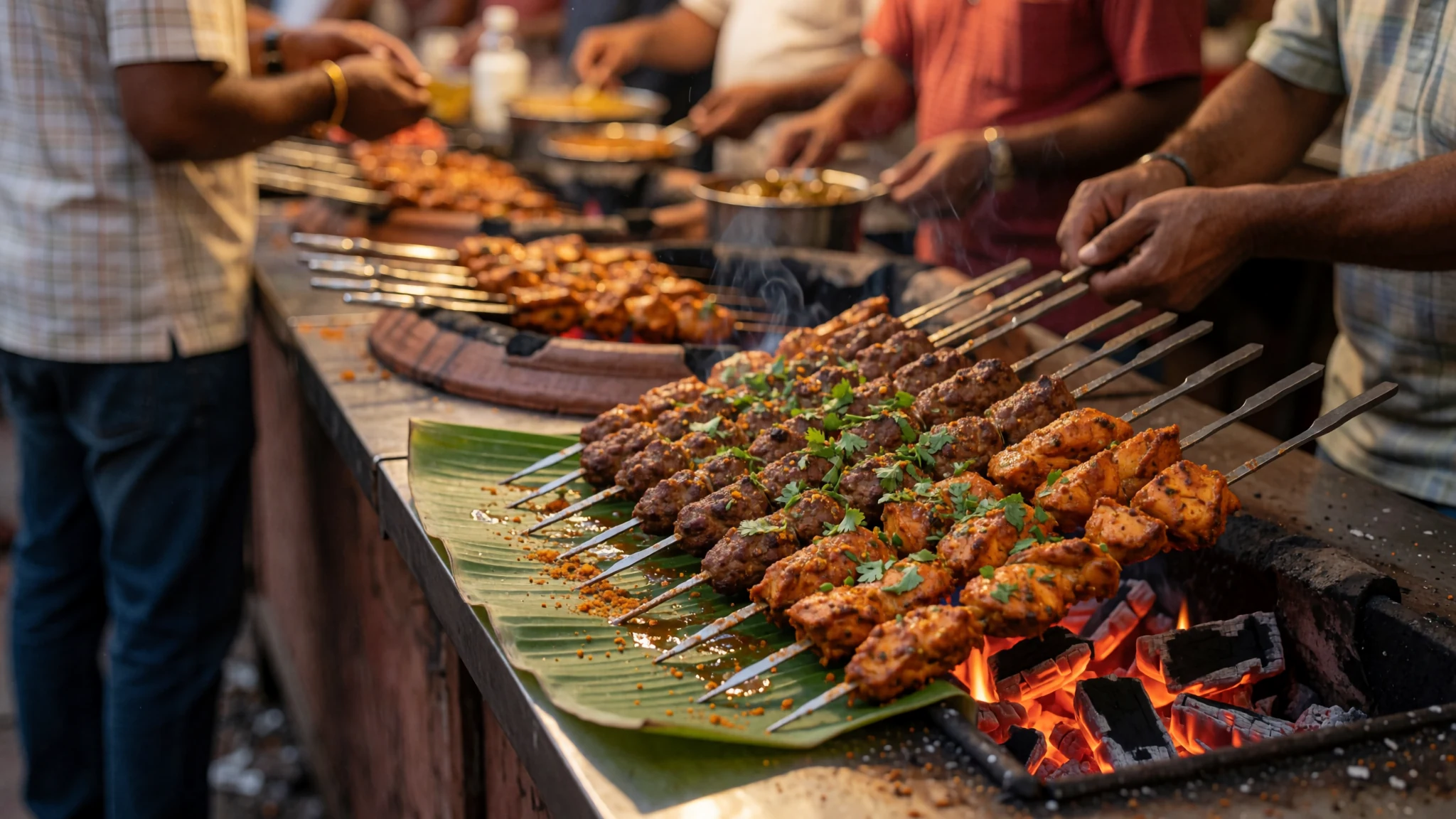
- Chole Bhature — Connaught Place
A popular, comforting morning dish featuring spicy chickpeas paired with large, fluffy fried bread disks. Enjoy this hearty meal at bustling local eateries throughout the central markets.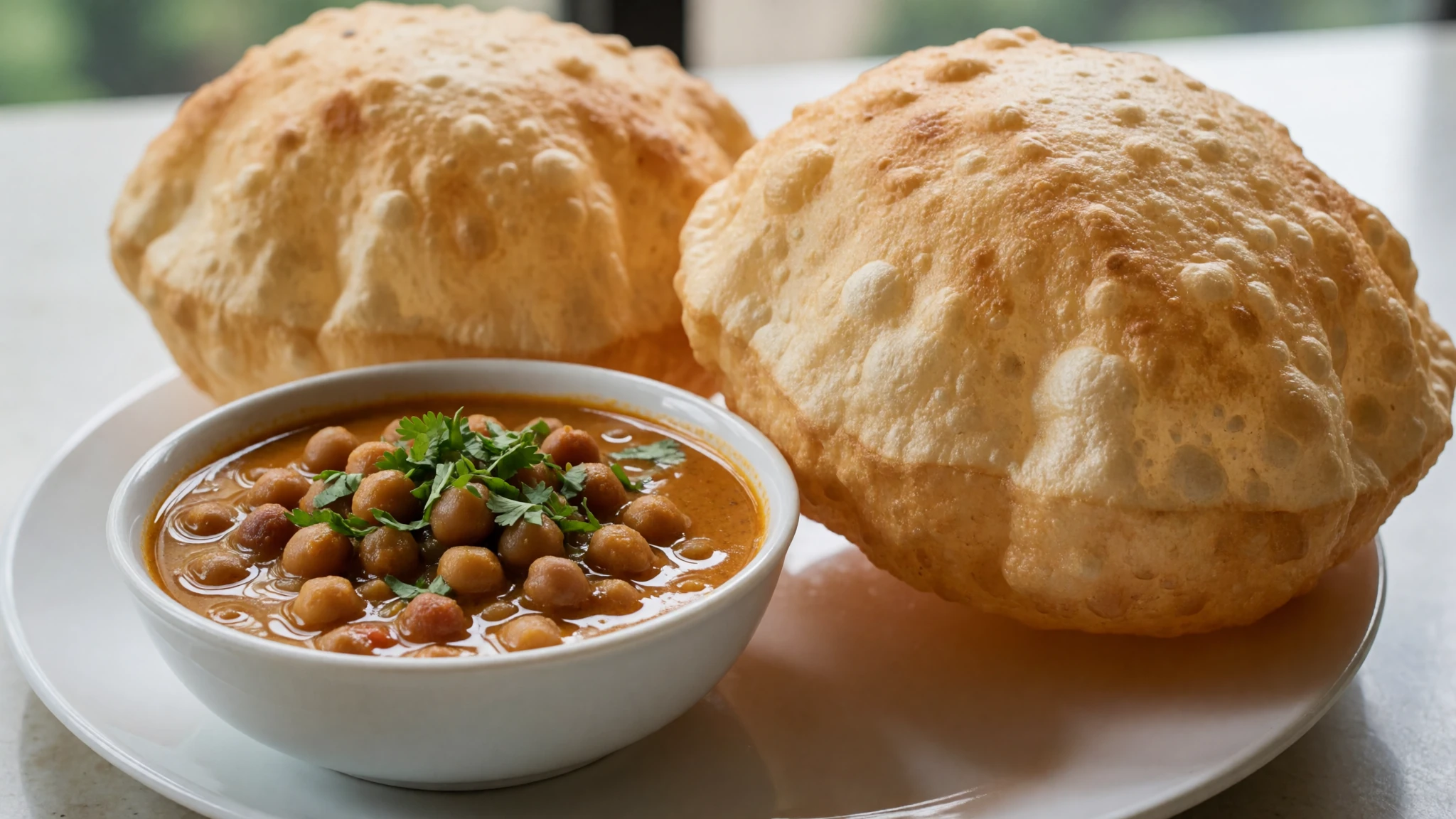
- Dahi Bhalla — Chandni Chowk
Soft lentil fritters soaked in creamy yoghurt and topped with tangy tamarind chutney, roasted cumin, and pomegranate seeds. Sample this refreshing street snack at roadside food carts across the capital. - Butter Chicken — Pandara Road
Tender chicken pieces simmered in a velvety, mildly spiced tomato and butter gravy that originated in the capital's post-independence kitchens. Order this classic curry at traditional North Indian restaurants citywide.
Plan it
Best time. December to January offer the mildest daytime temperatures for exploring outdoor monuments, though air pollution often peaks from October to December; May and June bring intense heat, while July and August bring the heaviest monsoon rain.
How long. 3–4
Getting there. Arrive at Indira Gandhi International Airport, then take the Airport Express metro line or a pre-paid taxi into the central districts; or travel by express train into major rail terminals from across the country.
Budget. mid
Tips
- Book tickets for major monuments online in advance to skip long queues
- Start early in the morning to avoid midday heat and heavy tourist crowds
- Carry cash in small denominations for minor temple donations and street food vendors
- Drink only bottled or filtered water and avoid raw salads from street stalls
- Ignore unsolicited guides at railway stations who claim you need special boarding passes
Etiquette
- Remove your shoes before entering temples, mosques, and private homes
- Dress modestly with shoulders and knees covered in all religious spaces
- Ask permission before photographing local residents in traditional quarters
Nearby
Sources
- Wikidata Q1353 (CC0)
- Wikipedia (rev 1382639184) (CC BY-SA 4.0)
- Wikivoyage (rev 5408518) (CC BY-SA 4.0)