Dead Sea
Dead Sea, Jordan
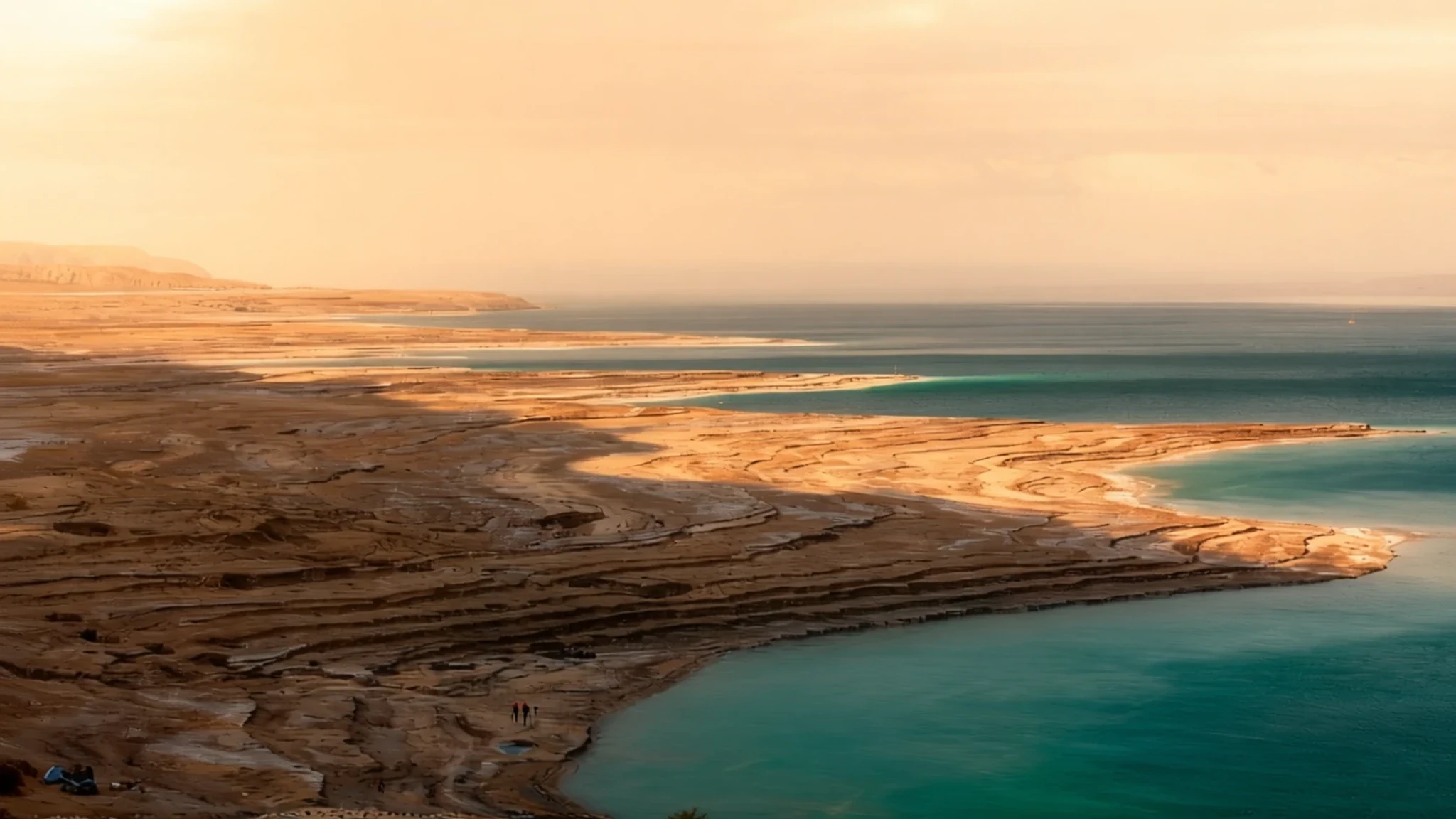
Float effortlessly in the lowest land-based waters on Earth, surrounded by dramatic desert canyons and ancient history.
The place
The Dead Sea occupies an endorheic basin within the Jordan Rift Valley, sitting far below standard sea levels. Bordered by Jordan to the east, the West Bank to the west, and Israel to the southwest, this landlocked salt lake features no outlet streams, fed mainly by direct rainfall, the Jordan River, and many smaller intermittent streams. The surrounding landscape is shaped by the Dead Sea Transform, a major tectonic plate boundary separating the African Plate and the Arabian Plate.
The regional climate is characterised by hot desert conditions with year-round sunshine and exceptionally dry air. Rainfall is minimal, while summer temperatures soar significantly. Because of the extreme atmospheric pressure at this depth, the air carries a slightly higher oxygen concentration compared to typical sea levels, and the atmosphere provides a natural filter for sunlight.
Water levels have receded noticeably over recent decades, shrinking the overall surface area and leaving behind stark white salt crusts, crystalline pillars, and dramatic mineral deposits along the receding edges. These shifting shorelines reveal ancient geological layers and create an otherworldly coastal geography that contrasts sharply with the arid mountain backdrops of the surrounding desert valleys.
Its story
For millennia, the Dead Sea has served as a focal point for human settlement, trade, and healing across the Mediterranean basin and the Middle East. Ancient civilisations recognised the unique properties of its waters and shores, utilising the dense minerals and natural asphalt deposits for various industrial and ritual purposes, including Egyptian mummification. It stands as one of the earliest recorded health resorts in human history, drawing travellers seeking relief from ailments in its mineral-rich mud.
Throughout the British Mandate period, the region saw new forms of infrastructure development, including experimental projects and recreational facilities such as a desert golf course established on the northern shore at Kalia. In subsequent decades, modern tourism infrastructure expanded significantly along both the western and eastern shores. Major hotel complexes were developed at sites like Ein Bokek on the Israeli side, while the Jordanian eastern coastline grew to host numerous international resort properties alongside convention centres and panoramic transport routes.
Today, the region bridges deep historical heritage with contemporary leisure and conservation challenges. While debates continue over water management projects and environmental preservation of the declining water levels, the shores remain a magnetic destination for visitors traversing the historic landscapes of the Middle East.
What to see
- Jordanian Eastern Shoreline — Jordanian Eastern Coast
The eastern coast features luxury international resort properties, peaceful beach clubs, and sweeping viewpoints overlooking the water towards the distant hills. Walking along this developed strip reveals striking contrasts between manicured gardens and the rugged desert escarpments rising sharply towards the Jordanian plateau.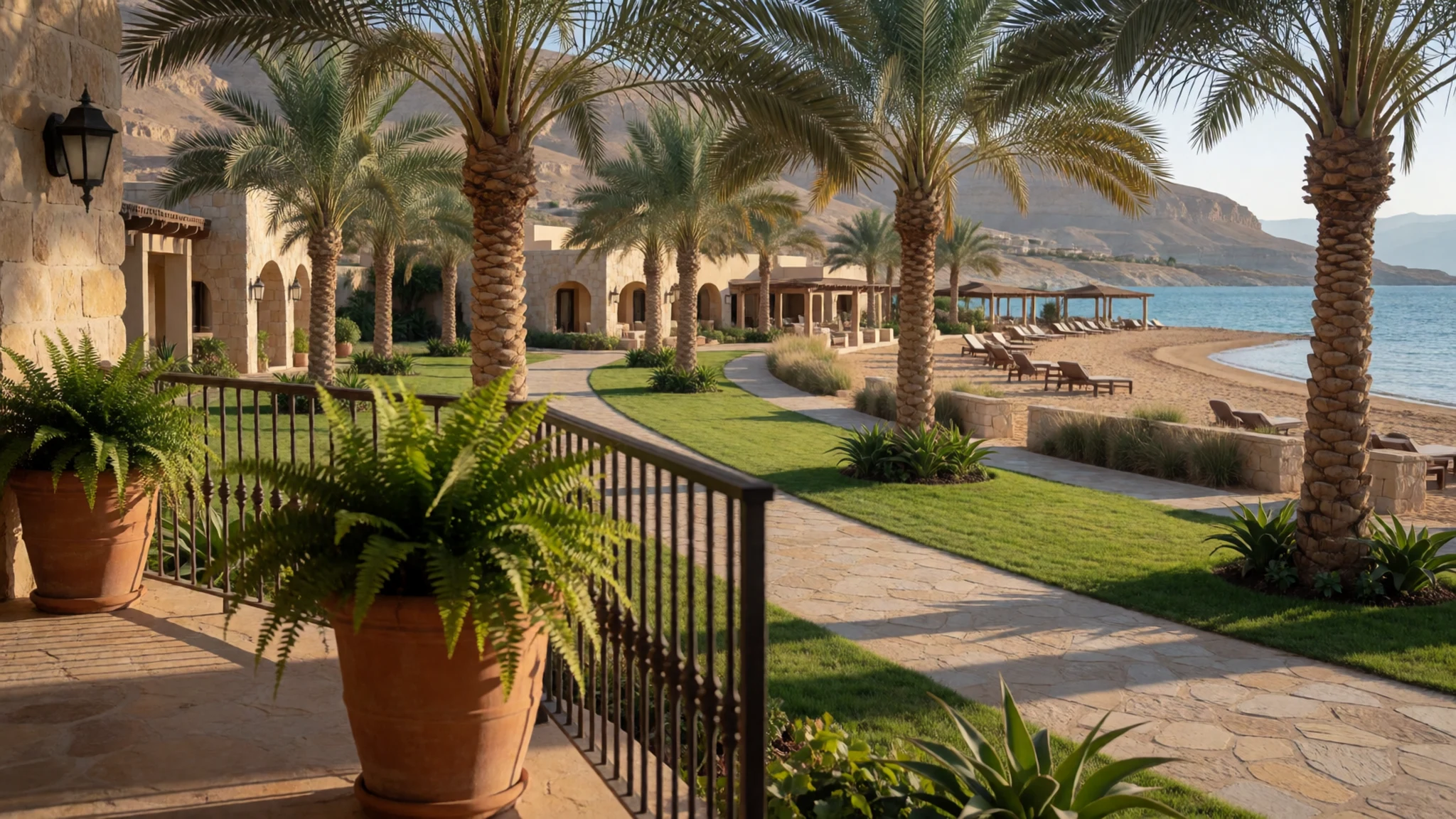
- Ein Bokek Resort Complex — Southern Israeli Coast
Located on the southern shore, this concentrated hub hosts the majority of major hotel complexes and therapeutic spa facilities. Visitors gather here to access well-maintained public and private beaches, specialised mud treatments, and modern amenities designed around the mineral-rich waters.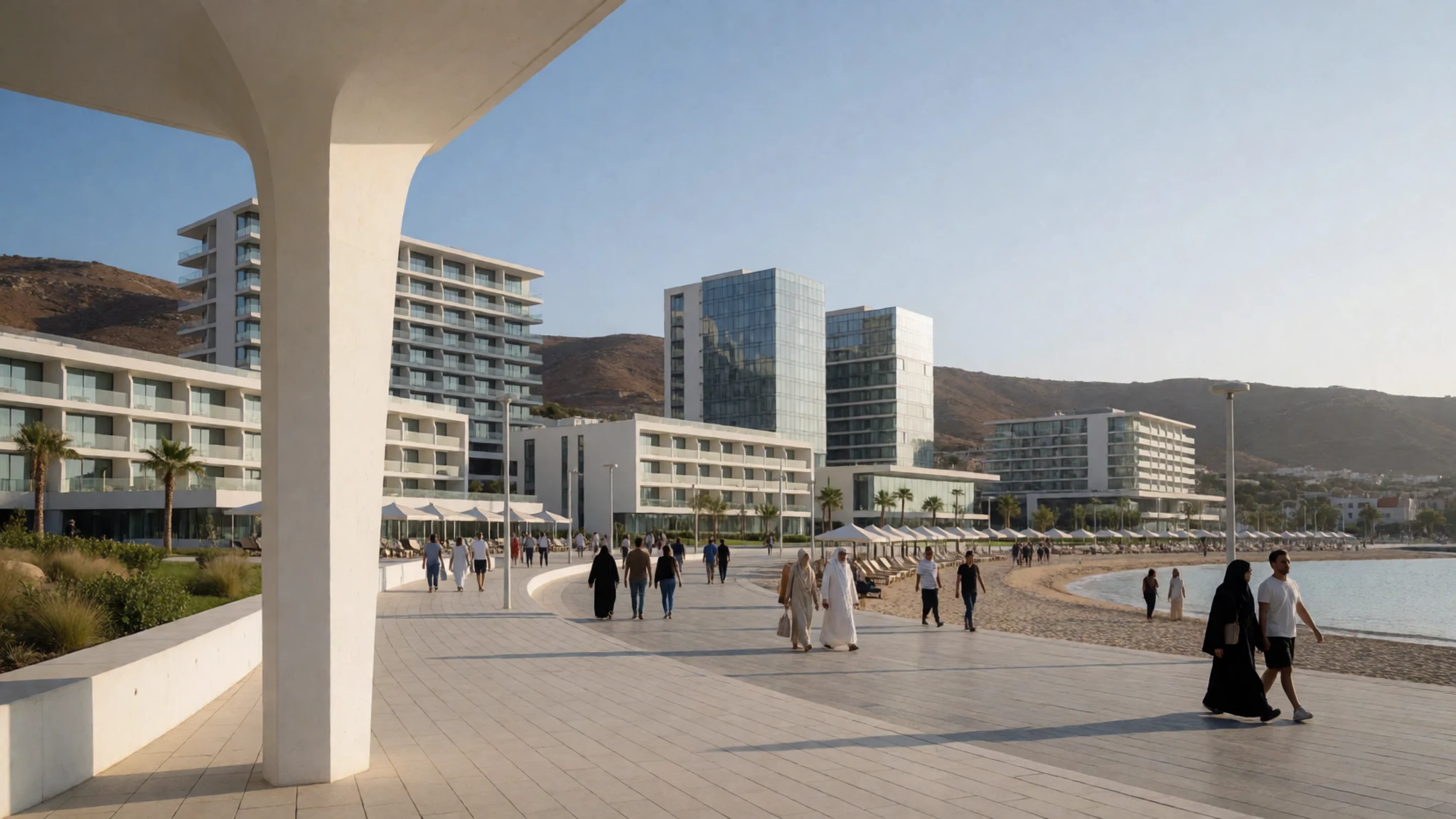
- Western Halite Formations — Western Coastal Strip
The western coastline showcases dramatic geological phenomena, including jagged salt deposits, crystalline rock pillars, and salt-cemented pebble beaches. These formations evolve constantly as water levels recede, creating intricate white patterns against the deep blue brine.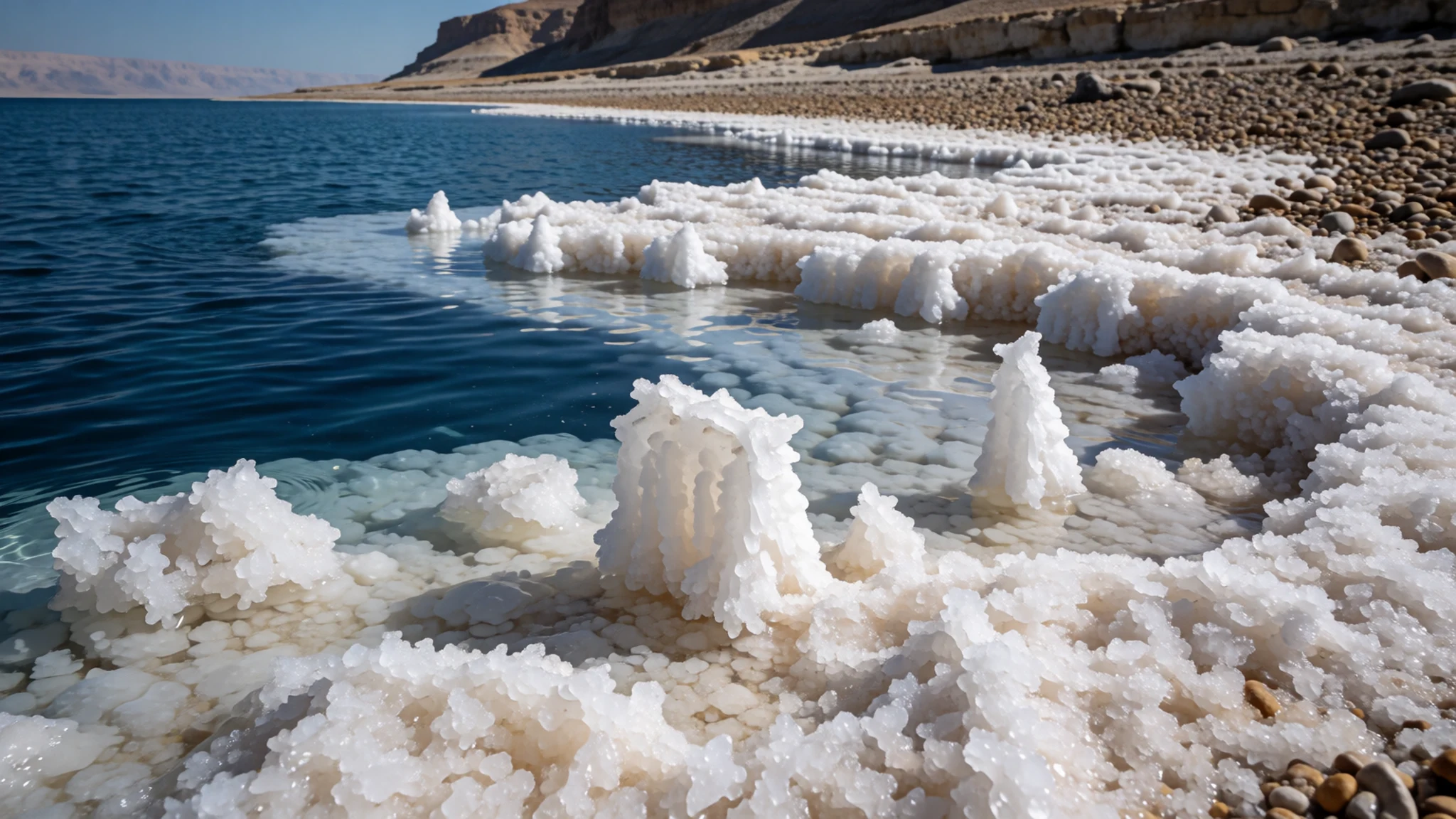
- Dead Sea Panorama Road — Eastern Mountain Escarpment
Winding high above the eastern shore, this scenic mountain route offers breathtaking overlooks of the entire basin and features interactive mapping integration. It connects various historical archaeological sites across Jordan while providing sweeping vistas of the rift valley below.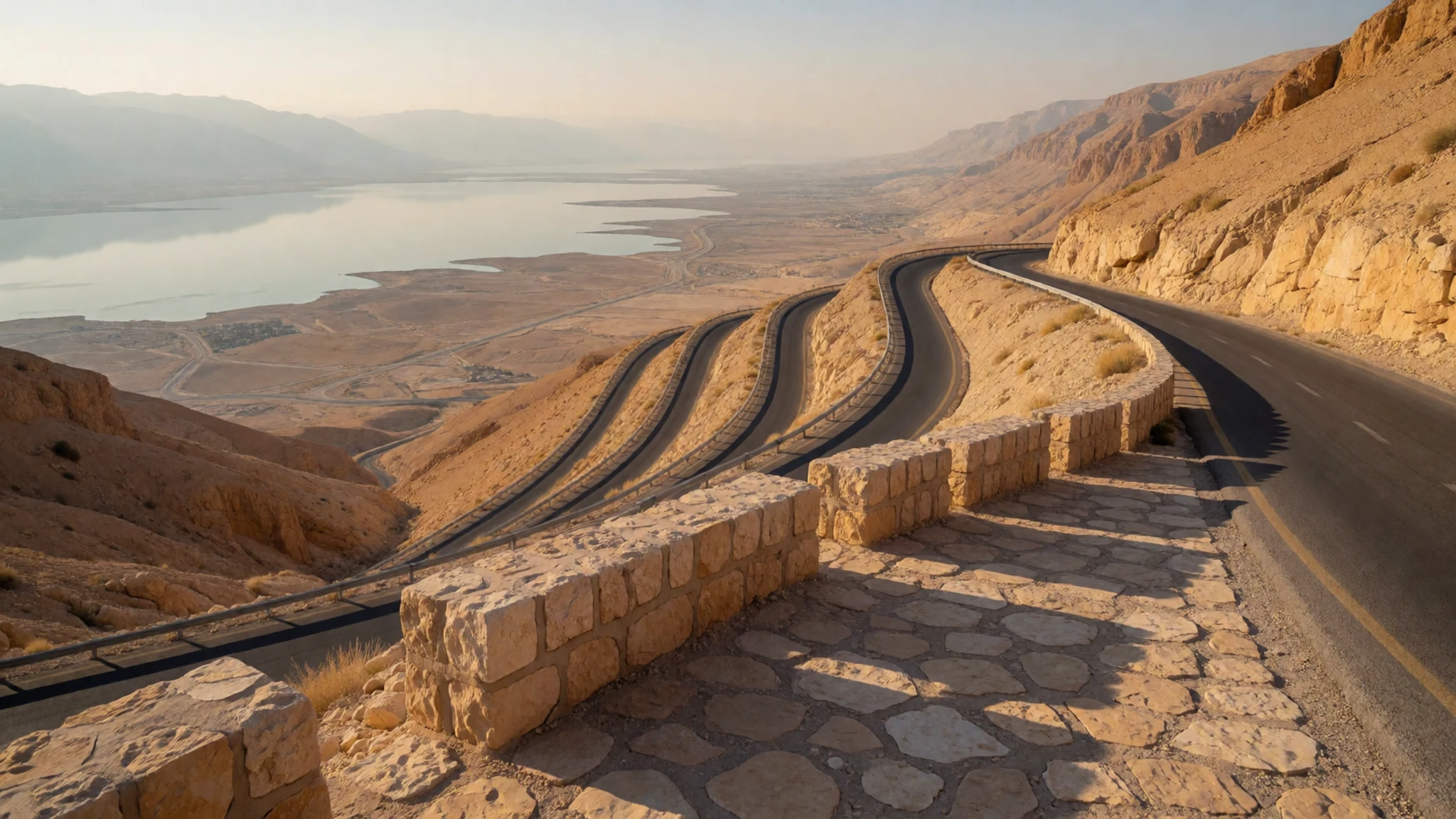
- Northern Kalia Coast — Northern Basin Edge
Marking the historic site of early twentieth-century Mandate-era recreation, the northern shores preserve traces of older settlements and quieter, windswept beaches. The area offers a more rugged and isolated experience compared to the southern hotel strips.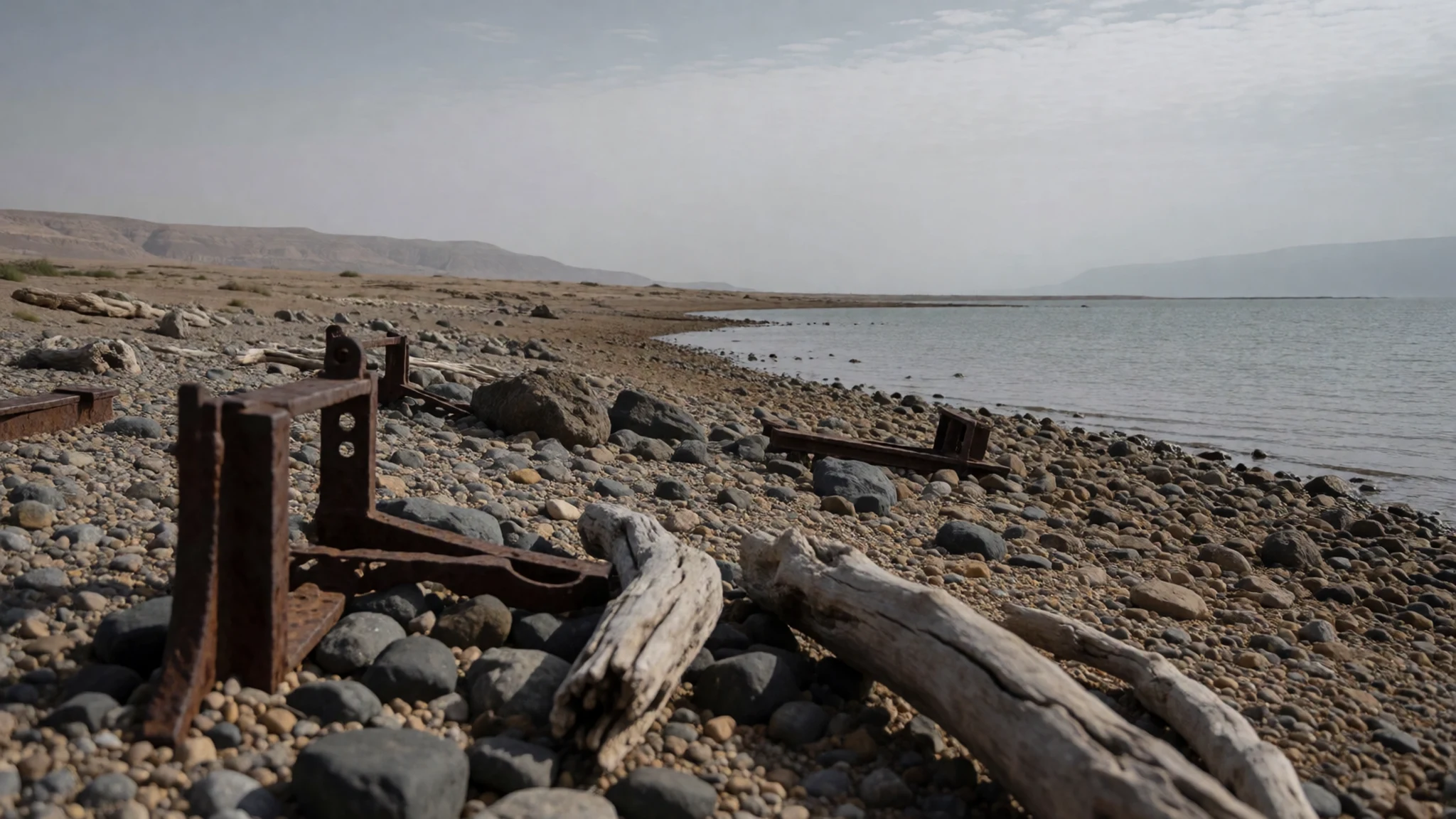
Culture
The cultural fabric surrounding the Dead Sea is deeply rooted in the traditions of the Levant, blending Levantine hospitality with modern resort culture. Communities across the Jordanian, Israeli, and West Bank areas share a rich heritage of hospitality, culinary arts, and craftsmanship tied to the desert environment. Traditional music, regional storytelling, and local artisanal crafts reflect centuries of adaptation to the arid climate of the Jordan Rift Valley. Visitors will find that local interactions are warm and welcoming, often centred around shared meals and unhurried conversations over cardamom-scented coffee or tea. Respect for local customs, religious traditions, and modest dress norms remains essential when moving between resort properties and nearby towns or rural villages. Always dress modestly with shoulders and knees covered when leaving the immediate beach and hotel areas.
What to wear
Traditional attire across the Dead Sea region reflects practical desert living, historically featuring loose-fitting garments made from breathable natural textiles like cotton and lightweight wool designed to protect against intense sun and heat. Nomadic and rural communities traditionally wore embroidered robes, head coverings, and durable fabrics suited for arid terrain.
In contemporary daily life and modern urban centres nearby, locals generally wear a mix of modern Western-style clothing and conservative regional garments. Office workers and city dwellers dress in standard contemporary attire, while more traditional or religious communities adhere to modest dress codes with covered shoulders, arms, and legs.
For visitors heading to the shores, practical considerations are vital due to the intense climate. Lightweight, breathable linen or cotton clothing is ideal for coping with high temperatures. Swimwear is essential for the beach, but visitors should carry a cover-up, sarong, or light shirt to wear when walking through hotel lobbies, restaurants, or local communities. Sturdy sandals or water shoes are strongly recommended for protecting feet against sharp salt crystals and rocky shorelines.
What to eat
- Fresh Levantine Mezze — Any traditional restaurant or hotel dining room across the Jordanian and Israeli shores
A vibrant assortment of small dishes including creamy hummus, smoky baba ganoush, tabbouleh, and crisp falafel, served warm with freshly baked flatbreads in local eateries throughout the region.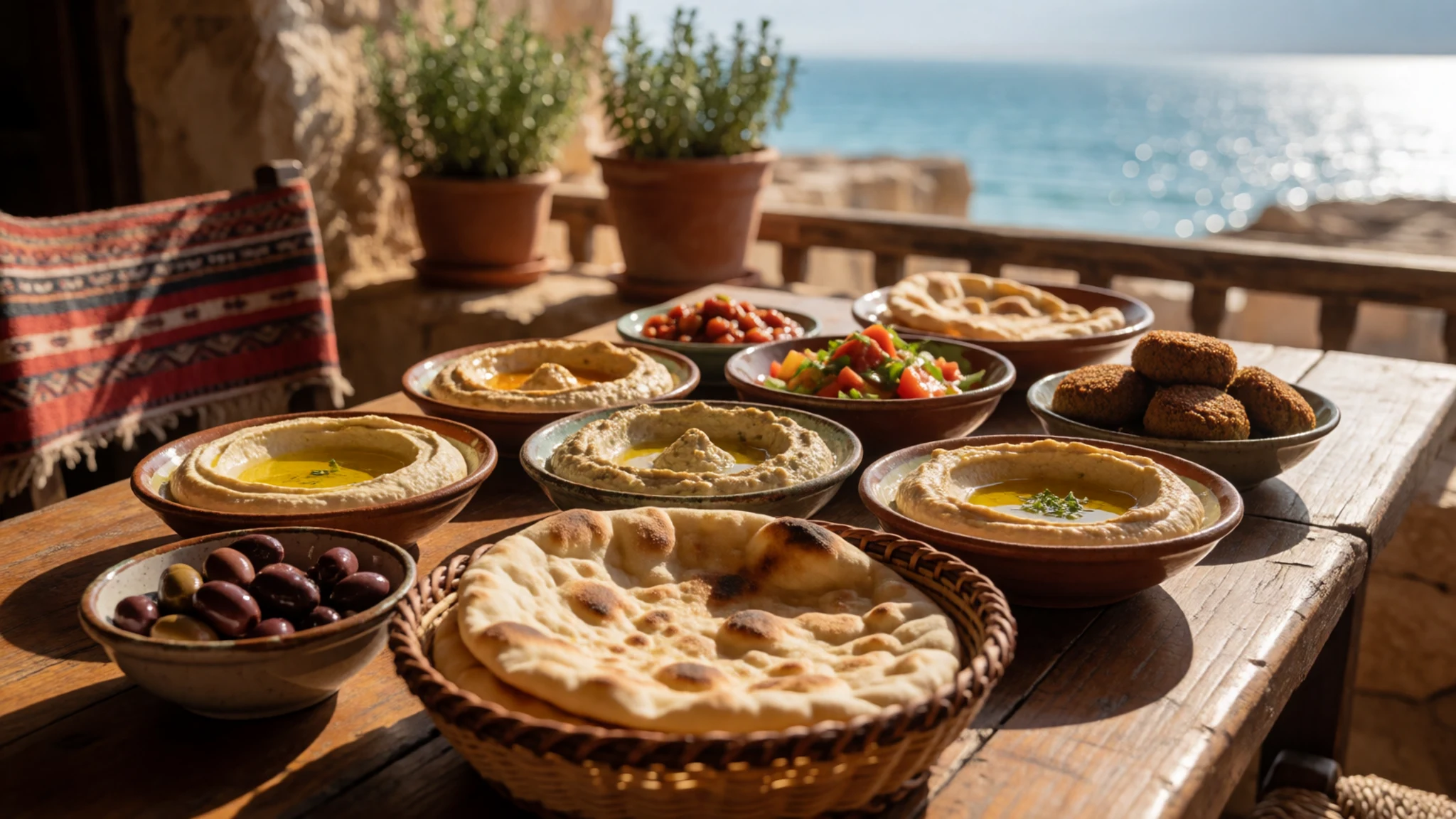
- Zarb Bedouin Barbecue — Desert camps and specialty restaurants along the eastern Jordanian highlands and valley floor
Meat and root vegetables slow-cooked underground in a subterranean pit lined with hot coals, infusing the food with a distinct, smoky desert flavour.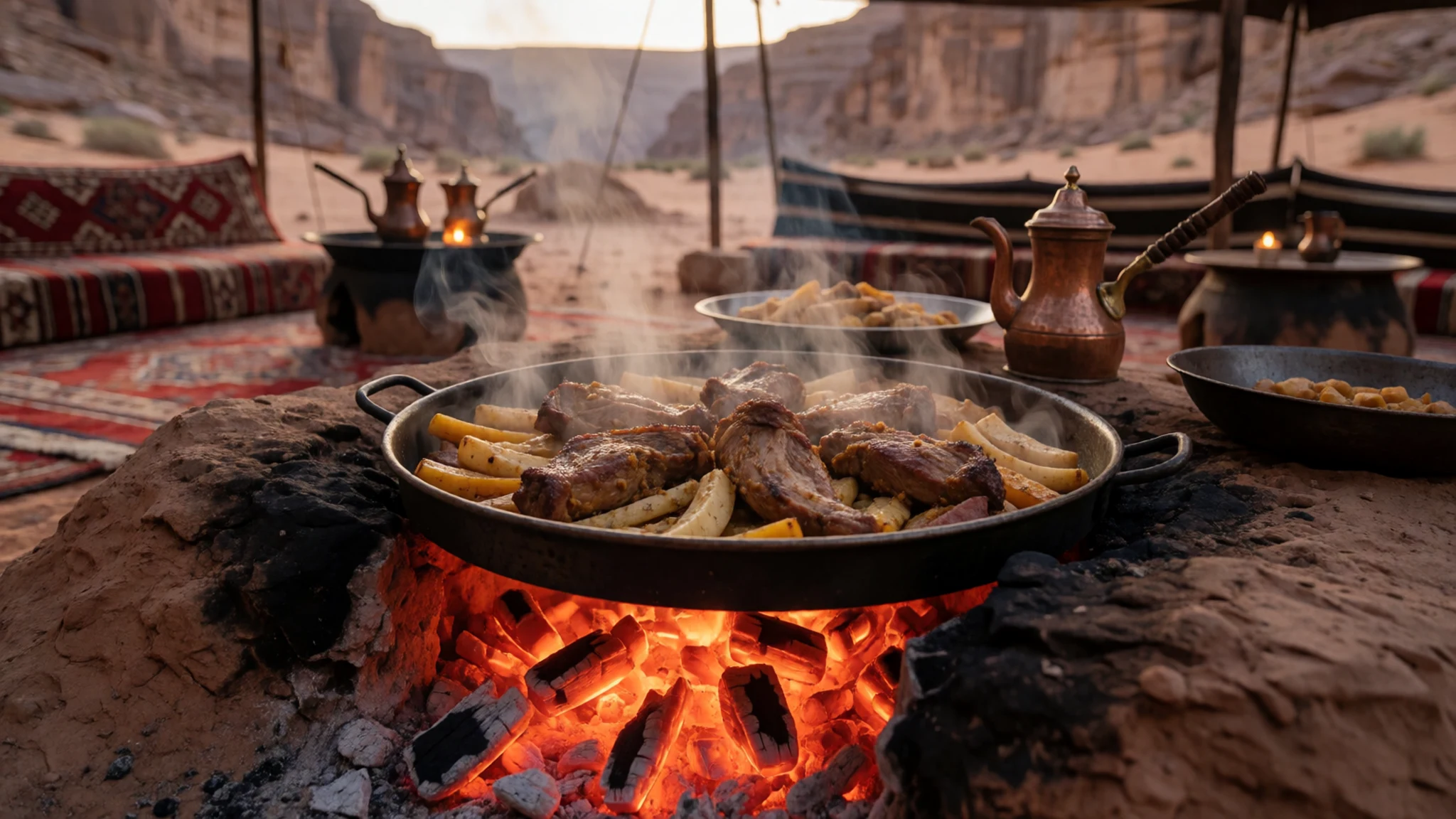
- Sweet Kanafeh — Local sweet shops and bakeries in nearby towns and resort cafes
A rich, traditional pastry made of spun dough layered with sweet cheese, soaked in fragrant sugar syrup, and topped with crushed pistachios. - Mandazi Spiced Bread — Morning breakfast buffets and roadside bakeries throughout the Jordan Valley
Lightly sweetened, cardamom-infused fried bread dumplings that pair perfectly with a strong cup of spiced tea or Turkish coffee.
Plan it
Best time. December to February offer the most comfortable daytime temperatures, though this is also the wettest season, while June to September brings the hottest, driest weather.
How long. 2–3
Getting there. Fly into Amman (Queen Alia International Airport) on the Jordanian side or Tel Aviv on the western side, followed by a taxi or rental car down into the rift valley.
Budget. mid
Tips
- Limit floating time to 15 minutes to avoid skin irritation from the high salt concentration.
- Never splash water or submerge your head, as getting brine in your eyes causes intense pain.
- Wear rubber water shoes to protect your feet from sharp salt crusts and rocky seabed edges.
- Bring plenty of drinking water and high-factor sun protection to counter the strong desert sun.
- Rinse off immediately using the freshwater showers provided at all public and private beaches.
Etiquette
- Dress modestly outside the immediate hotel pools and beach areas by keeping shoulders and knees covered.
- Ask permission before photographing local residents or workers in rural and non-resort areas.
- Observe local tipping customs in restaurants and hotels where service charges are not already included.
Nearby
Sources
- Wikidata Q23883 (CC0)
- Wikipedia (rev 1378258115) (CC BY-SA 4.0)
- Wikivoyage (rev 4546477) (CC BY-SA 4.0)
- Photo 01-dead-sea-by-david-shankbone.jpg (CC BY 3.0)
