Dal Lake
Dal Lake, India
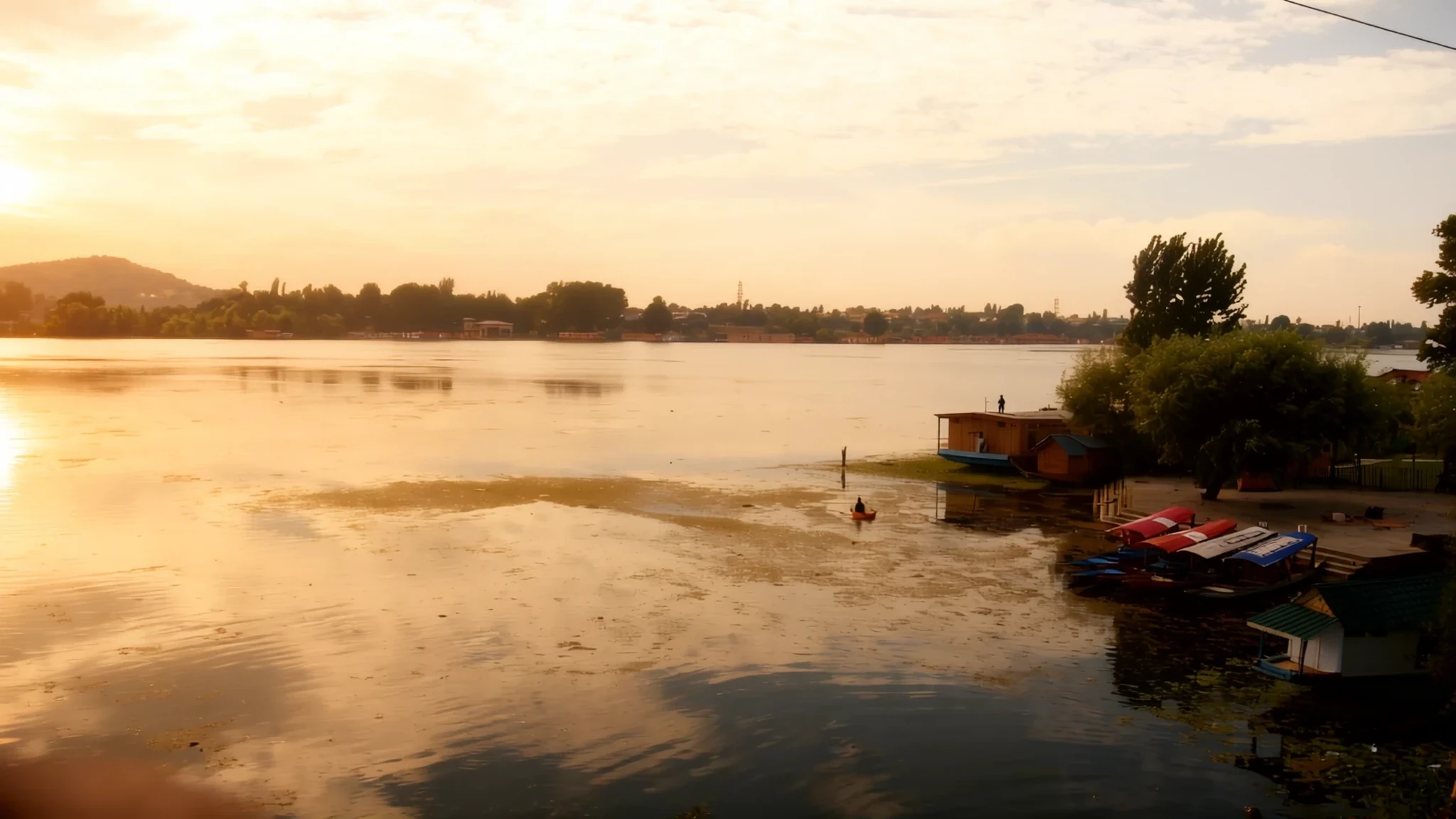
Dal Lake offers serene waters, historic houseboats, and terraced Mughal gardens nestled against Himalayan peaks in the Kashmir Valley.
The place
Dal Lake stretches across the summer capital of Jammu and Kashmir, serving as the central landmark of local recreation and urban life. Often celebrated by locals and travellers alike as the jewel of the region, this urban water body supports a complex ecosystem of aquatic farming, commercial fishing, and traditional transport. The shoreline features a wide boulevard framed by historic parks, wooden houseboats, and terraced orchards planted centuries ago by royal courts. Divided naturally into several interconnected basins by causeways and shallow marshlands, the water reflects the dramatic contours of the surrounding mountain ranges. In July and August, sections of the wetland bloom with thick carpets of lotus pads and delicate flowers, creating narrow green channels navigated daily by wooden paddle boats. Commercial vendors row across the mirror-like surface to sell fresh flowers, woven handicrafts, and steaming tea directly to floating residents. The surrounding shore accommodates a continuous stream of visitors walking along the paved promenades to watch fishermen cast nets from hand-carved skiffs. When freezing temperatures arrive during the deeper months of winter, parts of the shallow surface skim over with thin sheets of ice, transforming the vibrant aquatic landscape into a quiet, mist-covered expanse framed by snow-dusted willow trees.
Its story
Dal Lake appears in early classical literature under ancient Sanskrit names that record its early status as a sacred water source for mountain communities. Historical records from past centuries describe settlements along the eastern banks associated with regional shrines and mountain springs dedicated to deities worshipped by early inhabitants. During the height of the imperial era, ruling monarchs from Delhi chose the Kashmir Valley as a cool summer retreat, transforming the marshy shores into formal terraced pleasure grounds designed for leisure and poetic contemplation. Following the decline of central imperial authority, political control shifted through regional dynasties, including local chieftains, Afghan governors, and later Sikh rulers who incorporated the valley into their growing northern territories. In subsequent decades, the governing administration established permanent administrative stations around the water basin, drawing travellers and administrators seeking refuge from the plains. These successive eras left distinct architectural layers around the lake, from stone water pavilions and cascading fountains to the distinctive wooden houseboats introduced during colonial times to bypass local property restrictions. Each ruling power contributed to the complex cultural identity that continues to define the daily rhythms of life along these historic shores.
What to see
- Dal Lake Central Waters — Srinagar centre
Dal Lake serves as the primary aquatic heart of Srinagar, featuring an expansive network of interconnected basins, open water tracks, and residential houseboats. Visitors hire traditional wooden shikaras from various docks to glide past floating vegetable plots, local market vendors, and historic willow-lined islets.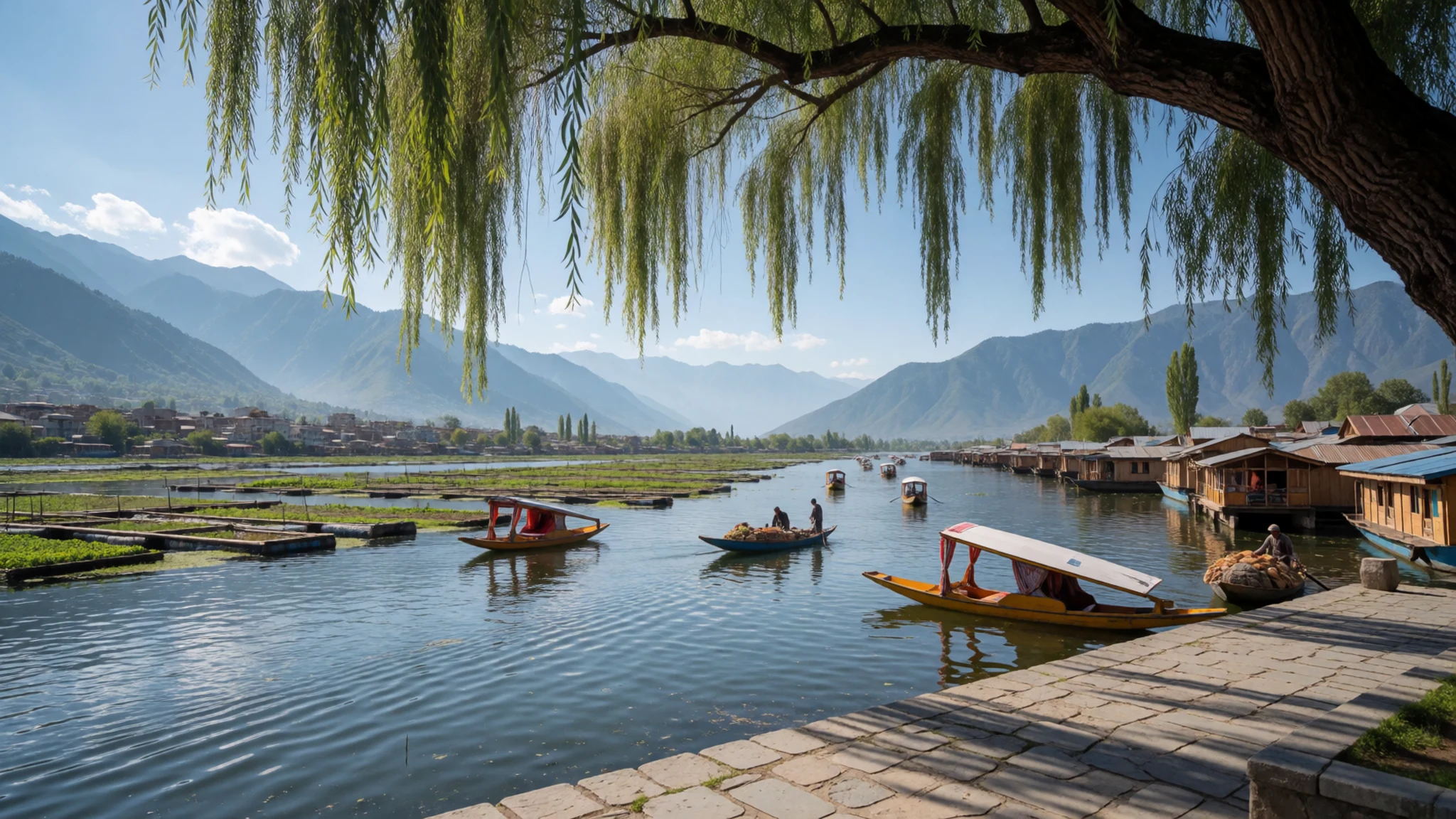
- Nagin Lake — Western side of Dal Lake
Nagin Lake functions as an independent, quieter basin connected to the main water body by a narrow channel flanked by weeping willows. Sheltered closely beneath the slopes of Hari Parbat, this pristine pool offers calmer waters, fewer commercial distractions, and excellent moorings for luxury houseboats.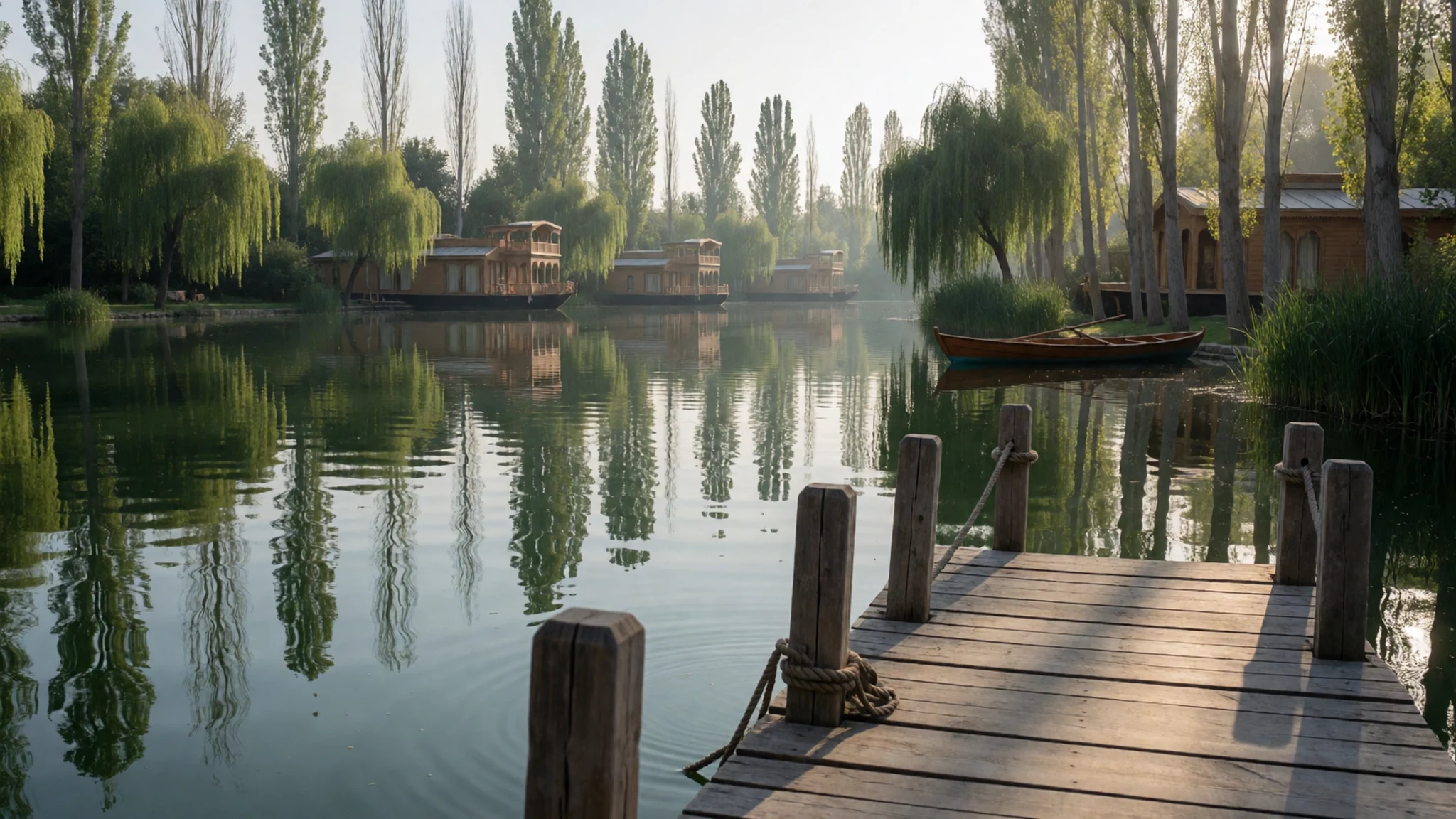
- Mughal Gardens — Eastern lake shore
Mughal Gardens line the eastern periphery of Dal Lake, featuring formal terraces, cascading water channels, and ancient blooming flower beds. Built by royal patrons centuries ago, these historic retreats provide panoramic views across the valley and shady walks beneath mature Chinar trees.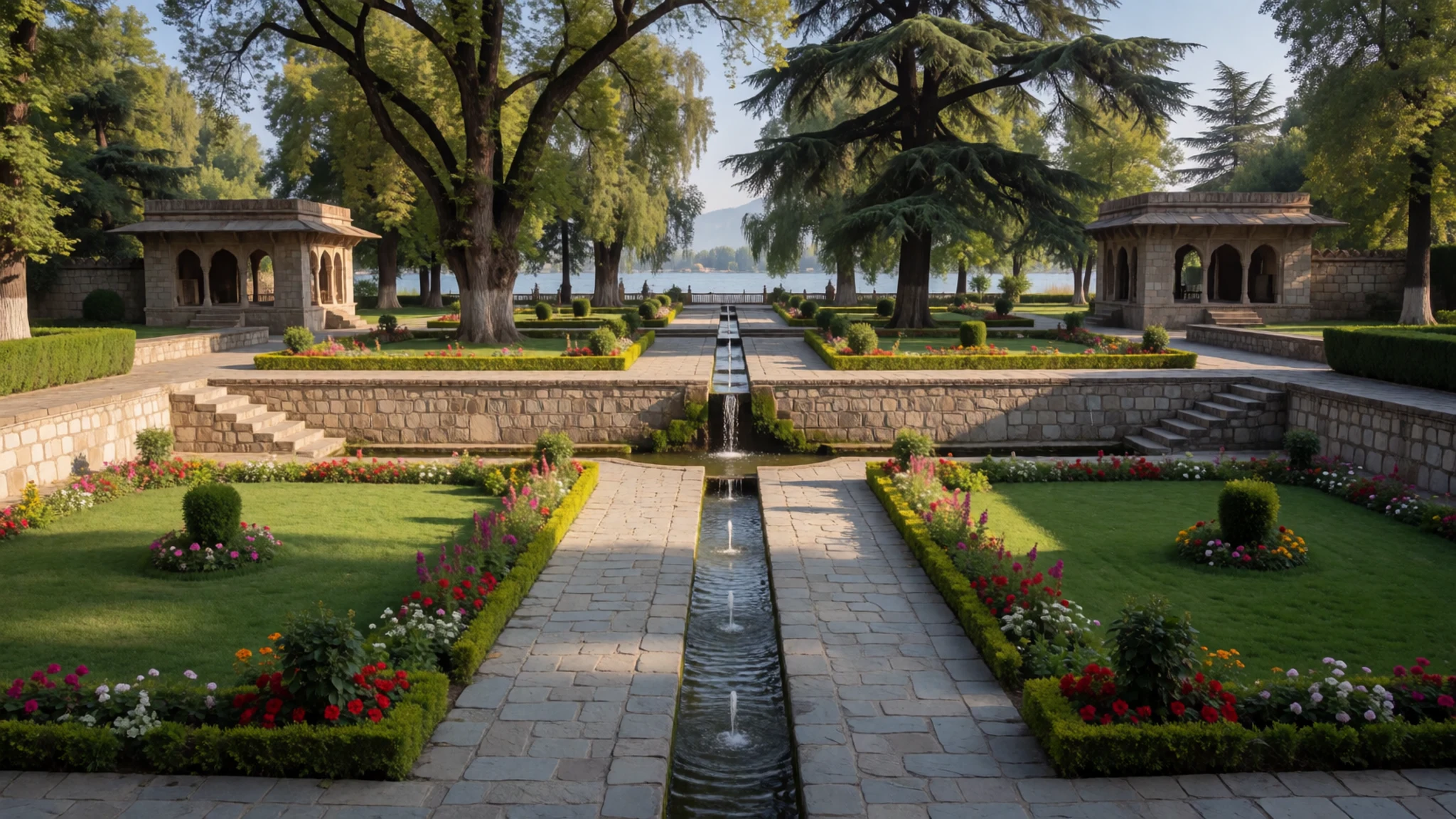
- Rupa Lank — Bod Dal central basin
Rupa Lank translates as the silver island, situated within the central basin of the lake known as Lokut Dal. Constructed artificially during the imperial era by royal family members, this peaceful islet features shady trees and historic stone structures surrounded by open water.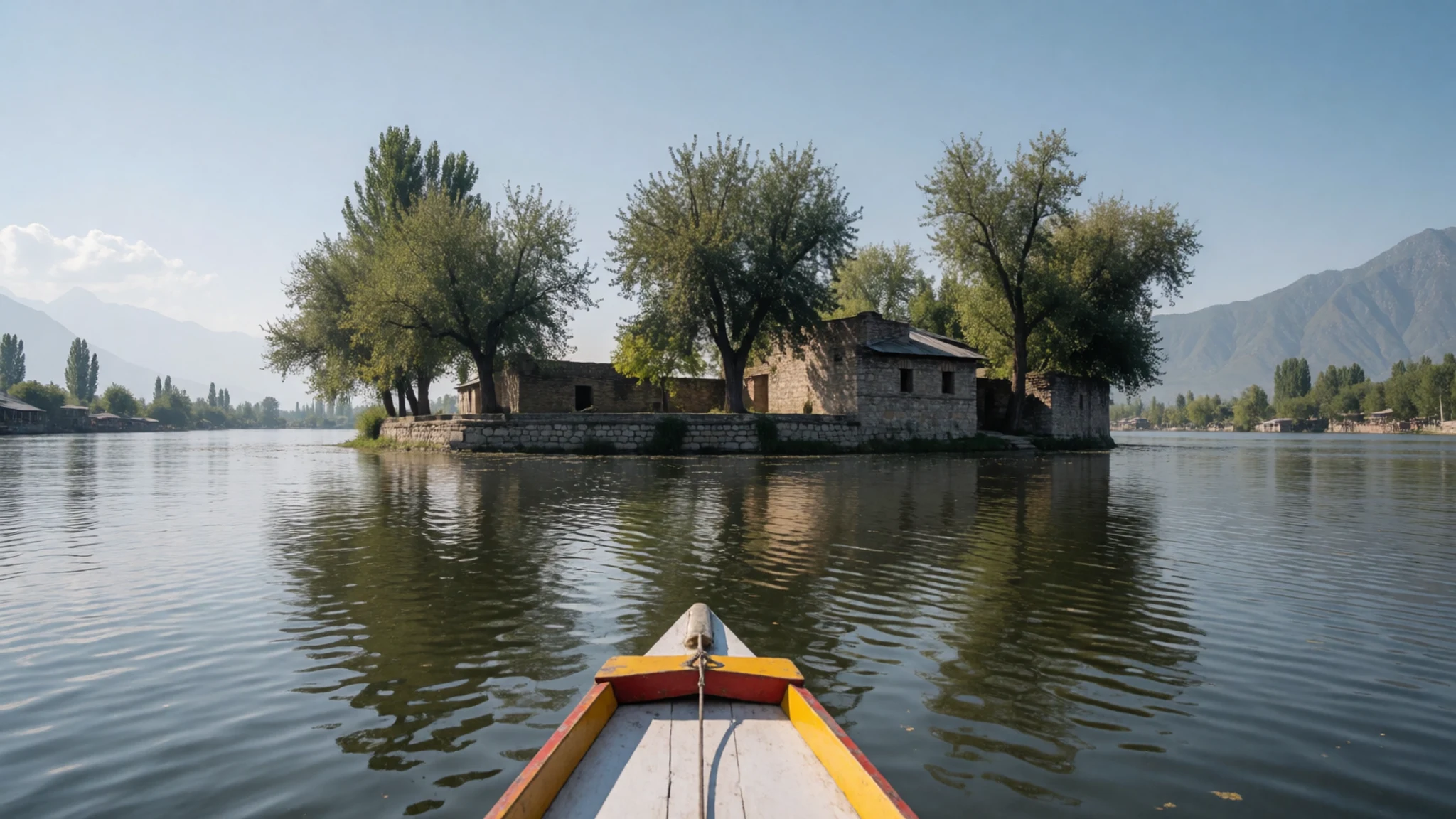
- Sona Lank — Lokut Dal northern basin
Sona Lank translates as the gold island, positioned within the northern expanse of the water body close to Bod Dal. The island sits directly adjacent to prominent religious shrines, offering travellers an alternative vantage point to observe local pilgrims and waterfowl across the lake.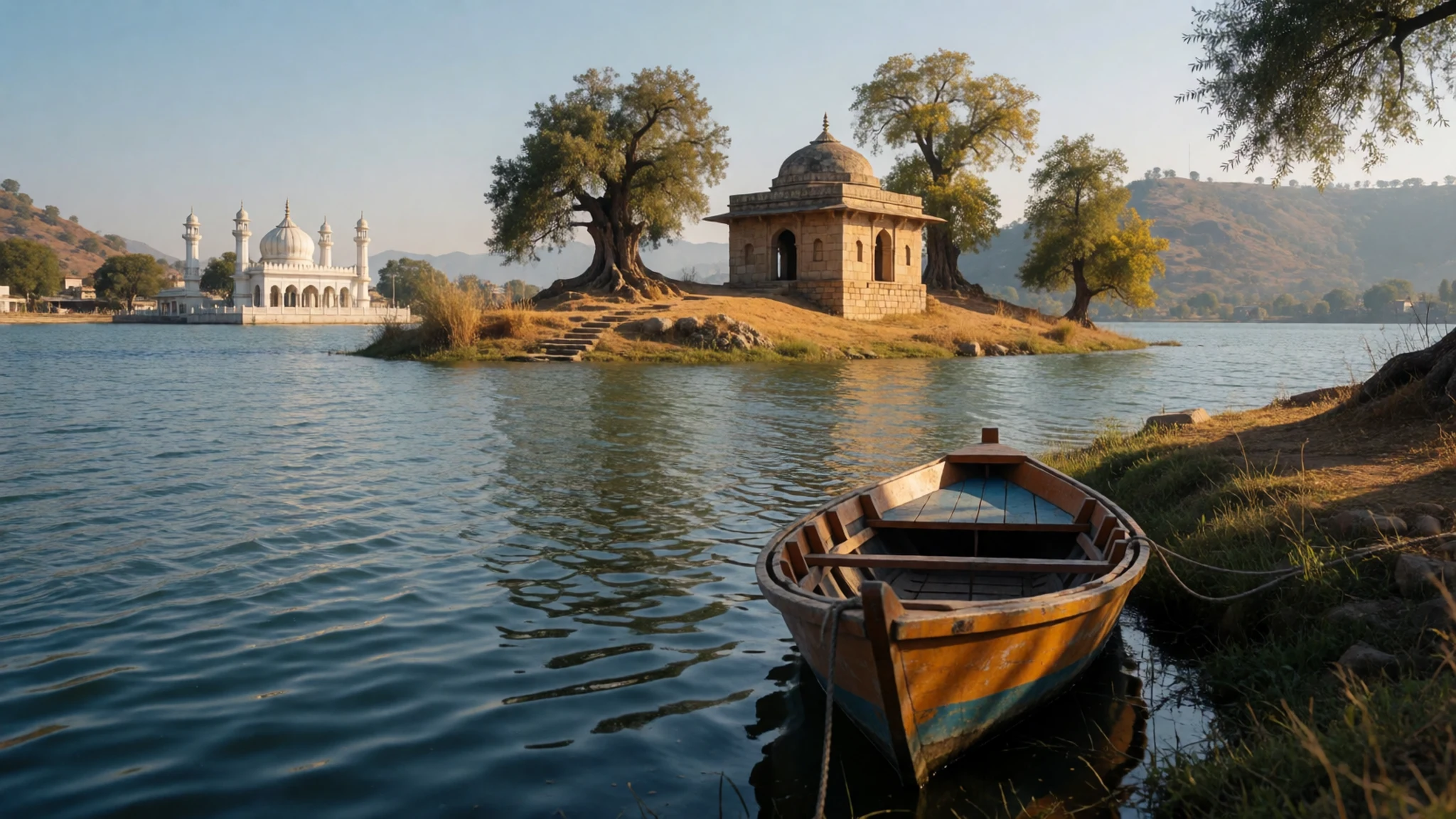
- Jawaharlal Nehru Memorial Botanical Garden — Lower mountain slopes
Jawaharlal Nehru Memorial Botanical Garden is a carefully curated public park managed by regional agricultural authorities along the lower mountain slopes. The spacious grounds feature diverse plant collections, manicured lawns, paved walking trails, and pleasant vistas overlooking the nearby lake waters.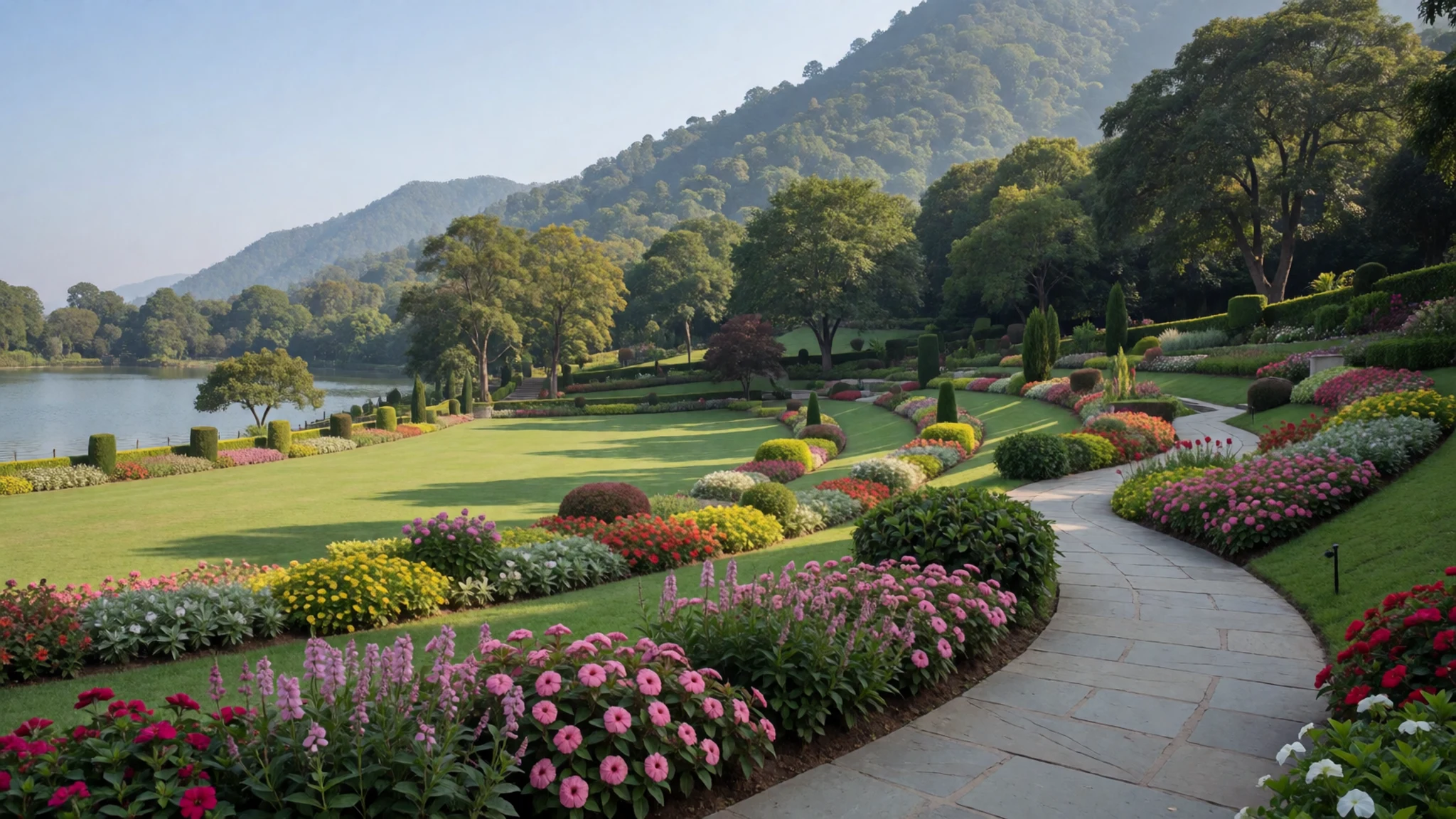
Culture
Dal Lake sustains a distinct local culture shaped by generations of families who live, work, and farm directly upon the water. Residents navigate the basins daily in wooden boats, cultivating floating vegetable gardens known locally as raad and harvesting aquatic weeds to feed livestock. Hospitality remains central to community life, with houseboat owners welcoming visitors with hot cups of traditional spiced kahwa tea. Traditional crafts, including hand-knotted woollen carpets, papier-mâché ornaments, and embroidered shawls, are traded from floating shops and lakeside ateliers. Visitors should dress modestly when exploring local neighbourhoods and remove footwear before entering houseboats or religious shrines.
What to wear
Traditional dress around Dal Lake reflects the cool mountain climate and rich textile heritage of the region. Local residents frequently wear the pheran, a loose, long-sleeved woollen tunic traditionally embroidered with intricate needlework around the collar and cuffs, often paired with a lightweight scarf or head covering. Modern residents balance these heritage garments with contemporary winter jackets, trousers, and sweaters suited to daily urban life. Visitors should pack layered clothing, sturdy walking shoes for uneven stone paths, and a warm windproof jacket for chilly evenings on the water. Modest attire covering shoulders and knees is recommended throughout local neighbourhoods and religious sites.
What to eat
- Kashmiri Bakery Pastries — Nallahmar Road bakeries
Kashmiri bakers produce an extensive variety of sweet and savoury pastries, crisp biscuits, and layered breads that are especially popular during local festivals. These traditional baked goods can be found at crowded bakeries located along Nallahmar Road and central city streets.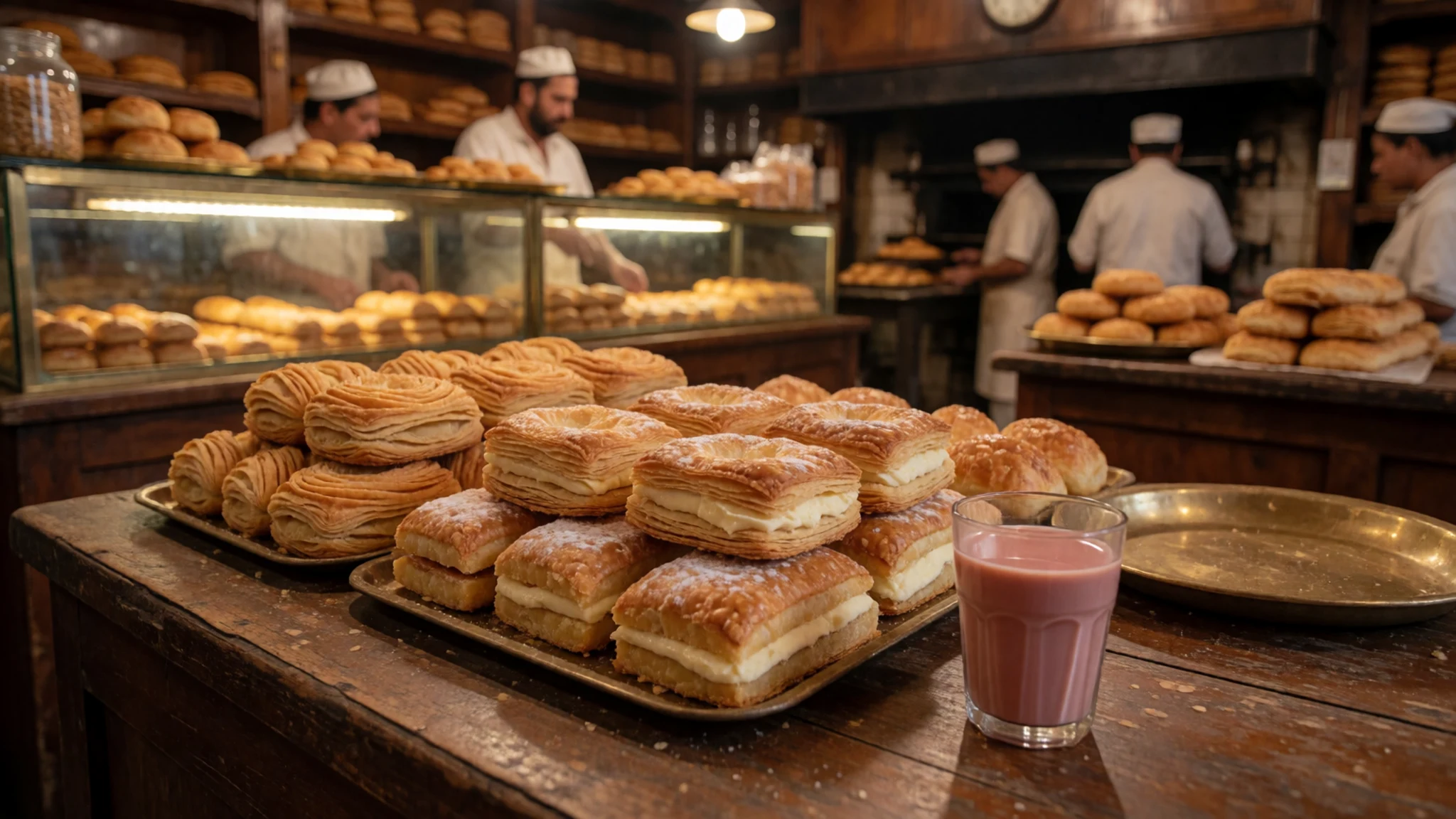
- Traditional Kashmiri Sweets — Lal Chowk sweet shops
Traditional Kashmiri sweets include rich celebration cakes, syrup-soaked pastries, and delicate dairy confections prepared by historic confectioners in the old city quarters. Travellers sample these rich desserts at renowned sweet shops situated near major commercial intersections and market areas.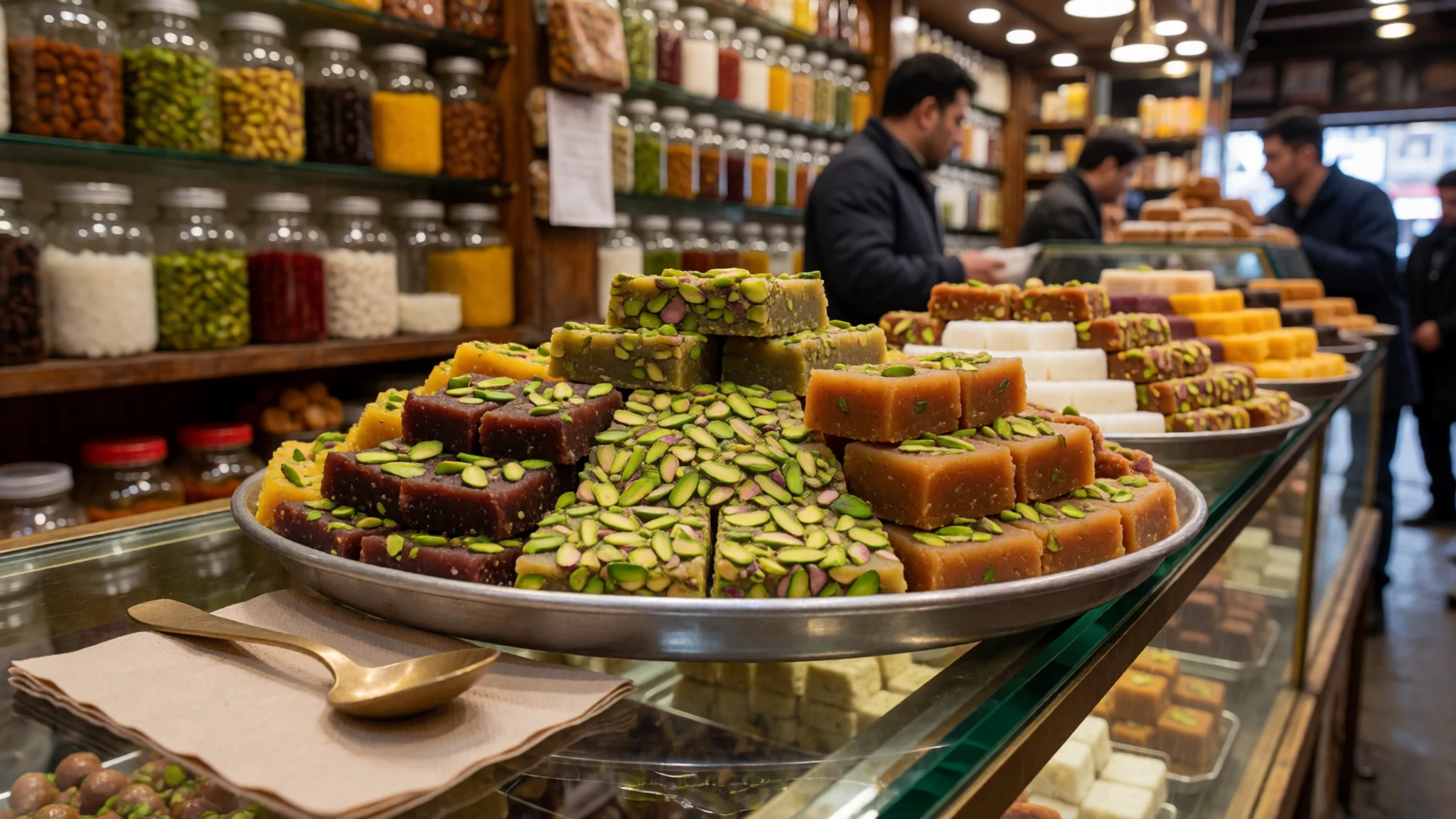
- Wazwan Feast Dishes — Traditional banquet halls
Wazwan represents the ceremonial multi-course feast of the region, featuring slow-cooked aromatic meat dishes, spicy gravies, and delicate kebabs. These elaborate culinary preparations are served during wedding celebrations and special gatherings across traditional dining rooms in the city. - Local Kashmiri Thali — Boulevard lakeside restaurants
Local Kashmiri thalis offer a comforting selection of home-style vegetarian and non-vegetarian dishes served alongside steamed rice and fermented vegetable condiments. These hearty meals are available at established cafes and dining rooms located along the main boulevard facing the lake.
Plan it
Best time. July and August bring warm days, the wettest weather of the summer, and blooming lotus gardens, while October brings the driest, clearest skies and crisp mountain air.
How long. 3–4
Getting there. Fly into Srinagar airport, then take a pre-paid taxi or local transport to the lake shore boulevard (about one hour).
Budget. mid
Tips
- Carry a printed copy of your flight ticket for airport security checkpoints
- Book houseboats and transport in advance during peak summer months
- Carry sufficient cash for small shops and boat rentals
- Start morning visits early to experience the calmest water conditions
Etiquette
- Always remove your shoes before stepping inside a wooden houseboat
- Dress modestly with covered shoulders and knees when visiting religious shrines
- Ask permission before photographing local residents and boat vendors
Nearby
Sources
- Wikidata Q325391 (CC0)
- Wikipedia (rev 1370499091) (CC BY-SA 4.0)
- Wikivoyage (rev 5388879) (CC BY-SA 4.0)