Cyprus
Cyprus, Cyprus
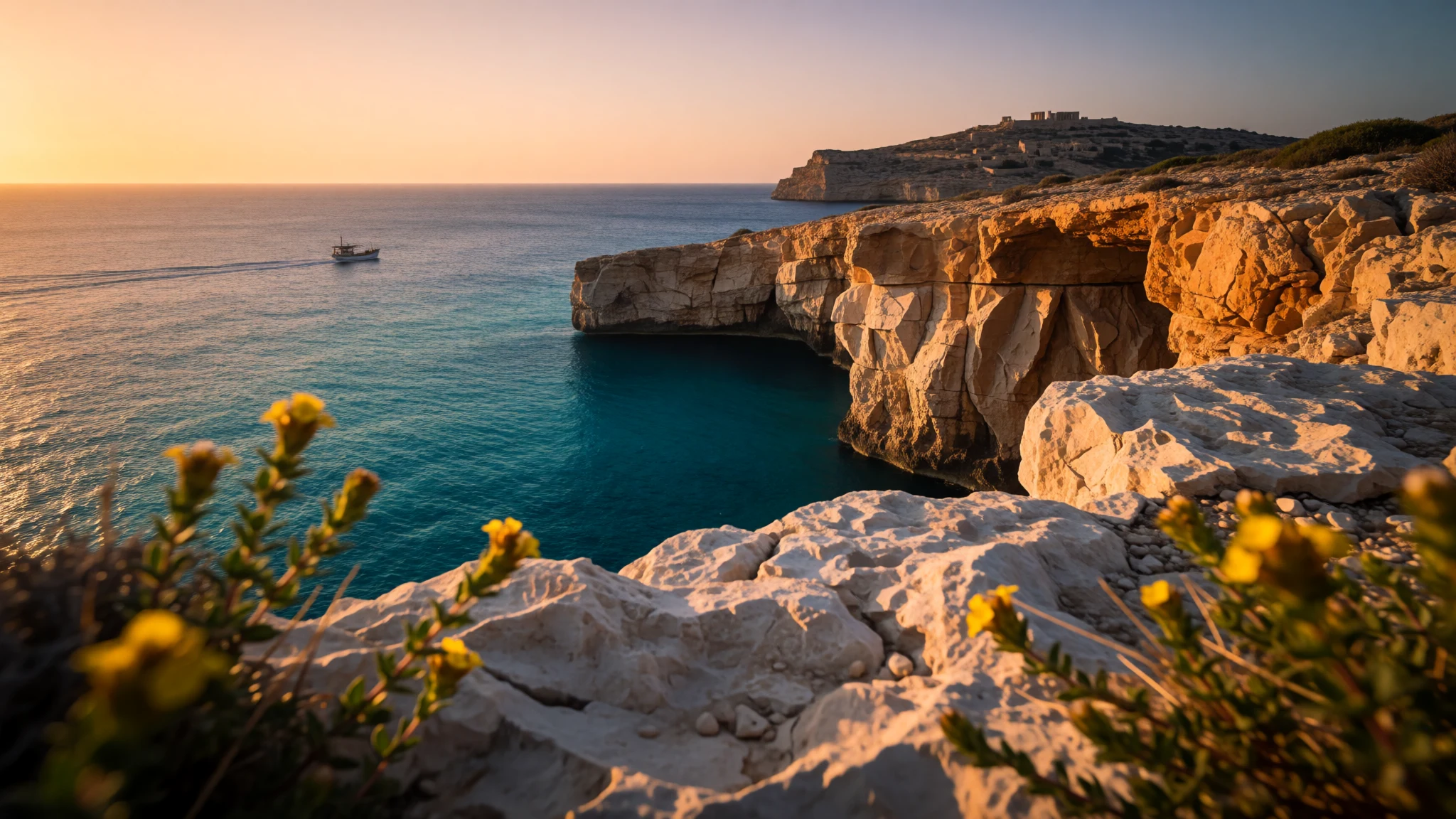
Cyprus is an eastern Mediterranean island of copper, ancient towns, a divided capital and a coastline that stays quiet in places.
The place
Cyprus sits in the eastern Mediterranean, off the Levant, and runs its government from Nicosia. The Republic of Cyprus is the state other countries recognise; a UN buffer splits it from the Turkish Republic of Northern Cyprus, a polity Turkey alone recognises. Britain still holds the base areas at Akrotiri and Dhekelia on the southern shore. About 1.3 million people live on Cyprus, which became an independent republic in 1960. Copper under the hills, and a harbour on almost every coast, pulled traders and armies here for millennia. The metal is still visible in the open pit at Skouriotissa. Much of the shoreline remains quiet enough for an unhurried walk, while the Troodos villages — Kakopetria, Platres and Phini — sit above the coastal towns, with trails in the warmer months and skiing when winter snow arrives. Nicosia is the capital and the main city. Venetian walls still enclose the old town, and the buffer zone, widely called the Green Line, cuts the old city in two. Moving around Cyprus means two administrations and a shared habit of feeding guests. Greek Cypriot public life is centred in the recognised republic; Turkish Cypriot public life is centred in the north. Churches and mosques differ, yet grilled cheese, lamb and long shared plates turn up on both sides of the line. Clocks on the island follow UTC plus two hours. A first stay that takes in the walled capital, one stretch of coast, a prehistoric site and a day in the hills shows the island more honestly than a checklist of every ruin.
Its story
Cyprus was already an island when the first hunter-gatherers landed, some 13,000 years before the present, leaving traces at coastal Aetokremnos and inland at Vretsia Roudias. Near that time two native animals died out: a dwarf elephant standing roughly 1 metre, or 3 ft 3 in, and a pygmy hippopotamus standing roughly 75 cm, or 2.46 ft. Farming villages were in place by about 8500 BC. Choirokoitia still shows their round stone houses. One Neolithic grave on Cyprus, from about 7500 BC, laid a person and an eight-month-old cat in the same resting place, evidence that the two species already kept company. Later Bronze Age towns dealt with the wider sea under the name Alashiya. Mycenaean Greek settlers followed as that age closed. Copper and the sea lanes between three continents then drew a sequence of rulers: Assyrians, Egyptians and Persians, until Alexander took the island in 333 BC. Ptolemaic, Roman and Eastern Roman centuries followed, then Arab rule, the French Lusignan dynasty and a Venetian interlude. Ottoman control ran from 1571 to 1878. The republic itself dates from 1960. What a visitor meets in the ground is that stacked timeline rather than a single ancient layer. Choirokoitia belongs to the first farmers. Kition's severe-style Zeus Keraunios belongs to the classical centuries. Nicosia's walls and the Büyük Han belong to the Venetian and Ottoman city. A 1573 map by Abraham Ortelius still labels the island as a prize drawn for outsiders. The British flag was raised in Nicosia in 1878, closing the Ottoman chapter; independence in 1960 opened the present one, and the buffer zone that splits the capital is the fact no reading of Cyprus can skip.
What to see
- Nicosia and the Green Line — Nicosia
Nicosia is the capital of Cyprus, and the Green Line buffer runs through its centre. Venetian walls still enclose an old town of lanes, cafes and restaurants. Büyük Han, a stone caravanserai, opens off those lanes as a quiet courtyard. South-west of the walls, the former international airport has stood empty inside the buffer zone since 1974.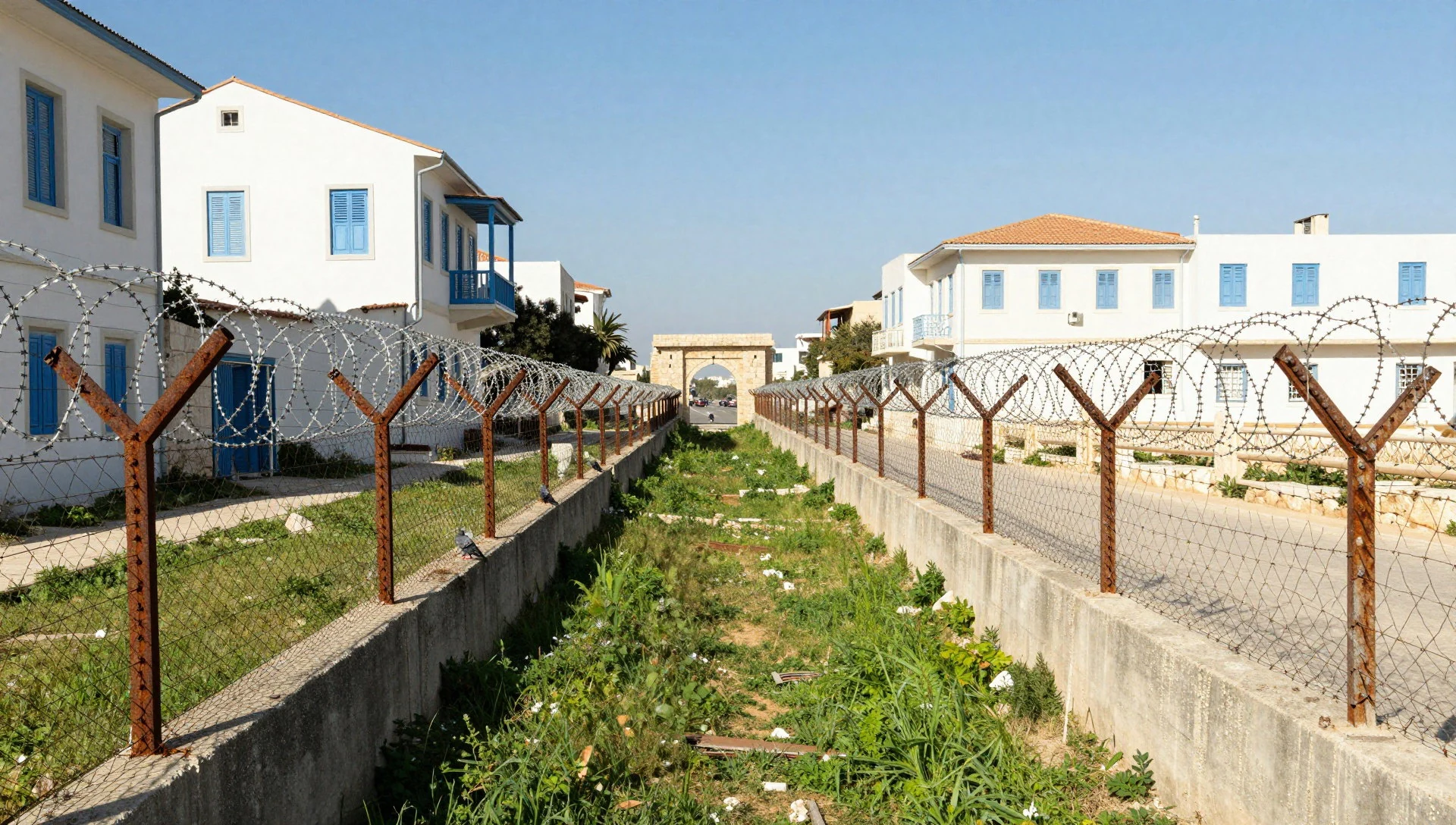
- Choirokoitia — Choirokoitia
Choirokoitia is a Cyprus site from the early farming era, before pottery was in use. Round stone house-bases climb a dry slope, and the paths between them show a village plan rather than a later classical city. It suits anyone tracing the farming communities that were in place by about 6800 BC. Shade is scarce, so mornings are kinder than midday.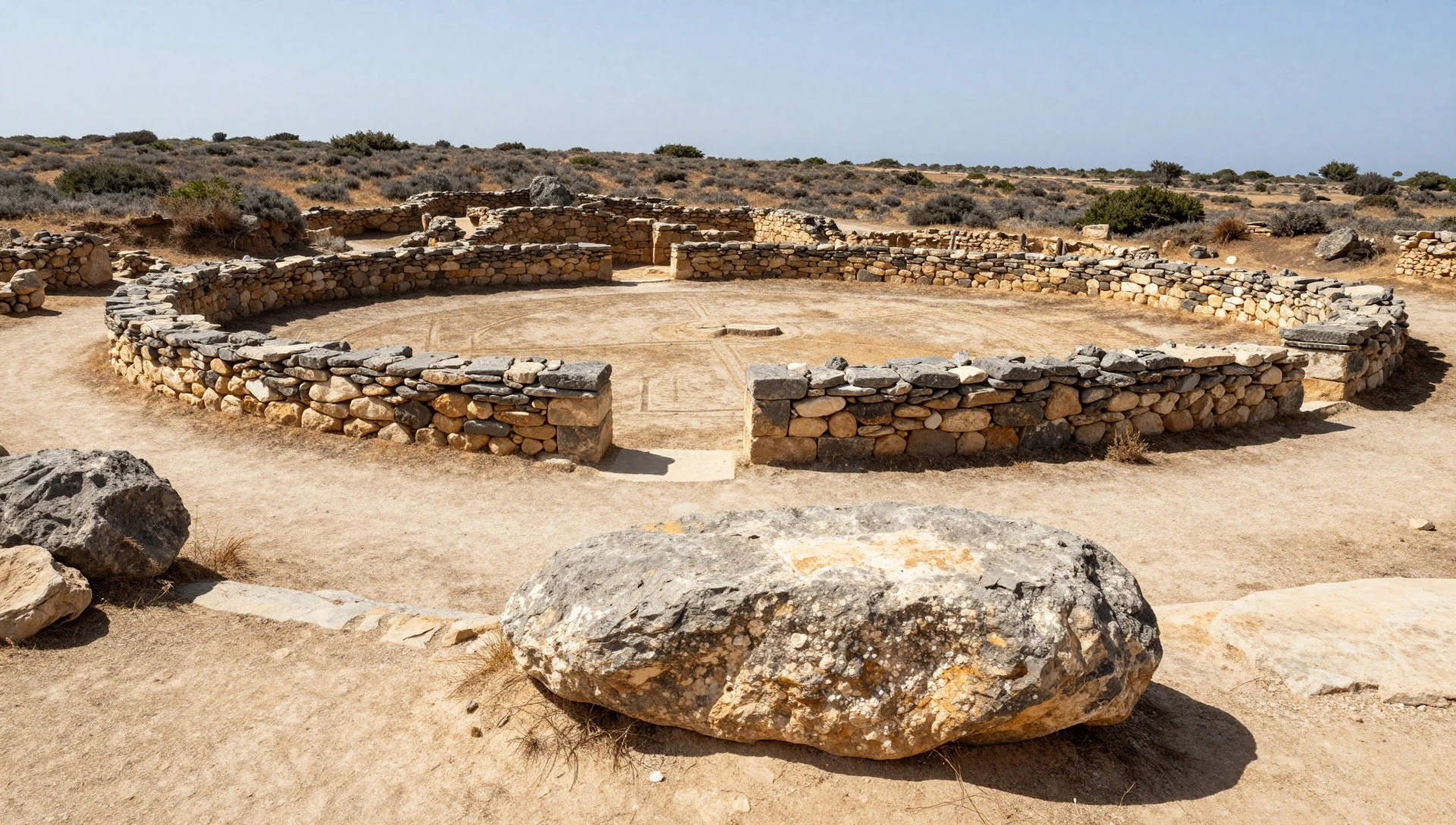
- Paphos harbour and the Rock of Aphrodite — Paphos
Paphos harbour and the archaeological park beside it put the classical shore of Cyprus in one walk: ruins above the water, working boats in the basin. Nearby, the Rock of Aphrodite is a picnic ledge when the wind is light. The two sit close enough for a single outing, park first. Opening hours are not in these sources; confirm them on the government website.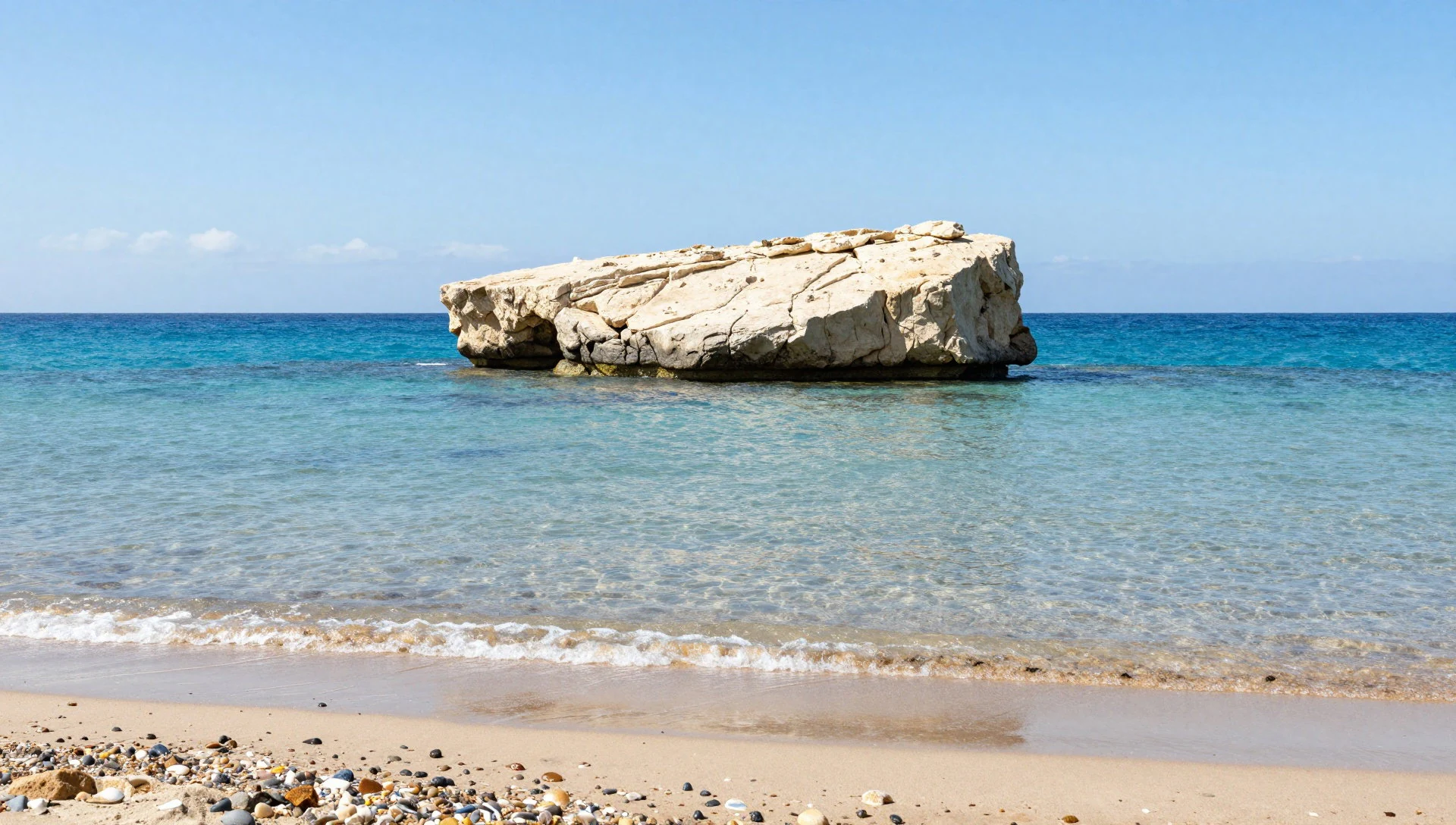
- Troodos villages — Troodos
The Troodos are the mountain interior of Cyprus. Villages such as Kakopetria, Platres and Phini sit on the roads, and trail walks leave their squares for the slopes. The summits top out at 1,952 metres. Snow months bring skiing, and the slopes are still a work in progress. A day based in one village, walking out and back, suits the scale better than a rush between all three.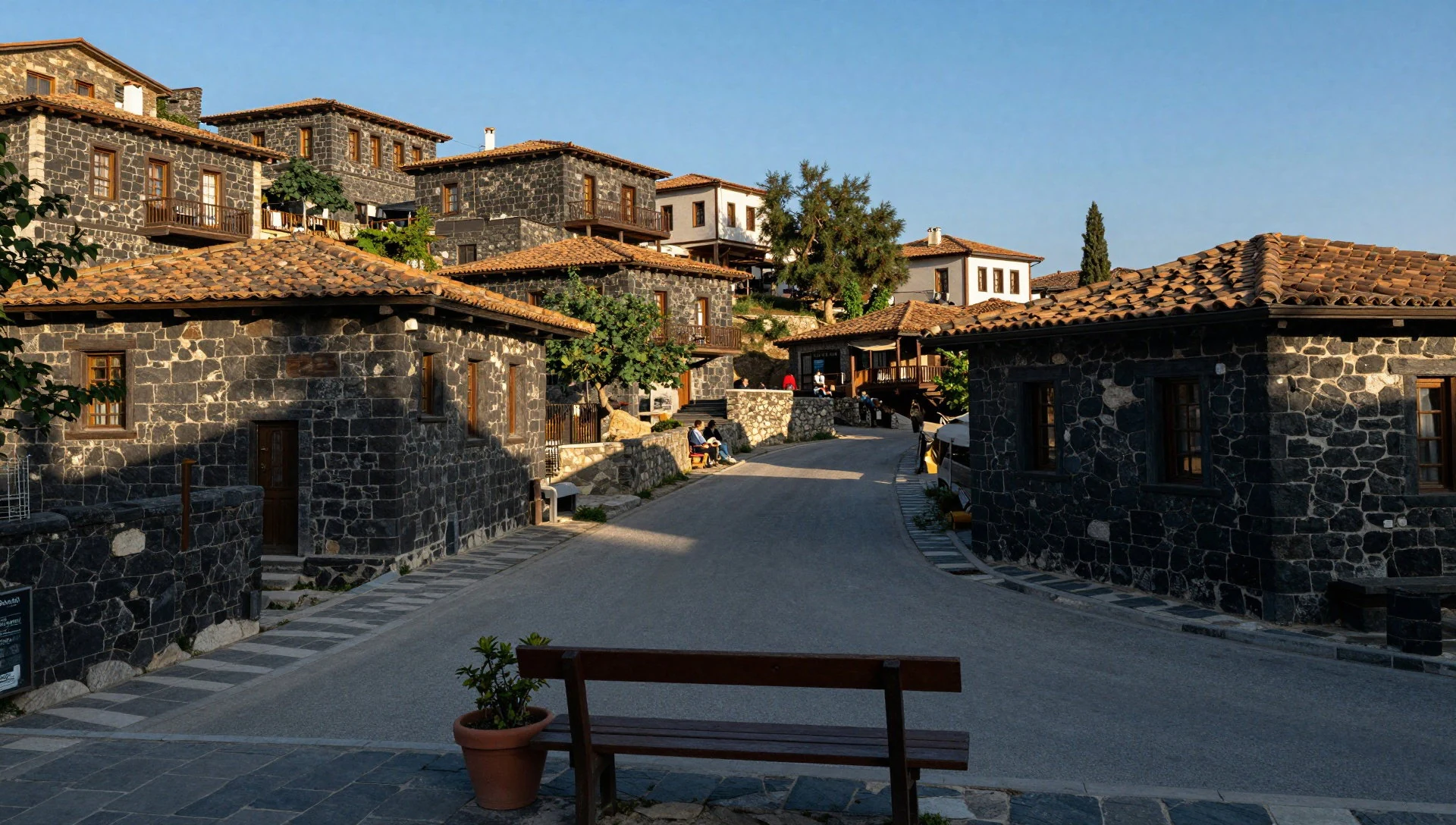
- Hamam Omerye — Nicosia old town
Hamam Omerye is a bath still in use in old Nicosia. The building dates from the 14th century, under French Lusignan rule on Cyprus, and has been brought back for steam and rest. The stone rooms show how the city kept older fabric in daily use. Prices and session times are not fixed here; ask on arrival or check a current listing.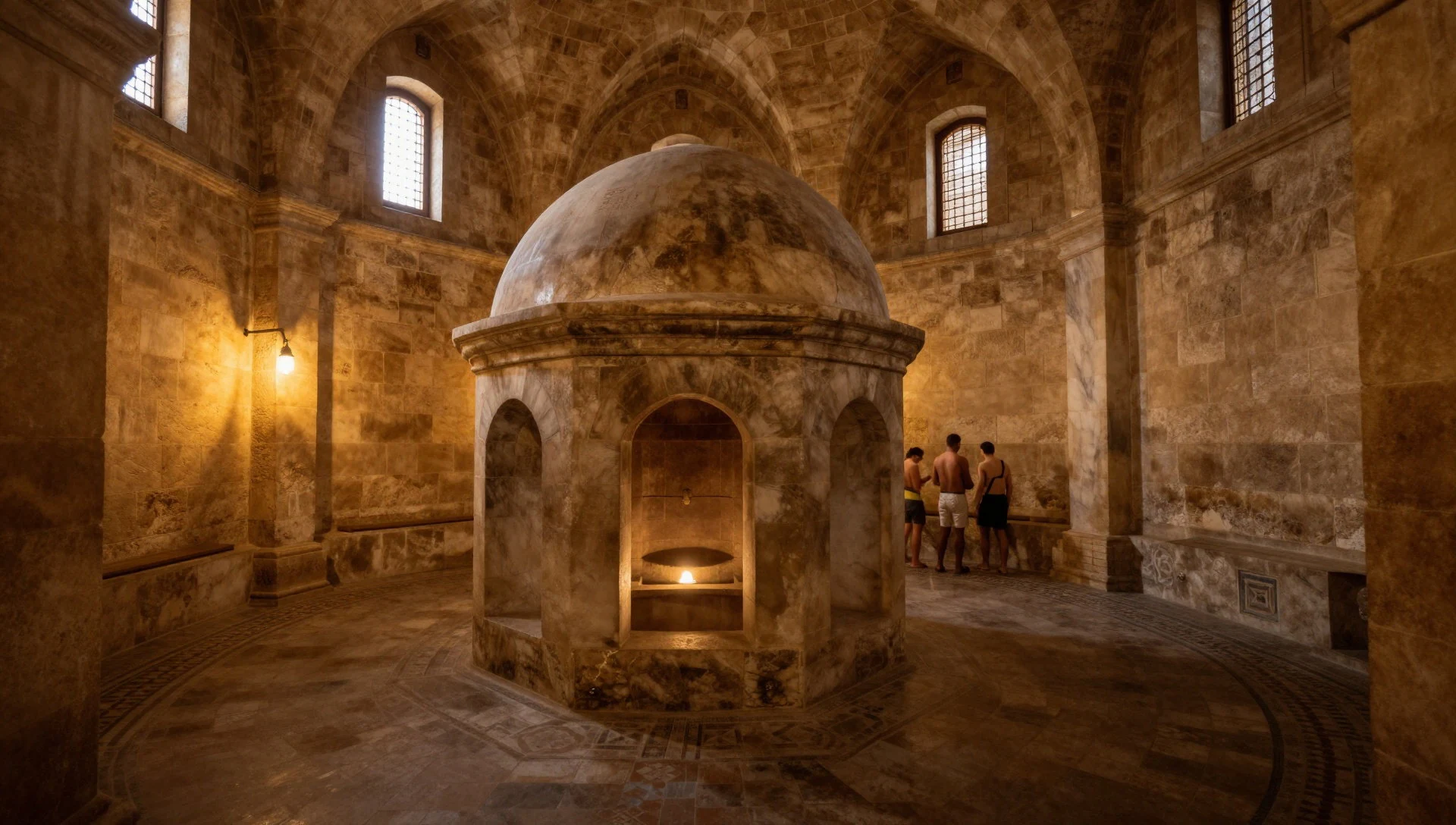
Culture
Cyprus holds two communities, Greek Cypriot and Turkish Cypriot, with a long list of shared habits and a hard religious difference. Hospitality is the common rule: people buy food and drinks for guests, and a visit without something to eat is a short visit. Souvla and halloumi turn up on both sides, and so do turns of phrase and the rhythm of dropping in on family. Music, dance and art are part of the gathering, not a performance saved for tourists. The dance tsifteteli, and costumes cut on similar lines, belong to both communities. Shared plates do the same work as the dances. Greek Cypriots are traditionally Greek Orthodox and Turkish Cypriots traditionally Sunni Muslim, and that split has made cultural exchange harder than the shared table implies. Treat a church or a mosque as a working place of worship: cover shoulders, speak quietly, remove shoes where shoes are left at the door, and ask before photographing people at prayer.
What to wear
Cyprus still keeps a village costume for festivals even though almost nobody wears it on a weekday. In Greek Cypriot dress the vraka, a pair of full black cotton breeches, is the piece people recognise, worn with a shirt, a dark sash and, for women on feast days, embroidered jackets and scarves worked in silk thread. Turkish Cypriot traditional clothes lean on loose şalvar trousers and layered jackets, with a headscarf in more observant settings. Dance costumes exaggerate those cuts: brighter cloth, more embroidery, the outfit for tsifteteli rather than for the bus. Day to day, both communities dress like other eastern Mediterranean cities — jeans, trainers, light shirts, a jacket in the hills. Beach towns show more skin; Nicosia offices and Sunday church do not. A visitor should pack breathable cotton and linen, a scarf or shirt that covers shoulders for churches and mosques, and shoes that can come off quickly at a door. The Troodos paths need a closed walking shoe; the coast does not. Midday sun on stone sites is strong in the warmer months, so a hat beats a new outfit.
What to eat
- Meze — old-town lanes and the coast
Cypriot meze is a run of small plates, meat, fish or mixed, and on Cyprus it is often the meal itself. Some eateries make the spread their entire menu, in old-town lanes and along the coast. Dishes arrive in waves, so leave room.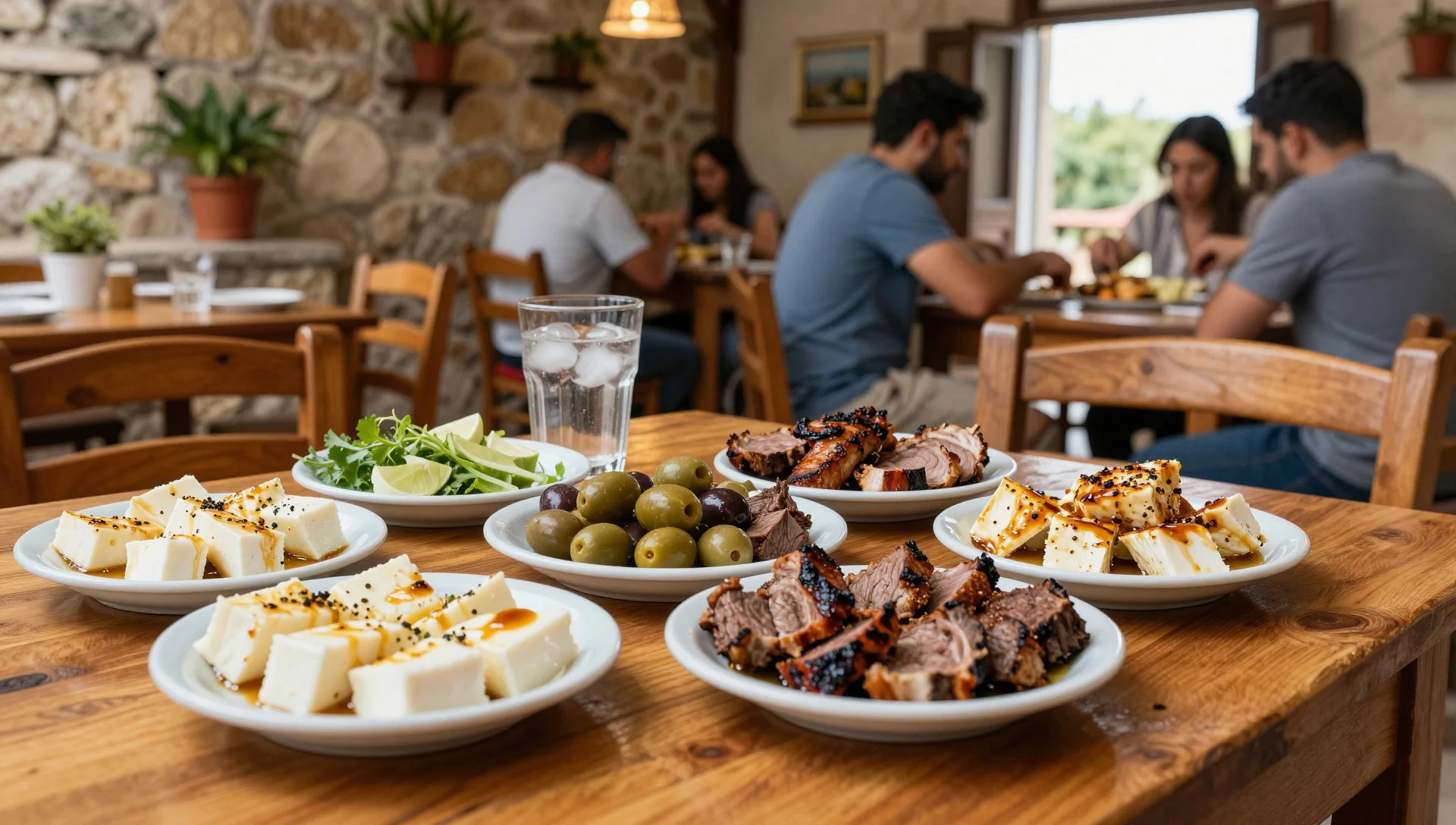
- Kleftiko — village eateries and family tavernas
Kleftiko is lamb cooked long and slow, scented with herbs and lemon, a dish Cyprus saves for Sundays and celebrations. Seek it in village eateries and tavernas that feed local families, not only passers-by at the harbour.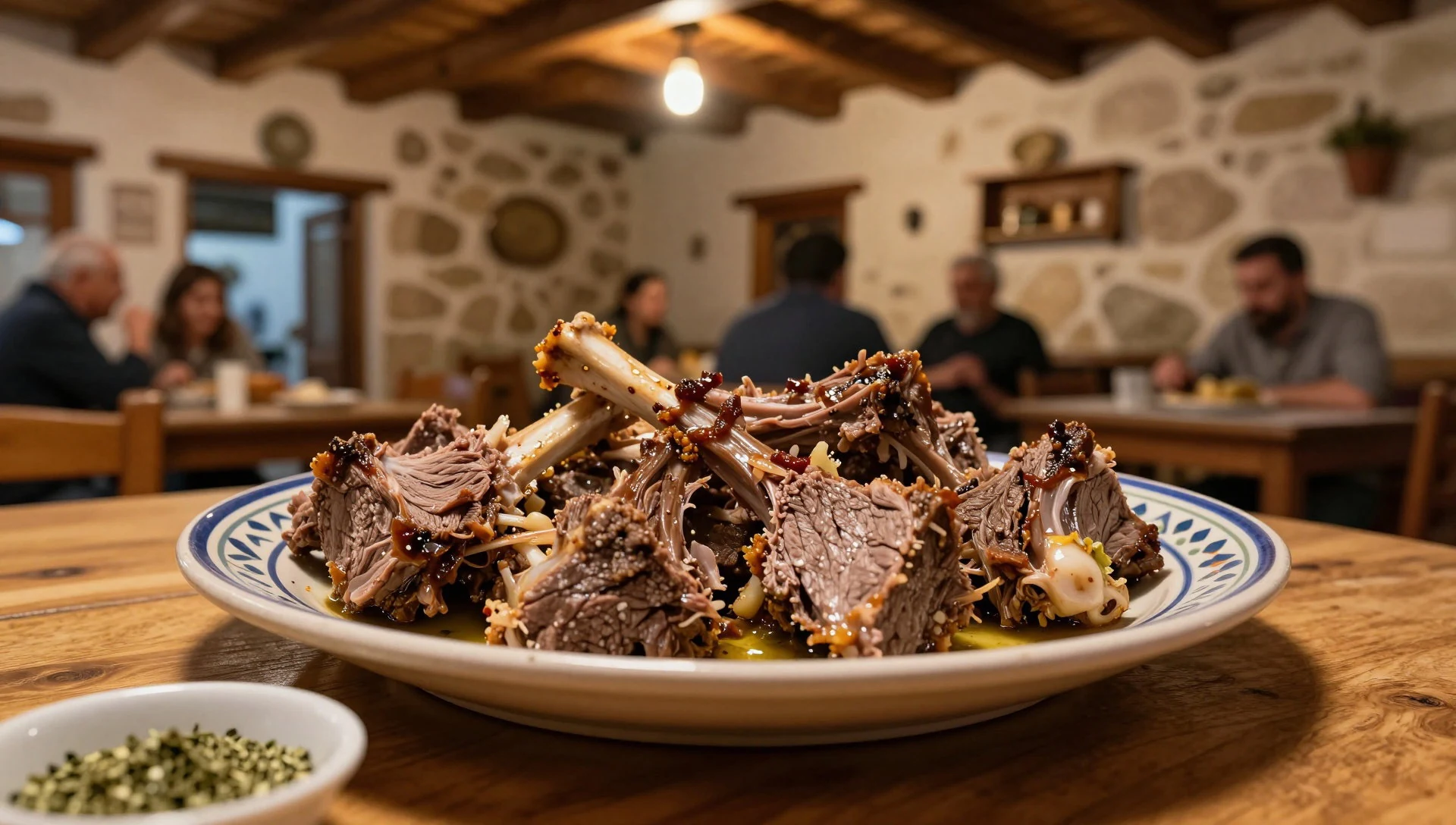
- Halloumi — meze tables, village cafes and market stalls
Halloumi, also called hellim, is the goat and sheep milk cheese of Cyprus. Uncooked, the slab is salty and firm; on a grill it browns and yields. Eat it in a meze, at a village cafe, or from a market stall that fries slices to order. - Taramosalata — harbour seafood eateries
Taramosalata starts with roe from cod or carp, salted, then loosened with potato or breadcrumbs and sharpened with lemon, onion, parsley, vinegar and olive oil. On Cyprus it opens a fish meze at seafood eateries by the harbour. - Shoushoukos — markets, village shops and festival stalls
Shoushoukos is a chewy Cyprus sweet set from grape must, eaten as a snack rather than as a plated pudding. Markets, village shops and festival stalls are the places to find it. Buy a piece and eat it while walking.
Plan it
Best time. Cyprus offers skiing in the Troodos in winter. For Nicosia, the coast and the archaeological sites, weeks outside the main summer rush are kinder on crowds and on walking. August is the hottest month and December the wettest, while March and November are the most comfortable for hill days.
How long. about a week
Getting there. Cyprus is reached through the main airport on the outskirts of Larnaka, with flights from many European cities including London, Birmingham, Manchester, Frankfurt, Paris, Amsterdam, Rome and Milan. The republic has committed to the Schengen Agreement but is not in it yet, so immigration checks still apply; an approved identity card often covers EU travellers and those from Iceland, Liechtenstein, Norway and Switzerland, while others should plan on a passport and confirm with a Cyprus embassy. A northern airport on the outskirts of Nicosia may be illegal to use on some passports. Nicosia International Airport has been closed since 1974.
Budget. mid
Tips
- Read current entry rules at http://www.cyprus.gov.cy/ before buying flights, and ask an embassy if a northern airport is acceptable.
- Begin ruin sites early; shade is thin and groups arrive later in the morning.
- Keep some cash for village eateries, markets and small religious stops.
- Treat buffer-zone crossings as regulated, and follow the posted rules rather than a blog's shortcut.
- In the Troodos in winter, check that the ski area is actually open before driving up.
Etiquette
- Take shoes off at mosques and wherever a row of slippers is waiting.
- Cover shoulders and knees in churches and mosques.
- Ask before photographing people, above all during worship.
Nearby
Sources
- Wikidata Q229 (CC0)
- Wikipedia (CC BY-SA 4.0)
- Wikivoyage (CC BY-SA 4.0)
- CGI Cyprus flag (CC BY-SA 4.0)
- Skouriotissa mine (Public domain)
- Choirokoitia (CC BY 3.0 de)
- Kition, Zeus Keraunios (CC BY-SA 4.0)
- Nicosia by Giacomo Franco (CC BY 2.5)
- Ortelius map of Cyprus (Public domain)
- Büyük Han, Nicosia (CC BY 3.0)
- British flag raised at Nicosia (Public domain)


