Ctesiphon
Ctesiphon, Iraq
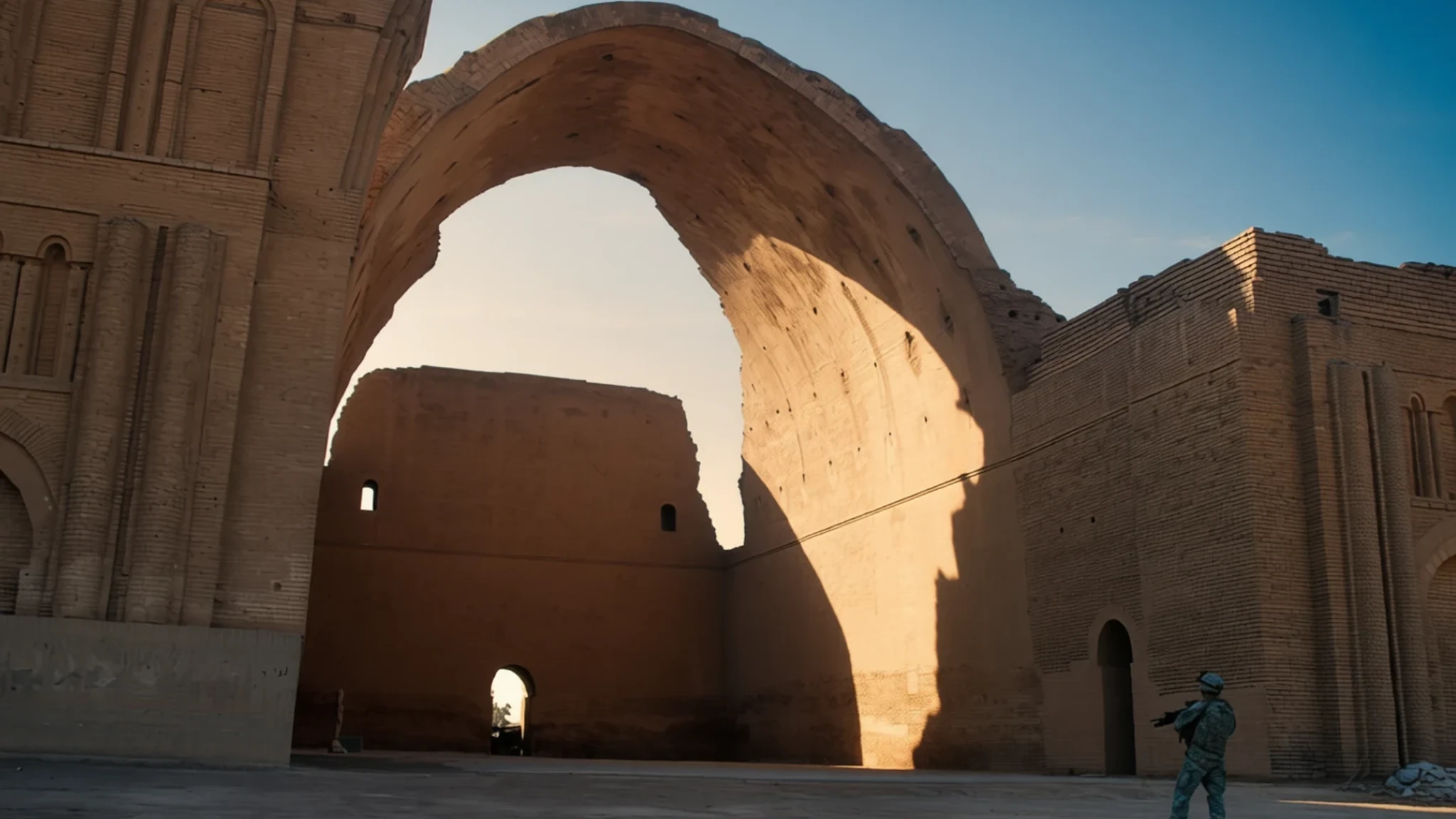
Visit Ctesiphon to stand before Taq Kasra, the world's largest single-span brick vault, which marks the vanishing site of a grand imperial capital.
The place
Ctesiphon stands on the eastern bank of the Tigris River in modern Iraq, situated about 35 kilometres southeast of Baghdad. For over eight hundred years, Ctesiphon served as a royal capital for successive Iranian empires, anchoring a vast commercial metropolis that bridged the Parthian and Sasanian eras. The site grew by absorbing neighbouring settlements along both shores of the waterway, including the Hellenistic foundations of Seleucia, creating a sprawling urban complex that ancient chroniclers occasionally recorded as 'The Cities', or al-Mada'in in Arabic. At its peak during late antiquity, this vibrant riverine hub functioned as a primary economic engine and administrative heartland. Today, the surrounding region carries deep historical resonance, drawing travellers who navigate the complex landscape of central Iraq to witness the remnants of a vanished imperial past. While modern infrastructure is recovering after decades of conflict, the monumental scale of the surviving ruins continues to evoke the grandeur of antiquity along the fertile banks of the Tigris.
Its story
Ctesiphon was founded in the late 120s BC by Mithridates I of Parthia, who established a military encampment across the river from Seleucia to secure the western frontier. Ctesiphon gradually expanded as the winter residence for Parthian monarchs, a strategic choice designed to spare the older Hellenistic citizens from quartering large armies and nomadic auxiliary forces. Under rulers such as Gotarzes I and Orodes II, Ctesiphon rose to prominence, eventually becoming the official imperial capital around 58 BC. The location provided a secure administrative centre following earlier shifts away from eastern territories vulnerable to Scythian incursions. During the subsequent Sasanian era, the city reached new architectural heights under monarchs who raised monumental palaces and vaulted audience halls. The fortunes of Ctesiphon shifted dramatically during the Muslim conquest of Persia, falling in the year 637. The city subsequently entered a period of steady decline and was largely depopulated by the end of the 8th century, as the rising Abbasid foundation of Baghdad drew away its political and economic lifeblood.
What to see
- Taq Kasra — Main archaeological zone, Madain
Taq Kasra is the magnificent surviving iwan and throne hall of the ancient Sasanian palace complex at Ctesiphon. Built with thousands of baked bricks, this soaring parabolic arch stands without wooden centring, representing an astonishing feat of ancient engineering and the largest single-span vault of unreinforced brickwork in the world today.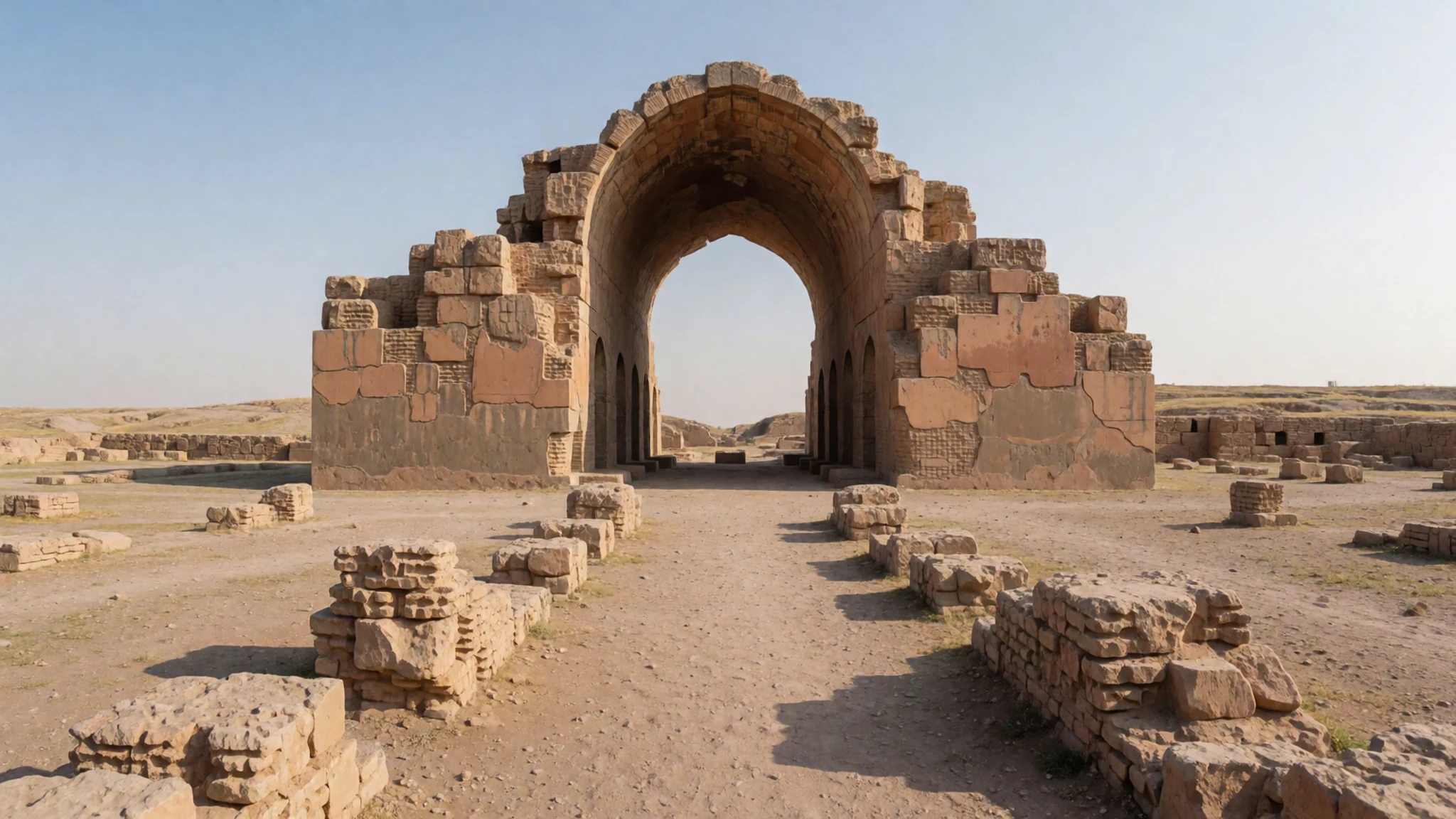
- Tigris River Embankments — Eastern riverbanks near Madain
The sweeping bends of the Tigris River frame the broader archaeological landscape of Ctesiphon. Walking along these ancient banks reveals where Seleucia once faced its imperial twin, illustrating how rivers shaped trade routes, urban expansion, and military defense strategies for successive empires across ancient Mesopotamia.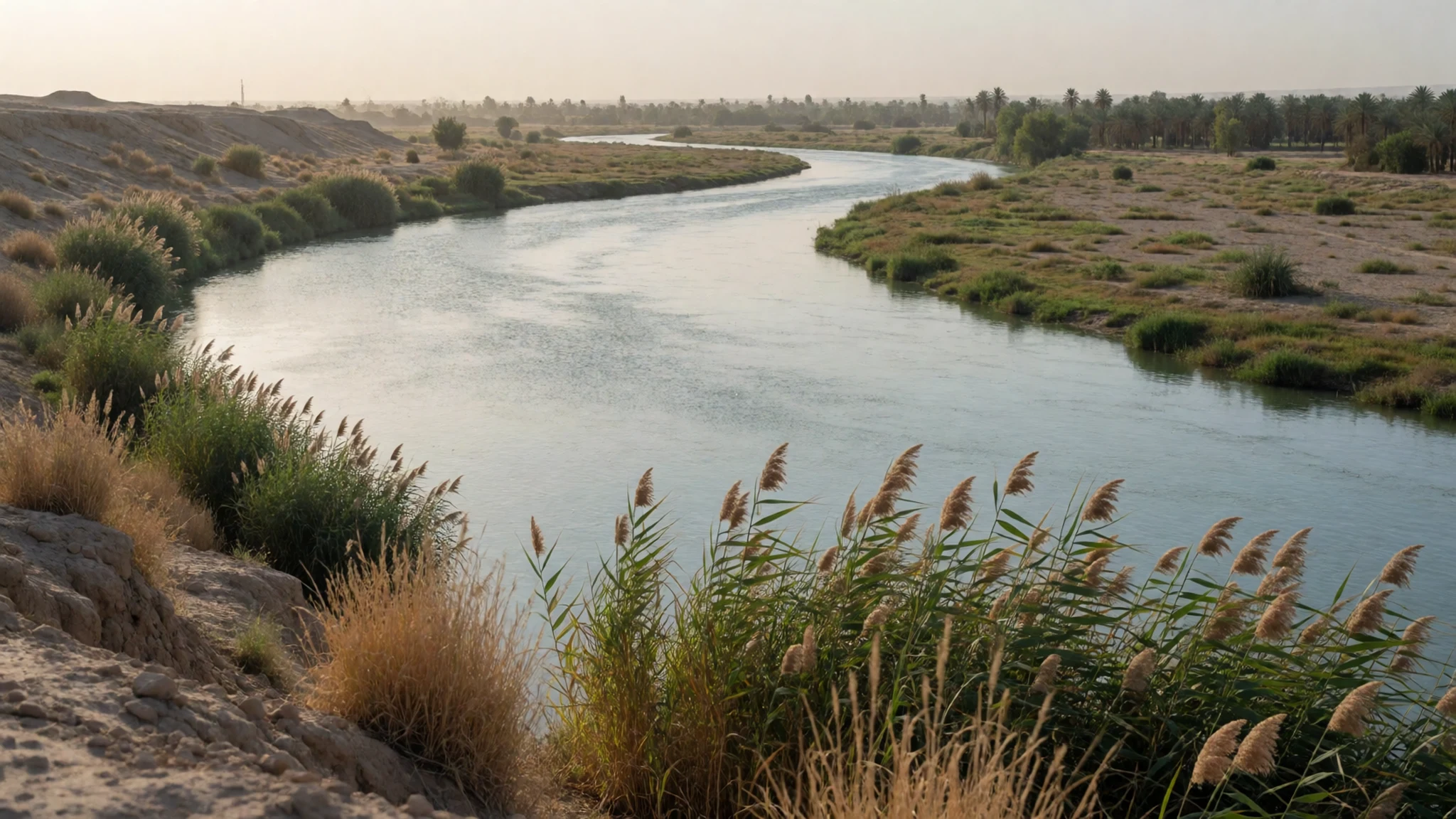
- Al-Mada'in Archaeological Mounds — Surrounding the central monument zone
The wider area surrounding the standing arch consists of low, weathered earthen mounds concealing unexcavated residential quarters, defensive walls, and commercial districts from the Parthian and Sasanian periods. These silent heaps stretch across the dusty plain, offering a tangible sense of the massive scale that once characterised this imperial metropolis.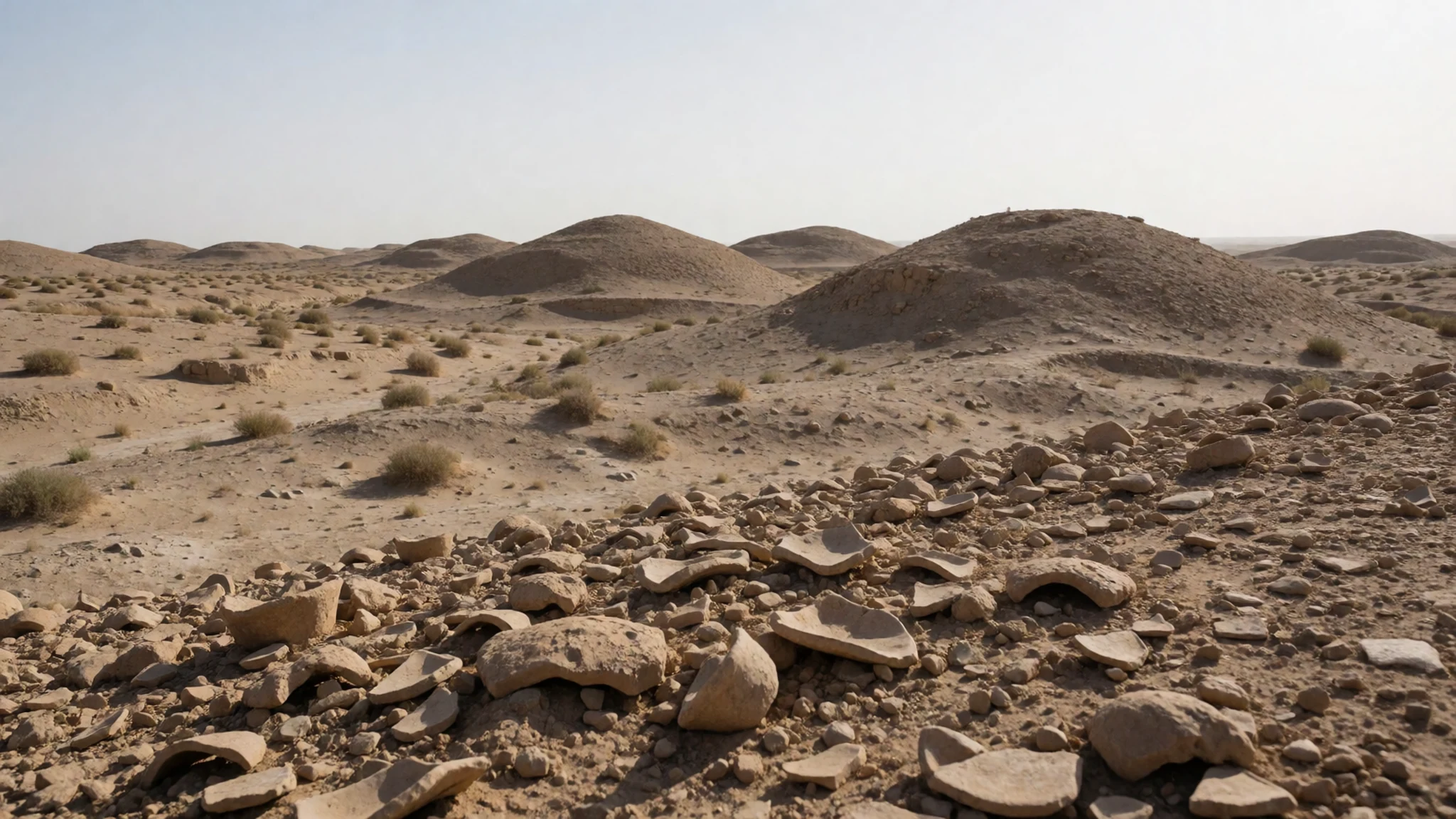
- Baghdad National Museum — Central Baghdad
Located a short journey northwest in the capital, this institution houses pivotal artefacts, coins, and architectural fragments recovered from Ctesiphon and surrounding Mesopotamian sites. Visiting provides essential context for understanding the artistic brilliance, coinage, and material culture produced during the Sasanian and Parthian dynasties.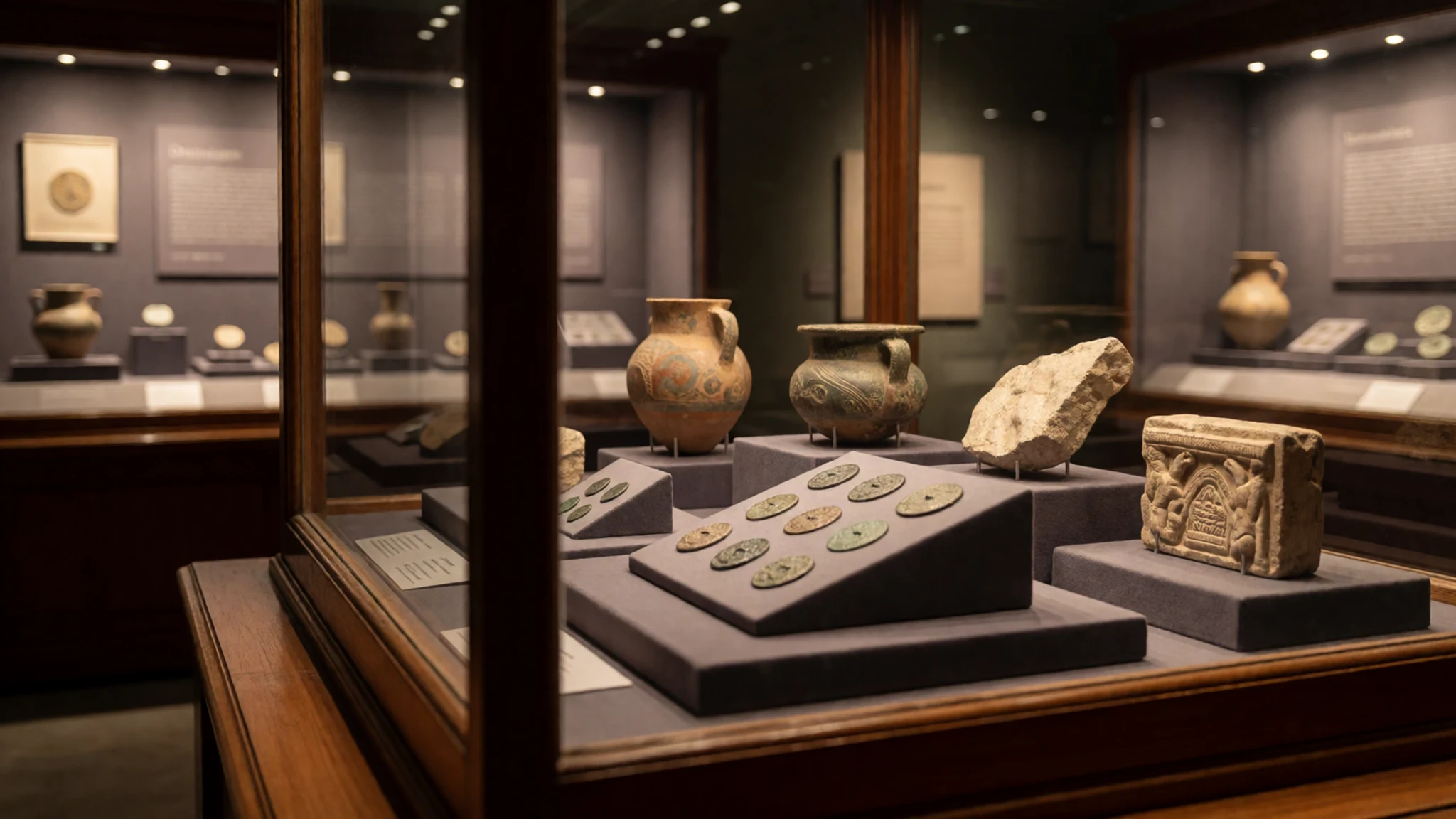
Culture
Ctesiphon and the surrounding region of central Iraq reflect a society rooted in deep traditions of humility, warmth, and profound hospitality towards guests. Iraqis are typically indirect communicators who value harmony and strive to avoid direct confrontation or public criticism to preserve mutual dignity. Sincerity is paramount; promises and social pleasantries are meant to be genuine rather than polite dismissals. Conversations often weave through personal warmth and community ties, reflecting an open and expressive local culture. When navigating historical sites or interacting with local residents, maintaining respectful decorum is essential. Visitors should always observe local customs regarding personal space and physical modesty. Avoid letting the soles of your feet be visible to others while seated, as this is viewed as very disrespectful in traditional Iraqi settings.
What to wear
Traditional dress around Ctesiphon and the central Iraqi plains has historically combined loose, breathable garments suited to the intense desert heat and river humidity. Traditional attire often features lightweight cotton tunics, flowing robes, and traditional headwear such as the regional keffiyeh secured with an igal, crafted to protect against dust and sun. Modern Iraqis in urban centres and nearby towns predominantly wear contemporary Western-style trousers and shirts or jackets, alongside traditional garments worn by rural elders and during religious or community gatherings. Visitors exploring the ruins of Ctesiphon should dress modestly and practically. Lightweight, loose-fitting clothing that covers shoulders and legs is recommended to respect local customs and shield against the sun, paired with sturdy, closed-toe footwear suitable for walking across dusty, uneven archaeological terrain.
What to eat
- Masgouf — Traditional riverside fish restaurants across central Iraq
Masgouf is the celebrated national dish of Iraq, featuring fresh river carp split down the back, marinated with olive oil, salt, tamarind, and turmeric, then roasted slowly upright around an open wood fire.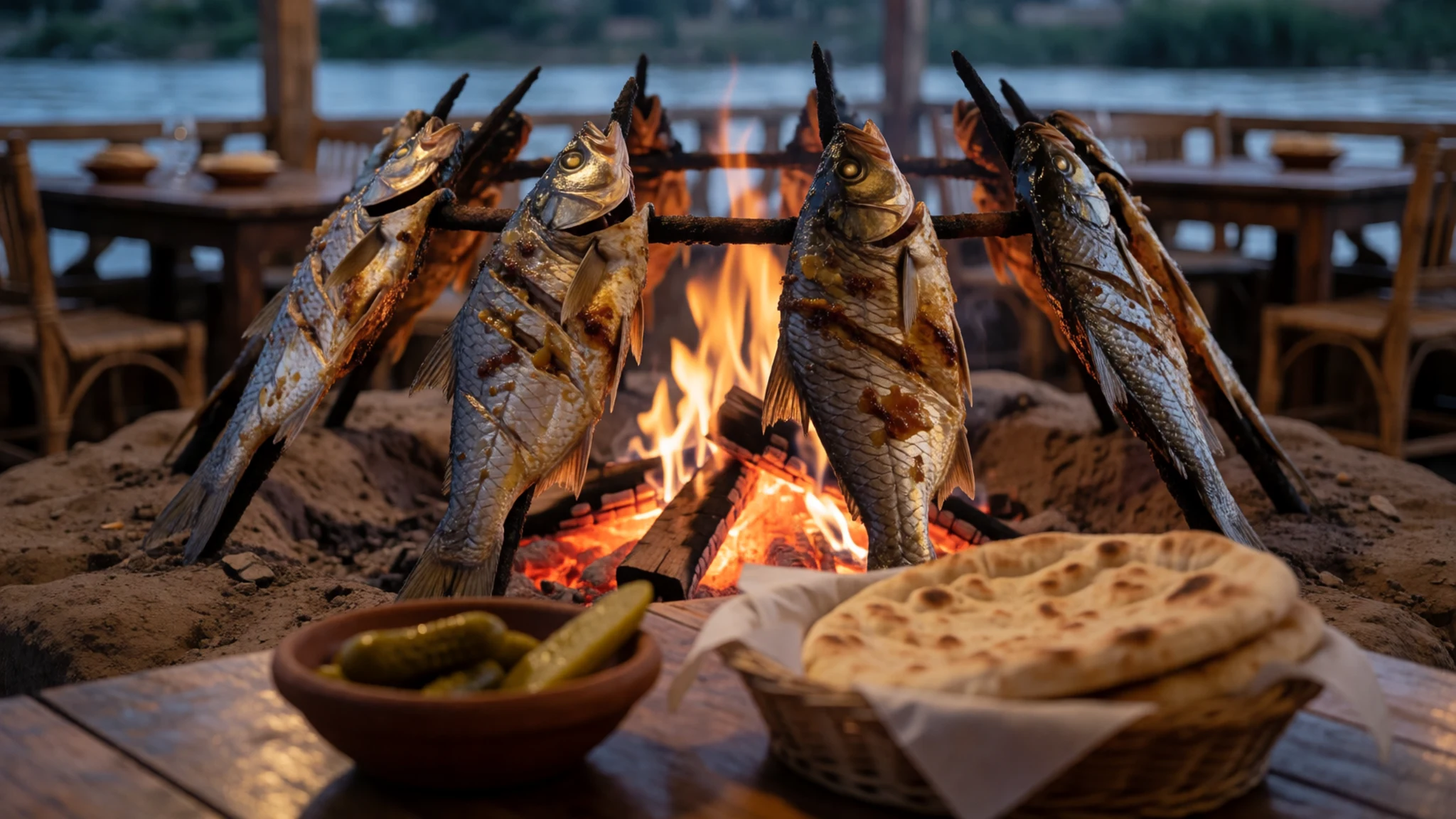
- Iraqi Kebab — Local grills and neighbourhood eateries throughout Baghdad and Madain
Juicy skewers of minced lamb or beef seasoned with local spices, grilled over glowing charcoal coals, and served hot with charred tomatoes, onions, and fresh flatbread.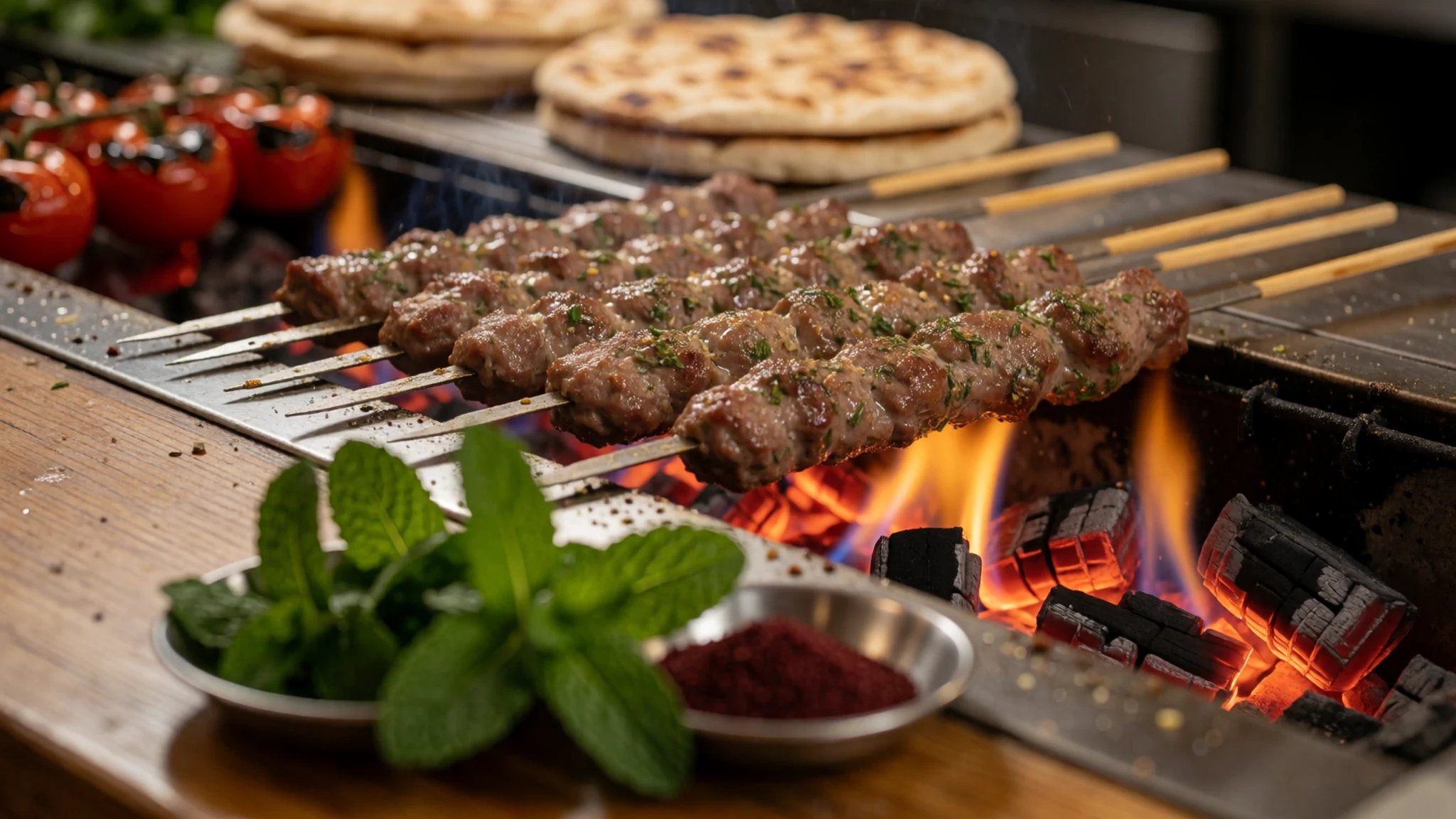
- Qouzi — Traditional banquet restaurants and family gatherings
A celebratory dish of slow-cooked, tender whole lamb served over a fragrant bed of spiced rice infused with cardamom and cloves, garnished with toasted almonds and raisins. - Iraqi Chai — Teashops, roadside stalls, and local markets
Strong black tea brewed continuously in a double-boiler samovar, generously sweetened with sugar and served in small pear-shaped glasses throughout the day as a symbol of hospitality.
Plan it
Best time. March to April and October to November offer pleasant daytime temperatures, avoiding the extreme, scorching heat of the summer months.
How long. 1–2
Getting there. Fly into Baghdad International Airport, then arrange a reliable private car or vetted local driver for the 35-kilometre journey southeast to the archaeological site.
Budget. mid
Tips
- Check official travel advisories and security conditions before planning any trip to central Iraq
- Hire an experienced local guide in Baghdad who knows the checkpoint routes and site access protocols
- Carry bottled water and sun protection, as the open ruins offer minimal shade
- Obtain your visa and official clearances well in advance of departure
Etiquette
- Always ask permission before photographing local residents or security personnel
- Dress conservatively, ensuring shoulders and knees remain covered at all times
- Never display the soles of your feet toward people during conversations
Nearby
Sources
- Wikidata Q192541 (CC0)
- Wikipedia (Ctesiphon) (CC-BY-SA 4.0)
- Wikivoyage (Iraq) (CC-BY-SA 4.0)