Chandratal
Chandratal, India
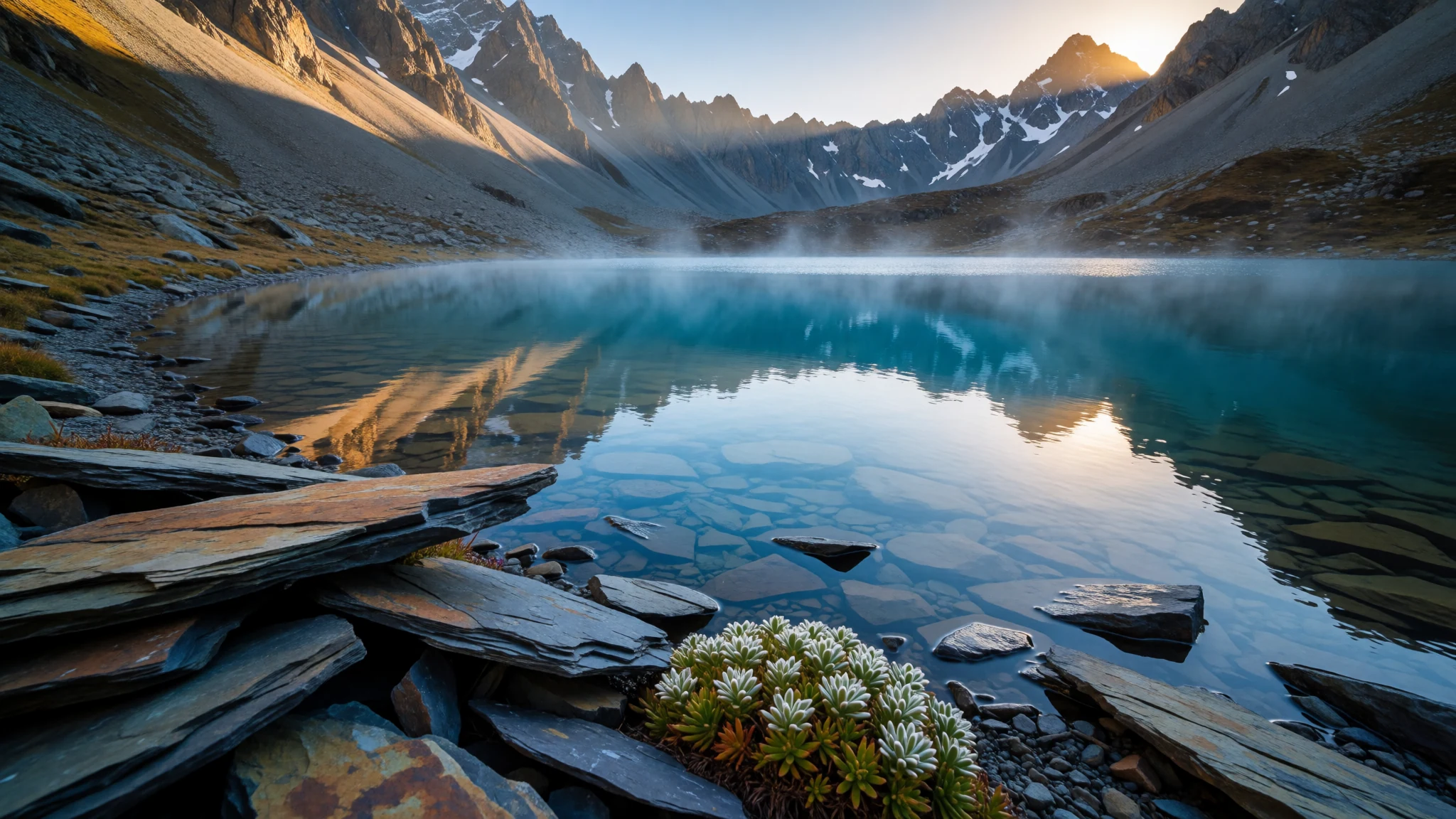
Chandratal is a high-altitude lake day that trades crowds and comfort for clean air, wildlife, and the kind of moonlit stillness photos struggle to match.
The place
Chandratal (Chandra Taal) is a glacial lake in the upper Chandra valley, in the Lahul part of Lahul and Spiti district, Himachal Pradesh. In plain terms, it’s “moon lake”: a crescent-shaped basin perched on a high plateau, with mountains and scree rising right up against it. The lake sits near the source of the Chandra River, and the wide, open views around the water make the whole place feel exposed—windy, bright, and often very quiet.
The setting is rugged enough that “holiday” isn’t the right word; it’s more like a pause button in an inhospitable landscape. People come for the seasonal look of the water and the dramatic sky, especially where the lake can reflect the surrounding slopes. In summer, the area becomes a protected niche for a bit of colour—flowers and wildlife show up when conditions allow.
It’s also where nature and culture overlap: Buddhism is the dominant thread here, and the wider region’s proximity to Tibet and Ladakh shows up in the people and places you pass on the journey. Chandratal is within the Chandratal Wildlife Sanctuary, so there’s an extra sense of being inside a living landscape, not just visiting a view.
In practice, this is a destination for travellers who enjoy early starts, changing weather, and the simple rhythm of walking from viewpoint to viewpoint. Crowds exist, but they’re nothing like the big Himalayan circuits—most days feel like a small group sharing the same thin air.
Its story
Chandratal’s appeal starts before the lake even comes into view. The approach road and valley travel set the tone: steep, remote, and built for patience. As you move into the upper Chandra valley, the scenery tightens—mountains hem you in, and the sky seems closer. Then you reach the plateau where the lake sits, and the contrast hits you: a calm crescent of water surrounded by rock, scree, and big distances.
At Chandratal, the experience is less about landmarks and more about light. Morning conditions can make the lake surface behave like a mirror, turning the surrounding slopes into soft lines and colour washes. Later in the day, wind and brightness can rough things up, but the water still holds attention because of how the landscape frames it. The area feels “high” in every sense: the air, the exposure, and the way your body notices altitude.
Wildlife is part of the story too, especially in seasons when birds and other animals are active around the sanctuary. You don’t need a guide to appreciate the spotting moment—just slow down, keep your eyes open, and don’t rush the quiet.
People also connect Chandratal to the wider Buddhist landscape of Lahul and Spiti. Even when you’re focused on the lake itself, you’ll sense the region’s cultural backdrop—monasteries and lamas in the broader itinerary, and a local approach to visiting places of belief with respect.
It’s a trip that rewards sensible pacing. The lake is still the star, but the real win is how the day teaches you to travel lighter: fewer expectations, more observing.
What to see
- Chandratal Lake reflections (Chandra Taal) — Upper Chandra valley, Lahul & Spiti district
Chandratal Lake (Chandra Taal) can look like a mirror when conditions are calm, turning the crescent shoreline into a soft reflection of the surrounding scree and mountains—one of the reasons people make the long trek up.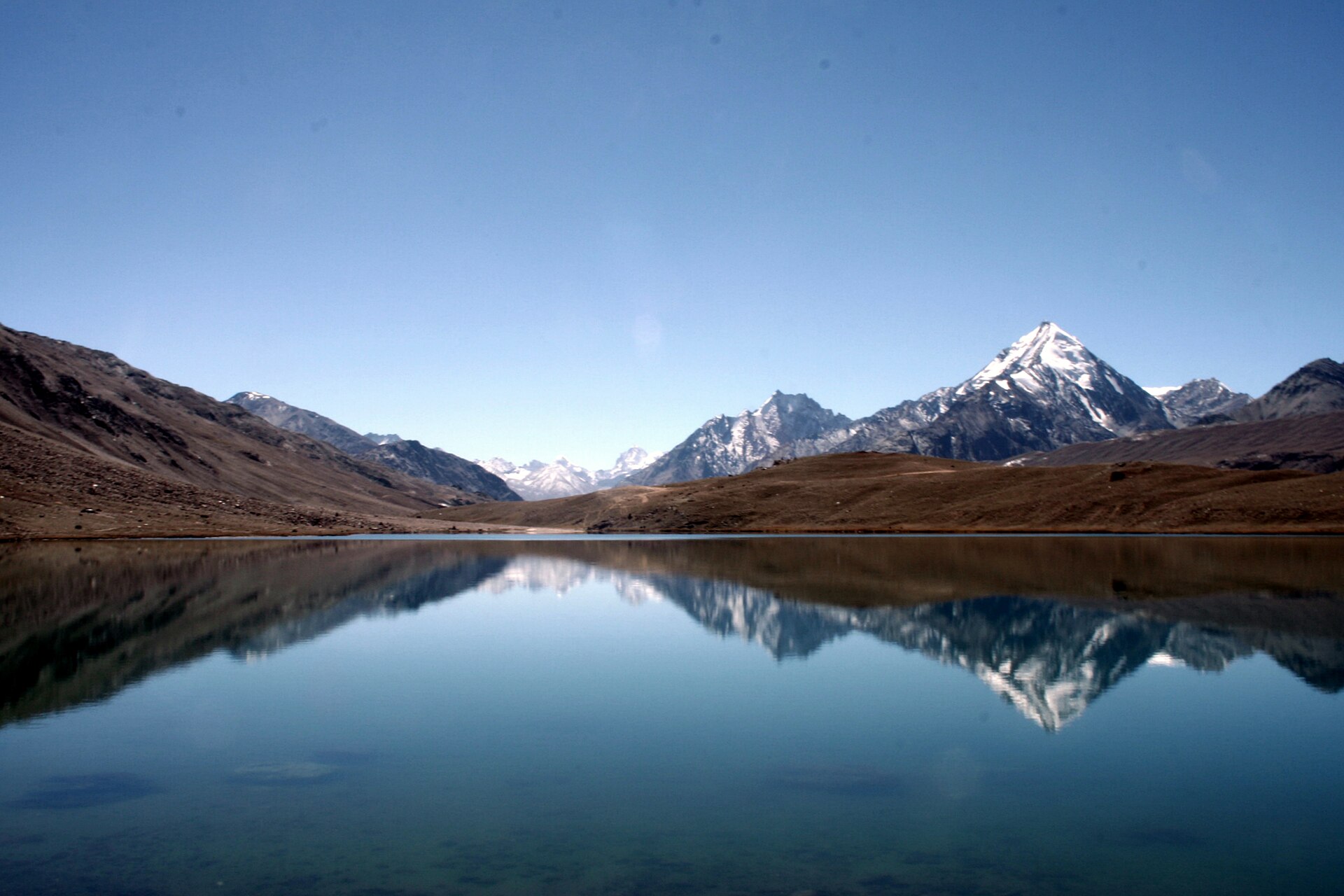
- Approach viewpoints over the upper Chandra valley — Samudra Tapu plateau area, Chandra valley
Climb through the upper Chandra valley and the views start paying you back in stages—wide horizons, sharp ridgelines, and a feeling of space around the plateau. Even when the lake isn’t visible yet, the valley itself looks cinematic.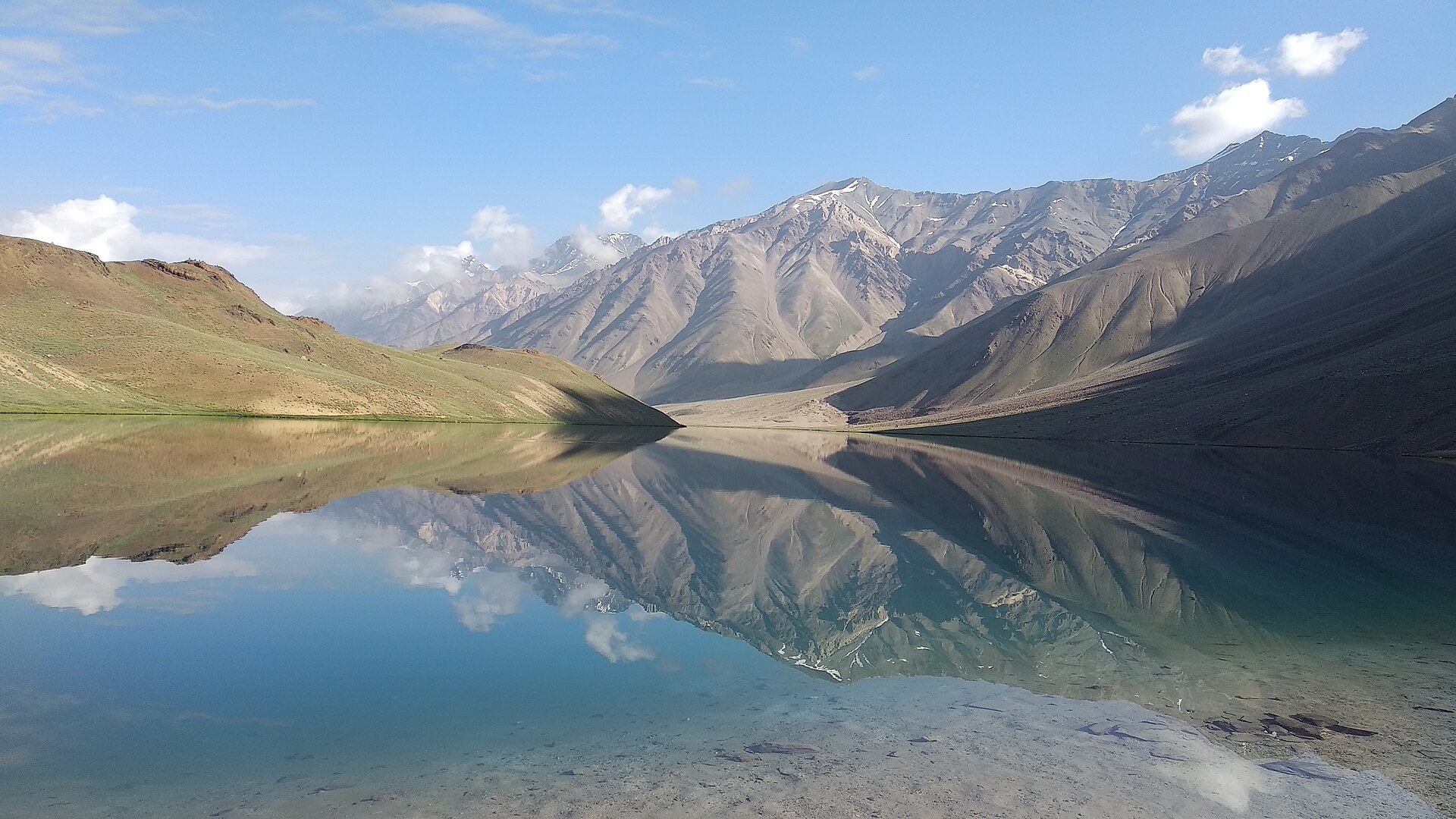
- Chandratal Wildlife Sanctuary edge — Chandratal Wildlife Sanctuary, Lahul & Spiti district
Chandratal sits within the Chandratal Wildlife Sanctuary, so the “edges” around the lake—where rock meets grass—feel less like a roadside stop and more like habitat. Keep distances and watch quietly; it changes how you see the landscape.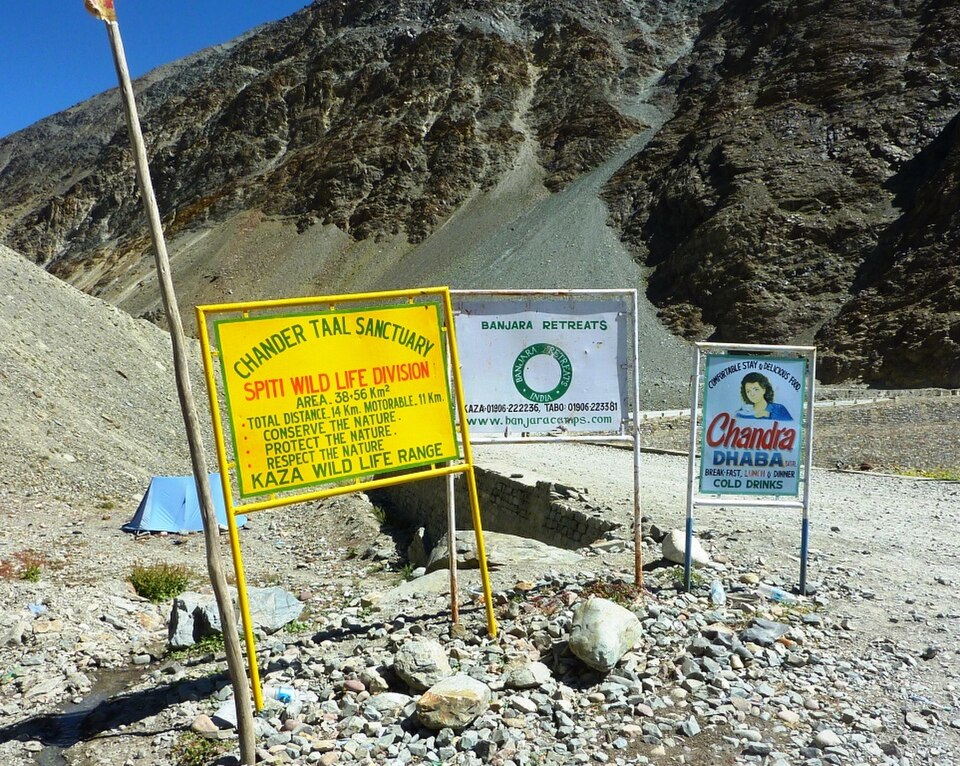
- Seasonal wildlife moments — Around Chandratal Lake, high-altitude plateau
In the right season, the sanctuary feels alive—birds and other wildlife move through the high-altitude environment around the lake. A patient pause by the water can be more productive than pushing to the next photo angle.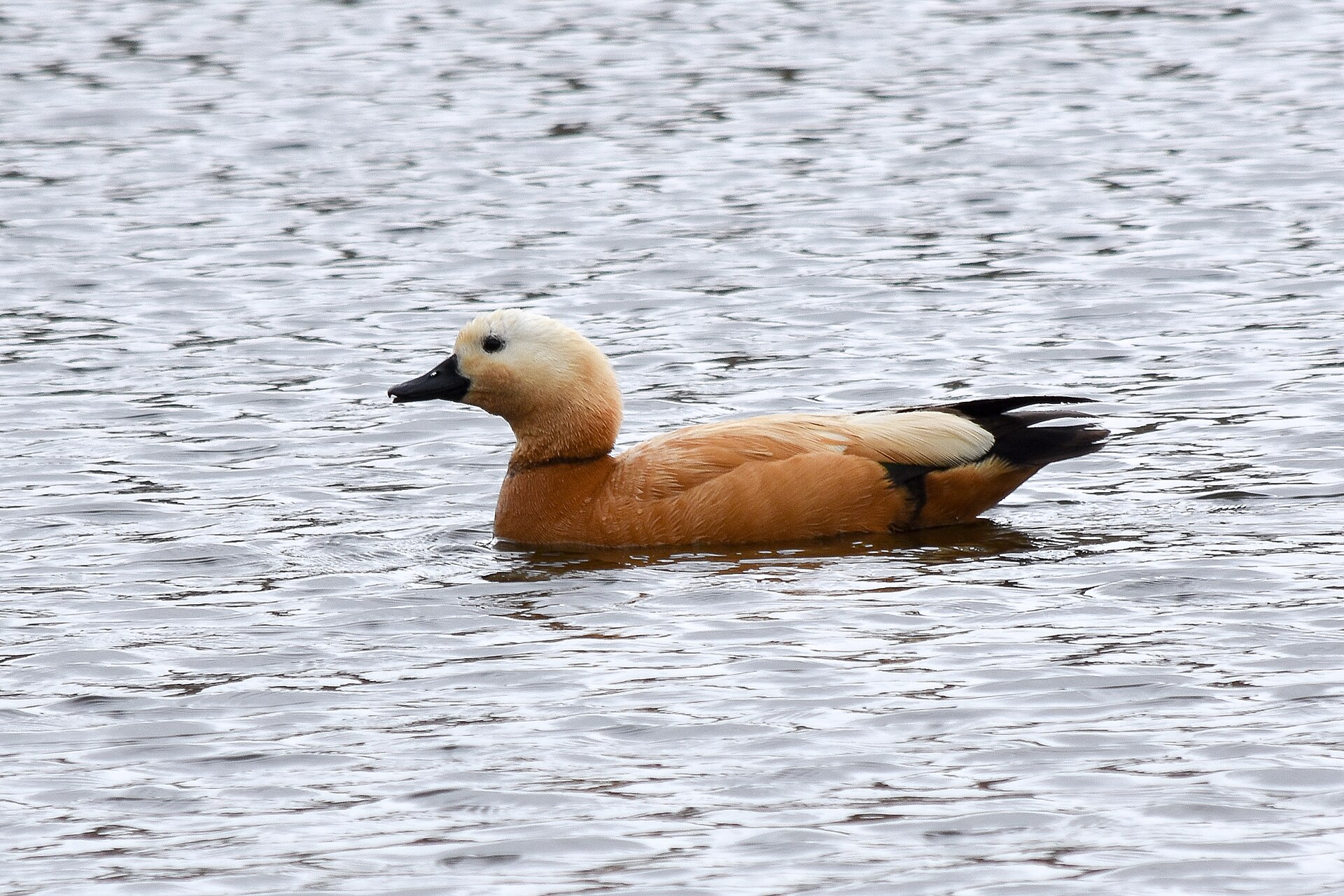
Culture
Chandratal’s cultural backdrop is tied to Buddhism across Lahul and Spiti, and that influence shows up through the people and the way religious spaces are approached in the wider region. Even though the lake is the headline, visitors often stitch the day into a broader route that includes monasteries and gompa visits where lamas (monks) can guide understanding in a way that ruins the “walk in, look around, walk out” style.
When you meet lamas or enter monastery areas, the respectful rhythm matters. The most practical rule is simple: ask first before photographing interior prayer halls or other indoor spaces, because restrictions are common. In some places, the answer will be “no”, and it’s best to treat that as the norm rather than a hurdle.
There’s also a subtle courtesy in how you behave around the sanctuary landscape. Keep noise low, don’t trample fragile ground, and remember that the place is protected for wildlife as well as for views.
Visitor-etiquette: Ask lamas before photographing interior monastery areas or prayer halls, and keep the tone quiet and respectful around sacred spaces.
What to wear
At Chandratal, clothing is about altitude and exposure more than style. The lake sits high in the Himalayas, and even in a good season the weather can shift quickly—sun can feel sharp, and mornings can feel cold. Traditional dress exists in the wider region, but what most travellers wear on the approach is practical layering.
Traditional influence: Across Lahul and Spiti, women often wear woollen textiles and layered outfits suited to cold conditions, with shawls and warm garments that match the landscape. Men commonly wear similarly practical wool layers in traditional styles, though visitors will more often see modern winter clothing mixed into the mix.
What people wear now: Trek-ready layers—base thermals, fleece, a proper warm jacket, and a windproof shell—are common. Sturdy hiking trousers are better than anything lightweight, and scarves or neck gaiters help with wind.
What to pack: Bring gloves, warm socks, and a hat, because the plateau can feel exposed. Footwear should be grippy for rocky ground and scree-adjacent paths. If you’re adding monastery visits on the same trip, dress modestly and keep a light additional layer handy for indoor comfort.
Aim for “warm, breathable, windproof”: it keeps you comfortable enough to enjoy the lake rather than constantly adjusting your layers.
What to eat
- Indian meals around Kaza — In and around Kaza
Indian food is available in and around Kaza, but choice can be limited. If a place can’t do a specific dish, it often helps to speak directly with the cooks about what you want. - Tibetan dishes (when arranged in advance) — Ethnic restaurants around Kaza
Some ethnic eateries offer Tibetan-style food, but they may need advance notice to prepare local specialities properly. Phone or speak to the restaurant before assuming your order will be available. - Sea-buckthorn (“Leh berry”) in season — Around the region in season (ask locals first)
Sea-buckthorn, also known as “Leh berry”, grows wild. If you spot it, ask locals first before eating—wild plants can be tempting, but local guidance matters at altitude. - Fresh high-altitude water (with local guidance) — High-altitude areas near the lake/route (ask locals first)
Fresh water from snow can feel refreshing at high altitude, but guidance matters. Don’t drink without checking with local residents first, especially when it’s snow-melt or from informal sources. - Local drinks: Aarakh and Chang — Kaza and surrounding areas
If you’re looking for local tastes, Aarakh (local wine) and Chang (local beer) can be found in and around Kaza. Plan around availability and treat tastings as part of the evening, not a daytime add-on.
Plan it
Best time. June is typically rainy and can make mountain travel muddy; in contrast, March–April and October–November usually feel more comfortable for clearer trekking days, while July–August is the period when the area’s wildlife and flowers are more noticeable.
How long. 2–3
Getting there. Fly or travel to Manali first, then head towards the Rohtang/Spiti side: the route connects through the Yari-Khoksar junction toward Kaza and onward to the Chandratal area. For local crossing and last legs, follow the road access for your season and the practical shuttle options on the route.
Budget. mid
Tips
- Start early on lake days to get calmer conditions for viewing and reflections.
- Plan for altitude: move slowly, drink water, and keep food with you for the whole outing.
- Expect weather swings in the mountains—pack layers and a windproof shell even when forecasts look fine.
- If your trip includes monasteries, ask lamas before photographing interiors.
Etiquette
- Keep voices low and travel quietly near the sanctuary landscape.
- Ask before photographing interior prayer halls or other indoor monastery areas.
- Let lamas guide the pace if they’re showing you the gompa.
Nearby
Sources
- Wikidata Q5071315 (CC0)
- Wikipedia (rev 1380238410) (CC BY-SA 4.0)
- Wikivoyage (rev 5227130) (CC BY-SA 4.0)
- Photo 01-chandratal-1.jpg (CC BY 3.0)
- Photo 02-chander-tal-spiti.jpg (CC0 1.0)
- Photo 03-approaching-chandrataal.jpg (CC BY-SA 4.0)
- Photo 04-beauty-of-chandratal-lake-03.jpg (CC BY-SA 4.0)
- Photo 05-ruddy-shelduck-chandratal-spiti-himachal-jun18-d72-7911.jpg (CC BY-SA 4.0)
- Photo 06-chander-tal-spiti-himachal-pradesh.jpg (CC0 1.0)
- Photo 07-chander-taal-wildlife-sanctuary-sign-lahul-spiti.jpg (CC BY-SA 4.0)
- Photo 08-chandratal.jpg (CC BY 3.0)


