Catanduanes
Catanduanes, Philippines
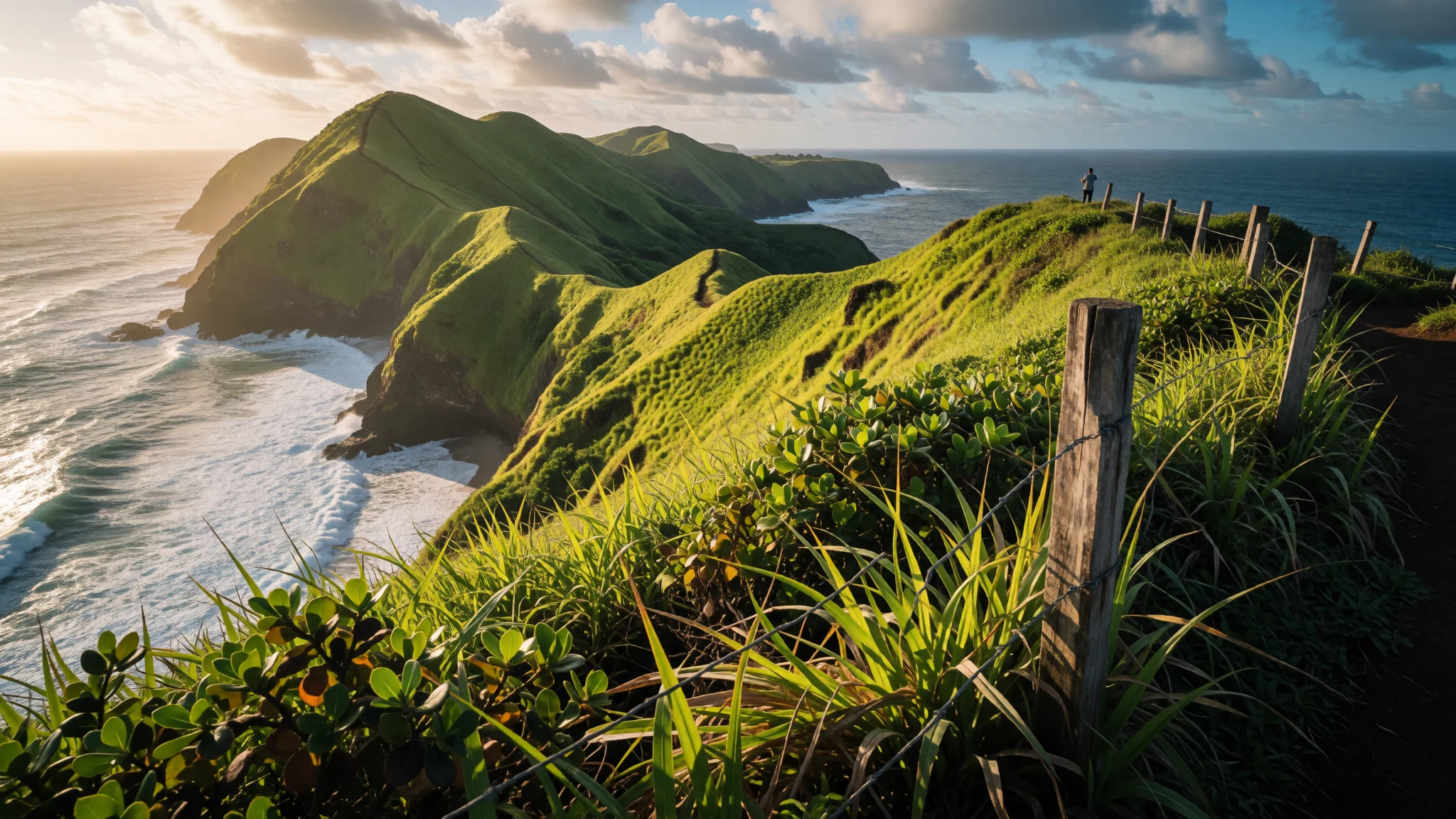
Catanduanes rewards adventurous travellers with dramatic Pacific headlands, world-class surf breaks, quiet white sand beaches, and a fiercely independent island spirit.
The place
Catanduanes sits off the eastern edge of the Bicol Region of Luzon in the Philippines, separated from the mainland by the rough waters of the Maqueda Channel. As an island province, it comprises a large main island surrounded by smaller rocky islets such as Panay, Leyte, and the Palumbanes group. The capital and most active town is Virac, situated on the southern coast. Beyond the capital, the terrain shifts dramatically between rolling coastal hills, jagged limestone cliffs, and dense inland forests carved by freshwater streams.
Geologically, Catanduanes holds quiet importance as a repository of ancient history. The island is home to significant mollusc fossil sites, including rare ammonite deposits that have drawn the interest of researchers mapping ancient marine environments. These scientific treasures underscore the raw, elemental nature of the landscape, where weather systems rolling in off the Pacific shape everyday life.
The economy relies heavily on coastal fishing, agriculture, and a burgeoning tourism sector centred around the island's natural assets. Abaca farming remains central to the local identity, supplying durable natural fibers that support cottage industries across the municipalities. Despite its relative isolation and exposure to tropical storms, the province sustains a vibrant community whose population numbers over 260,000 residents distributed across its coastal towns and inland barangays.
Its story
Long before Spanish ships appeared on the horizon, Catanduanes was settled by migrating groups travelling from the island of Panay, descendants of datus who journeyed from Borneo. These early communities established coastal settlements, though much of their early chronicle was scattered or lost during destructive raids launched by Moros from Mindanao.
Spanish contact arrived in the late sixteenth century when Juan de Salcedo sailed to the island while pursuing pirates. Soon after, a galleon from Acapulco met disaster on the rocky shoals, an event commemorated today at Batalay Church in Bato. Armed with religious zeal, Franciscan missionaries followed the soldiers inland, establishing parishes across the scattered settlements from Caramoran down to Virac and San Andres. For centuries, the island was administered alongside mainland provinces before finally achieving autonomous provincial status in the mid-twentieth century.
The formal separation from Albay was engineered through congressional action, culminating when the bill was signed into law during the autumn of 1945. Remigio Socito took the role of initial lieutenant governor before elections ushered in local administrative leadership. Today, the historical layers — from indigenous roots and Spanish mission churches to twentieth-century self-determination — remain visible in local festivals, stone architecture, and the resilient character of the island's inhabitants.
What to see
- Puraran Beach — Baras
Facing the open Pacific on the eastern coast, this stretch hosts the famous Majestics surf break. The heavy, barrelling waves draw experienced surfers from across the globe, while simple thatched huts line the sand for those preferring to watch the surf from the shore.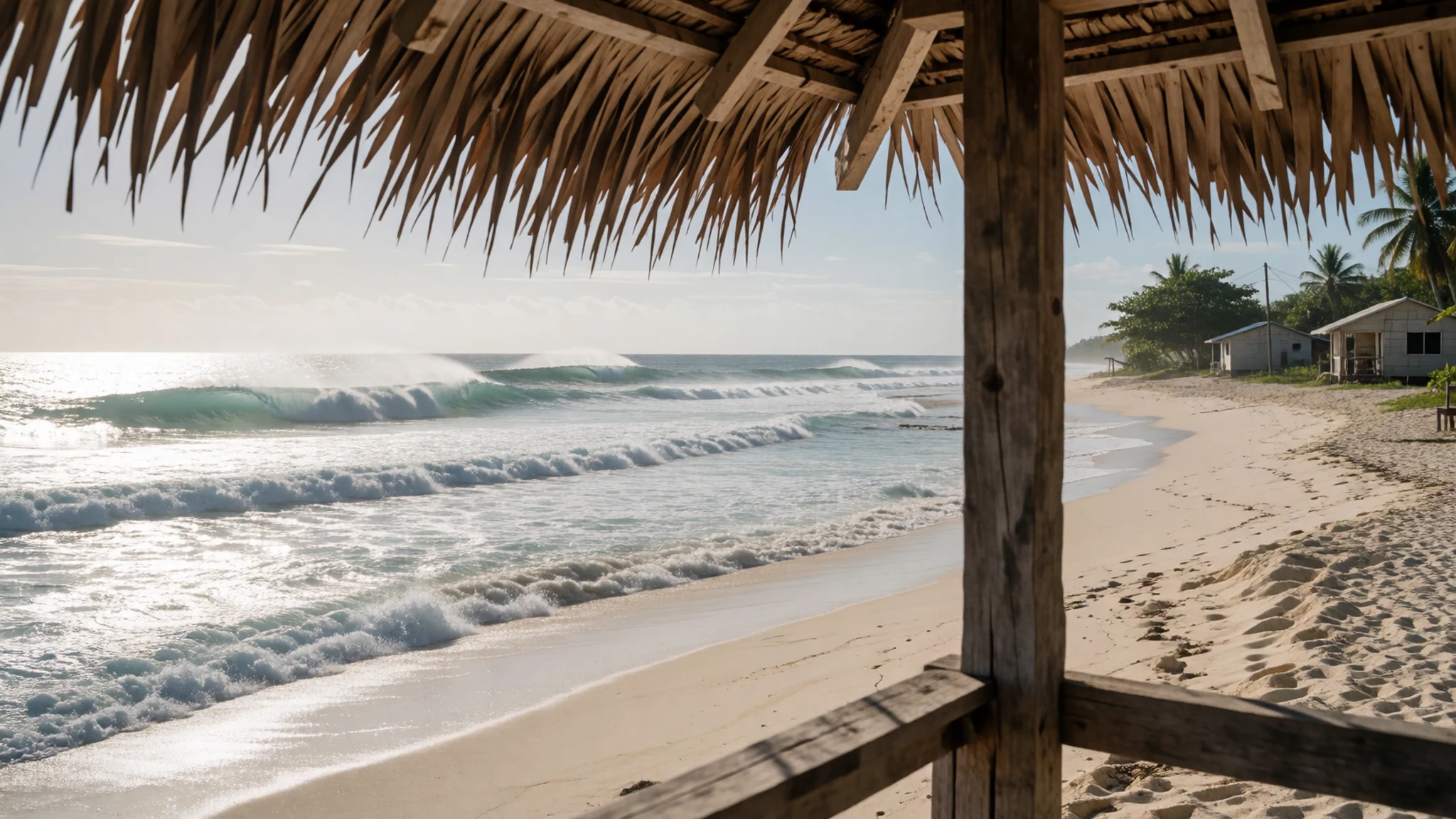
- Igang Twin Rock Beach Resort — Virac
A popular coastal retreat just south of the capital, known for its distinct rock formations jutting straight out of the clear coastal waters. It offers calm swimming coves, paved walkways around the cliffs, and panoramic views of the sea.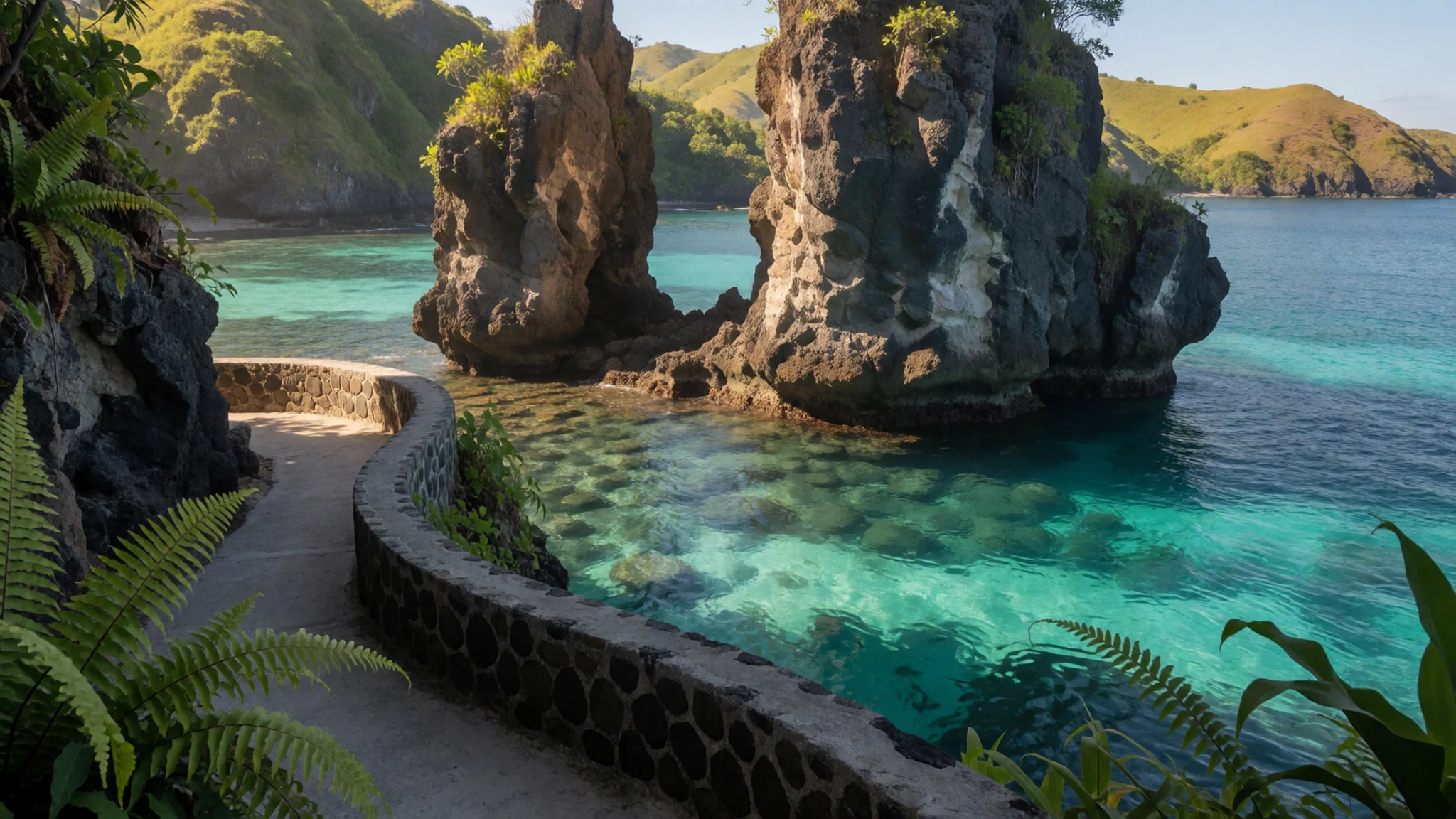
- Marinawa Falls — Batalay, Virac
A series of cascading freshwater cataracts tucked away in the northern hills. The site features refreshing natural pools suitable for swimming and bathing, accompanied by shaded picnic areas surrounded by lush tropical foliage.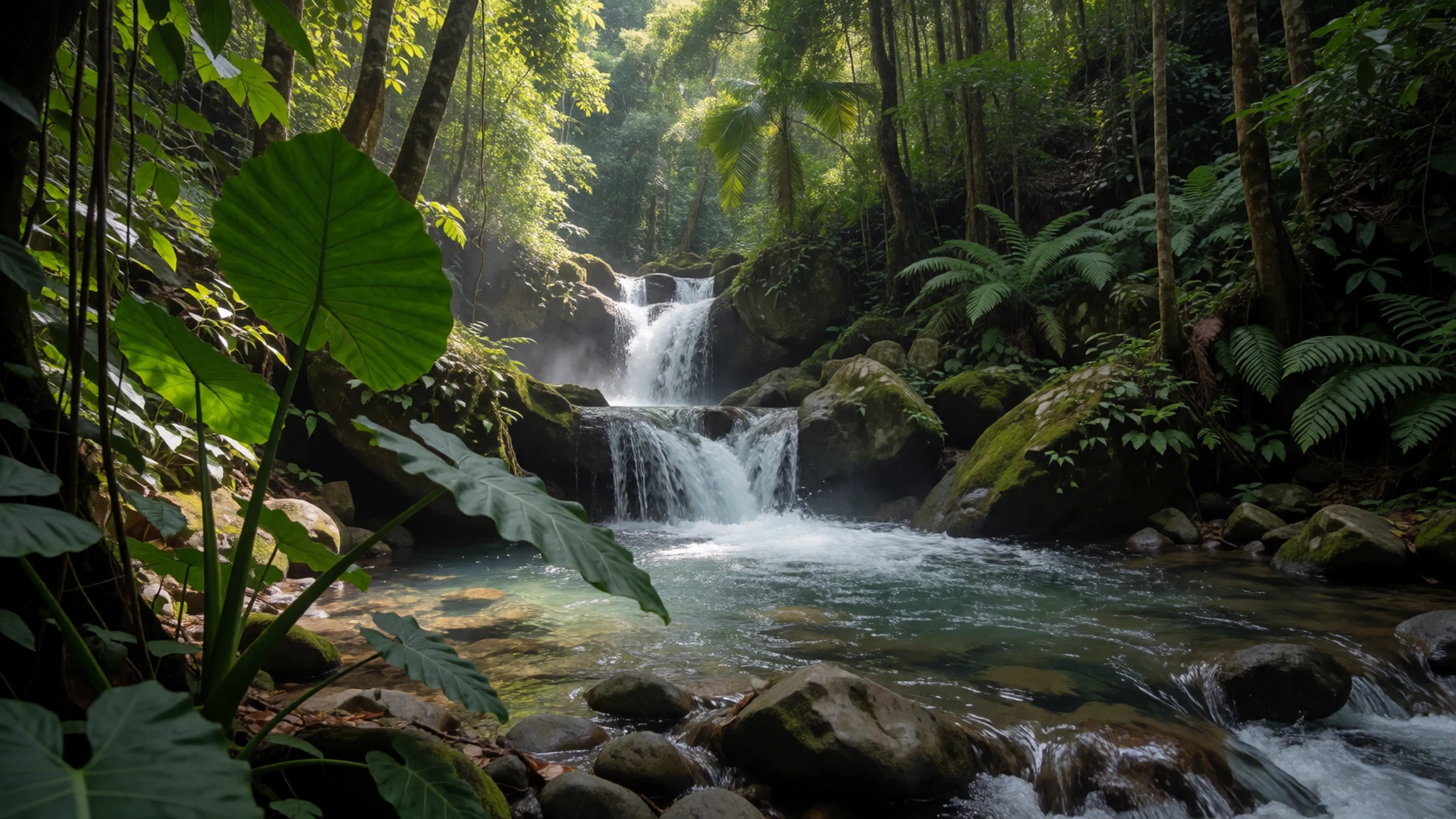
- San Miguel River Park — San Miguel
Centred along the longest freshwater stream on the island, this adventure park offers river tubing, kayaking, and white-water rafting through pristine jungle landscapes, as well as opportunities for hopping between nearby hidden waterfalls.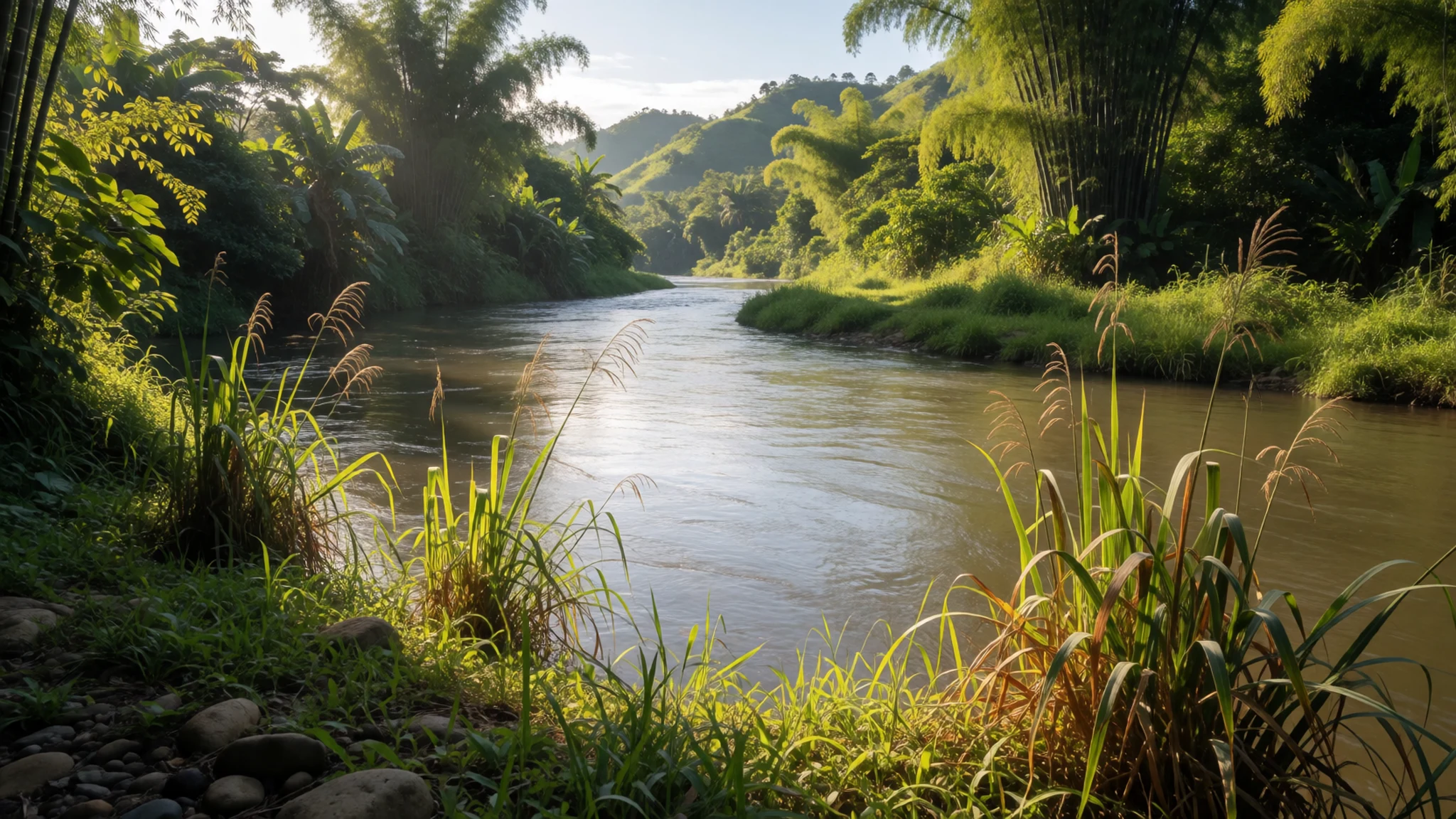
- Bato Church — Bato
Constructed from coral stone during the Spanish colonial era, this sturdy house of worship stands as one of the oldest religious structures on the island. Its thick walls and weathered facade reflect centuries of coastal weathering and community devotion.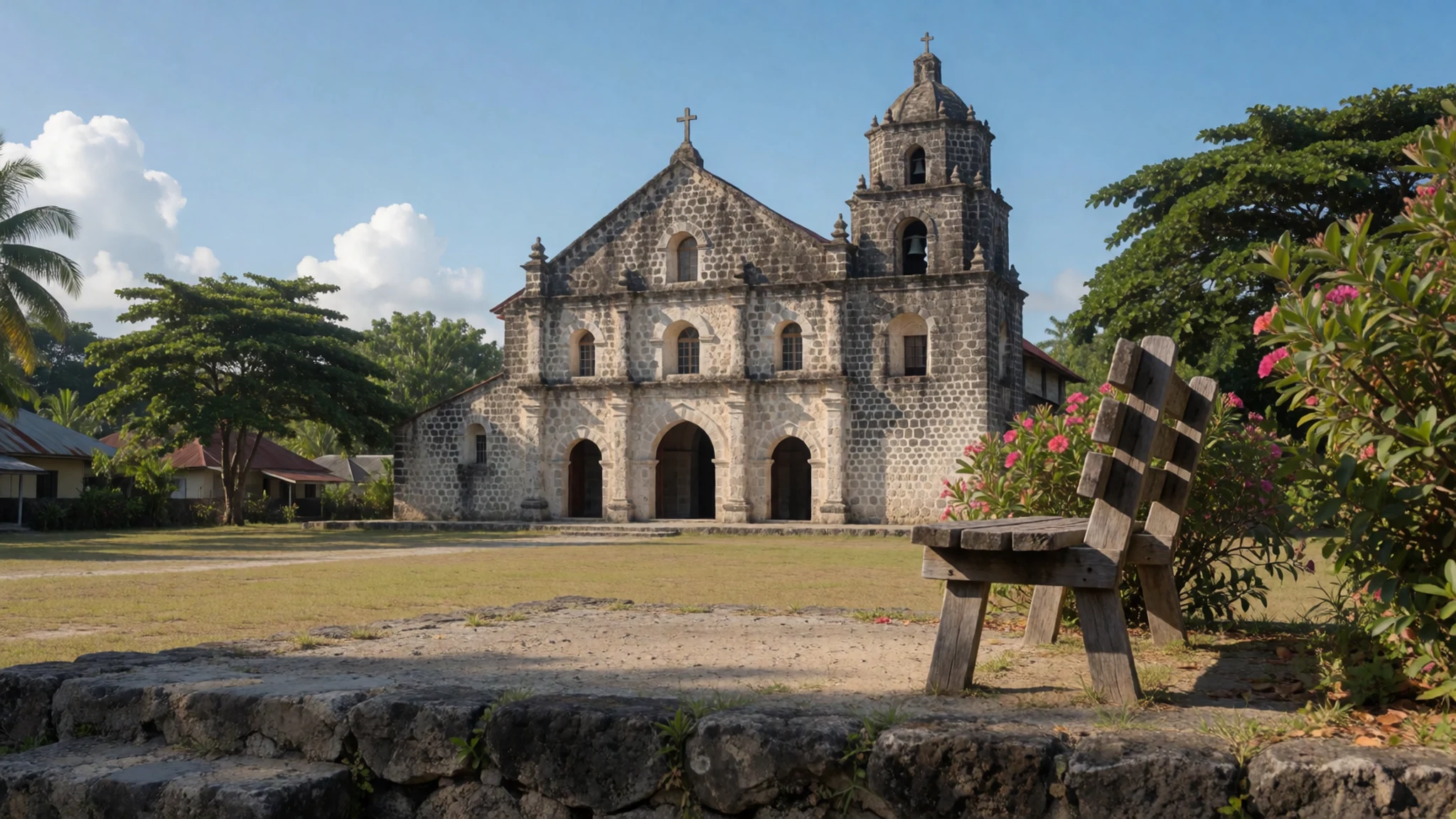
Culture
Life in Catanduanes is anchored by strong communal traditions and a calendar marked by vibrant religious and agricultural festivals. The Catandungan Festival every October celebrates the province's independence from Albay through street dancing, traditional Pantomina performances, trade fairs, and sports competitions. Later, the Abaca Festival in May honours the resilient fibre that sustains the local economy, showcasing traditional weaving, fashion shows, and musical performances that celebrate island heritage. Religious celebrations retain deep Spanish-era roots, blending solemn church novenas with lively community gatherings.
Visitors will find the local population exceptionally welcoming, ready to share stories over simple meals of fresh seafood and coconut-infused dishes. English is widely spoken in shops, transport hubs, and local eateries, making navigation straightforward for travellers arriving from abroad. When visiting parish churches or attending traditional village ceremonies, dress modestly with covered shoulders and knees, and always ask permission before photographing local residents during intimate religious rituals.
What to wear
Traditional attire in Catanduanes is closely tied to the cultivation and processing of abaca, a sturdy natural fibre extracted from the local banana plant variety. Artisans weave this versatile material into stiff, textured fabrics used in ceremonial garments, structured hats, and intricate handicrafts displayed during the annual Abaca Festival. Traditional formal wear for men often features embroidered barong tagalog shirts, while women wear elegant, lightweight garments incorporating local weaves.
For everyday wear, locals dress casually and practically to cope with the tropical humidity, opting for light cotton shirts, shorts, and comfortable sandals or slip-on shoes. Fishermen and farmers wear wide-brimmed woven hats for sun protection during outdoor labour. Travellers should pack lightweight, breathable clothing, a sturdy rain jacket for unexpected tropical showers, and reliable footwear or water shoes for exploring rocky coastlines, river parks, and uneven trails.
What to eat
- Bicol Express — Local carinderias and markets in Virac
A fiery regional stew made with chunks of pork simmered in rich coconut milk, fermented shrimp paste, and liberal amounts of small green chillies. It can be found at local eateries and family-run canteens across Virac. - Ginataang Manok — Village food stalls and neighbourhood eateries
Tender pieces of chicken cooked slowly in thick, freshly squeezed coconut milk flavoured with ginger, garlic, onion, and leafy greens. It is a comforting home-style dish served with steamed white rice at roadside food stalls. - Kinilaw na Isda — Coastal fish markets and seaside restaurants
Fresh raw fish cured directly in sharp vinegar, calamansi juice, ginger, onions, and chillies, creating a zesty, refreshing appetiser. Look for it at coastal fish markets and seaside dining spots when the morning catch comes ashore. - Pancit Bato — Traditional food stalls in Bato and Virac
Local stir-fried noodles prepared with sun-dried wheat noodles originating from the town of Bato, tossed with garlic, vegetables, and small pieces of meat or seafood. It is a hearty staple at local noodle shops and town markets.
Plan it
Best time. Visit between March and May for the driest weather and calmest seas, or October through November to experience the local festivals and cooler breezes, keeping in mind that typhoon season runs through the later months.
How long. 3–4
Getting there. Fly directly from Manila to Virac Airport, or take an overnight bus from Luzon to the port of Tabaco, followed by a regular passenger ferry across to the island.
Budget. low
Tips
- Carry sufficient cash, as automated teller machines are scarce outside the capital town of Virac.
- Start early in the morning to explore coastal viewpoints and outdoor parks before the midday heat peaks.
- Pack a reliable waterproof jacket or dry bag, as tropical downpours can occur unexpectedly.
- Book island transport and beach accommodation ahead if visiting during festival weeks in May or October.
Etiquette
- Remove your shoes before entering local homes or traditional prayer areas.
- Always ask for permission before taking photographs of individuals or private ceremonies.
Nearby
Sources
- Wikidata Q13778 (CC0)
- Wikipedia (CC BY-SA 4.0)
- Wikivoyage (CC BY-SA 4.0)