Çatalhöyük
Çatalhöyük, Turkey
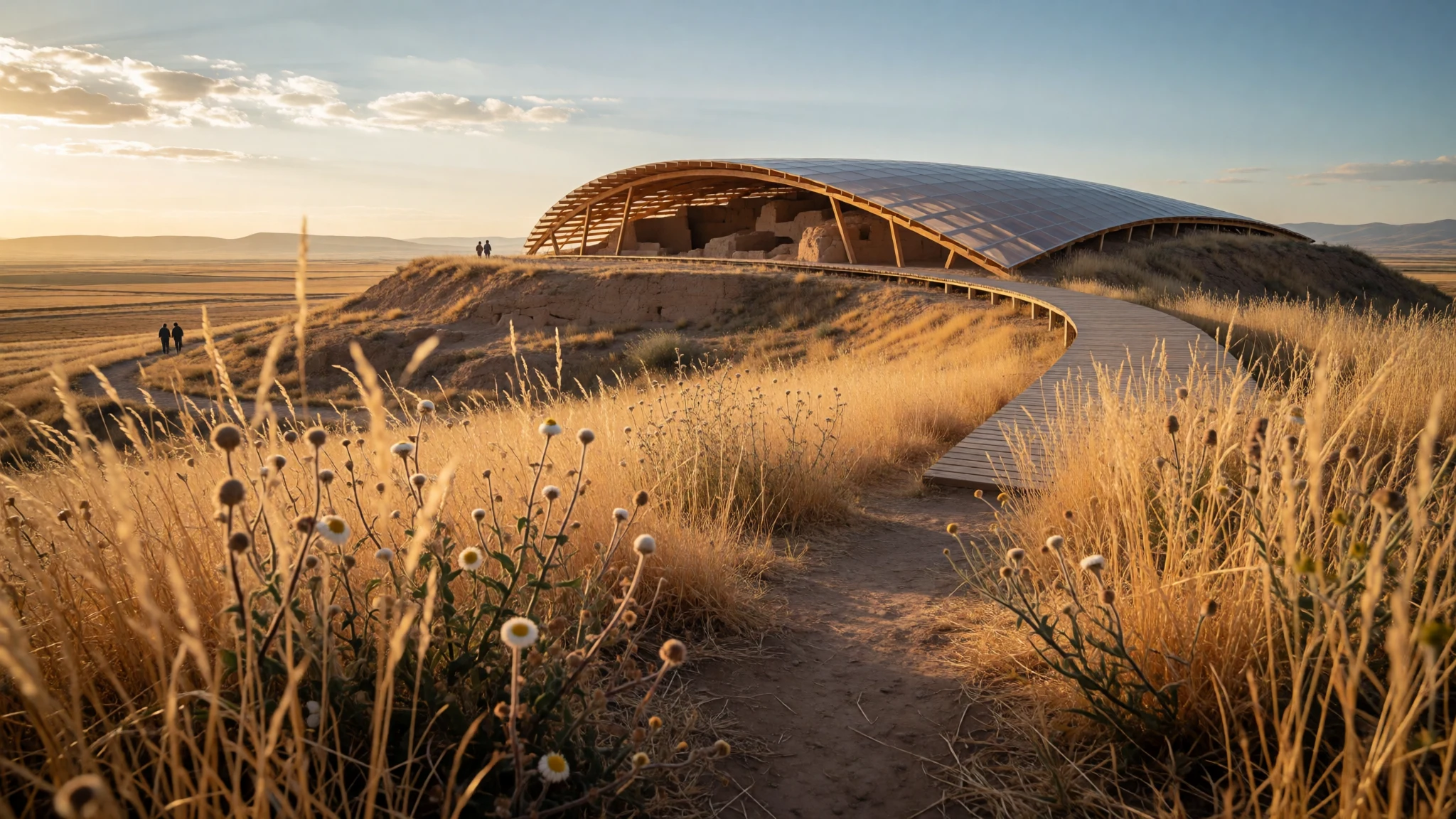
Çatalhöyük turns early village life into something tangible: mudbrick homes, wall art, and a tell you can read in layers.
The place
Çatalhöyük is an archaeological site and tell in southern Anatolia, set on the Konya Plain near the modern city of Konya in Turkey. It’s the kind of place where history isn’t behind glass for long—there are trenches, reconstructed spaces, and the mound itself, all letting the settlement’s scale and layout come through.
The site existed for thousands of years, beginning around 7500 BCE and continuing until roughly 5600 BCE, with its flourishing phase centred around 7000 BCE. What survives is not a single “monument”, but an accumulated neighbourhood: mudbrick houses pressed closely together, arranged in a dense pattern with no streets in the usual sense. From a distance the tell looks like a landform; up close it reads as a patchwork of built life, repeatedly rebuilt on top of older foundations.
Çatalhöyük was designated a UNESCO World Heritage Site in July 2012, and that global recognition matters in one practical way: there is a well-structured visitor flow that starts with learning before entering reconstructions. It also helps explain why visitor numbers can feel concentrated—this is a standout Neolithic/Chalcolithic story, not a quick roadside stop.
Plan for a calm pace, especially in summer, when the open areas are hottest and can feel exposed. The rewards here are the details: the way rooms connect, how access worked, and how everyday spaces and painted walls suggest community life in a fully settled, agricultural world.
Its story
Çatalhöyük’s story starts with people choosing permanence. The settlement is described as a very large Neolithic and Chalcolithic proto-city in southern Anatolia, built as a tell—layer after layer of occupation left behind when older structures were replaced.
The earliest years matter because they sit right in the shift from nomadic routines toward settled agriculture and dwellings. Over time, the town grew into a dense cluster of domestic buildings, with no obvious separation between “home” and “public” in the way later cities often show. In the excavated remains, many houses share a common character, including mudbrick construction, which supports the sense of a community organised without clear architectural signals of a ruler or a priestly elite.
What’s striking is how the physical layout implies close social living. Houses are crammed together, forming a honeycomb-like maze where movement happens through rooftops and openings rather than through a street grid. Access by ceiling openings and side doors—reached by ladders and stairs—suggests that daily routines were shaped by building design.
The settlement’s size has been debated. Earlier estimates suggested populations of thousands, but later archaeological work narrowed the picture to a smaller number of residents during an average year in a middle phase. Whatever the exact count, it feels plausible as a tightly knit community where neighbours were close enough for trade, help, and family connections.
Before the Bronze Age introduced metal-working, Çatalhöyük was eventually abandoned for reasons that remain unclear—one of archaeology’s gentle disappointments, because the site can be read in what’s left, but not fully explained.
What to see
- Visitor Centre first stop — at the entrance area
Start at the Visitor Centre to get context for the excavations and the site’s ongoing archaeology. It’s the easiest way to understand what is reconstruction, what is exposed original fabric, and why the mound layout matters.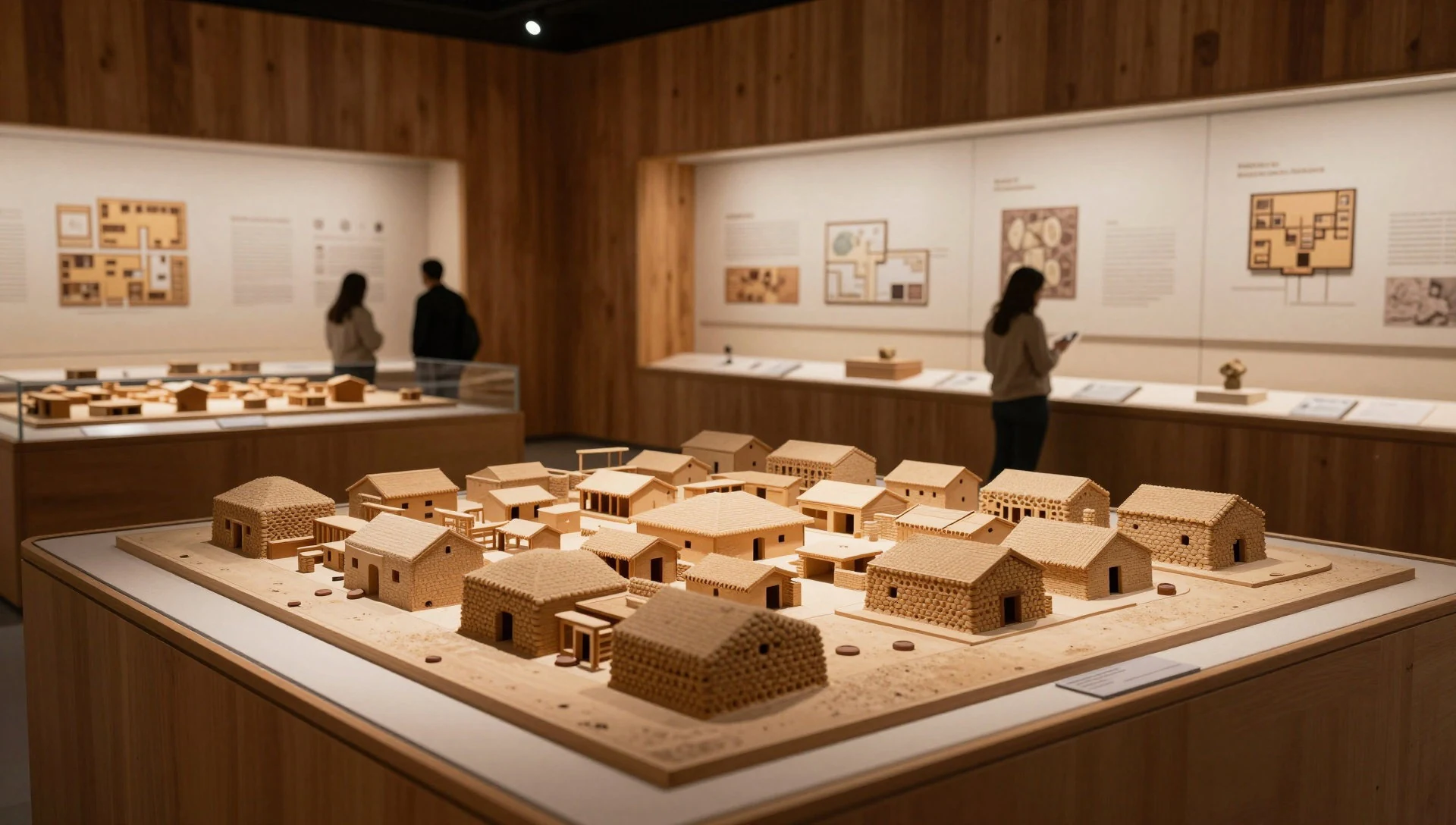
- Reconstructed housing — near the Visitor Centre
Next, move into the reconstructed housing to understand how people might have lived inside tightly packed mudbrick rooms. Look for how spaces connect, how access could work, and how everyday activities fit inside a small footprint.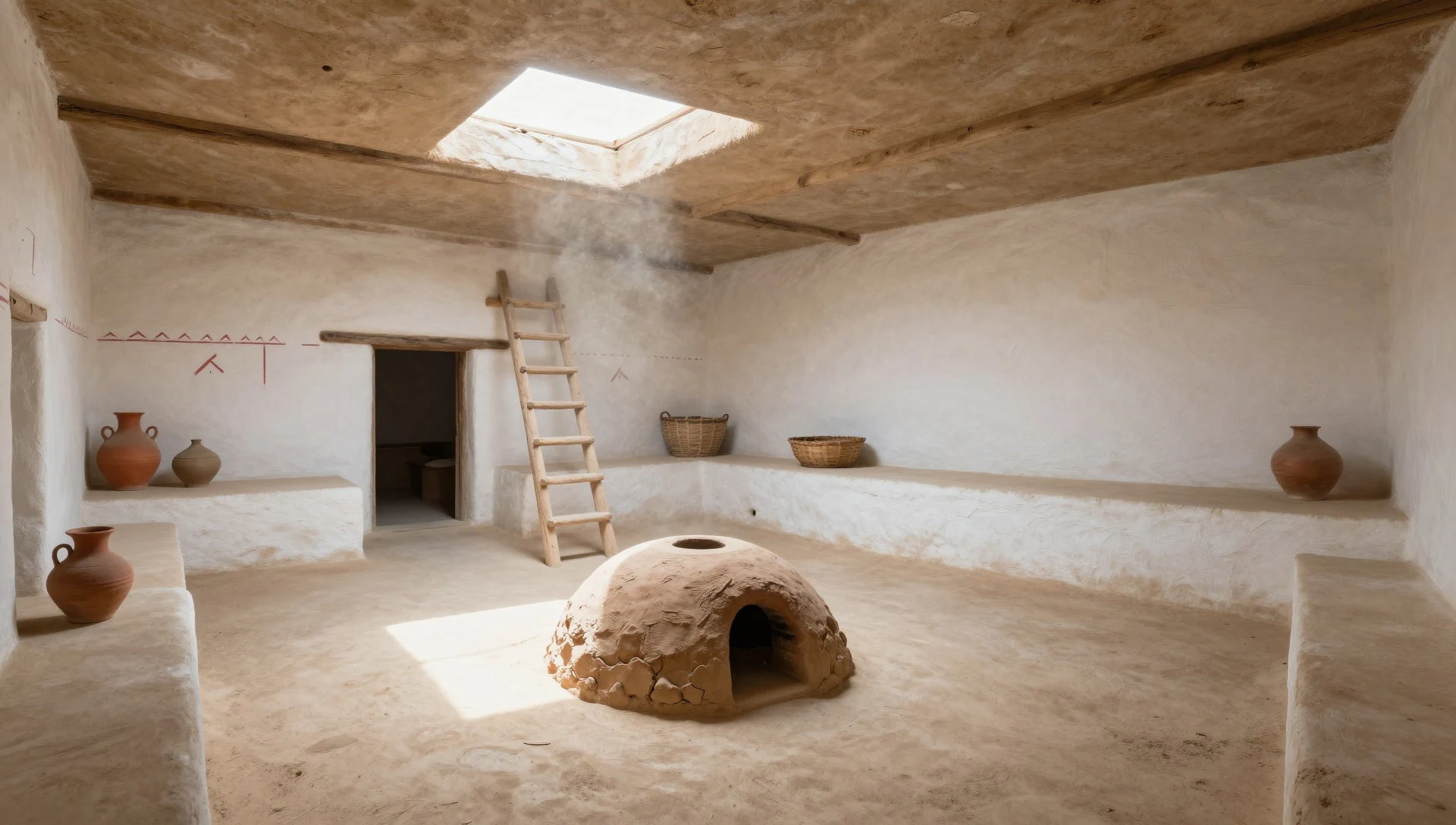
- Ascend the first mound — on the mound
From ground level, the settlement can feel like a collection of walls. Ascending the first mound gives a better read of the excavated town, letting the dense pattern of rooms and the tell’s shape make sense in one view.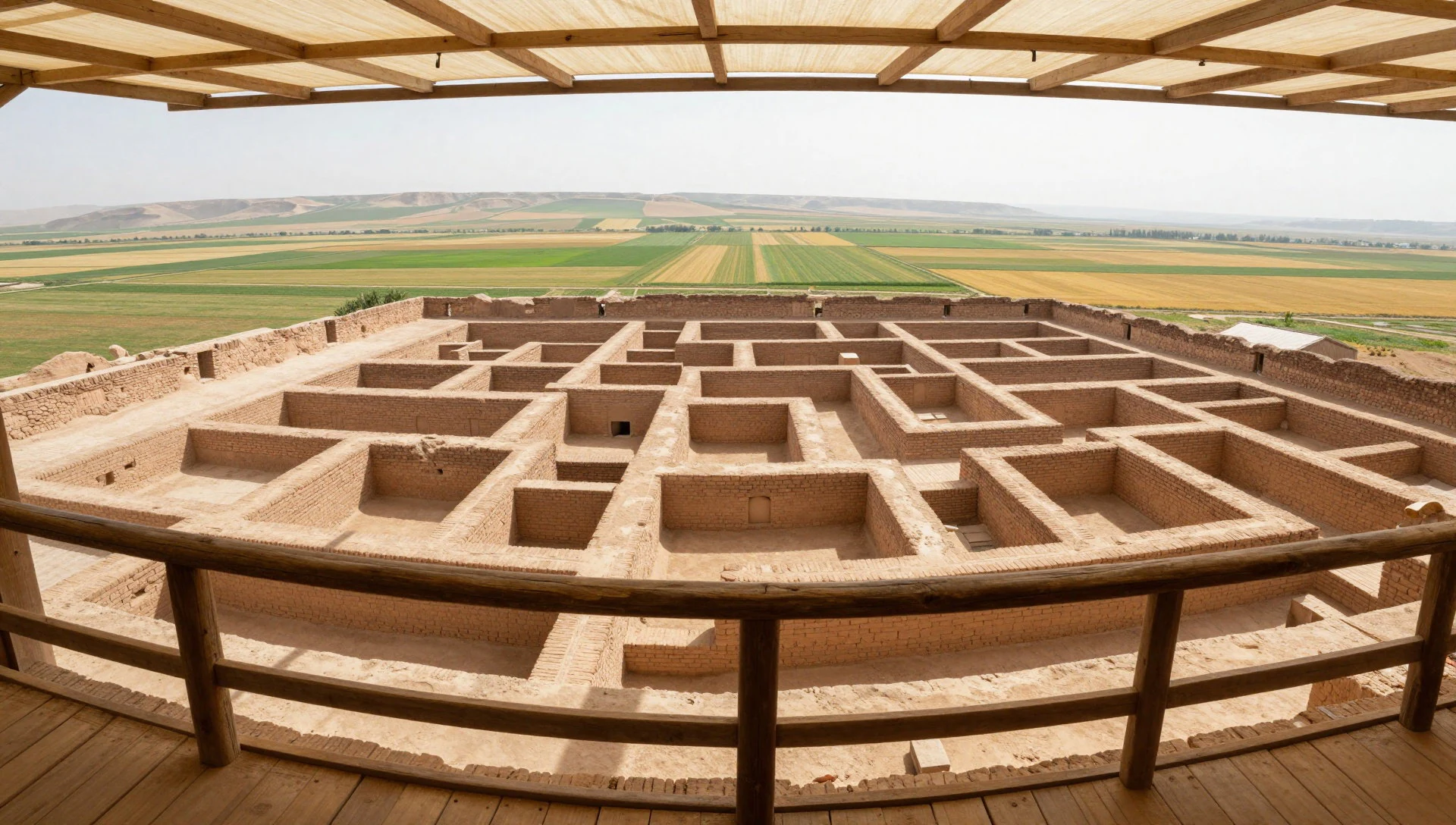
- Excavation trenches — within the excavated zones
Excavation trenches offer the method behind the story—layers, cuts, and the patience of fieldwork. It’s the closest thing here to “seeing archaeology happen”, and it helps connect reconstructions to what was actually uncovered.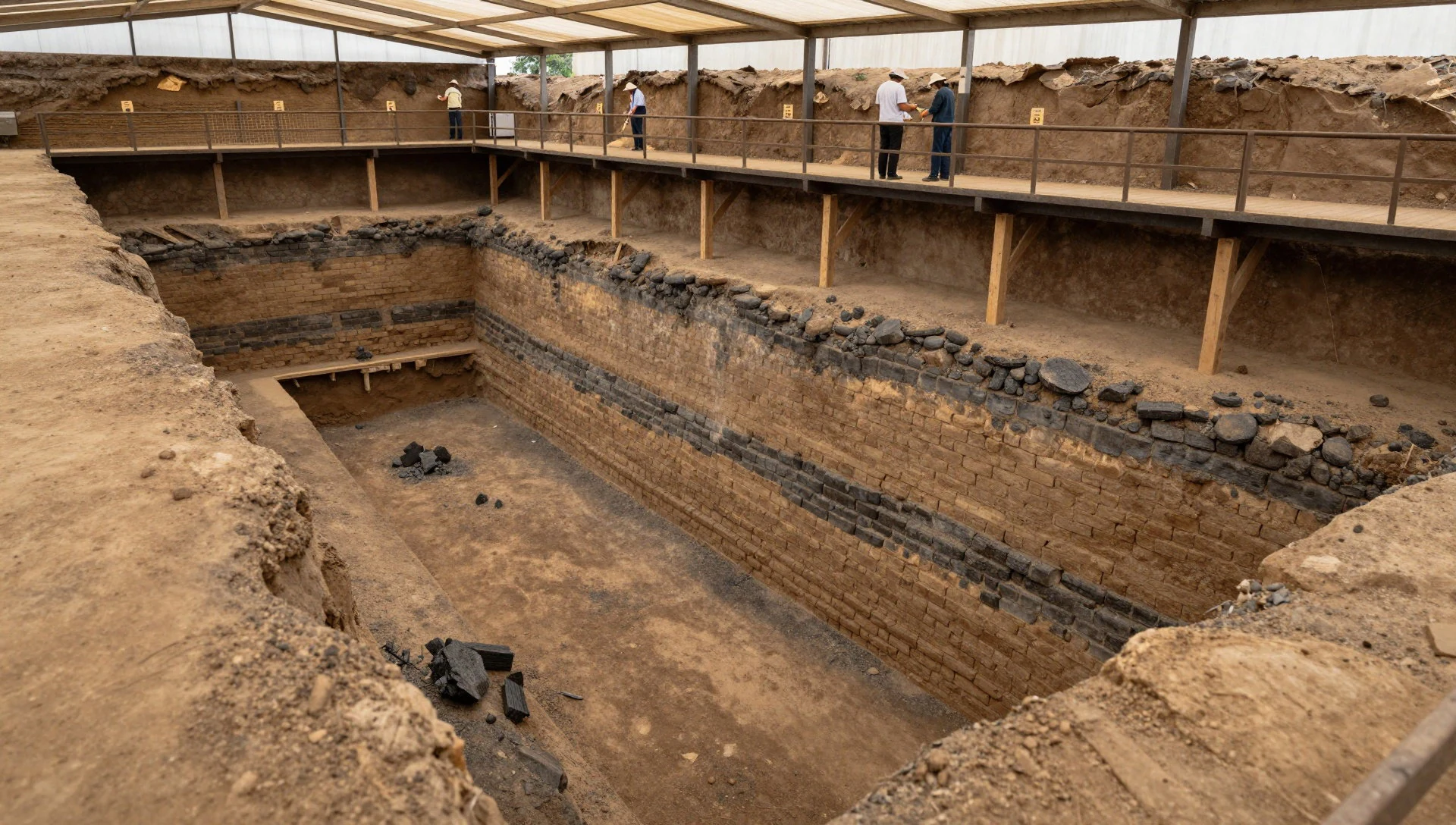
- Mural and wall-detail areas — in reconstructed/interpretive rooms
Çatalhöyük is known for wall art preserved in reconstructions and referenced through the excavated context. When murals come into view, spend a few minutes reading them as evidence of symbolism inside domestic space, not just decoration.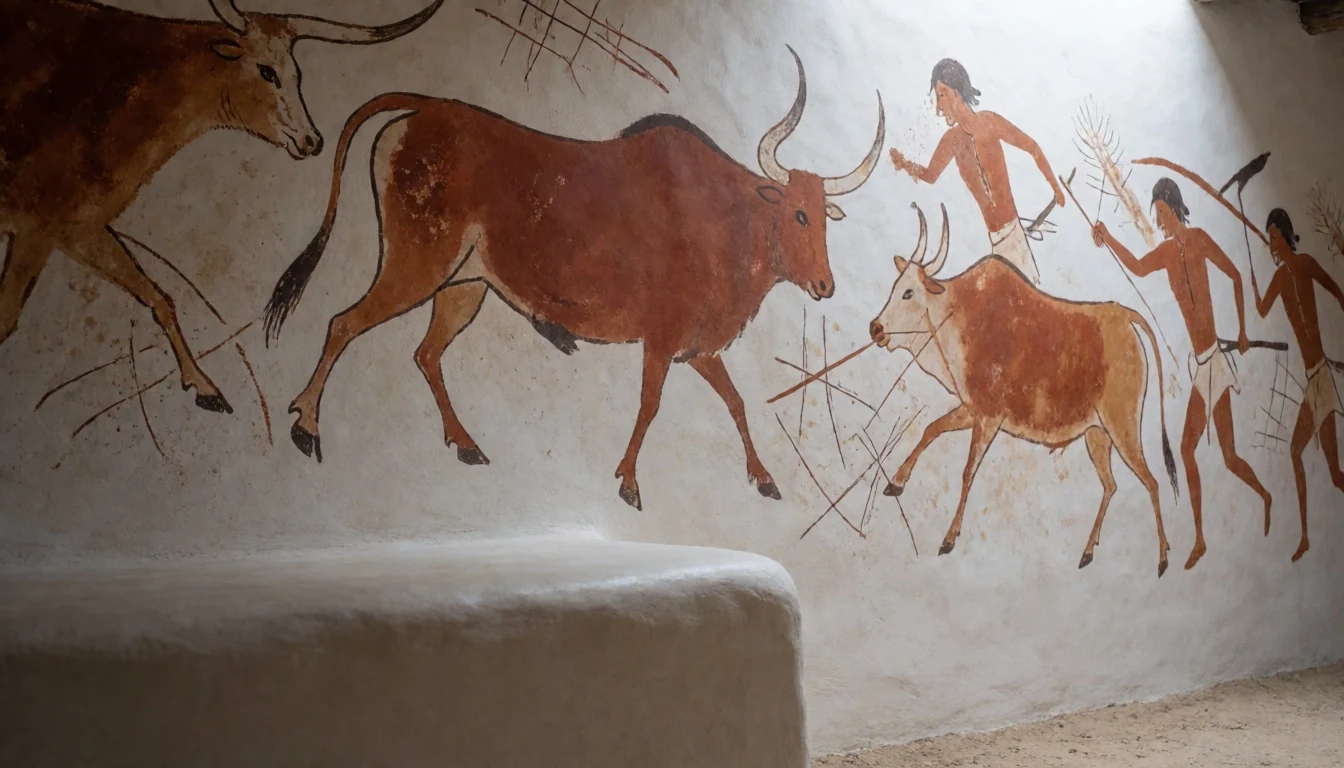
Culture
Çatalhöyük was made up almost entirely of domestic buildings, and that shapes the visitor experience. Unlike many archaeological sites, the “centre” is not a palace or temple complex; instead, the focus is on homes—mudbrick, closely packed, and arranged in a dense cluster with a honeycomb-like layout.
Access and movement were built into the architecture. Many houses could be entered by openings in ceilings, while doors on the sides were reached by ladders and stairs. The rooftops functioned as practical walkways, and ceiling openings helped ventilation by letting smoke rise from household hearths and ovens. In other words, the building design directly influenced daily routines.
Social organisation is read through the remains too. There are no obvious signs of distinctive royal or religious hierarchy in surviving houses, which supports the idea of a community with broadly shared domestic spaces. Questions of gender and household roles also show up in interpretations, with research suggesting no strong architectural separation based on status.
If crowded, the site can still feel surprisingly intimate because everything is close together—every glance can shift from floor detail to the wider maze of walls and roof-level access.
Visitor etiquette: keep to marked paths, speak softly around reconstructions, and avoid touching wall surfaces or ceilings.
What to wear
Çatalhöyük is an outdoor archaeological site with reconstructions, so clothing is mostly about weather, modesty, and comfort on uneven ground. There isn’t a single “traditional outfit” visitors can wear here, but the working assumption for most guests is simple: dress for warm sun and variable shade, and cover up enough for walking through museum-like spaces.
Today, visitors tend to wear breathable tops and long trousers or skirts, plus sensible footwear with grip for rough surfaces and steps around the mound. In summer, heat can build quickly across exposed areas; in shoulder seasons, mornings and evenings can feel cooler, so a light layer helps.
If entering indoor reconstructions, keep shoulders and knees covered out of respect, especially if staff are guiding groups. Since some movement involves ladders and steps on the site, avoid flimsy sandals—closed shoes are the safest choice.
There’s no need to mimic Neolithic clothing; the most helpful “gear” is practical: sun protection, water, and layers that handle both full sun and shaded corners without slowing the pace too much.
What to eat
- Onsite cafe snacks — at the site
An onsite cafe serves coffee, tea, water, and snacks. It’s the simplest option when the visit runs to a full morning and offers a comfortable indoor break before heading back to the mound areas.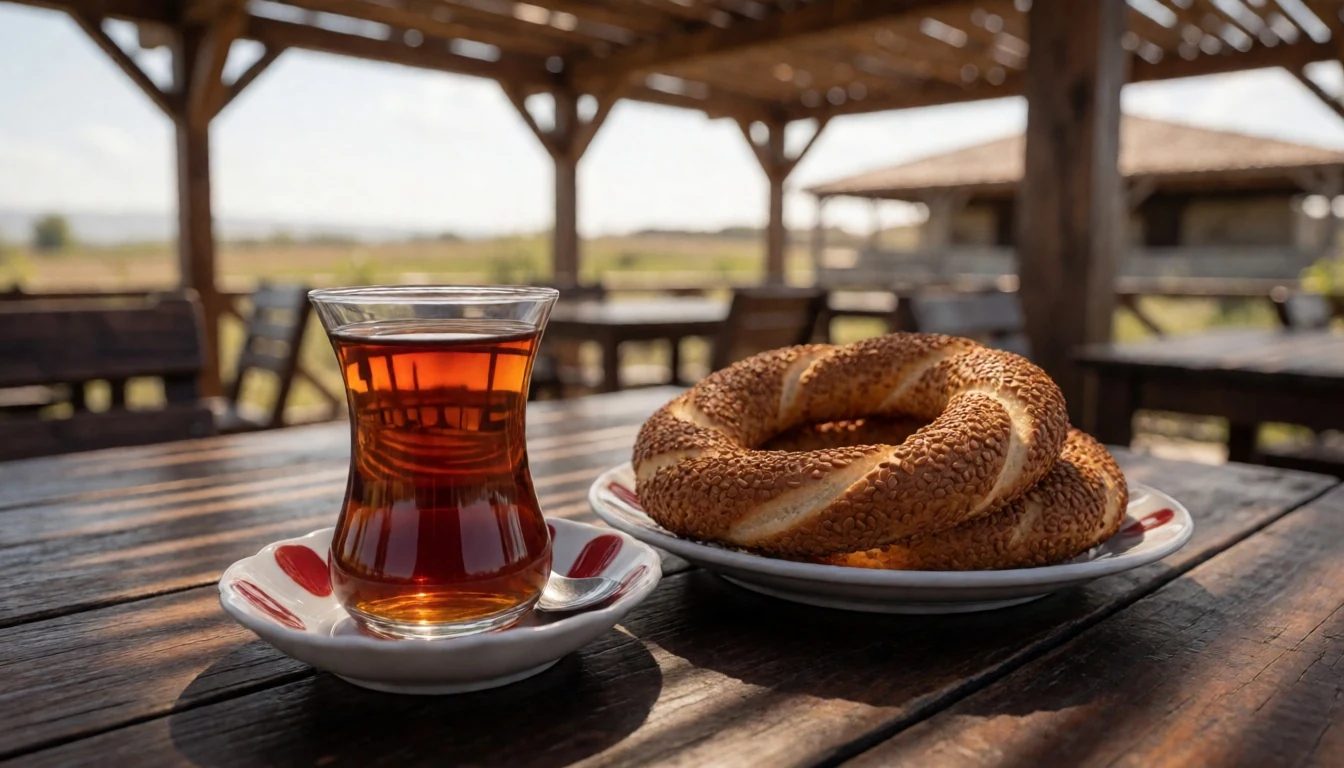
- Street-style snack stand — near the site area
A street vendor may set up a stand for snacks and drinks. This is a good “grab and go” choice if the cafe line is busy, but it’s best to arrive with cash just in case.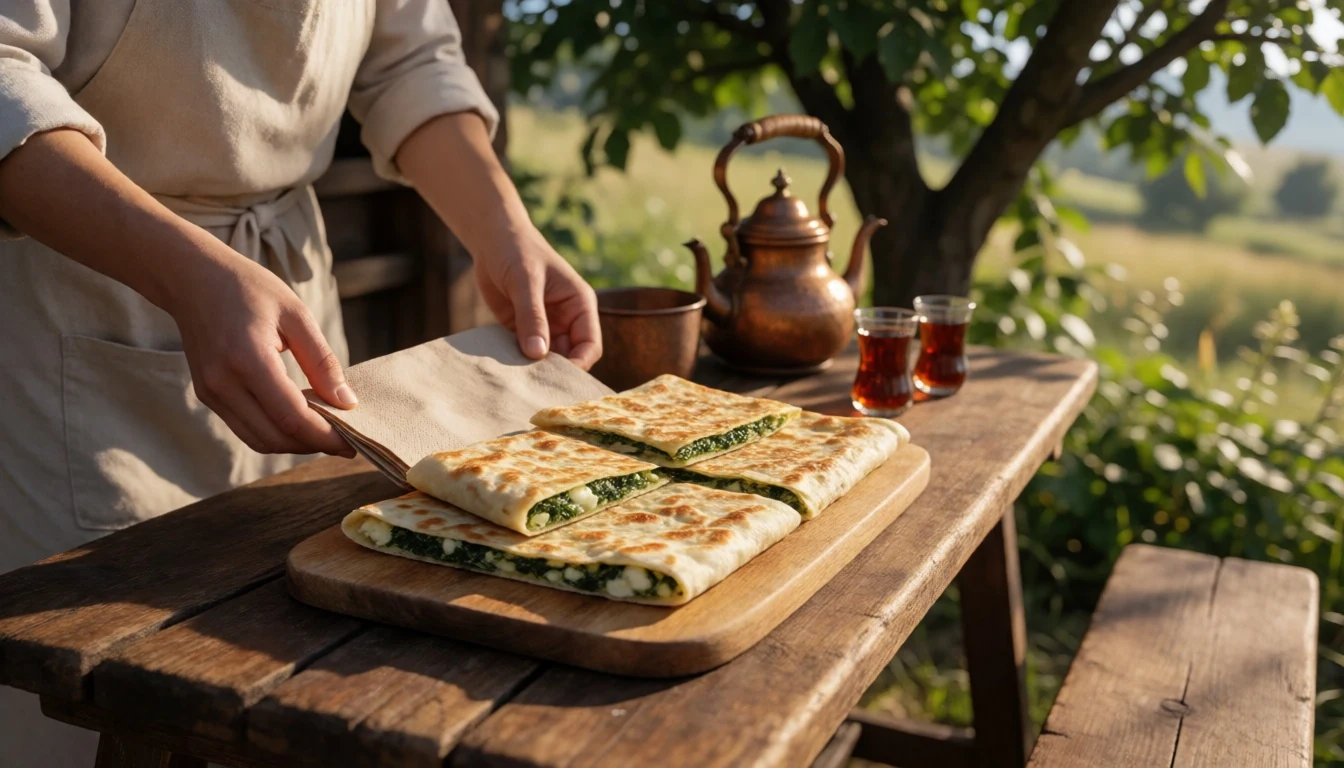
- Non-alcoholic refreshments — cafes and snack points on site
Çatalhöyük doesn’t sell alcoholic drinks, so plan refreshments around tea, coffee, water, and snack breaks. Keeping hydrated matters because much of the visit includes open areas and steps.
Plan it
Best time. March–April and late September through October are usually the most comfortable for open-air walking, since spring and autumn have milder temperatures than the hot summer months (June–August); plan around heat in summer.
How long. 1–2
Getting there. Çatalhöyük is 42 km southeast of Konya; from Konya, the quickest and simplest approach is to negotiate with a taxi for the short drive. Public transit routes travel through Çumra, which gets buses from Konya's Karatay Station every hour and Konya–Karaman line trains every two hours; for the final leg out of Çumra, you'll need a taxi or local transport options.
Budget. mid
Tips
- Start with the Visitor Centre so the reconstructions make sense before climbing up to the mound.
- If travelling from Konya, keep the visit as a day trip: there is nowhere to sleep here or nearby.
- Budget extra time for viewing the excavated areas—trenches help the site’s timeline feel real.
- Take water and sun protection; exposed sections can feel hot depending on the season.
- Carry some cash for small snack purchases, since a vendor may operate more informally than the cafe.
Etiquette
- Keep to marked routes and don’t step into restricted excavated zones.
- Avoid touching reconstructed wall surfaces or ceilings.
- Keep voices low inside reconstructed spaces so others can read the details.
Nearby
Sources
- Wikidata Q192522 (CC0)
- Wikipedia (rev 1384455922) (CC BY-SA 4.0)
- Wikivoyage (rev 5233606) (CC BY-SA 4.0)
- Photo photos/01-catalhoyuksoutharea.jpg (CC BY 3.0)
