Castel del Monte
Castel del Monte, Italy
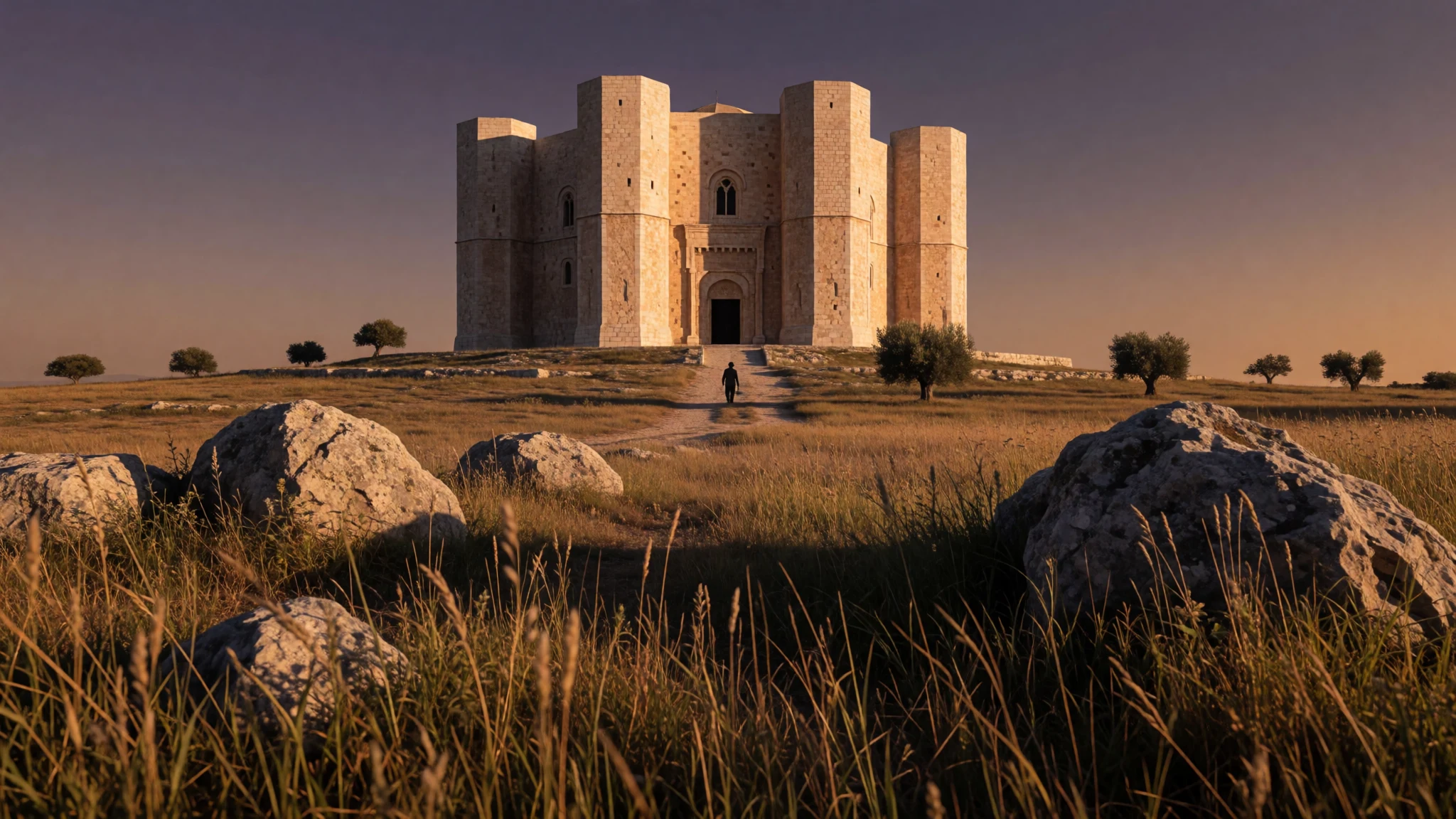
Go to Castel del Monte for its striking octagonal shape and the calm, windswept hilltop views in Apulia.
The place
Castel del Monte sits on a hill above Andria in Apulia, in southeast Italy, and that setting matters as much as the building. The castle is sometimes called the “Castle of the Mountain”, and you can feel the name: it rises from the surrounding landscape like something deliberately placed, not merely built.
The landmark feature is its bold octagonal plan. Instead of sprawling walls and irregular rooms, the architecture reads as a careful composition—symmetry, repetition, and classicising details that make the fortress look almost designed rather than improvised. There’s no moat and no drawbridge, and it doesn’t behave like a typical defensive stronghold.
Construction dates in the 1240s, connected to King Frederick II. A document from 1240 ordered work to be finished, but the castle was apparently never fully completed, and later it shifted roles—from a period of use that included marbles and furnishings, to being turned into a prison, then a refuge during a plague, and eventually falling into disrepair. That long afterlife also explains why you see a version of the castle that’s more austere than the original promises.
Today it’s visited for the atmosphere as much as the architecture: you climb up to an octagonal citadel, step inside, and notice the planning all the way down to the courtyard. Outdoors, the wind can be sharp, and in hotter months the light is relentless, so early visits feel far more comfortable. The UNESCO association is real, but the day-to-day experience is simpler: a fascinating medieval building, perched high, with enough space around it to breathe.
Its story
Castel del Monte’s story is tangled, partly because it’s an ambitious building with an uncertain purpose. It was commissioned in the 1240s under Frederick II, who inherited the lands and then pushed major works forward across his territories. A document dated 1240 instructed the governor of Capitanata to complete specific tasks at the castle, giving the site an administrative heartbeat—orders, deadlines, and the sense that something was meant to be finished properly.
Yet the castle doesn’t fully match the “grand plan, grand ending” narrative. It appears to have remained unfinished, and there’s no proof that Frederick II used it as a hunting lodge, despite that being a common idea in popular retellings. Later, the castle’s life turns practical: at some point it became a prison. In a different kind of emergency, it was used as a refuge during a plague. Those are the moments that make the building feel less like a theatre prop and more like infrastructure that people relied on.
After that, the castle drifted into disrepair. Original interiors included marble walls and columns, but those fittings were removed—either by vandals or reused in buildings nearby. By the time you visit, the absence is visible, in a way that shapes how you read the space. You look more carefully at structure, proportions, and light, because the “decoration” has largely been stripped away.
Even archaeology has added nuance, suggesting there may once have been a curtain wall. So the mystery is part of the attraction: Castel del Monte is a castle with a high-profile design, a start anchored by a dated order, and an afterlife that pushed it into entirely different roles.
What to see
- Castel del Monte exterior — Andria / Alta Murgia area
Approach Castel del Monte on the hill and take a slow walk around the octagonal silhouette. From a distance it reads as geometric and deliberate; up close you’ll notice the restrained classicising lines rather than battle-scarred effects. The surrounding landscape gives scale, and the wind can make the walk feel brisk.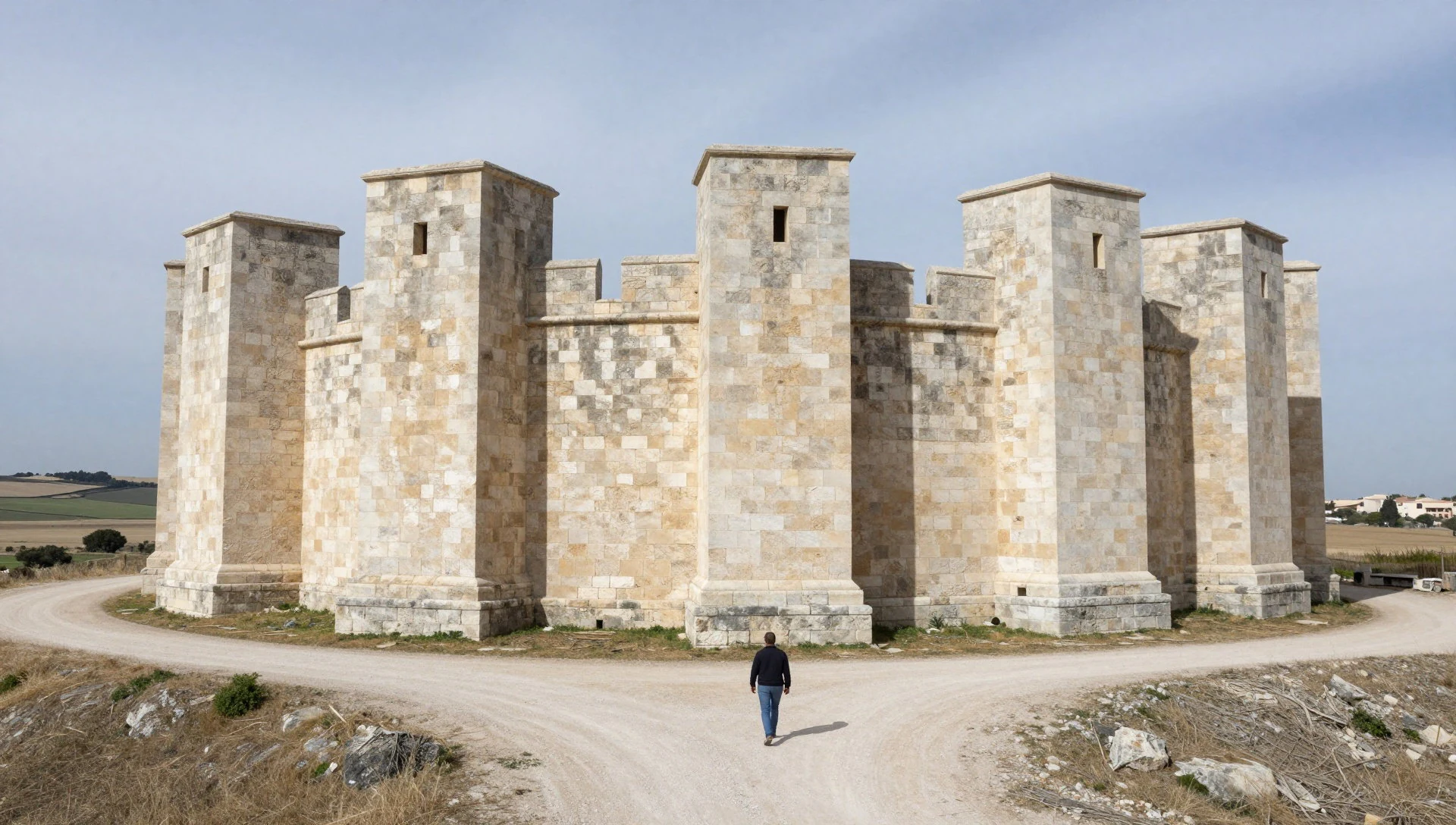
- Courtyard and interior layout — Castel del Monte (interior)
Inside, focus on how the layout supports the central courtyard. The building’s planning makes the rooms feel connected through openings and circulation, not as a maze. If the castle feels austere, that’s partly because later stripping changed how much decoration remains, leaving structure and proportion to speak.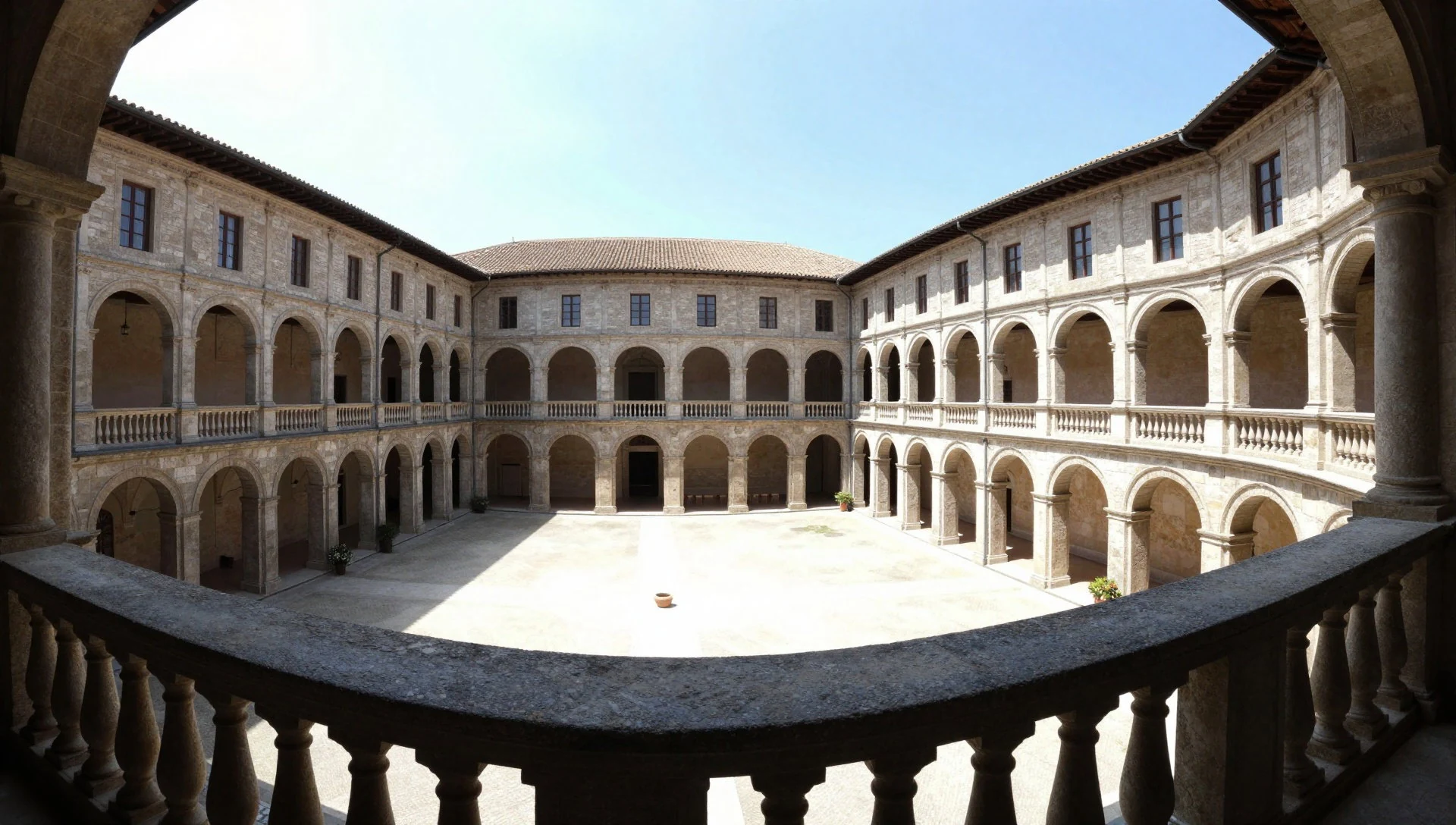
- Staircases and upper spaces — Castel del Monte (upper levels)
Castel del Monte has interior stairs that make it easy to understand the building’s rhythm. Look for how landings and angles keep the geometry coherent as you move upward. It’s the kind of place where a careful glance at how you climb helps you “see” the octagon all over again.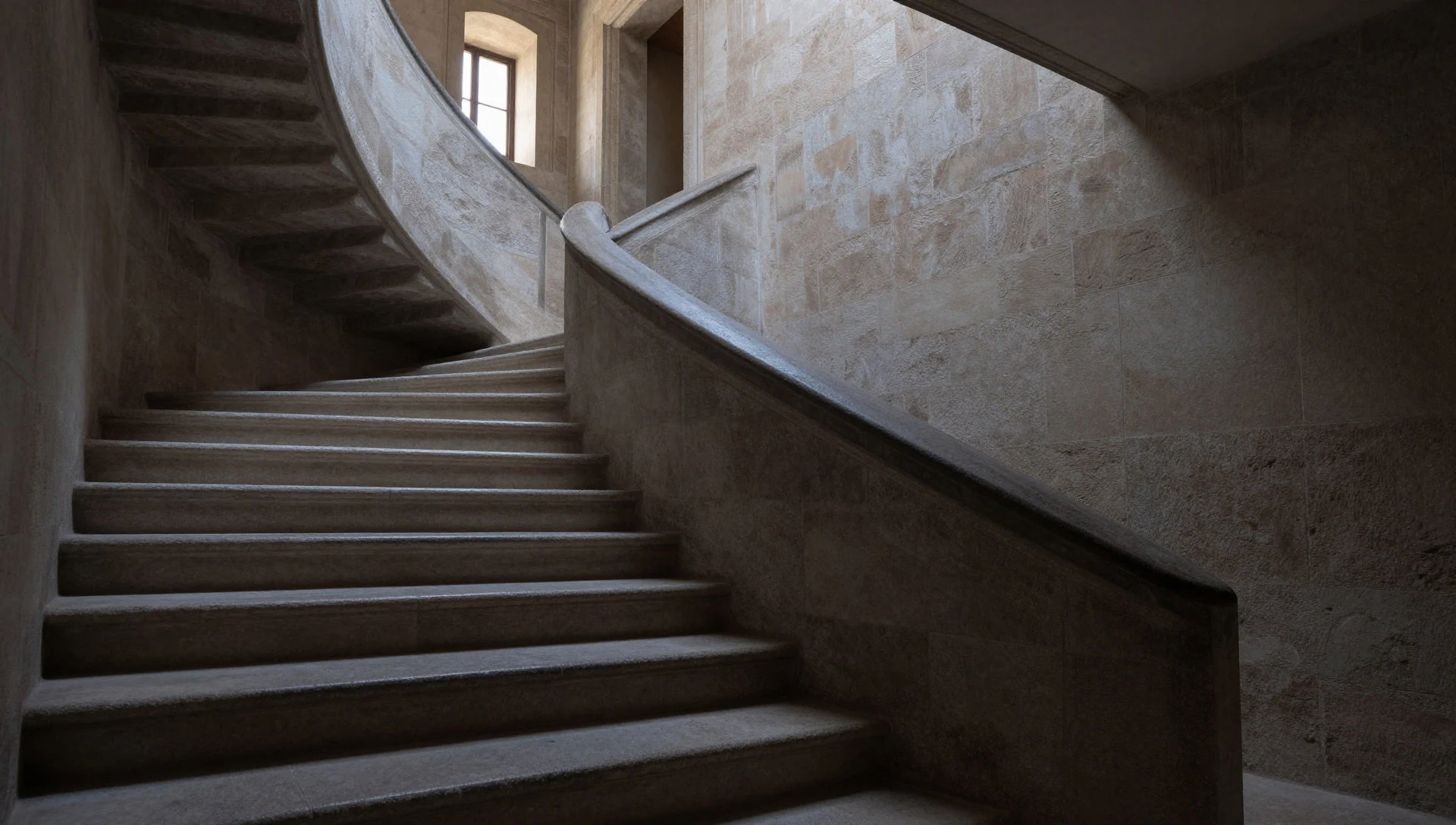
- Entrance portal and façade details — Main entrance area
At the entrance, the portal is the first moment where you feel the castle’s formal side. Instead of rough military practicality, the doorway and surrounding stonework read as composed. Spending a minute here sets the tone before you step into the courtyard and notice how the interior continues the same logic.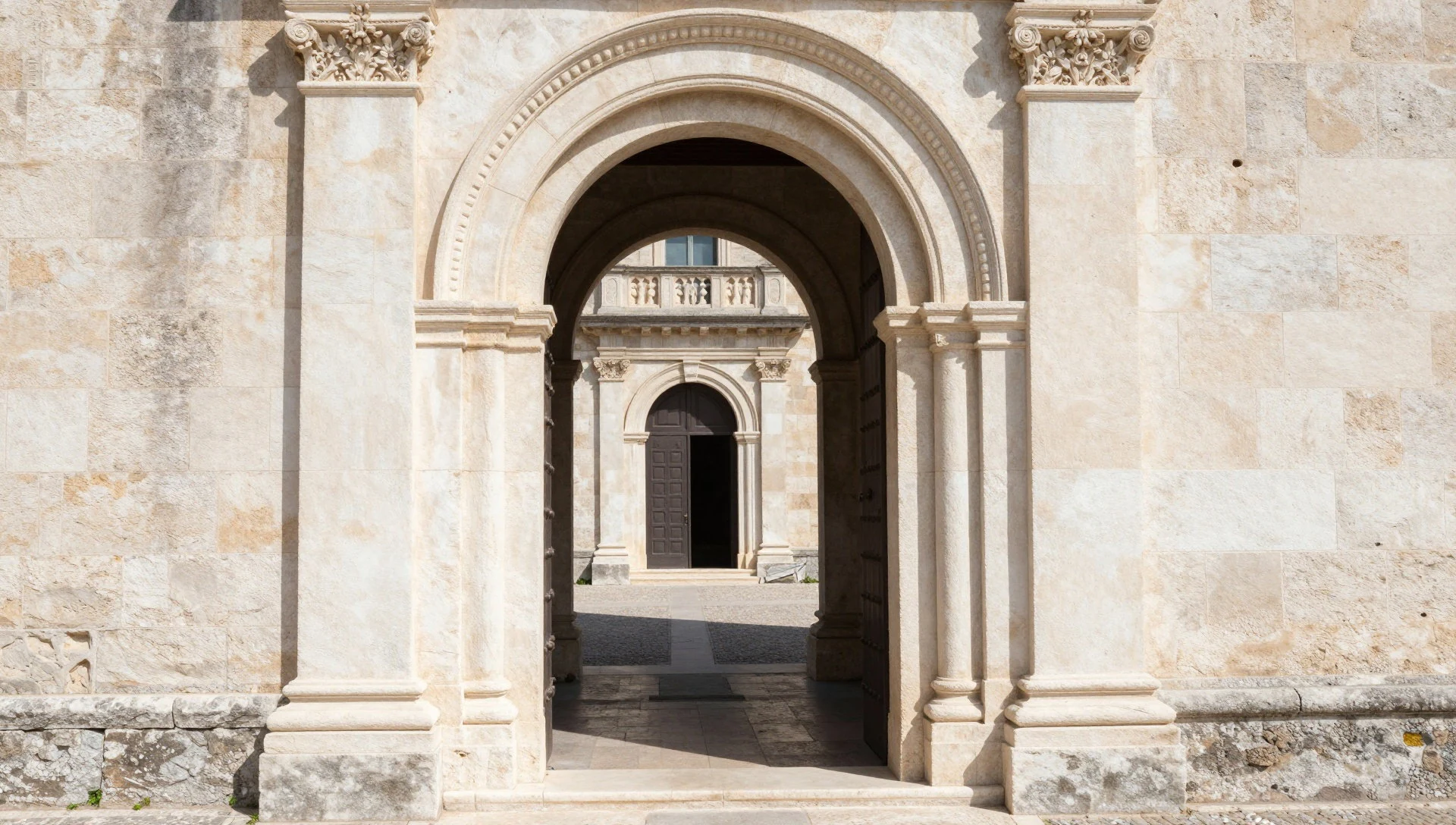
- Views from the hilltop — Hilltop approach
If you’re visiting on a clear day, take time for the views beyond the walls. The castle sits high enough for light to flatten the landscape, which can make photos look extra crisp. Bring a light layer: altitude and exposure can add a chill in shoulder seasons.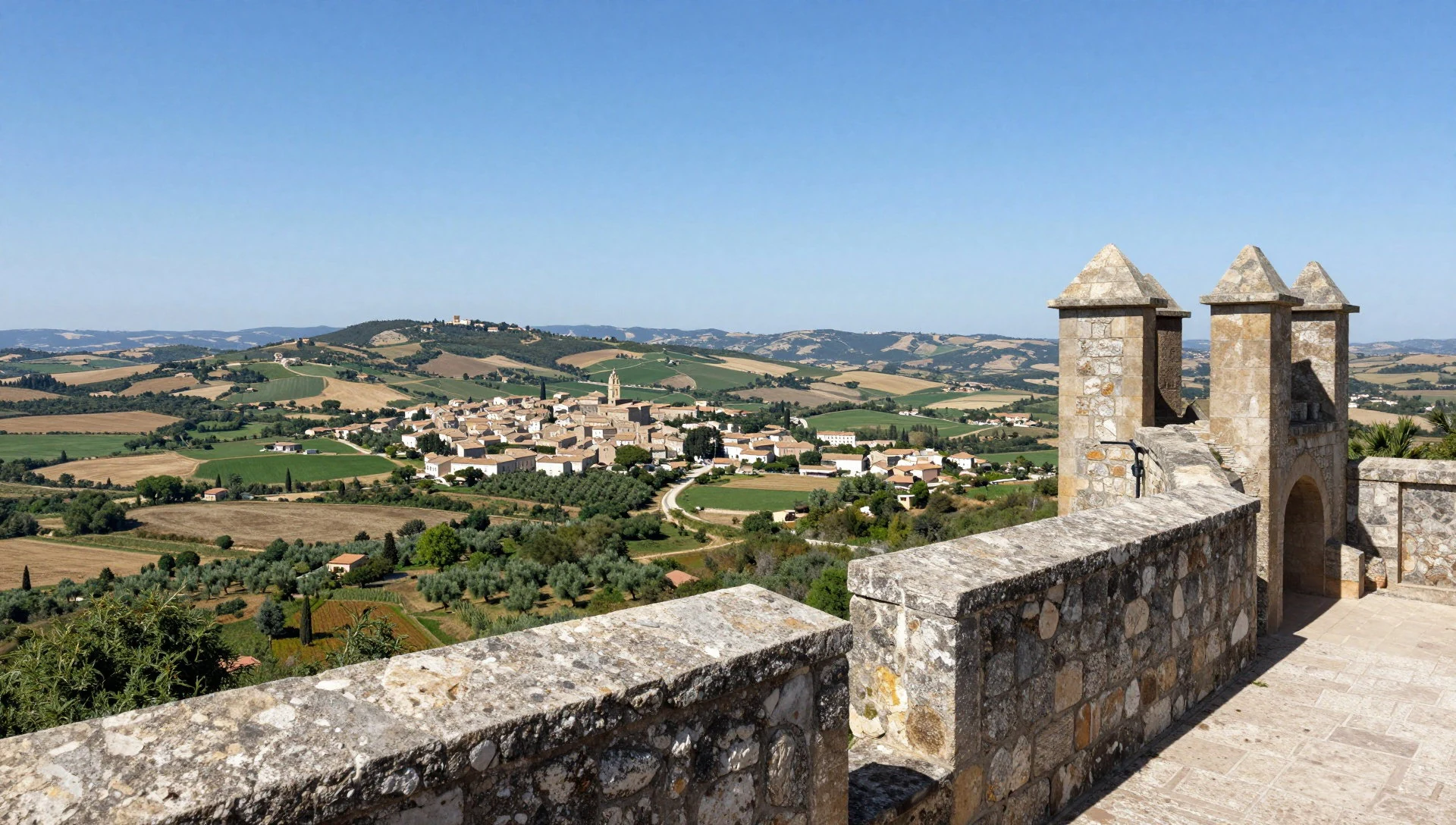
Culture
Castel del Monte is a heritage site, and that affects the vibe: people tend to move in small pauses, looking up at angles and then stepping aside for photographs. Because the building is compact and the hilltop exposes you to sun and wind, visits can feel busy in peak daytime hours, even if the site doesn’t feel chaotic. A calm approach works best—arrive earlier in the day if you can, and expect that the most popular interior viewpoints will become short queues.
It’s also a place where “reading the building” matters. Don’t just point and shoot from the first corner; step back, then reposition so you’re not blocking other visitors. If there are areas with restricted access, respect the barriers—heritage sites are still fragile even when they look sturdy.
Dress sensibly for walking on uneven paths, especially in Apulia when the sun can be strong. Keep water handy; there’s the usual need to manage hydration when you’re combining hilltop exposure with museum-style time indoors.
Visitor etiquette: keep voices low inside, avoid blocking doorways for photos, and follow any posted rules on where you can stand or sit.
What to wear
For Castel del Monte, dressing is mostly about comfort and practicality, with a nod to the fact you’ll be in a historic site rather than a beach or city centre café. Apulia’s hilltop exposure can mean hot, bright weather in summer and cooler breezes in autumn and spring. Wear breathable layers for most months, and add a light windproof layer if you’re visiting in cooler, damper periods like January, November, or March—April.
Traditional dress isn’t a requirement here, but you’ll see local styles around Andria and across Apulia—often with embroidery and handmade-looking textiles, especially in cultural events. Most visitors now wear everyday Italian-style clothing: a casual top, comfortable trousers or shorts, and closed shoes. In and around heritage interiors, modesty is common sense rather than formal dress code: cover shoulders if you’re wearing something very sleeveless, and keep hems sensible for walking.
What to pack for the visit is simple: comfortable walking footwear with decent grip (stairs and uneven paths are part of the experience), sunglasses, and a hat. If you’re prone to sunburn, bring sunscreen and a small refillable bottle. For evenings in shoulder seasons, a cardigan or light jacket usually feels right.
What to eat
- Panzerotto — Andria street-food stalls and snack counters
Look for panzerotto at local street-food spots and snack counters in Andria. It’s a hot, fried turnover filled with savoury ingredients, usually eaten as a quick, satisfying bite while you wander between sights.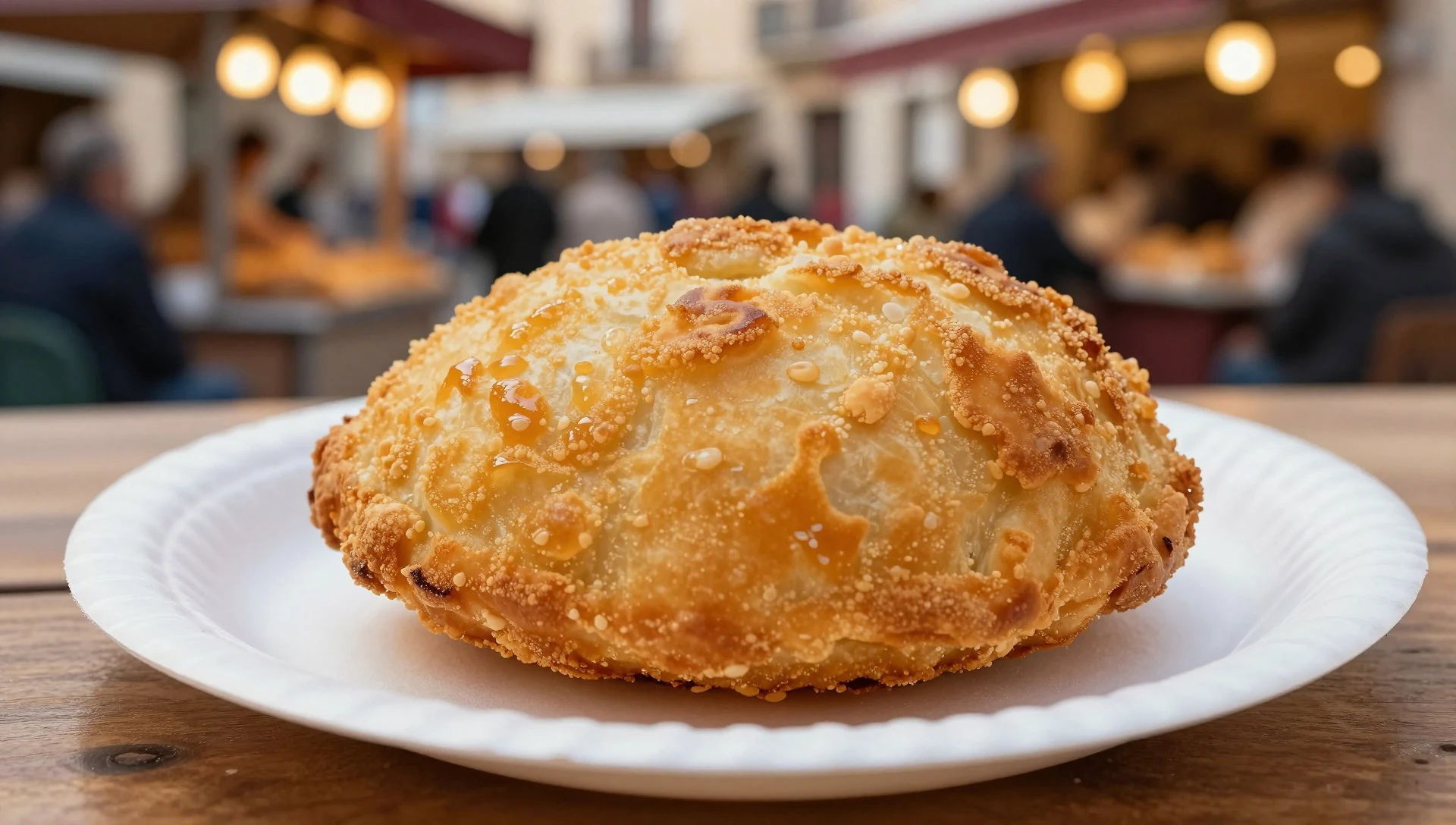
- Orecchiette with local sauces — Eateries around Andria
Orecchiette is the classic Apulia pasta, and you’ll find it in many regional eateries around Andria. Order it with a simple, local sauce—often tomato-based or richer with seasonal ingredients—then eat it slowly because it’s the heart of the region.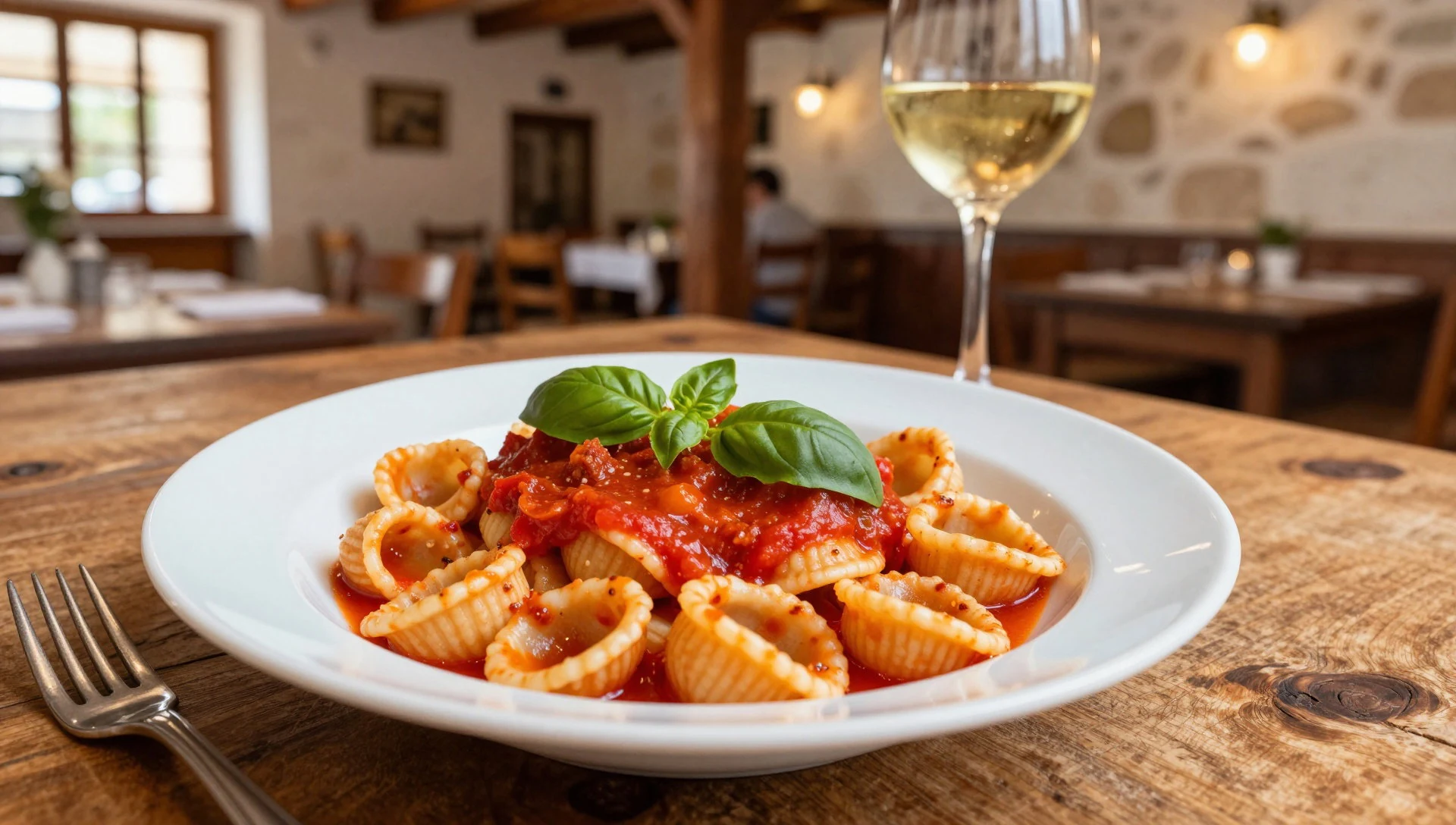
- Focaccia and rustic bread — Bakeries in Andria
For an easy break, pick up fresh focaccia or other regional baked breads from bakeries. It’s ideal for the in-between time when you’re moving between the town and the hilltop and want something tasty without committing to a full sit-down meal. - Cipollata / onion-forward appetisers — Regional restaurants serving Apulian starters
In Apulia, you’ll often see onion-based appetisers and vegetable sides served with meals. Ask for what’s local on the menu, and you’ll usually get a warm, flavourful dish that pairs well with pasta and grilled items. - Gelato or espresso stop — Main streets and cafés in Andria
After walking and sightseeing, a straightforward gelato or espresso works well. It’s a common rhythm in Italian towns: quick, casual, and perfect for resetting your energy without delaying your next stop. - House-made dessert pastries — Cafés and dessert counters in Andria
Apulia has a variety of simple dessert pastries—often with seasonal fruit or honey-like sweetness. You’ll typically find them in local dessert counters or as part of a cafe’s everyday selection.
Plan it
Best time. The hottest months are July and August (mean daily highs around 43–43.5°C), while the mildest stretch is usually May and early October (around 35°C down to about 33°C). It’s wetter in January, December, and especially November (rainfall peaks there), and also in October. For the most comfortable hilltop walking, aim for May or September, when temperatures stay pleasant and conditions are less punishing than midsummer.
How long. 2–3
Getting there. Fly into Bari (nearest major airport), then take a train or hire a car for the final leg to Andria. Castel del Monte is reached from Andria by road, so having a car helps if you’re combining the castle with nearby stops.
Budget. mid
Tips
- Plan a morning visit so the hilltop light is steadier and you’re not overheating.
- Wear grippy shoes; the site involves walking up and around stone surfaces.
- Check the official site before you go for entry conditions and opening information.
- Bring water—Apulia’s sun and wind can sneak up on you even when you start cool.
- If you’re combining the visit with the town, leave enough time for a slow meal after the climb.
Etiquette
- Keep your voice down inside and don’t block passages for photos.
- Follow any posted limits on where you can stand; heritage floors and stair edges matter.
- If it’s sunny, avoid shining phone lights into people’s eyes while they’re viewing or filming.
Nearby
Sources
- Wikidata Q215897 (CC0)
- Wikipedia (rev 1366152780) (CC BY-SA 4.0)
- Wikivoyage (rev 5388928) (CC BY-SA 4.0)
- photos/01-castel-del-monte-andria.jpg (CC BY-SA 4.0)
- photos/02-aerial-image-of-castel-del-monte-view-from-the-south.jpg (CC BY-SA 4.0)
- photos/03-castel-del-monte-interno-volta-scalinata-04-mascheone-2.jpg (CC BY 3.0)
- photos/04-castel-del-monte-italy-03.jpg (CC0 1.0)
- photos/05-castel-del-monte-von-weitem.jpg (CC BY 3.0)
- photos/06-castel-del-monte-esterno-portale-principale-00.jpg (CC BY 3.0)
- photos/07-castel-del-monte-italy-15.jpg (CC0 1.0)
- photos/08-castel-del-monte-cortile-01.jpg (CC BY 3.0)


