Phnom Penh
Phnom Penh, Cambodia
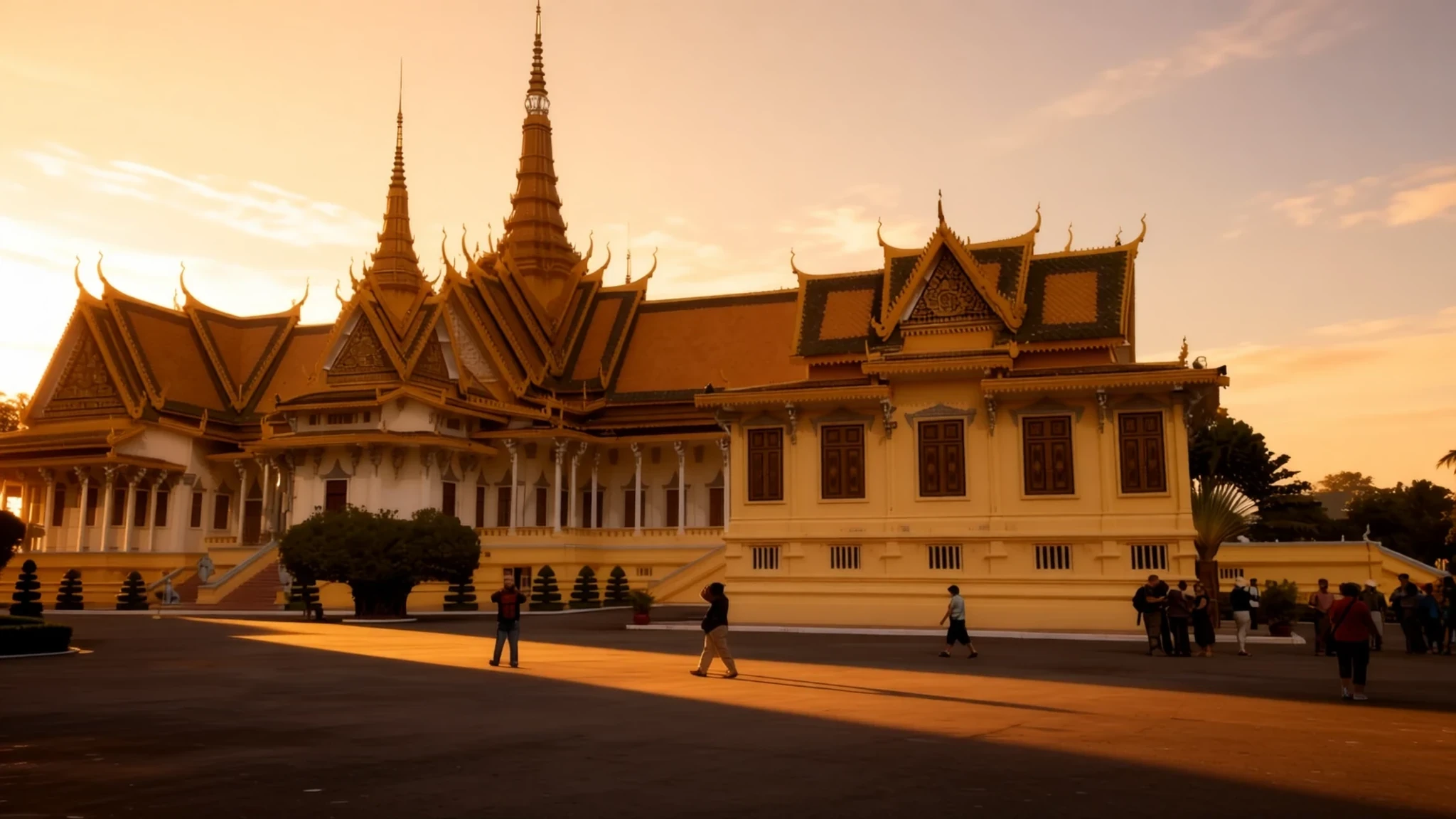
Cambodia's capital is a riverside city of cafés, royal gilt and a sobering history, best seen slowly over three or four days.
The place
Phnom Penh sits where the Tonlé Sap and the Mekong rivers meet, about 11 metres above sea level, and is home to roughly 2.1 million people. It is the Cambodian capital and the main hub for government, business, universities and the arts, so much of the country's political and economic life runs through it. The city's name comes from Wat Phnom, a hilltop Buddhist temple, and from Lady Penh, the woman credited with founding it. The streets are easier to read than the population figure suggests. The riverfront promenade, the Royal Palace and the leafy boulevards near the old centre fit comfortably into one walk, and a tuk-tuk covers the rest. The monarchy still has its seat here, so the palace grounds and gilded halls are part of daily ceremony as well as tourism. Expect heat, heavy traffic on the main roads and a steady flow of motorbikes at all hours. The rainy months bring short, heavy downpours that usually clear by evening, which makes early starts sensible. Food stalls, bakeries and cheap cafés line the side streets, and the centre is compact enough that most museums and markets are reachable without a long drive. It rewards slow mornings and unhurried evenings more than a checklist.
Its story
Phnom Penh's story begins well before its name appears in written records. Archaeologists working in the southern part of the city have found kiln sites that made ceremonial vessels over many centuries, along with traces of a large earthen enclosure and village irrigation from the Angkorian period. The founding legend is more personal. It describes a local woman, Lady Penh, who lived beside the rivers and gathered a small community around a hill that later became Wat Phnom. The city was founded in 1372 and became the Khmer capital in 1434, after the fall of Angkor pushed the court south. It kept that role until 1497, and it regained the title much later, under French colonial rule. In the decades that followed, the French-era and New Khmer buildings, Art Deco blocks and leafy avenues earned the city its nickname, the Pearl of Asia. Growth continued as refugees arrived from the civil wars of the 1960s and 1970s. In 1975 the Khmer Rouge forced the entire population out into the countryside, and the city stood largely empty for several years. Vietnamese-backed forces took it in 1979. Today the city is busy and rebuilding, and its memorials are part of how it speaks about that period.
What to see
- National Museum of Cambodia — Central Phnom Penh
The National Museum holds a strong collection of art from the Angkor period, when Khmer kings raised the great temples near Siem Reap. Its central courtyard is a quiet place to sit between galleries. The stone figures are the highlight, especially the statue of King Jayavarman VII in a meditative pose. Go in the morning, when the galleries are cooler.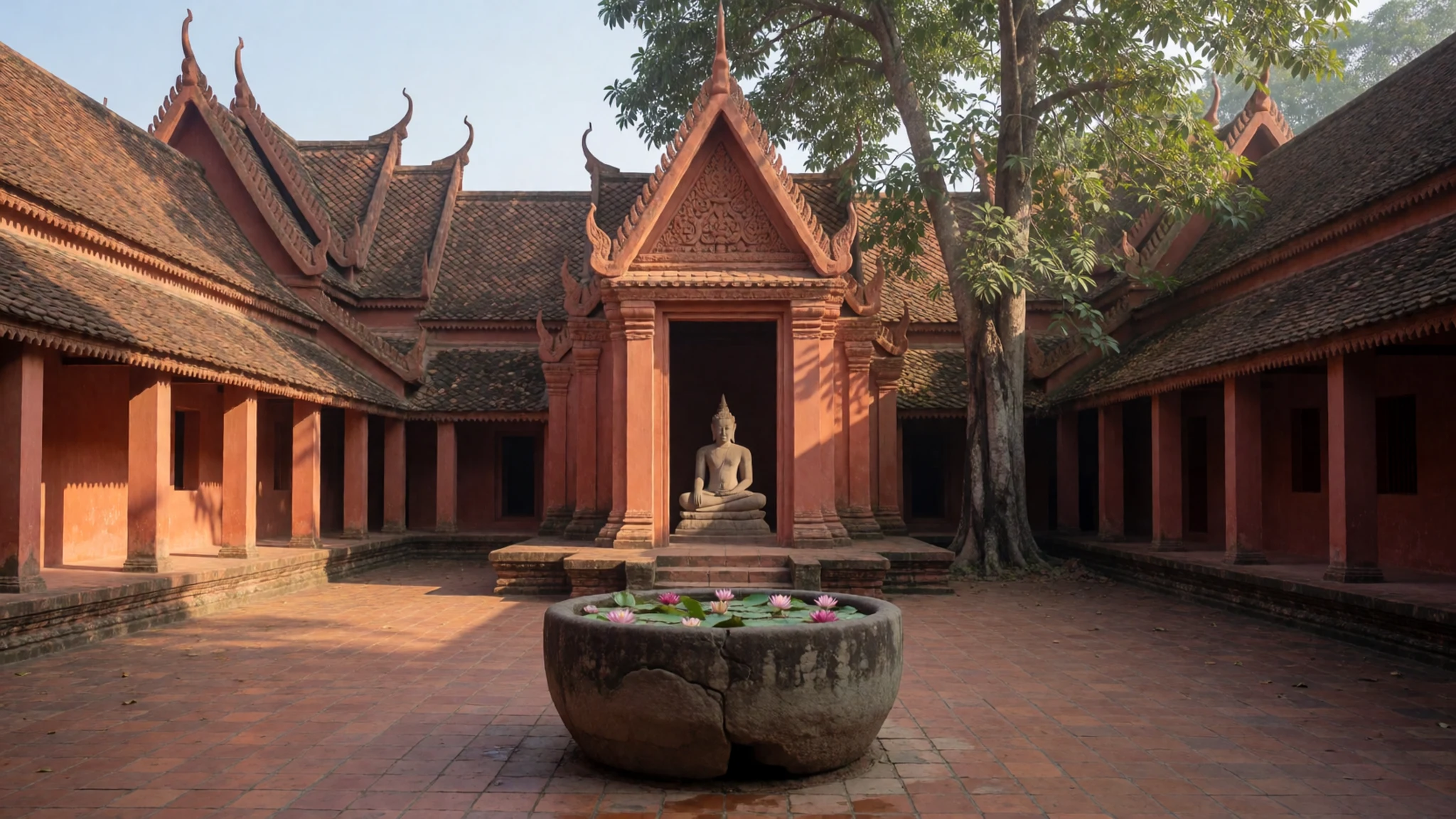
- Royal Palace and Silver Pagoda — Riverfront
The Royal Palace is still the home of the Cambodian king, but much of the complex is open to visitors. The throne hall, with its pyramidal prasat topped with carved faces, is the signature building. The Silver Pagoda sits within the grounds and holds Buddha images and jewelled objects. The gardens are manicured and shaded, and the glass tiles on the roofs glint in strong sun.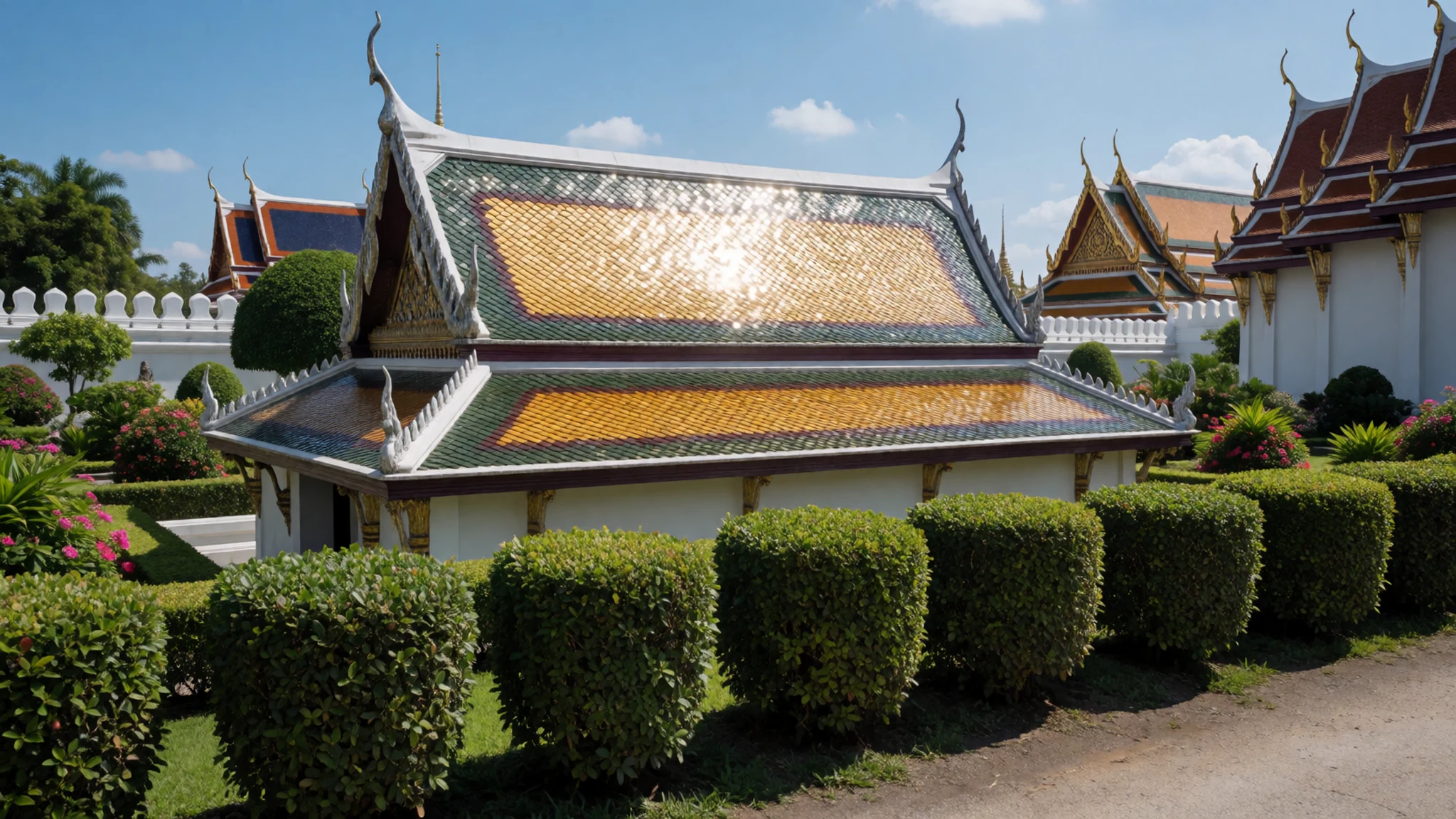
- Wat Phnom — Hill in the north of the centre
Wat Phnom stands on a small hill in the north of the centre and gives the city its name. According to the legend, Lady Penh set up a sanctuary here to house a group of Buddha statues she had found. The temple is still a working place of worship, and visitors often see locals lighting incense and making offerings. Climb the steps for a view over the surrounding traffic.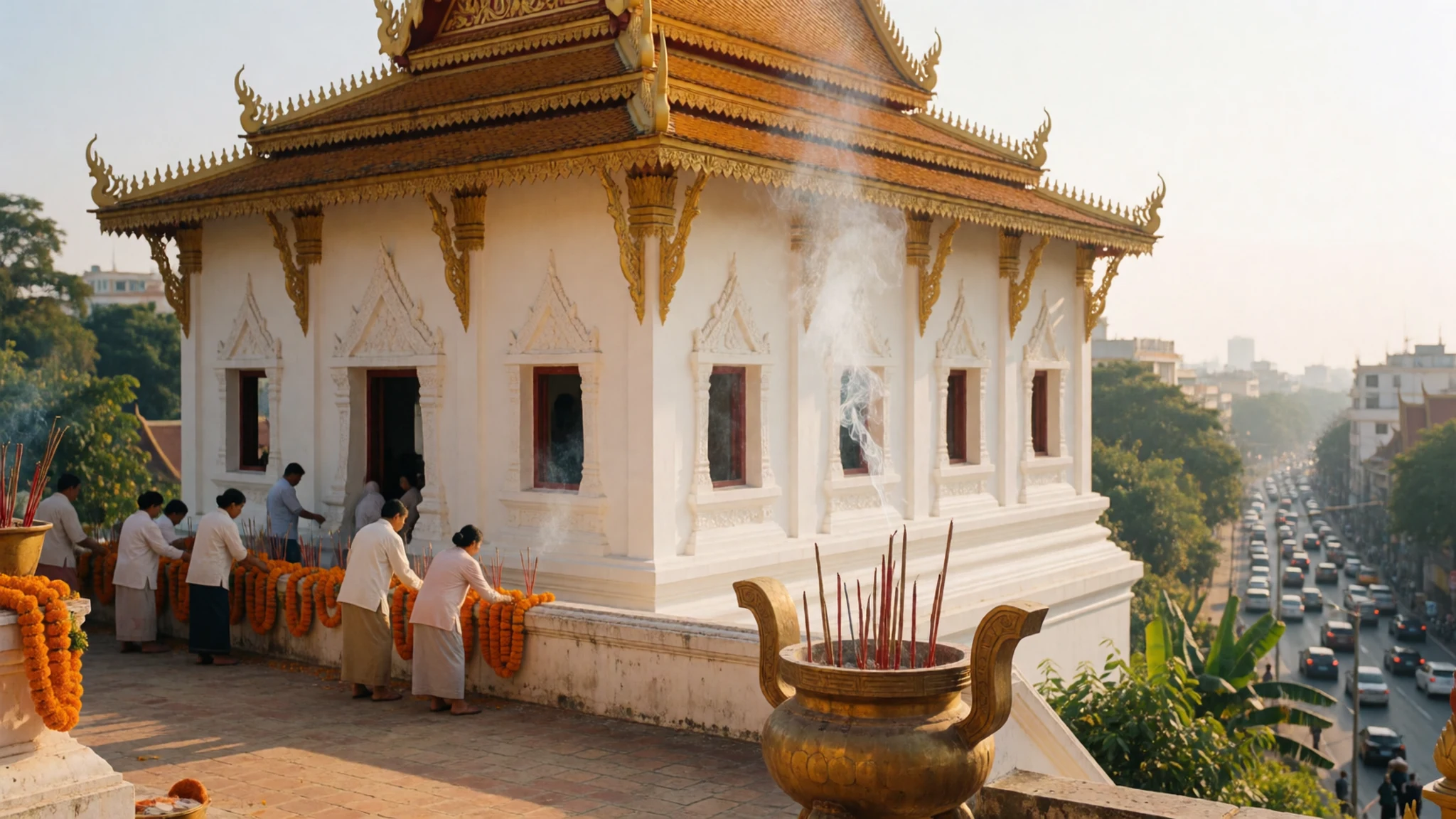
- Sisowath Quay — Riverfront, city centre
Sisowath Quay runs along the riverfront and is the city's social spine. Cafés, bars, restaurants and souvenir stalls line the promenade, and in the late afternoon it fills with joggers, families and vendors. It is short enough to walk end to end, so sightseeing, shopping, eating and a drink fold easily into one stroll. Go at sunset for the best light.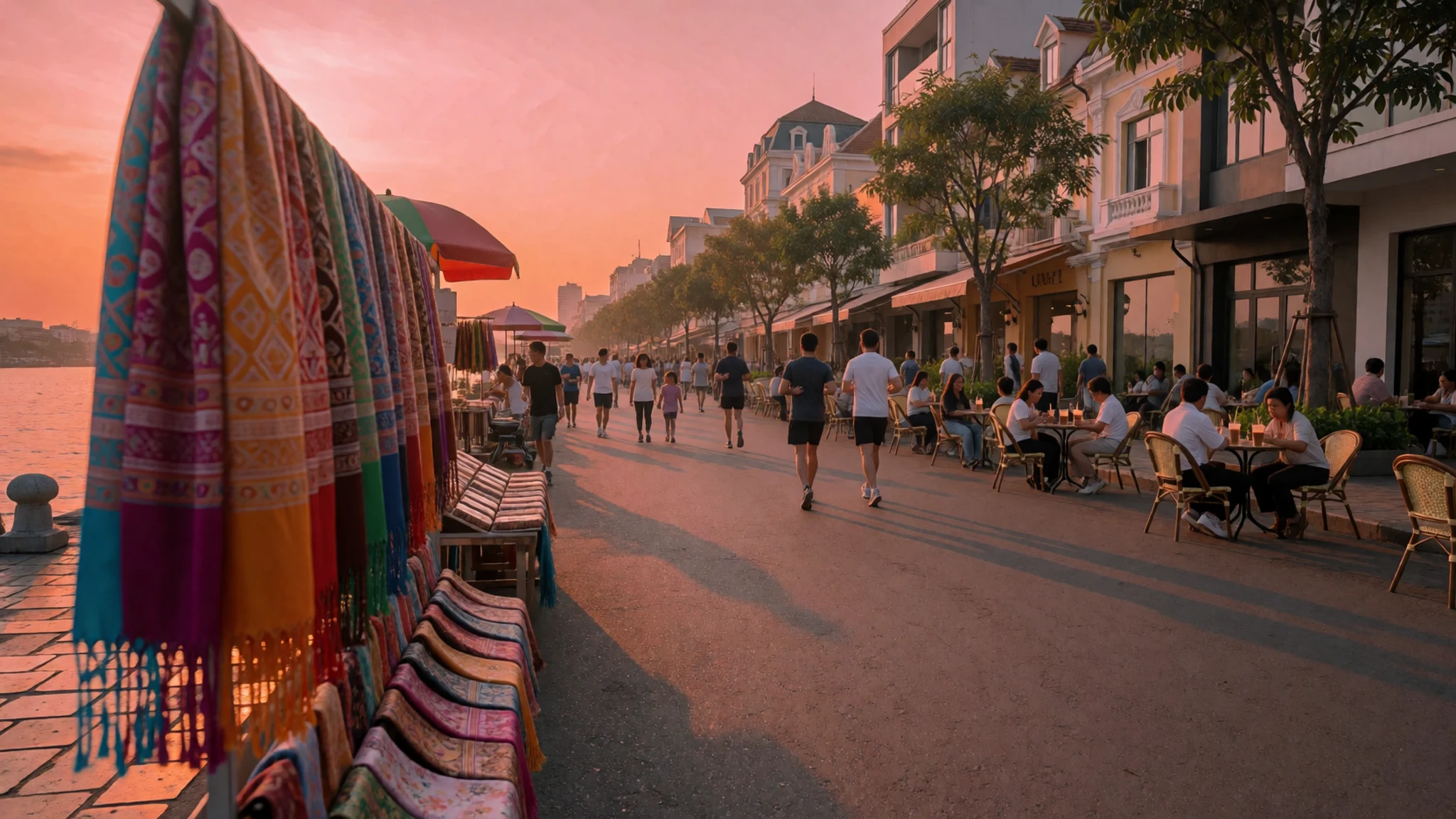
- Tuol Sleng Genocide Museum — Western side of the city centre
Tuol Sleng was a school before the Khmer Rouge turned it into Cambodia's most important prison in 1975. Thousands of people were held and tortured here before being sent to the killing fields, and only a handful came out alive. Rooms still hold cells, iron bedframes and photographs of prisoners. Allow at least an hour, and move quietly.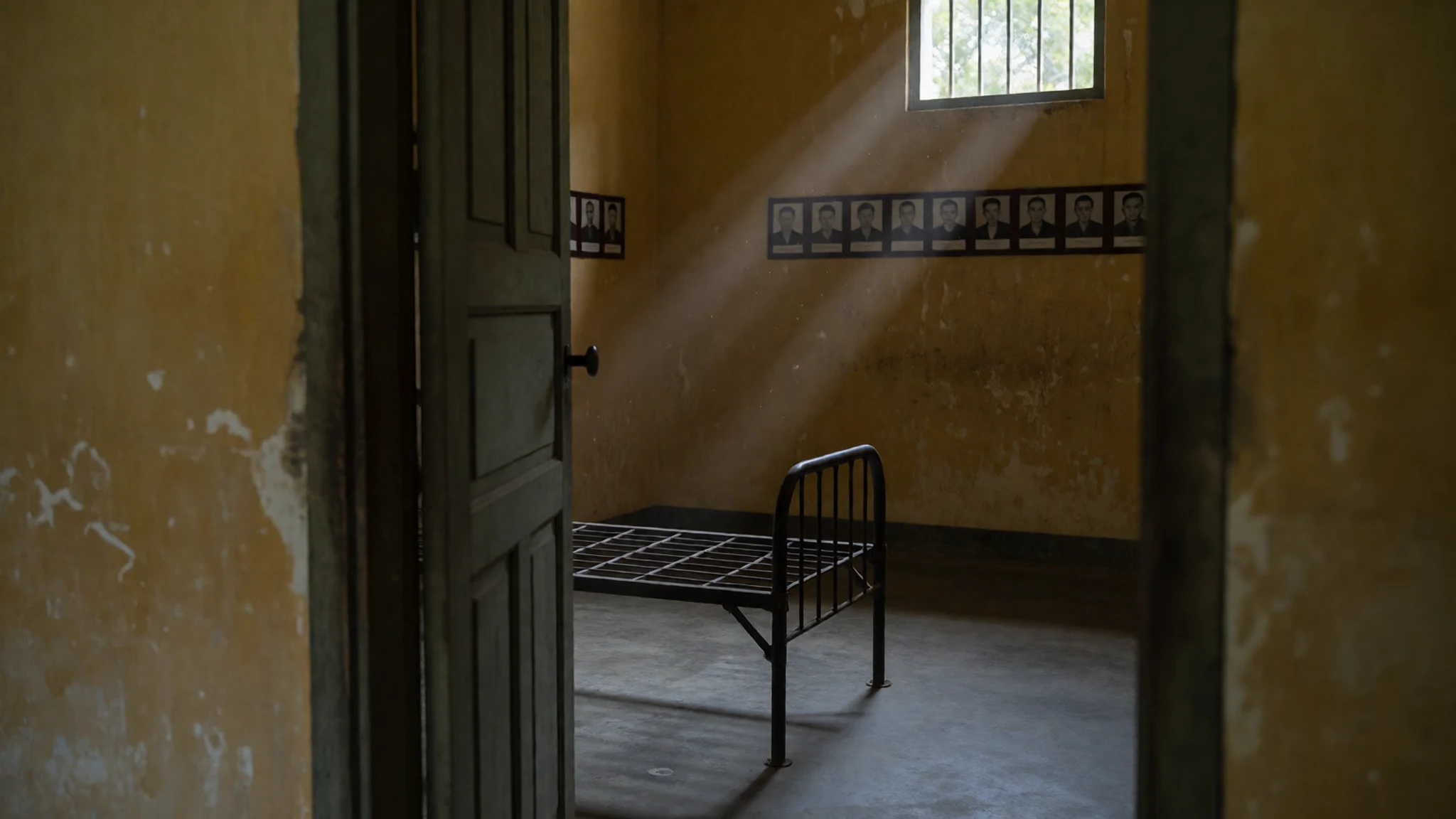
- The Killing Fields of Choeung Ek — Choeung Ek, Dangkao district, south of the centre
Choeung Ek is where the Khmer Rouge killed many thousands of their victims. A memorial stupa holds skulls and bones recovered from the mass graves, and a path leads past the pits. Audio guides explain the site in detail. Plan it as a half-day trip, and travel by tuk-tuk or taxi outside the busiest hours.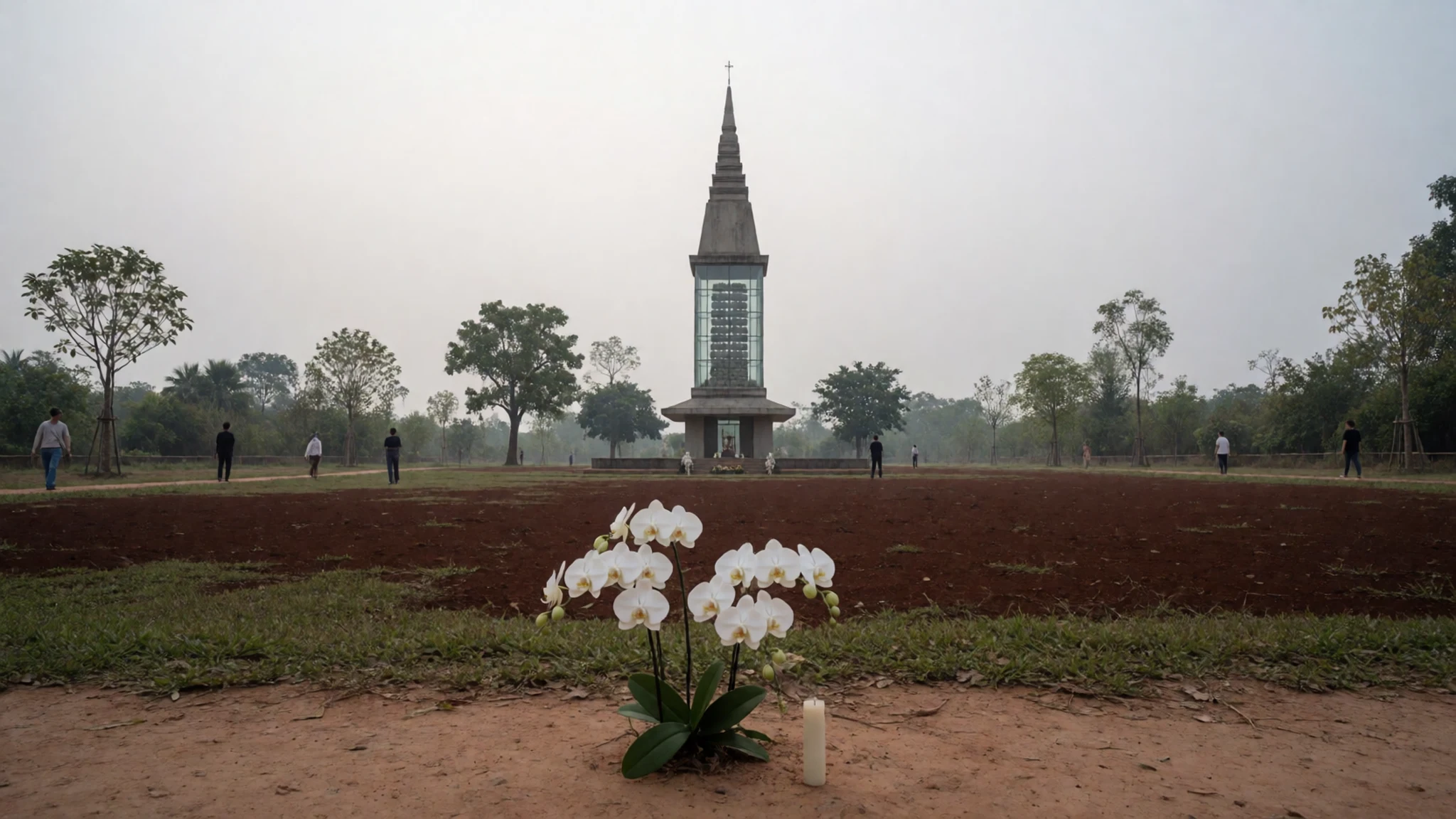
Culture
Phnom Penh carries its recent past openly, and visitors are expected to treat it with care. Music is lively here: indie bands and private music schools have multiplied, and the city's stages host events through much of the year. The Cambodian fishing dance was developed at the Royal University of Fine Arts in the 1960s, and its performances offer a good introduction to classical movement. The largest annual festival is the Water Festival, which celebrates the reversal of the Tonlé Sap's flow with boat races, fireworks and concerts over three days, and the city fills with visitors. The crowds can be dense. In 2010 a bridge stampede at the festival killed at least 348 people, so keep to the edges of crowds and avoid bridges when they are packed. Monks are a common sight; ask before photographing them, and never touch them. Remove your shoes before entering any pagoda hall or Royal Palace building.
What to wear
Traditional Khmer dress centres on the sampot, a long wrap of woven cloth worn by women and men, often made in silk or cotton with woven patterns. Women may wear it with a fitted blouse, and at ceremonies silk versions are woven with metallic threads and bold borders. The krama, a checked cotton scarf, is worn over the shoulders, around the neck or on the head, and it doubles as a practical item for shade and sweat. In Phnom Penh today most people wear jeans, cotton trousers, t-shirts and trainers, with dresses and tailored outfits for work and nights out. Monks wear saffron or maroon robes, and older people may still wear sampot at home or at festivals. As a visitor, dress for heat: light cotton, loose trousers or knee-length skirts, and sleeves. At pagodas and the Royal Palace, cover shoulders and knees, and carry a light shawl you can drape. Comfortable closed shoes suit the uneven pavements, and sandals are fine in the rainy months if you watch your footing.
What to eat
- Amok — Riverside restaurants and family-run eateries
Amok is Cambodia's best-known dish. Fish or chicken is steeped in a coconut-based curry, thickened with kroeung paste, and steamed in a banana leaf until it sets into a soft, custard-like mousse. Look for it in riverside restaurants and local eateries that serve it at lunchtime.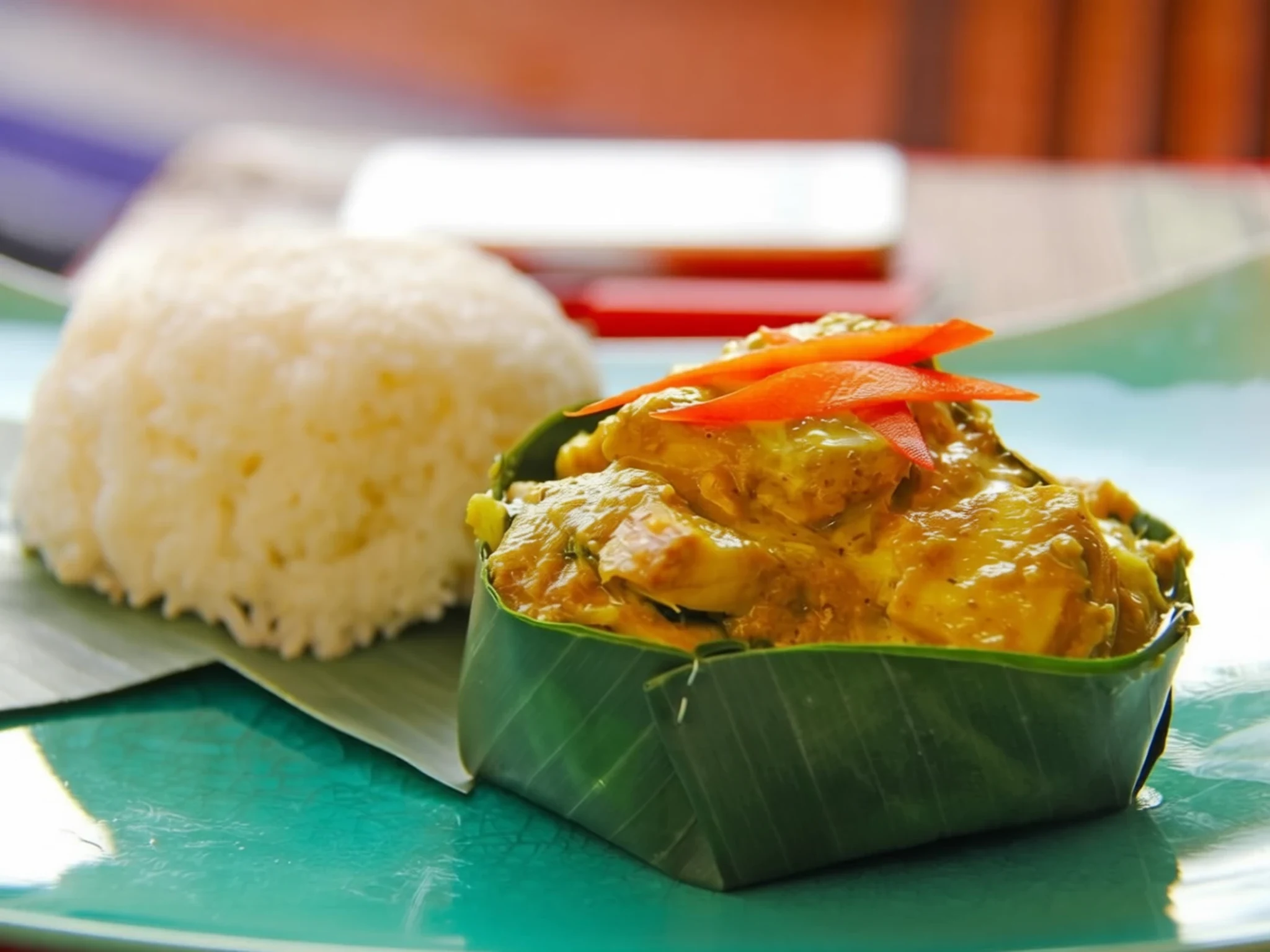
- Lok lak — Street-side eateries near the markets
Beef stir-fried quickly with garlic, oyster sauce and a little sugar, served over rice with a fried egg and slices of cucumber and tomato. It is an easy, filling lunch. Look for it at street-side eateries where the wok is hot and the plates turn over quickly.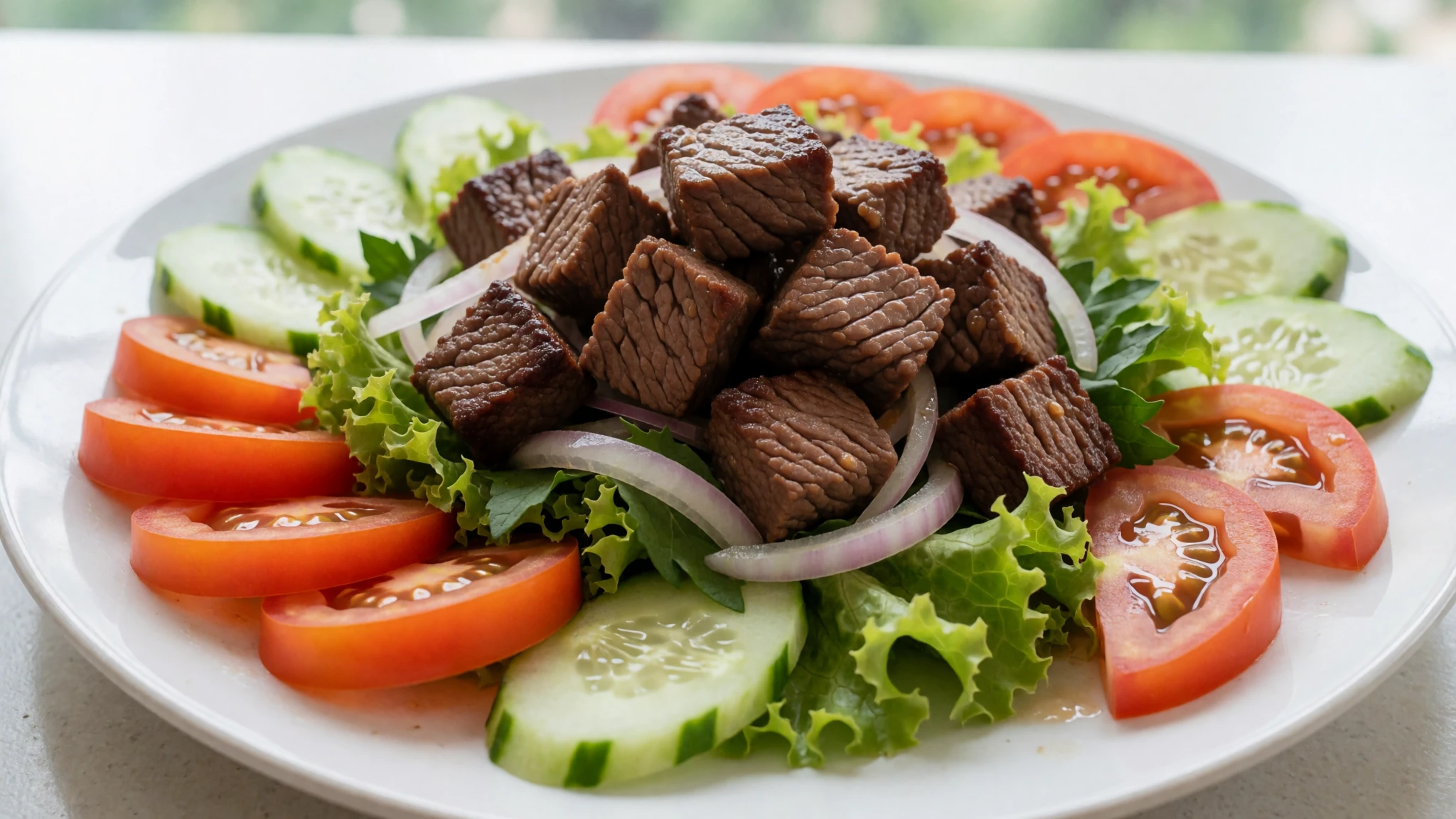
- Khmer curry noodles — Noodle stalls in the older neighbourhoods
Egg or rice noodles in a golden, mildly spiced coconut broth, usually with chicken or beef and a handful of herbs. It makes a filling breakfast or lunch. Find it at small noodle stalls in the older neighbourhoods, where bowls come with fresh herbs and lime on the side. - Bai sach chrouk — Breakfast stalls near the morning markets
Thin slices of pork marinated in garlic and sugar, grilled over charcoal and served with broken rice and a pickled vegetable relish. Locals eat it for breakfast. Follow the smoke from a roadside grill in the morning and join the queue at a stall near the markets. - Num pang — Bakeries and sandwich carts near the riverfront
A short baguette split and filled with pâté, pickled carrot and daikon, cucumber, coriander and chilli, often with pork or chicken. It is a Cambodian take on the French loaf and a quick, inexpensive lunch. Find it at bakeries and sandwich carts near the riverfront, and ask for less chilli if you need it.
Plan it
Best time. December to February brings the coolest and driest weather; March and April are the hottest months before the rains; May to November is the rainy season, with humid days and heavy afternoon storms.
How long. 2–3
Getting there. Fly into Techo International Airport, then take the airport bus or a taxi into the centre, about an hour; check the official site for current fares and times.
Budget. low
Tips
- Carry small-denomination notes for taxis and check every dollar note for tears before you pay
- Start the Royal Palace and the National Museum early, before the heat builds
- Give Tuol Sleng and Choeung Ek a half-day each, and keep the rest of the day light
- Carry bottled water and a hat, as heat and traffic wear you down quickly
- If you visit during the Water Festival, expect very full hotels and roads, and check the official site for dates
Etiquette
- Dress with covered shoulders and knees at the Royal Palace and pagodas
- Ask before photographing monks or people at ceremonies
- Keep your voice low and your phone away at Tuol Sleng and Choeung Ek
Nearby
Sources
- Wikidata Q1850 (CC0)
- Wikipedia (Phnom Penh) (CC BY-SA 4.0)
- Wikivoyage (Phnom Penh) (CC BY-SA 4.0)
- Phnom Penh aerial view, KY Geologist (CC BY 2.5)
- Phnom Penh skyline from Toul Kork, Looppty (CC BY-SA 4.0)
- Le Palais Royal (Phnom Penh), Jean-Pierre Dalbéra (CC BY 2.5)
- National Museum of Cambodia, Marcin Konsek (CC BY-SA 4.0)
- Wat Phnom, Dmitry A. Mottl (CC BY-SA 4.0)
- Pagoda of Wat Phnom, Howardhudson (CC BY 3.0)
- Phnom Penh Montage 2021, Maharaja45 (CC BY 3.0)
- Mekong River, Sokha Phnom Penh Hotel, Николай Максимович (CC BY 3.0)


