Siem Reap
Siem Reap, Cambodia
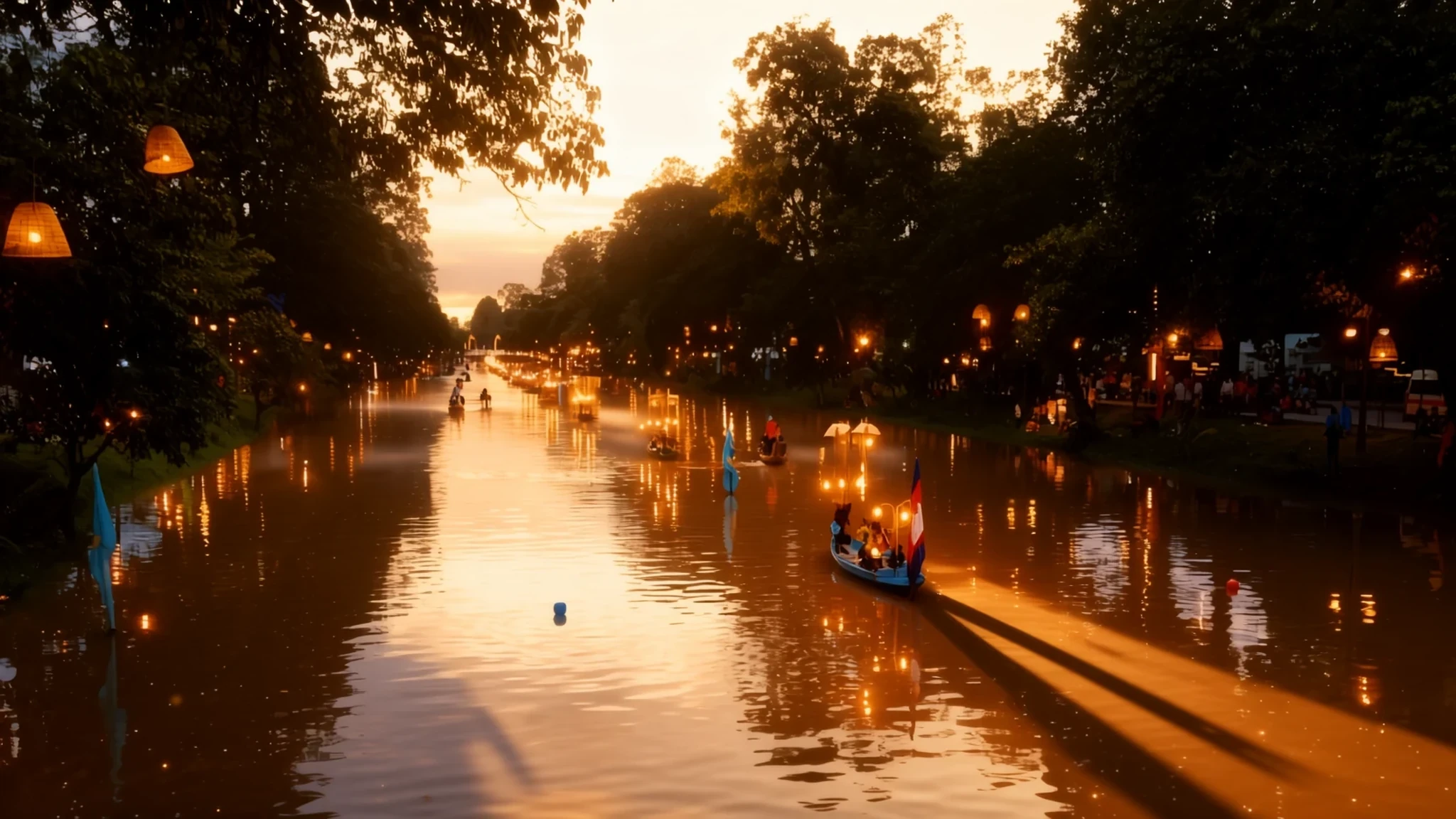
The base for Angkor, Siem Reap rewards a few days of its own: colonial-era streets, good food and a relaxed riverside.
The place
Siem Reap is the second-largest city in Cambodia, and the capital of the province that shares its name, in the north-west of the country. It has about 148,000 people and sits on flat ground around 18 metres above sea level. Most visitors come for Angkor, and the town has bent its economy around them: guesthouses, restaurants and tour desks crowd the main streets. The centre still has its own character, though. The Old French Quarter and the area around the Old Market keep colonial-era houses and shopfronts, with Chinese-style buildings mixed in, and the evening scene along Pub Street draws a lively mix of bars and diners. Step beyond the centre and the landscape turns rural quickly. A short drive from the centre leads to rice paddies, silk farms, bird sanctuaries and fishing villages by Tonlé Sap. Roads have improved a great deal, and the red dirt tracks that turned to mud in the wet season are mostly gone. The heat is the constant. Average highs never drop below 30 °C, so mornings and evenings do most of the work.
Its story
Siem Reap's story starts well before its modern name. In the Angkor period, the area was home to a settlement called Dvijendrapura, and its probable site is marked by an old temple, Prah Einkosei. A stone inscription there, written in Sanskrit and Old Khmer, records gifts made in the late tenth century by a princess and her husband: an image of the god Vishnu, a hermitage, and a second temple at a place called Madhuvana. The two sites were funded together as one religious estate. That is a reminder that this was a busy sacred landscape long before any visitor arrived. The records also give a founding date of 802, though the early centuries are thinly documented.
The modern name is more contested. Siem Reap is usually read as 'defeat of Siam', and it is tied to the long rivalry between the Khmer and Siamese kingdoms. Oral tradition credits King Ang Chan I, who ruled in the sixteenth century, with naming the town after he drove back an army sent by the Thai king in 1549. Historians treat the story with caution, and it may be apocryphal, but it remains part of how the town tells its past.
Control of the province changed hands repeatedly over the following centuries. A 1907 treaty ended one such phase, returning the area from Siamese to Cambodian rule. In more recent decades the town has grown from a quiet market settlement into a visitor economy built around the temples to the north, and the dusty and muddy tracks have given way to paved streets with wide pavements.
What to see
- Angkor National Museum — Central Siem Reap
A modern museum devoted to the Khmer Empire, with galleries on history, art, architecture and clothing, and a particular focus on the Angkor complex. It is a sensible first stop before the temples, because the displays and models make the ruins easier to read. Expect air conditioning and a welcome break from the midday heat. Go in the morning if you want the quiet rooms.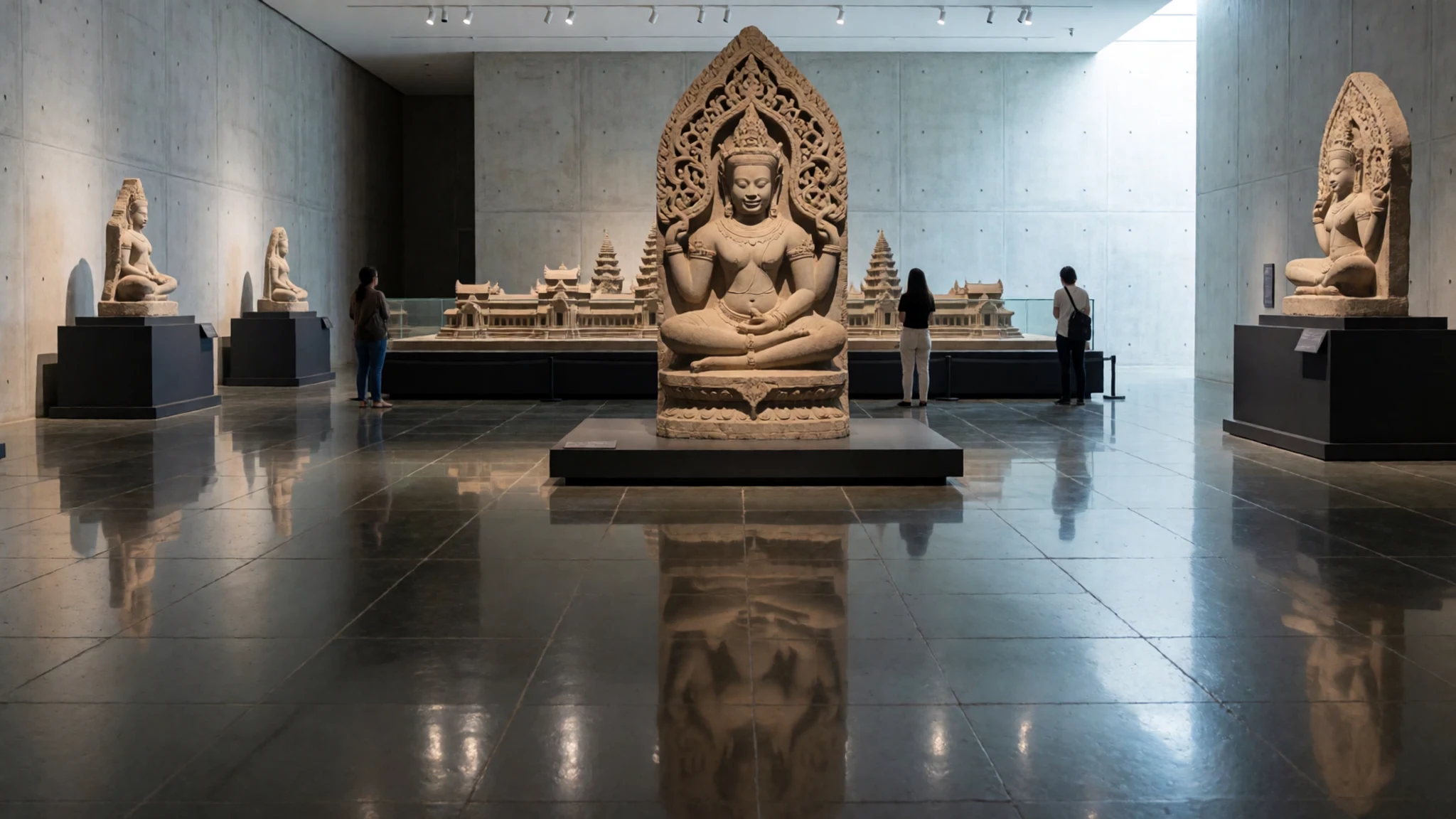
- APOPO demining centre — North of the centre
APOPO trains rats to sniff out landmines, a method far quicker and safer than metal detectors, because the rats are too light to set off a mine if they step on one. The organisation works in the field across the region, and its visits explain how the training and detection work. Tour times change, so check the official site for current details before you set out.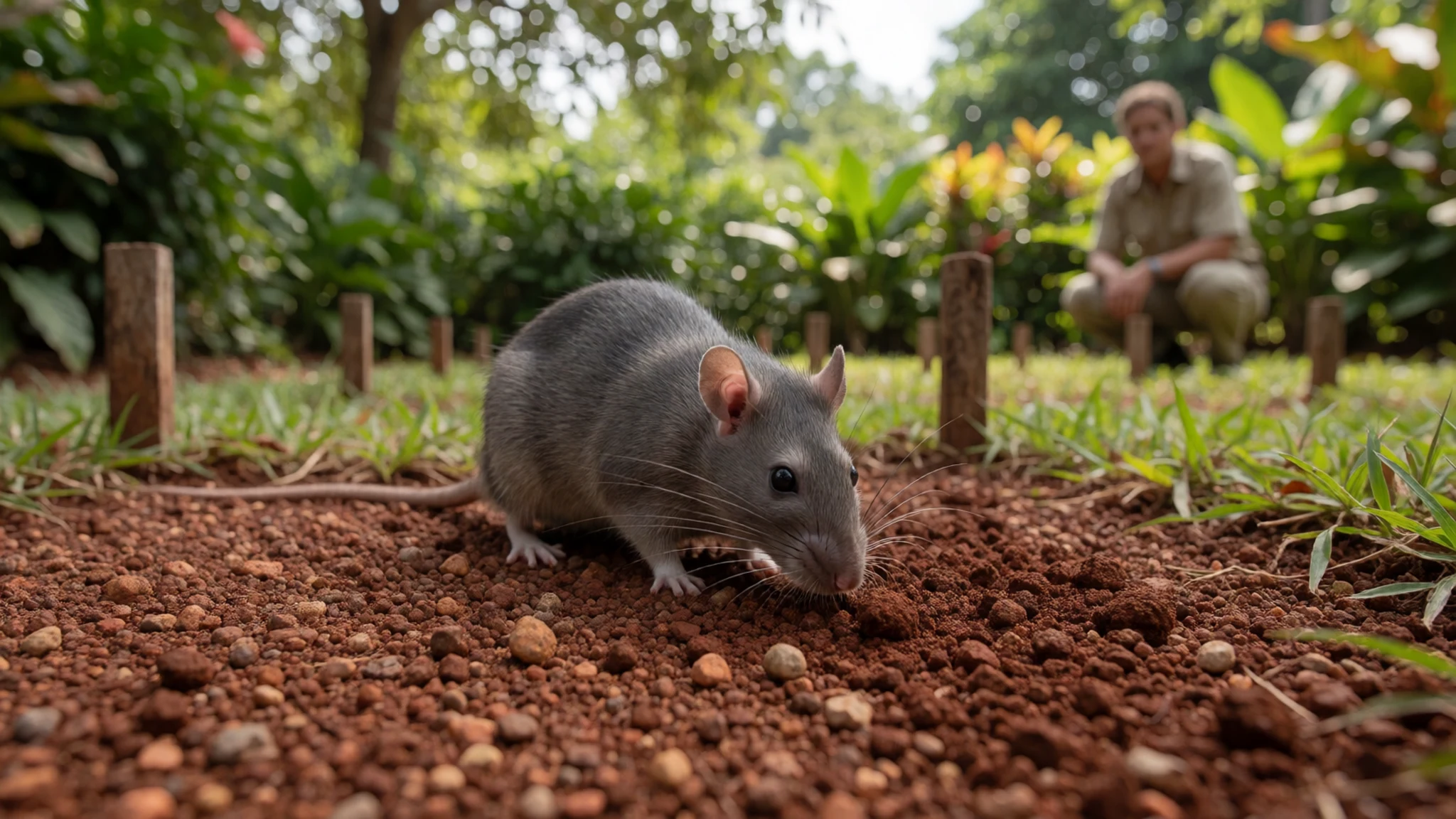
- Lotus Silk Farm — South of the centre, in the countryside
Guided tours run every hour and walk you through the making of lotus silk, from raw material to finished cloth. It is a useful counterpoint to the market stalls, because you see how the textiles are made before you decide what to buy. The farm sits out in the countryside south of the centre, so allow for a short taxi or tuk-tuk ride. Check the official site for current times.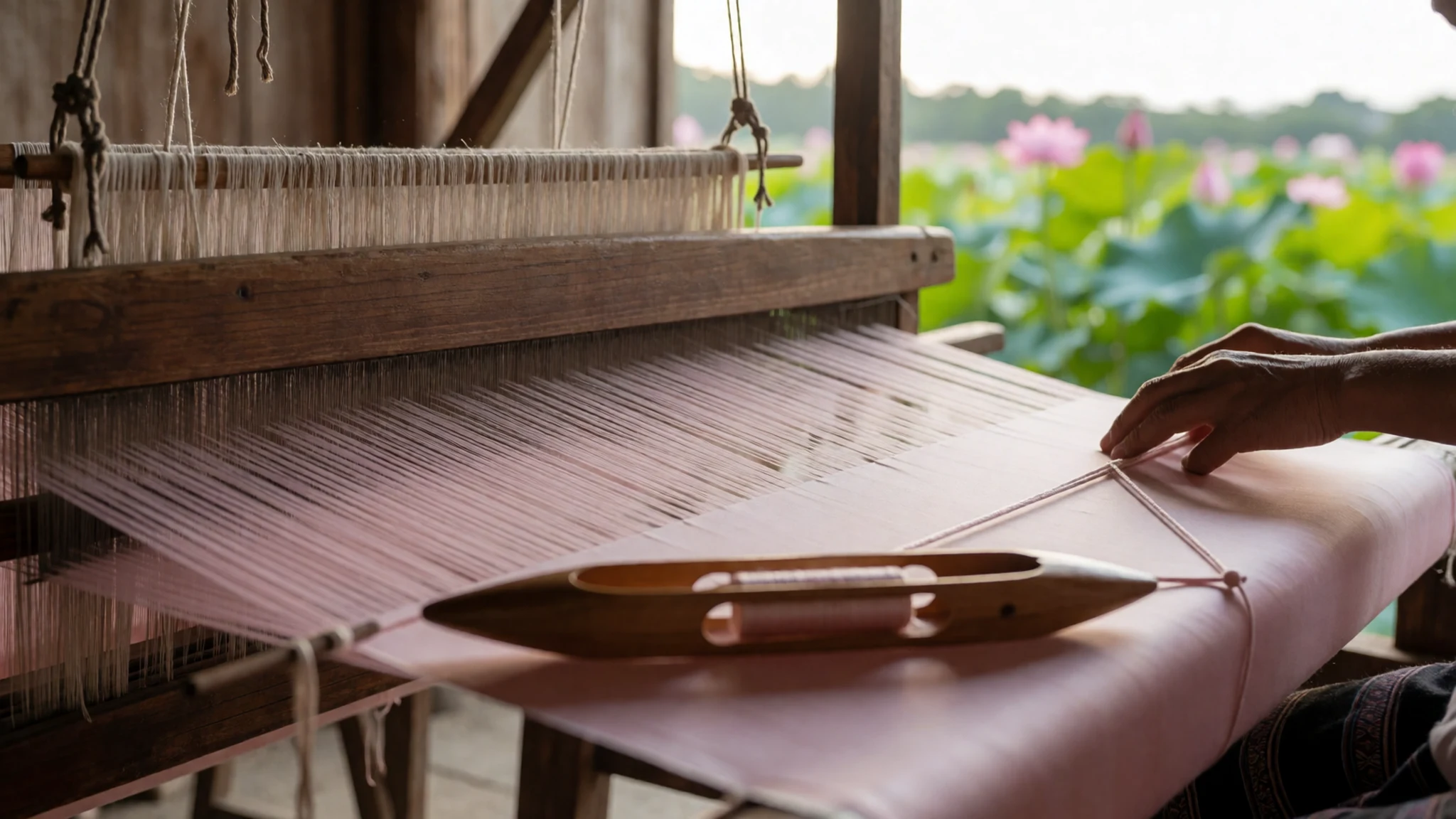
- Angkor Eye — West of the centre, by the river
A tall Ferris wheel, about 85 metres high, with cabins that carry several people at once. A full turn takes around 18 minutes, which is enough to see the town's layout and the flat country beyond it. Go near sunset, when the light is softer and the heat has eased a little. Check the official site for opening times and ticket options.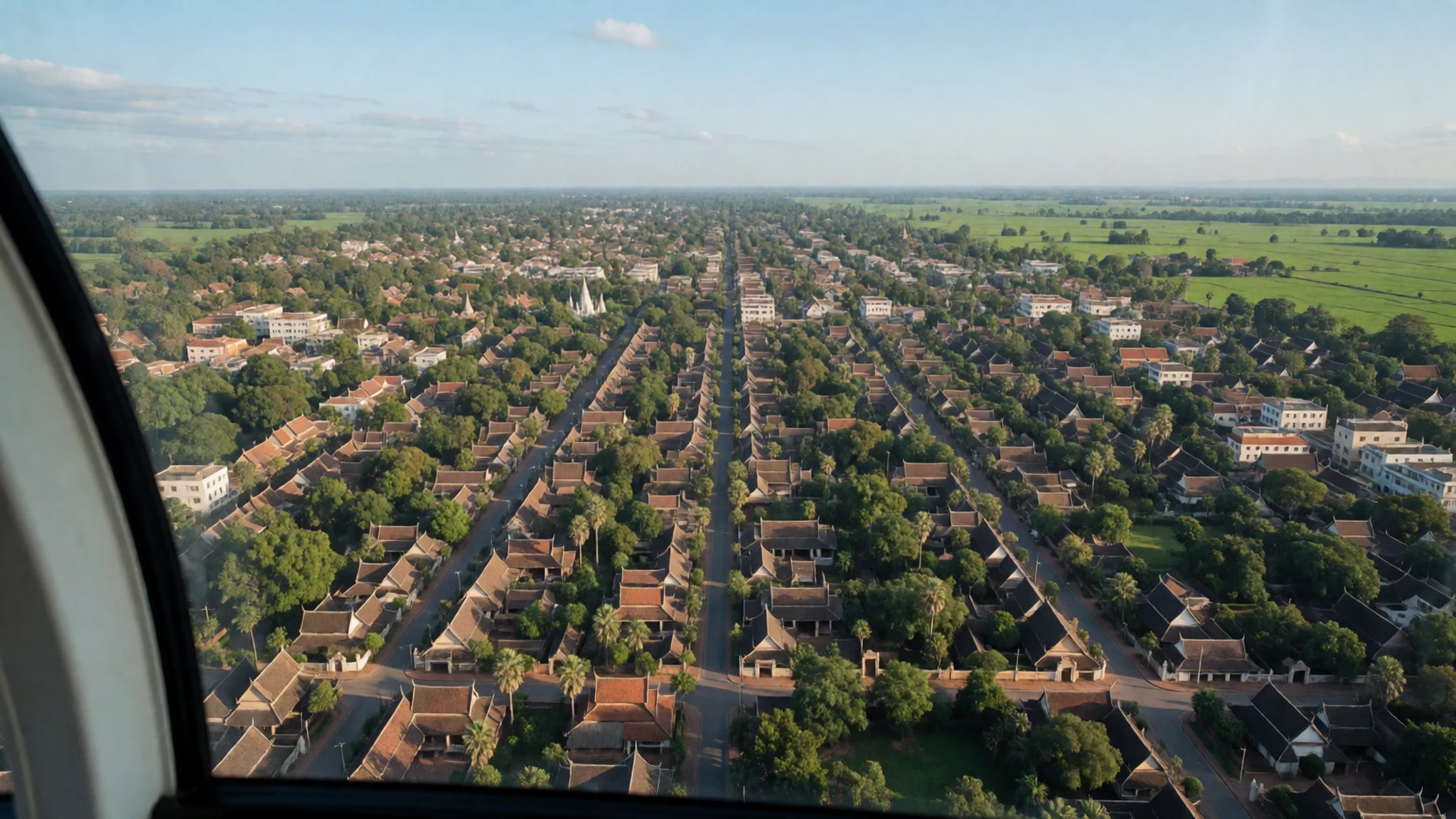
- Angkor Botanical Garden — North of the centre, near APOPO
Landscaped gardens with a small mini zoo, a playground and a children's library, plus a café and restaurant on site. It is a calm place to spend a late morning after the glare of the town centre. Pair it with a visit to APOPO, which is close by, and bring water, since shade is not always generous.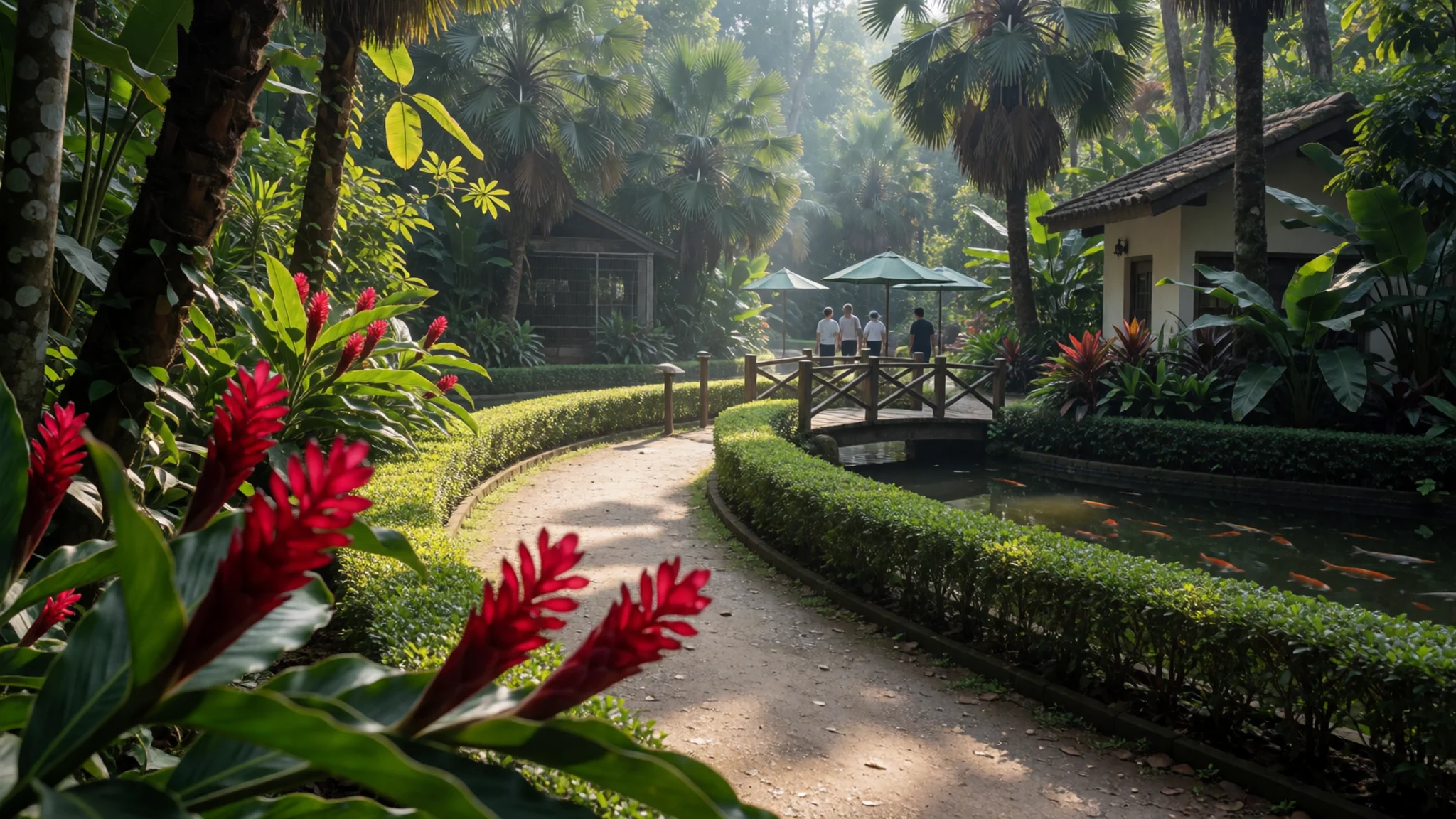
Culture
Siem Reap is a Buddhist town, and its temples, monasteries and shrines are working places of worship rather than backdrops for photographs. Monks in saffron robes are a common sight, and their daily routines, including morning alms, are kept separate from tourist activity. Khmer social life runs on politeness and patience. A calm greeting, a smile and an unhurried attitude to slow service go a long way. Apsara dance, a stylised classical form with precise hand movements, is performed in restaurants and theatres around town, and it draws on the same carvings that decorate the Angkor temples, so a performance is a good way to learn the gestures. Pub Street and the riverside bars are lively after dark, but residential streets expect quiet at night, and loud behaviour is noticed. Haggling is normal at markets, but keep it good humoured and do not push a seller who has already named a fair price. Remove your shoes before entering any temple hall or monastery building, and ask before photographing monks or people at prayer.
What to wear
The traditional lower garment of Cambodia is the sampot, a length of cloth wrapped at the waist, and in Siem Reap you will see it in silk for ceremonies, performances and festivals. Silk weaving is a long-established craft in the country, and the farms on the edge of town show the process from thread to cloth. The krama, a checked cotton scarf, is worn by people across the country and used for everything from shade to a head wrap. Most people in Siem Reap now dress in Western clothes for daily life, with traditional garments kept for weddings, religious days and performances. For your own wardrobe, choose light cotton or linen that covers the shoulders and knees, since temples expect modesty. A light scarf is useful both for sun and for covering up quickly when you go into a shrine. Pick sandals or shoes that slip on and off easily, because you will take them off often, and bring something closed for dusty roads and the occasional downpour in the wet season.
What to eat
- Fish amok — Khmer eateries around the Old Market
A steamed fish custard, usually made with coconut milk, lemongrass and kroeung spice paste, and often served in a banana-leaf cup. It is one of the signature Khmer dishes and a good first order. Look for it at Khmer eateries around the Old Market, where the cooking tends to be traditional.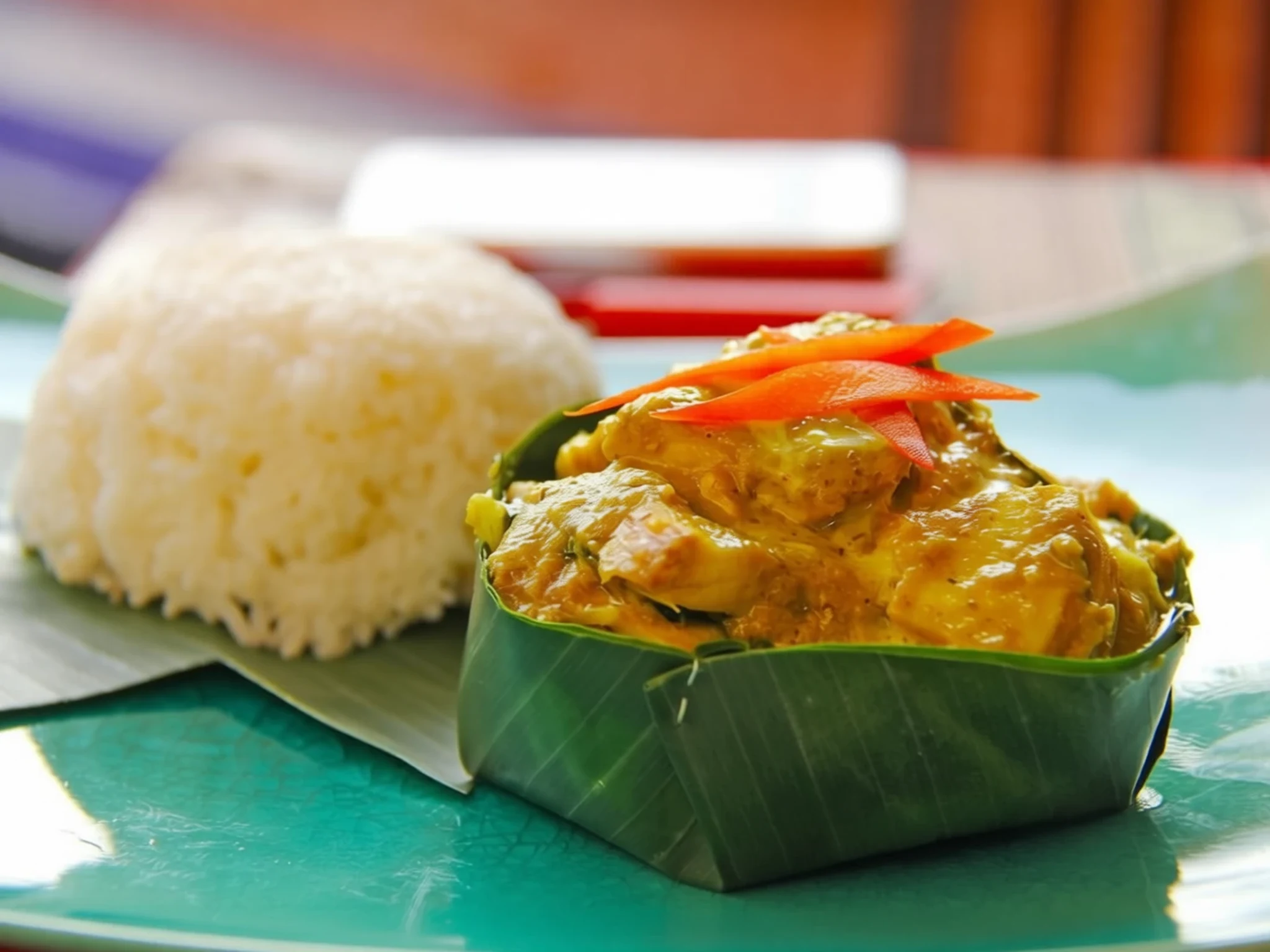
- Lok lak — Evening food stalls near the river
Pieces of beef stir-fried quickly with garlic, onion and oyster sauce, then served over lettuce and tomato with a dip of lime and black pepper. It is a simple and filling plate, and it works well as a dinner after a day among the temples.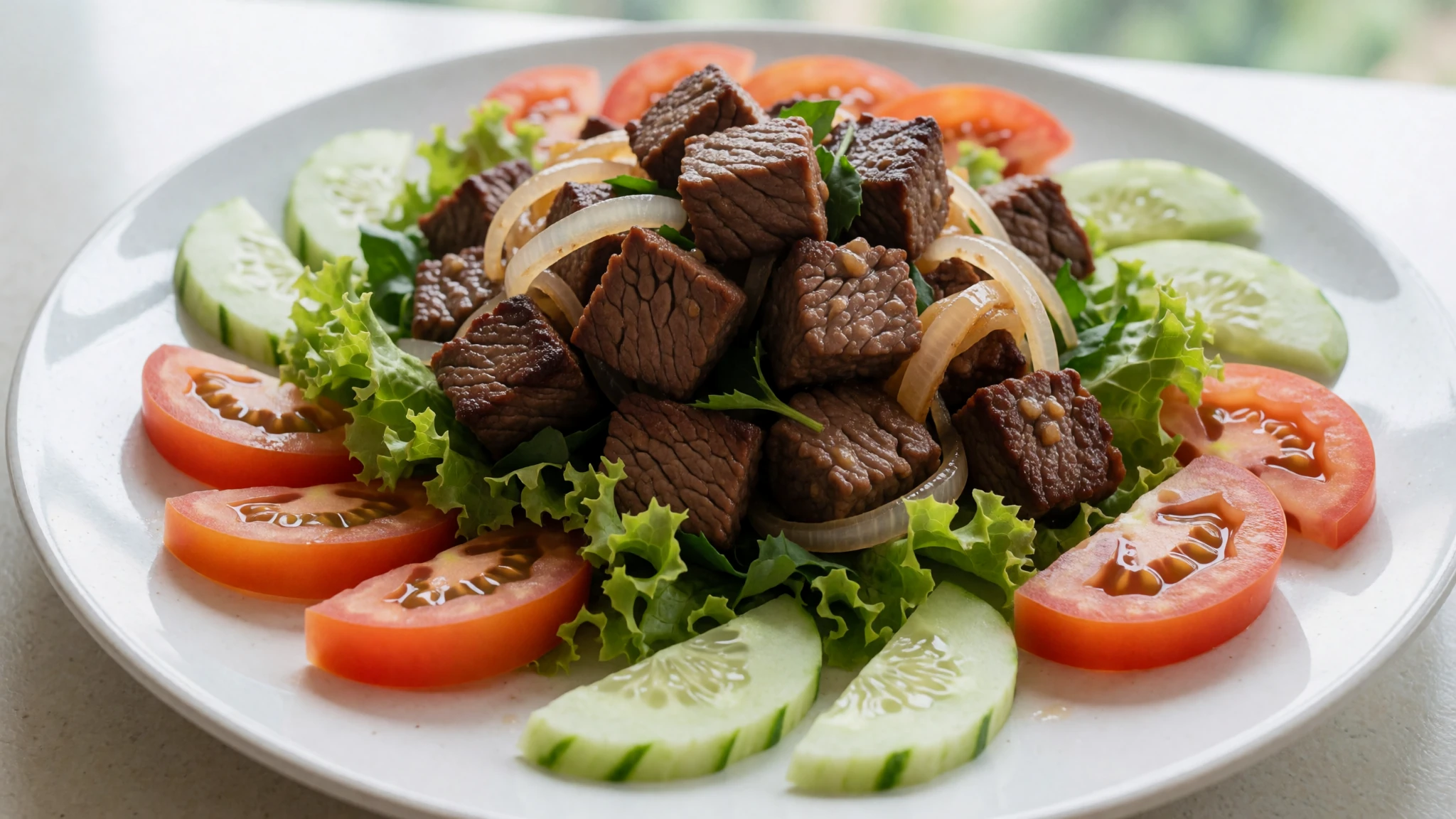
- Vegetable and tofu Khmer curries — A neighbourhood Khmer restaurant with a vegetarian menu
Curries built on coconut milk and lemongrass, often with tofu, aubergine or seasonal greens. Many Khmer restaurants in town have a sizeable vegetarian section, and the flavours are gentler than many visitors expect. Ask for less chilli if you prefer it mild.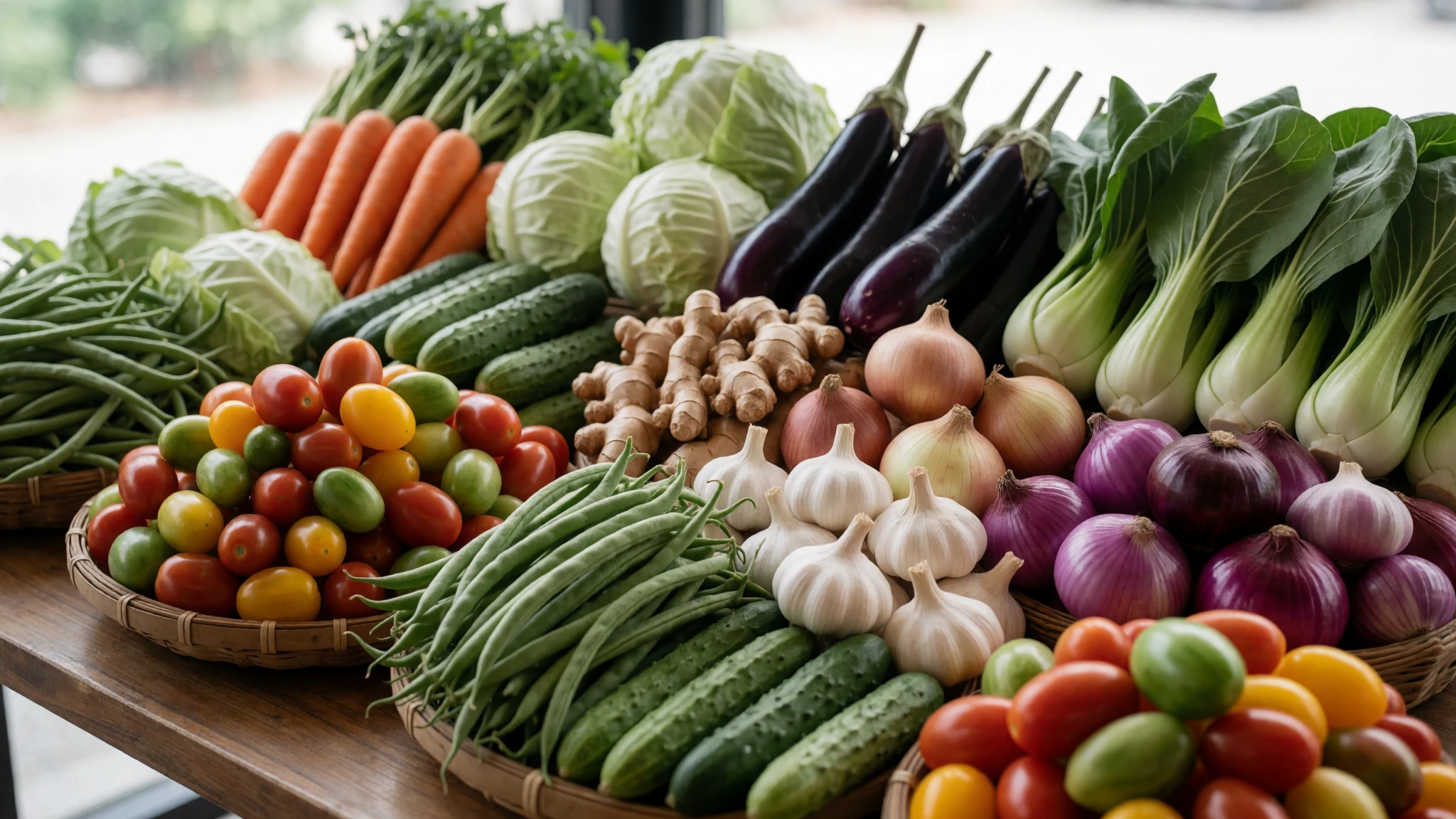
- White mint tea shake — Cafés near the Old Market and the Khmer restaurants of the centre
A cold, creamy drink with a clean, refreshing mint flavour, which makes it a good way to cool down in the heat. It is a common order at cafés that serve Khmer food, and it pairs well with a long lunch. - Western pub food — The bars and cafés around Pub Street
Classic fish and chips with mushy peas or coleslaw, grilled cheese, burritos and German chocolate cake are all part of the town's international menu. These dishes suit a late evening after a busy day, and many are better than you might expect for a small city.
Plan it
Best time. November to April is the dry season, with far less rain and lower humidity, although March and April are the hottest months, so plan early starts. May to October is the wet season, with heavy rain and humidity, but the countryside is greener and the crowds are thinner.
How long. 3–4
Getting there. Fly into the new Siem Reap–Angkor International Airport, about 50 km out of town, which means a long transfer, or take a bus from Phnom Penh, which runs several times a day with premium and economy operators. Many buses stop at an out-of-town station east of the city, so you will need a tuk-tuk into town; agree the fare before you set off.
Budget. mid
Tips
- Book bus tickets online the day before, or ask your guesthouse to arrange them
- Start the temple visits early, when the light is cooler and the crowds are lighter
- Carry small notes for tuk-tuks, markets and small shrines, since cards are not accepted everywhere
- Carry water and a hat, because the heat is constant even when the sun is low
- Check the official sites for opening hours and ticket details before you travel, as they change
Etiquette
- Dress modestly when you visit temples and shrines
- Ask before photographing people, especially monks
- Keep bargaining friendly and do not push a seller who has named a fair price
Nearby
Sources
- Wikidata Q11711 (CC0)
- Wikipedia: Siem Reap (rev 1380359593) (CC BY-SA 4.0)
- Wikivoyage: Siem Reap (rev 5410537) (CC BY-SA 4.0)
- Street scene, Siem Reap, 2018 (Bahnfrend) (CC BY-SA 4.0)
- Front porch of Wat Damnak (Willuconquer) (CC BY-SA 4.0)
- Siem Reap River (Uhooep) (CC BY-SA 4.0)
- Siem Reap Pub Street 02 (Christophe95) (CC BY-SA 4.0)
- Siem Reap Museum (Jensre) (CC BY-SA 1.0)
- Thais return Battambang to King Sisowath (Brett epic) (CC BY 3.0)
- Riverside Villa in Siem Reap (jokertrekker) (CC BY 3.0)
- Siem Reap Pubstreet (Jensre) (CC BY-SA 2.5)


