Bandipur National Park
Bandipur National Park, India
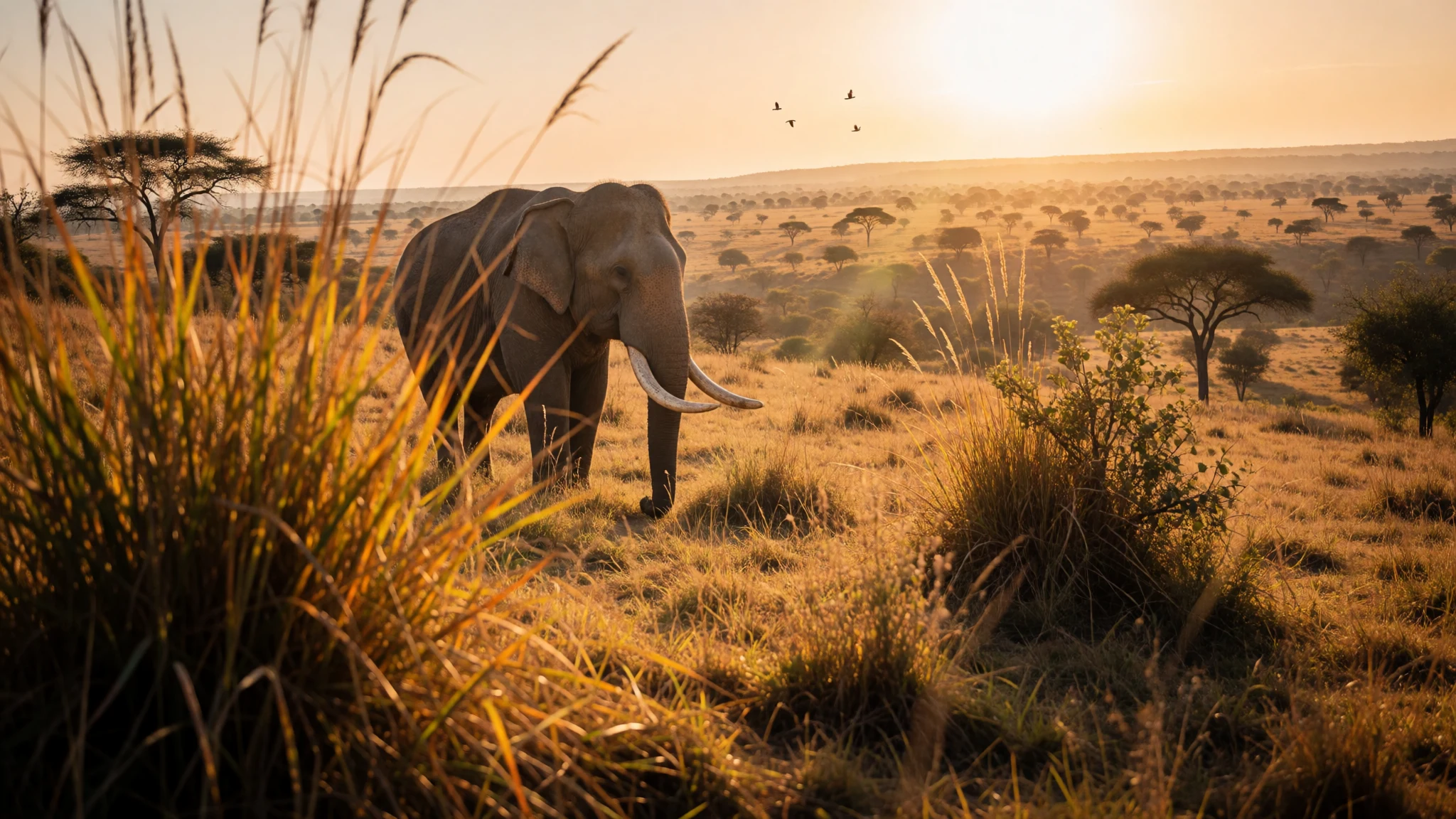
Bandipur National Park is a tiger-and-elephant focused wilderness in Karnataka, with morning safaris and big-mountain views from Gopalswamy Betta.
The place
Bandipur National Park sits in Karnataka, between the Deccan Plateau and the Western Ghats, where the landscape starts to climb from river valleys up into hill country. It is a large protected area (covering 1,456.3 km), flanked by the Kabini river to the north and the Moyar to the south, with the Nugu river running through the park. That mix of water and changing heights—from 680 m up to 1,454 m—creates different habitats, so the light, the vegetation and the animal tracks feel like they shift as the roads and viewpoints climb.
This park was established as part of tiger conservation through Project Tiger, and it has the practical feel of a working reserve: the best experiences usually come from the early morning and late-afternoon safari windows. The forest type varies across the protected area, with dry deciduous forests, moist deciduous forests and shrublands. In the field, those differences show up as different colours and cover—patches that make spotting easier at first light, and other spots where you only notice wildlife once you’re already stopped and listening.
A unique draw is the hill top at Himavad (Himavad Gopalaswamy) Gopalaswamy Betta, which pairs a temple setting with views over the reserve. It’s not a long trek like you’d find in the Himalaya; it’s more about heat management, timing, and being ready for mist when conditions are right.
Crowds tend to be seasonal and time-based: safaris and temple visits draw people around the same slots, and the forest can feel busy at the start of those windows, then strangely quiet once the jeeps disperse.
Its story
Bandipur’s story reads like layered conservation: first as royal hunting country, then as wildlife sanctuary, and later as a tiger-focused reserve. Long before the park look-and-feel, the area began as a small region used as a hunting ground under the Maharaja, before it shifted direction towards protection. In 1931, a sanctuary was created under the name Venugopala Wildlife Park, founded by the Maharaja of the Kingdom of Mysore.
Later, tiger conservation reshaped what visitors experience today. In 1973, the Bandipur Tiger Reserve was set up under Project Tiger, expanding from the earlier sanctuary concept and growing the protected area to a scale that could support wide-ranging wildlife. Over time, that tiger focus became the headline for the reserve—alongside elephants, plus the steady presence of protected tree species like sandalwood.
When you’re on the roads inside the forest, it’s easy to forget the history and focus on the next bend, but Bandipur’s boundaries still reflect the geography that made it practical to protect in the first place. The park’s position on the Deccan Plateau’s edge near the Western Ghats helps explain the variety of habitats, from river-flanked sections to higher slopes. And those heights matter for daily routines: the dry, hot season starts in early March and runs towards the monsoon arrival in June, which changes how wildlife moves and how comfortable it feels to be outdoors.
The hill at Gopalswamy Betta ties culture into the reserve. The summit is known for an old fort site and a temple presence, so the place doesn’t feel like a “only animals” park—more like a lived-in boundary where forest, weather and human history meet.
What to see
- Gopalswamy Betta (Himavad Gopalaswamy Betta)
A hilltop within Bandipur that’s known for its temple setting and strong views over the reserve. The area can be misty for much of the year, and elephants are often seen in the vicinity. It’s a different kind of Bandipur highlight: less about tracking, more about weather, lookout and temple atmosphere.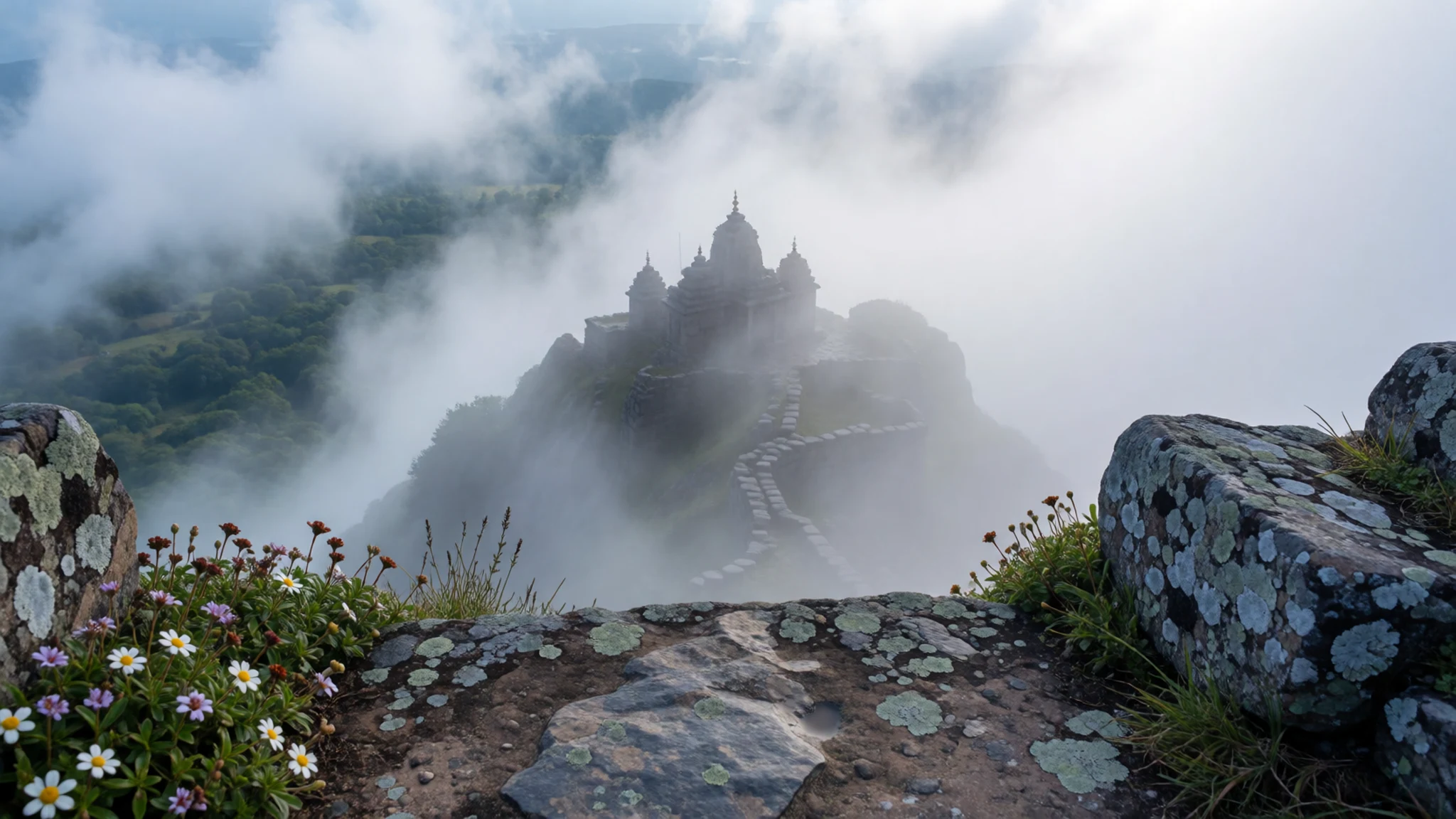
- Dry deciduous forest stretches — Kabini-side and park roads
Bandipur’s lower, drier habitats make wildlife more noticeable when the light is low. Expect a mix of open patches and dense cover, with the forest feeling cooler early on and harsher later in the day. On safari routes, these sections help explain why mornings and late afternoons are the “go” times.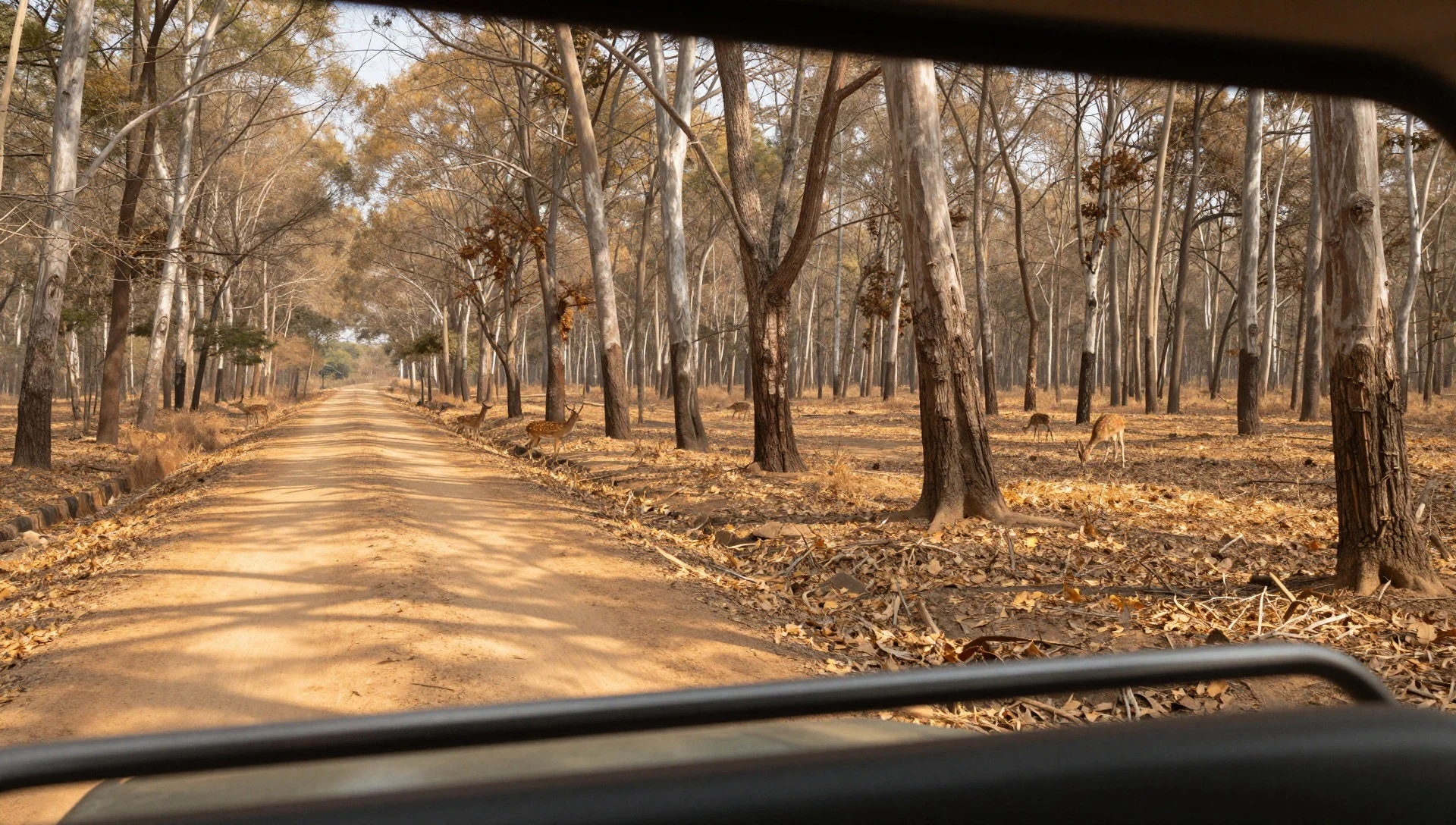
- Moist deciduous forest areas — Higher ground and river-fed zones
As conditions shift with height and water, the vegetation changes character and the forest feels greener and heavier. It’s often quieter in the middle of the day, so spotting depends on patience and attention to movement. If the air is humid after rain, the soundscape changes too.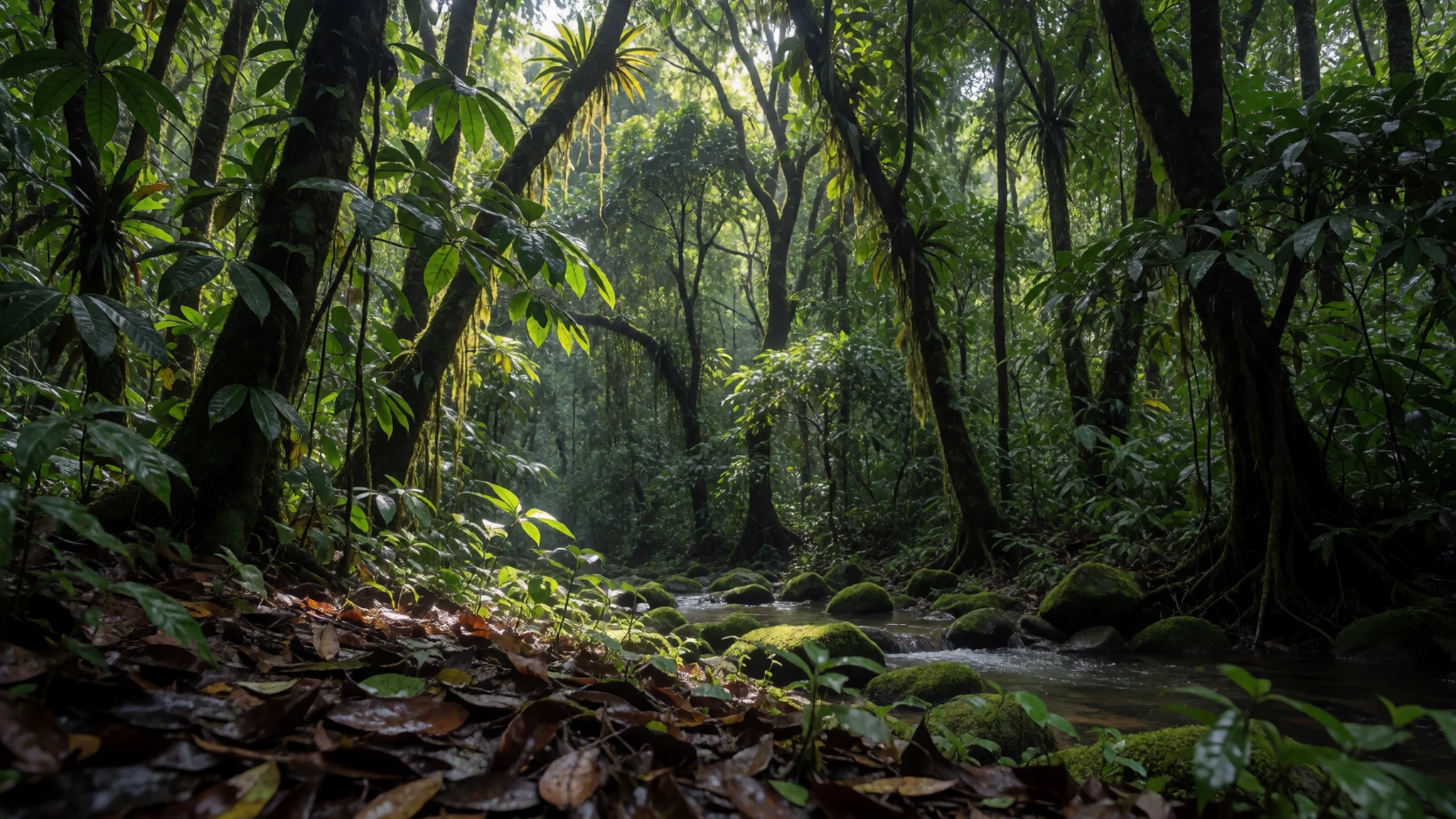
- Kabini river edge — North of the park
The park’s northern boundary runs along the Kabini river, shaping where animals come to drink and where tracks cross. Even when you’re not right on the water, the sense of a corridor stays with you on drives. It’s a natural focus point for wildlife watching routes.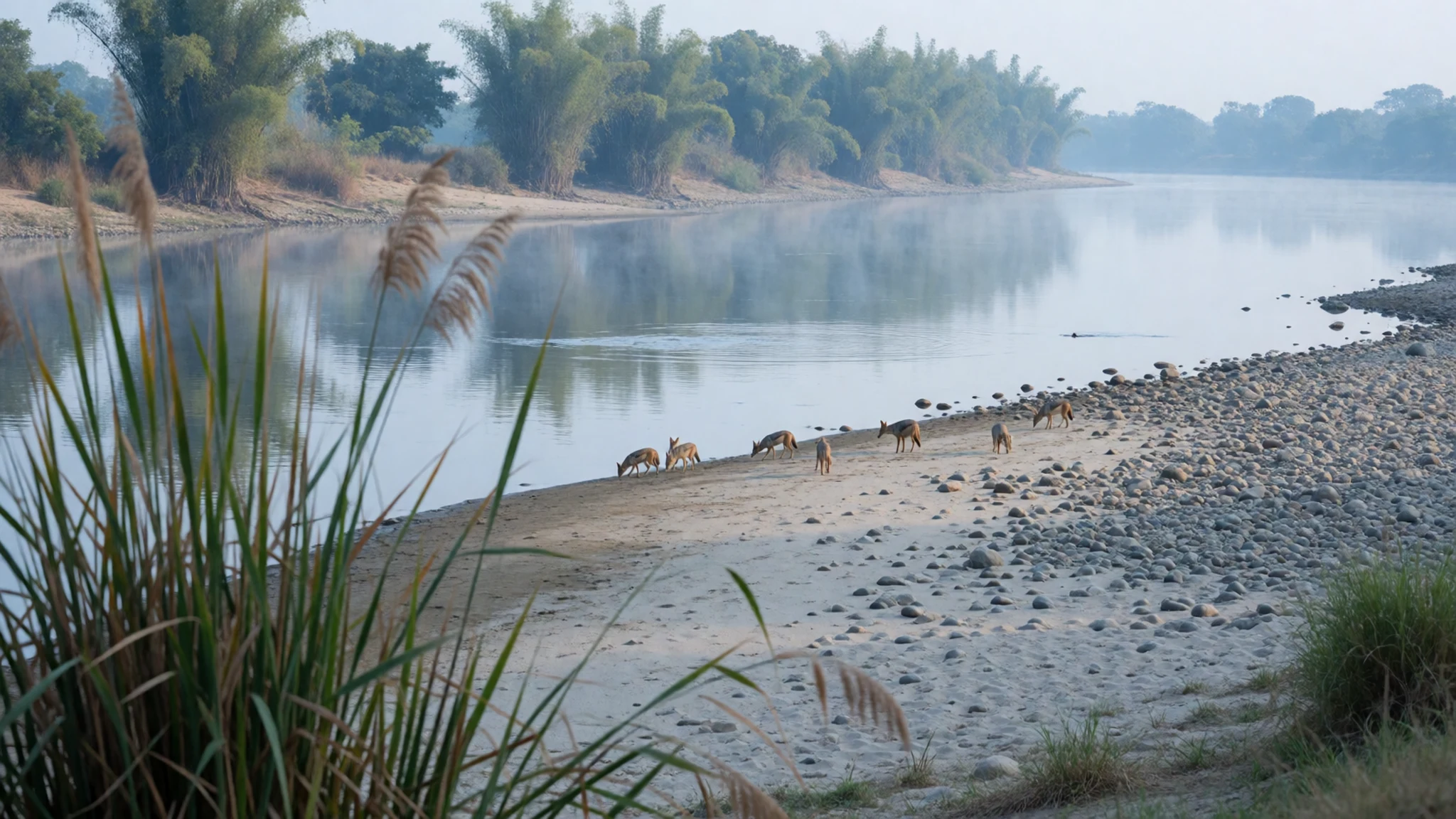
- Moyar corridor — South of the park
Down in the south, the Moyar flanks Bandipur and adds another “movement line” for wildlife. The gorge-like feel can make the landscape look more dramatic from certain viewpoints, even without a formal viewpoint platform. It’s one of the reasons the reserve feels bigger than a single forest block.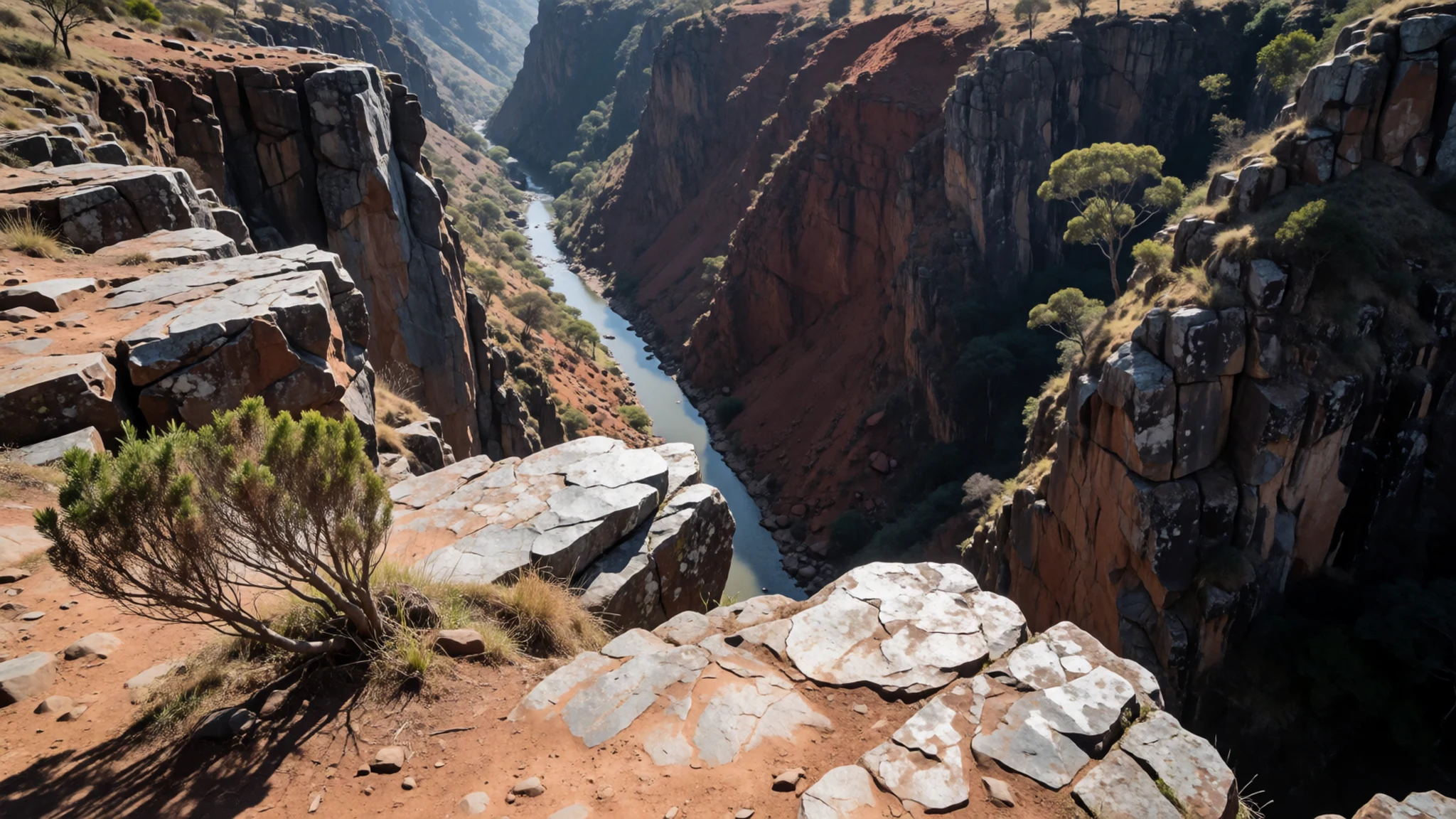
Culture
Bandipur National Park is not only a conservation space; it’s also a place with religious and community presence, especially around Himavad Gopalaswamy Betta. The summit temple forms a natural anchor for visitors, and the hill’s old fort connection gives the area a longer historical rhythm than a typical day-trip viewpoint. Because the hilltop visit is built into many itineraries, culture here isn’t a “side activity”—it’s intertwined with how people pace the day.
The park’s rules shape respectful behaviour. Trekking in the jungle is illegal, and access beyond the park gate is restricted for private vehicles, with shuttle or forest department transport used for the temple hill-top leg. Monkeys are also part of the living environment around the hill: visitors need to secure doors and windows in any accommodation and keep a close eye on bags, food and anything that looks like a snack.
Overall, Bandipur works best when the visit feels calm rather than hurried: safaris follow set time slots and the temple atmosphere has its own tempo, shaped by weather and mist.
Visitor etiquette: dress modestly for the temple area and keep food secured—monkeys are bold, and nothing should be left open for them to grab.
What to wear
At Bandipur National Park, dressing is mostly about heat, insects and the practical reality of safari and temple access. For the temple area at Gopalswamy Betta, modest clothing helps—light, breathable fabric that covers shoulders and knees is a good baseline, especially when people gather for the hilltop visit. Footwear matters: closed shoes or sturdy sandals with grip are best, because the ground around viewpoints can be uneven and dusty.
On safari, many visitors dress in light layers. The dry, hot season can make it uncomfortable to wear dark, heavy clothes for long periods, so go for light-coloured cotton or quick-dry material. A cap and sunglasses help with glare when the sun is strong, and a light scarf can double as sun protection.
Traditional dress exists in the broader region of Karnataka, but inside the park the everyday outfit you’ll see is practical rather than ceremonial. People usually wear simple, comfortable clothing, with occasional traditional elements (like a drape or a scarf) when going to temple or community spaces. Visitors can keep things respectful without needing traditional attire.
Bring a small rain layer if travelling in the run-up to monsoon (June’s wet season approaches), and carry insect protection for the evenings.
What to eat
- Free lunch and sweets at the temple hall (open dining area) — Himavad Gopalaswamy Betta temple area
At Himavad Gopalaswamy Betta, there is an open dining hall near the temple where visitors are served lunch and sweets. It’s a simple, communal setup linked to the hill visit, so it’s worth planning around the timing of the temple visit.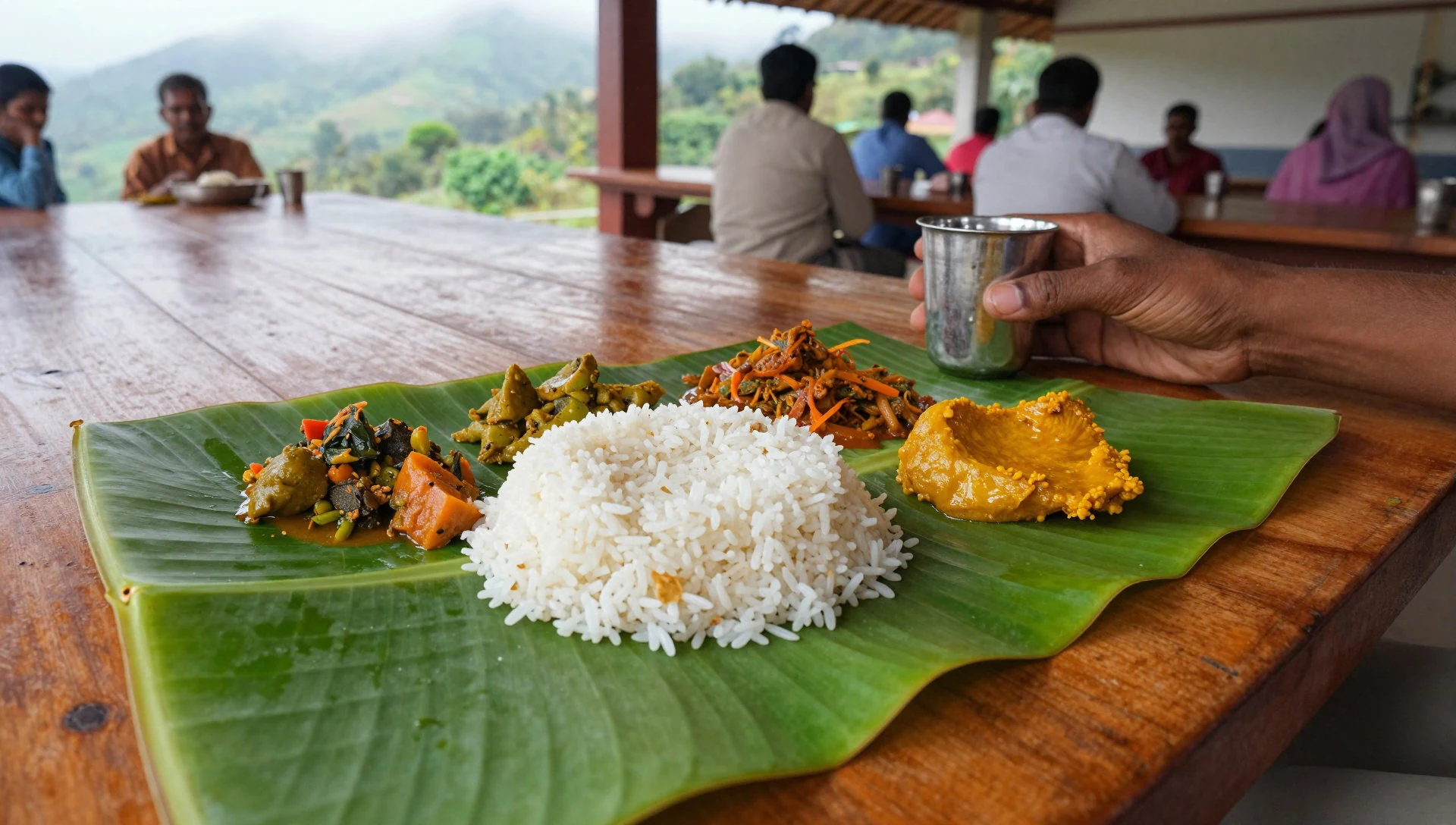
- Park-area meals via nearby towns — Gundlupet, Mysore and Chamarajanagar
Because Bandipur is a reserve away from big city centres, most travellers eat either in rest points or in the towns around the park (often before or after safari). Look for local Karnataka-style thalis and simple rice-and-curry meals in these baselines.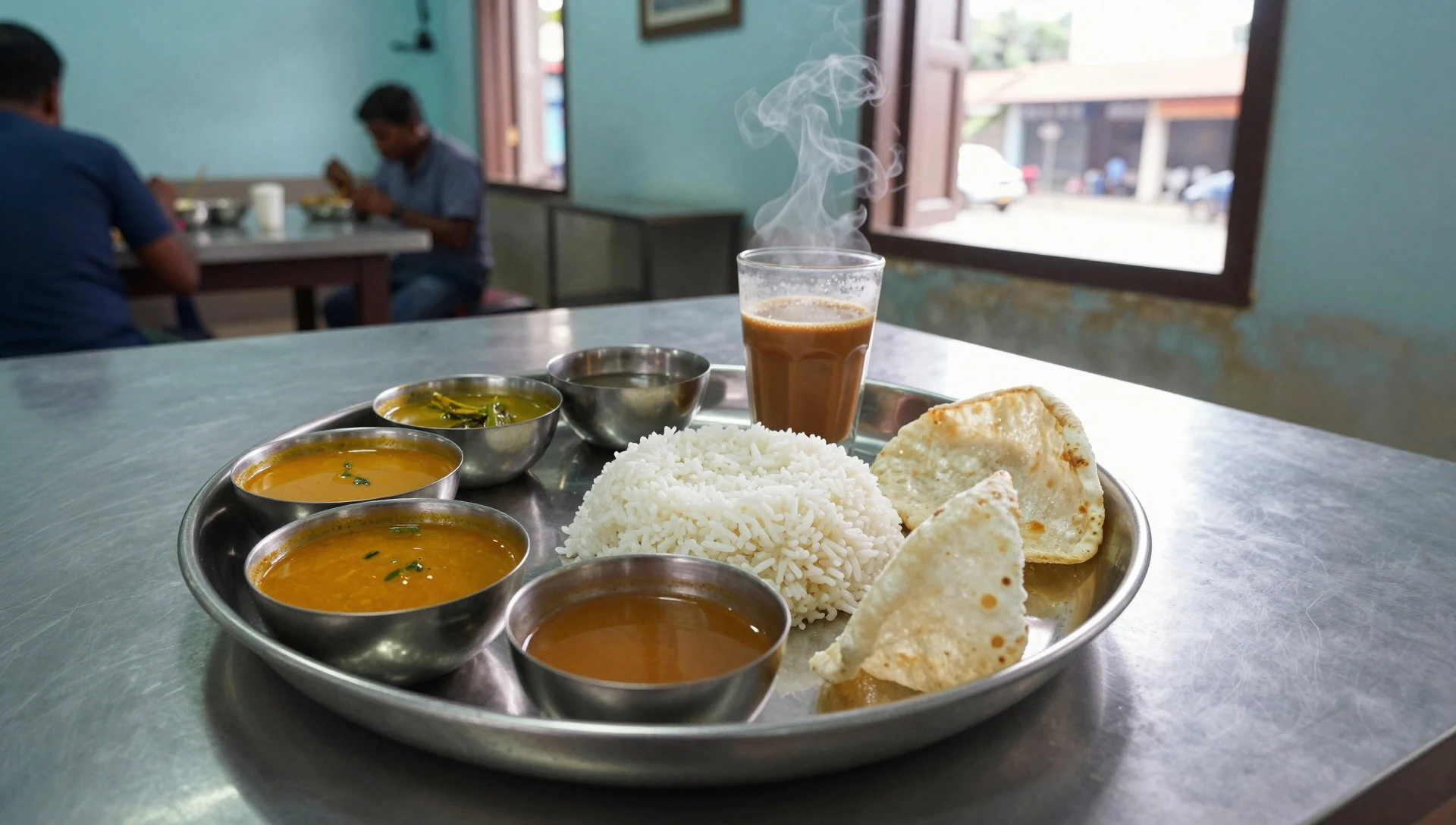
- Tea stops during drives — En route stops on the drive from Mysore
Road trips around Bandipur often include tea breaks during the drive between Mysore and the park area. It’s a straightforward way to pause in the heat, hydrate and reset before the next leg—especially useful on dry, hot days. - Market snacks for safari day supplies — Local markets in Gundlupet and nearby towns
Many travellers top up small snacks and water before heading into the reserve, because days are structured around safari and hill timings. Simple, shelf-stable items work best for the day’s gaps.
Plan it
Best time. March–April for the dry, hot season before the monsoon; late October–November when temperatures feel easier. June marks the rainy season, and the wettest, most uncomfortable months run through the monsoon—especially July to September—so expect harder conditions for long outdoor stretches.
How long. 3–4
Getting there. The nearest city is Mysore (about 89 km), and Gundlupet is about 31 km away; from Bengaluru it’s roughly a 230 km drive (around 5.5 hours). For the final approach into the park and onward to the hill temple area, private vehicles can’t go past the park gate, so use the available shuttle service/forest department transport.
Budget. mid
Tips
- Plan around safari time slots: mornings and after late afternoon are the most practical windows for wildlife drives.
- Start early for the hilltop visit so the day doesn’t get too hot—mornings are best in the warmest pre-monsoon stretch from March to May.
- Use secured storage for snacks and bags near the hill area—monkeys are persistent if anything is left accessible.
- Keep your car in good shape if driving up: check headlights, wipers and tyre pressure before the longer route.
- Respect access limits: follow park gate rules and use the shuttle service for the temple section.
Etiquette
- Avoid trekking in the jungle—only follow permitted routes and guidance.
- Don’t lower windows when you stop near wildlife; keep the car closed to avoid attracting monkeys.
- Keep doors and windows secured around any lodging near the hill area.
Nearby
Sources
- Wikidata Q665110 (CC0)
- Wikipedia (rev 1377978675) (CC BY-SA 4.0)
- Wikivoyage (rev 5382181) (CC BY-SA 4.0)
- photos/01-large-chital-herd-at-bandipur-national-park.jpg (CC BY 3.0)
- photos/02-prince-in-the-jungle-crop.jpg (CC BY-SA 4.0)
- photos/03-2012-bandipur-moyar.jpg (CC BY 3.0)
- photos/04-5w7a1077-2.jpg (CC BY-SA 4.0)
- photos/05-a-jackal-alongside-the-kabini-river.jpg (CC BY-SA 4.0)
- photos/06-elephas-maximus-bandipur.jpg (CC BY 3.0)
- photos/07-changeable-hawk-eagle.jpg (CC BY-SA 4.0)
- photos/08-kingfisher-kabini.jpg (CC BY-SA 4.0)
- Project Gutenberg (voice's book) (Public domain)


