Al-Jahra area
Al-Jahra area, Kuwait
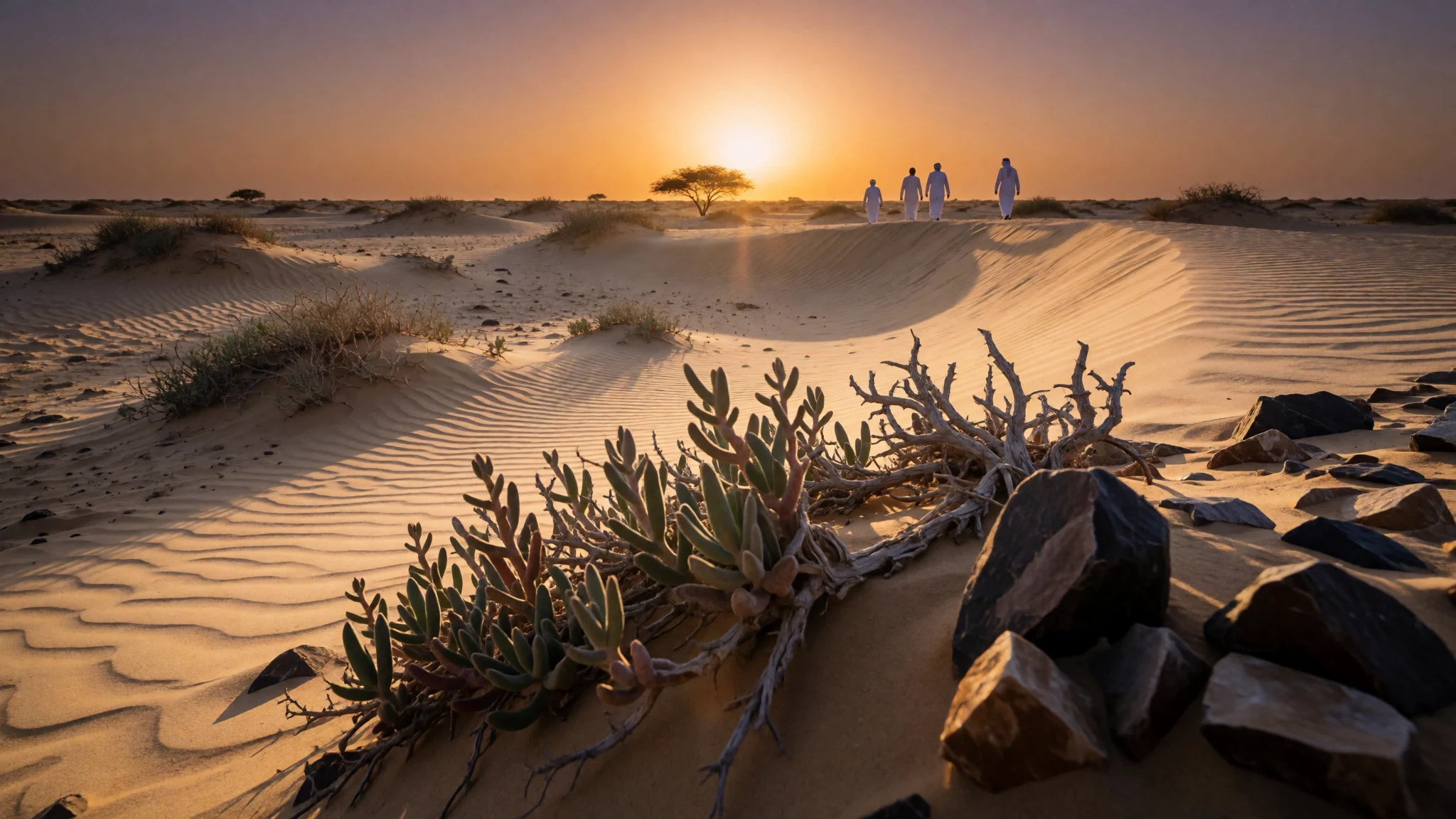
Al-Jahra area is a desert governorate in Kuwait where old forts, oil industry history and coastal days around Failaka Island fit together.
The place
Al-Jahra area (Al Jahra Governorate, محافظة الجهراء) is one of Kuwait’s six governorates, set in the northwestern part of the country. It was established in 1979 and it is subdivided into 28 areas. Most of the land is desert, so the atmosphere here is wide-open and practical: long drives, strong light, and everyday life shaped by heat and distance.
As a “base” for exploring, Al-Jahra works best when it’s treated as a region rather than a single town. Jahra is where you’ll spot traditional boats being built—historical craftsmanship still echoes in the way local vessels are discussed and made, even if today many boats are aimed at work and leisure rather than older trading patterns. The governorate also contains the kind of landmarks that feel distinctly Kuwaiti: the Red Palace (Red Fort) connected to the Battle of Jahra, plus modern industrial storytelling tied to the oil economy.
Because it’s a large, land-heavy region, planning matters more than in compact cities. Expect some attractions to be spaced out, and understand that “sea day” often means pairing a trip inland with a coastal add-on. If the weather is on the cooler side (spring or autumn), the whole region feels more walkable and tolerable; in hotter months, you’ll want to lean into early starts, indoor exhibits, and water breaks.
Al-Jahra is not about constant bustle. It’s about contrasts: desert scale beside historical forts, and local coastal culture alongside the oil story that helped shape Kuwait.
Its story
Al-Jahra area tells Kuwait’s story through places that sit in different time zones—desert stretches on one side, and a modern oil narrative on the other. The Red Palace (Red Fort) at Jahra is the anchor point for the “earlier” chapter: built in 1897 by Mubarak Al-Sabah, and later tied to the Battle of Jahra in 1920. Even if you’re not a history-buff, that pairing of a specific building date with a named battle makes the site feel grounded, not vague.
From there, the region’s pace shifts. Jahra city is where traditional-style boat-building culture is still visible. The boats—described as boums and sambuks—connect to Gulf maritime history, but today the practical purpose of vessels has moved on. It’s the kind of place where the craft is present, yet the “why” has evolved.
Then comes the modern, more curated side. Industrial heritage is represented through the oil exhibitions linked to the Kuwait Oil Company, and the story is delivered in a visitor-friendly way rather than as a dusty archive. For many travellers, this is where Al-Jahra becomes more than a stopover: it gives you context for what you’ll see and hear elsewhere in Kuwait.
And because Al-Jahra is also coastal in its reach, you can round off the day with Failaka Island. The island’s old dhows and port feel like a counterpoint to the desert land. Put together—fort, craft, industry, and a maritime island—Al-Jahra reads like a single region with multiple moods, rather than a checklist of separate attractions.
What to see
- Red Palace (Red Fort) — Jahra city
Red Palace (Red Fort) in Jahra is tied to local history, built in 1897 by Mubarak Al-Sabah and associated with the Battle of Jahra in 1920. It’s a compact, story-driven stop that helps set the “why” for the region’s later landmarks.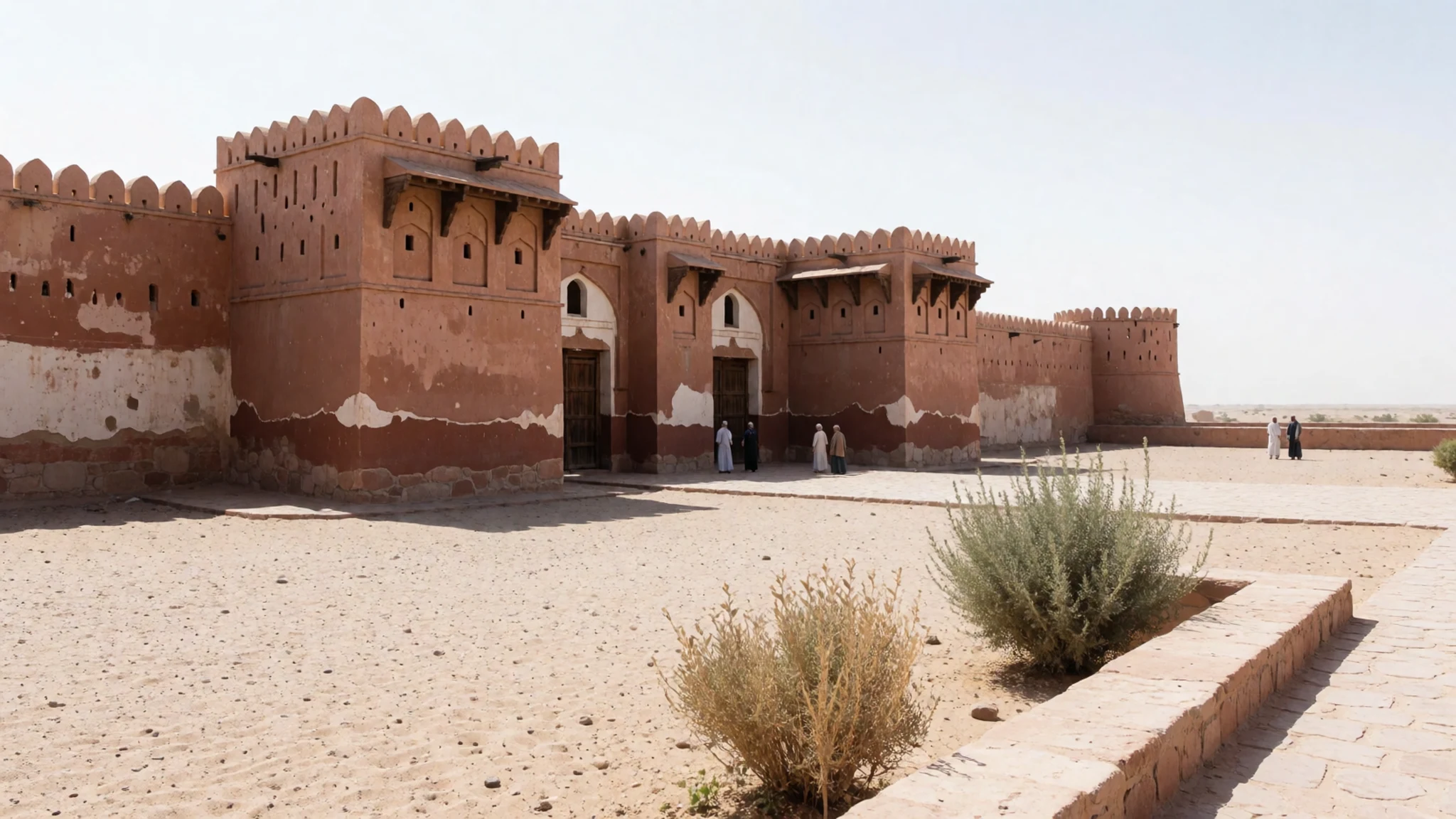
- Traditional boat building in Al Jahra city — Al Jahra city
Al Jahra city is where traditional boat-building is still visible. The craft is visible in the way local vessels are made and discussed, even though many boats now serve pleasure or modern work rather than earlier trading roles.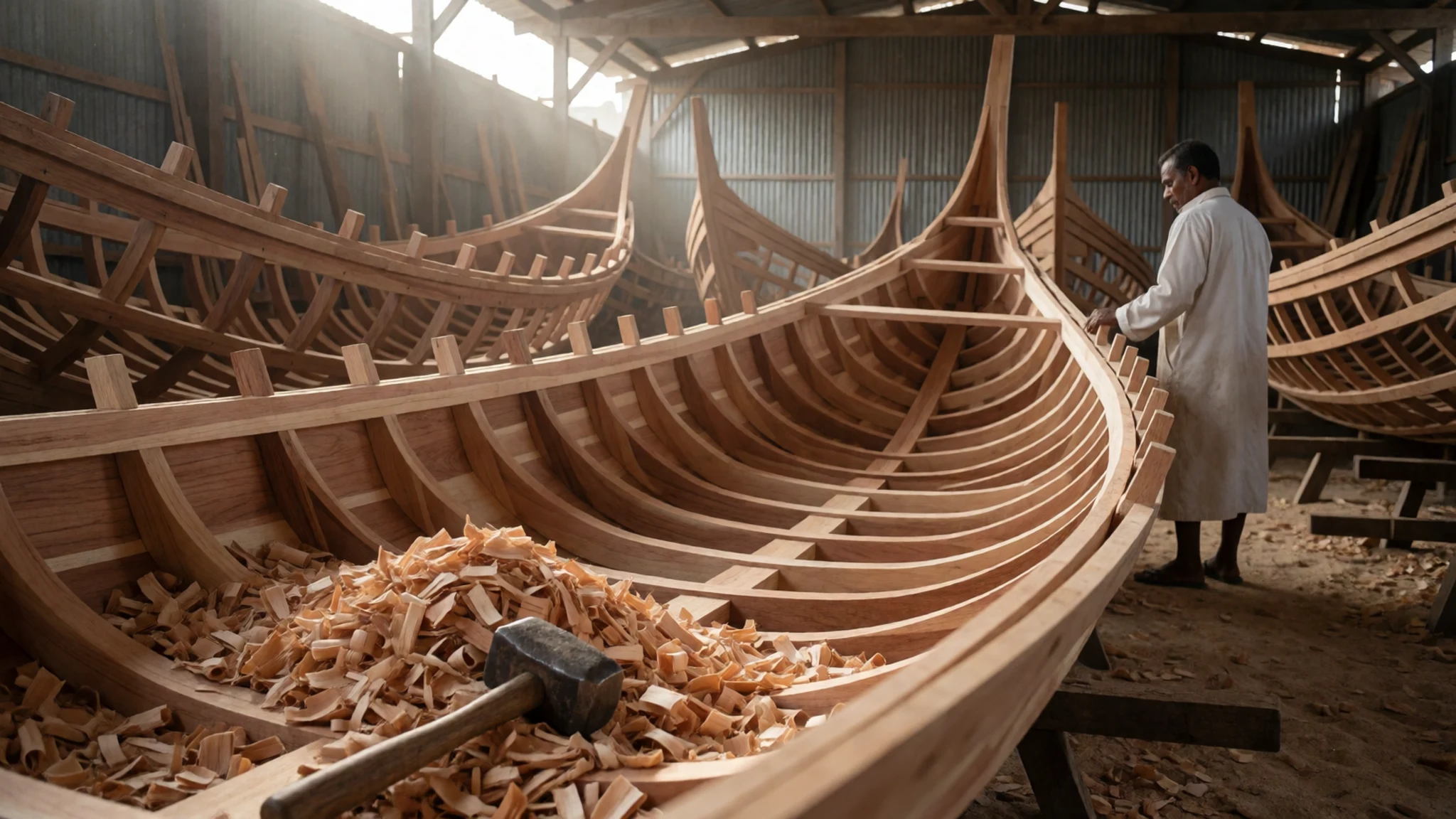
- Failaka Island — Off the coast (Failaka Island)
Failaka Island has a port atmosphere with old dhows. If you like sea views and slow exploration, it’s an easy way to balance Al-Jahra’s desert feel with a maritime day, ideally with a backup plan.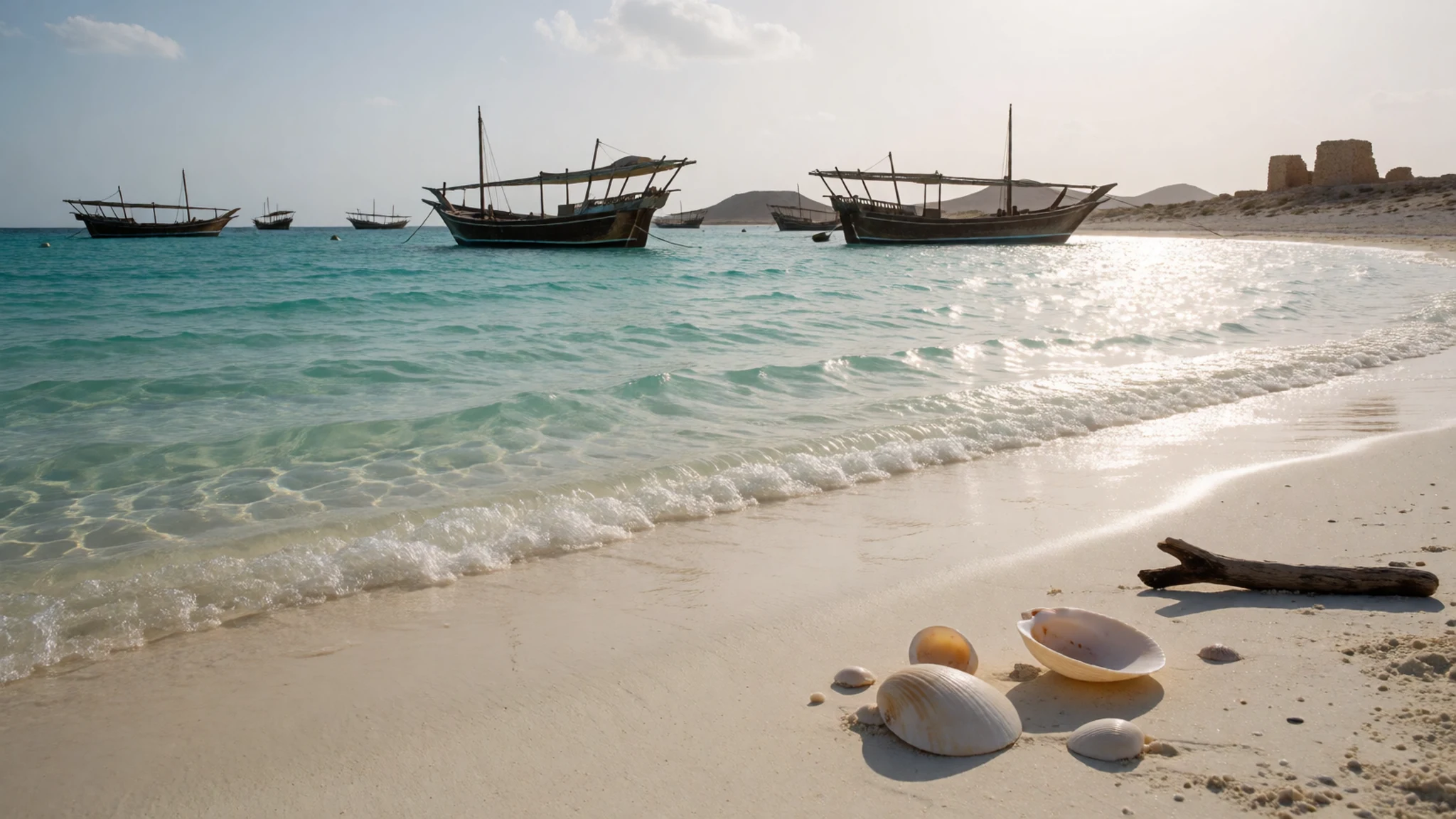
- Kuwait Oil Company exhibition (Oil Display Center) — Al-Jahra area
The Oil Display Center offers a visitor-facing look at Kuwait Oil Company work, described as an homage to the company’s history.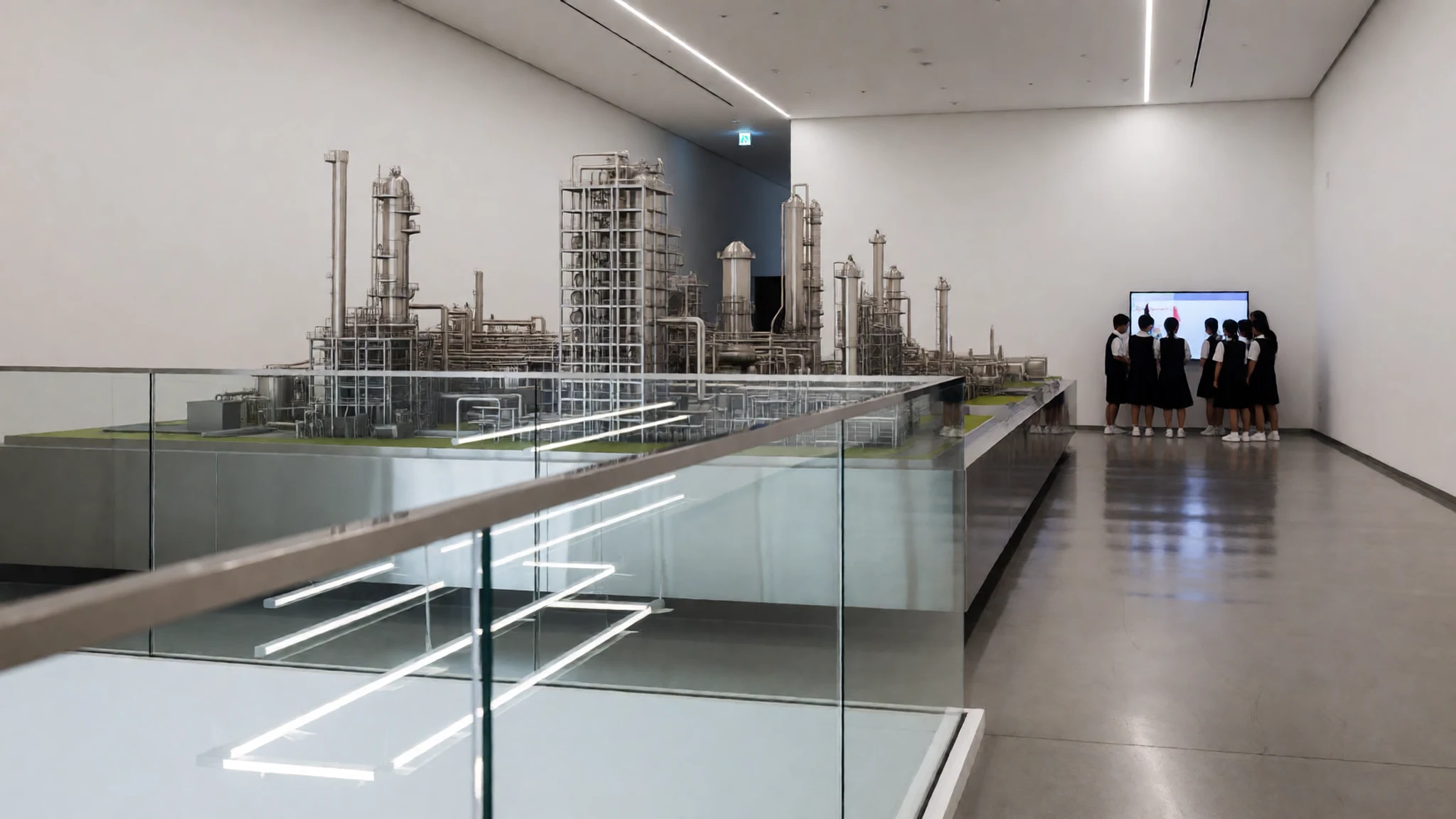
- Kazmah desert cliffs — Kazmah (desert cliffs area)
Kazmah desert cliffs are one of the few higher points in Kuwait’s desert, giving a view on the bay when visibility is good.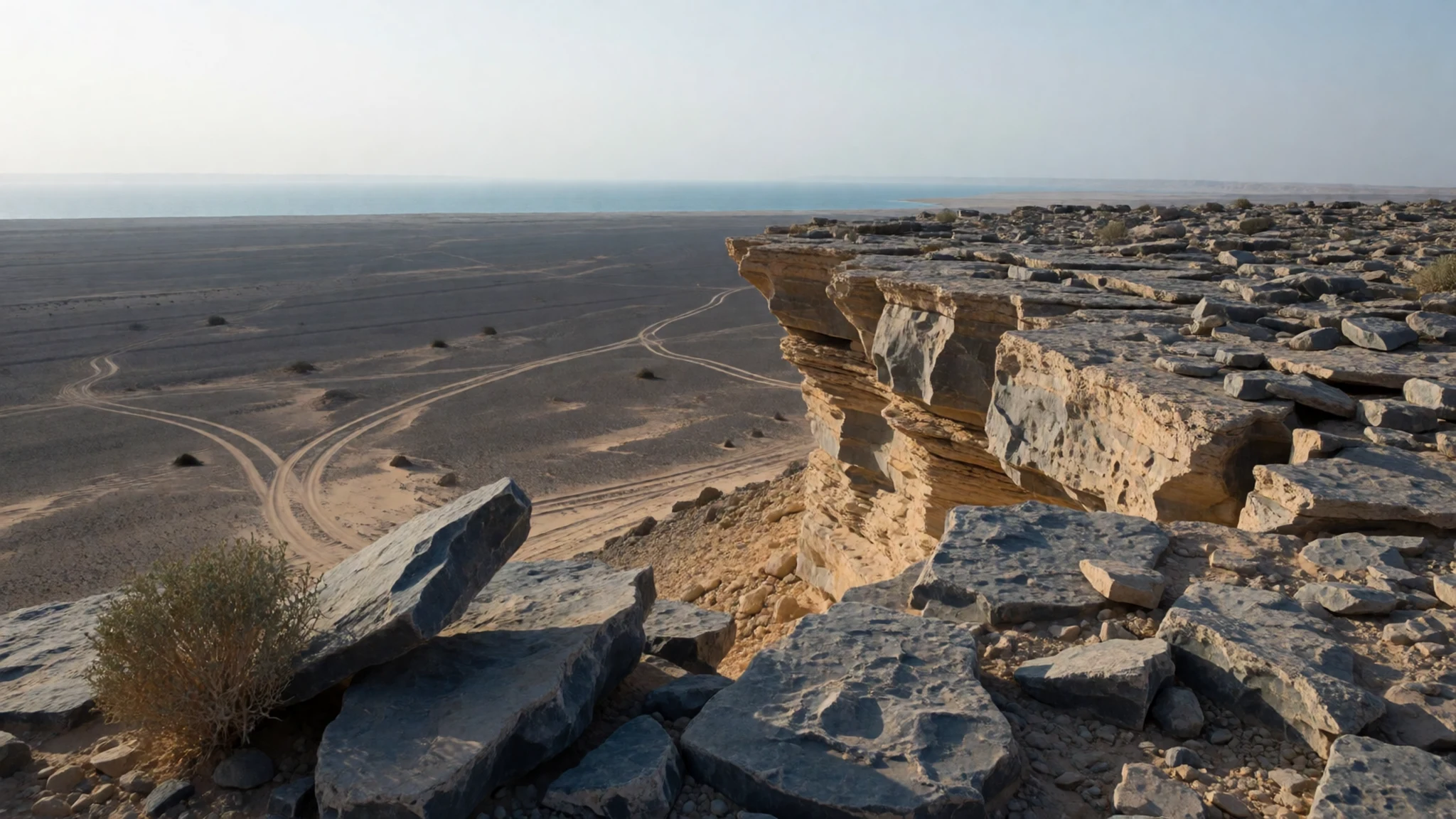
Culture
Al-Jahra area follows Kuwait’s broader etiquette norms: manners in everyday life matter, and public behaviour is taken seriously. Kuwaitis often treat “honour” as a social value, so insults or mockery can quickly escalate. Keep conversations measured and avoid sharp jokes, especially about individuals, and remember the law can be interpreted broadly in public.
Clothing norms in Kuwait are generally described as live-and-let-live, so you’ll see a wide range of styles across genders and age groups. Still, practical modesty goes a long way. Women may wear everything from more fashion-forward styles to full abayas with headscarves, and midriff-baring can attract unwanted attention. Low necklines are often treated as less of an issue than midriffs, and bikinis tend to stay with hotel pools rather than public beaches.
In a desert region like Al-Jahra, the “how you dress” part is also about comfort: light layers, breathable fabric, and sun protection help more than trying to look dressed up. For religious or formal spaces, modest coverage is the safest default.
Visitor etiquette: Speak respectfully in public, dress modestly in religious sites, and keep beachwear to hotel areas.
What to wear
Al-Jahra area fashion sits inside Kuwait’s wider Gulf mix: traditional clothing alongside everyday global styles. The traditional option most visitors notice is the dishdashah for men—often a dazzling white garment associated with local dress. For women, common traditional wear includes headscarves and the black abaya, though the region also shows plenty of designer and more varied outfits.
What people wear now is quite varied. You’ll see men in T-shirts and shorts, especially in casual areas, while women can range from full head-to-toe abayas to more fashion-forward styles. A consistent theme, though, is modesty tuning: midriffs and very revealing choices tend to draw more attention than lower necklines. Public beaches are also not the place for bikini-style wear; that’s more aligned with hotel pool culture.
For visitors, the safe approach is simple: choose breathable clothing for heat, cover shoulders and upper arms in general public, and avoid midriff-baring. At religious or formal sites, go with more complete coverage—longer sleeves and longer lengths. Footwear matters in a desert governorate: bring comfortable, closed shoes for sun-baked ground and uneven outdoor surfaces, and pack something that can handle sand.
What to eat
- Mall food courts — Major shopping malls
Kuwait’s restaurant scene leans heavily on malls, with food courts making it easy to mix cuisines without committing to one place. It’s a practical option in Al-Jahra when the heat makes long outdoor meals less fun.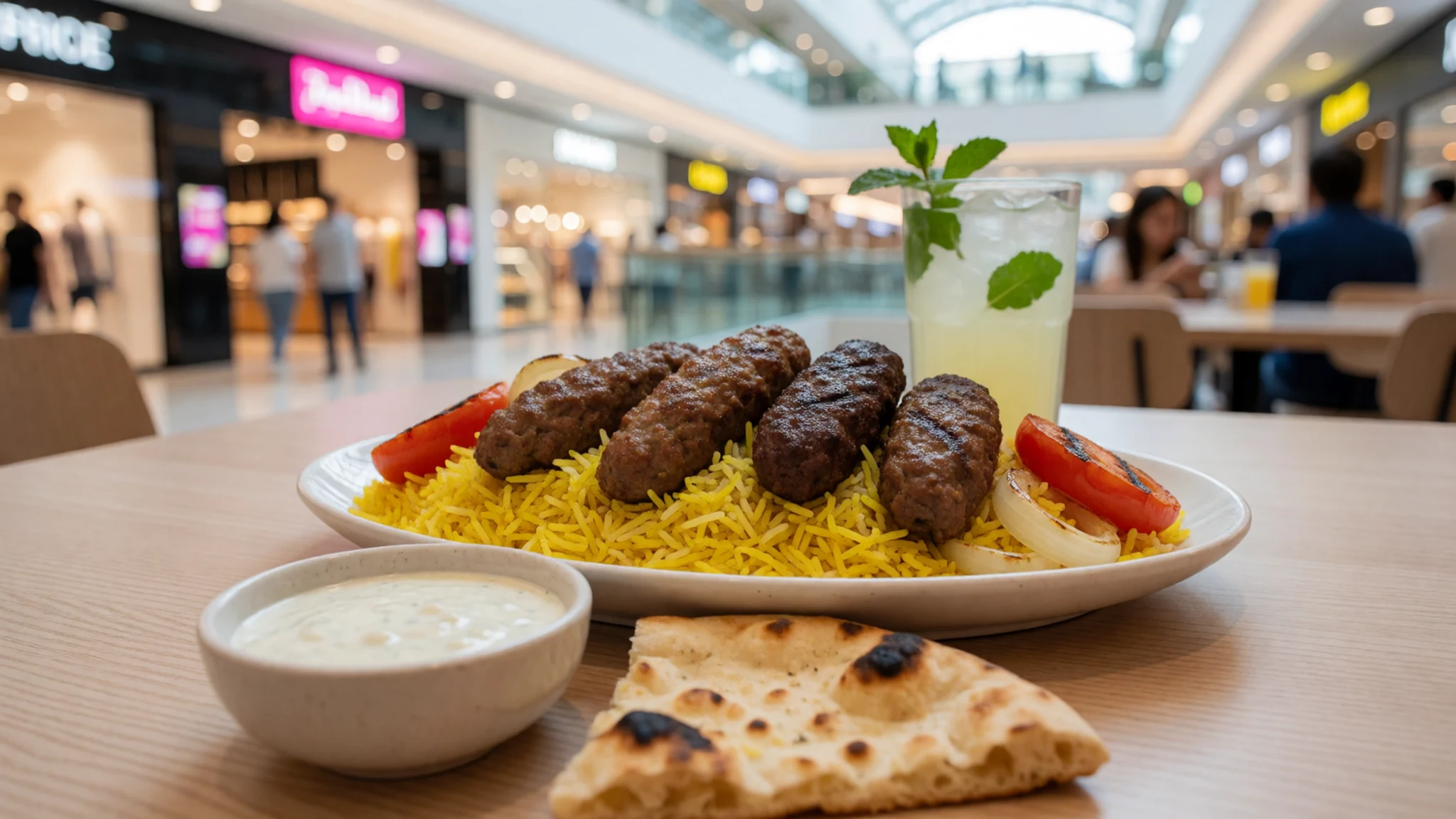
- International restaurants clusters — Restaurant areas in Kuwait City and around major resort zones
Some international cuisines in Kuwait are grouped into specific restaurant-heavy areas, including the vicinity behind the Roman Catholic Church in Kuwait City and areas near major resorts. These can be helpful when Al-Jahra plans bring you into town.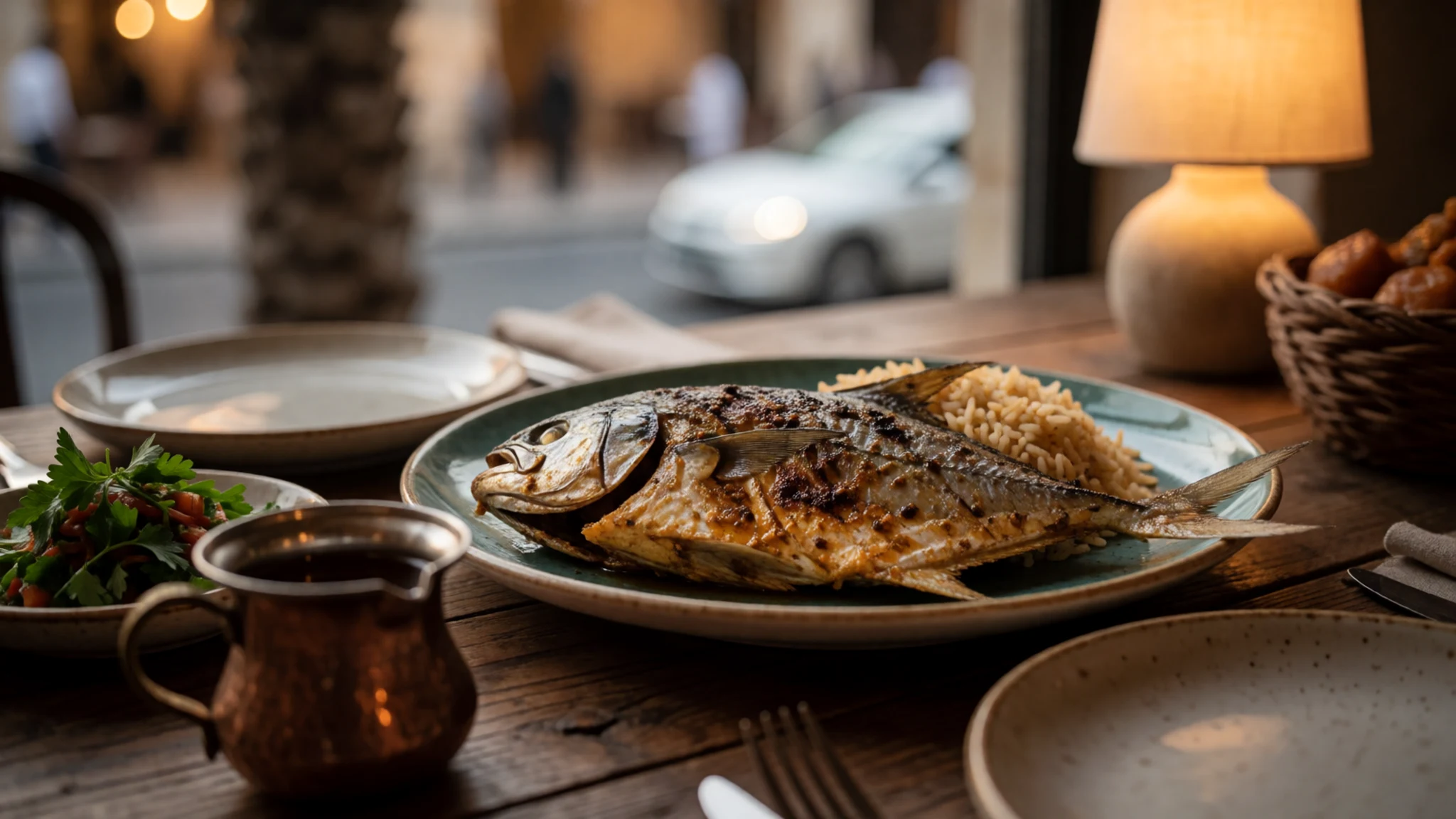
- Restaurant strip in Salmiya — Salmiya (near the 'Restaurants Road' area)
There’s a well-known stretch of local restaurants in Salmiya where you can expect specialty sandwiches, juices, and snacks, end-to-end. It’s the kind of place that works for a quick bite after sightseeing. - Fresh seafood at traditional-style Kuwaiti eateries — Hotel dining areas offering traditional Kuwaiti seafood
Traditional Kuwaiti food is less common, but seafood-led options exist. One example mentioned is Al-Marsa restaurant at Le Meridien Hotel (Bneid Al Gar location), aimed at Kuwaiti-style seafood plates. - Catering-service style menus — Restaurant catering and group-friendly dining spaces
Kuwait is described as catering-focused, so large, well-prepared meals and buffet-style service appear across the restaurant landscape. This can be a good match for groups when you want variety without staying out late. - Non-alcoholic drinks with your meal — Everywhere that serves meals in Kuwait
Alcohol is banned in Kuwait, so food experiences revolve around soft drinks, juices, and other non-alcoholic options. When planning meals around the region’s long drives, treat hydration as part of the itinerary.
Plan it
Best time. March–April and October–November for milder conditions and comfortable outdoor time; July–August are the hottest months, and January–February are the wettest.
How long. 3–4
Getting there. Fly into Kuwait International Airport, then drive to Jahra and base your sightseeing across the governorate; for coastal options, plan time for ferry connections to Failaka Island.
Budget. mid
Tips
- Start visits early to avoid the most punishing heat and glare in open areas
- Check reservation requirements before planning the oil-related exhibition stop
- Build Failaka Island into a day with a backup plan, since departures may not be guaranteed
- Pair one desert viewpoint day with an indoor exhibit day to balance energy levels
- Carry cash for smaller purchases around markets and local checkpoints
Etiquette
- Keep public conversation respectful; avoid insults or humiliation in casual talk
- Dress modestly in religious spaces, and avoid midriff-baring in general public
- For beaches, keep swimwear appropriate—bikinis are for hotel pools rather than public shores
Nearby
Sources
- Wikidata Q405701 (CC0)
- Wikipedia (Jahra Governorate, rev 1384610203) (CC BY-SA 4.0)
- Wikivoyage (Kuwait, rev 5407773) (CC BY-SA 4.0)
- Photo photos/01-sunset-37519692.jpg (CC BY 3.0)
- Photo photos/02-jahra-castle.jpg (Public domain)
- Photo photos/03-220th-tc-jpg-panoramio.jpg (CC BY 3.0)
- Photo photos/04-epf-panoramio-1.jpg (CC BY 3.0)
- Photo photos/05-epf-panoramio.jpg (CC BY 3.0)
- Photo photos/06-flickr-dvidshub-ctg-56-5-set-out-to-hone-their-skills-image-.jpg (Public domain)
- Photo photos/07-flickr-dvidshub-lt-gen-webster-s-final-walkthrough-image-9-o.jpg (CC BY 2.5)
- Photo photos/08-flickr-dvidshub-santa-image-42-of-47.jpg (CC BY 2.5)


