Zwinger
Zwinger, Germany
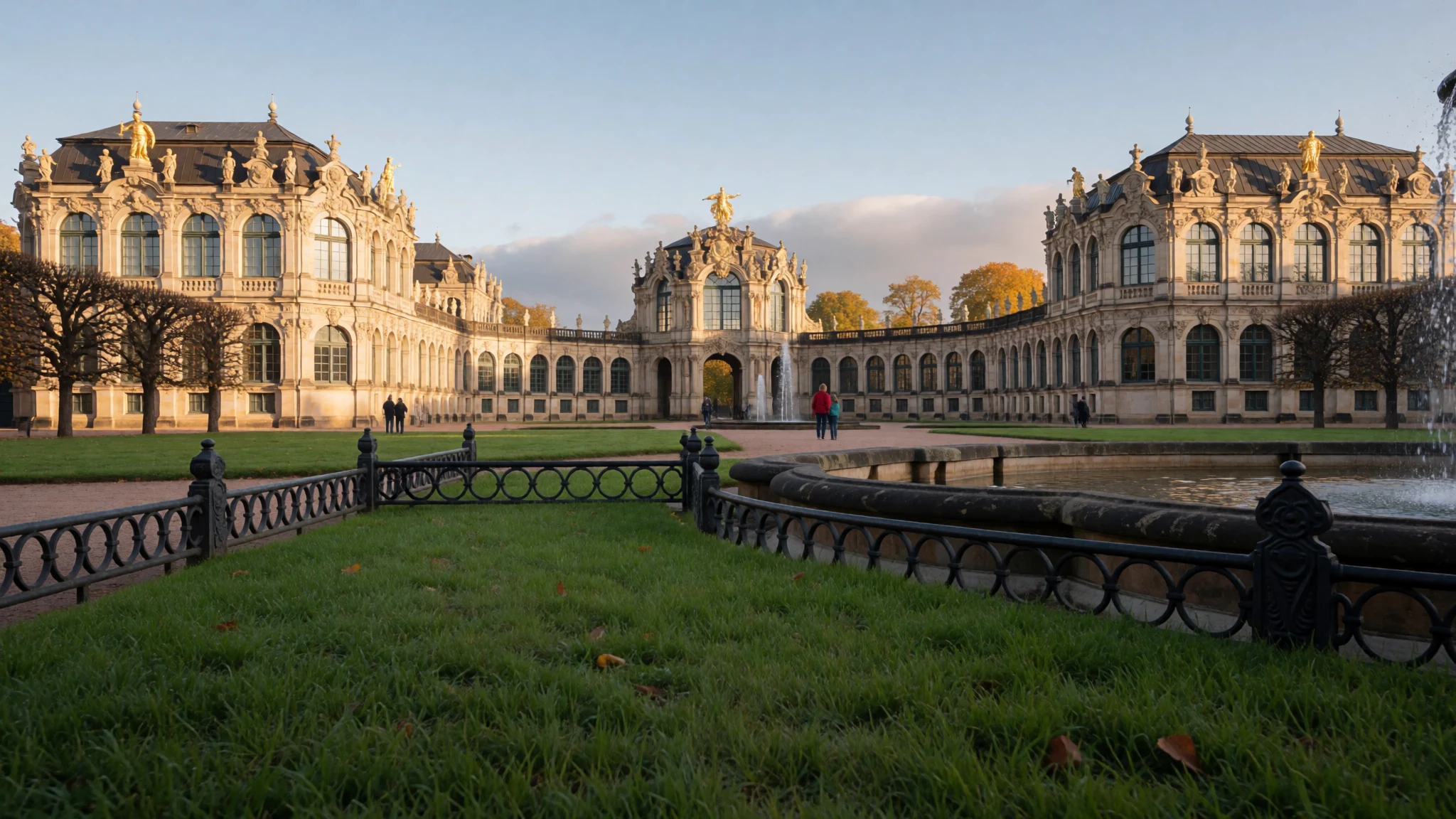
Zwinger in Dresden is a baroque palace of courtyards, pavilions and sculpture, rebuilt after wartime ruin and now home to major museums.
The place
The Zwinger sits in the old town of Dresden, in eastern Germany, a short walk from the Elbe and from the rebuilt Frauenkirche. It is not one building but a ring of galleries and pavilions around a broad, open courtyard, begun in 1711 as a stage for royal festivities rather than as a home. The name comes from fortification language: a zwinger was the strip of ground between an outer and an inner defensive wall, and the palace was laid out on just such a strip beside the old city defences. Today the courtyard is why most people come. It is calm and symmetrical, with lawns and fountains in the middle, arcades along the sides, and sandstone pavilions crowned with statues. The Crown Gate, the Wallpavillon with its carved figures and the bell pavilion each give a different corner its own character. Museums fill the surrounding galleries, holding old master paintings, porcelain and historic scientific instruments, and a later wing designed by Gottfried Semper closes the open side towards the theatre square. Check the official site for what needs a ticket and when it opens. Midday in summer brings tour groups and a hard glare off the pale stone, while early morning and evening are quieter and the sandstone turns warmer in colour. Dresden was largely rebuilt after the war, and the Zwinger reads as a restored whole rather than a patchwork, which makes it an easy place to start a visit to the city.
Its story
The Zwinger began in 1711, commissioned by Augustus the Strong, ruler of Saxony and King of Poland, who wanted a grand setting for court celebrations. In its early years it served as an orangery and festival ground, and timber stages gave way to permanent stone pavilions designed by the architect Matthäus Daniel Pöppelmann, with sculpture by Balthasar Permoser. Over the following generations the palace shifted from a place of parties to a home for the royal collections, which explains why it still holds museums today. Later, Gottfried Semper added a gallery wing on the open side, completing the enclosed courtyard. The Saxon court's wealth also produced the art that Dresden still shows: Raphael's Sistine Madonna was bought by the son of Augustus the Strong and remains in the city. Then came the war. Allied bombing in its closing months destroyed most of Dresden's historic centre, and the Zwinger was left a ruin; a photograph from the period shows the broken Wallpavillon and the northern gallery. Rebuilding began afterwards and continued for decades, and the sculpture and stonework seen now are a mix of surviving fabric and careful restoration. The monarchy ended and the last Saxon king abdicated, but the palace outlived the dynasty that built it, passing from private court pleasure to a public museum quarter.
What to see
- The courtyard — Old town, Dresden
The Zwinger's central courtyard is the main event: a wide, symmetrical space of lawns, fountains and pale sandstone galleries that frame the sky. Walk the arcades slowly and look up at the statues and carved ornament along the rooflines. It photographs best in low light, early or late, when the crowds thin and the stone warms.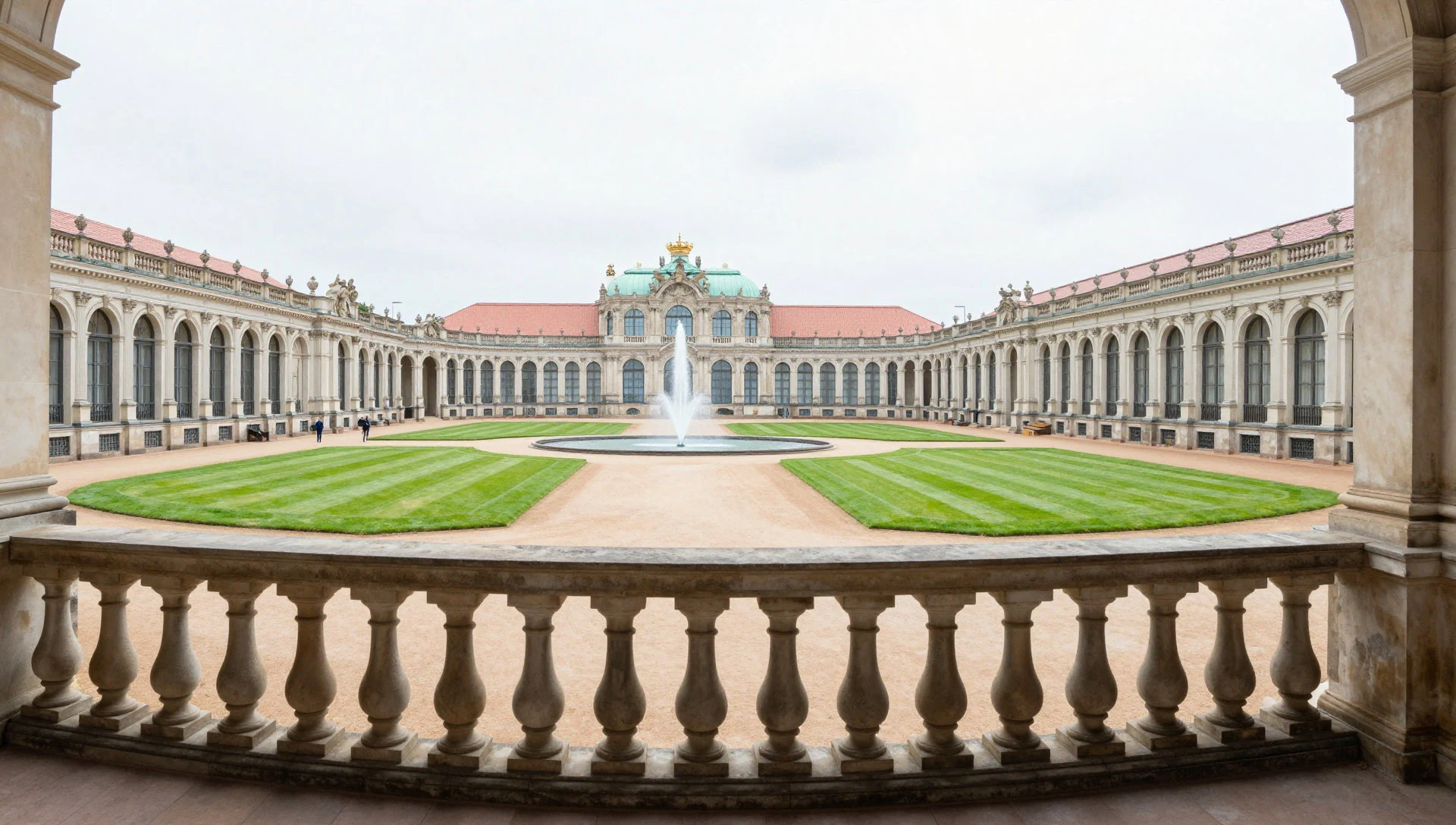
- Crown Gate — Edge of the courtyard
The Crown Gate (Kronentor) is the Zwinger's signature, a curving baroque gateway topped with a sculpted crown carried by figures. The passage beneath links the courtyard to the street outside. Stand back across the cobbles to take in the full silhouette, then step through to see the courtyard open up beyond.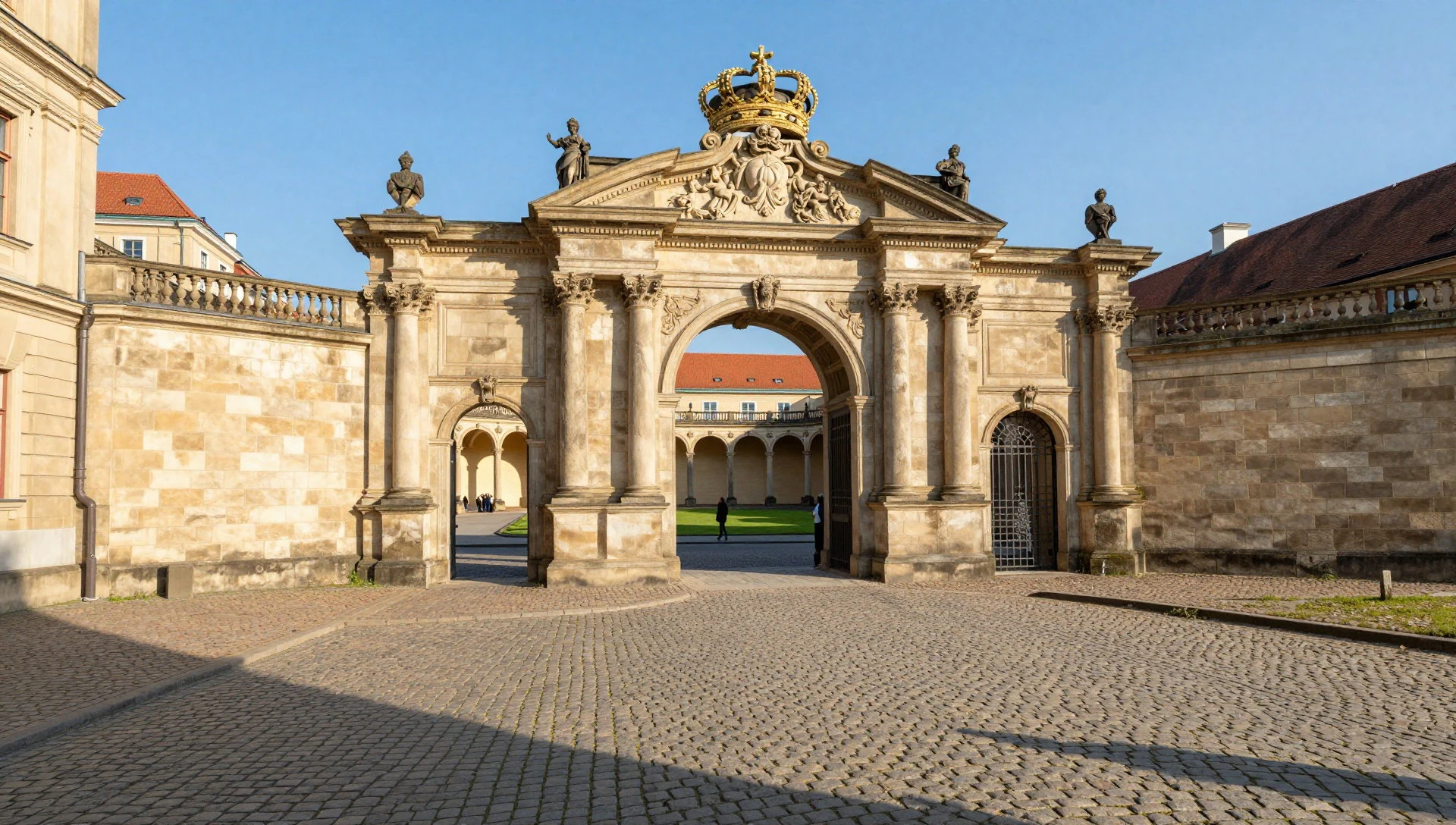
- Wallpavillon — Courtyard, northern side
The Wallpavillon is the most heavily carved pavilion, with straining atlas-like figures and decorated gables that rise above the arcades. Much of its stonework was restored after the bombing, and a nineteenth-century painter, Adolph Menzel, sketched its giants long before that damage. Allow time for a slow look at the details.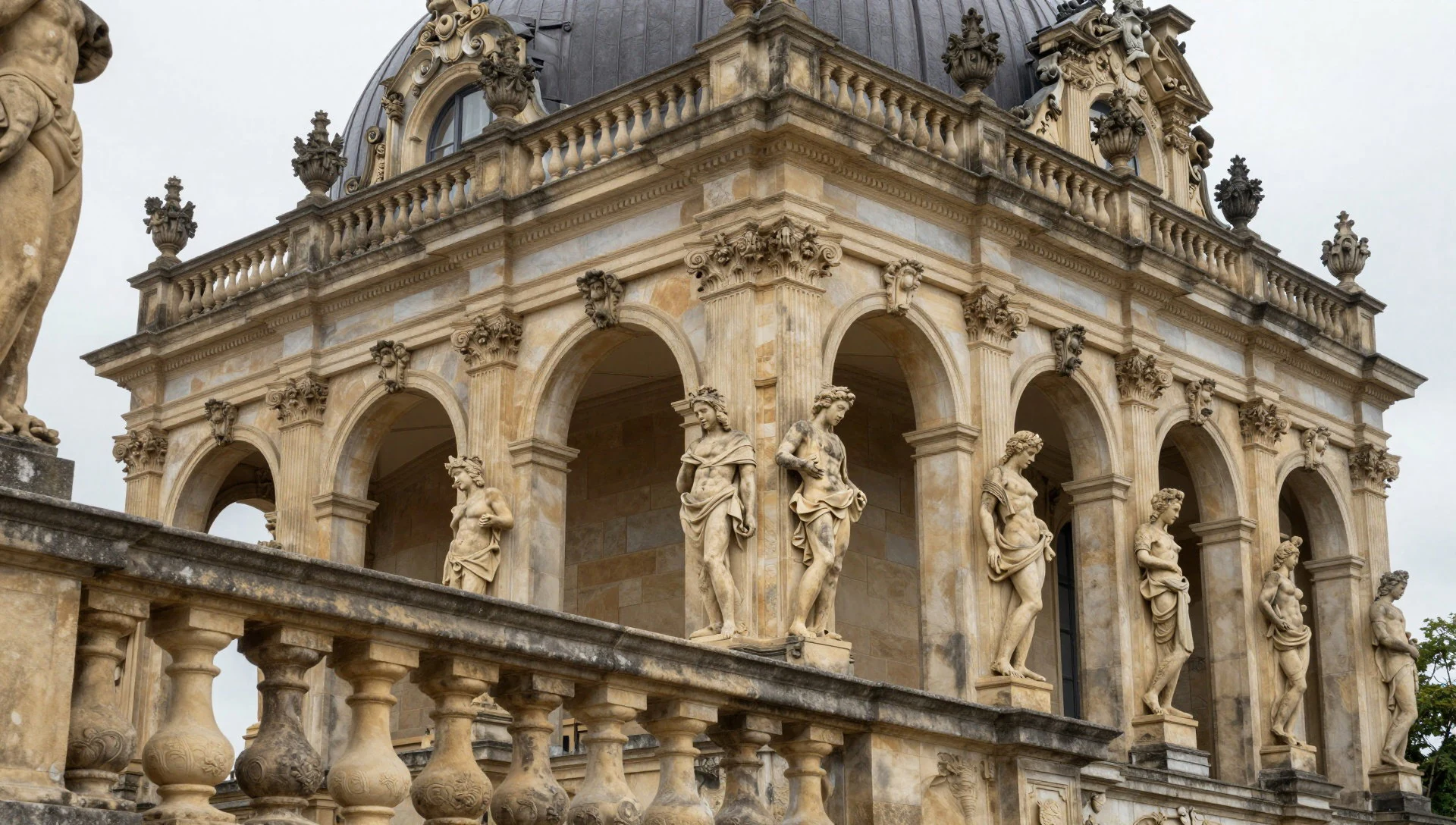
- Gemäldegalerie Alte Meister — Semper wing, beside the Zwinger
The old masters gallery is known for Italian Renaissance and Baroque painting, and above all for Raphael's Sistine Madonna, bought by the son of Augustus the Strong. Other European works fill the rooms around it. Check the official site for tickets and opening days, and expect the Madonna's room to be busy.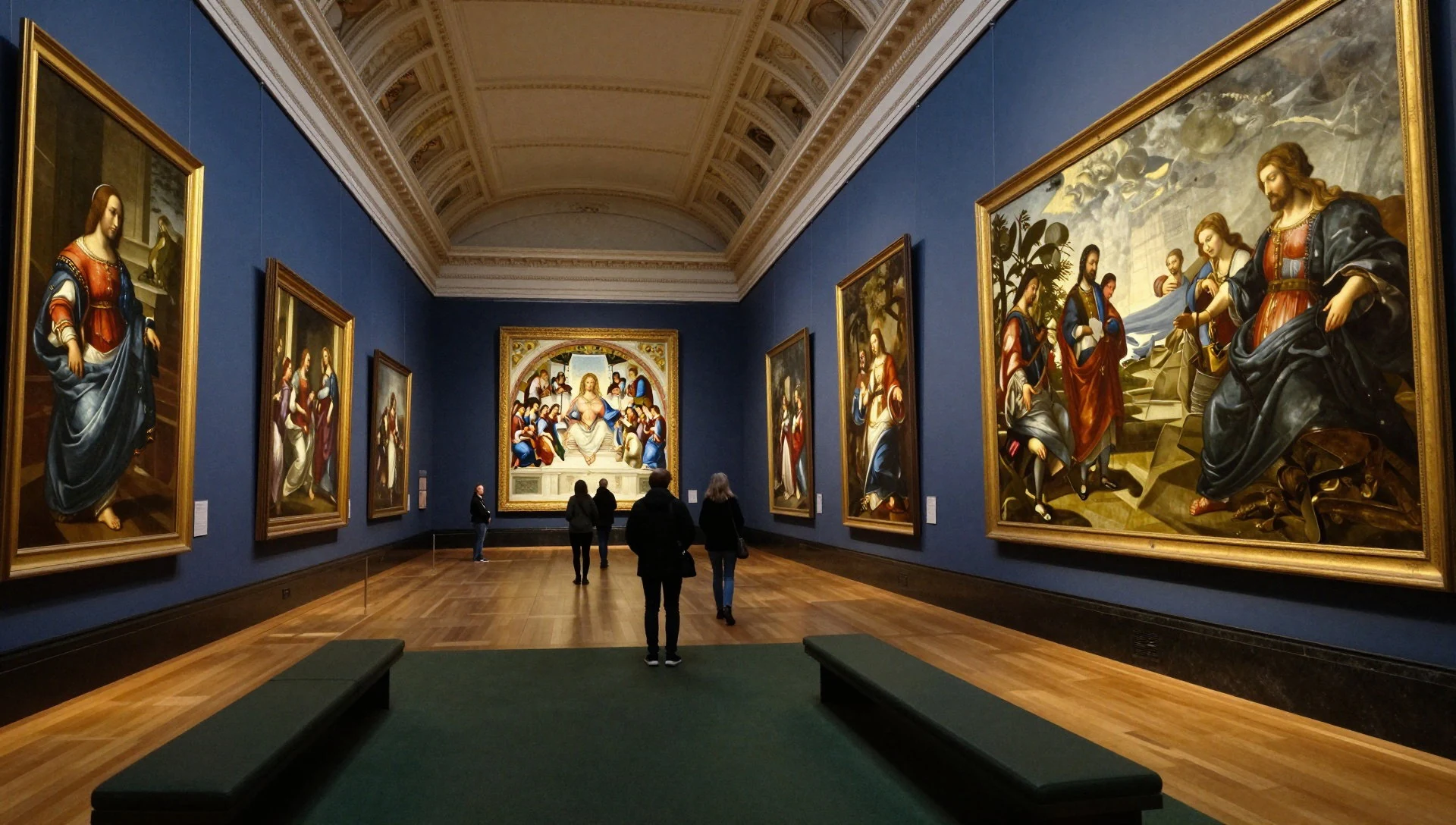
- Porzellansammlung — Zwinger galleries
This collection is devoted to porcelain, the 'white gold' that obsessed the Saxon court. Shelves of Chinese and Japanese pieces sit beside work from Meissen, the first European porcelain factory. Even visitors indifferent to china find the sheer quantity, and the courtly ambition behind it, worth an unhurried hour indoors.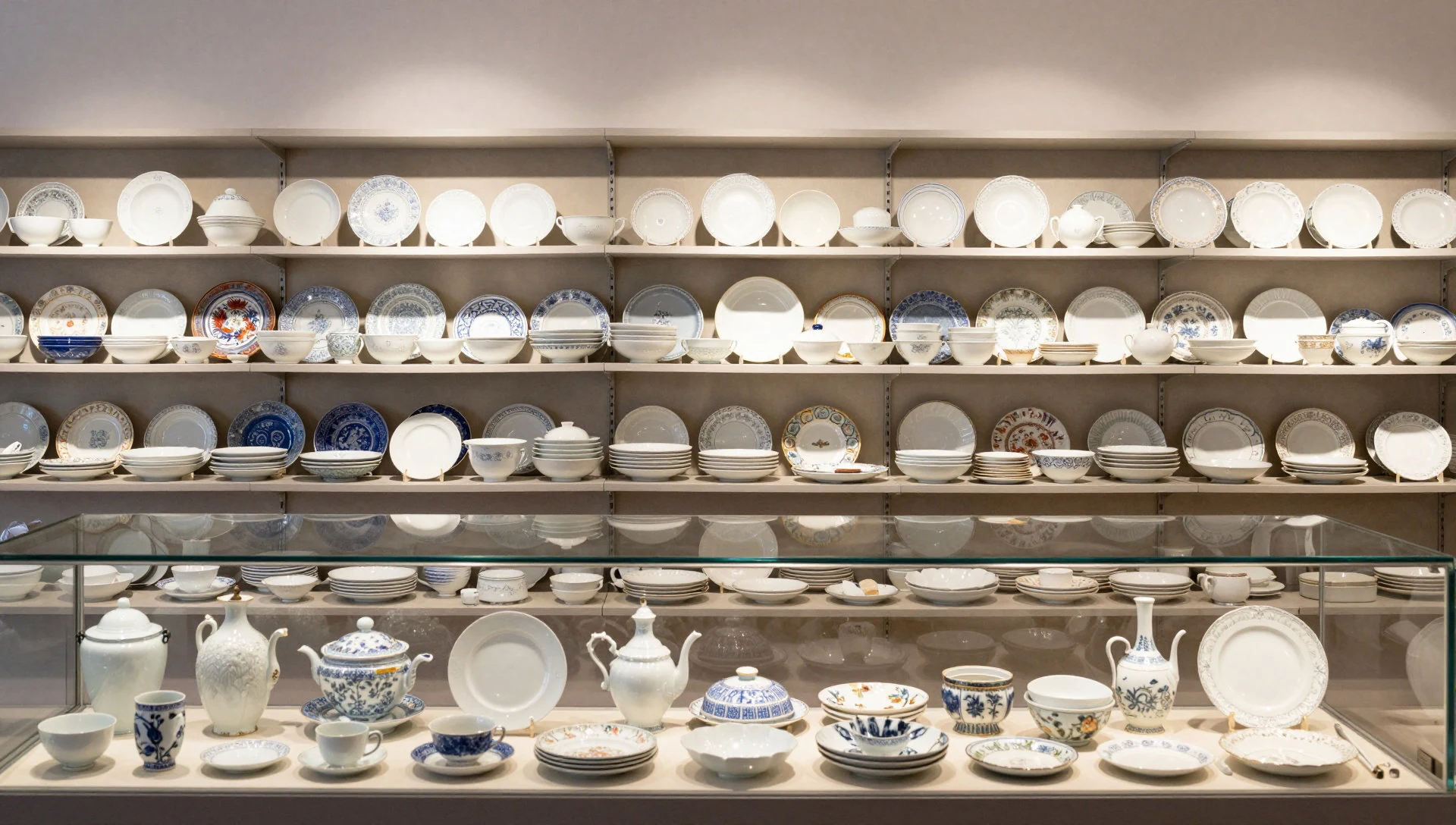
- Mathematisch-Physikalischer Salon — Zwinger, western side
A collection of early scientific instruments: telescopes, clocks and celestial models that reflect the court's interest in measuring the sky and keeping time. It is smaller and quieter than the painting gallery, so it suits a short stop, particularly on a wet or very hot day.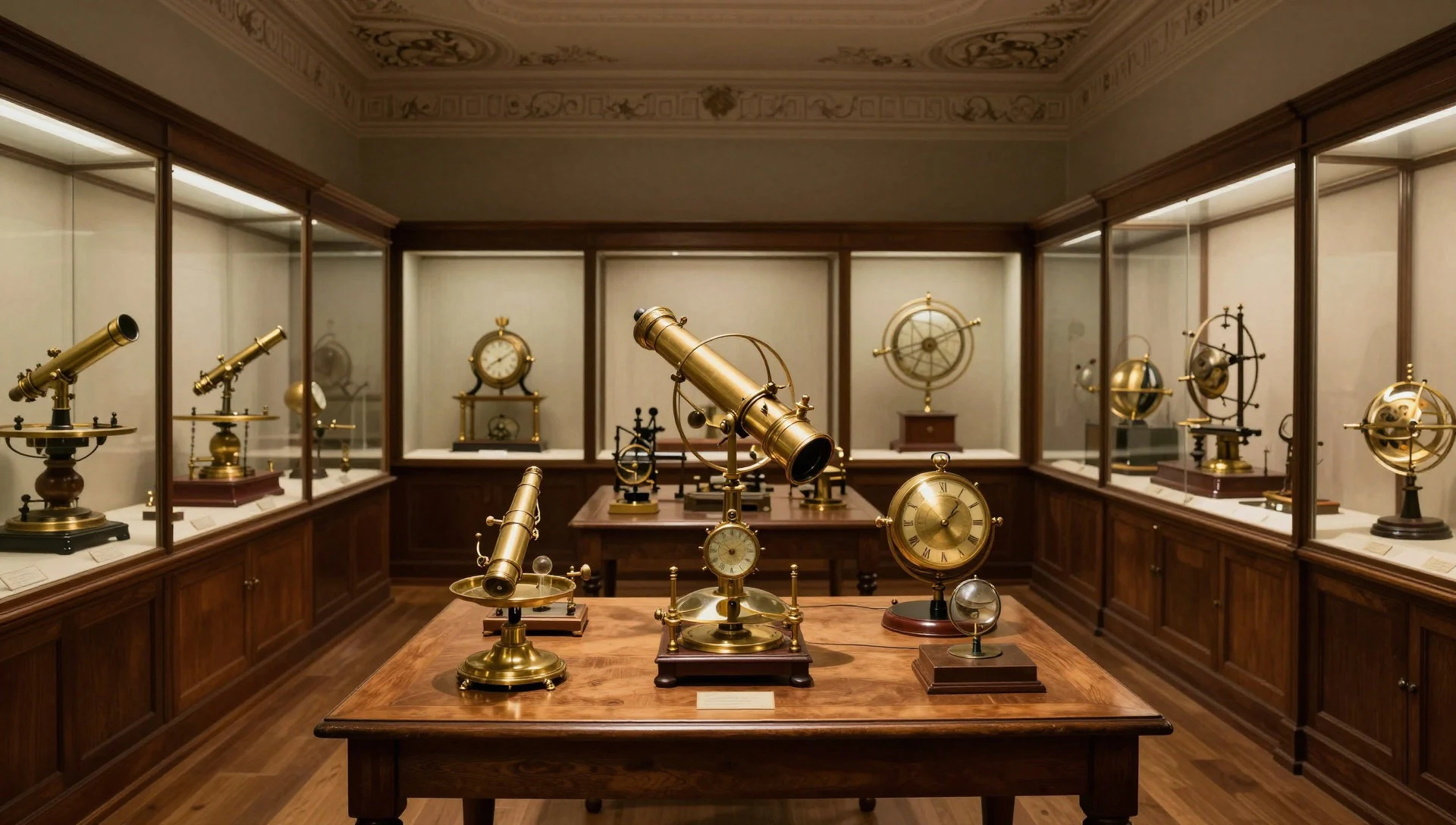
Culture
Culture at the Zwinger is inseparable from Dresden's habit of remembering. The city was a royal capital whose rulers collected art, porcelain and instruments on a grand scale, and the palace was built to display that confidence. Allied bombing in the last months of the Second World War then destroyed most of the historic centre, and Dresden is the German city where those raids remain a live subject in public debate. Each year the anniversary is marked by processions and ceremonies, and it has also drawn far-right marches and anti-fascist counter-demonstrations. Visitors may notice a mix of grief and pride in how locals talk about the rebuilt old town. Not all the reconstruction used historic techniques, so some of the new work is only skin deep, a point residents readily argue about. Saxon dialect is part of local identity too: the last Saxon king is said to have told his subjects, roughly, to do their own dirty work as he abdicated, a story Dresdeners still enjoy. The east German decades left their own mark as well, including the wry nickname 'valley of the clueless' for an area that could not receive western television. Visitors who show curiosity about the city's past tend to get friendly, thoughtful answers. Keep your voice down in the galleries, never touch or climb the sculpture, and if a remembrance ceremony is under way nearby, watch quietly rather than photographing mourners.
What to wear
Dressing for the Zwinger in Dresden begins with the weather, because the courtyard is open to the sky and the museums feel warm or cool depending on the season. Saxony's best-known traditional dress belongs to the Sorbs, a Slavic minority in the east of the region, whose festival costume includes embroidered bodices, pleated skirts, aprons and starched lace headwear, made of wool, linen and cotton and worn today mainly at Easter, weddings and village or church celebrations. Saxony is also known for lace-making, particularly around Plauen. In daily life Dresdeners dress much like people in other German cities: dark jackets, jeans, practical trainers and layers, with evenings at the opera or a concert leaning smarter but rarely formal. Visitors should plan for cobbles and long walks, so comfortable flat shoes matter more than style. Summer is warm, so light cotton, a hat and sun protection help in the open courtyard, with a thin rain jacket in the bag. Winter is cold and damp, calling for a proper coat, hat, gloves and shoes with grip. Churches such as the Frauenkirche have no strict code, but covering bare shoulders and removing hats is polite, especially during services.
What to eat
- Stollen — Bakeries across the old town and Neustadt, especially before Christmas
Dresden's Christmas cake of yeast dough, raisins, butter and almonds, dense, sweet and sold mainly in the run-up to Christmas. Locals argue endlessly over which bakery does it best, so try slices from a few and form your own view.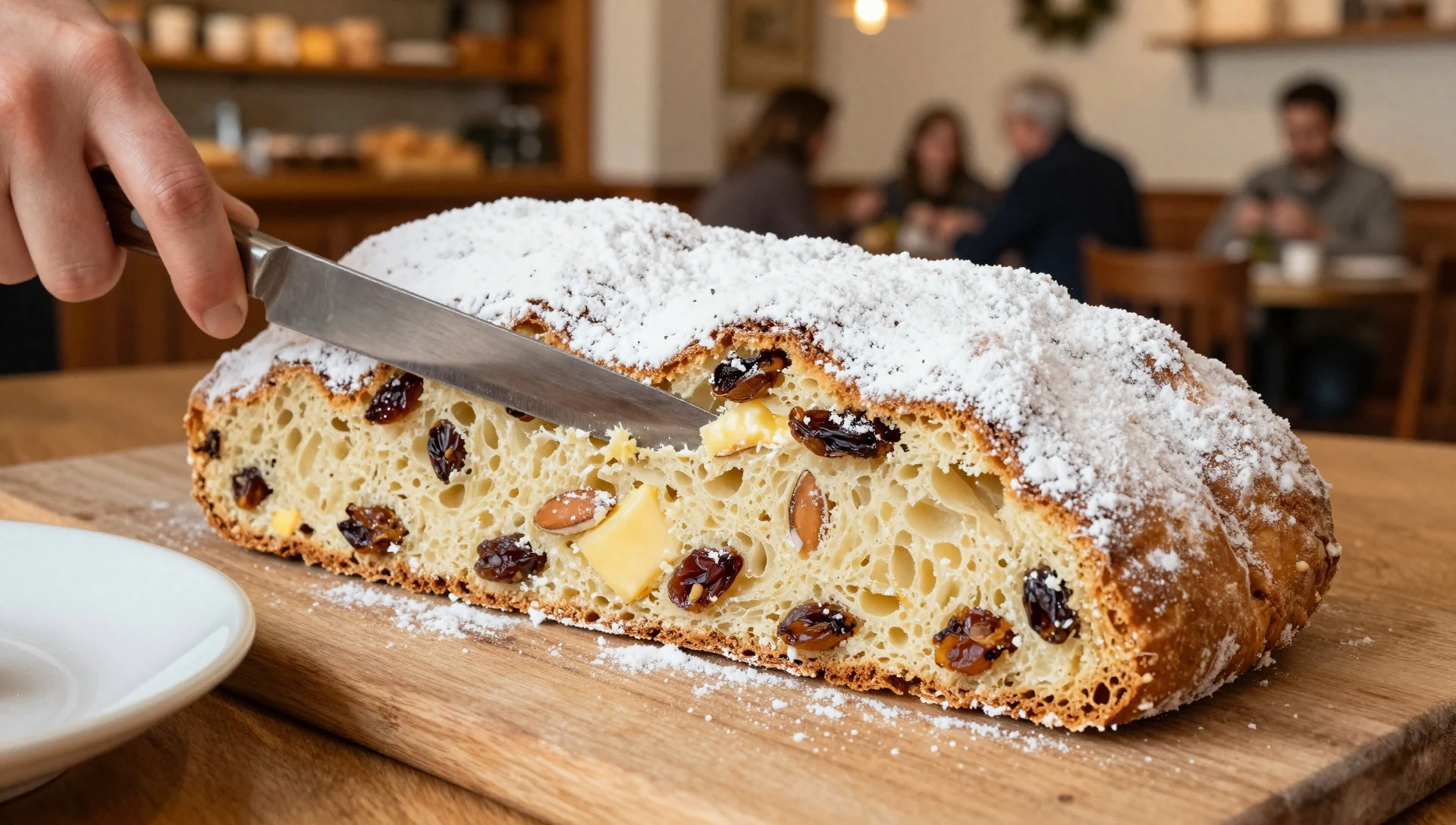
- Currywurst — Snack bars and kiosks near the Schloss and the old town
Sliced sausage under a spiced tomato sauce dusted with curry powder, usually served with chips. It is quick and filling after a morning in the galleries. Some stands also offer breaded cauliflower for those who skip meat.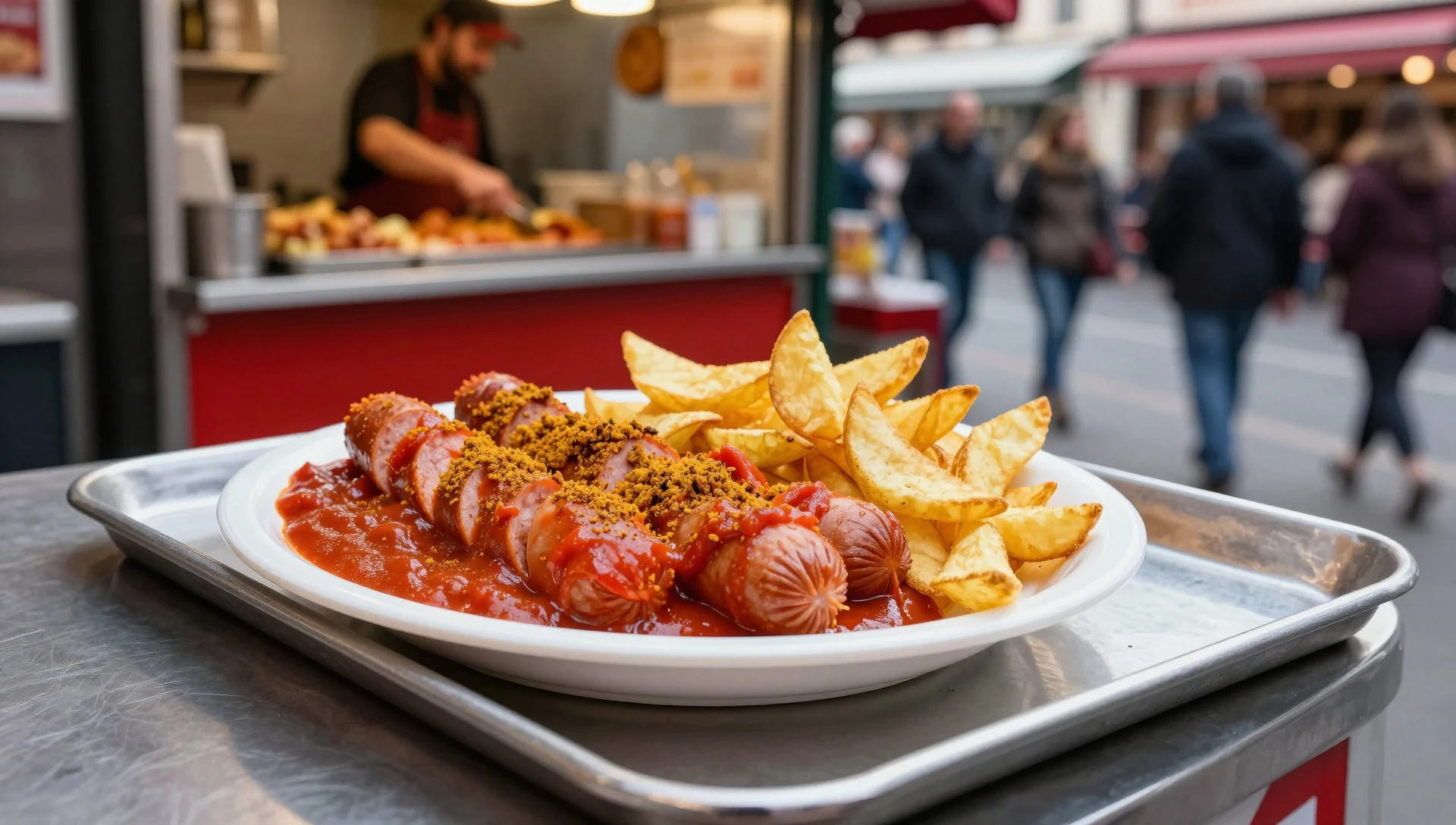
- Döner and dürüm — Takeaways in the Neustadt and around the centre
Grilled meat in flatbread with salad and sauce, or rolled up as a dürüm. It is the standard fast lunch in German cities, and the takeaways of the Neustadt and city centre do a brisk trade. Vegetarian versions are usually available. - Vietnamese pho — Soup and noodle bars south of the old town
A clear, aromatic noodle soup with herbs and lime, and a warming option on a cold Dresden day. Soup bars prepare it fresh to order, and portions are generous without being heavy. - Street-corner burger and beer — Neustadt street corners and corner shops
In the Neustadt the local habit is a burger eaten on a street corner with a bottle of beer from a Späti, a late-night corner shop much like an off-licence. It is informal and social, and a good way to see the district after dark.
Plan it
Best time. May–June and September–October for mild weather and long daylight; July and August can be hot and busy, and winter is cold and grey, though the old town is atmospheric when Stollen season arrives.
How long. 2–3
Getting there. Fly to Dresden Airport, then take the S-Bahn into the city; it runs to Neustadt and the main station, and the Zwinger is a short tram ride or walk from the centre. Leipzig/Halle Airport has more international routes and a direct rail link to Dresden main station, with a journey of well under two hours.
Budget. mid
Tips
- Check the official site (https://www.skd.museum/en/besuch/zwinger-mit-semperbau/) for tickets, opening days and what each ticket includes before you go.
- Visit the courtyard early in the morning or in the evening for fewer people and softer light.
- Cards are widely used, but carry a little cash for kiosks, bakeries and small snack bars.
- Wear shoes that cope with cobbles and carry a light rain jacket, as weather can turn in any season.
- Avoid Alaunpark at night.
Etiquette
- Do not climb on the fountains, walls or sculpture in the courtyard.
- Keep your voice low in the museums and follow signs about bags and photography.
- If a remembrance event is taking place, stand back quietly and do not photograph mourners.
Nearby
Sources
- Wikidata Q155107 (CC0)
- Wikipedia, Zwinger (Dresden) (CC BY-SA 4.0)
- Wikivoyage, Dresden (CC BY-SA 4.0)
- Photo: Zwinger in Dresden, Germany (Immanuel Giel) (CC BY 3.0)
- Photo: Zwinger, Dresden, Germany (Stephan Czuratis) (CC BY-SA 2.5)
- Photo: The Royal Prison and the St. Sophie Church, Dresden (Adam Cuerden, Detroit Publishing Co.) (Public domain)
- Photo: Zwinger Crown Gate (Dirgela) (Public domain)
- Drawing: Dresden 1521 city model (Public domain)
- Adolph Menzel, Atlases on the Wallpavillon of the Dresden Zwinger (CC0 1.0)
- Photo: Dresden, Zwinger, Wappen (Andreas Praefcke) (Public domain)
- Photo: Zwinger, ruin of the Wallpavillon (Richard Peter, Deutsche Fotothek) (CC BY-SA 3.0 de)


