Zürich
Zürich, Switzerland
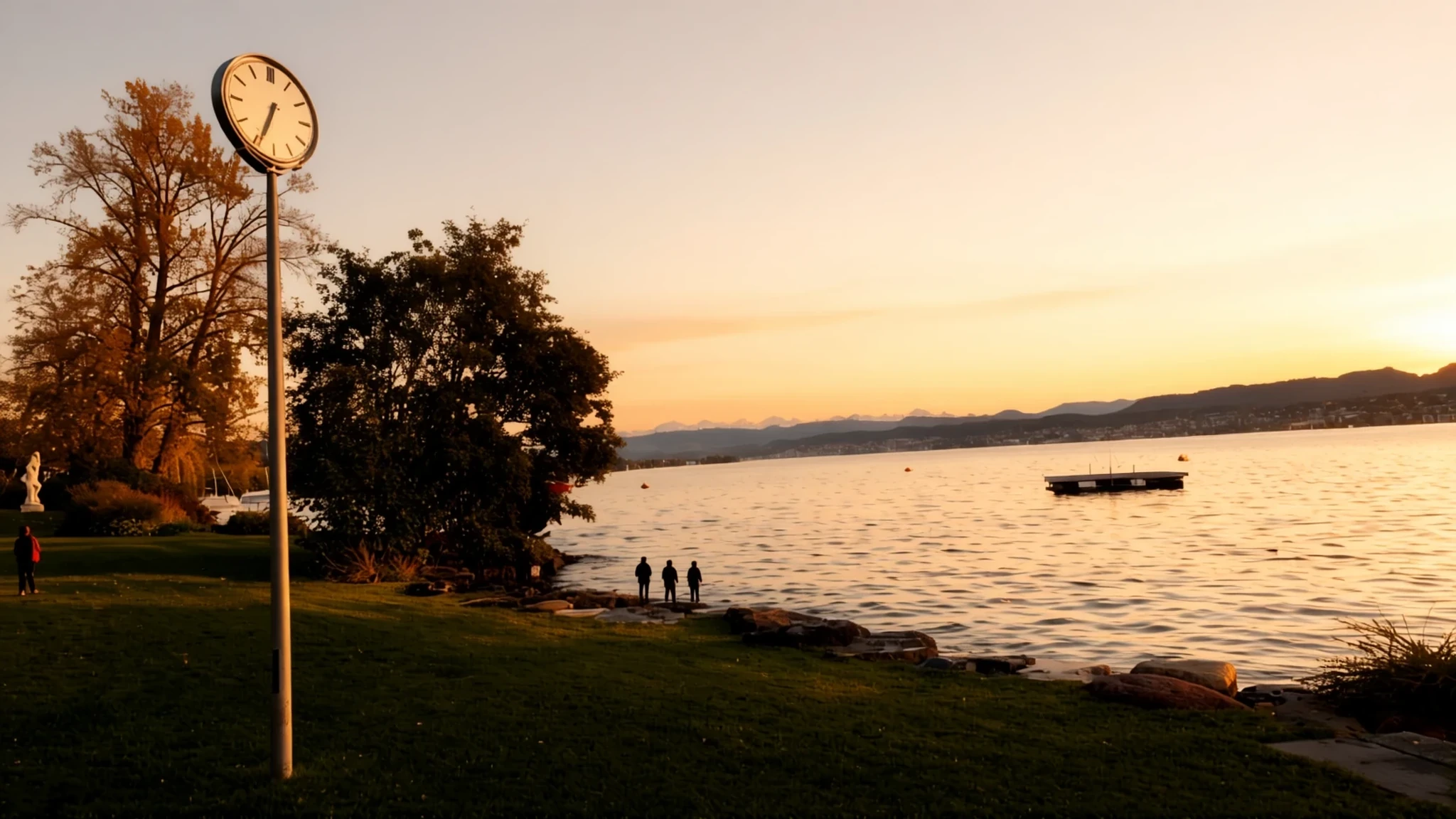
Experience a seamless blend of lakeside serenity, high-end shopping, and efficient Swiss urbanism in one of Europe's cleanest cities.
The place
Zürich is a city of polished surfaces and deep waters, situated where the Limmat river flows out of Lake Zürich. While Bern holds the title of capital, Zürich is the undisputed economic and cultural engine of German-speaking Switzerland. It is a place where the pace of life is governed by the meticulous precision of the Swiss railway network, yet it maintains a surprisingly relaxed atmosphere along its waterfronts. The city manages a tricky balance; it is globally known for its banking sector and luxury retail, but it also possesses a gritty, cosmopolitan edge in neighbourhoods like Langstrasse.
Visitors often find the cost of living striking, but this is offset by an infrastructure that works exactly as promised. The streets are spotless, the public transport is punctual to the second, and the air is fresh. Because it hosts major international bodies like FIFA and the world-renowned ETH technical university, the city is far more multilingual than a typical Swiss town. You will hear a symphony of English, Spanish, and French mingling with the local Swiss German. Whether you are exploring the medieval alleys of the Altstadt or the modern waterfront, there is a sense of quiet confidence here—a city that knows its value and keeps its house in perfect order.
Its story
The story of Zürich is one of transformation from a Roman outpost to a global financial hub. Long before the skyscrapers of the banking district, the city was shaped by the currents of the Limmat and the strategic advantage of the Lindenhof hill. For centuries, it served as a crossroads for trade and a bastion of regional power. The city's identity was fundamentally reshaped during the Reformation, led by Huldrych Zwingli, who turned Zürich into a centre of Protestant thought, stripping away the ornate excesses of the church in favour of a stern, focused spirituality that still echoes in the architecture of the Grossmünster.
In the modern era, the city evolved into a sanctuary for global capital, aided by Switzerland's long-standing neutrality. This neutrality didn't just bring banks; it brought a culture of discretion and stability. However, the 20th century also saw the rise of its academic prestige, with ETH Zürich producing a lineage of Nobel laureates and pushing the boundaries of science. This intellectual curiosity prevents the city from becoming a mere museum of wealth. Today, the narrative of Zürich is no longer just about Swiss gold and watches, but about a diverse, international population that has turned a provincial lakeside town into a cosmopolitan crossroads.
What to see
- Bahnhofstrasse
One of the world's most famous shopping thoroughfares, stretching from the main station to the lake. It is a high-end experience defined by luxury boutiques and prestigious banks, representing the peak of Zürich's commercial refinement.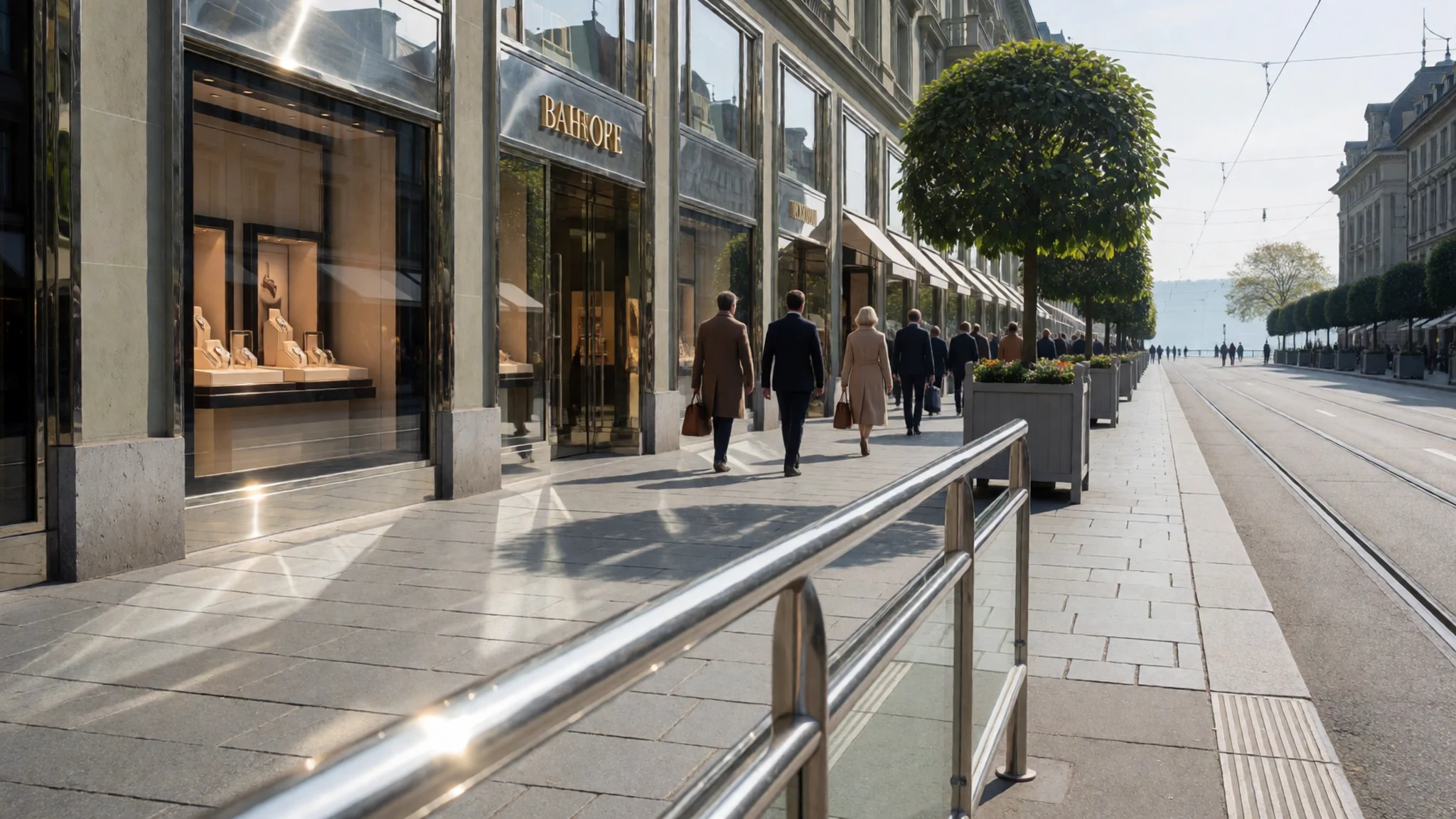
- Lindenhof
A peaceful hill in the old town that once housed a Roman fort. It offers an elevated vantage point for viewing the city's rooftops and the winding Limmat river below, providing a quiet escape from the bustle.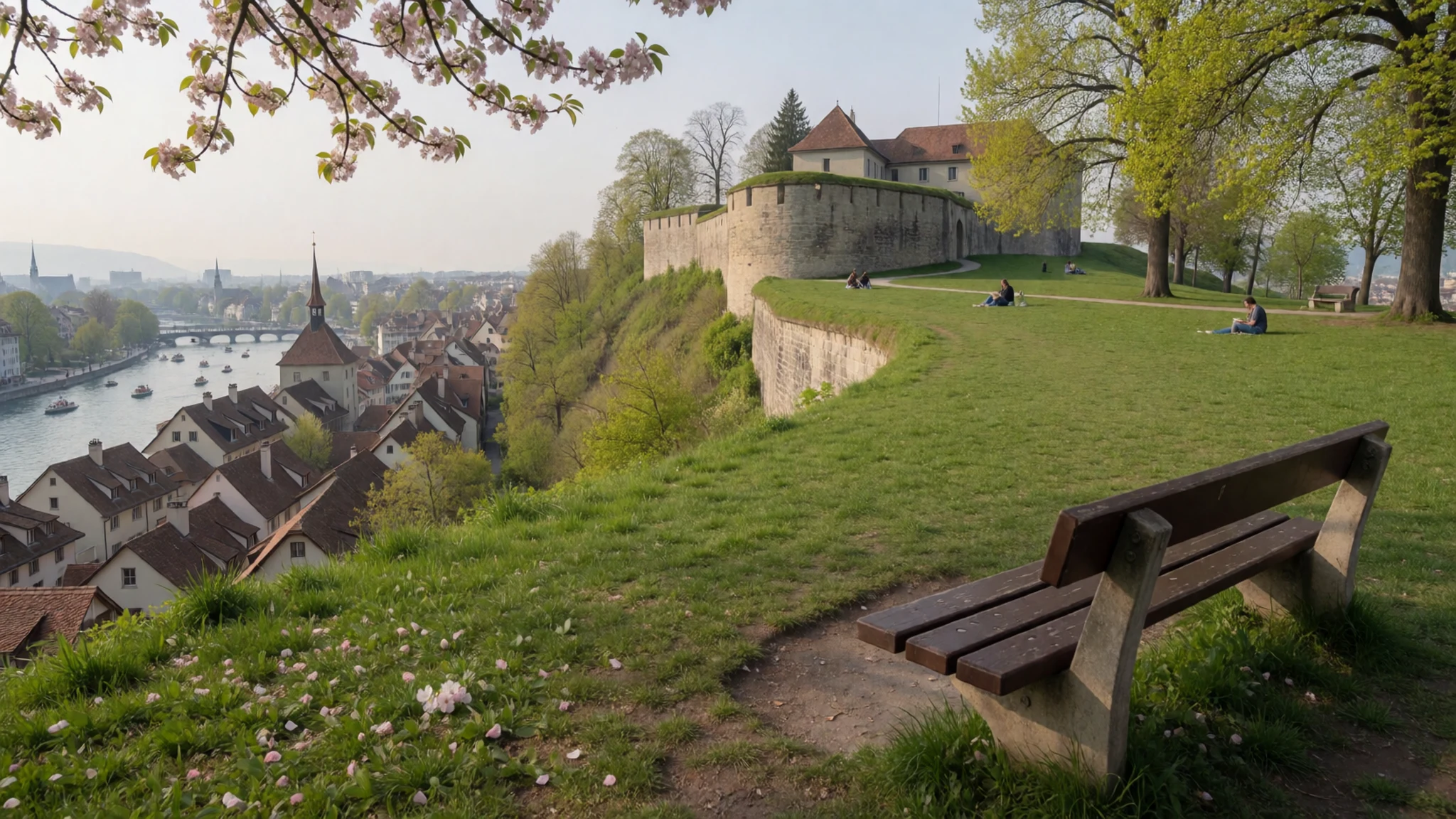
- Lake Promenade
A scenic boardwalk starting from Bellevue and stretching towards Tiefenbrunnen. In the summer months, this area becomes the city's living room, where locals and visitors gather to enjoy the Alpine vistas and the cool lake breeze.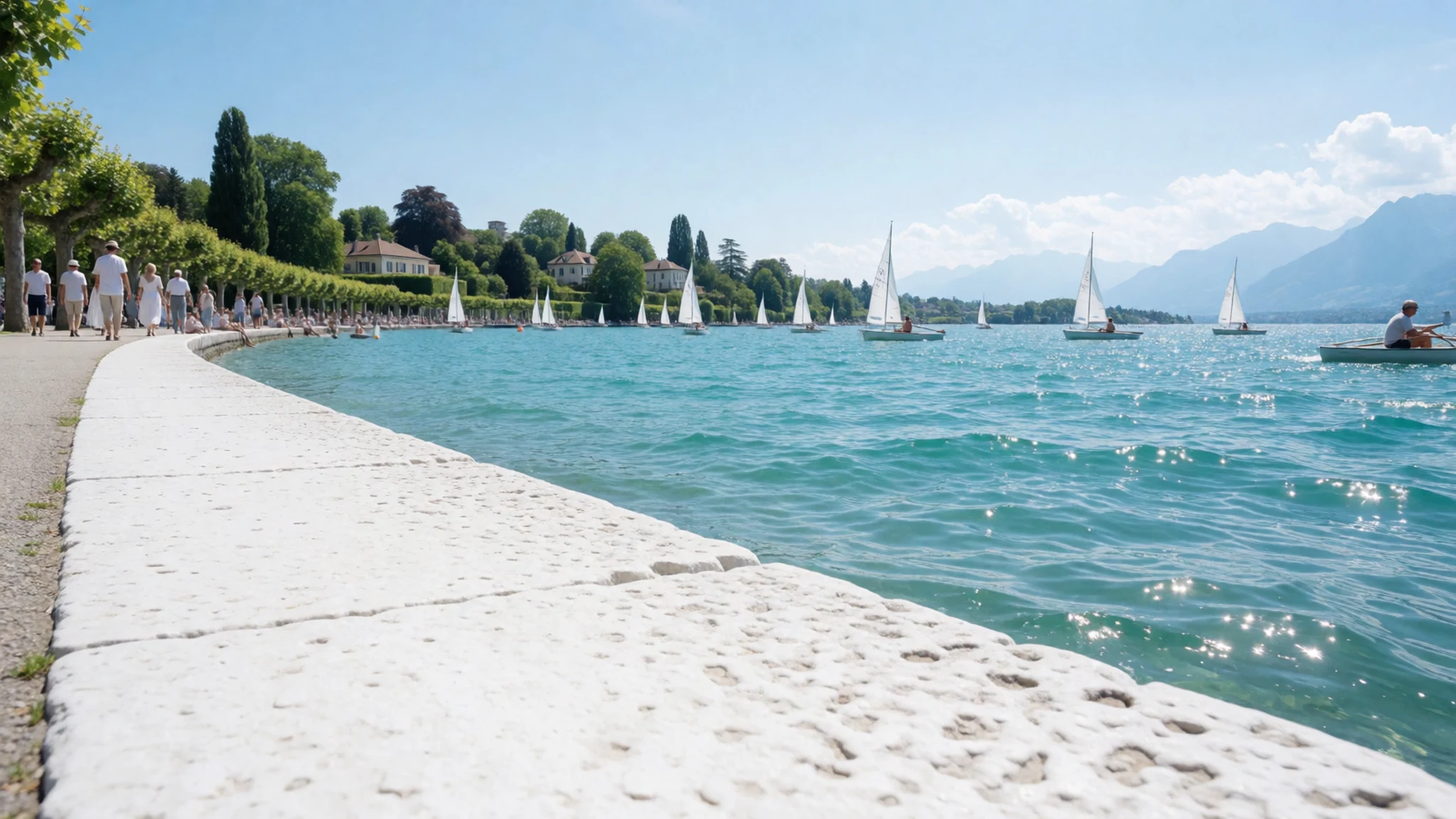
- Grossmünster
The iconic twin-towered Romanesque church that symbolises the city's Reformation history. Visitors can climb the steep stairs of the tower for a panoramic view of the urban landscape and the lake beyond.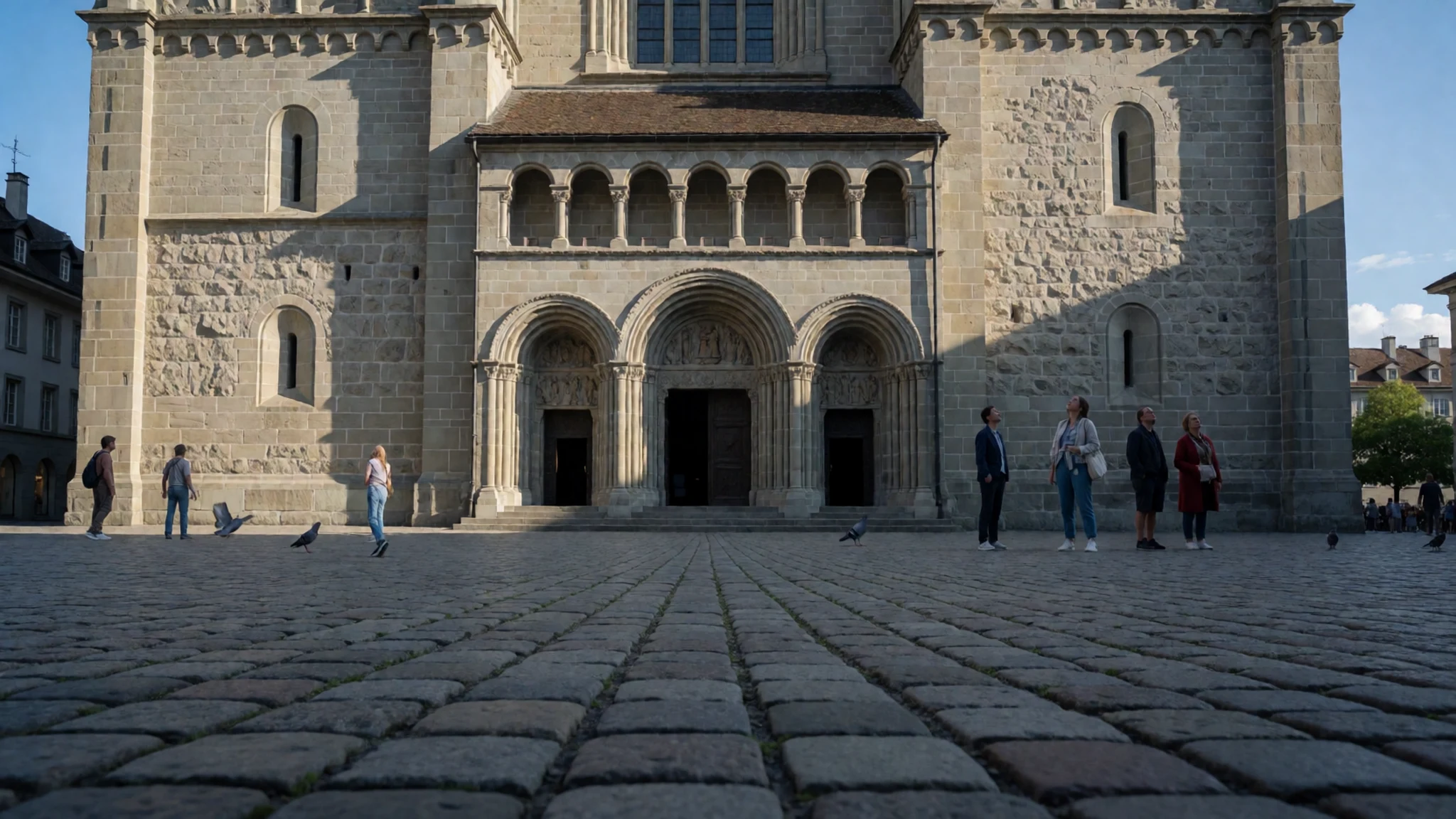
- Fraumünster
A Gothic church and former convent famous for its stunning stained-glass windows created by Marc Chagall. The interior is a space of vivid colour and quiet contemplation, though photography is strictly forbidden.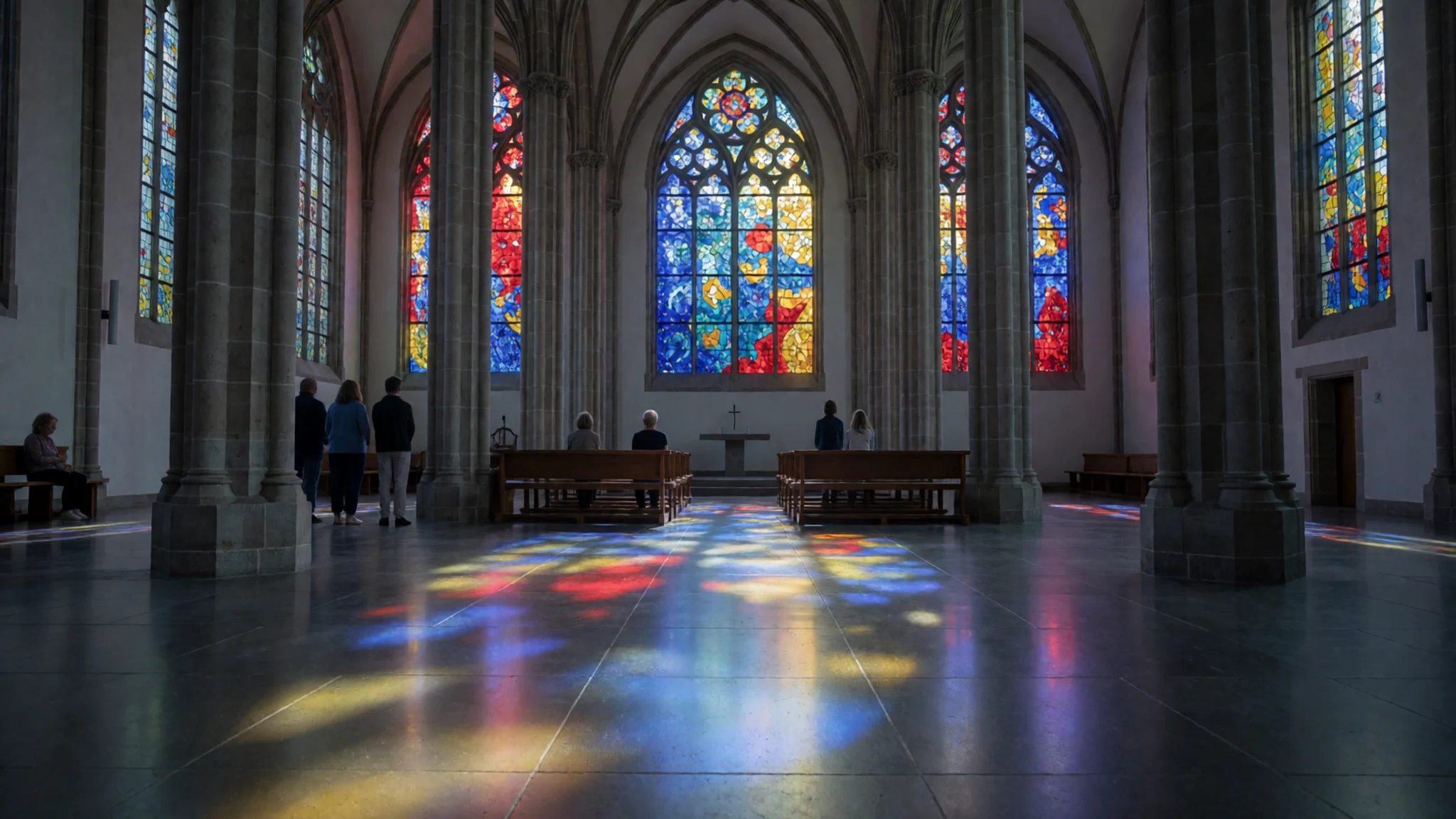
- Schanzengraben
A tranquil canal that follows the path of the city's former fortifications. It creates a green corridor between the Limmat and Sihl rivers, offering a hidden, atmospheric walk away from the main tourist crowds.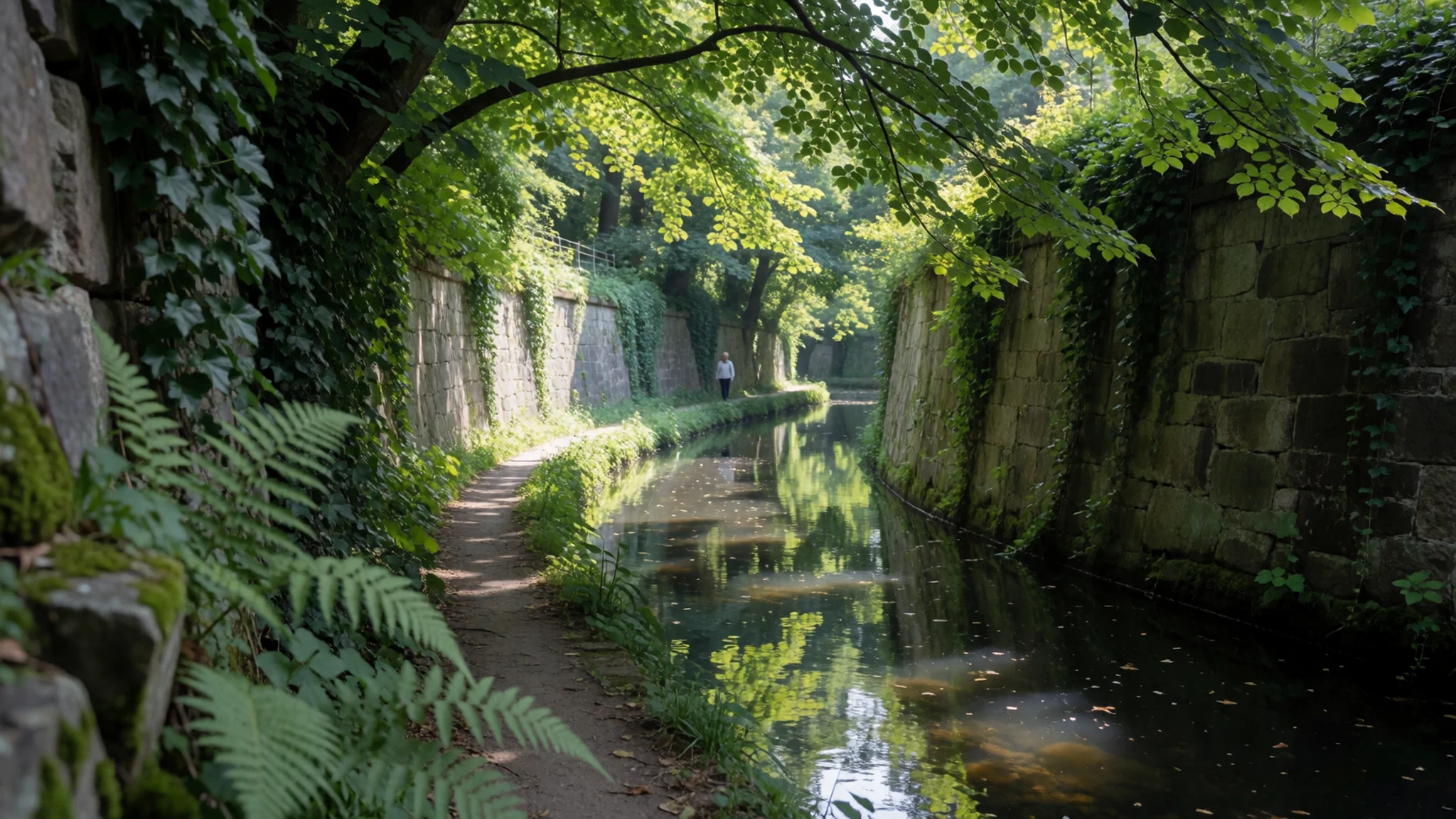
Culture
Zürich's culture is a study in contrasts: the public face is one of extreme order, punctuality, and reserve, while the private side is warm and deeply community-oriented. There is a strong emphasis on 'quality over quantity,' which applies to everything from the craftsmanship of a watch to the design of a public bench. The city is deeply respectful of its heritage, yet it embraces a modern, cosmopolitan identity, evidenced by the vibrant arts scene and the multiculturalism of districts like Wipkingen. Punctuality is not just a habit here; it is a social contract. Arriving five minutes late to a meeting is often seen as a genuine lapse in etiquette. While the locals may seem distant at first, they are typically helpful and proud of their city's efficiency and cleanliness. You will notice a quiet adherence to rules, from the way people queue to the strictness of waste separation.
Avoid speaking too loudly on public transport, as the Swiss value a quiet and respectful shared environment.
What to wear
Traditional Swiss dress is rarely seen in the city centre of Zürich, though during regional festivals, you might spot the 'Tracht'—sturdy woollen costumes with embroidered vests and aprons designed for alpine life. In the modern day, the 'Zürich look' is a blend of understated luxury and practical minimalism. You will see many residents wearing high-quality fabrics—cashmere, fine wool, and leather—in a neutral palette of navy, grey, and black. This 'quiet luxury' reflects the city's wealth without being ostentatious.
For visitors, dressing in layers is essential. The weather can shift rapidly, especially near the lake. Sturdy, comfortable walking shoes are a must for the cobblestone streets of the Altstadt. While Zürich is not a conservative city in terms of modesty, a smart-casual approach is best for restaurants and museums. In winter, a heavy, windproof coat is necessary for the damp chill, and a waterproof jacket is recommended for the unpredictable spring and autumn rains.
What to eat
- Zürcher Geschnetzeltes — Traditional Swiss restaurants in the Altstadt
Thinly sliced veal cooked in a rich cream and white wine sauce, typically served with a crispy potato rösti. It is the signature dish of the city.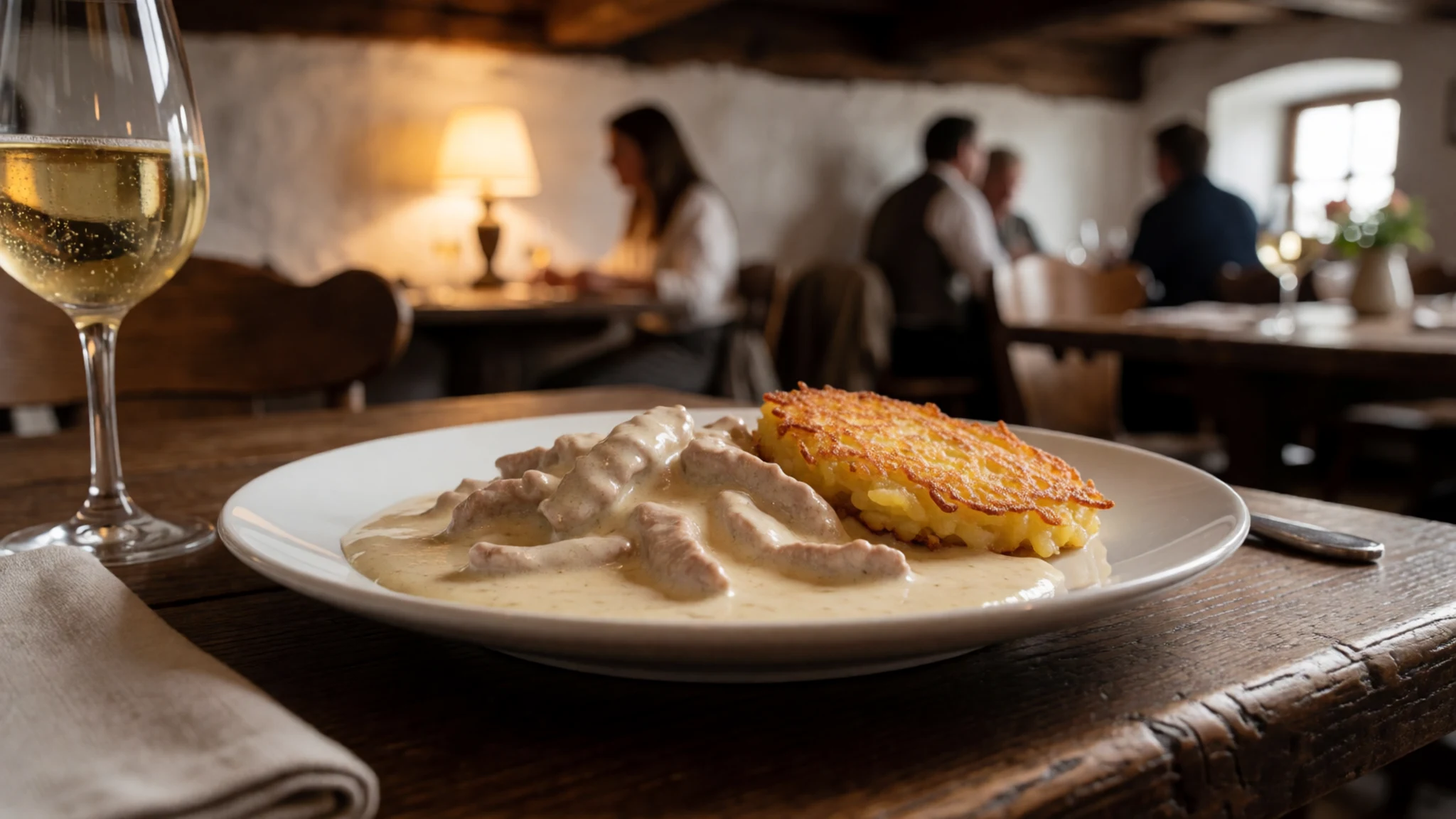
- Grilled Wurst — Street food stands near Bellevue
Various types of Swiss sausages, including the classic red or white varieties, often served with a piece of crusty bread and hot mustard.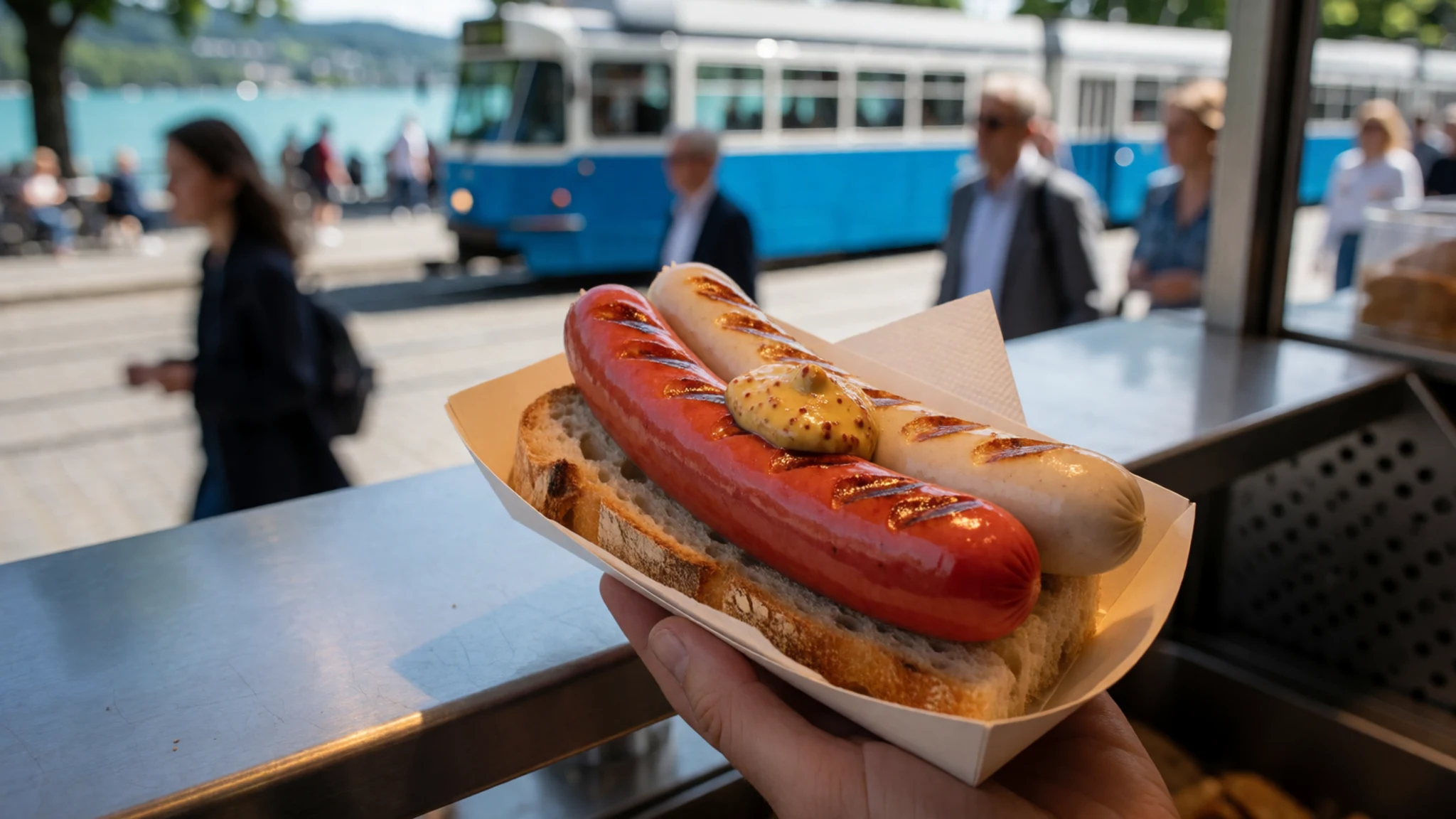
- Kebab — Eateries around the city centre
Freshly prepared meat with vegetables and sauces in a wrap, reflecting the city's strong Turkish influence and diverse culinary landscape. - Thai Curry — Pubs and eateries in the Langstrasse area
Fragrant, spicy coconut-based curries that offer a budget-friendly and flavourful alternative to the heavier local fare. - Cordon Bleu — Boisterous beer halls near the station
A breaded meat fillet stuffed with ham and melted cheese, often served in oversized portions for those with a hearty appetite.
Plan it
Best time. May to June for pleasant temperatures and blooming lakeside gardens, or September to October for crisp autumn air and foliage.
How long. 2–3
Getting there. Fly into Zürich Airport (ZRH), then take the train to Zürich HB (the main station), which takes about 10 minutes.
Budget. high
Tips
- Use the efficient tram network to get around the city quickly
- Carry a reusable water bottle; the city's fountains provide high-quality drinking water
- Be mindful of pickpockets around the main train station
- Check official websites for museum hours and bookings
- Expect high prices for dining and accommodation
Etiquette
- Be strictly punctual for all appointments
- Keep noise levels low on trains and trams
- Avoid tipping excessively; a small round-up is sufficient
Nearby
Sources
- Wikidata Q678030 (CC0)
- Wikipedia (CC BY-SA 4.0)
- Wikivoyage (CC BY-SA 4.0)