Yinxu
Yinxu, People's Republic of China
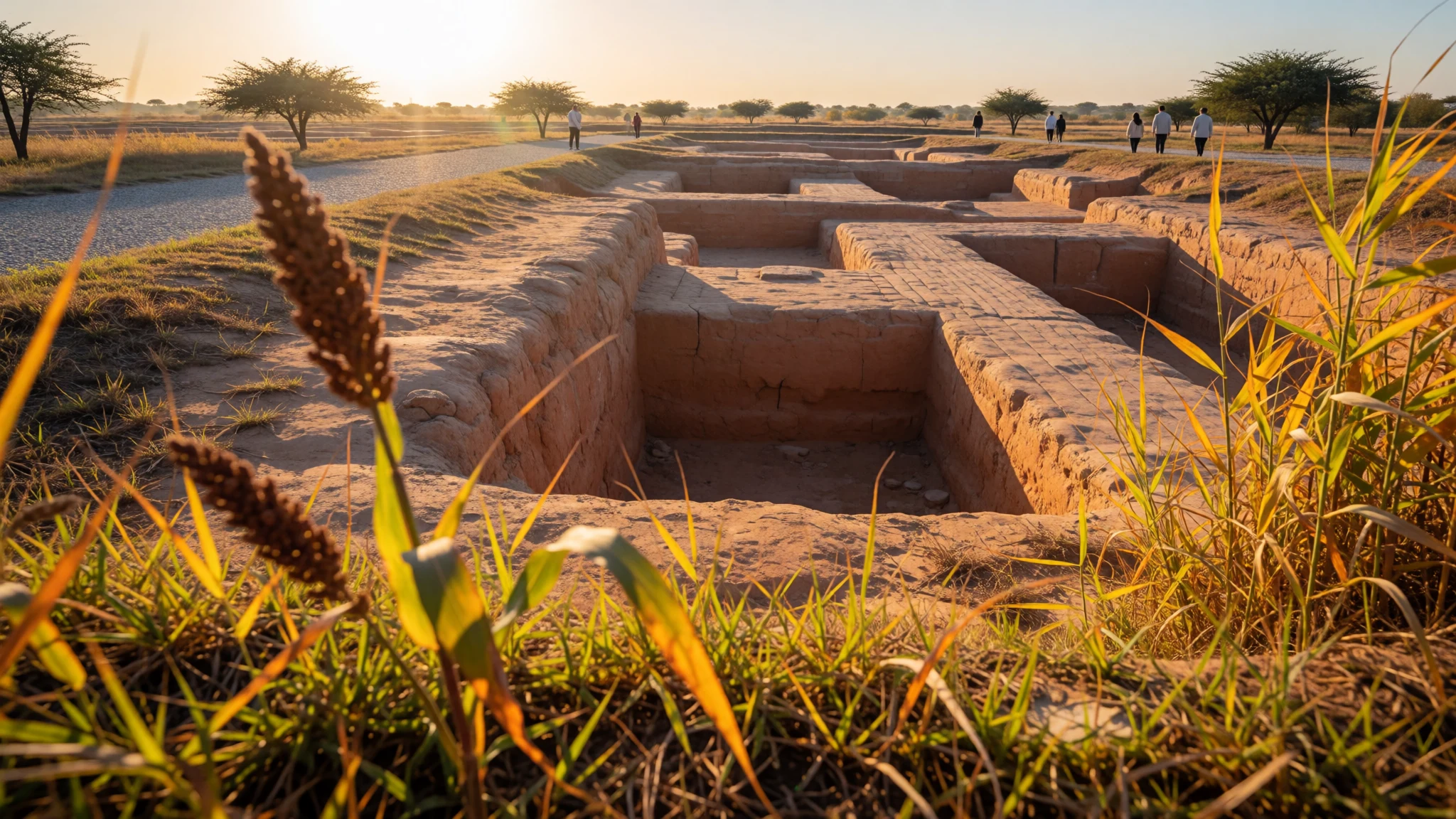
Yinxu is where China’s Shang past comes alive—excavated remains linked to oracle bones and some of the earliest writing.
The place
Yinxu (殷墟), literally the “Ruins of Yin”, sits just outside modern Anyang in Henan. It’s the archaeological site associated with Yin, the last capital of China’s Shang dynasty, and it’s one of those places where the landscape does a lot of the storytelling: flat fields around the city, then fences and paths leading into open-air remnants and museum buildings.
What stands out is the way Yinxu connects history, writing, and everyday evidence. Alongside other finds, the site is especially known for oracle bone discoveries. These were used for divination, and the markings associated with that practice are part of the earliest known Chinese writing record. Even if history pages feel abstract, walking through the museum galleries and looking at the archaeological context makes the timeline feel tangible.
Yinxu is also UNESCO-listed, so expect a proper visitor set-up rather than a rough dig. The experience is generally calmer than big megacity sights, but it still attracts school groups and archaeology-lovers, particularly on weekends and holidays. The practical side is straightforward: bring a layer for indoor galleries (museums can be cooler than the street), and plan for walking between different zones on the grounds.
Seasonally, April and September are the most comfortable choices by temperature, while October is still relatively mild; winters are cold, and summers are hot and rainy. Summer in northern Henan can feel long and hot, so pacing matters—taking museum breaks helps. Once you’re there, the real magic is how much of “the past” is literally underfoot, with exhibits ready to translate what excavation has uncovered.
Its story
Yinxu matters because it changed the tone of early Chinese history. Before the major excavations, the standard historical story was largely anchored in later records. Oracle bone inscriptions and related finds from Yinxu provided archaeological weight to the existence of the Shang, making it possible to test and refine traditional accounts.
The rediscovery is the kind of detail that feels almost accidental: oracle bones were being sold nearby, and that trail led to systematic investigation and decades of excavation and study. From there, Yinxu became a key reference point for understanding the Late Shang period and what life (and belief) looked like for the people behind those records.
In the story of the site, “evidence” has many forms. The oracle bone material is the headline, but bronze and jade objects connect Yinxu to wider craft traditions and burial customs. Archaeology here isn’t only about single artefacts in cases; it’s about patterns—how workshops might have operated, how motifs show up on bronzeware, and how large objects could be produced with careful processes.
Over time, the site shifted from rediscovered ruins to a structured place of learning. That’s why visiting can feel like moving between layers: the outdoor remnants that hint at where things happened, and the galleries that help decode what those discoveries mean. Yinxu doesn’t just tell a legend; it shows how modern archaeology built a clearer picture of Shang culture and early writing, one find at a time.
What to see
- Yin Ruins (殷墟 / Yinxu) — Yinxu site grounds, near Anyang
Yin Ruins is the core archaeological area tied to the Shang capital tradition, with museum-linked spaces and ground-level remains that show the site’s preserved footprint. It’s the best place to start if you want context before reading objects in glass.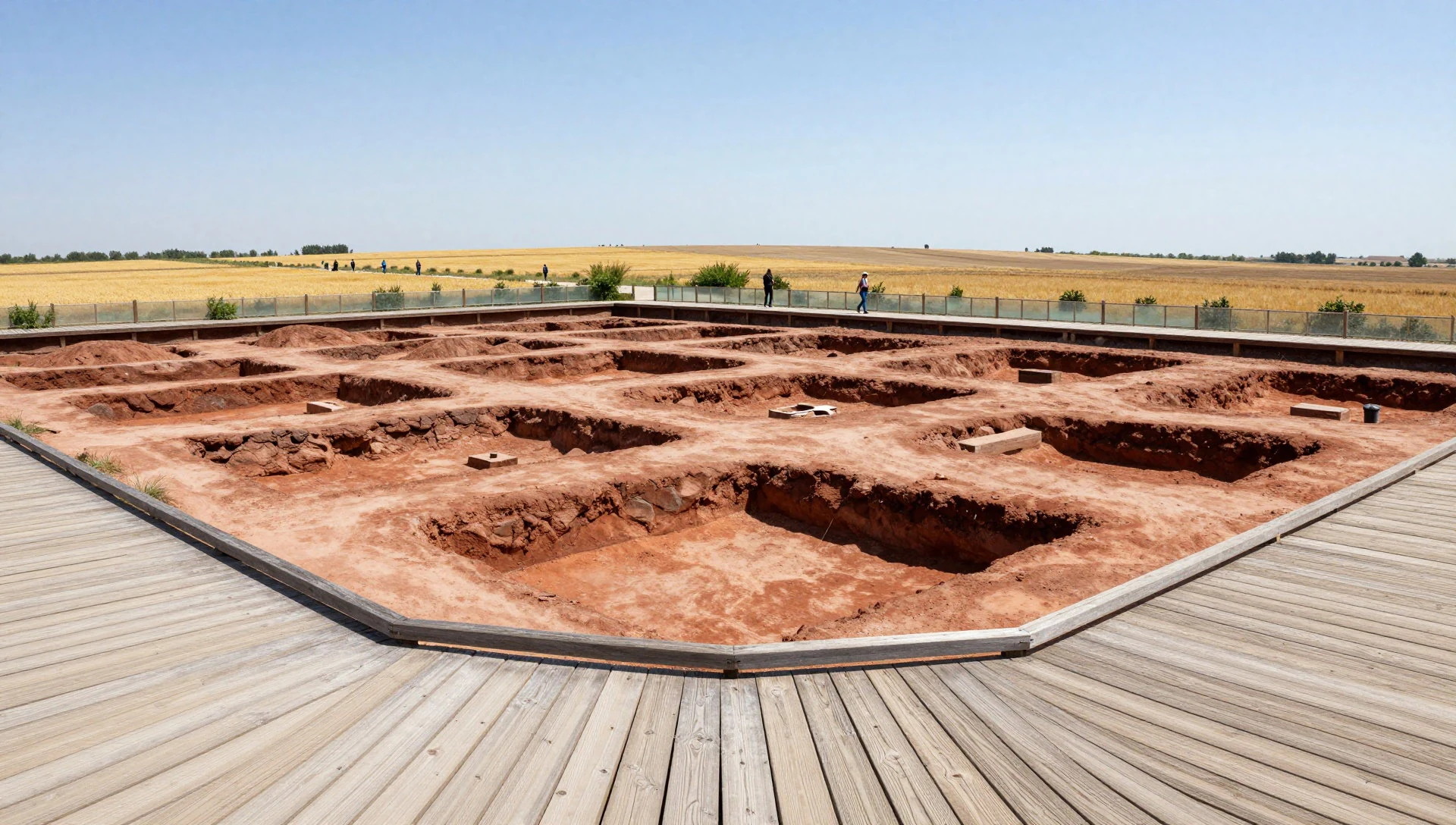
- Yinxu Museum (殷墟博物馆新馆) — Yinxu museum area, on the site
The museum building brings the digs indoors—useful when it’s hot, windy, or raining. Expect exhibits that connect oracle bone discoveries with broader Shang material culture, so you can match what you see on-site to what’s displayed.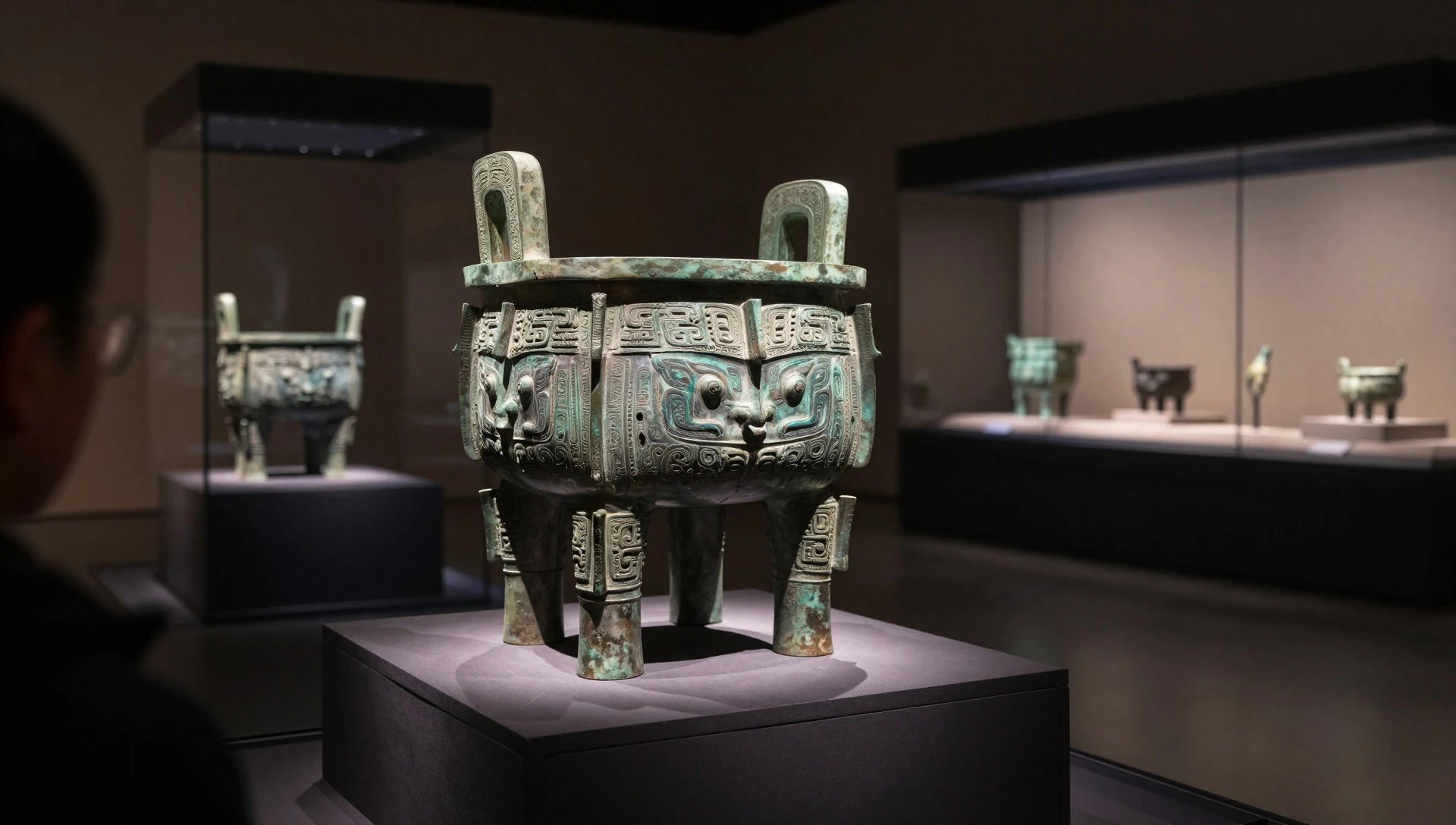
- National Museum of Chinese Writing — Anyang city
This modern museum frames early Chinese writing as a story across time. It’s a strong follow-on for anyone coming to Yinxu specifically for oracle bones, because it helps you place the discoveries into a bigger writing tradition.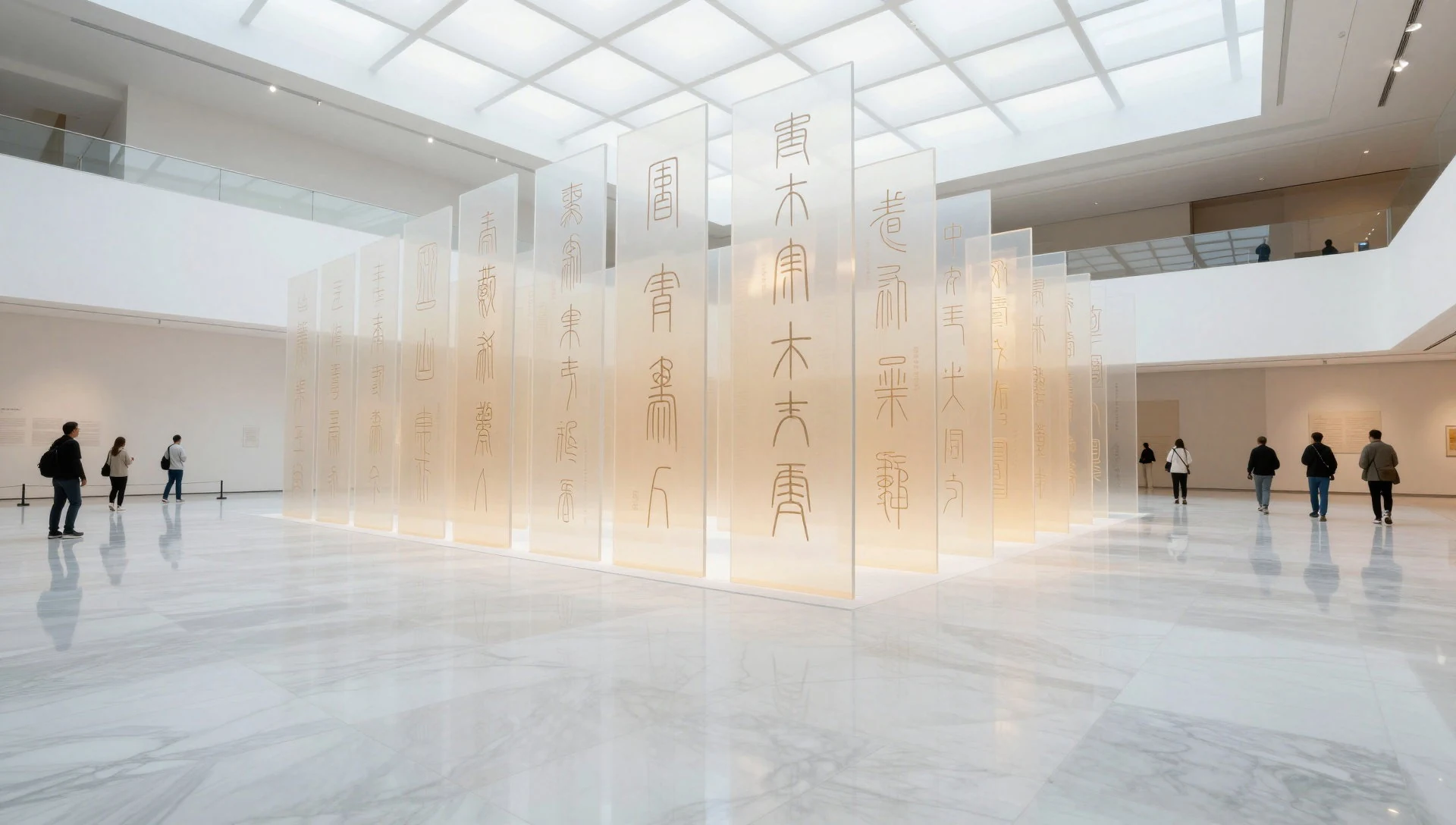
- Anyang Museum — Anyang city
Anyang Museum focuses on regional collections and exhibitions tied to archaeology and local heritage. If Yinxu sparks curiosity, this is a good angle to broaden the surrounding story of the area’s history and collected finds.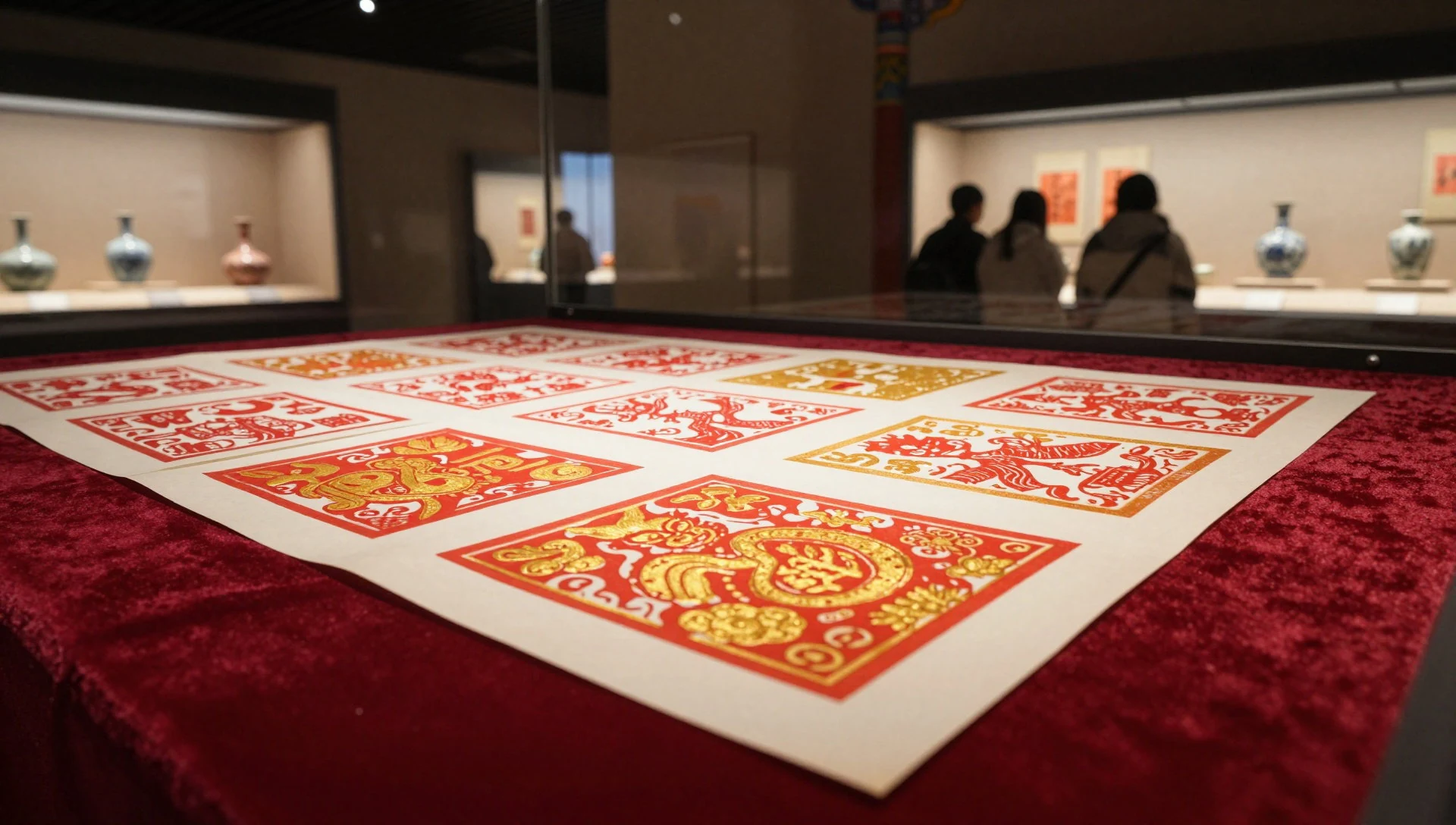
Culture
Yinxu is a museum-and-archaeology day, so culture here is mostly about how people behave in learning spaces. In practice, you’ll see a mix of independent travellers and group visits, including school parties that tend to move as a unit. Quiet matters in indoor halls, particularly near display cases and interactive exhibits.
Dress is fairly relaxed, but basic modesty is appreciated: think breathable tops and trousers/skirts that let you walk comfortably on uneven ground around the site. Carrying a bottle of water helps, especially when you spend time outdoors before going back into air-conditioned galleries.
Photography is usually allowed in museums, yet the etiquette is about restraint—avoid blocking others while framing shots, and follow any “no flash” instructions. If you notice staff guiding groups through sensitive viewing points, it’s worth slowing down and matching their pace rather than trying to squeeze past.
The most important “culture” habit at Yinxu is patience: archaeological places reveal meaning slowly. Give time for reading labels, and don’t rush the jump between outdoor remains and the museum interpretation that explains what you’re looking at. A calm visit turns the site from a scan of exhibits into a coherent story of Shang life and early writing.
Visitor etiquette: keep voices low inside galleries, avoid blocking pathways for photos, and pause at marked stops instead of stepping into restricted areas.
What to wear
Yinxu doesn’t require formal attire, but it’s still a good day to dress for walking and for respectful museum behaviour. Traditional Shang-style dress isn’t what you’ll see on-site, of course; the “dress code” is modern practicality.
What people wear now: most visitors dress for Henan’s seasons—light layers in warmer months, and warmer tops for cooler periods. You’ll often see comfortable trousers, T-shirts or lightweight shirts, and trainers or walking shoes.
A visitor-friendly approach: wear breathable clothes with long sleeves or a sun layer if the day is bright, and choose footwear with grip for museum floors and any outdoor paths. Bring a small layer for museums if you’re sensitive to cold air-conditioning. If you plan to visit additional temples or cultural spots around Anyang, keep things modest (cover shoulders and avoid very short hemlines), because those places can be stricter than museums.
For a comfortable look that works everywhere: neutral colours, closed-toe shoes, and a light jacket that you can store in a bag when you move between indoor and outdoor areas.
What to eat
- Anyang roast chicken (Huabaogang Daokou roast chicken) — Local eateries around Anyang
A local comfort-food choice: roast chicken seasoned with a proprietary spice blend. It’s the kind of dish that suits a midday break after walking the site, when something filling but straightforward is welcome.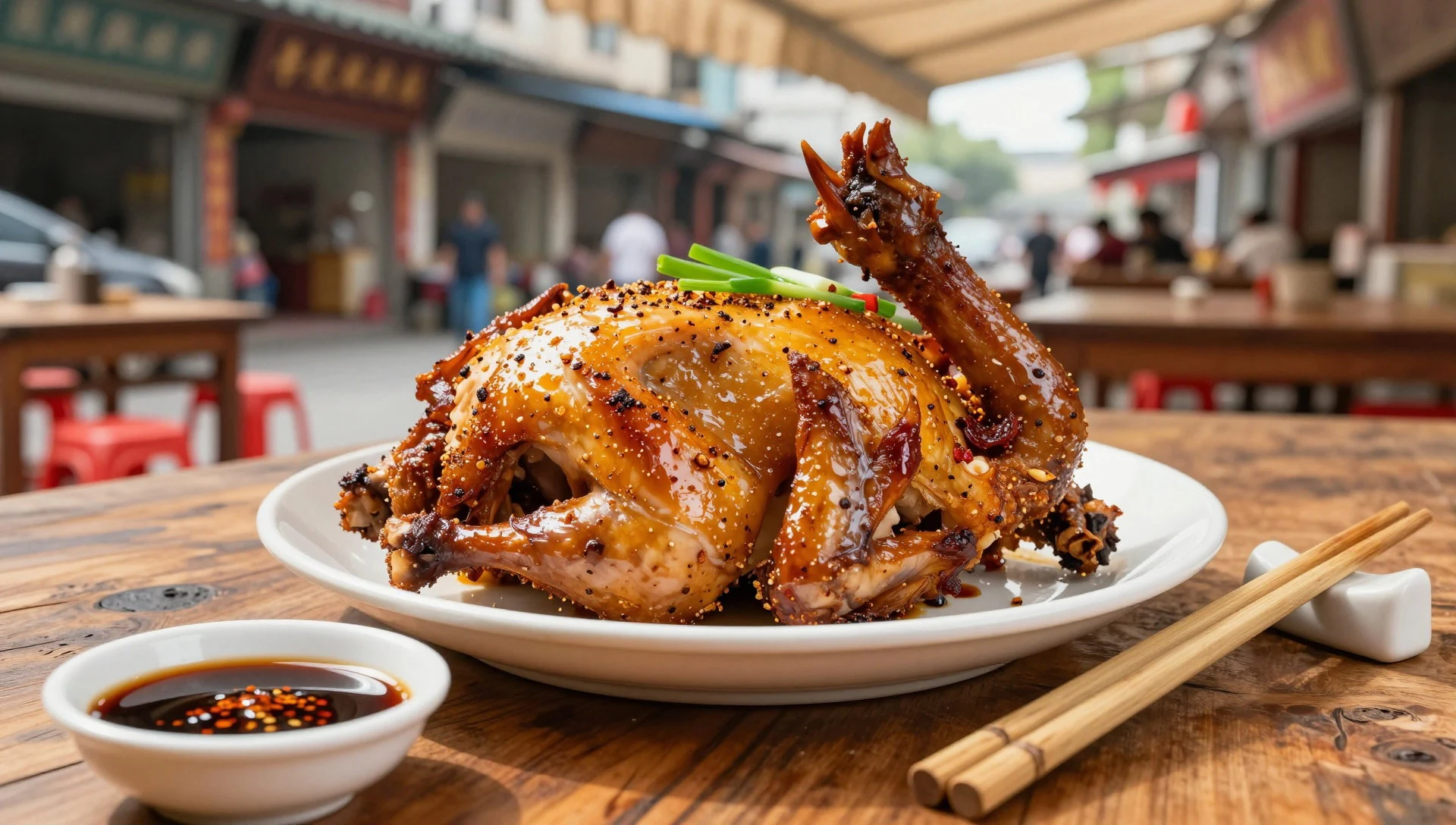
- Sunderry-style local specials (The Sunderry Restaurant Main Store) — Anyang
For a broader taste of regional dishes without overthinking menus, this is a practical “cover most bases” option. It’s the sort of place people choose when they want familiar local flavours in one sitting.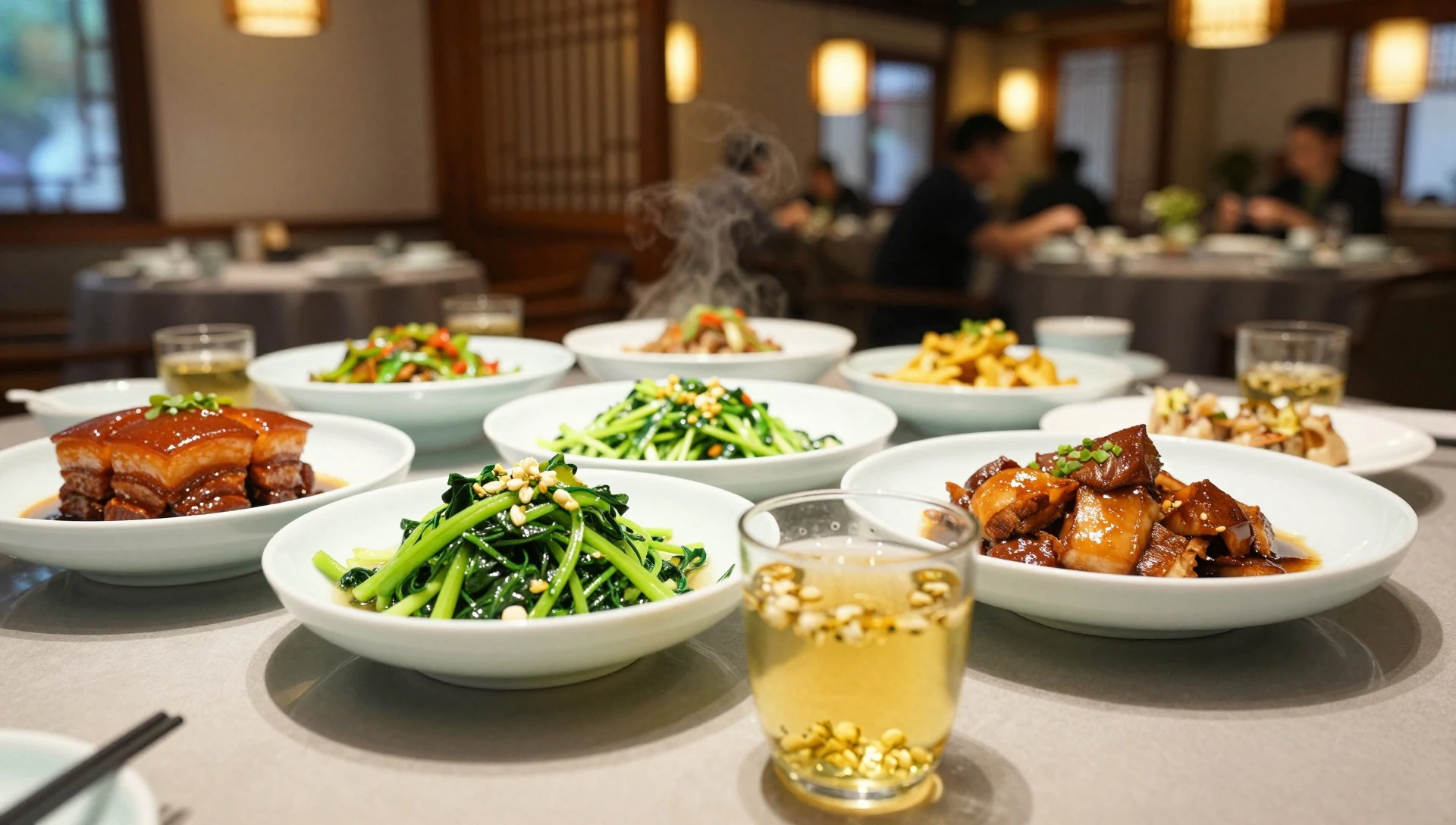
- Jiao (a bar on Cangxiang Street) — Cangxiang Street, Anyang
If the day runs late, Jiao is a bar stop with a cocktail list and an atmosphere that feels like a slower, evening version of the city. Order a drink and snack-style items rather than expecting a traditional meal focus. - Chinese retro tea house desserts (ZhongGu Tea House) — Anyang
A tea-house break with cakes and a retro-style interior—good when you want something calmer than a meal. It’s a nice reset after museums, especially for a late afternoon pause. - Coffee and cake stop (PUNCH Coffee) — Anyang
A two-level triangular coffee shop known for attractive drink presentation and soft cakes. Ideal for recharging with something sweet, and it works well as a pre-museum or post-museum pit stop.
Plan it
Best time. April–May for spring walking (warmest of spring) and September for early-autumn comfort (milder temperatures and less rain than midsummer); these periods are the easiest for mixing outdoor remains with indoor galleries.
How long. 2–3
Getting there. Fly into Zhengzhou airport, then use the direct bus to Anyang; from there, local transport or taxis get you to Yinxu. High-speed rail routes pass through on the Beijing to Zhengzhou corridor, and Anyang also has two train stations.
Budget. mid
Tips
- Start with the museum side first so oracle bone displays make more sense when you move outdoors
- Allow time for reading labels—Yinxu’s value is in how evidence connects
- Aim for an earlier start to avoid the busiest group-arrival waves
- Carry water and a light layer for temperature shifts between outdoors and museum halls
- Keep some cash on hand for smaller purchases around Anyang
Etiquette
- Follow any “no flash” or restricted-area signs in museums and around digs
- Move aside when taking photos so group tours can pass smoothly
- Stay on marked paths near archaeological sections
Nearby
Sources
- Wikidata Q464904 (CC0)
- Wikipedia (rev 1381922689) (CC BY-SA 4.0)
- Wikivoyage (rev 5424215) (CC BY-SA 4.0)
- photos/02-exterior-yinxu-museum-20241002-b.jpg (CC BY-SA 4.0)
- photos/03-yinxu-5066622415.jpg (CC BY-SA 2.0)
- photos/04-shang-dynasty-inscribed-scapula.jpg (CC BY 3.0)


