Yerevan
Yerevan, Armenia
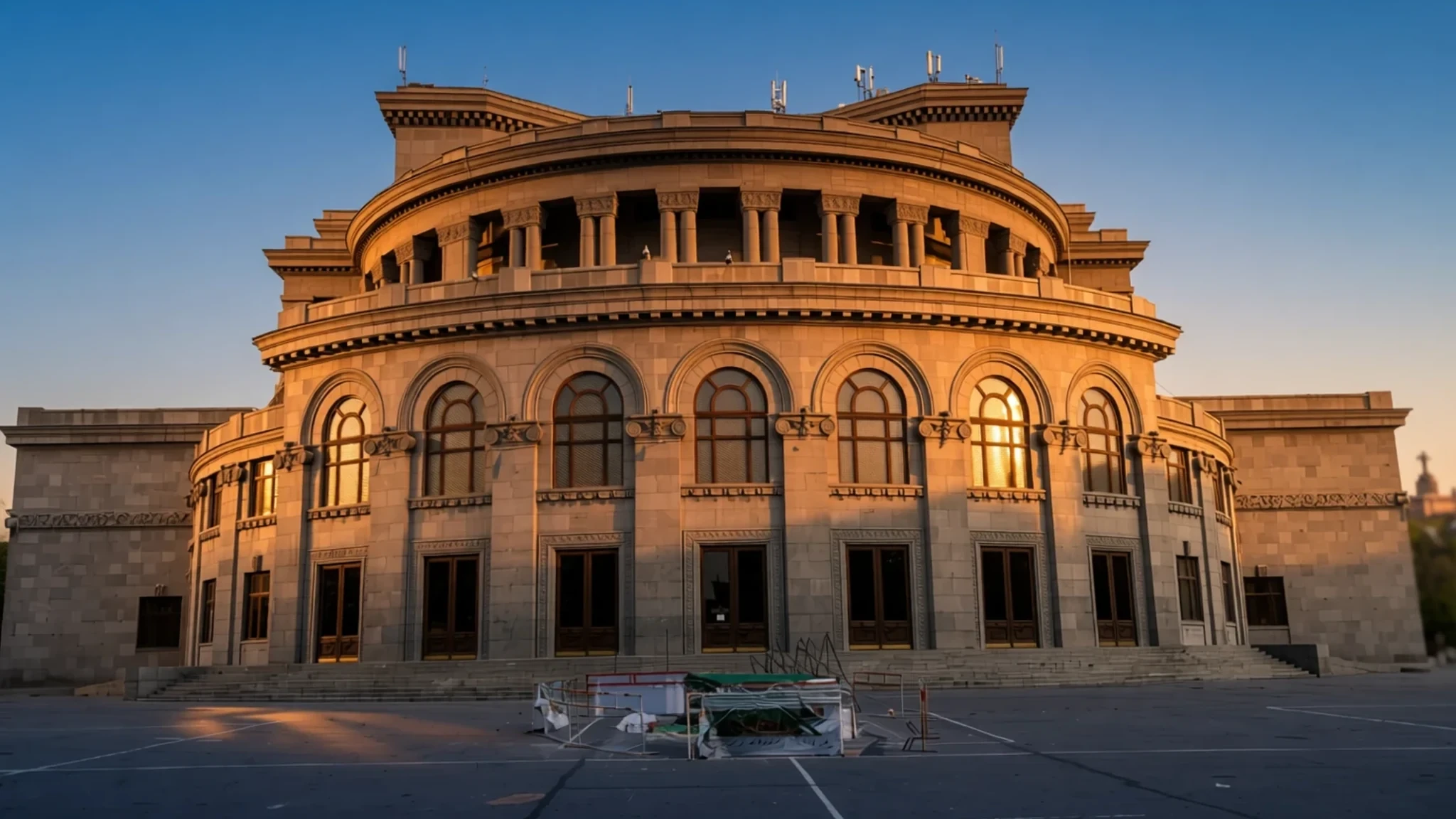
Yerevan is a compact, lively capital where Soviet-era boulevards, ancient stone churches and a view of Mount Ararat sit close together.
The place
Yerevan stands on the Hrazdan River at about 987 metres above sea level, and on a clear day the snowy cone of Mount Ararat fills the view to the south-west. It is Armenia's capital and its biggest city, home to about 1.1 million people. Government, the national museums, the main universities and most of the country's industry cluster here, so the city feels busier and more varied than anywhere else in the country. It has held the capital role since 1918, although the wider Ararat Plain has been a centre of power for far longer. The core is a tidy grid of pale volcanic stone buildings, with wide avenues running down toward the river and broad squares such as Republic Square. Pavement cafés fill up in the evening, and the pace of the city becomes easy once the main roads are left behind. Summers are hot and dry, and winters are cold enough for snow, so March and November are when most people enjoy walking. The Armenian Apostolic Church's seat has been at Vagharshapat since 1441, but Yerevan holds its largest diocese, and Soviet-era blocks stand alongside older churches and markets. The city is still working out how to be both modern and old, and that tension is much of its character.
Its story
Yerevan's history starts well before its name appears in the records. The Shengavit rise, in the south of the modern city, was settled during the early Bronze Age, and archaeologists have dug there in several phases over much of the last century. A joint project that included researchers from an American university later reached the lowest layers of the site, tracing a long run of occupation. The documented origins of the city lie in the fortress of Erebuni, founded in 782 BCE by King Argishti I of Urartu on the western edge of the Ararat Plain. Its builders intended it as a royal seat that joined government and worship, a stronghold guarding the plain and its routes. Later, Armenian kingdoms moved their capitals elsewhere, and the settlement lost much of its weight. A forced deportation of Armenians to Iran under the Safavid empire left the area largely emptied, and it was rebuilt slowly afterwards. Control then passed among Persian, Ottoman and Russian rulers, and the town grew into a provincial centre under the Russian Empire. The city became the capital of the First Republic of Armenia in 1918, a short-lived independent state. Under the Soviet Union it was rebuilt on a grand plan, with squares, government buildings and the stepped boulevards that still shape the centre. Since independence it has grown quickly, with new housing, a lively cultural scene and a steady flow of people from the countryside.
What to see
- Katoghike church
A small church built in the traditional Armenian style, set in a quiet part of the Avan district, and one of the oldest surviving churches in the city. Its name means cathedral, which can surprise visitors because the building is tiny. A larger hall was later joined to the original, and the two parts now sit side by side. Look for the carved stone, and step inside to see the simple, low interior.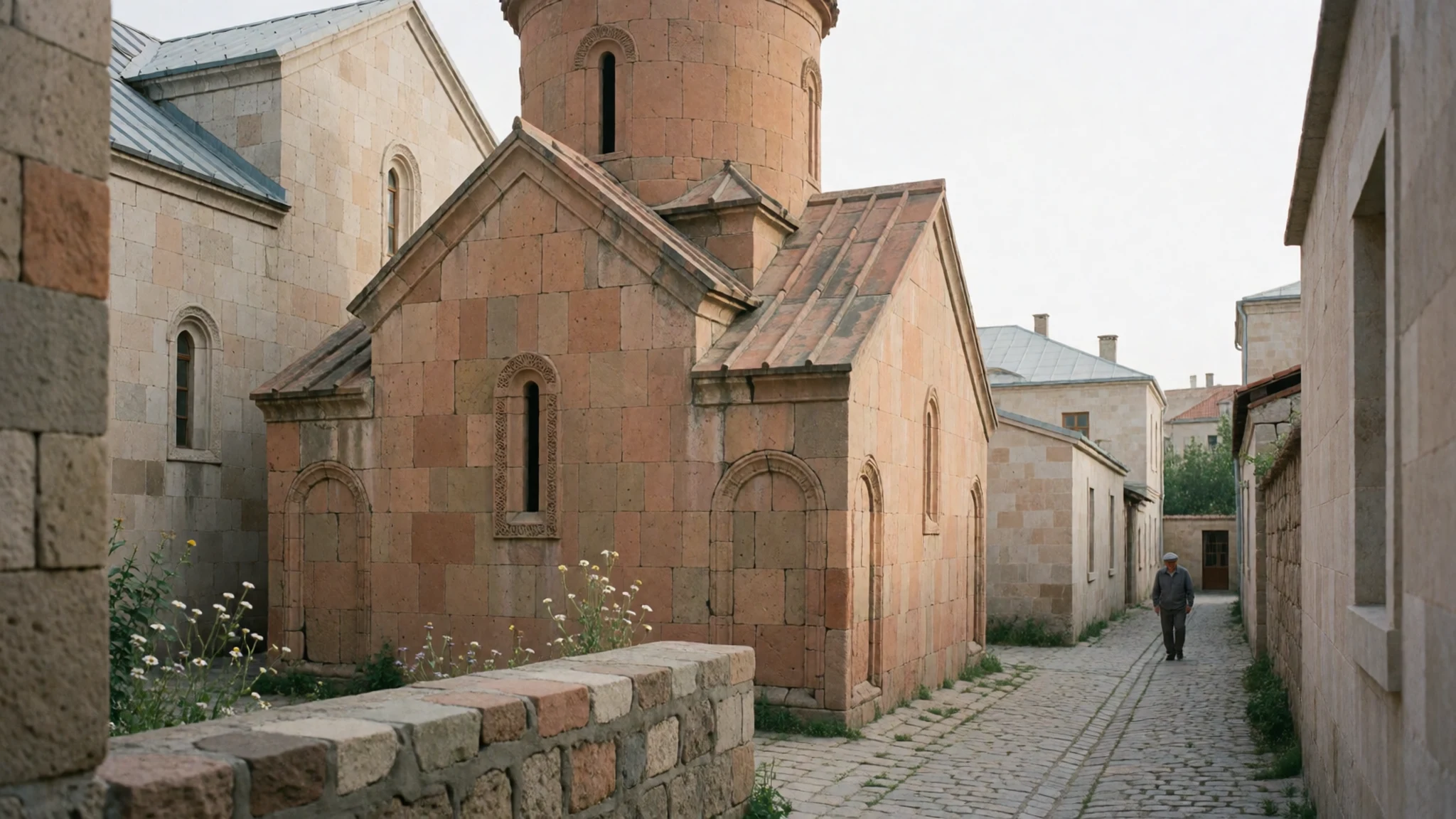
- Avan church
One of the city's oldest surviving churches, found in the Avan district a short ride from the centre. Its stone walls date from the early medieval period, which makes the building a useful contrast with the Soviet-era streets nearby. The area feels more residential than the core, so it makes a calm half-day trip.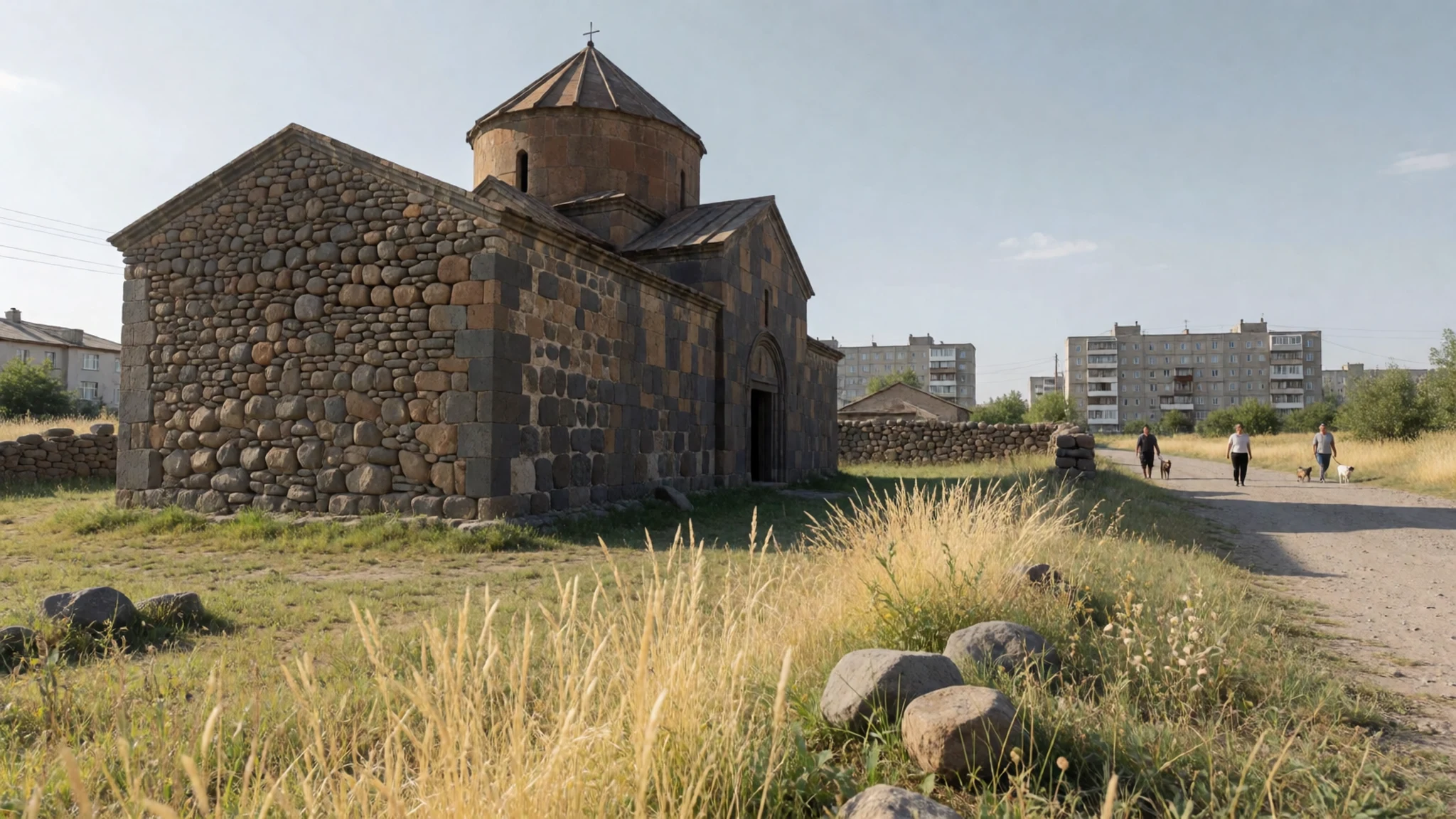
- St Gregory the Illuminator Cathedral
The main cathedral of the Armenian Apostolic Church in the city is a large modern building, finished to mark the nation's long Christian history. Its interior is spacious and calm, with a sense of ceremony even on quiet days. Visit when services are not under way, and dress modestly.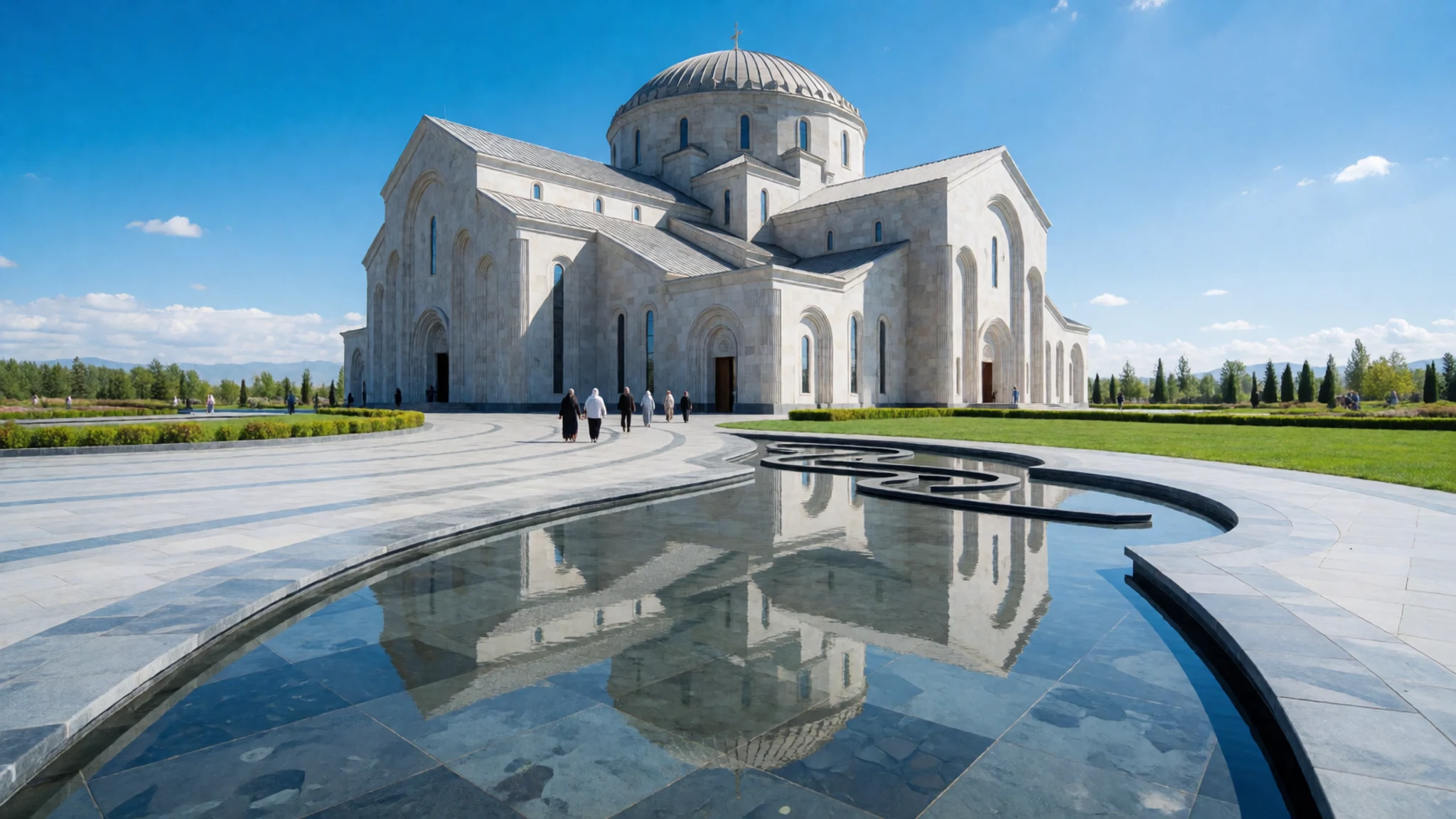
- The Cascade
A long staircase of stone and terraces climbs the hillside above the centre, lined with fountains, sculpture and gardens. Built in the Soviet period, it links the lower streets to the upper park and gives the best views over the city toward Mount Ararat on a clear day. Climb slowly in the heat, and time your visit for late afternoon when the light softens.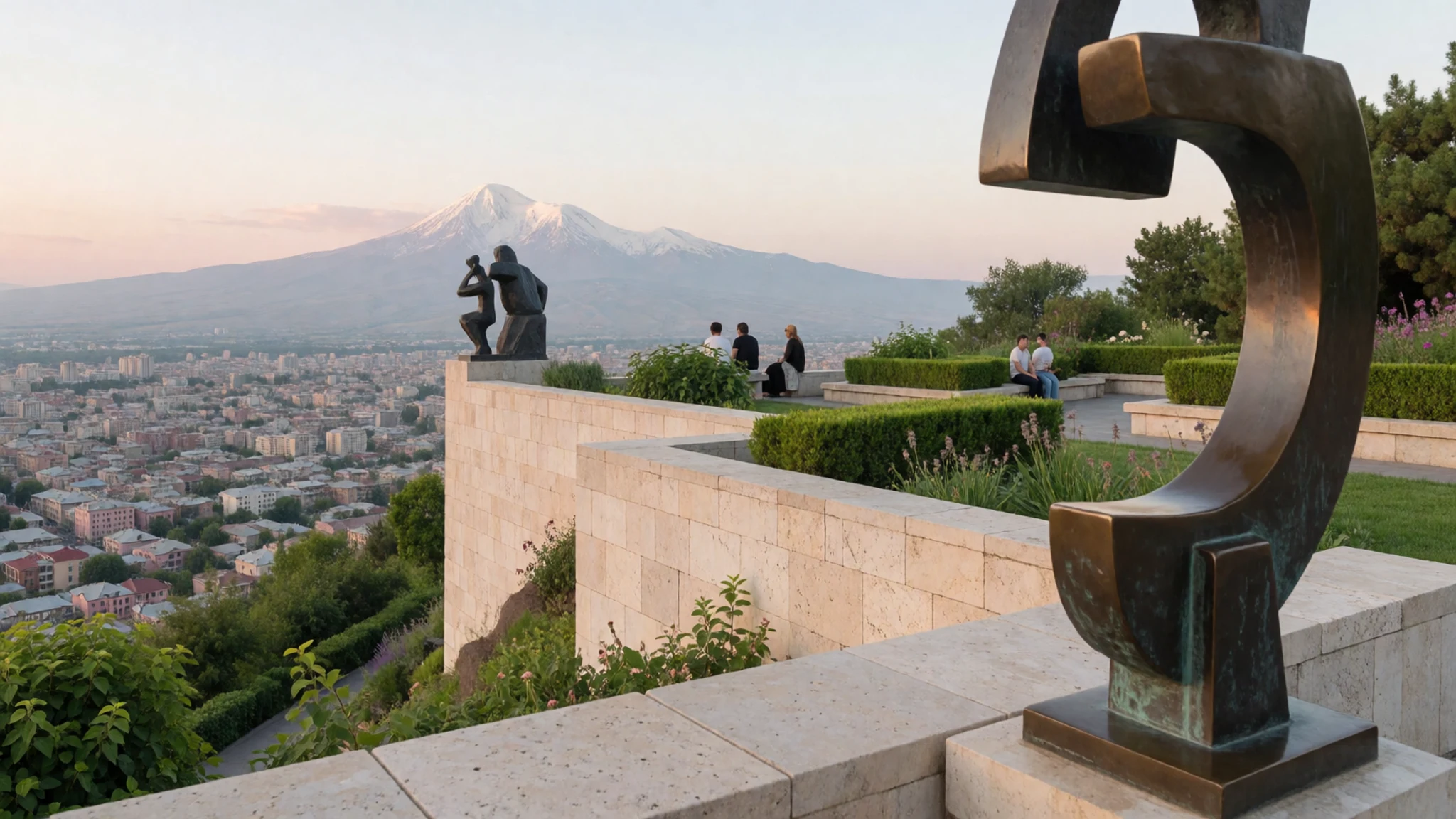
- Erebuni fortress and museum
The fortress of Erebuni on the western edge of the city marks the oldest documented origins of Yerevan. The excavated site and the museum beside it show how the Urartian rulers planned a royal stronghold on this ground. Allow an hour or two for the site and the displays, and look closely at the old foundations of the walls.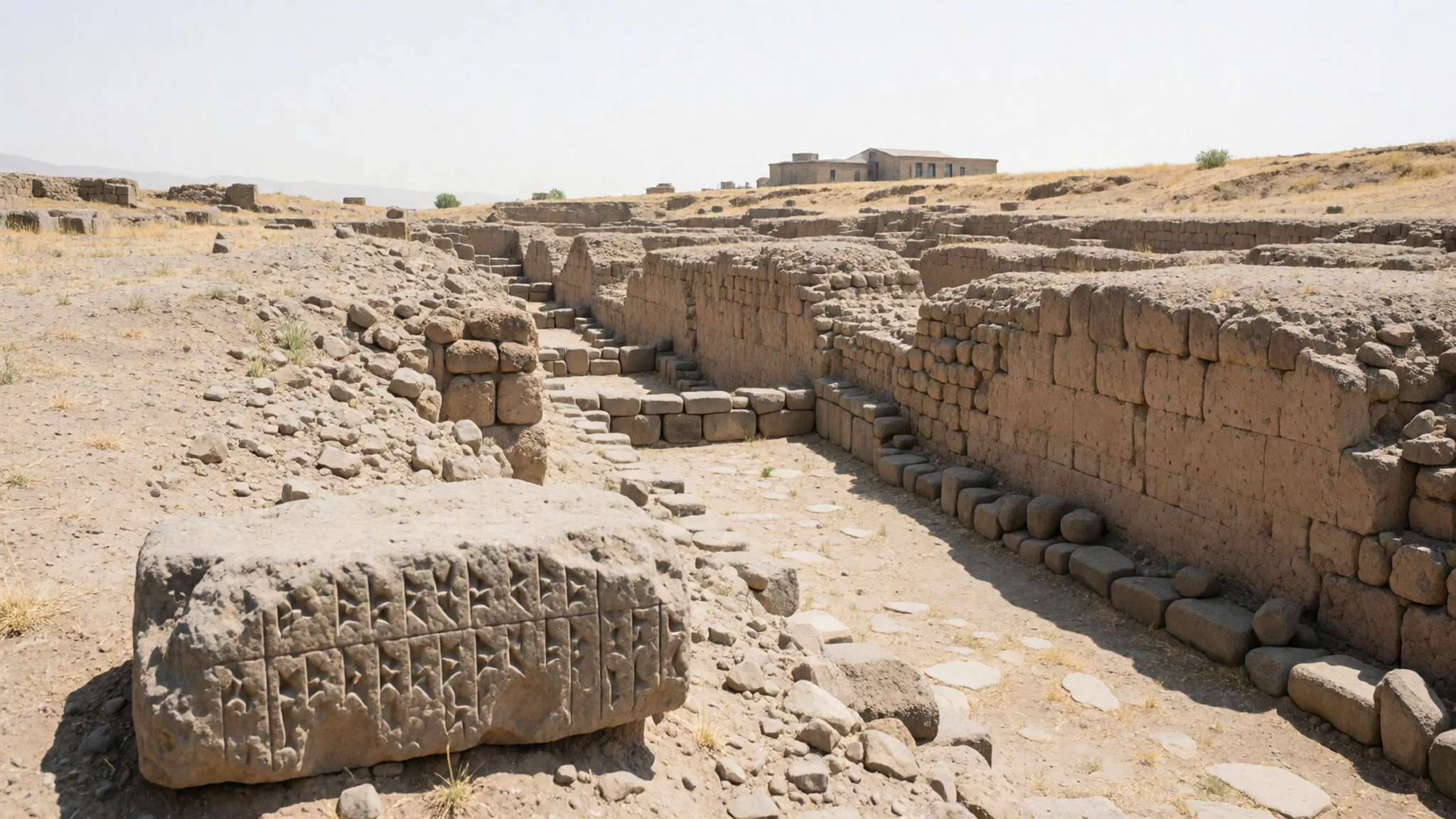
Culture
Yerevan is Armenia's main centre for culture and the arts, and its museums are the best place to understand the country's long history. The National Gallery of Armenia and the History Museum of Armenia are the city's principal museums, and both have long histories. The Matenadaran holds a remarkable collection of ancient manuscripts, while the Cafesjian Museum of Art shows modern and contemporary work in a setting near the Cascade. The Armenian Genocide Museum at the Tsitsernakaberd memorial complex is a serious and moving stop that many visitors make early in their stay. Vardavar, a summer festival marked by playful water throwing, brings people into the streets and is one of the most joyful days in the local calendar. The city remains one of the centres of traditional carpet weaving, and workshops keep older patterns alive for both locals and visitors. When you enter a church or monastery, cover your shoulders and knees and keep your voice low during services.
What to wear
Traditional Armenian dress varied by region and by village, and surviving costumes are mostly worn for festivals and folk performances rather than daily life. Embroidery and woven textiles were the main decorative tools, with wool and linen as the common materials and bright, geometric patterns often picked out in red and blue. Carpet weaving is the textile tradition most visitors meet first. Armenian rugs are woven by hand, usually in wool, and their motifs are passed down through families and workshops. In Yerevan today, people dress much as they would in any European capital: dark coats in winter, neat jackets and jeans in cafés and offices, and fashionable boutiques along the central streets. Visitors should plan for climate and place. Summers are hot, so light cotton or linen, a hat and sunglasses make sense, though a layer is useful for cool evenings. Winters can be cold, so a warm coat, gloves and waterproof shoes help. The hills and steps around the Cascade and the older streets reward flat, comfortable footwear. For churches and monasteries, cover your shoulders and knees, and carry a scarf for your head.
What to eat
- Lahmajun — small counters on and around Tumanyan Street
A thin round dough topped with minced meat, tomato, onion and pepper, baked hot and served with herbs and lemon. Small counters around Tumanyan Street make it a quick, filling lunch. Roll it up and eat it on the go.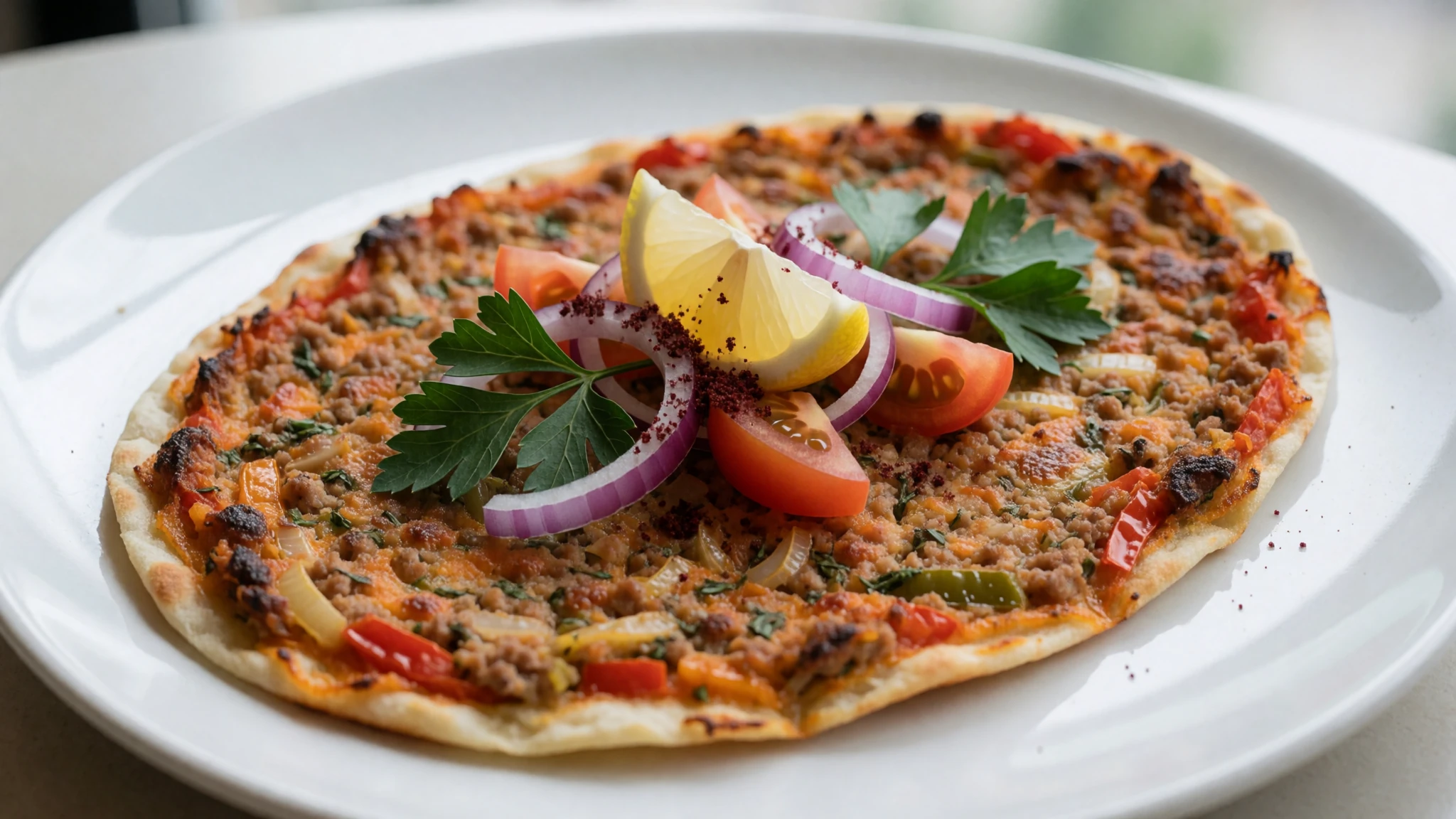
- Khachapuri — central cafés near Freedom Square
A boat-shaped bread in the Adjarian style, filled with melted cheese and finished with a raw egg yolk stirred in at the table. It is a common order at the cheap central cafés near Freedom Square, where it arrives hot and rich. Share one between two as a light lunch.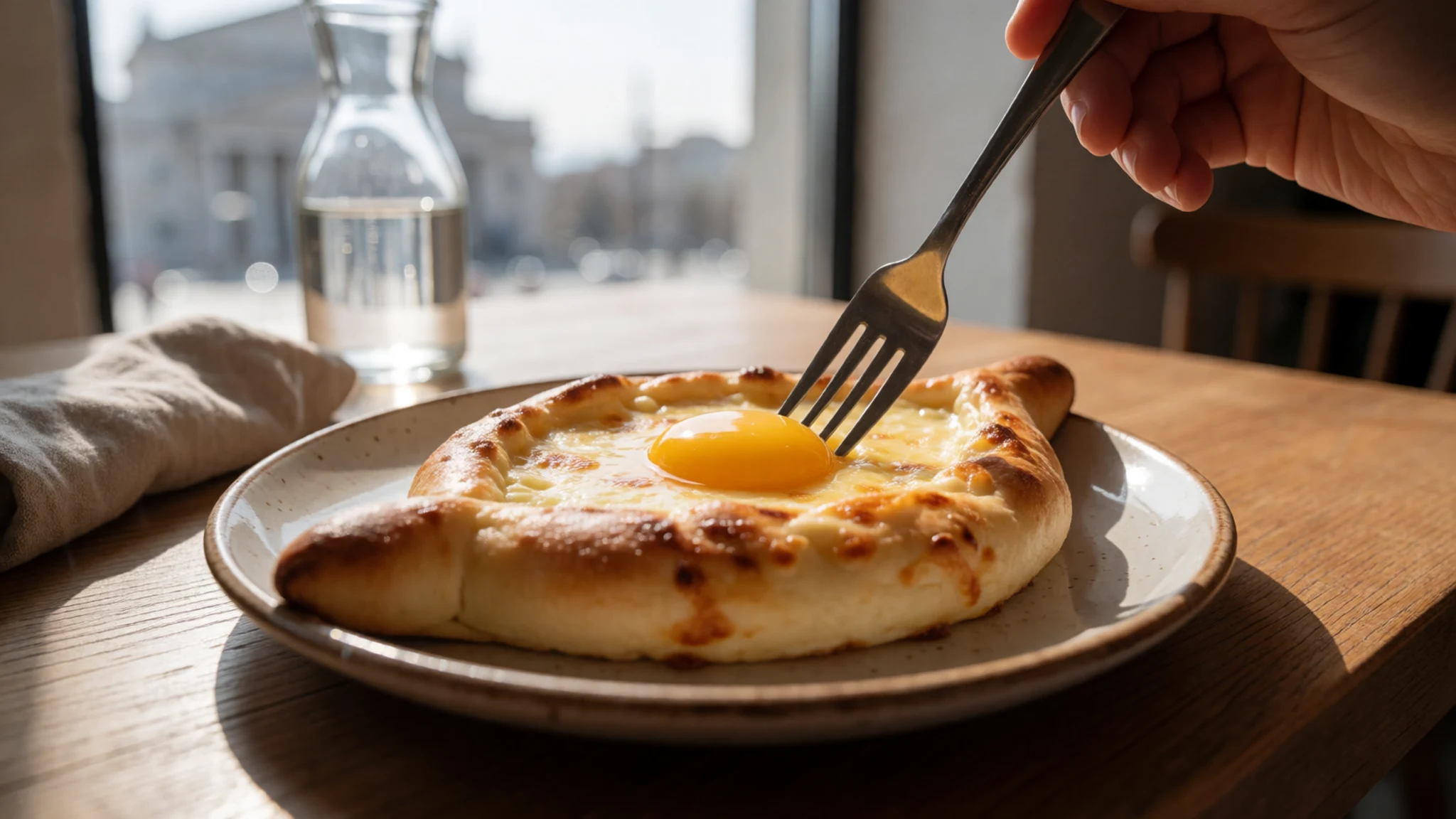
- Manti — traditional eateries in the city centre
Small dumplings of spiced minced meat, pinched into little parcels and served with yoghurt, garlic and sometimes a tomato sauce. Traditional eateries across the centre serve them, and they are worth a slow meal. The portions are generous, so order one main dish and share.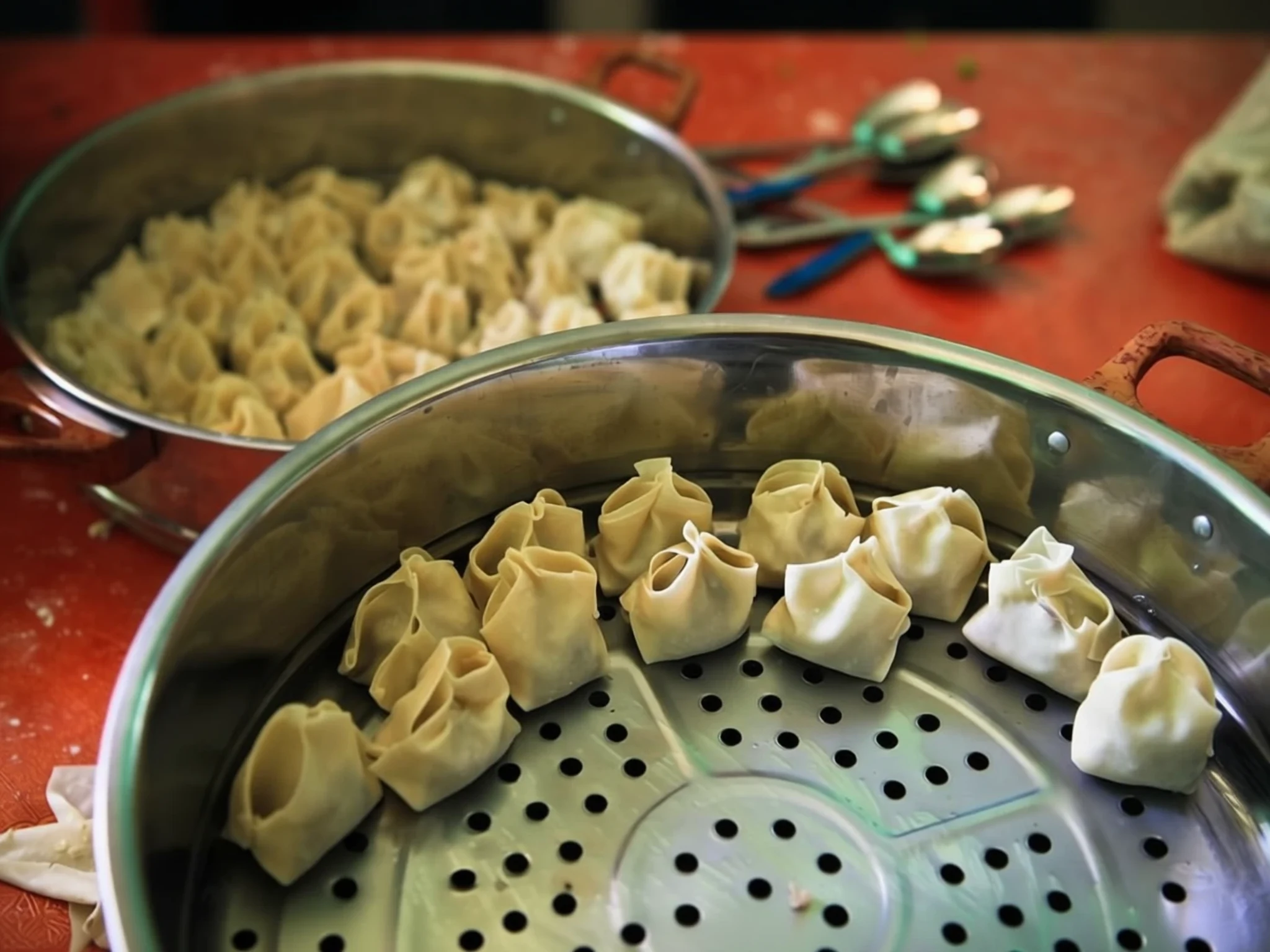
- Grilled meat kebab sandwich — small kebab counters and grill bars in the centre
Chunks of grilled beef or lamb on a skewer, slipped into bread with onion, herbs and a little sauce. Small central kebab counters and focused grill bars do a good version. The sandwiches are a cheap, filling option for a day of walking. - Yerevan-style shawarma — Tumanyan Street and street-food counters across the centre
A local twist on the wrap, with thinly sliced meat, fresh vegetables and a garlicky sauce rolled in bread. It is sold from simple counters and kiosks, many of them around Tumanyan Street. Eat it as a quick snack between sights.
Plan it
Best time. March and November are the most comfortable months, with mild days and clear views of Mount Ararat. Summers are hot and dry, and winters are cold with snow, which suits people who enjoy either heat or a quieter city.
How long. 2–3
Getting there. Zvartnots International Airport lies a short way out of town. Shuttle buses run into the centre, and official airport taxi desks are in the arrivals hall. Check the airport's official website for current bus and taxi details before you travel.
Budget. low
Tips
- Book your airport transfer through the official taxi desk in arrivals, or use a metered ride-hailing app
- Walk the Cascade early in the morning, before the crowds and the heat arrive
- Carry some cash for small cafés and kiosks, though cards work in most central shops
- Mount Ararat is often hazy in summer, so check the view early in the day
- Carry a refillable water bottle, especially in summer
Etiquette
- Cover shoulders and knees inside churches, and keep your voice low during services
- Ask before photographing people, especially at religious occasions or in markets
- Keep photos and noise to a minimum at the Tsitsernakaberd memorial
Nearby
Sources
- Wikidata Q1953 (CC0)
- Wikipedia (rev 1382293731) (CC BY-SA 4.0)
- Wikivoyage (rev 5388677) (CC BY-SA 4.0)
- Photo 01 Mount Ararat and the Yerevan skyline in spring (CC BY 4.0)
- Photo 02 Mount Ararat and the Yerevan skyline, June 2018 (CC BY 4.0)
- Photo 03 Karen Demirchyan Sports and Concerts Complex (CC BY-SA 4.0)
- Photo 04 Cathedral of Yerevan (CC BY-SA 4.0)
- Photo 05 Exterior of Opera house of Yerevan (CC BY-SA 4.0)
- Photo 06 Yerevan Cascade (CC BY-SA 4.0)
- Photo 07 Erebuni Museum (CC BY-SA 4.0)
- Photo 08 Government building (CC BY-SA 4.0)


