Yellowknife
Yellowknife, Canada
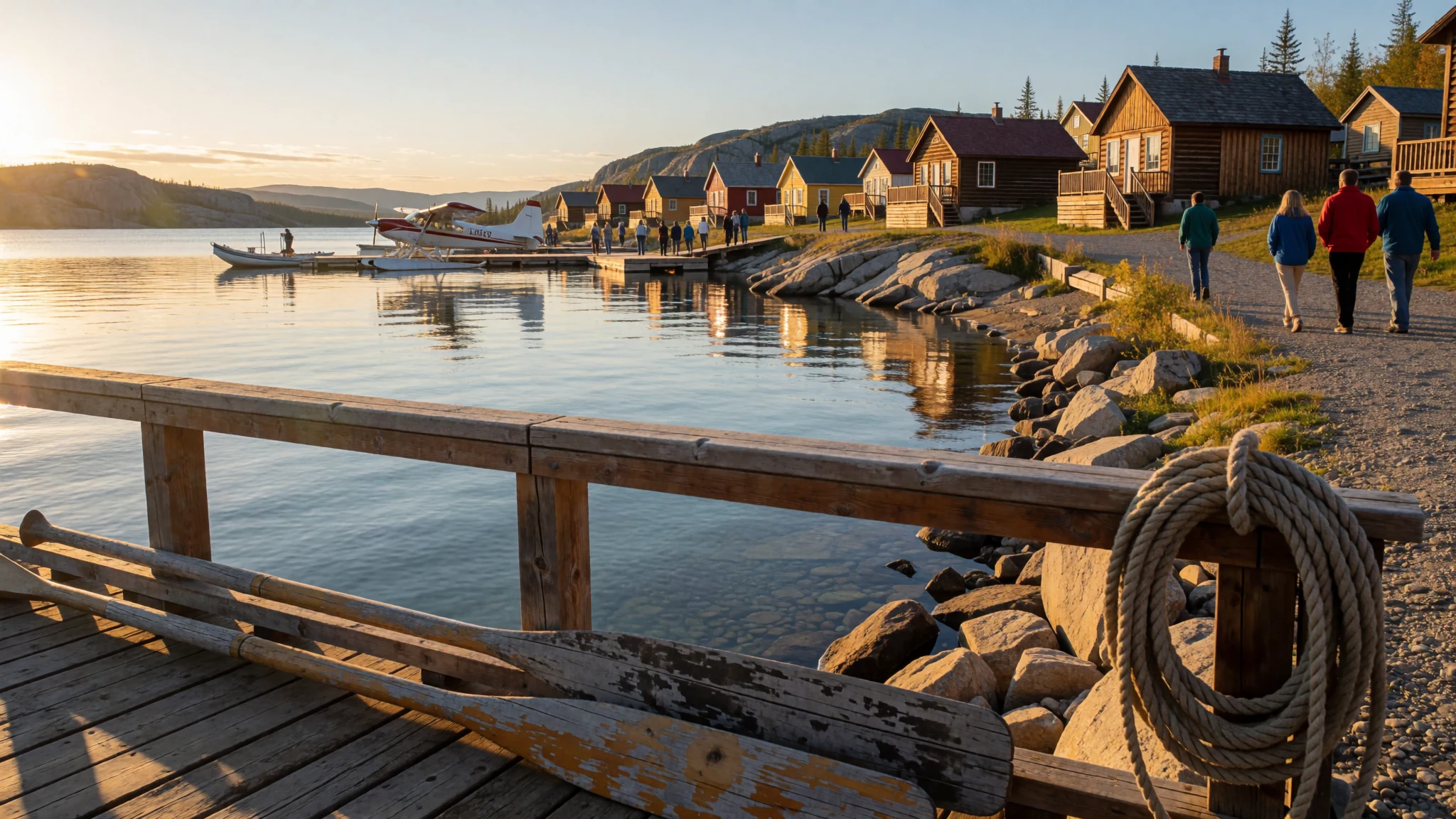
Go for the far-north feel of a small city on a big lake, with real winter darkness, bush-pilot history and a summer that barely gets dark.
The place
Yellowknife is the capital of the Northwest Territories and the only city the territory has. It sits on the northern shore of Great Slave Lake, on the western side of Yellowknife Bay, where the Yellowknife River runs out into the water. With about 20,000 people, it is the biggest community in the territory by a wide margin, yet it still feels like a town where everyone knows a pilot or a prospector. The city lies south of the Arctic Circle, which means the seasons swing hard. Midwinter days are short and the sun stays low, while in midsummer the sky hardly darkens at night. The ground rises gently to about 190 metres above sea level, and the town spreads over rock outcrops, lakeside cabins and newer streets built a little further inland. Old Town, on the water, is the place most visitors head for first. It has a handful of historic buildings, a marina and wooden houses that look out over the bay. The newer part of the city, with its shops and offices, lies a short drive away. Most things you will want are within walking distance of the centre, although a car makes the lake shore and outlying lookouts much easier to reach. Expect a city that feels calm, practical and quite proud of its northern identity.
Its story
Long before the first houses went up, the land around Yellowknife belonged to the Yellowknives Dene. Their people fished, travelled and traded here for generations, and the community of Dettah, on a point across the bay, was the first formal settlement in the area. Its name means Burnt Point, a reference to a fishing camp the Dene used for centuries. The modern city grew out of a later wave of arrivals. Prospectors were drawn north in the years after the Klondike Gold Rush, and the first real gold find in Yellowknife Bay came in 1898 from a man named E.A. Blakeney, who was on his way to the Klondike. At the time the find seemed minor, partly because the Klondike was drawing every eye and partly because Great Slave Lake was a long way from anywhere useful. Interest picked up in the 1930s. Aircraft were beginning to map Canada's north, and samples of uranium and silver turned up around Great Bear Lake. In 1933 two prospectors, Herb Dixon and Johnny Baker, paddled down the Yellowknife River from Great Bear Lake to look for minerals. Their route helped make the area better known. Settlement followed soon after, and the town is generally dated to 1934, although the waterfront business district only began to take shape from 1936. The gold rush years gave the city its character, and when the territory's capital moved here in 1967, Yellowknife became the seat of government as well as a mining and service centre.
What to see
- Prince of Wales Northern Heritage Centre — Downtown, across the inlet
Yellowknife's territorial museum and archive sits across an inlet from the centre, and it is the best single stop for understanding the Northwest Territories. The displays cover the natural history of the north, the history of Indigenous peoples, the industries that shaped the territory and the story of the town itself. Give it a solid hour or two, and check the official site for opening hours before you go.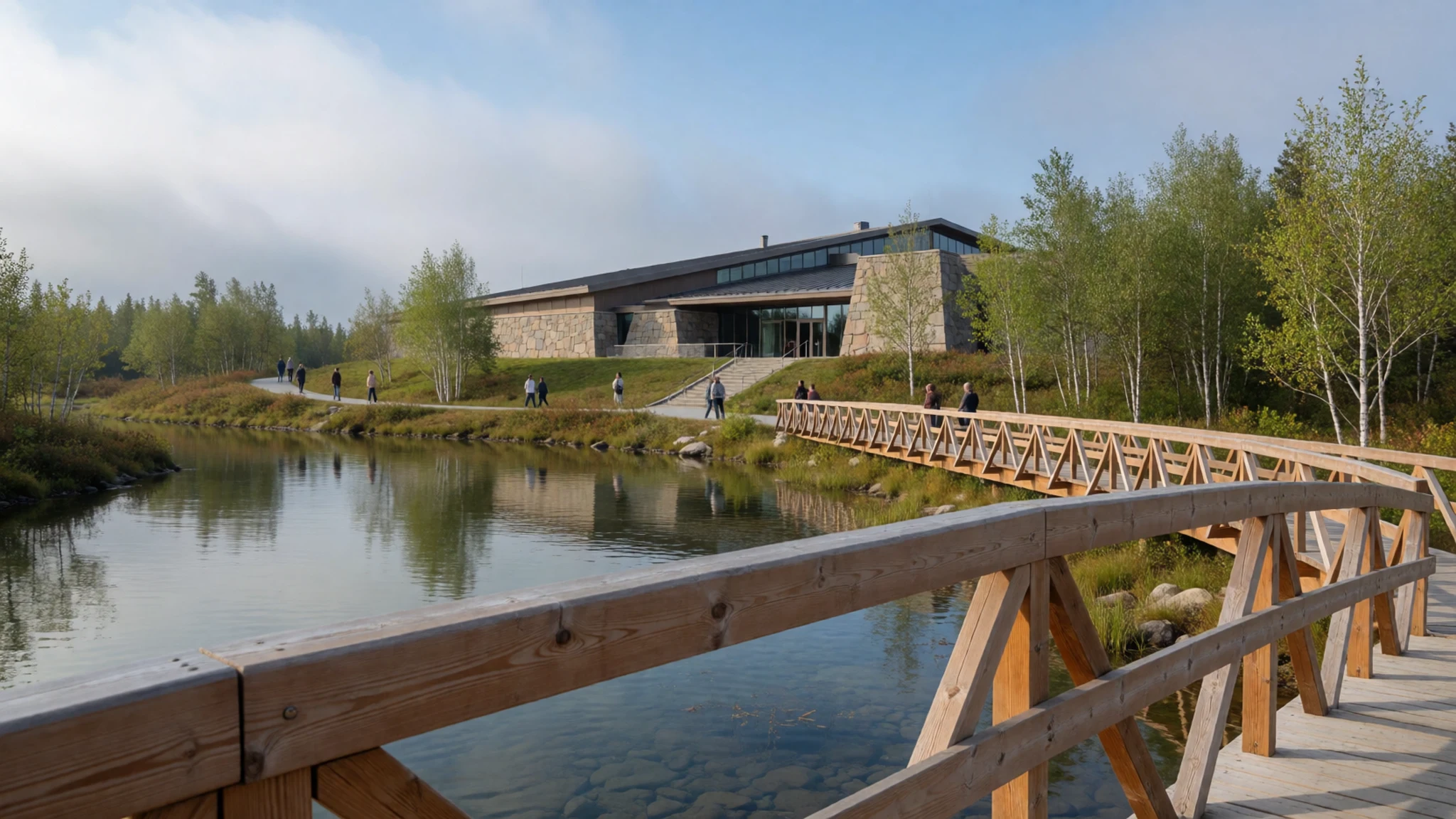
- Northwest Territories Legislative Building — Downtown government district
The territorial legislature is where the elected members of the Northwest Territories meet to make law. It is a working government building, so you view it from outside or on a guided visit if one is offered. It is a short walk from the museum and makes a good stop on a loop through the centre, especially if the Assembly is in session.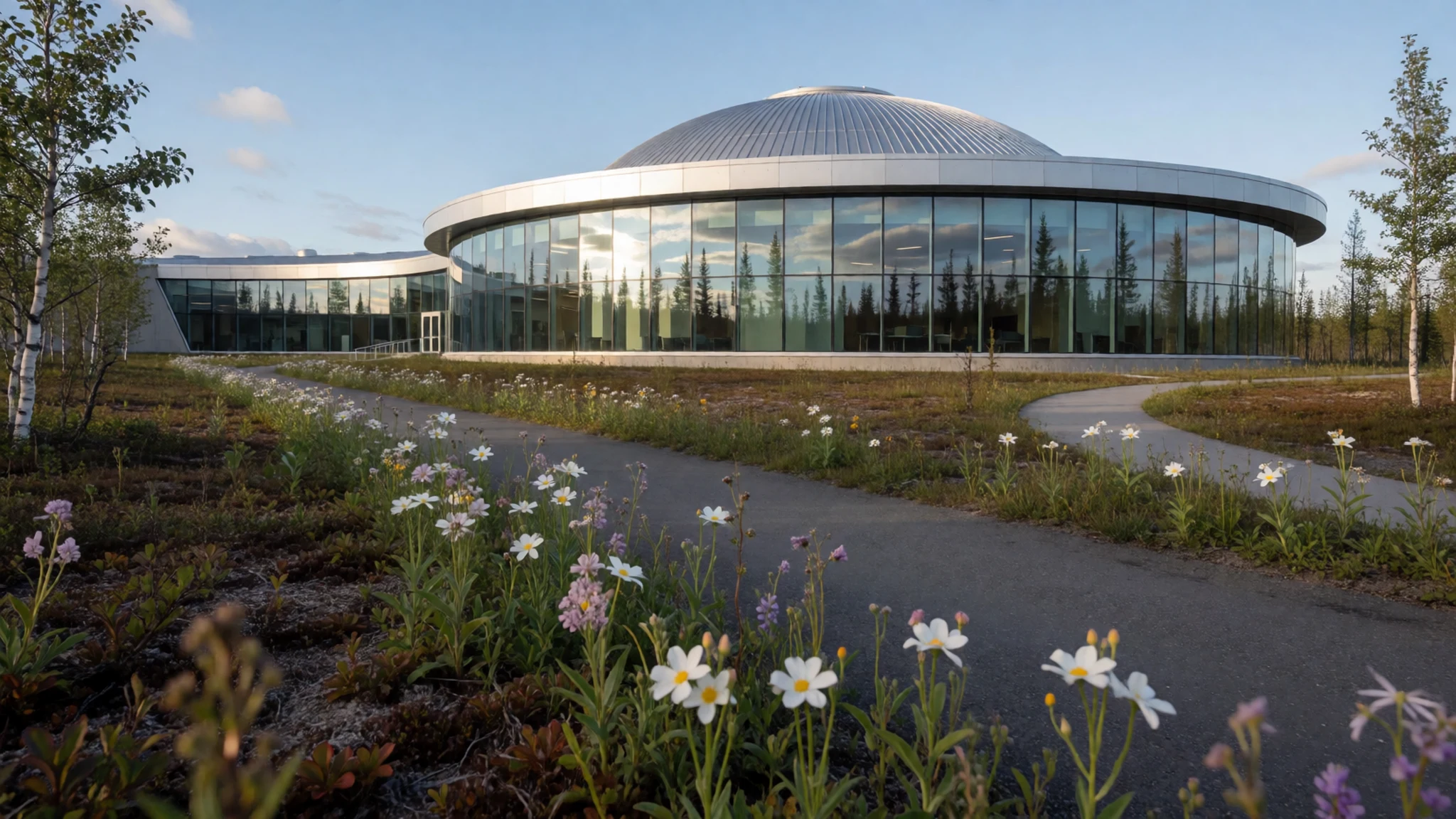
- Pilots Monument — Old Town hill
On a hill in Old Town, this monument honours the bush pilots who opened up the Northwest Territories, carrying food, medicine and people into places that had no roads. The climb is short and the view across the rooftops, the bay and the lake is the reason to go. On still winter mornings the lake can be hidden under ice fog, so a clear day is worth waiting for.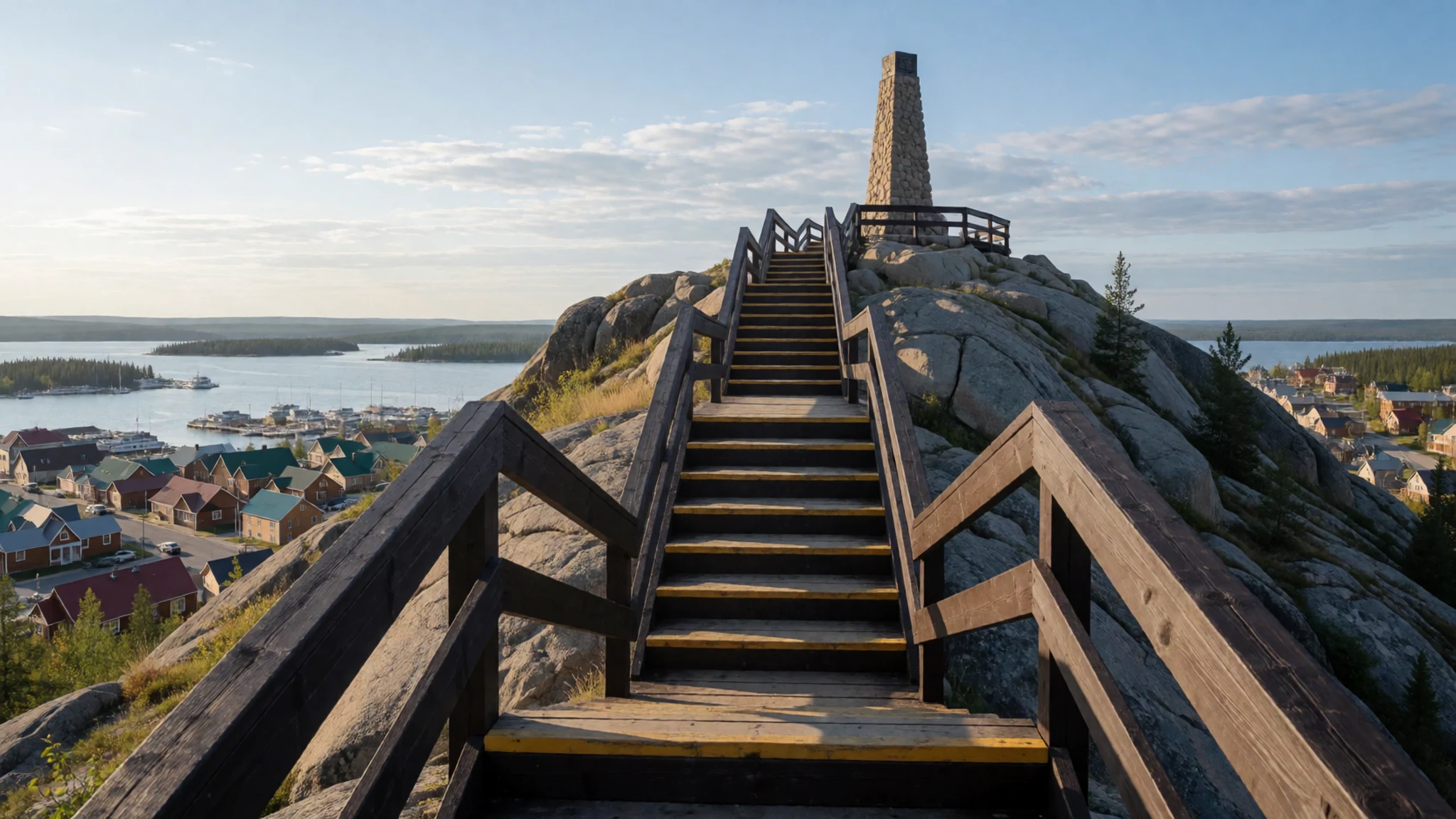
- Northern Arts and Cultural Centre — Central Yellowknife
This is the territory's main performing arts venue, with a 297-seat hall that opened in 1984. It is the only performing arts centre in the Northwest Territories, so touring shows, local theatre and concerts often end up here. Check the programme in advance, since the schedule changes with the season and the touring circuit.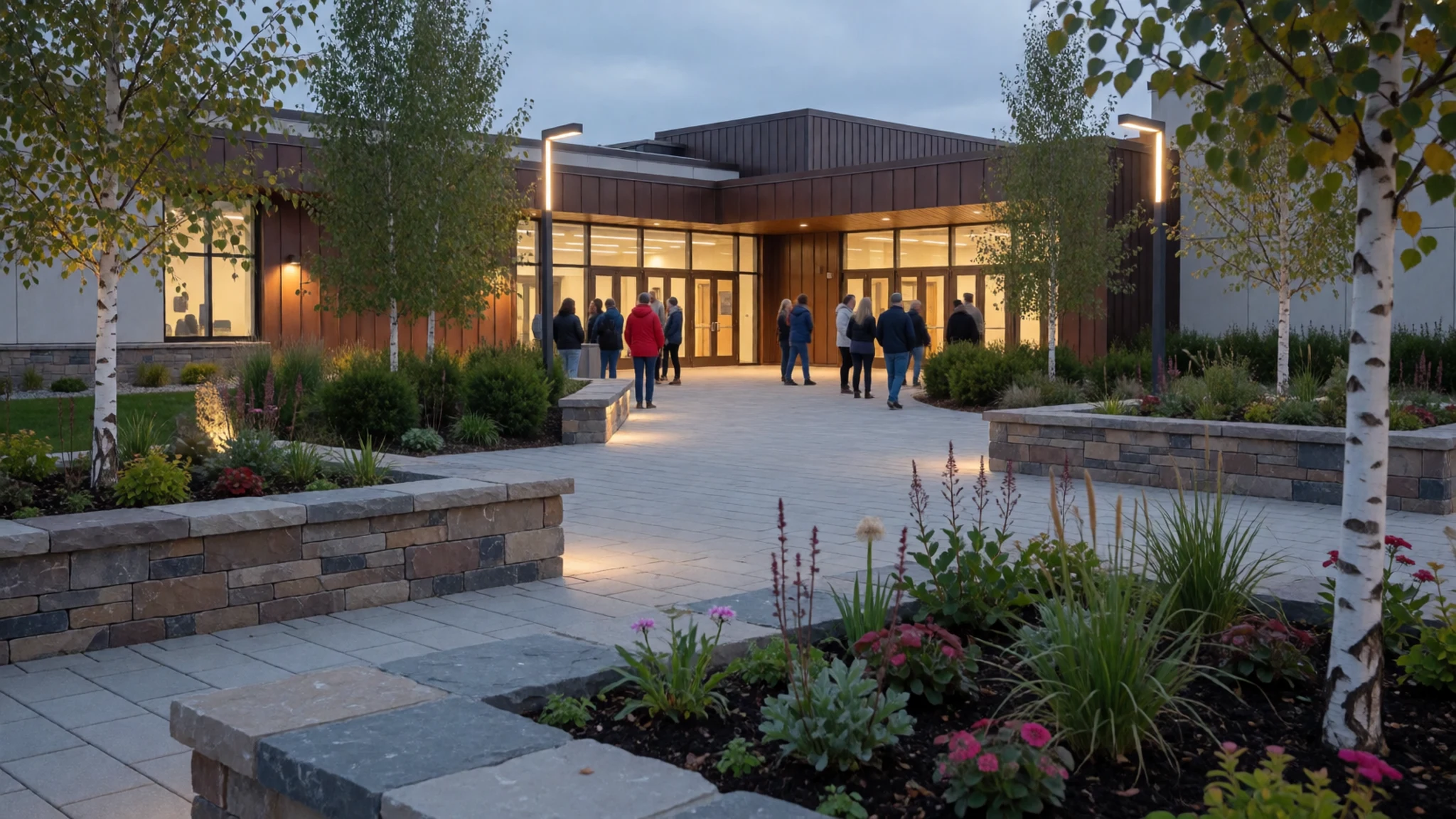
- Ragged Ass Road — Old Town residential streets
This short unpaved residential street has one of the most unusual names in Canada, and it is worth a detour simply to see it. The name began as a joke among prospectors about a season when nothing went right. It is a quiet, ordinary street, so walk it respectfully, keep your voice down and do not wander into driveways.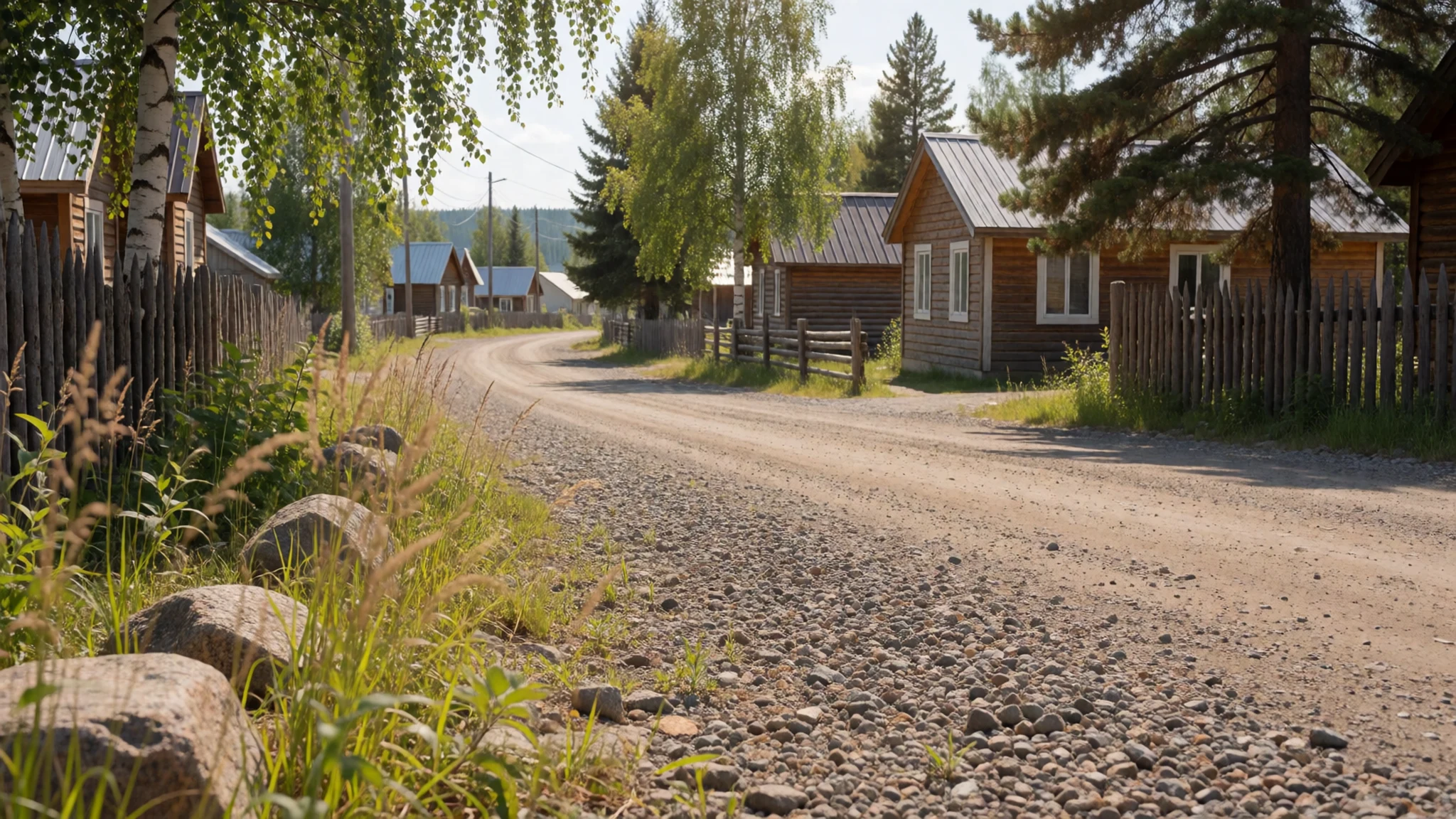
Culture
Yellowknife is a small city with a strong Indigenous presence, and the Yellowknives Dene First Nation remains part of its life. Its people live in the city and in the nearby communities of Ndilǫ and Dettah, and the territory recognises several official languages. In the Dogrib language the city is called Sǫǫ̀mbak’è, a name that many residents still use. Community life is outdoorsy and sociable. Folk on the Rocks, a music festival that has run every year since 1980, brings a wide mix of acts to town and is a good way to meet people. The Midnight Sun Golf Tournament is played through the city's bright summer nights, a reminder of how little darkness there is in June. In winter the Snowking Winter Festival builds a snow castle on the frozen lake, with a month of cultural events around it. Visitors are usually welcomed warmly, and the easiest way to show respect is to treat people's homes and workplaces as you would anywhere else. Ask before photographing people at cultural events or in small communities, and treat any Dene or Inuit gathering as a private family occasion rather than a show.
What to wear
Yellowknife's traditional dress comes from the Dene and other northern Indigenous peoples, whose clothing was built around the cold. Garments were traditionally made from moose and caribou hide, often smoked or softened, and decorated with beadwork, quillwork and fur trim. Beadwork in floral and geometric patterns, sewn onto moccasins, mittens, jackets and bags, is still made and worn for ceremonies and special occasions. Hide is the material to look for in the craft shops and galleries, though genuine work is usually priced accordingly. Day to day, people in Yellowknife dress for the weather rather than for fashion. Winter means insulated parkas, layered fleece, warm hats, heavy gloves and boots with good grip, since the ice on the lake and the paths is treacherous. Summer is cooler than many visitors expect, and a light waterproof and a fleece cover most evenings. For a visitor, the sensible approach is a warm, windproof outer layer, base layers that wick sweat, waterproof boots with grip for winter and sturdy walking shoes for summer. Dress modestly for church services and cultural events, and ask before entering any ceremonial space. For aurora viewing, bring more layers than you think you need, as standing still in the cold is far harder than walking.
What to eat
- Plate-sized eggroll — A downtown café where locals eat
Gold Range Bistro is a local café where people from every walk of life eat their everyday meals, and its eggroll is the thing to order. It is famously large and served on a plate, so come hungry or share. The food is simple, hearty and reliable, which suits a northern winter day. Expect a lively room and a steady stream of regulars.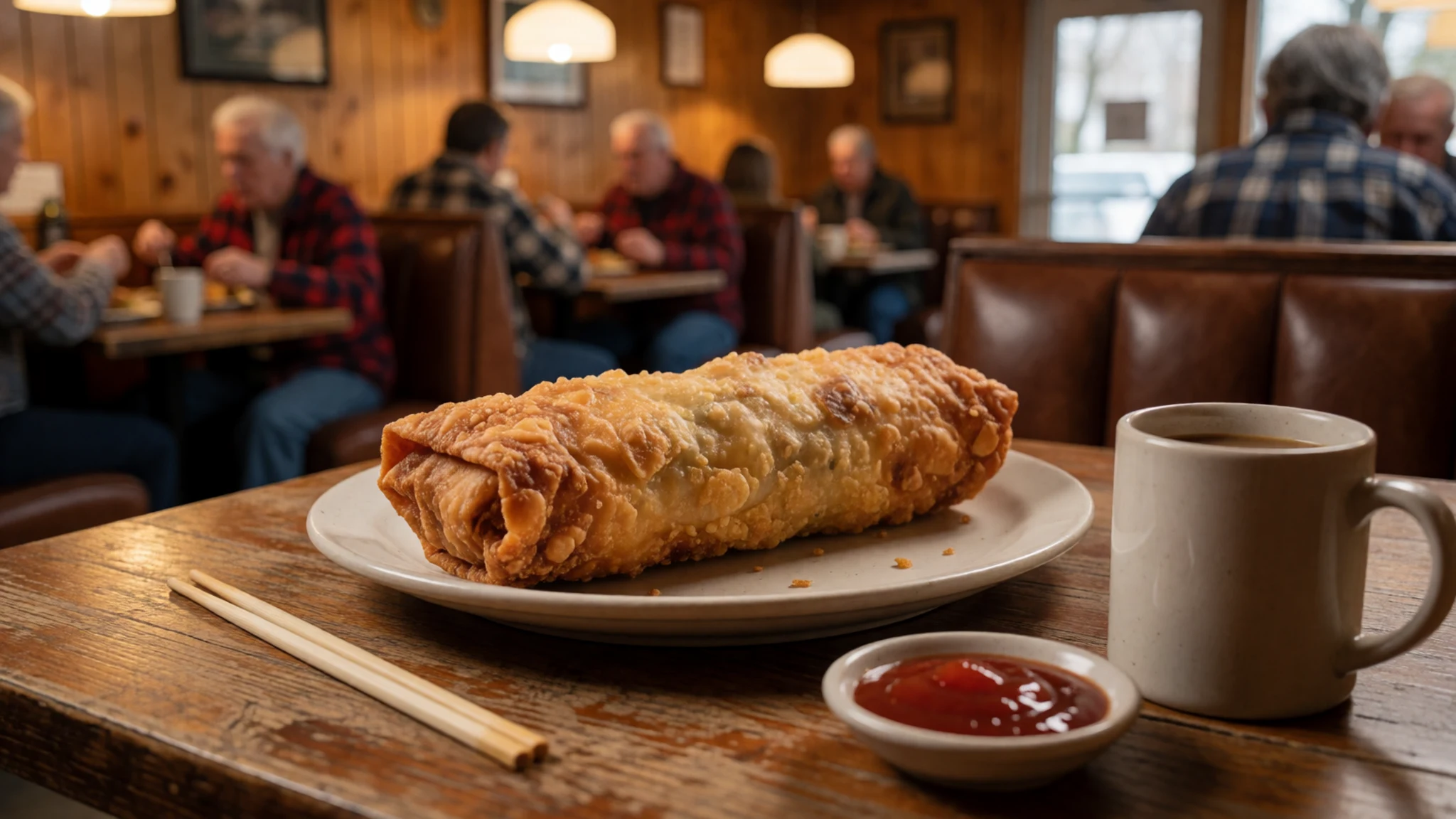
- Ethiopian platters — A restaurant in central Yellowknife
Zehabesha offers traditional Ethiopian food, with dishes built around spiced stews, lentils and vegetables eaten with injera, the soft sourdough flatbread. It is a welcome change from northern staples and a good option for vegetarians. Order a mixed platter to try several dishes at once.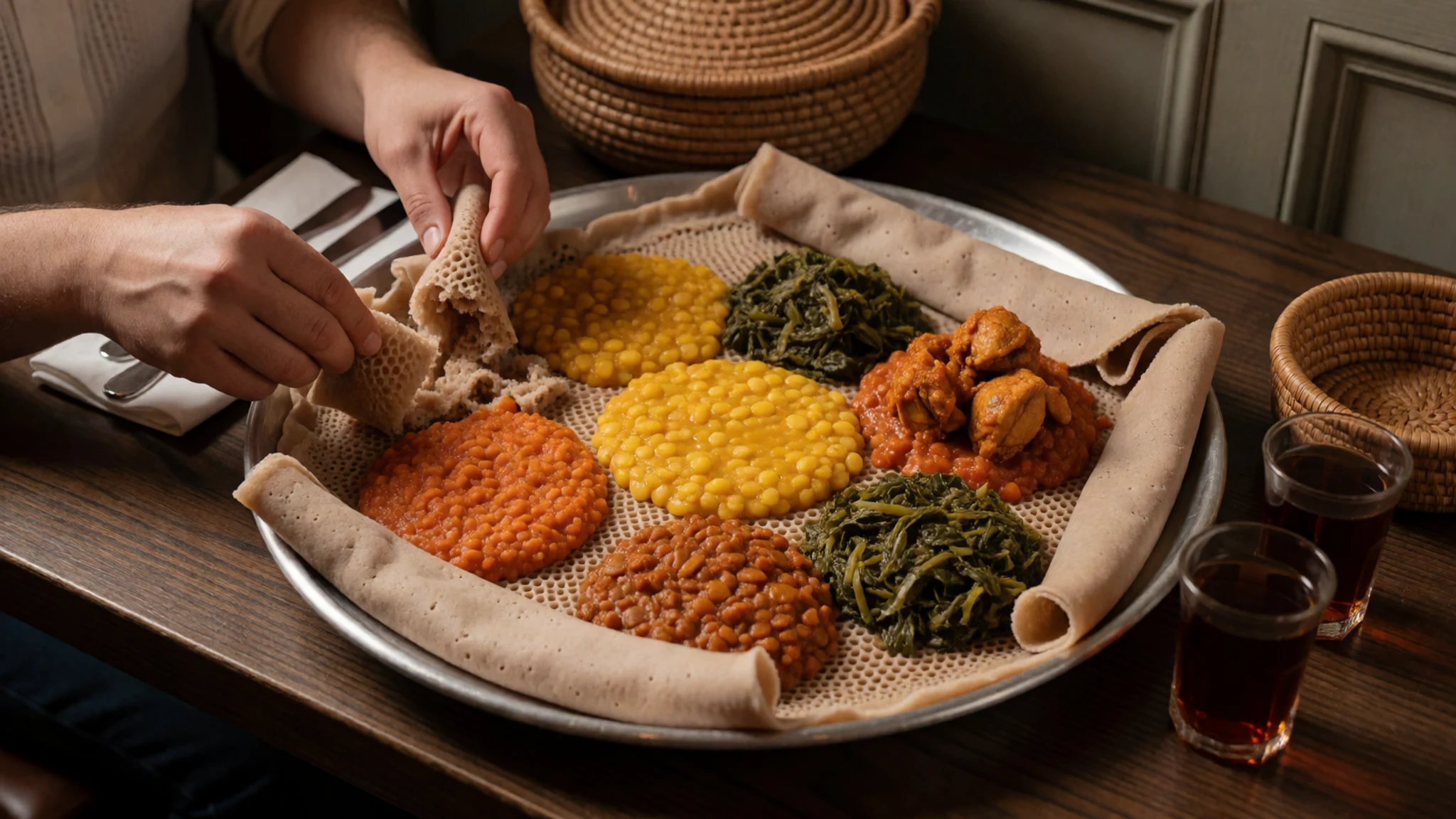
- Wood-oven pizza — The newer part of town
Copperhouse is known for pizzas cooked in a wood oven, which give a blistered crust and smoky edge. It is a good choice after a day on the trails or the lake ice, when a warm, filling meal matters most. The setting is relaxed and suited to families and groups. - Northern fish and game — A historic cabin-style bar in Old Town
Bullock's Bistro occupies a cramped, extra-casual bar and restaurant in a building that dates from the 1930s. The menu leans on local fish, game and salads, so it is the place to try something that reflects the surrounding land and lakes. Arrive early on busy evenings, as seating is limited. - Locally roasted coffee — A coffee shop in the downtown core
Barren Ground Coffee roasts its beans locally and is a dependable stop for a morning cup or an afternoon warm-up between sights. It is a relaxed spot to sit with a laptop or a map. Pair the coffee with a sandwich from the counter if you are heading out on foot.
Plan it
Best time. February and March suit most visitors: the nights are long and dark enough for aurora viewing, and the snow and lake ice make winter activities possible. Late winter also brings steadily longer days. June to August gives the midnight sun, with light through the night and the long-evening golf and festivals, although it can be mosquito-heavy in the wilds. Autumn is quiet and cold, with a chance of early snow.
How long. 2–3
Getting there. Yellowknife Airport is the main way in, with scheduled flights from southern Canadian hubs and seasonal services in some months. The nearest passenger rail is in Edmonton, Alberta, a long way south, and no railway reaches Yellowknife. Driving is possible via the Mackenzie Highway from Alberta, but the roads are long and remote, and the final stretch is the Yellowknife Highway. Check the airport's and airlines' official sites for current schedules.
Budget. high
Tips
- Book flights early for winter aurora trips, as seats are limited on some routes
- Carry a warm hat, gloves and a windproof layer even in summer evenings
- Plan outdoor days around clear forecasts, since ice fog can hang over the lake
- Carry cash for small shops, and check card acceptance in advance
- Stay hydrated and eat regular meals in the cold, as the dry air dehydrates quickly
Etiquette
- Ask before photographing people, especially at cultural events and in community spaces
- Stay off ice and trails marked as closed, and respect local warnings
- Leave campsites and fishing spots as you found them
Nearby
Sources
- Wikidata Q2061 (CC0)
- Wikipedia: Yellowknife (rev 1379401474) (CC BY-SA 4.0)
- Wikivoyage: Yellowknife (rev 5398548) (CC BY-SA 4.0)
- Downtown Yellowknife (Trevor MacInnis, via Wikimedia Commons) (Public domain)
- Downtown Yellowknife, second version (Trevor MacInnis, via Wikimedia Commons) (CC BY-SA 1.0)
- Prince of Wales Northern Heritage Centre (Daniel Case, via Wikimedia Commons) (CC BY 3.0)
- Terminal at Yellowknife Airport (Gordon Leggett, via Wikimedia Commons) (CC BY-SA 4.0)
- Sir John Franklin High School (CambridgeBayWeather, via Wikimedia Commons) (CC BY 3.0)
- Yellowknife in 40s-50s (YK Times, via Wikimedia Commons) (CC BY 3.0)
- Old Town and N'Dilo (CambridgeBayWeather, via Wikimedia Commons) (CC BY 3.0)
- Ice Fog in Yellowknife (SillyBunnies, via Wikimedia Commons) (CC BY-SA 4.0)


