Churchill, Manitoba
Churchill, Manitoba, Canada
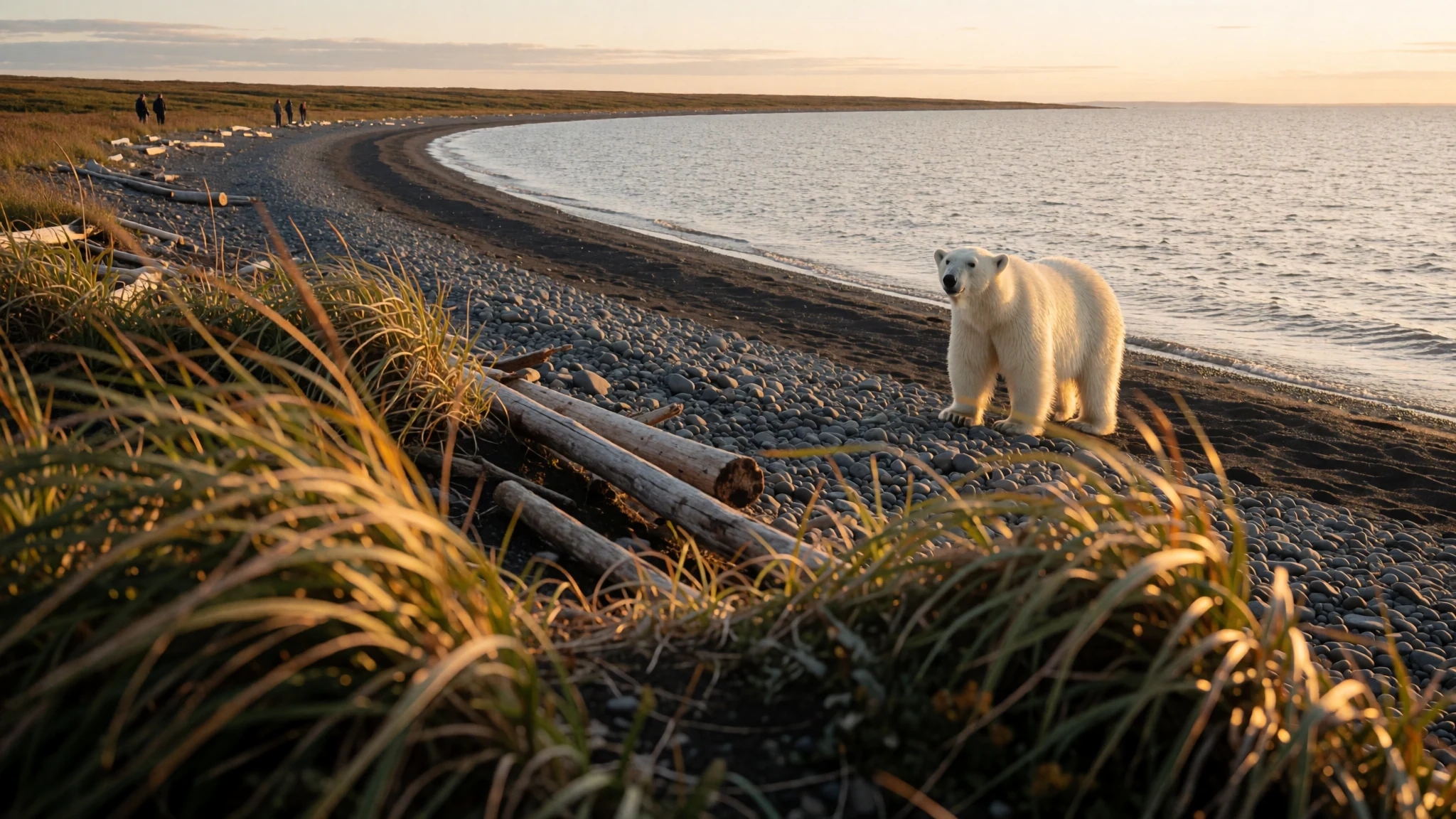
Churchill is a remote subarctic port on Hudson Bay, best known for the polar bears that gather on its shore in autumn.
The place
Churchill is a small subarctic town of about 870 people on the west shore of Hudson Bay, where the Churchill River meets the sea in northern Manitoba. It sits on the 58th parallel north, far beyond most Canadian settlements, and it lies close to the Nunavut border. Gillam is the nearest larger community, and Winnipeg, the provincial capital, is a long way south, so the town can feel remote even by northern standards.
The land around it is flat tundra running down to the bay, and warmth arrives quickly once the ice clears in summer. Winters are long, dark and bitterly cold, which is part of the draw for people who come to see the northern lights. Summers are short, and life in town follows the ice on the water.
Most visitors come for wildlife. Every autumn polar bears gather along the shore while they wait for the bay to freeze, and the town has built a tourism trade around watching them from safe vehicles. The town itself is compact, with a few streets, a community centre, a seaport with a granary, and the remains of Prince of Wales Fort across the river.
Churchill is also a working place. Its port handles grain and freight, and visitors tend to fit their plans around shipping, weather and the bear season rather than the other way round.
Its story
Churchill's story starts with the Arctic peoples who hunted this coast long before any European arrived. Thule people, ancestors of today's Inuit, reached the region from the west around the year 1000, and the Dene came from farther north earlier on.
By the time of European contact, the region was mainly home to the Chipewyan and Cree, who lived by hunting and trade across the land beyond the forest edge.
Europeans first reached the bay in 1619, when a Danish expedition under Jens Munk spent the winter near the site of the future town. Only three of its 64 members lived through that winter, and the survivors got home aboard one of the two ships.
Decades later, in 1964, Danish researchers traced the frigate Unicorn in the mudflats near the river mouth, and its relics ended up in Copenhagen.
Trade followed. In 1717 the Hudson's Bay Company set up the first lasting settlement, a log fort a little way up the river. The fort later rebuilt at the river mouth, Prince of Wales Fort, was built to gather furs. Pelts arrived by long canoe routes from distant inland trapping grounds.
The town takes its name from John Churchill, 1st Duke of Marlborough, who led the company in the late 1600s. Today the story is mostly told through its museum, the fort ruins and the bears that return each autumn.
What to see
- Cape Merry — The headland at the river mouth, near the fort site
A low headland at the river mouth where an old cannon battery was set up in 1747 to guard the company's trade on the Churchill River. The placement was a poor one, because any enemy who captured the guns could turn them on the fort nearby. Today it is an open, windy lookout over the bay.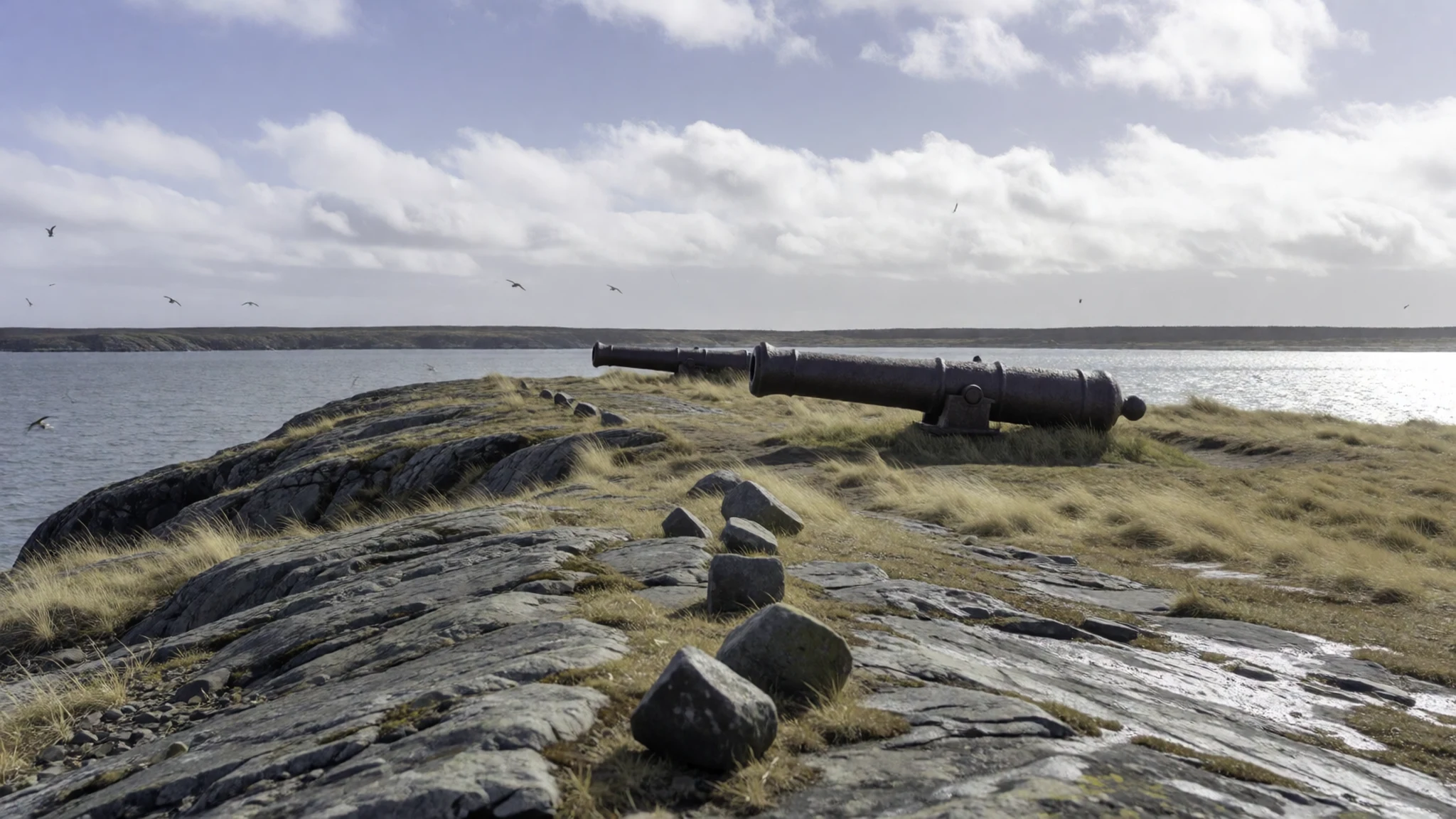
- Itsanitaq Museum — Town centre
Formerly the Eskimo Museum, Itsanitaq holds one of Canada's oldest collections of Inuit artefacts despite its small size. Catholic missionaries opened it in 1944, and the local diocese still runs it. Expect a compact set of rooms rather than a large museum, and check the official site for opening times, since small local museums change them often.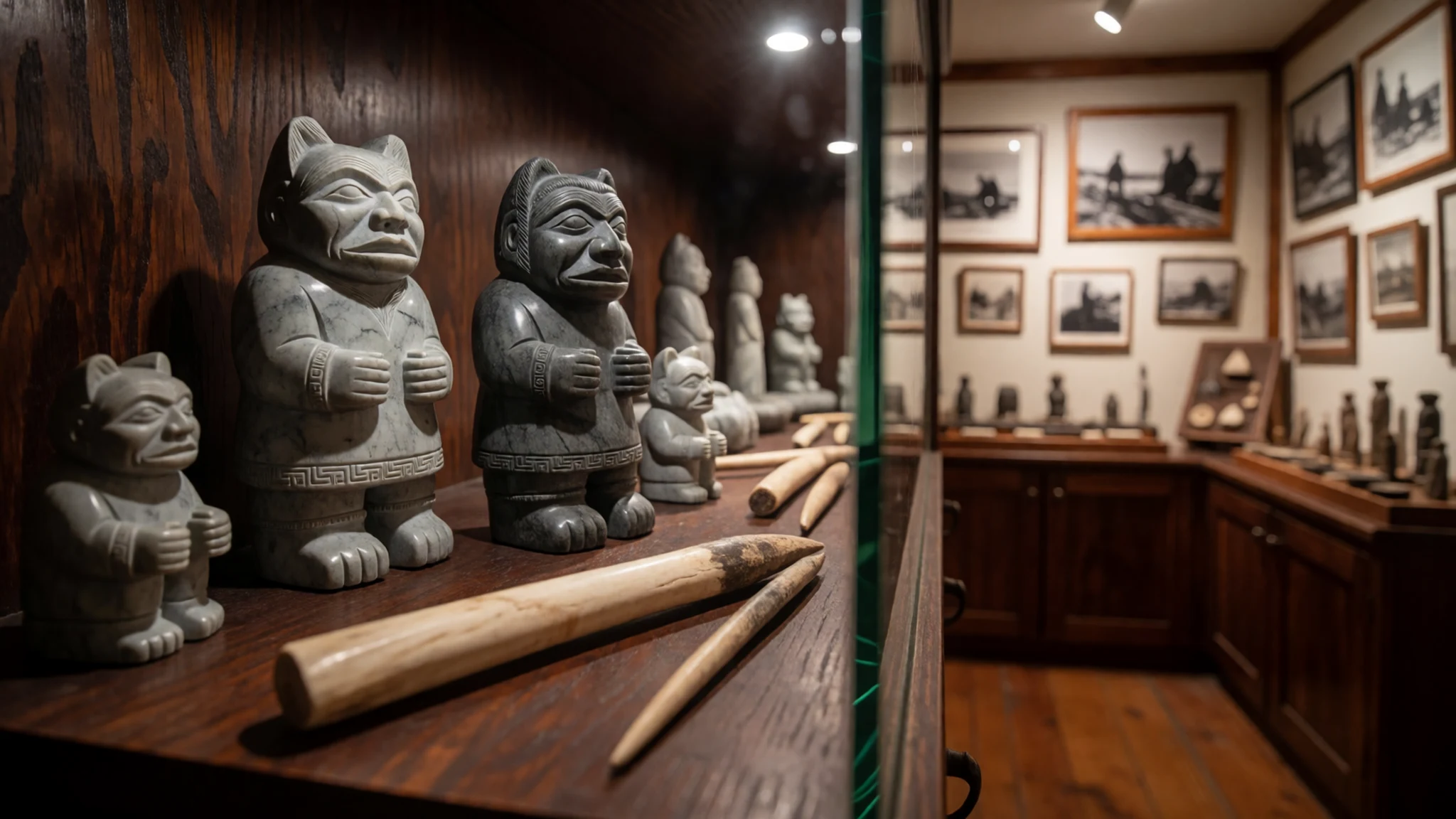
- Inukshuk — Town centre, near the museum area
A humanlike stone cairn, the inukshuk is a familiar emblem of the Canadian North. The name roughly means 'representing a person' in Inuktitut. The Churchill example stands near the museum area and makes an easy photograph, but treat it as a cultural marker, not a climbing frame, and leave its stones where they lie.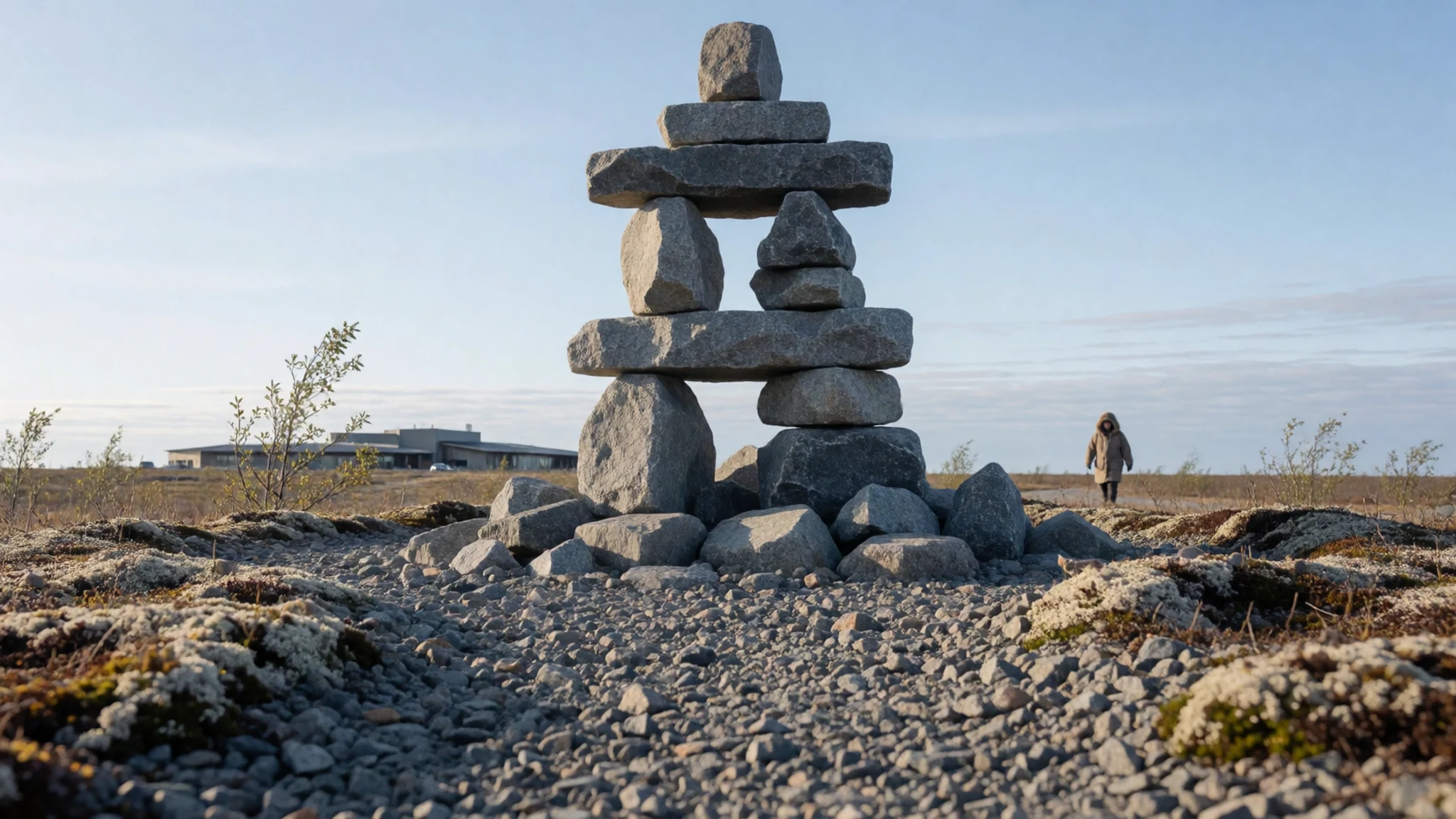
- Miss Piggy — On the tundra just outside town
A cargo plane crashed here in 1979, and its crew survived. Its load reportedly included Coca-Cola and a snowmobile, and the wreck has since become a tourist attraction on the tundra. Access depends on road conditions and the season, so ask locally before setting out, and keep off the fragile tundra beyond the marked route.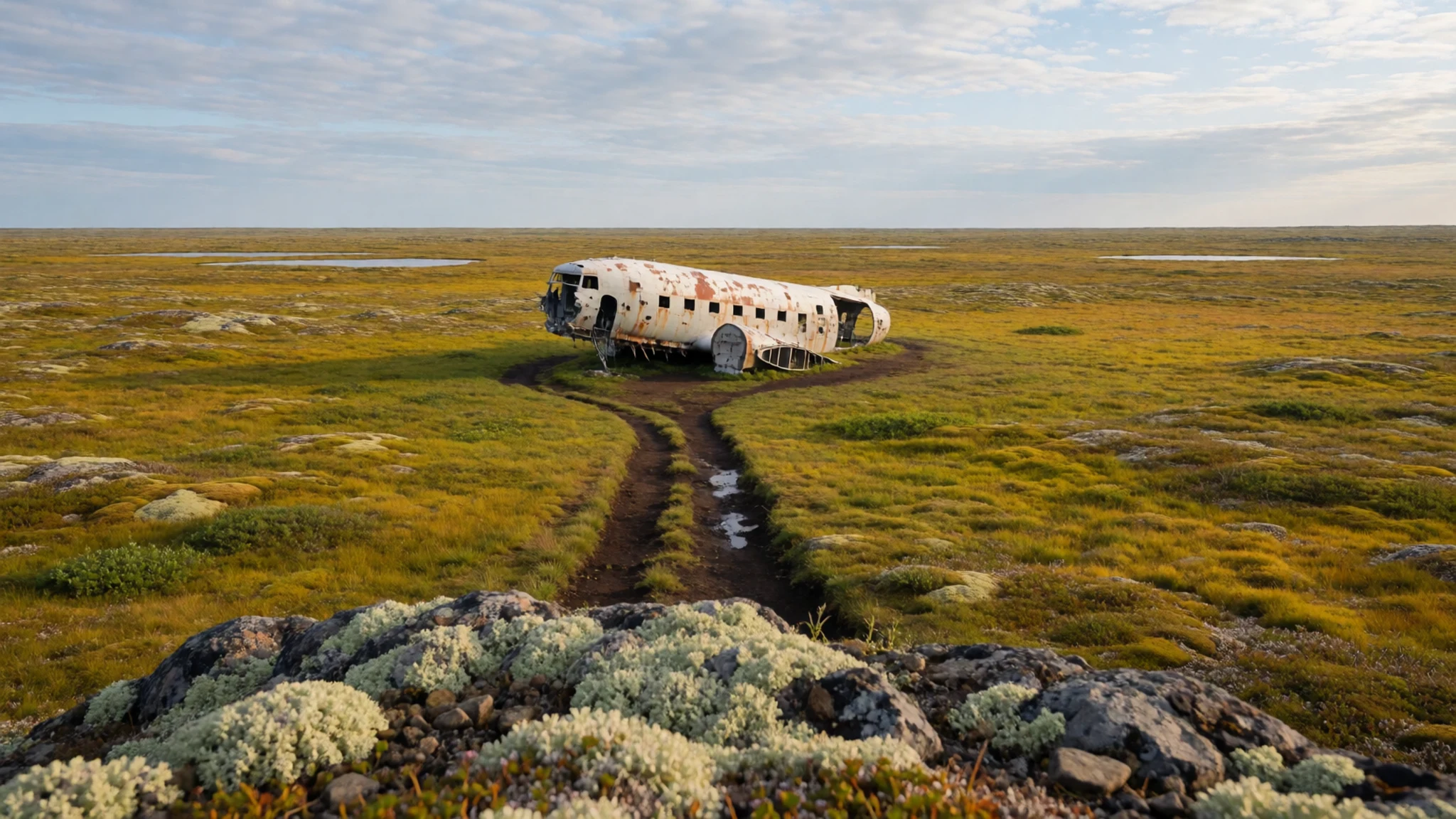
- MV Ithaca — Tidal flats east of town
A steamship ran aground on this tidal flat in 1960 with a cargo of ore in its hold, and the entire crew survived. Its hull has stayed on the mud as a landmark. Tidal flats are soft, cold and driven by the tide, so keep to marked routes, check tide times locally and never walk out alone.
Culture
Churchill's culture grows from the Inuit, Cree, Chipewyan and Dene peoples whose presence on this coast long predates the fort and the port. The town is small, so community life centres on its community centre, school and churches, and most people know one another. Itsanitaq Museum keeps Inuit artefacts and is a good place to learn about the region's older history before the fur trade. Polar bears are a serious part of daily life here rather than a show: residents keep to rules about walking, vehicles and waste, and local guides set the terms on the tundra. The Legion hall is for members only, so meeting locals usually happens in the town's restaurants instead. When you photograph people or their homes, ask first, and never approach a polar bear or leave food and rubbish where animals can reach it.
What to wear
Churchill's dress traditions come from the Inuit, Cree, Chipewyan and Dene peoples of the northern forest and coast, whose clothing was made from hides, furs and sinew to suit long, cold seasons. Traditional garments used caribou and sealskin, with beaded and embroidered decoration kept for ceremony and celebration rather than everyday wear. People in Churchill today dress much as people across northern Canada do: insulated parkas, layered fleece, waterproof boots and knitted hats, with traditional pieces worn at community gatherings and cultural events. Visitors should pack for the climate rather than the calendar, with a windproof, insulated parka, warm gloves, a hat and layers that can be added or removed. Waterproof boots with a good grip suit the wet tundra and the soft tidal flats, and sturdy footwear is the sensible choice for any walk to the old fort or the museum. Modesty is not a formal rule in town, but dress neatly if you attend a church service.
What to eat
- Traditional breakfast — Restaurant attached to the Seaport Hotel (The Reef)
A full cooked breakfast is the most substantial start to a cold day in Churchill. The Reef, the restaurant attached to the Seaport Hotel, serves the stronger of the town's morning options, with a traditional spread that suits a day of walking or touring.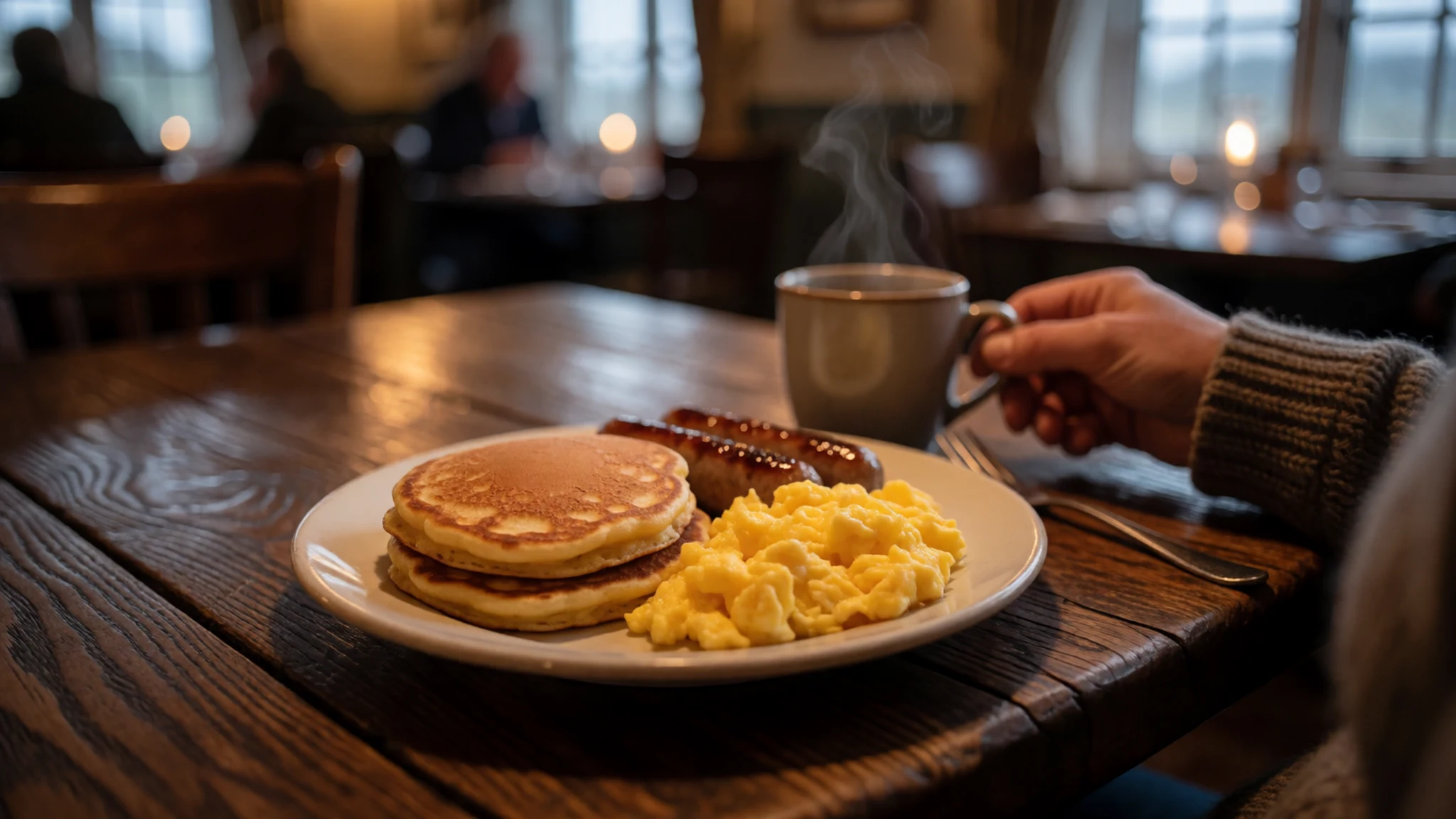
- Bear-season breakfast buffet — Tundra Inn Pub & Lounge, bear season only
A simple buffet is served only during the bear season, when the town's visitor numbers are highest. It is the plainer of the morning options, so choose it for convenience rather than for a leisurely meal, and set off early if you have a tour booked.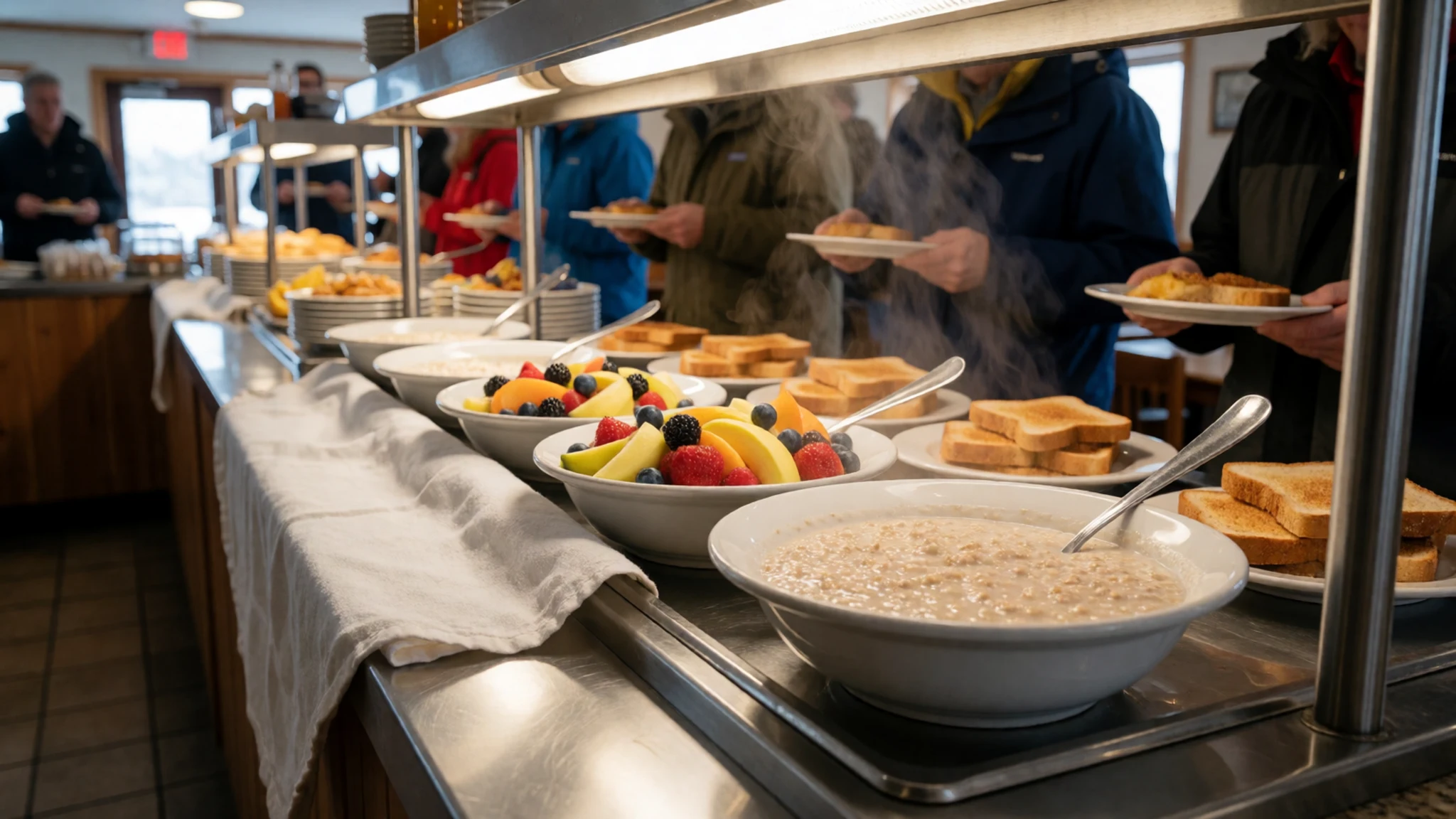
- Sandwiches and espresso — Café in the Lazy Bear Lodge
A cosy café with a good selection of sandwiches and the only espresso machine in town. It serves no alcohol, which makes it a useful stop for a midday lunch between tours or a warm drink after a cold walk.
- Summer picnic lunch — Goose Creek observation tower area, summer only, reached by rental car
A packed lunch eaten outdoors is the summer option, and the Goose Creek observation tower makes a pleasant spot for it. The road is only really worth taking with a rental car, so plan the trip and pack everything you need before leaving town.
Plan it
Best time. October and November, when polar bears gather on the shore waiting for the bay to freeze. Late winter brings the cold, clear nights that suit the northern lights. July and August are the warmest months, with highs near 23 C, and August is also the wettest.
How long. 3–4
Getting there. Fly direct from Winnipeg, about 2.5 hours, to the small Churchill airport, which is about ten minutes by taxi from town. Calm Air also runs seasonal flights from Thompson. The train from Winnipeg is slower and takes several nights.
Budget. high
Tips
- Book bear-viewing tours and flights early in autumn, as seats fill quickly
- Pack warm layers and windproof outerwear even in summer, because the weather turns fast
- Carry some cash for small outlets, as card acceptance can be patchy in remote places
- Keep your itinerary flexible, since weather can delay flights and tours
- Take water and snacks on tundra excursions, as shops are few outside town
Etiquette
- Stay in your vehicle and follow the guide's instructions whenever bears are near
- Ask before photographing residents and their homes
- Keep to marked routes to protect the fragile tundra
Nearby
Sources
- Wikidata Q744553 (CC0)
- Wikipedia: Churchill, Manitoba (rev 1382273098) (CC BY-SA 4.0)
- Wikivoyage: Churchill (rev 5397649) (CC BY-SA 4.0)
- Photo: Churchill, Manitoba (2010), Travel Manitoba (CC BY 2.5)
- Photo: Churchill Fort Prince of Wales, Ansgar Walk (CC BY-SA 2.5)
- Photo: School of White Whales (Belugaschule), Ansgar Walk (CC BY 3.0)
- Photo: Churchill Community Centre, Theraven.au (CC BY-SA 4.0)
- Photo: Churchill Seaport and granary, Ansgar Walk (CC BY-SA 2.5)
- Photo: A beautiful display, Emma (CC BY 2.5)
- Photo: A Chippewaya family group, Joseph Tyrrell (Public domain)
- Photo: Aurora Borealis, Churchill, Manitoba, TravelingOtter (CC BY 2.5)


