Iqaluit
Iqaluit, Canada
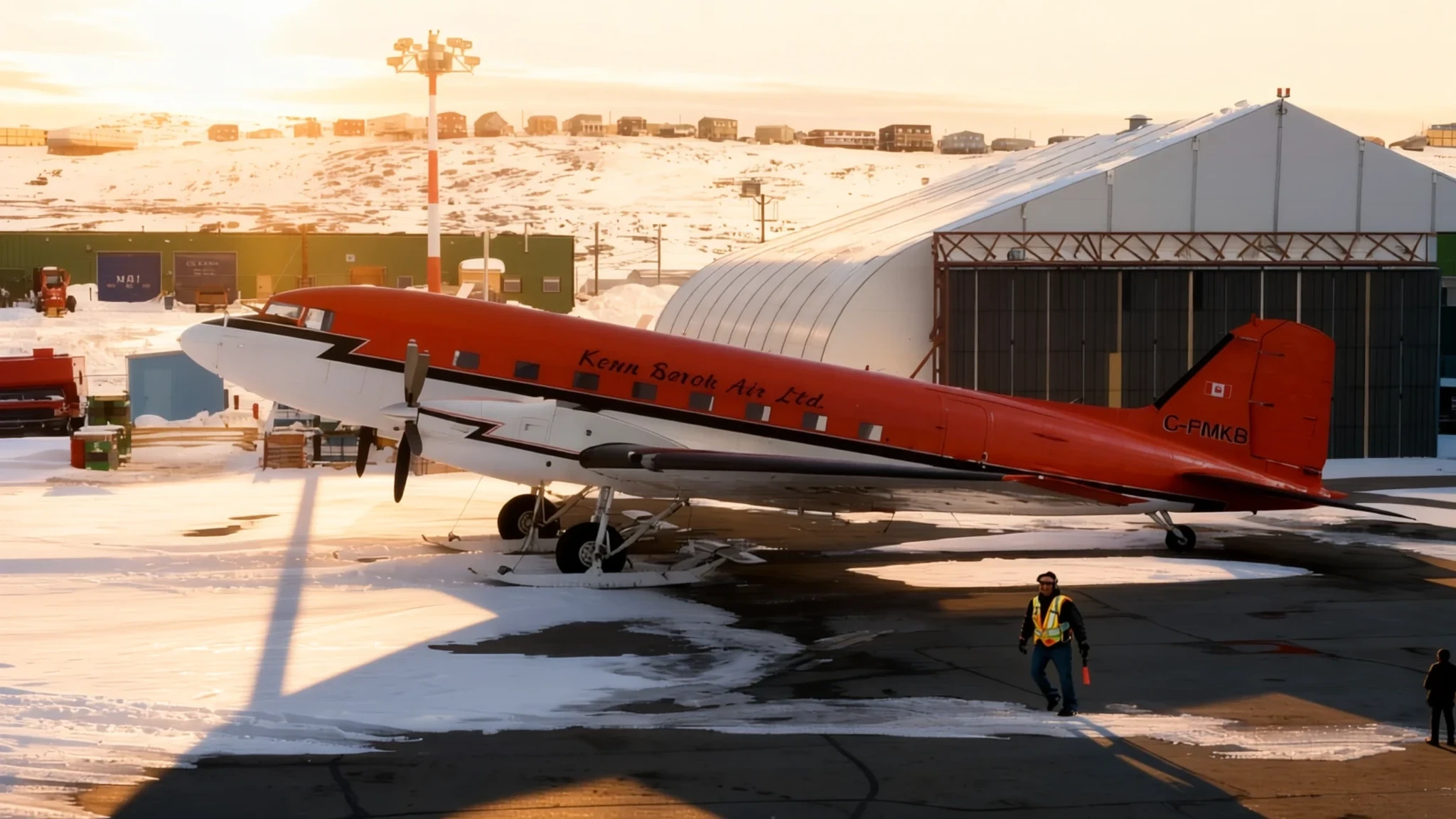
Go for a rare look at an Arctic capital where Inuit culture, art and wide tundra views sit close to the town.
The place
Iqaluit is the capital of Nunavut, the Canadian territory formed when the old Northwest Territories were split in two. It sits on the southeast of Baffin Island, well south of the Arctic Circle yet still very cold. With 7,429 residents at the 2021 census, it has the smallest population of any Canadian capital and is the northernmost city in the country. The town rises from the shore of Frobisher Bay, with the Everett Mountains behind it and open tundra stretching around the edges.
The name means place of many fish in Inuktitut, a fitting description for a coast where fishing has long been central. For decades the town was called Frobisher Bay, after the water it faces, before the Inuktitut name was restored. Iqaluit is isolated: there is no road or rail link to the rest of Canada, and ships reach it only for part of the year. Almost everything, from building materials to food, arrives by air or sea at high cost, which keeps the town small and prices high.
The climate is polar, shaped by the cold Labrador Current running past Baffin Island. Summers are short and the weather can turn quickly, while winters are long and cold. Today the town is a government centre, home to the Nunavut legislature and territorial offices. Visitors come mainly for Inuit art, the summer arts festival and access to the wider Arctic landscapes beyond the town. Expect a compact place rather than a grand city: a few streets, a waterfront and wide views.
Its story
Iqaluit has been a fishing place for Inuit and their predecessors for thousands of years, including the Paleo-Eskimo Dorset culture and the Thule. Its Inuktitut name is usually rendered as place of many fish, a fitting label for waters that still supply the town's food. Long before any airstrip existed, the sheltered shore drew seasonal camps, and archaeological sites on nearby islands preserve traces of that older life.
Modern Iqaluit took shape in 1942, when the United States constructed an air base on land it rented for an extended period from Canada's federal government. The base gave short-range aircraft ferried to Europe a refuelling stop during the Second World War. Nakasuk, an Inuk guide remembered as the town's first permanent resident, helped planners find a large flat area for a landing strip. That wartime strip is now Iqaluit Airport, and the American and Canadian authorities named the settlement Frobisher Bay after the water it borders.
Once the war was over, the Hudson's Bay Company shifted its trading work in southern Baffin to the neighbouring valley now known as Apex, where it could make use of the airstrip. The defence buildup then brought a surge of people. During the construction of the Distant Early Warning Line, a chain of radar stations, hundreds of mostly non-Inuit construction workers, soldiers and administrators arrived. Several hundred Inuit followed for work and medical care, and the Inuktitut name Iqaluit was eventually restored.
What to see
- Legislative Building of Nunavut
The Legislative Building is where Nunavut's single-chamber assembly meets, so it is the place to see the territory's government at work. Its interior holds a strong display of Inuit art, and the main entrance is framed by two tall wooden spires modelled on a qamutik, the traditional sled. Check the official site for visiting arrangements while the assembly sits.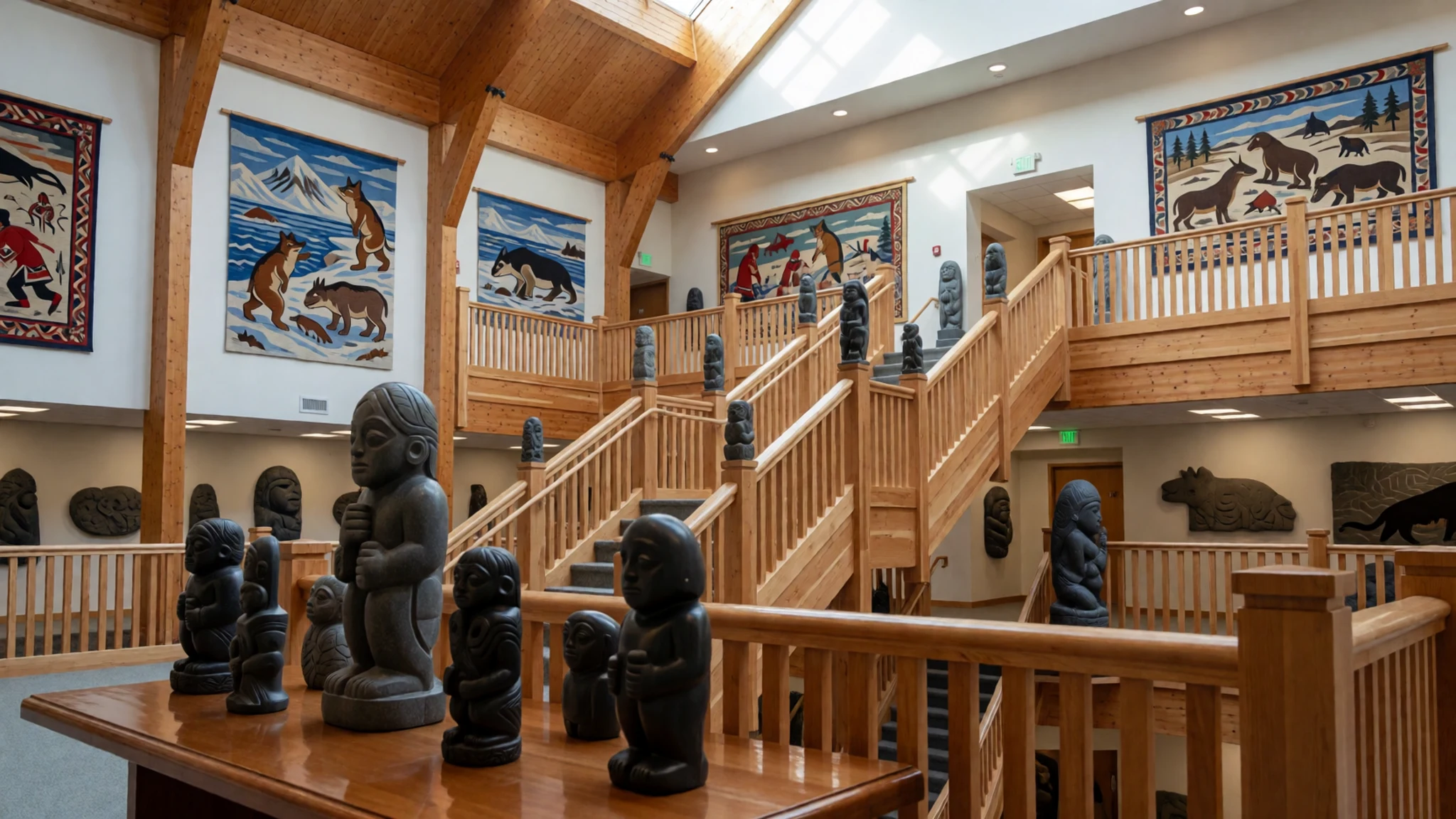
- Nunatta Sunakkutaangit Museum
Nunatta Sunakkutaangit Museum occupies a reconstructed Hudson's Bay Company trading post on the beach, a small building painted red and white. Its collection gathers Inuit art and artefacts, giving a compact introduction to the region's material culture. Because it is small, a visit fits easily into a short afternoon alongside a walk along the shore.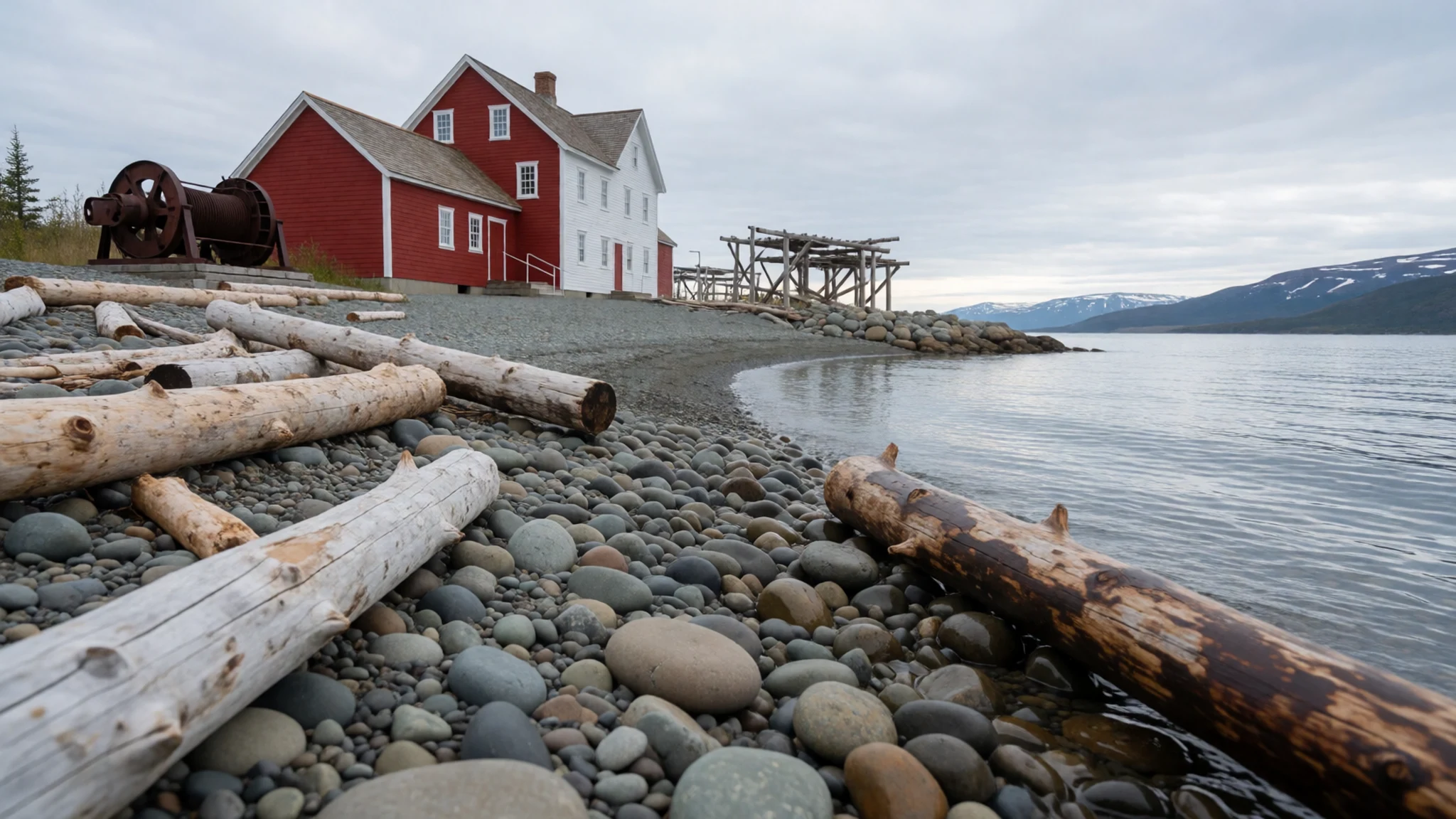
- St. Jude's Anglican Cathedral
St. Jude's Anglican Cathedral is a well-known landmark, a white-domed church designed to resemble an igloo. It is the seat of the Diocese of the Arctic, a diocese covering a very large area. The building is a working church, so check service times before going in.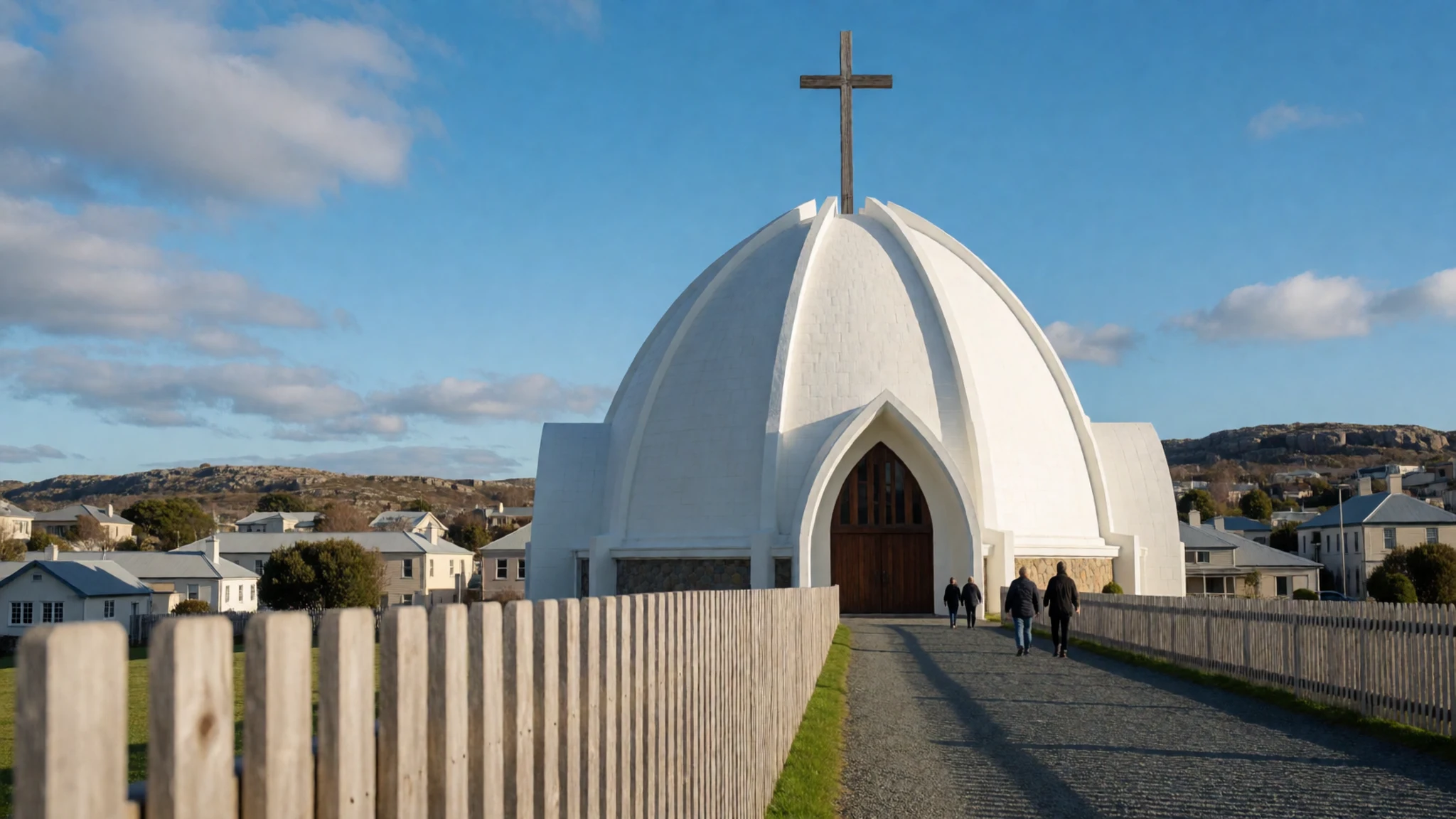
- Sylvia Grinnell Territorial Park
Sylvia Grinnell Territorial Park spreads along the lower course of the Sylvia Grinnell River, where open tundra gives way to rock and water. Several hiking trails follow the river, and anglers come for its fishing. One trail leads to a waterfall, so pack water and sturdy boots for the uneven ground.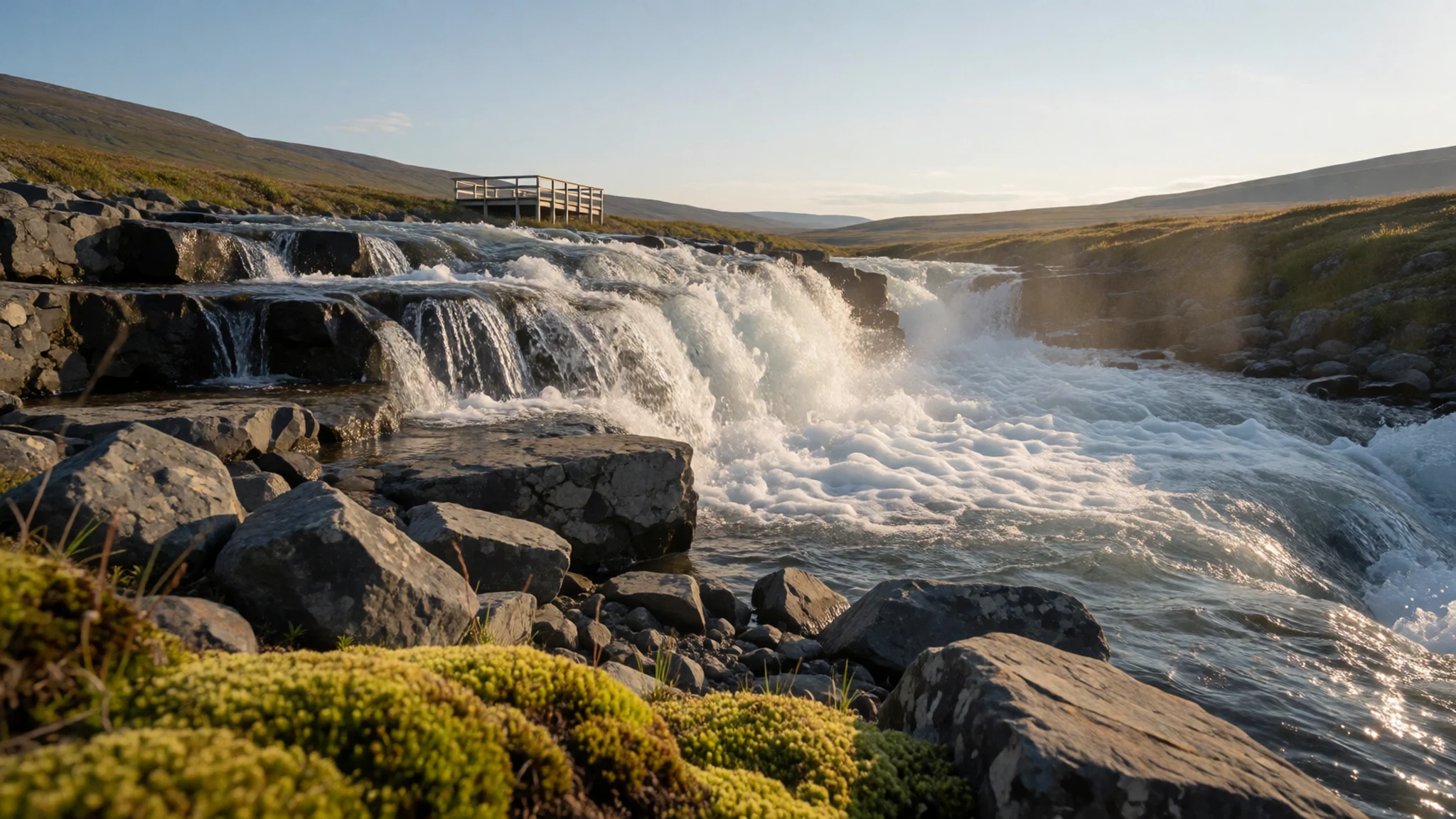
- Qaummaarviit Territorial Park
Qaummaarviit Territorial Park is an island that preserves an archaeological site, a Thule culture campsite. In summer you reach it by boat; in winter the route is by ski, dogsled or snowmobile, so the season decides how the crossing is made. Arrange a local operator for the crossing and check conditions first.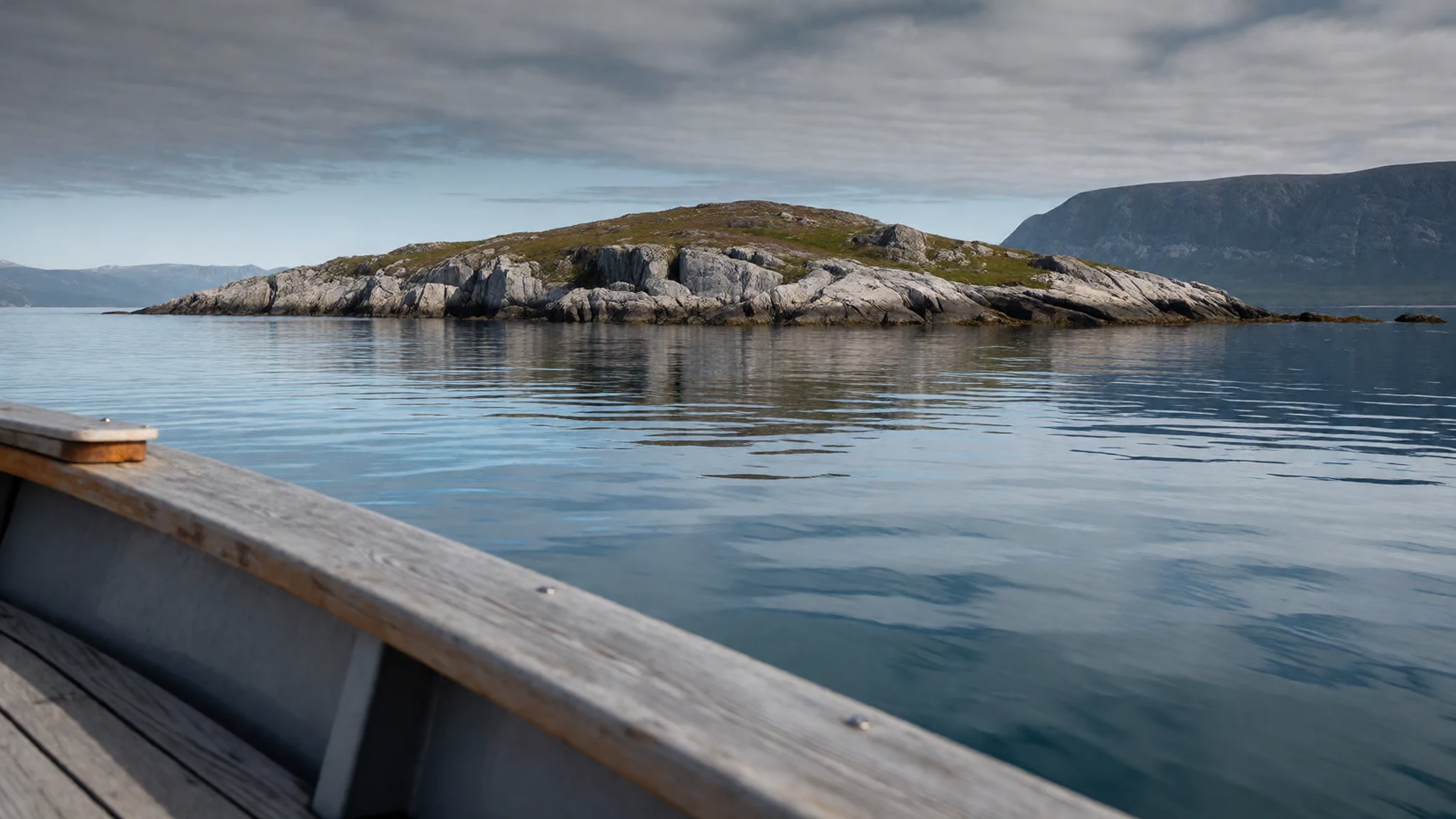
Culture
Iqaluit is a town with a strong Inuit community, and Inuktitut is spoken in the streets, shops and public offices alongside English and French. Much of the town's identity rests on hunting, fishing and sharing, and many residents still take part in land-based activities. Art is central to public life: the Legislative Building holds excellent examples of Inuit work, and the Nunatta Sunakkutaangit Museum gathers artefacts and carvings. Inuit carving, printmaking and textile arts are sold through local galleries and cooperatives.
Community events matter too. The Alianait Arts Festival, held each late June, celebrates Inuit arts and culture with music, dance and crafts, and visitors are welcome to watch. Many people in town know one another, and social life moves at a relaxed pace with a strong emphasis on family.
Sharing food is part of hospitality, and a visitor offered country food may find it a meaningful gesture. Tipping follows the usual Canadian pattern, and prices for everyday goods can be high. Respect for the land and for elders is expected in conversation. Take a moment before photographing a person or a home, and ask first.
What to wear
Traditional clothing in Iqaluit grew from the needs of the land, with caribou and sealskin cut, sewn and fitted to keep out wind and cold. The amautik, a parka with a large hood, was traditionally used by women to carry infants, and kamiks, sealskin or caribou boots, were made to cope with wet snow and rough ground. Embroidery, beadwork and fine stitching in contrasting skins decorated many garments. Sewing skills remain valued, and some makers still work with skins.
People in Iqaluit today wear much the same clothing as other Canadians, with warmth as the priority. Insulated parkas, winter boots, knitted hats and mitts are common in the cold months, and many residents pair them with sealskin or caribou accessories. Traditional dress appears at community events, and at the Alianait Arts Festival it may be seen on people proud of their heritage.
A visitor should dress for the climate rather than for style. Layer a windproof, waterproof outer shell over insulating fleece or wool, and bring warm gloves, a hat and boots with good grip for ice and wet ground. Light clothing suits summer days, but a cold wind off the bay can arrive quickly. Neat dress is appreciated at churches such as St. Jude's, and modest, warm clothing suits any visit to a community setting.
What to eat
- Arctic char — restaurant kitchens around the town centre and the hotel dining rooms
Arctic char is a rich, pink-fleshed fish taken from the cold waters around Baffin Island. Kitchens in town usually serve it pan-fried or smoked, often with potatoes and greens. Supply depends on the season, so a menu may offer it only some of the year.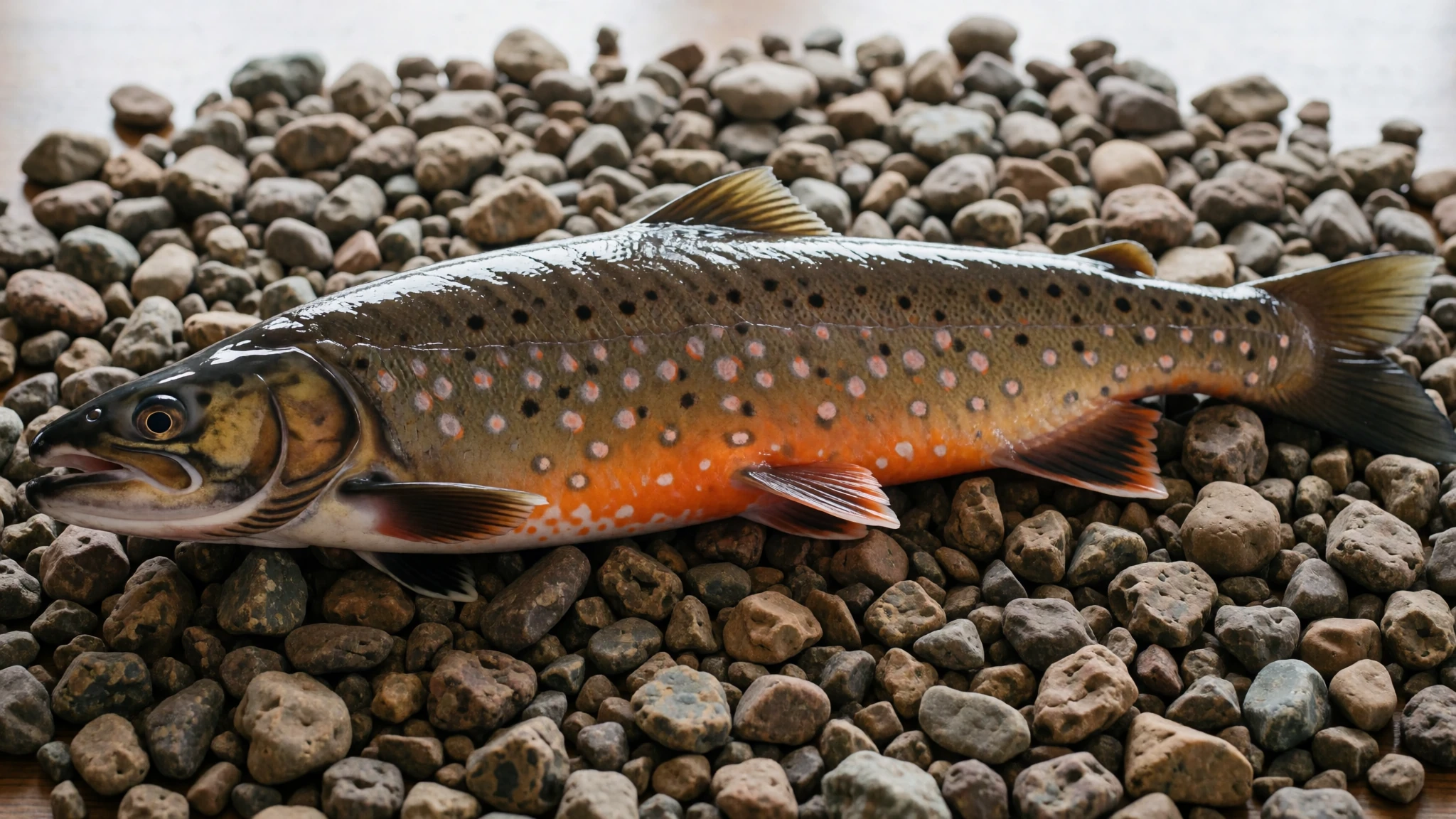
- Caribou — country-food restaurants and the dining rooms of the larger inns
Caribou is the main game meat on local menus, usually roasted or braised. It reflects the long tradition of hunting on the tundra around the town. Ask for it in a restaurant that lists country food, since availability changes with hunting seasons.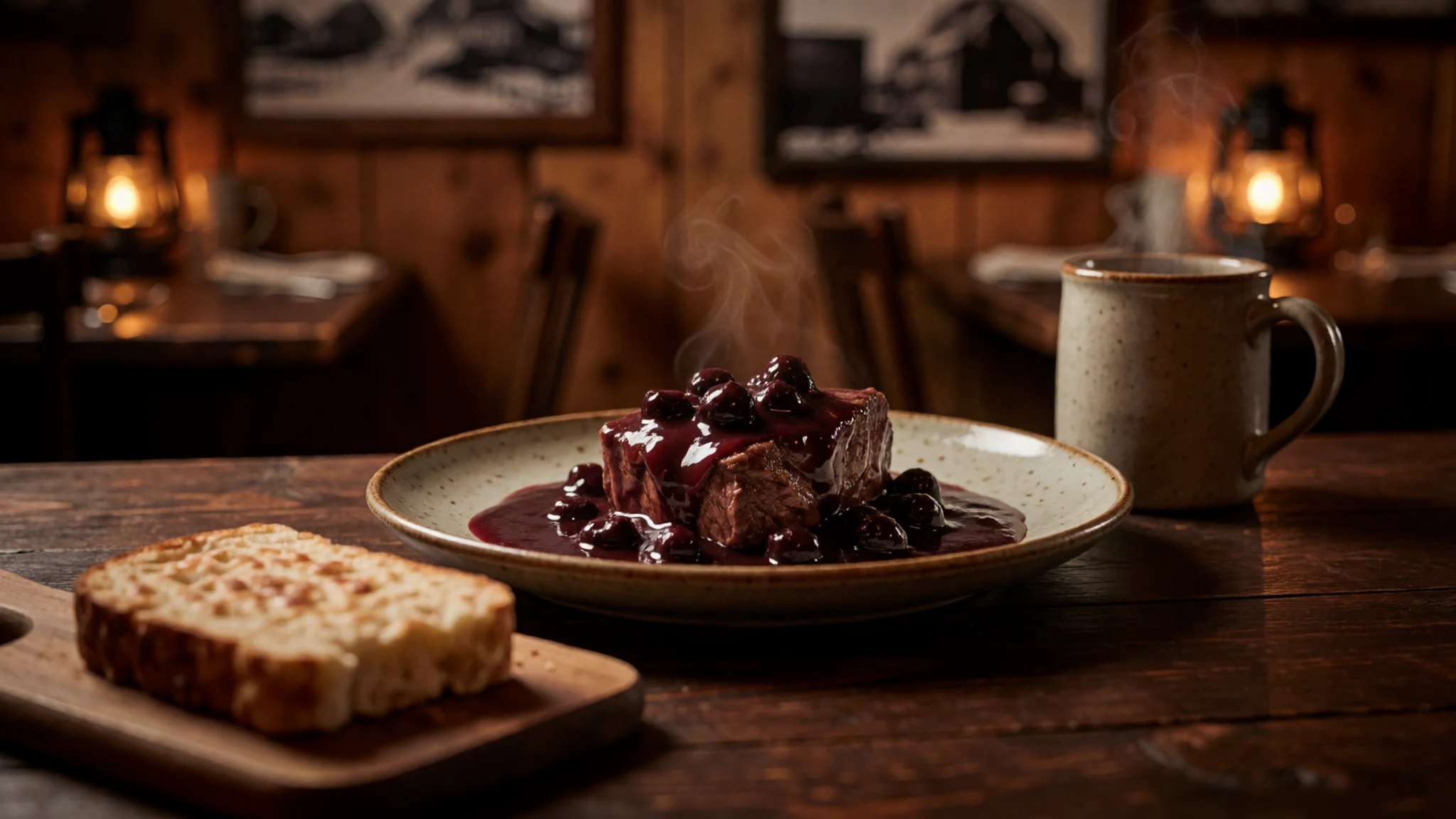
- Mussels, scallops and shrimp — eateries along the shore, near the bay
Mussels, scallops and shrimp come from the cold coastal waters and appear mostly as starters or in pasta dishes. Supply varies because the town depends on shipping that is limited for part of the year. Find them at restaurants along the shore or in inn dining rooms. - Coffee and pastries — cafés along the beach and in the town centre
Cafés are the everyday eating places in town, serving espresso drinks, baked goods, soups and sandwiches. Several sit near the beach, so a coffee can come with a view over the bay. Opening hours change with the season, so check locally. - Shawarma and kebab — a Lebanese restaurant or pizza place in the town centre
Lebanese-style shawarma and kebab appear on the menus of several restaurants, along with salads, pizza and pasta. It is a useful option for something hot and filling after a cold day outdoors. Some places offer delivery, so ask before you order.
Plan it
Best time. July and August, when the days are long and the weather is at its mildest; late June brings the Alianait Arts Festival. Winter is cold and dark, and spring and autumn are changeable.
How long. 2–3
Getting there. Iqaluit is reached by air, and by sea only under the right ice conditions, as there is no road link. Fly into Iqaluit Airport from Ottawa or from regional hubs such as Kuujjuaq and Rankin Inlet; in summer a service may also run from Nuuk.
Budget. high
Tips
- Book flights and accommodation well ahead, since choice is limited and rooms can cost more than their value
- Budget travellers may camp, and the college residence can be an option when the college is not in session
- Build spare days into the plan, because weather can delay or cancel flights
- Bring warm layers even in summer, including a windproof outer shell
- Carry some cash as a backup, and check which cards small businesses accept
Etiquette
- Ask before photographing people or their homes
- Respect Inuktitut place names and the local advice on hunting areas
- Keep to marked paths when visiting the parks
Nearby
Sources
- Wikidata Q2030 (CC0)
- Wikipedia (rev 1378615865) (CC BY-SA 4.0)
- Wikivoyage (rev 5405363) (CC BY-SA 4.0)
- Iqaluit, Nunavut (Quintin Soloviev) (CC BY 4.0)
- Leg Building Iqaluit 2000-08-27 (Ansgar Walk) (CC BY-SA 2.5)
- Iqaluit St. Jude's Anglican Cathedral 2012 (Cwk36) (CC BY 3.0)
- Iqaluit airport (Andreas Duess) (CC BY 2.5)
- Inuksuk High School (OhanaUnited) (CC BY-SA 4.0)
- Aerial view of Iqaluit (Quintin Soloviev) (CC BY-SA 4.0)
- October nights in the Arctic (2) (Abishek Indukuri) (CC BY-SA 4.0)
- Apex, Nunavut (Aaron M Lloyd) (Public domain)


