Yekaterinburg
Yekaterinburg, Russia
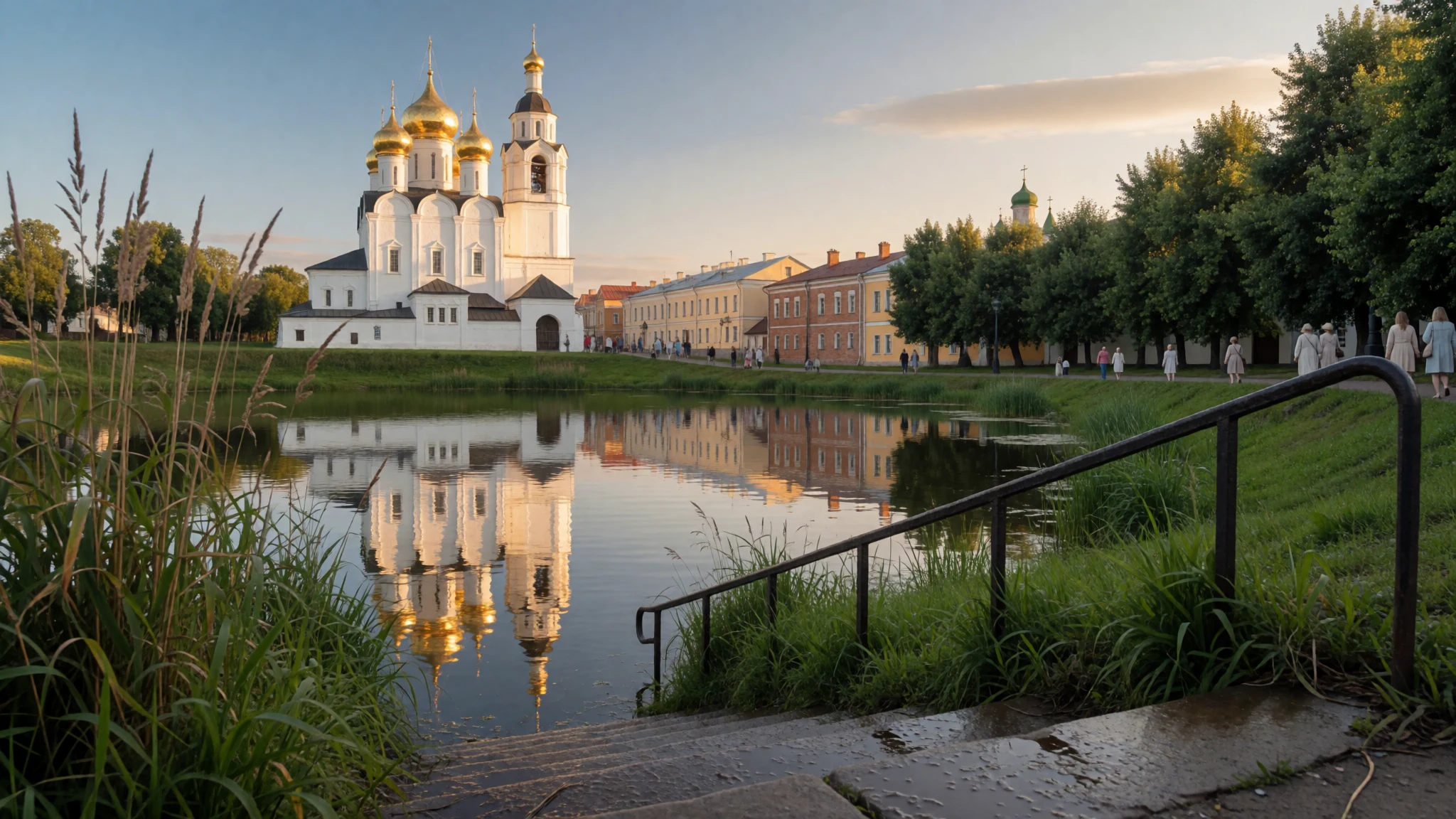
Yekaterinburg is where Europe hands over to Siberia, a mining-and-factory city with a river at its heart and a lively arts scene.
The place
Yekaterinburg sits on the Iset River, about 237 m above sea level, at the point where the Volga-Ural region gives way to Siberia. About 1.5 million people live in the city, and the wider urban area is larger still. It is the administrative centre of Sverdlovsk Oblast and of the Ural Federal District, and it feels like it: offices, universities, rail yards and factories shape the day more than souvenir stalls do. The centre is a grid of broad avenues running down to the river, which was dammed long ago to form a pond that now serves as the city's promenade. Merchant mansions, early Soviet constructivist blocks and glass towers stand within a short walk of one another, so a single afternoon covers several centuries of Russian taste. The old description of the city as a mining capital still explains its energy: money made from metal paid for the theatres, museums and town houses that remain. Summers are warm and green, with long light evenings. Winters are properly cold and dark, the pond freezes, and life carries on with skating, thick coats and hot drinks. Distances are manageable, since most central sights lie within a few kilometres of each other, and trams and buses fill the gaps. Many travellers treat Yekaterinburg as a stop on a longer journey east, but it rewards a few days of its own, especially for anyone who enjoys a city that is still working rather than posing.
Its story
Yekaterinburg's story starts long before the city. People lived along the Iset in the Mesolithic and Neolithic periods, and archaeological sites near the city hold stone-working workshops where makers used a wide range of local rocks and minerals, which shows how well they knew the land. Later cultures left ceramics, ornaments and bronze tools, including casting moulds for sickles. Many of these finds came to light during railway building in the late nineteenth century, with proper excavation following in the twentieth. The modern city was founded in 1723 and named after Catherine, wife of Peter the Great. It grew as a mining and metalworking centre, a strategic link between Europe and Asia, and a key staging post on the Siberian Route that was later built through it. By the end of the nineteenth century it had also become a centre of revolutionary activity in the Urals. During the Russian Civil War it was the place where the Romanov family were murdered, an event that still draws visitors and strong feeling. After the Soviet Union was formed, the city was renamed Sverdlovsk in honour of the Bolshevik leader Yakov Sverdlov, and it stayed a heavy-industry hub through the Soviet decades. The historic name came back when that era ended. Today the city carries all of these layers at once: a frontier trading town, a revolutionary stage and a modern regional capital.
What to see
- Iset embankment and dam — Central embankment
Yekaterinburg grew around the dam on the Iset, and the pond behind it is still the city's living room. Walkers, cyclists and skaters in winter use the embankment, with bridges, public art and cafés along the water. Come at dusk, when the towers light up and the heat of the day fades.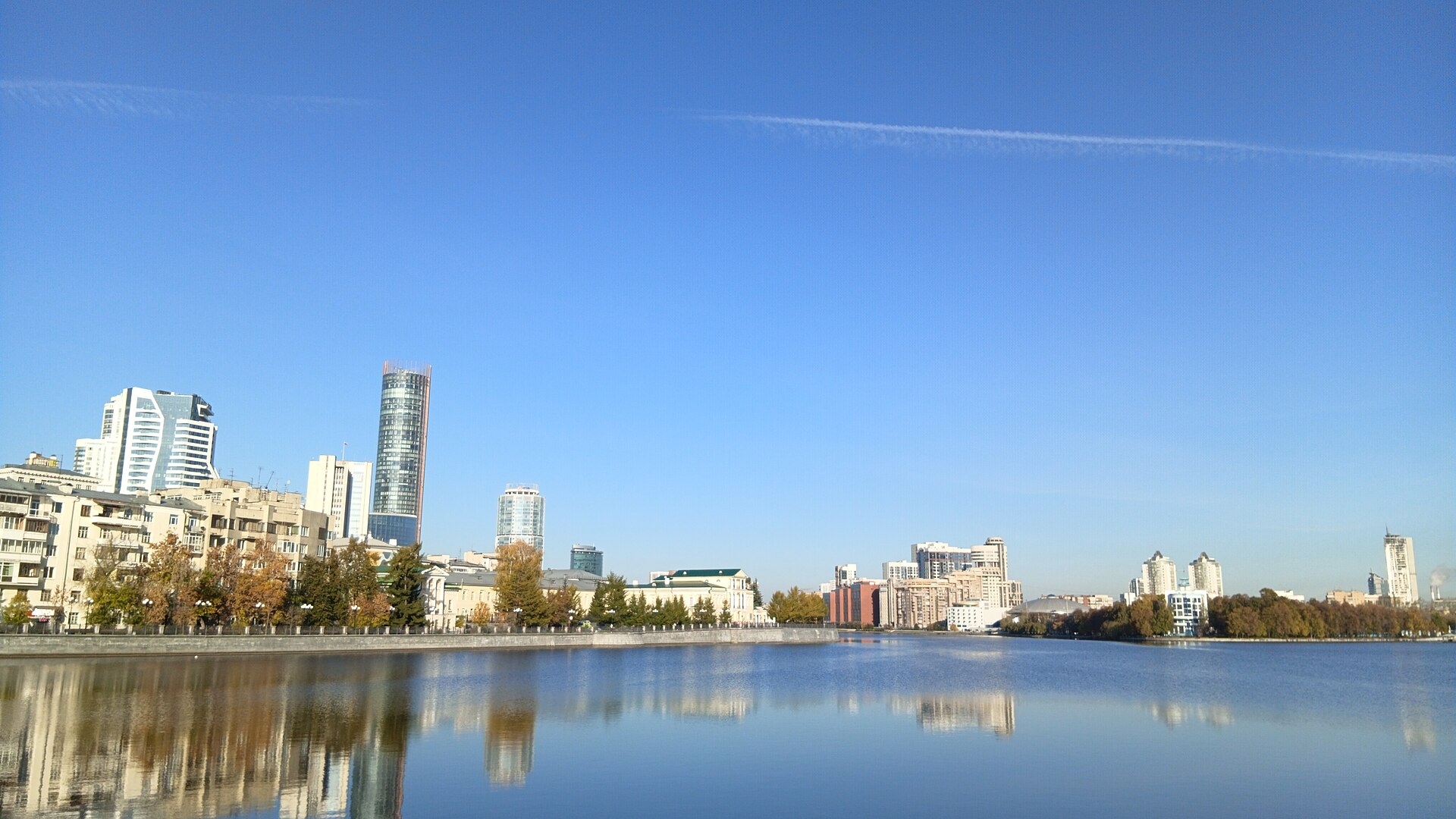
- Church on the Blood — Central Yekaterinburg
This large Orthodox church was built in memory of the Romanov family, who were murdered in Yekaterinburg during the Civil War. Gilded domes and carved stonework make it easy to spot, and the interior is hushed and busy with worshippers. Visit respectfully, and expect queues on anniversaries and church holidays.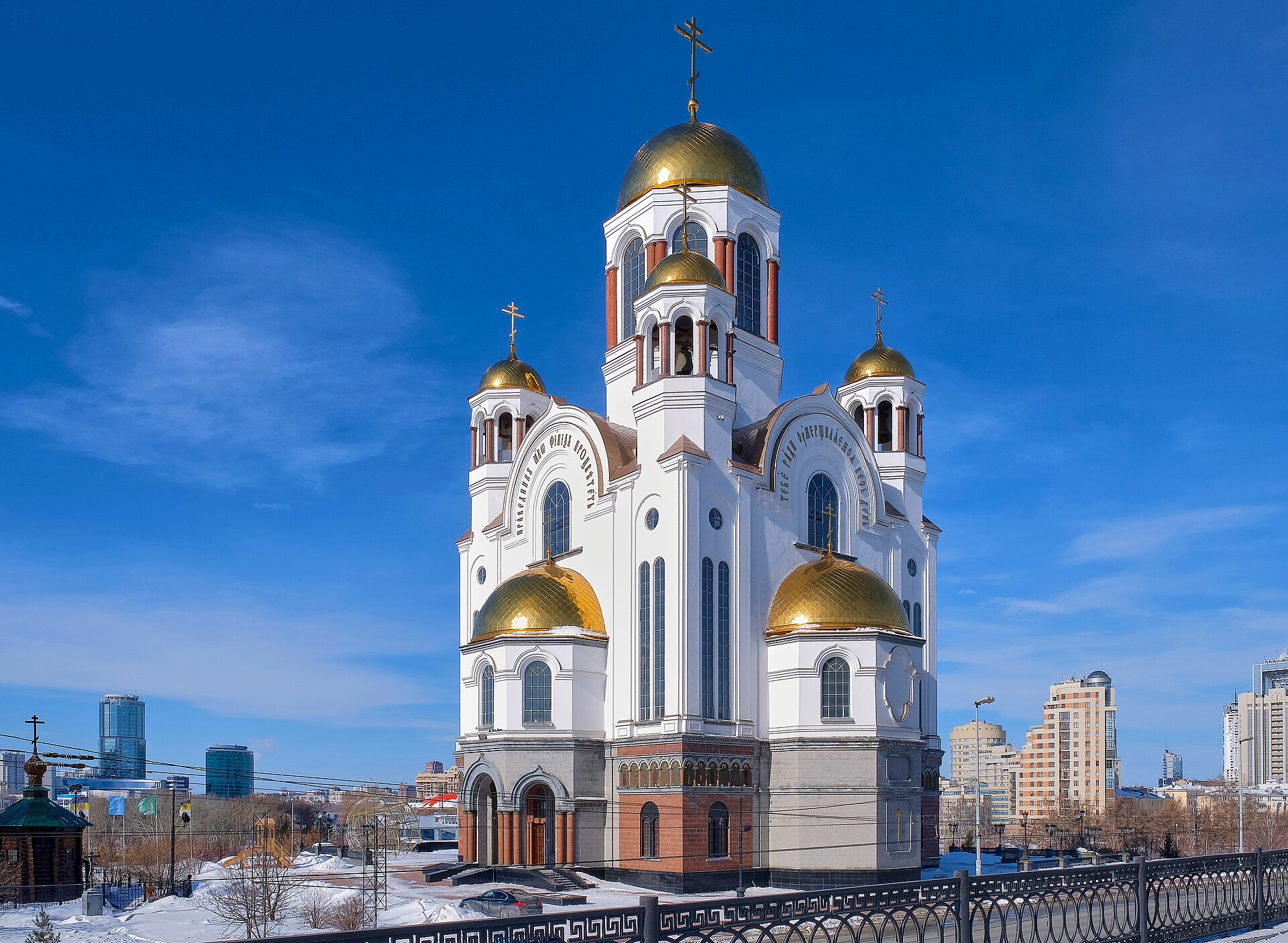
- Sevastjanov House — Lenin Avenue, centre
A former merchant mansion in the centre, Sevastjanov House shows the wealth that mining and trade brought to the city. Its ornate façade is the main draw, and the surrounding streets hold more mansions and administrative buildings from the same period. A good stop on a slow walk between the river and the avenues.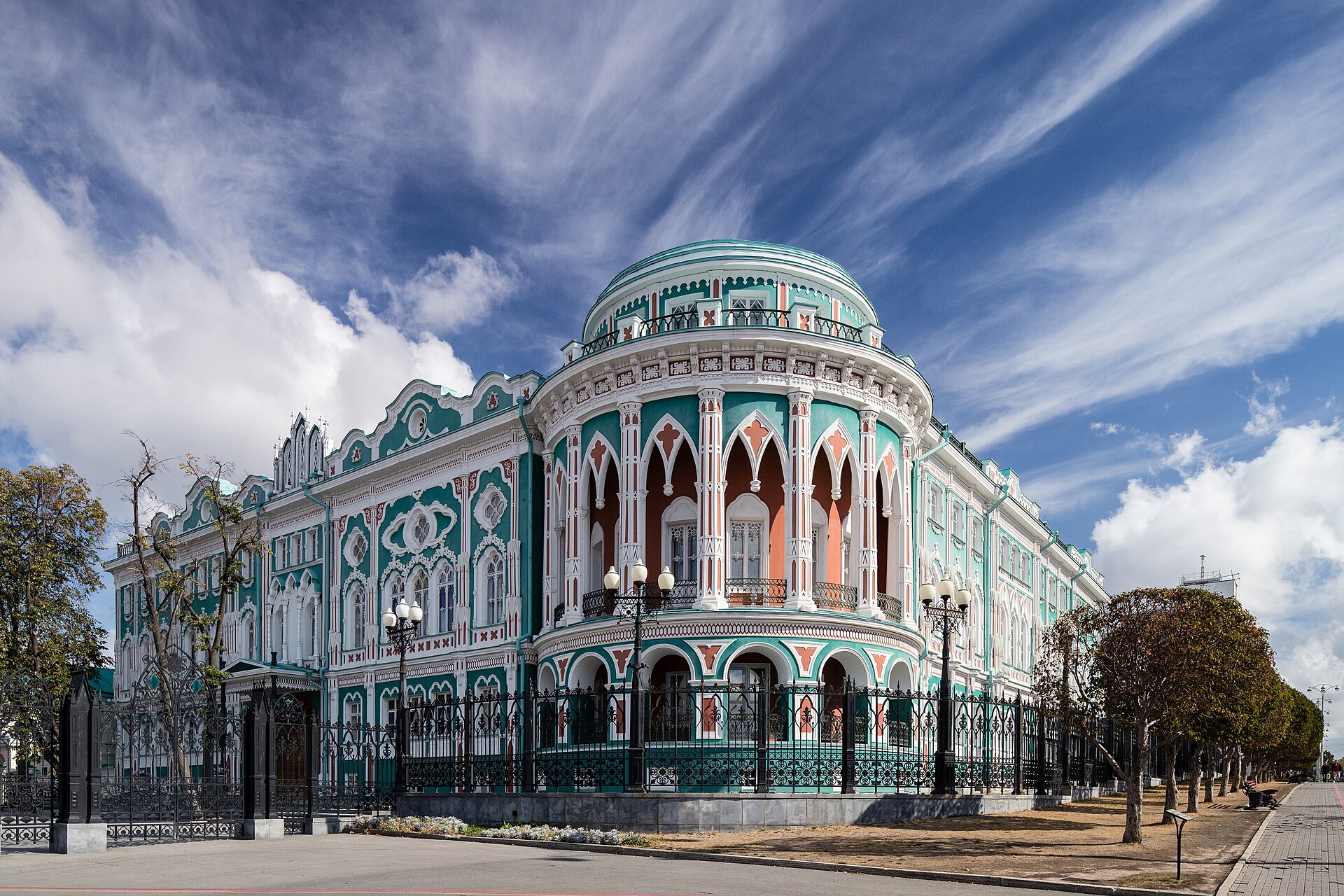
- QWERTY monument — Central embankment area
Among the city's more playful sights is a giant keyboard, laid out in large white stones that rise from the ground and carry engraved key names such as Q and Shift. It makes a quick, cheerful stop and a good photo, and children enjoy climbing around it. Little time is needed here. - Museum of Fine Arts — Centre, near the Iset
The Museum of Fine Arts holds eighteenth- and nineteenth-century Russian painting, a selection of European works, and small sculptures and jewellery. It is calm and unhurried compared with the big capital-city galleries, and suits a cold or wet afternoon. Check opening days before going. - Yeltsin Centre — Central Yekaterinburg
The Yeltsin Centre is a large modern museum and cultural complex devoted to Russia's recent past, with exhibitions, events and a café. It is a useful way to understand how the country changed in the late twentieth century. Allow half a day, and check the programme in advance.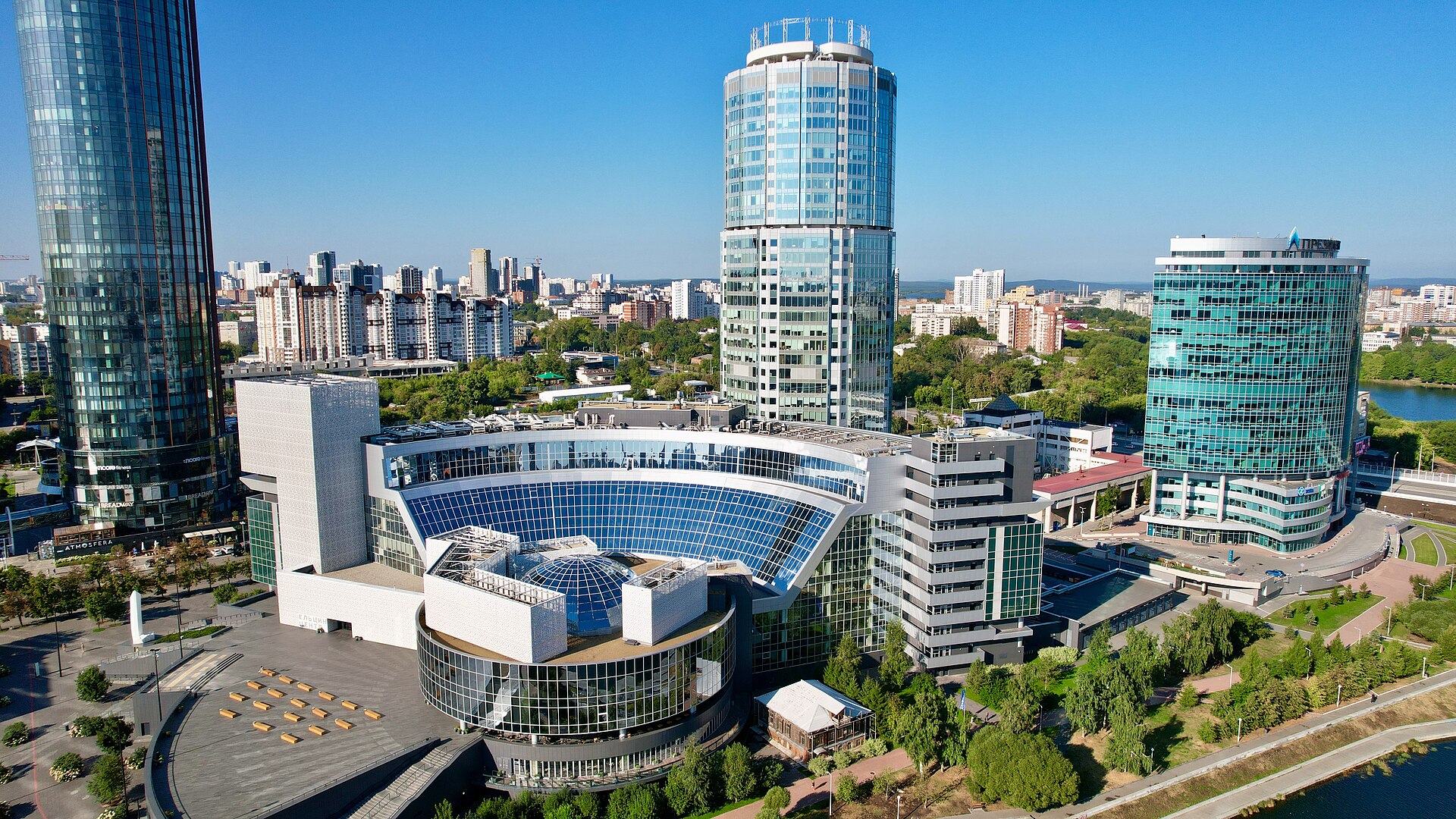
Culture
Yekaterinburg's culture reflects its position between two worlds. It is a Russian city with Orthodox roots, a mining and manufacturing past, and a university and arts scene that draws young people from across the Urals and Siberia. Theatres, concert halls and galleries are well used by locals rather than staged for tourists, and the city has a reputation for dry humour, which the oversized keyboard monument and the many quirky statues along the embankment express well. History is handled seriously. The Romanov story is commemorated at the Church on the Blood, while the Yeltsin Centre looks at the political upheavals of the late twentieth century. Religious life is visible but relaxed: services are open to the public, candles are lit, and icons are kissed or bowed to. Daily life runs around work and family, with long weekend walks by the pond and dinners at home with guests. Hospitality is warm once the ice is broken, though first meetings can seem reserved. Russian is the working language, and a few words of greeting and thanks go a long way, because English is far from universal. Winter shapes the rhythm of the year, with cafés, theatres and museums doing busy trade when the weather turns. In Orthodox churches such as the Church on the Blood, dress modestly with shoulders and knees covered, women are expected to cover their heads, and visitors should ask before photographing worshippers or icons.
What to wear
Yekaterinburg's traditional dress belongs to the wider Russian and Urals repertoire. Women's festive costume centred on the sarafan, a sleeveless dress of linen, wool or later cotton, worn over a white blouse, with a kokoshnik headdress or a printed headscarf (platok). Men wore belted linen shirts and wool trousers, and felt boots (valenki) kept feet warm through the long winters. Today these garments appear mainly at folk festivals, school performances and on stage, though patterned wool shawls and knitted socks are still worn at home. Everyday style in the city is practical and fairly smart: dark colours, tailored coats, boots and good knitwear. In winter, down coats, fur or fleece hats, scarves and gloves are normal, and people change shoes on arrival indoors. Summer is lighter, with shirts, dresses and trainers, and evenings by the river call for a layer. Visitors should dress for the season first. In winter that means thermal layers, a windproof coat, a warm hat, insulated waterproof boots with grip for ice, and gloves. In summer, bring light clothes, a rain jacket and comfortable walking shoes for paved streets. For Orthodox churches, carry a scarf or shawl to cover the head if needed, and wear tops and skirts or trousers that cover shoulders and knees. Restaurants and theatres are casual-smart rather than formal.
What to eat
- Pelmeni — Canteen-style eateries and Russian restaurants in the centre
Small dumplings of meat in thin dough, boiled and served with butter, sour cream or vinegar, are a staple of the Urals. They suit the climate and are filling and cheap. Order them in a canteen or a Russian-cuisine restaurant. - Borscht — Restaurants and lunch cafés across the centre
This beetroot soup, often with cabbage, potato and meat, is served with a spoonful of sour cream and dark bread. It is the dish most visitors remember from Russian meals and works well on a cold day. - Blini — Pancake cafés and bakeries near the main avenues
Thin pancakes are rolled or folded around savoury fillings such as mushrooms or cheese, or sweet ones such as jam and condensed milk. They suit breakfast, a snack or a light dinner and are easy to find. - Pirozhki — Bakeries, stalls and station kiosks
Baked or fried buns are filled with cabbage, potato, meat or sweet fruit. Locals buy them hot as a quick lunch or for a station journey. Pick a few different fillings and eat them while warm. - Kvass — Summer street kiosks and traditional restaurants
This lightly fermented, slightly sour drink is made from rye bread. It is low in alcohol, refreshing in summer, and popular with children and adults alike. Try it alongside a plate of dumplings.
Plan it
Best time. June to September, when days are warm and long and the embankment is at its liveliest. Winters are very cold and dark, though the city is well heated and the snow can be atmospheric if you are properly equipped.
How long. 2–3
Getting there. Fly to the city's international airport and continue by taxi, bus or train link into the centre; long-distance trains also arrive at the central railway station, a short ride from the main sights. Buy train tickets from official outlets and check timetables before travelling.
Budget. mid
Tips
- Check the city's official visitor site (https://ekbconnection.ru/) for events, current opening times and updates before you go
- Carry some cash as well as a card, since small shops and kiosks may not take cards
- Walk the central sights in one day, then use trams and buses for anything farther out
- In winter, book accommodation with reliable heating and allow extra time for travel on icy days
- Drink bottled or filtered water if you are unsure of the local supply
Etiquette
- Cover shoulders and knees in churches, and women should carry a headscarf
- Take off outdoor shoes if a host offers slippers at a private home
- Ask before photographing people, services or icons
Nearby
Sources
- Wikidata Q887 (CC0)
- Wikipedia — Yekaterinburg (rev 1384730718) (CC BY-SA 4.0)
- Wikivoyage — Yekaterinburg (rev 5422891) (CC BY-SA 4.0)
- Views of Yekaterinburg from Vysotsky viewpoint — Vyacheslav Bukharov (CC BY-SA 4.0)
- Church on the Blood, Yekaterinburg — Vyacheslav Bukharov (CC BY-SA 4.0)
- Sevastjanov House — Serge larin (CC BY-SA 4.0)
- Yeltsin Centre (September 2022) — Vyacheslav Bukharov (CC BY-SA 4.0)
- Yekaterinburg, August 2021 — Vyacheslav Bukharov (CC BY-SA 4.0)
- Yekaterinburg's downtown on the Iset embankment — S. Kleinmichel (CC BY 4.0)
- Casting mould for sickles, Bronze Age — Владислав Фальшивомонетчик (CC BY 3.0)
- Drawing of the Uktus plant — unknown author (Public domain)


