Yazd
Yazd, Iran
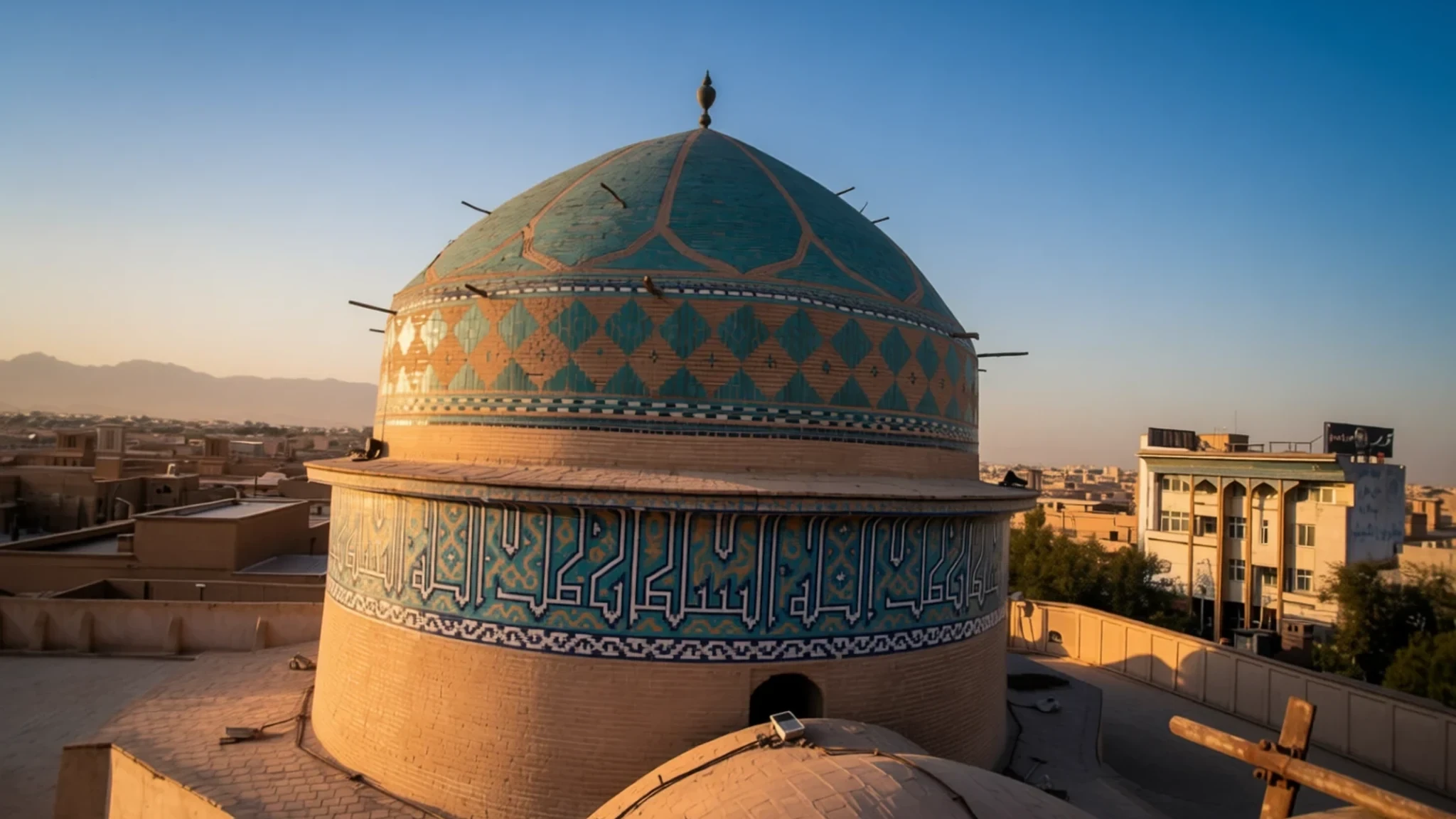
A desert city of windcatchers, underground water channels and fire temples, best seen in spring or autumn before summer heat sets in.
The place
Yazd sits on the edge of the central Iranian desert, roughly midway between Isfahan and Kerman, and its population is about half a million. Its older quarter is built from mud brick and earth plaster, so the skyline is a field of domes and tall, open-sided windcatchers. These towers, known as badgirs, draw air down into houses and courtyards, and they explain the city's nickname, the City of Windcatchers. The old fabric is a long answer to the desert: narrow lanes shaded by high walls, thick-walled houses that stay cool through the day, and cisterns and underground channels that carried water into the city long before piped supply. Yazd has also been a centre of Zoroastrian life for centuries, and its fire temples are still in use. Its craft traditions are strong too, with handwoven termeh cloth, silk weaving, pottery and traditional sweets. The old quarter is compact and mostly walkable. The summer heat is the real challenge, as afternoons regularly pass 40 °C (104 °F) with little humidity, and the nights stay uncomfortably warm. Spring and autumn suit a visit best. Since 2017 the historic city has been recognised by UNESCO, and many old merchant houses have been converted into guesthouses, which makes staying overnight part of the experience.
Its story
The area around Yazd has been settled for a very long time. Archaeological finds a short distance north of the city point to occupation in the Achaemenid period, when the Persian empire stretched across much of the ancient Near East. The Roman writer Pliny the Elder mentions a town called Issatis, and some scholars think its name is linked to the word from which Yazd may have come. The city rose to real importance under the Sasanians, the last great Persian dynasty before the Arab conquest. A mint was set up here, a sign that the place mattered to the royal administration. Later chroniclers credit a Sasanian king with refounding the town, and they connect the name to a word meaning God, which suits a place where Zoroastrianism endured for centuries after the Muslim conquest. Zoroastrians moved in from neighbouring provinces, and by paying a levy they were allowed to keep their faith. Islam became the dominant religion only gradually. The city's remote setting spared it from many of the wars that struck the region. When the Mongol invasions devastated other cities, Yazd became a refuge for people fleeing the destruction, and its desert location kept it out of the main lines of conflict.
What to see
- Masjid-e Jame (Jameh Mosque) — Old town, near the Friday mosque quarter
The Jameh Mosque dates from the 14th century and is the city's showpiece of Persian tilework. Its mosaics and brickwork are finely detailed, and its tall minarets rise above the old town. The courtyard is calmer in the cooler hours of the morning, but the building is lit up at night, and many visitors come back after dark to see it glow. Check the official site for opening times, which can change through the year.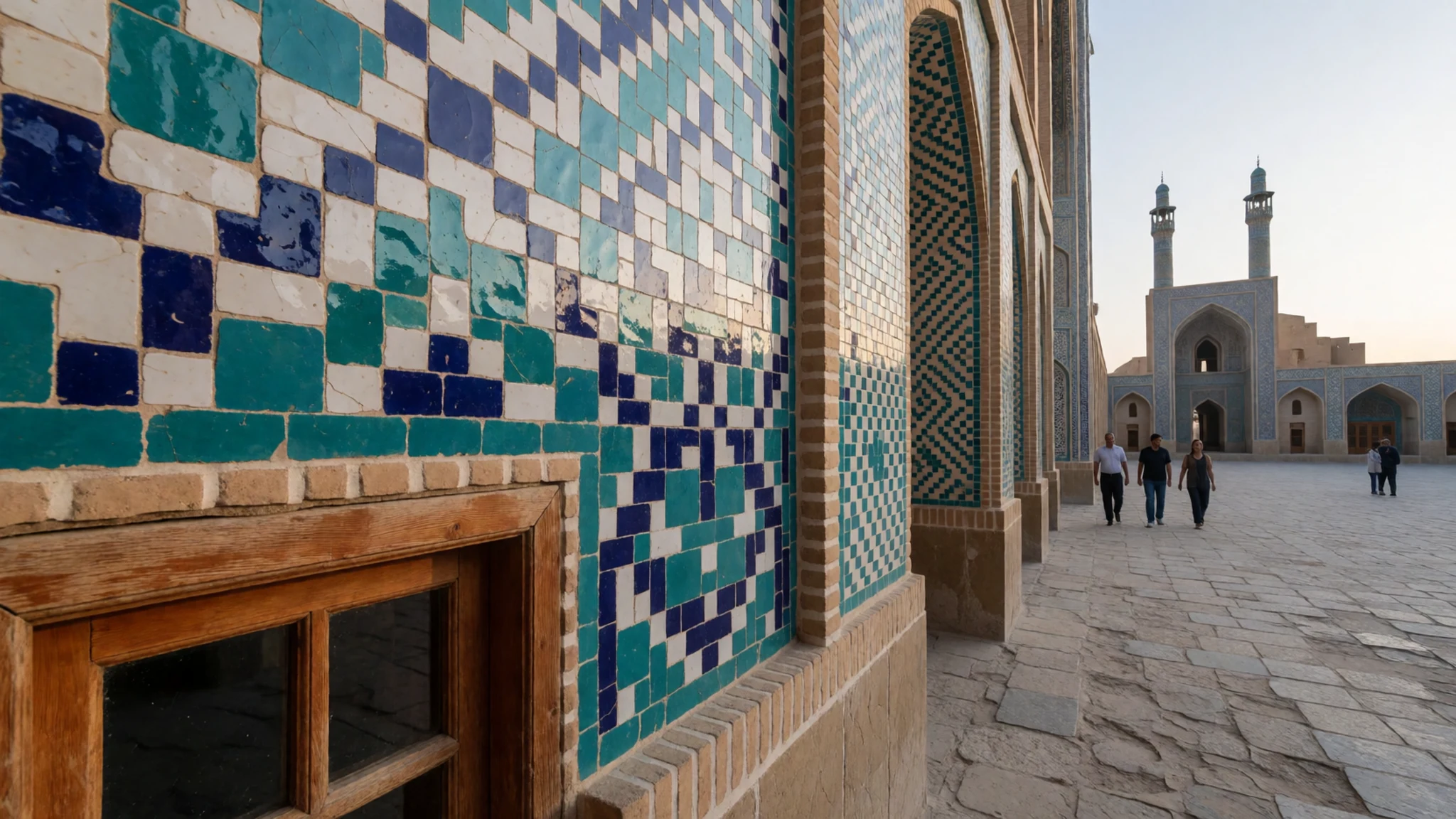
- Yazd Water Museum — Old town, opposite the Amir Chakhmagh complex
A traditional house turned museum that explains the qanat system, the underground channels that brought water to the city from distant sources. Its cool underground rooms make a welcome break in the middle of the day, and the displays are clear about how the network was built and maintained. Allow about an hour, and expect the lower rooms to feel several degrees cooler than the street. Check the official site for current opening hours.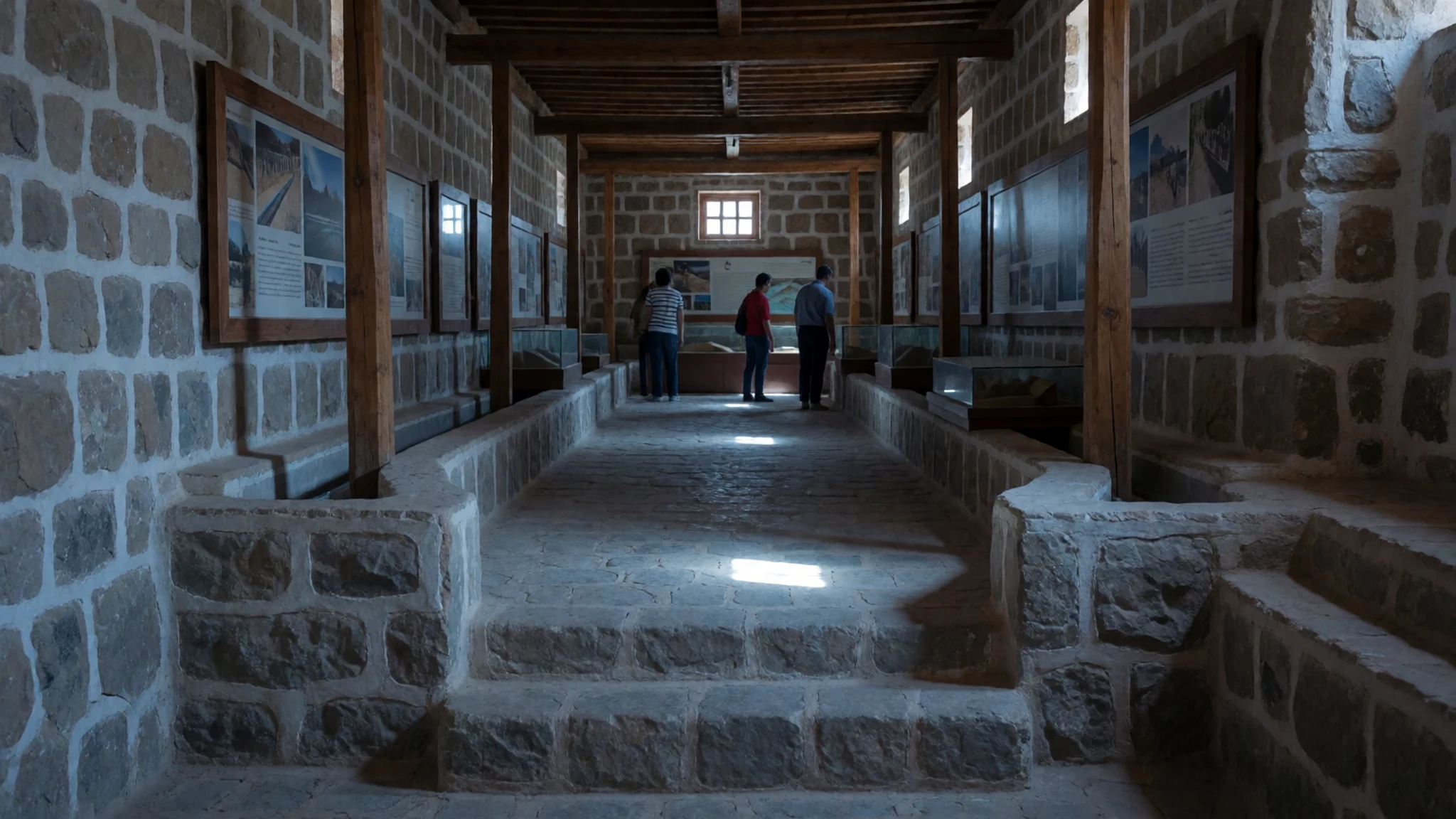
- Takyeh Amir Chakhmagh and the square — Old town square, opposite the water museum
This imposing building has served as a mosque, a caravanserai, a bathhouse, a cold-water point and a confectioner's, depending on the period. Its facade fronts the square, and in the evening the lit arches and the steady flow of people make it one of the busier spots in the old town. Sit with a cold drink at the edge of the square and watch the city go by.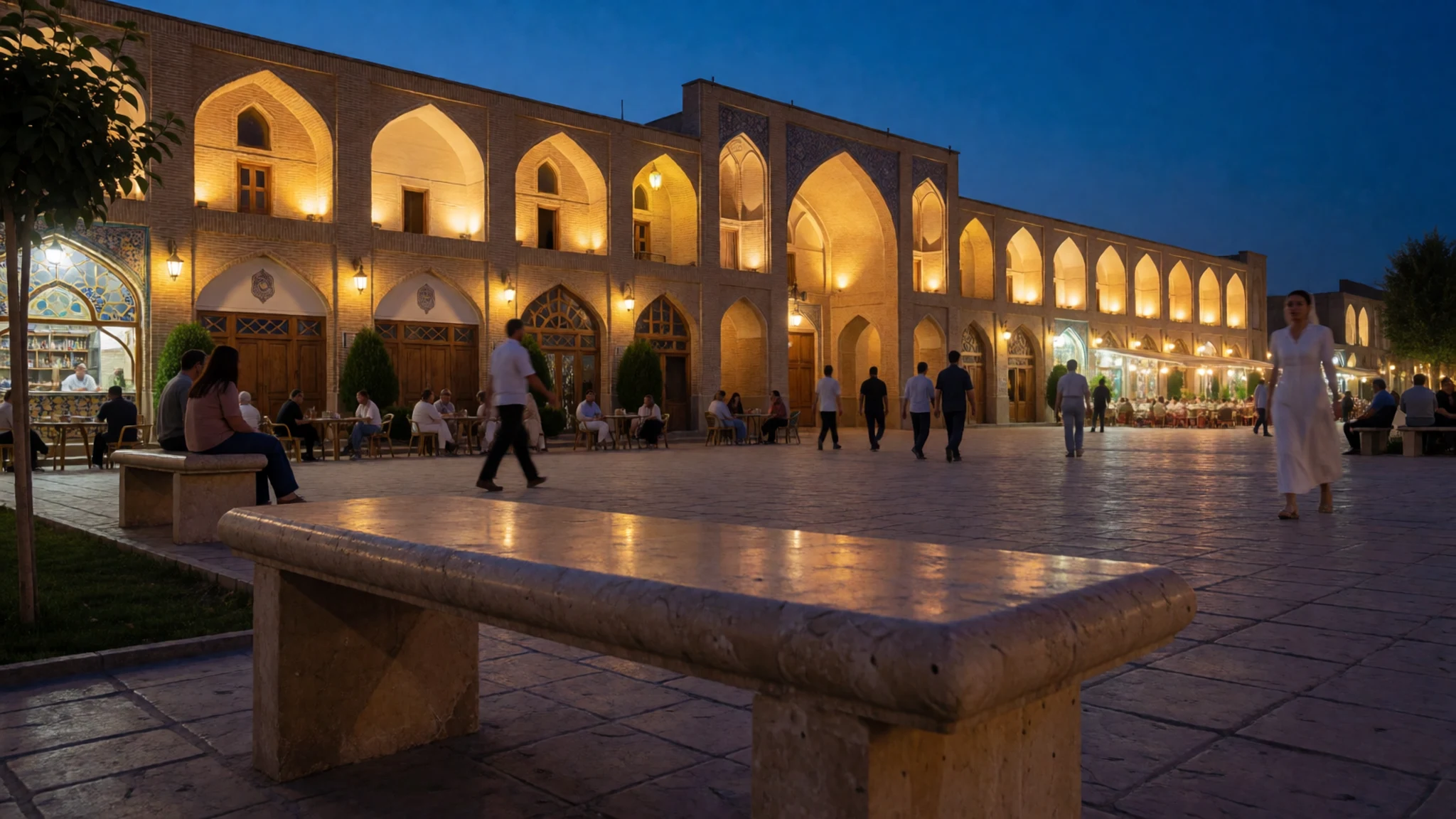
- Atashkadeh (Zoroastrian fire temple) — Southern part of the city
A working Zoroastrian fire temple completed in 1934, home to a fire said to have burned since AD 470. It is counted among the nine Atash Behram, the most sacred fires of the faith. The temple is an active place of worship, so visitors are expected to be quiet and respectful, and the inner sanctum is reserved for members of the faith. Dress modestly and ask before taking photographs.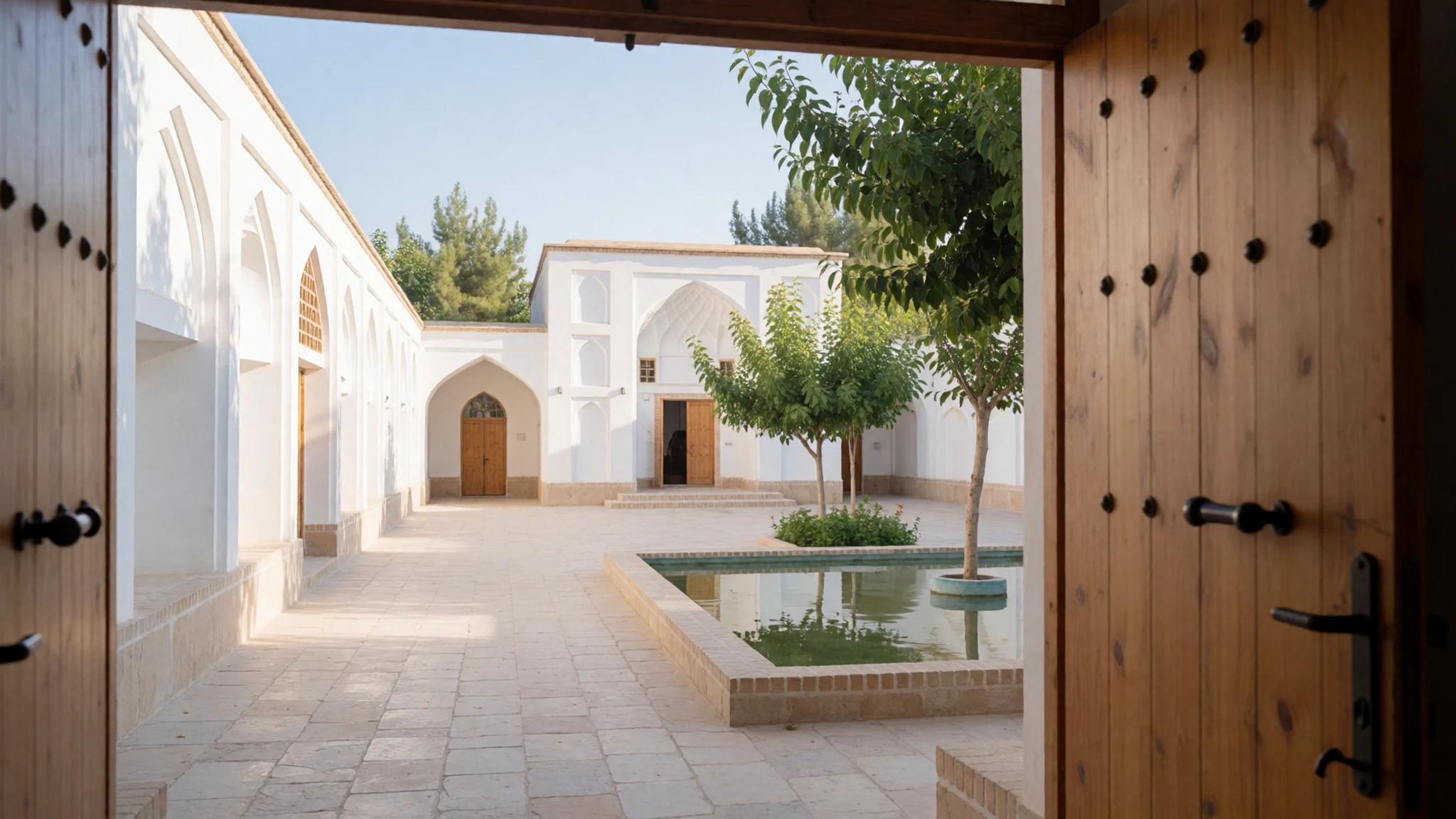
- Dakhmeh (Towers of Silence) — Hills on the southern edge of the city
Huge circular walls stand on hilltops outside the city, where the dead were once left to be picked clean by vultures, following Zoroastrian custom. The site is quiet and open, and it gives a sense of the faith's long history in the region. Two hills can be climbed, Golestan and Mankeji, and walking up them makes a good late-afternoon outing. Bring water and sturdy shoes, and avoid the hottest part of the day.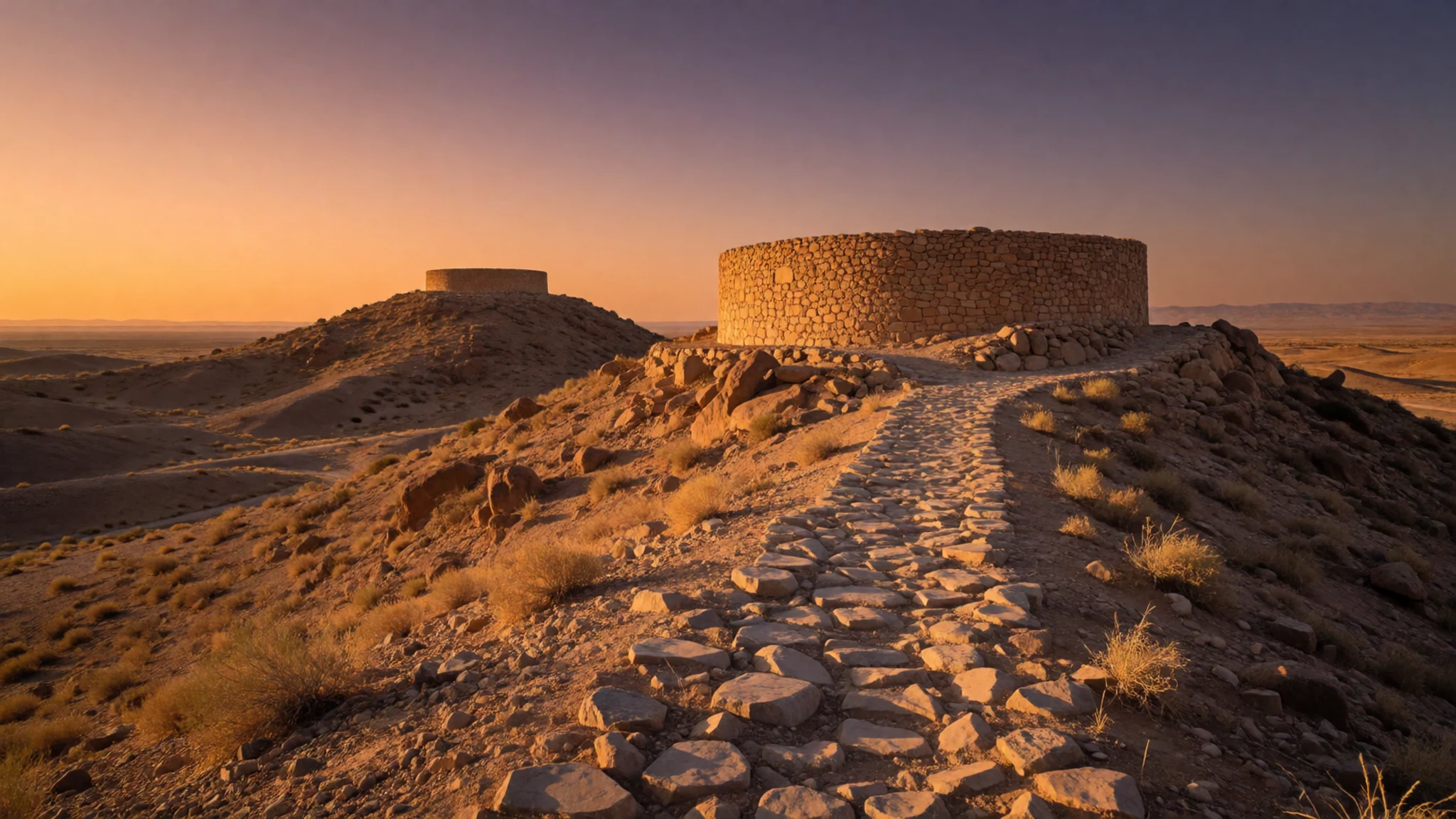
- Cistern of Fatemeh-ye-Golshan — Old town, near the Amir Chakhmagh complex
A water reservoir with four badgirs, the wind towers that draw air down into the storage chamber. The cistern is easy to see and is one of the clearest examples of how the city kept water cool and available. Look up at the towers from the entrance and notice how their openings catch the breeze. Check the official site for opening hours and any charges before you go.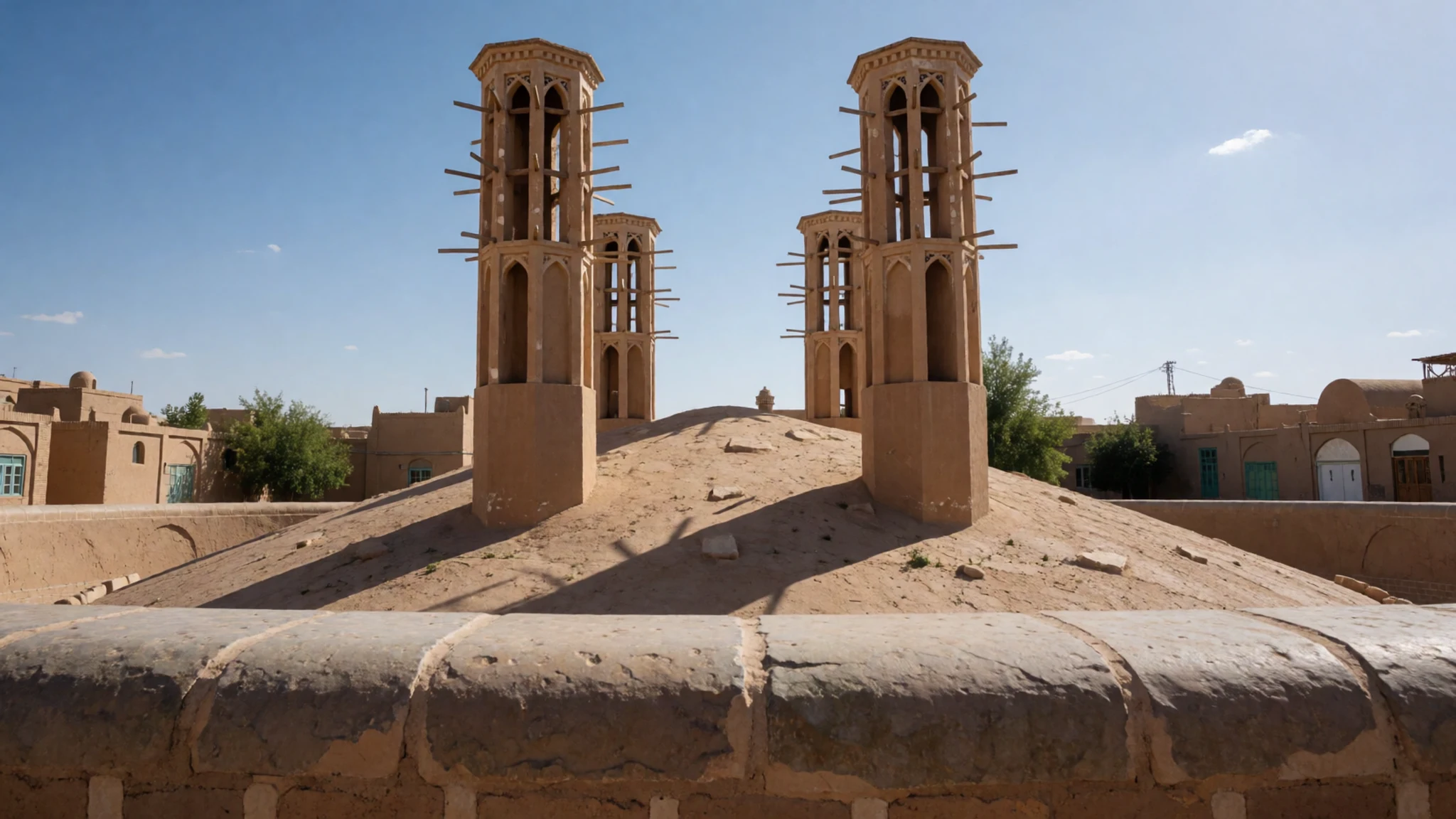
Culture
Yazd is a city where several faith traditions have lived side by side for centuries. Zoroastrians, whose fire temples still burn in the old quarter, have kept their rites through long periods of change, while the Islamic calendar shapes the weekly rhythm of the city. Public life moves at a gentler pace than in Tehran. Many shops and bazaars open in the morning, slow down through the hottest hours of the day, and reopen in the evening. The city takes pride in its handicrafts: weavers still work termeh cloth, and sweets, pottery and woodwork form long traditions. Bicycles are common, a legacy of contact with European visitors in the nineteenth century, and riders weave through the lanes of the old town. Conversation tends to be warm and direct, and visitors are often asked where they come from. Hospitality matters, so accepting a cup of tea is a gracious gesture. Keep public displays of affection low-key. When you enter a mosque or a fire temple, remove your shoes where asked, speak quietly, and ask before photographing anyone.
What to wear
Yazd's traditional dress has long been shaped by the desert and by religious custom. Women have worn the chador, a full-length cloak, as well as the simpler roosari headscarf with a long coat known as the manteau, which remains common. Men traditionally wore loose trousers with long shirts and a waistcoat, and some older men still dress this way. The city is especially known for termeh, a handwoven cloth of silk and wool or cotton, with geometric and floral patterns in deep colours. It has been used for ceremonial garments, shawls and cushion covers, and some workshops still weave it on traditional looms. Everyday dress in Yazd today is much like urban dress across Iran: women usually wear a manteau with trousers and a headscarf, often in bright colours, and men wear shirts and trousers. Western-style clothing is also seen, especially among younger people. For a visitor, modesty is the key. Loose, long-sleeved tops and trousers or skirts below the knee suit both the heat and the religious sites. A headscarf is required in mosques and advisable in public, covering the hair. Sturdy, flat, comfortable shoes are essential for the uneven lanes and steps of the old quarter.
What to eat
- Pashmak (Persian cotton candy) — The historic bazaar and the main square
A fluffy spun-sugar confection that Yazd's confectioners have long been known for, alongside its wider tradition of sweets. Sellers cluster around the historic bazaar and the main square, and the sugar is spun in front of you while you wait. It is cheap, quick and best eaten while walking.
- Kebab with flatbread — Kebab houses on the streets around the old town
Standard Iranian kebabs are grilled over charcoal and served with flatbread, rice, grilled tomato and raw onion. Busy kebab houses around the old town suit a sit-down lunch or an early dinner. Order at the counter, and expect simple, filling food at modest prices.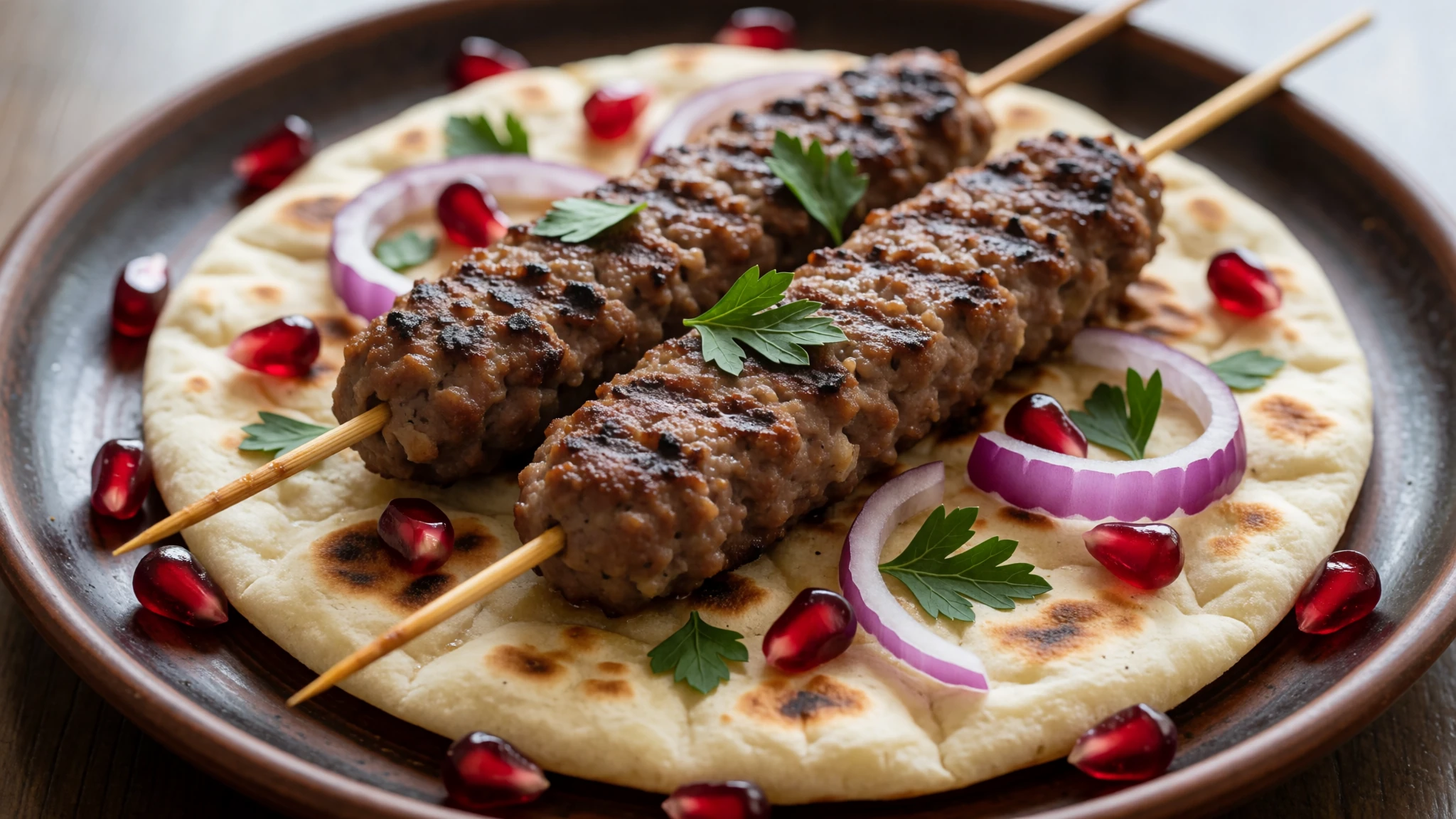
- Fessenjan — Traditional restaurants in restored courtyard houses
A rich stew of ground walnuts and pomegranate, usually made with chicken or duck. It appears on the menus of traditional restaurants and tea houses, and it is worth ordering at least once. Courtyard restaurants in restored old houses often serve the most authentic version.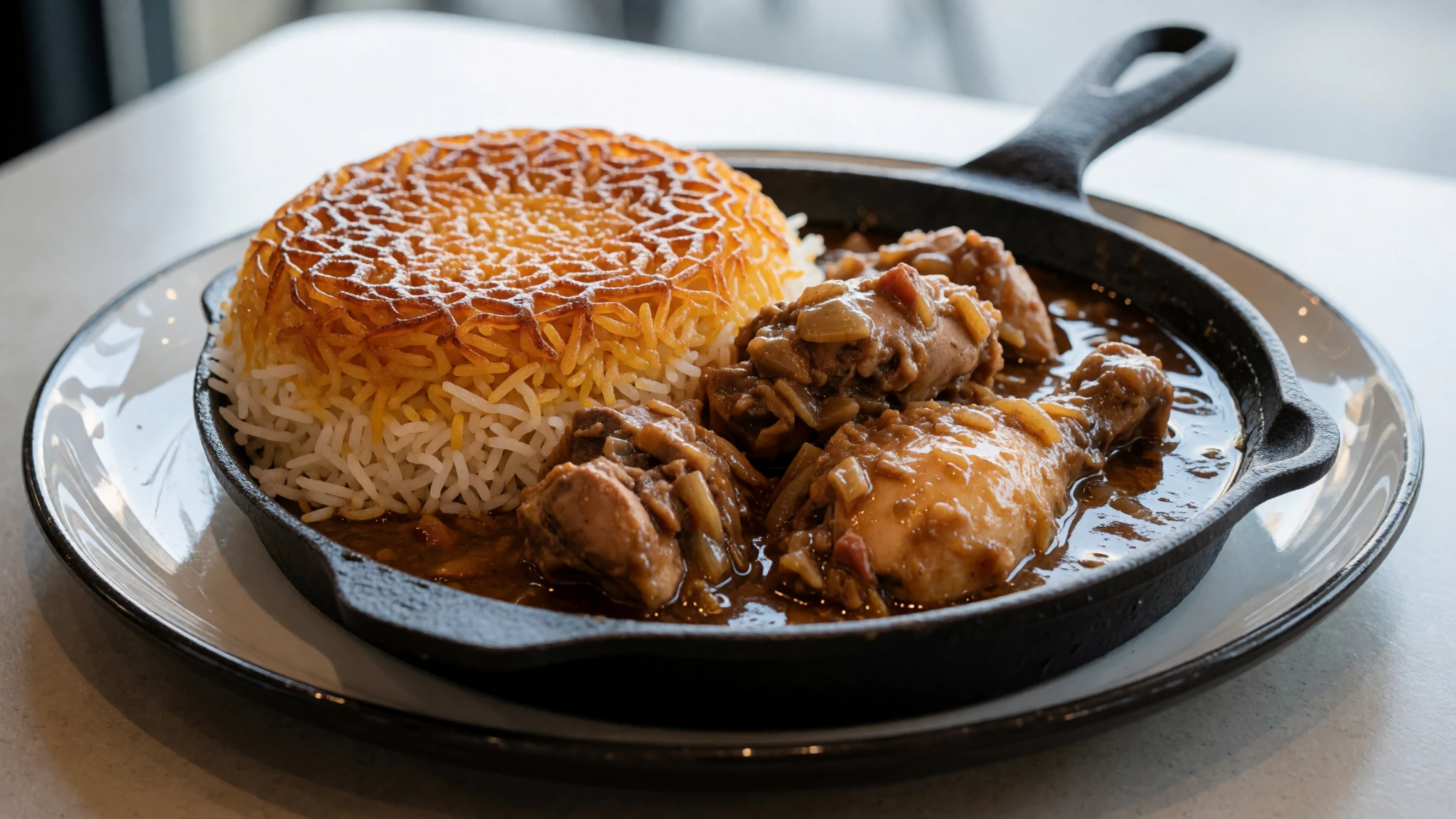
- Gheymeh — Family-style restaurants in the old quarter
A slow-cooked stew of yellow split peas, tomato and beef, finished with dried lime. It is a homely dish that turns up in family-style restaurants, usually served with rice. Ask locally which courtyard eateries cook it well. - Hand-made burgers and cold drinks — Small cafes in the old town
A small cafe makes a good break from the afternoon heat, with fresh drinks and inexpensive hand-made burgers. It is a change from kebabs and a quick option when the day has been long. Cafes like this are often busy in the evening.
Plan it
Best time. Spring, roughly March to April, and autumn, October to November, are the most comfortable months. Summer afternoons regularly pass 40 °C (104 °F) with low humidity, and nights stay warm, so summer is hard going for walking. Winter is cool and dry, which suits sightseeing well.
How long. 2–3
Getting there. Yazd lies roughly midway between Isfahan and Kerman. Flights run daily from Tehran and Mashhad, with international links to Dubai. By rail, the Tehran to Kerman line passes through the city, and some services pass through Kashan. Buses link Yazd with Isfahan, Shiraz and Na'in. From the bus station, local buses or taxis reach the old town.
Budget. low
Tips
- Start your walking early, before the heat builds, and rest through the afternoon
- Base yourself in the historic quarter so most sights are an easy walk
- Carry cash, since small shops and some taxis may not take cards
- Carry water and a hat in summer, as the dry air dehydrates quickly
- Check recent reviews before booking a converted old house, as comfort varies widely; check the official site at yazd.ir for current information
Etiquette
- Dress modestly in public and at religious sites
- Ask before photographing people, especially women and during ceremonies
- Remove your shoes where mosques or homes ask you to, and keep your voice low inside the fire temple
Nearby
Sources
- Wikidata Q182394 (CC0)
- Wikipedia: Yazd (rev 1381430606) (CC BY-SA 4.0)
- Wikivoyage: Yazd (rev 5358350) (CC BY-SA 4.0)
- Photo: Yazd, Iran (Ninara) (CC BY 2.5)
- Photo: Zoroastrian Fire Temple (David Stanley) (CC BY 2.5)
- Photo: Dolat Abad Garden (Mohtaba) (CC BY-SA 4.0)
- Photo: Jame mosque in Yazd (Narges.k2n) (CC BY-SA 4.0)
- Photo: Yazd-Mohsen salari (H.saraj) (CC BY-SA 4.0)
- Photo: Moshir Caravansary (Parastoo.Atrsaei) (CC BY-SA 4.0)
- Photo: Tomb of Seyed Roknildin (Negin Mohamadi Fard) (CC BY-SA 4.0)
- Photo: Early morning view of Yazd (Andrehmarouti) (CC BY-SA 4.0)


