Yasawa Islands
Yasawa Islands, Fiji
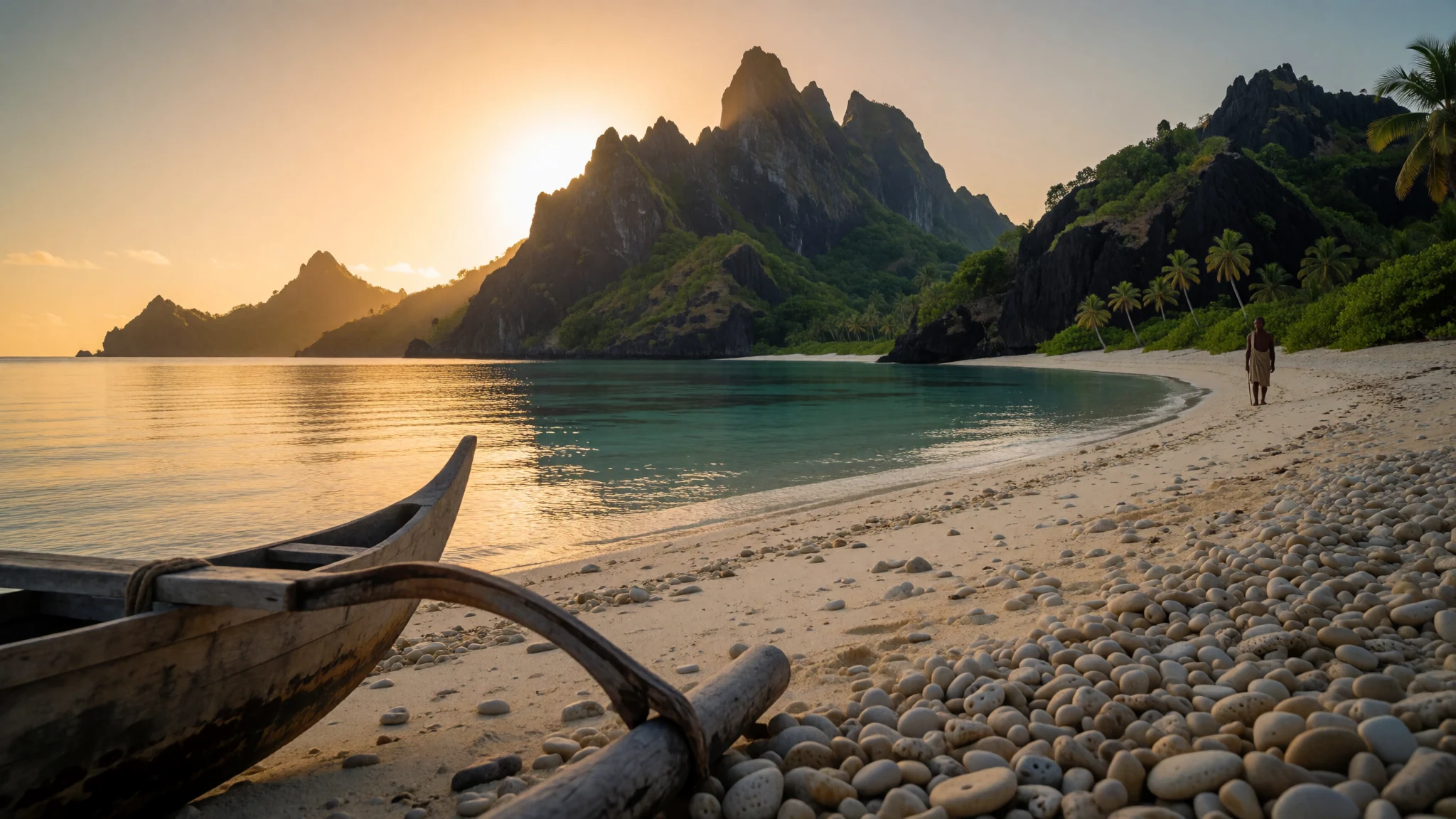
Dramatic volcanic peaks, palm-fringed bays, and traditional Fijian village life await across this remote western island chain.
The place
The Yasawa Islands form a dramatic volcanic chain stretching across the western waters of Fiji. Comprising roughly twenty islands and numerous smaller islets, the archipelago rises sharply from the ocean with rugged peaks that provide stark relief against the surrounding blue expanse. Unlike the flat coral cays found elsewhere in the Pacific, these islands were shaped by ancient volcanic activity, leaving steep ridges and dramatic hills that dominate the interior of the island group. Sheltered bays and long crescents of white sand line the coasts, fringed by coral reefs that draw travellers seeking an escape from the busier hubs of the mainland.
The geography of the Yasawas creates a distinct rhythm of travel. Ferries navigate the narrow channels between the peaks, dropping visitors at island shores where communities maintain traditional ways of life. Fresh water is precious here, collected mainly from tropical rains or brought in from the mainland, shaping a simpler, more deliberate way of living. While tourism brings modern comforts to secluded resorts and beachside lodges, the islands retain their remote character. Walking the inland ridges reveals sweeping panoramas of neighbouring shores, isolated beaches, and the deep blue channels that separate the northern islands from the south, offering a true sense of seclusion in the South Pacific.
Its story
European contact with the Yasawa Islands began inauspiciously when the British navigator William Bligh sighted the archipelago in 1789 while navigating an open boat following the mutiny on the Bounty. Captain Barber visited the islands in HMS Arthur a few years later, yet the remote archipelago remained largely uncharted until an American expedition led by Charles Wilkes mapped the region in the mid-nineteenth century.
Throughout the eighteen-hundreds, the islands were known for local trade and occasional conflict. Tongan raiders frequently visited the archipelago to barter for, and sometimes seize, the intricately woven sail mats that made the Yasawas renowned across the region. For generations, the inhabitants lived relatively undisturbed by global events, maintaining self-sufficient villages along the sheltered bays. That isolation shifted dramatically during the Second World War, when the United States military established communications outposts across the high ground. Decades later, the cinematic beauty of the islands caught the attention of filmmakers, turning secluded lagoons into famous backdrops for Hollywood productions and forever changing how the outside world perceived these remote shores.
What to see
- Wayalailai Hiking — Waya Island
The Yasawa Islands offer fantastic walking tracks, and climbing to the summit of Wayalailai provides an unmatched vantage point to watch the sunrise over the surrounding waters. Local guides are available in the village to accompany you up the steep volcanic slopes, or you can set out independently to explore the ridgelines and cross the scenic coastal spits.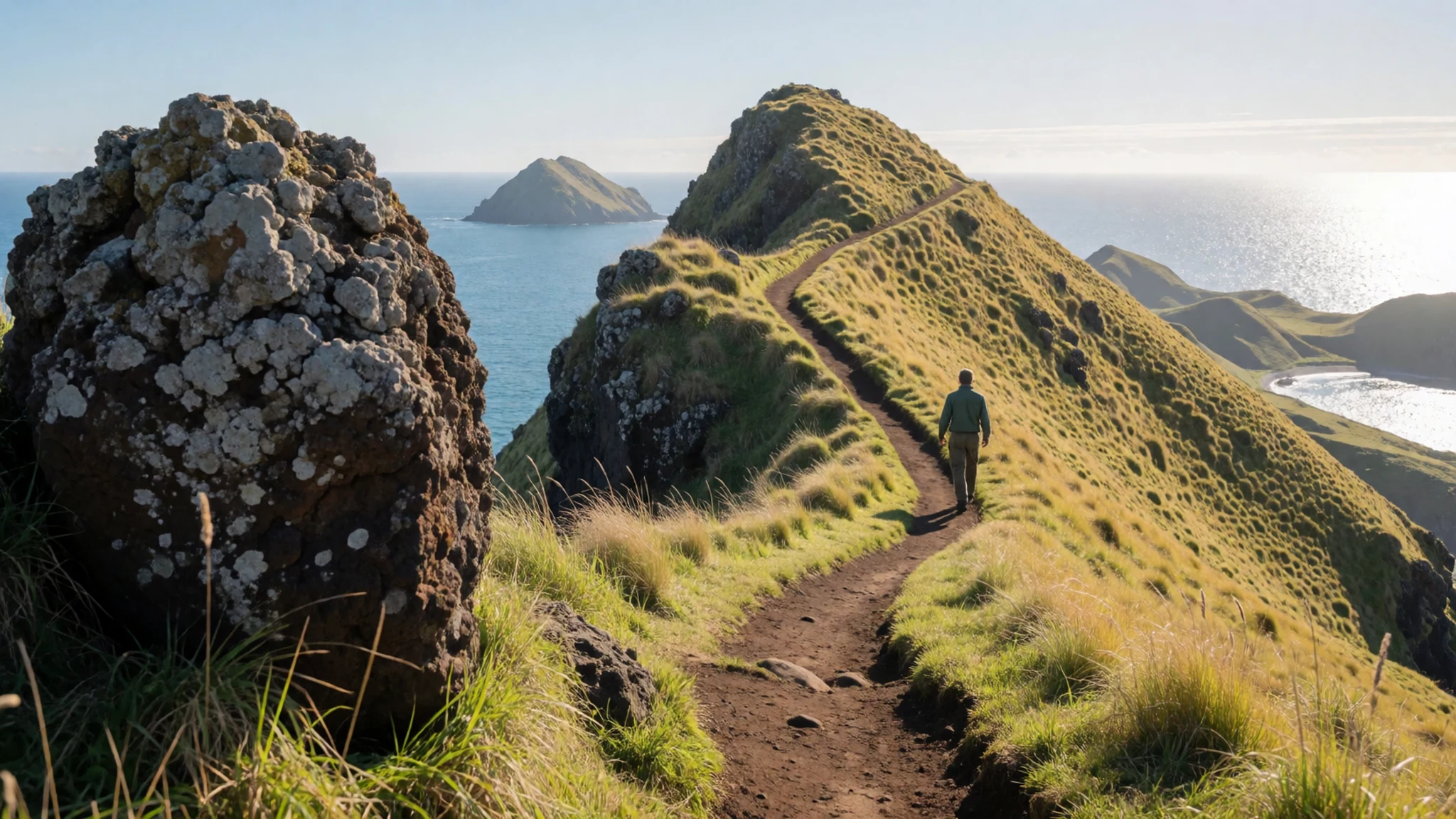
- Waya and Wayasewa Sandbar — Southern Yasawas
The dramatic connection between Waya and Wayasewa showcases the unique geological formations of the Yasawa Islands. A shifting tidal sandbar links the two landmasses, creating shallow turquoise wading pools and gorgeous walking paths at low tide where visitors can cross directly from one island shore to the neighboring beach without getting wet.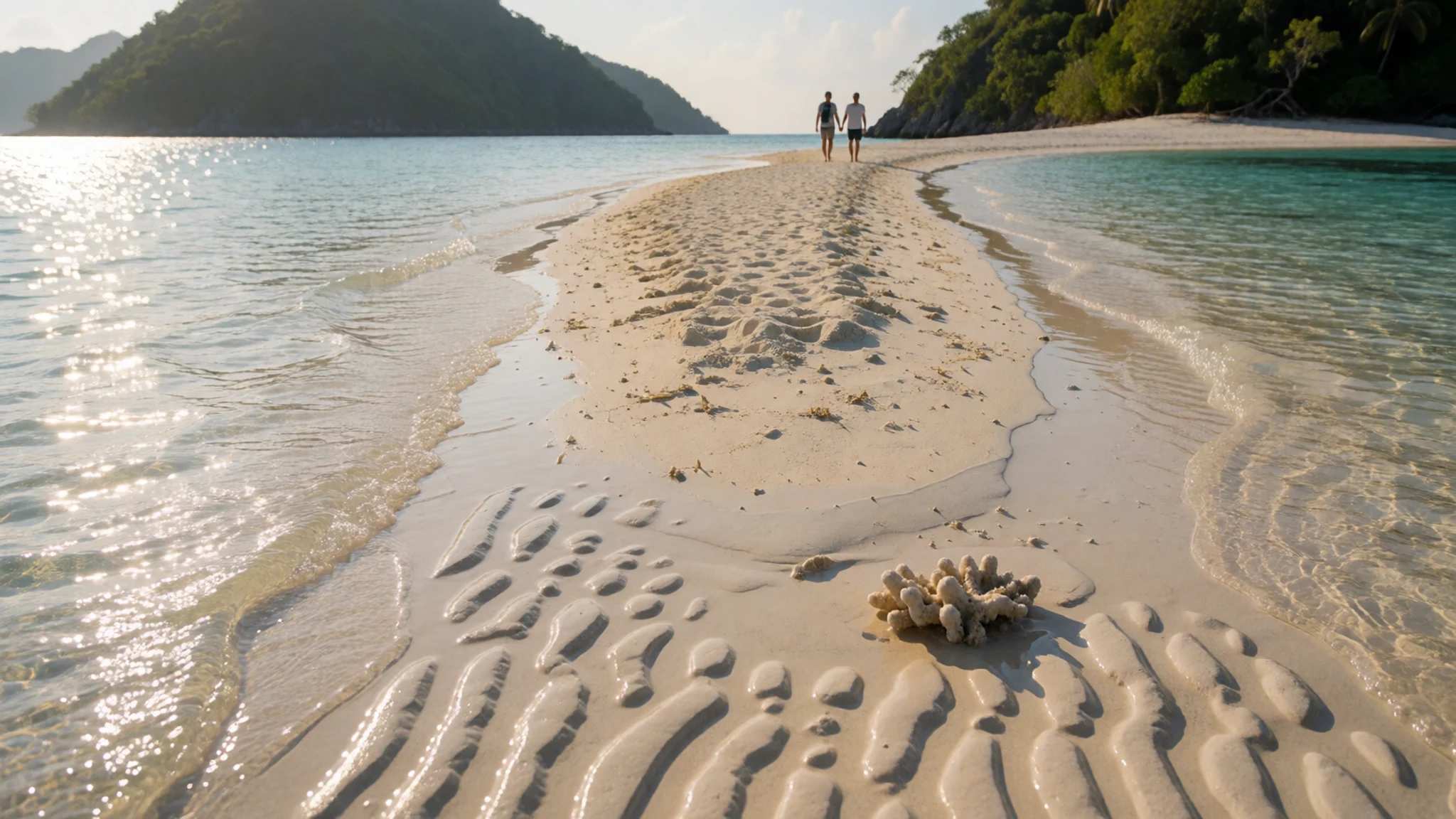
- Nanuya Island Lagoons — Northern Yasawas
Nanuya Island in the northern Yasawa chain features stunning, protected waters that earned the area international cinematic fame. Visitors can swim in crystal-clear shallows, walk along powdery white sands shaded by coconut palms, and snorkel directly off the beach to observe recovering coral gardens and diverse marine life thriving just offshore.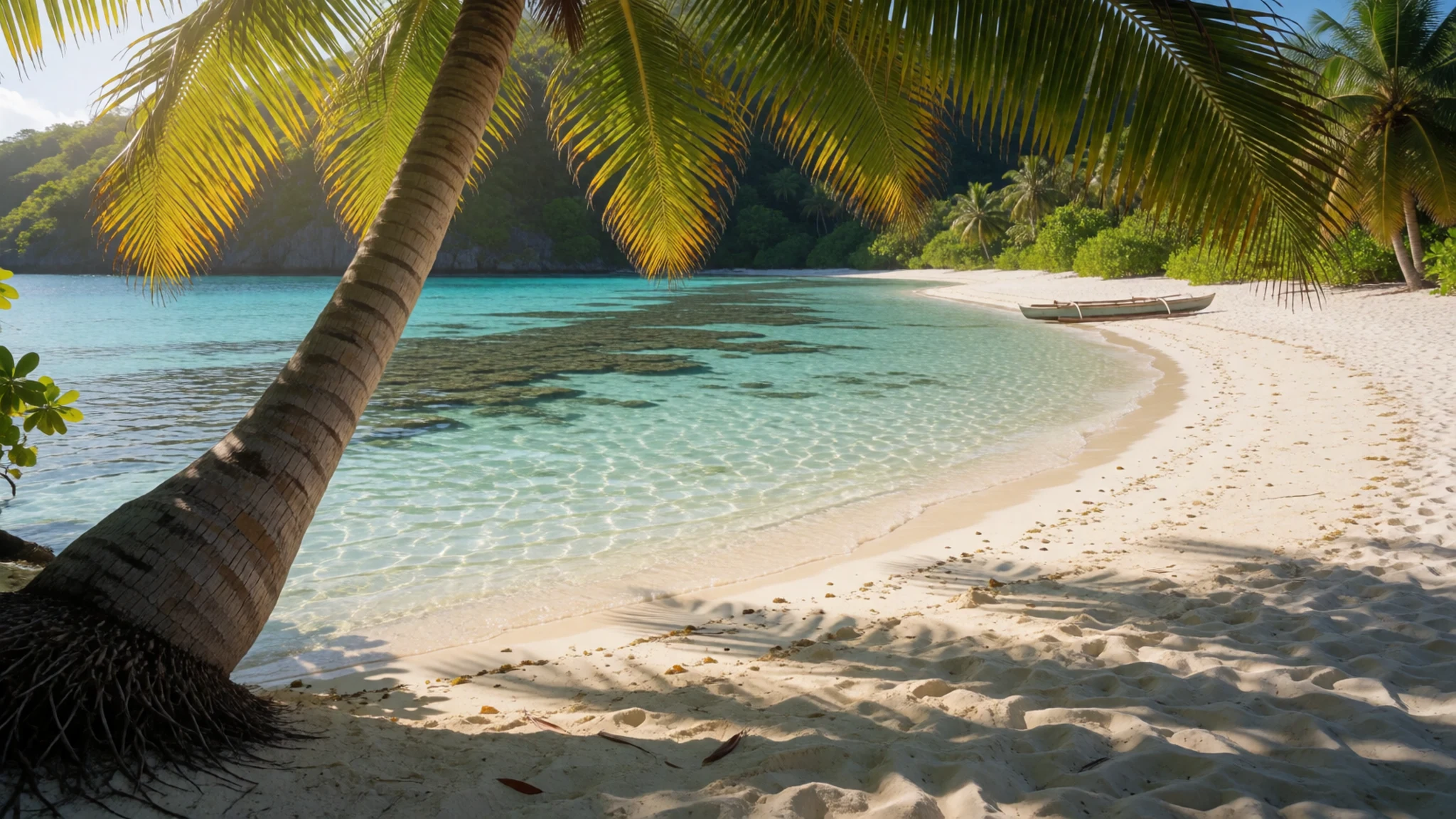
- Manta Ray Channel Snorkelling — Naviti area
A narrow passage between the islands serves as a natural highway where seasonal currents draw migrating manta rays close to the surface. Resorts sound a quick alarm when the gentle giants appear in the channel, prompting guests to scramble into boats for a thrilling guided snorkel alongside these magnificent marine creatures.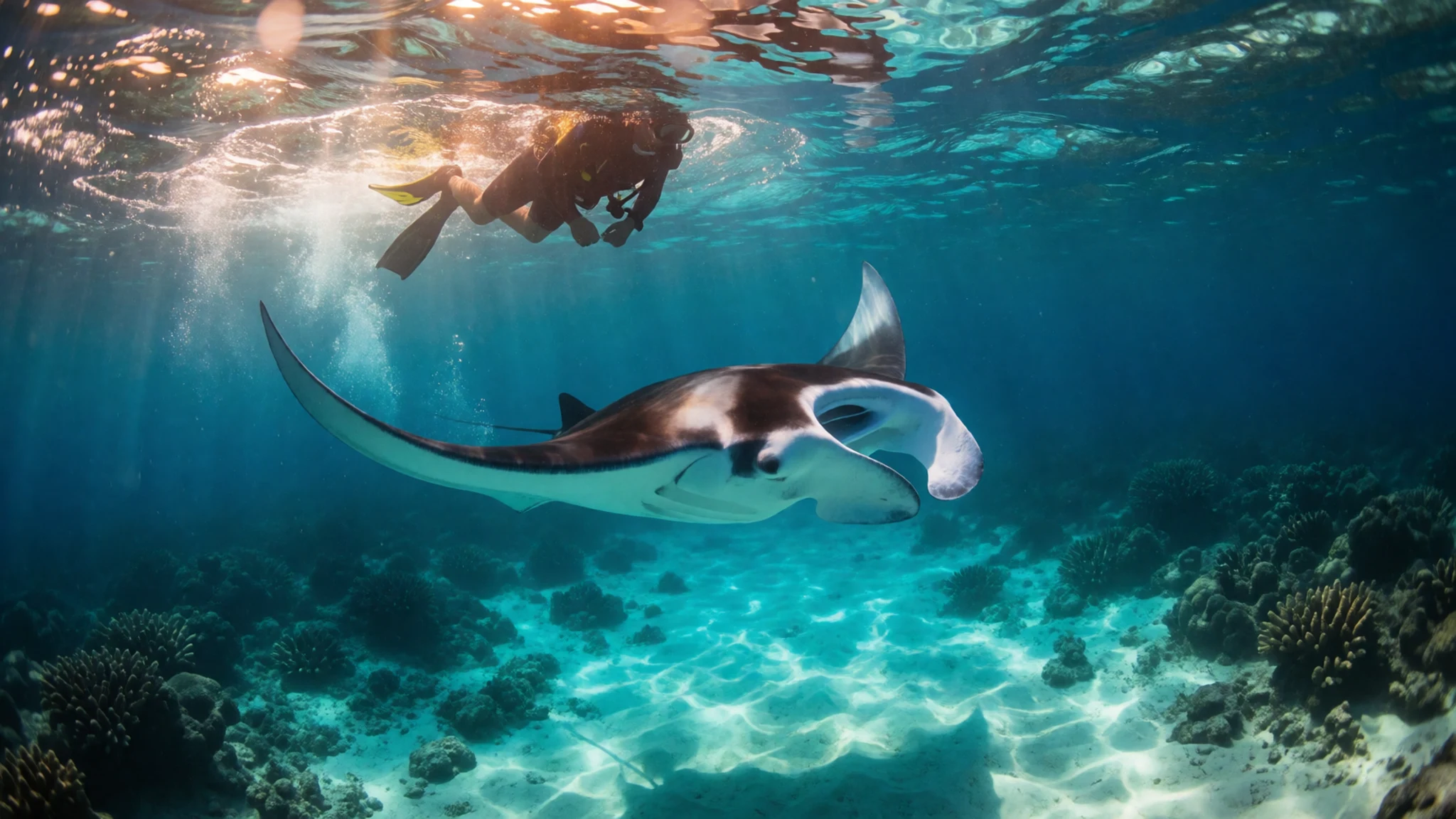
- Village Church and Kava Ceremonies — Various villages
Engaging with local culture in the Yasawa Islands offers a profound glimpse into traditional Fijian community life. Visitors are warmly invited to attend Sunday church services in the villages, and participating in an evening kava ceremony with village elders is an essential communal ritual that honours local customs and fosters genuine connection.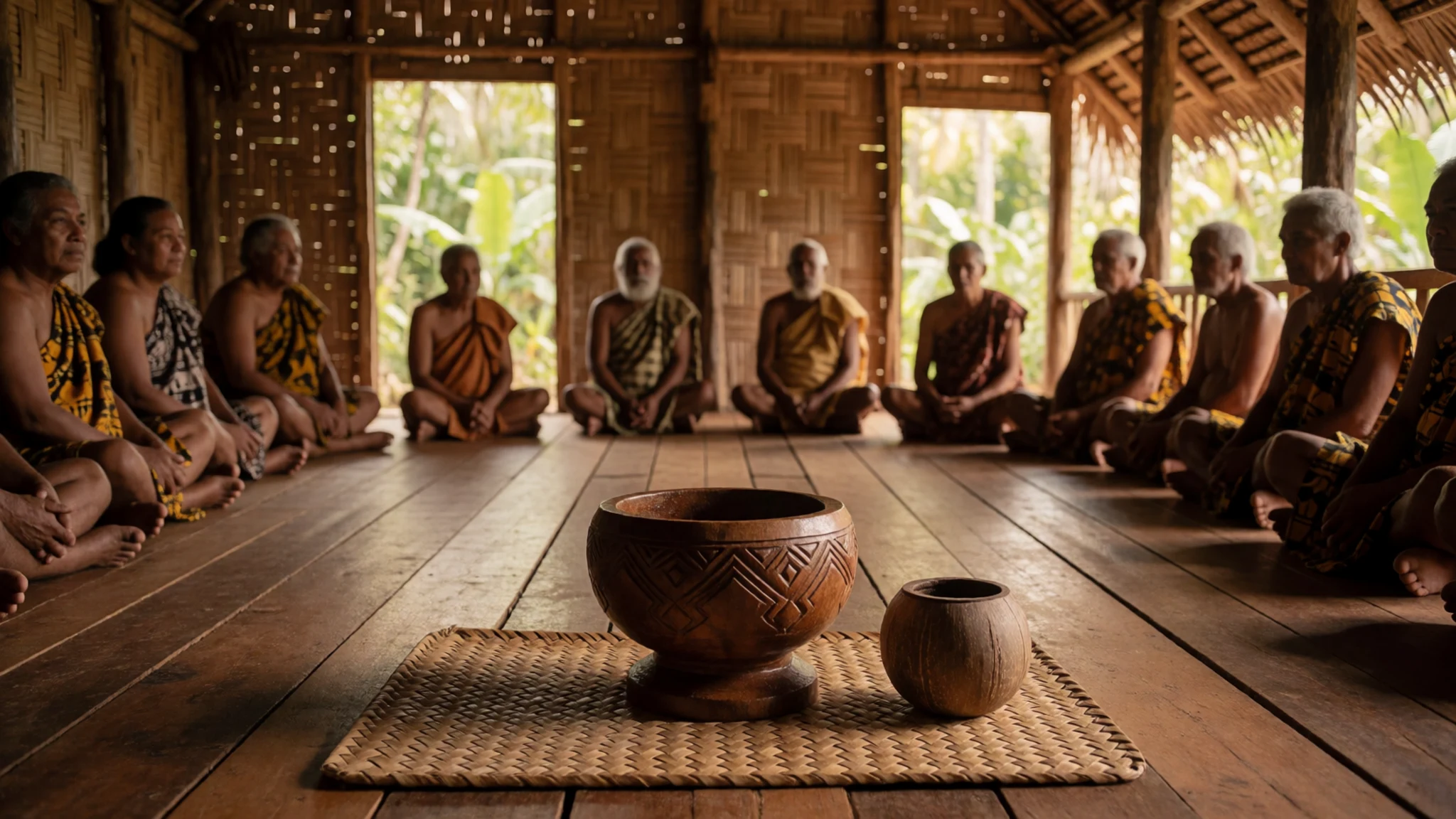
Culture
Traditional life in the Yasawa Islands is anchored by strong communal bonds, respect for village elders, and deep-rooted Christian faith. Craftsmanship remains an integral part of daily life, with villagers skilled in weaving pandanus palm fronds and banana leaves into durable baskets, floor mats, and fans. Music and storytelling accompany communal gatherings, particularly during formal kava ceremonies where visitors are invited to share the traditional peppery root infusion in a circle of village residents.
Visitors will find that social interactions are governed by modesty and politeness. When wandering through local settlements away from the beach resorts, travellers should dress conservatively by covering shoulders and knees out of respect for village traditions. Remove hats and sunglasses when walking through a village, as wearing them can be considered disrespectful to elders. Always remove your shoes before entering any home, church, or community building.
What to wear
Traditional dress across the Yasawa Islands reflects both practicality and cultural pride, with textiles historically crafted from woven natural fibres such as pandanus leaves and bark cloth. For everyday wear, both men and women across the islands commonly wear the 'sulu', a versatile wrap-around skirt that suits the warm tropical climate and facilitates easy movement. Hand-woven mats and accessories demonstrate intricate local basketry skills passed down through generations.
In contemporary island life and tourist resorts, casual tropical attire is the norm, including lightweight cotton shirts, shorts, and swimwear suited for the beach. However, modesty remains important when leaving the immediate resort grounds. Visitors exploring the Yasawa Islands should pack lightweight, breathable clothing that covers the shoulders and knees, along with sturdy footwear or reef shoes for rocky coastal walks, a hat, and sunglasses for sun protection.
What to eat
- Kokoda — Resort dining rooms across the islands
Fresh reef fish marinated in citrus lime juice and gently tossed in thick, creamy coconut milk with diced tomatoes, onions, and chilli. Served chilled at resort buffets and local island dining halls. - Cassava and Dalo — Village feasts and island dining rooms
Staple root vegetables that form the foundation of traditional island carbohydrates, served boiled or roasted alongside hearty portions of fish or vegetable stews at resort meal settings. - Lovo Feast Dishes — Special weekly village and resort barbecue nights
Meats, fish, and root vegetables slow-cooked in an underground earth oven heated by hot stones, imparting a rich, smoky flavour to chicken, pork, and local catch. - Fiji Bitter and Fiji Gold — Island resort bars and beach lodges
Popular local beers brewed in Fiji, served chilled in cans at resort bars across the archipelago to help travellers cool down after a warm day exploring the coastal trails.
Plan it
Best time. May through October brings drier weather and comfortable temperatures with lower humidity, making it the ideal season for island hopping, hiking, and snorkelling.
How long. 5–7
Getting there. Fly into Nadi International Airport on the mainland, take a taxi to Port Denarau, and board the Yasawa Flyer ferry or Tavewa Seabus to reach the islands.
Budget. mid
Tips
- Book ferry transfers and island accommodation packages in advance through authorised booking agents
- Pack sufficient cash for small purchases, as remote islands lack ATMs and card facilities
- Bring reusable water bottles and check drinking water arrangements with your resort
- Communicate any severe food allergies directly to your resort chef upon arrival
- Bring reef-safe sunscreen and sturdy footwear for hiking volcanic trails
Etiquette
- Dress modestly with covered shoulders and knees when visiting local villages
- Remove hats and sunglasses within village boundaries out of respect for residents
- Always remove your shoes before entering homes, churches, or community buildings
Nearby
Sources
- Wikidata Q136769 (CC0)
- Wikipedia (Yasawa Islands) (CC BY-SA 4.0)
- Wikivoyage (Yasawa Islands) (CC BY-SA 4.0)
- Photo 01-wayayalobi.jpg (CC BY 3.0)
- Photo 02-wayawayasewa.jpg (CC BY 3.0)
- Photo 03-nanuya.jpg (CC BY 3.0)
- Photo 04-yasawa-flyer-ferry.jpg (CC BY-SA 3.0 de)
- Photo 05-beach-on-naviti-island-yasawa-islands-fiji-1-august-2016.jpg (CC BY-SA 4.0)
- Photo 06-beach-on-naviti-island-yasawa-islands-fiji-2-august-2016.jpg (CC BY-SA 4.0)
- Photo 07-fiji-yasawa-islands.jpg (CC BY-SA 2.0)
- Photo 08-h35-15166973162.jpg (CC BY-SA 2.0)


