Yangshuo County
Yangshuo County, People's Republic of China
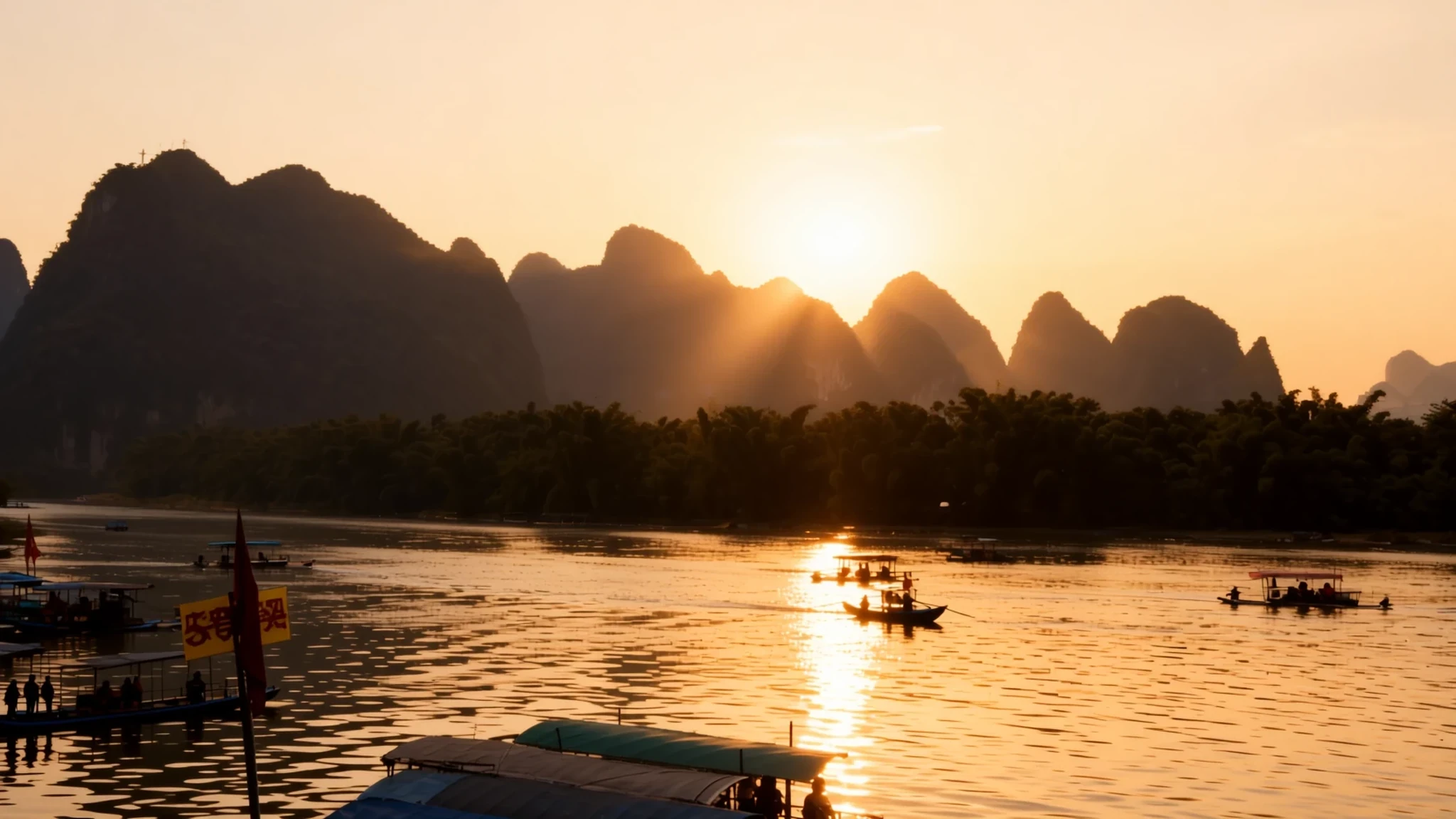
Limestone peaks, a slow green river and quiet lanes for cycling make Yangshuo a town built for slow days.
The place
Yangshuo County lies in the northeast of Guangxi, within the wider city of Guilin, and its seat is the town of Yangshuo (阳朔). The landscape defines it: rounded karst peaks rise from flat farmland on almost every side, and the Li River forms one of the county's borders. Around 270,000 people live across the county, so it feels more like a holiday town than an industrial one.
The town itself is compact and easy to walk, with lanes of small restaurants, bars and shops selling local goods. It is cleaner and quieter than many Chinese towns of similar size, particularly once you step away from the main roads, and it lacks the bustle and traffic of a big city. Cycling is the most practical way to see the countryside, with riverside tracks and villages within an easy ride of the centre.
The place is busy. Mainland Chinese holidaymakers make up most of the visitors, and the best-known boat stretches can feel crowded at weekends and during public holidays. Many businesses that once catered mainly to foreigners have closed, so the atmosphere is now more domestic than it was in earlier decades. Yangshuo suits a few slow days of cycling, eating and watching the light move across the hills more than a long checklist of sights.
Its story
People have lived in this part of Guangxi for roughly 3,000 years, though the town's documented history is far shorter. In 590 CE, under Emperor Wen of Sui, the area was formed into a county. The main street that later became West Street dates from that period as well. It was a lane only 5 metres wide and about 200 metres long, lined with the first trading premises of the settlement.
The county changed hands in unsettled times. In 1944 it came under Japanese occupation for a short spell, and occupying troops looted many of its leading businesses.
Peace brought a different kind of visitor. By the 1970s, domestic tourism was common here, and local authorities began opening the county to foreign travellers, including Europeans and Americans. Young backpackers, many of them on a gap year, came to explore the hills and rivers, and the town grew up around their needs. Through the 1990s nearly every shop on West Street was run by foreigners, and organised tours started. By 2005 foreign visitors outnumbered domestic ones.
Climbing added another layer to the reputation. The rock faces around the town draw climbers who reach the crags by bicycle, bus or taxi, and Moon Hill has several routes graded 5.13 on the Yosemite scale.
In more recent years the town has tilted back towards domestic travellers. Many of the foreign-run businesses have closed, and Yangshuo now works mainly as a Chinese holiday destination. The old reputation survives in the cafés and bars on West Street, where signs still appear in both Chinese and English.
What to see
- Yangdi-Xingping scenic area — Li River, south of Yangshuo town
The Li River stretch between Yangdi and Xingping is the one most people picture when they think of Yangshuo. Bamboo rafts have mostly given way to plastic-pipe rafts with two-stroke motors, so the ride is noisier than the scenery suggests. A weekday morning is the calmest time to go, before the tour boats arrive.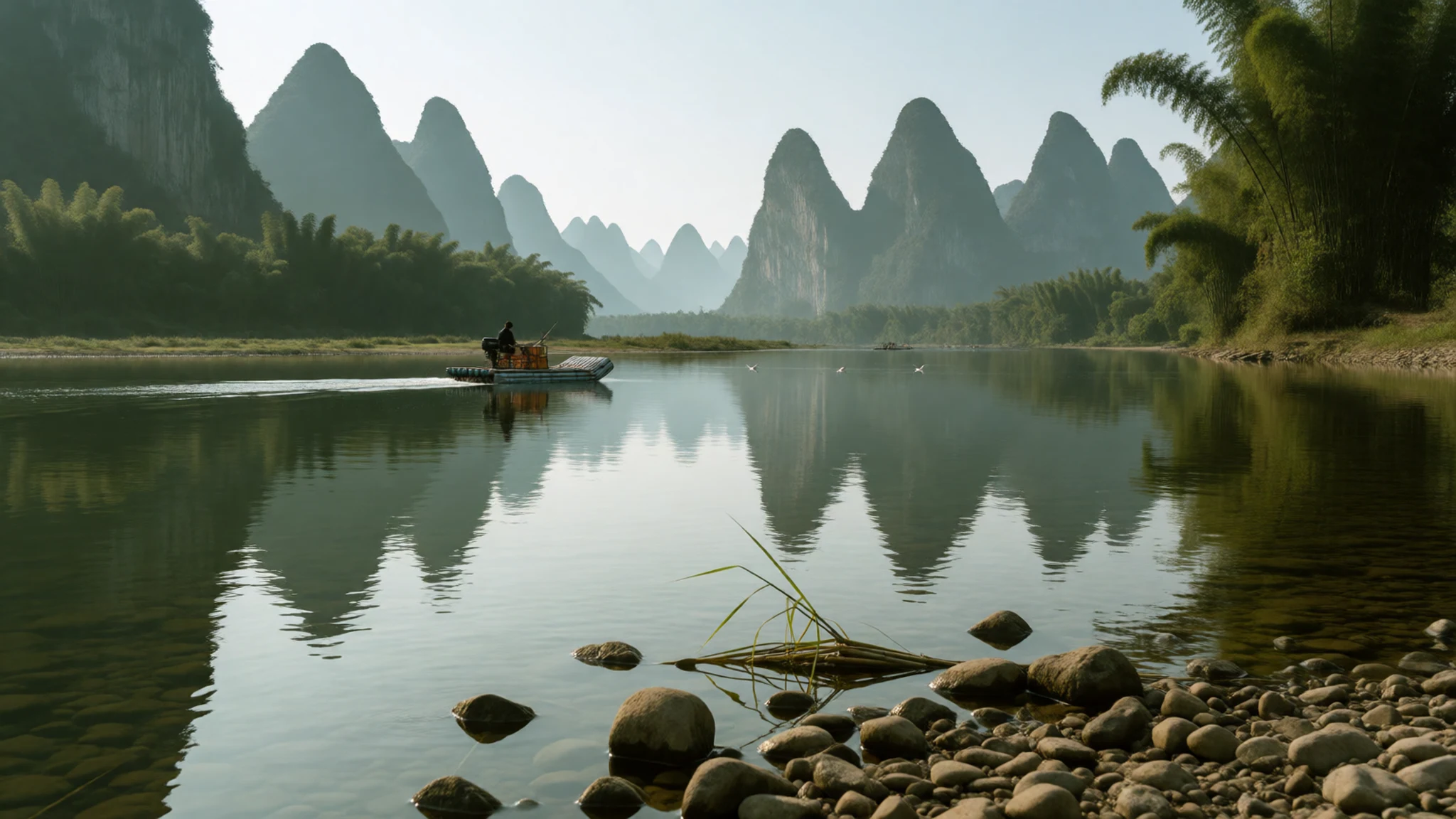
- Yulong River valley — Yulong River, west of the town
The Yulong River valley is said to rival the Li River for beauty, and many visitors who hire a bicycle find it the better day out. Riverside tracks run through fields and small villages, and you can also float down on a bamboo raft. Bring water and sunscreen, because some stretches are long and fully exposed to the sun.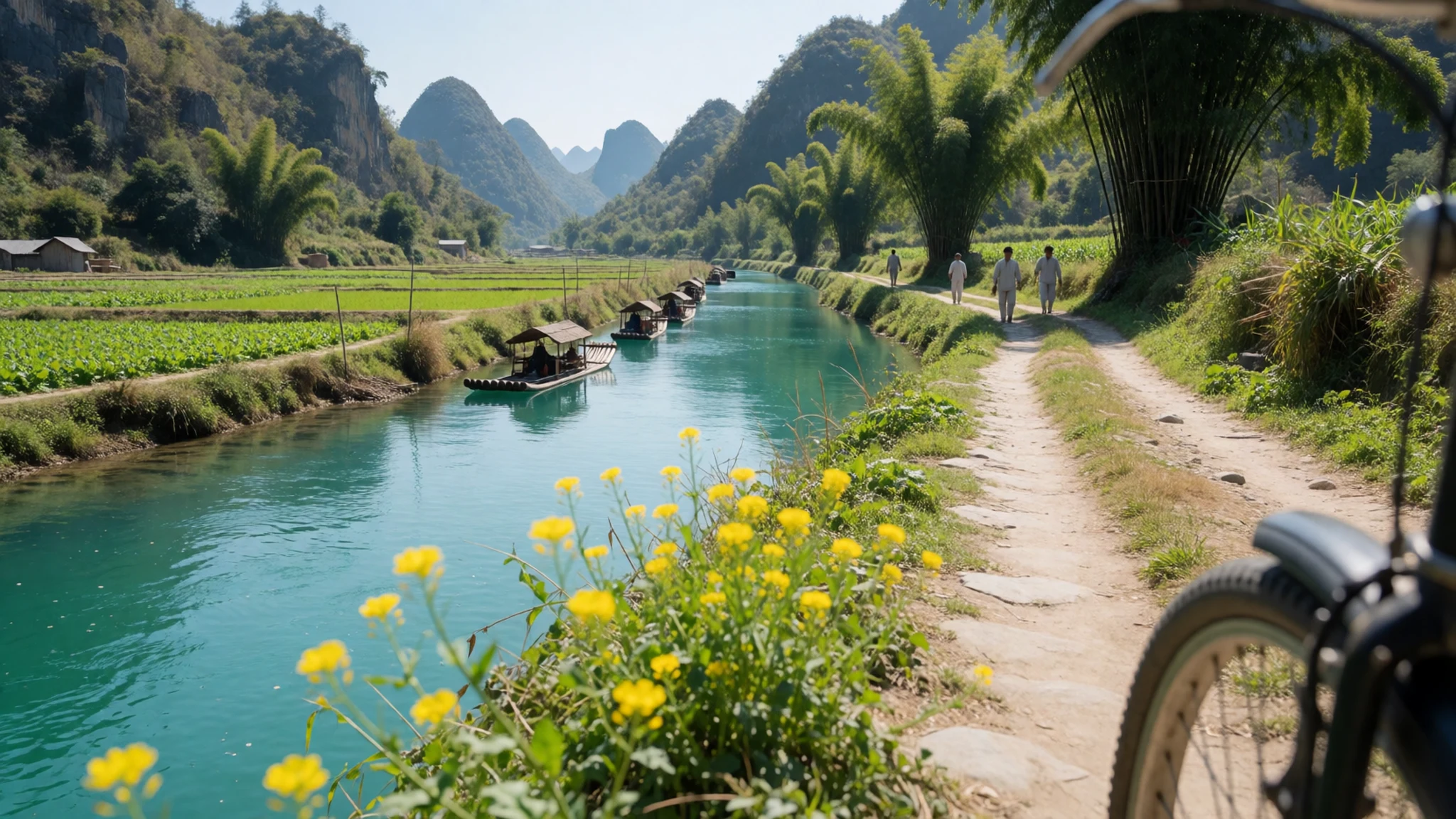
- Moon Hill — Hills a short way south of town
Moon Hill lies a short way south of town and takes its name from a large hole in the rock shaped like a crescent moon. Steps and paths climb to the top, where the views over the surrounding karst are the reason to go. Check the entrance fee at the gate, and wear shoes with grip, because the steps are steep.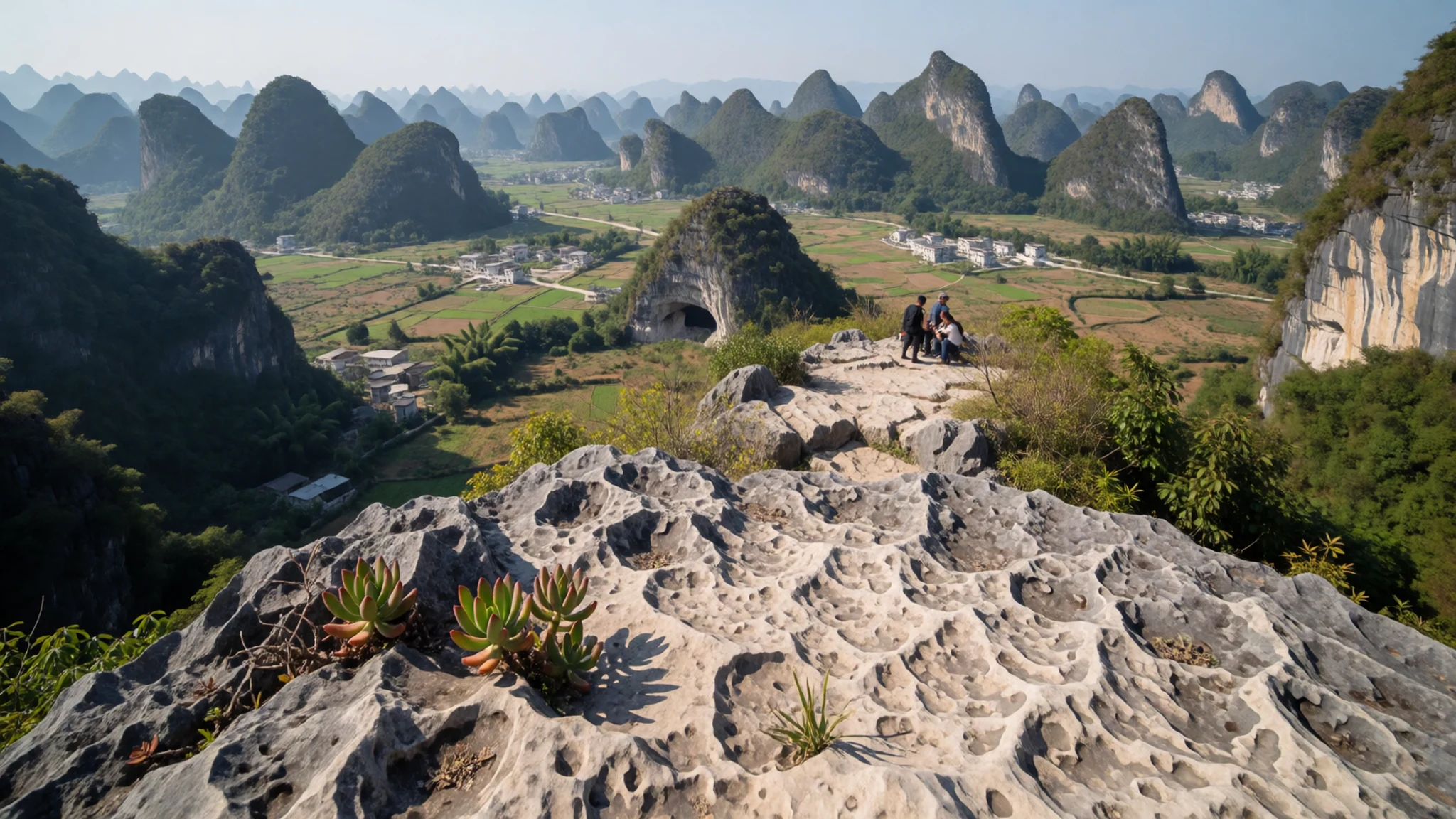
- Assembling Dragon Cave — Karst hills south of town, near Moon Hill
The Assembling Dragon Cave is a limestone cave named after the rock peaks outside, which look like dragons gathering in the clouds. Inside, the stone formations take many shapes that visitors compare to animals and figures. The paths can be wet and uneven underfoot, so wear shoes with good grip.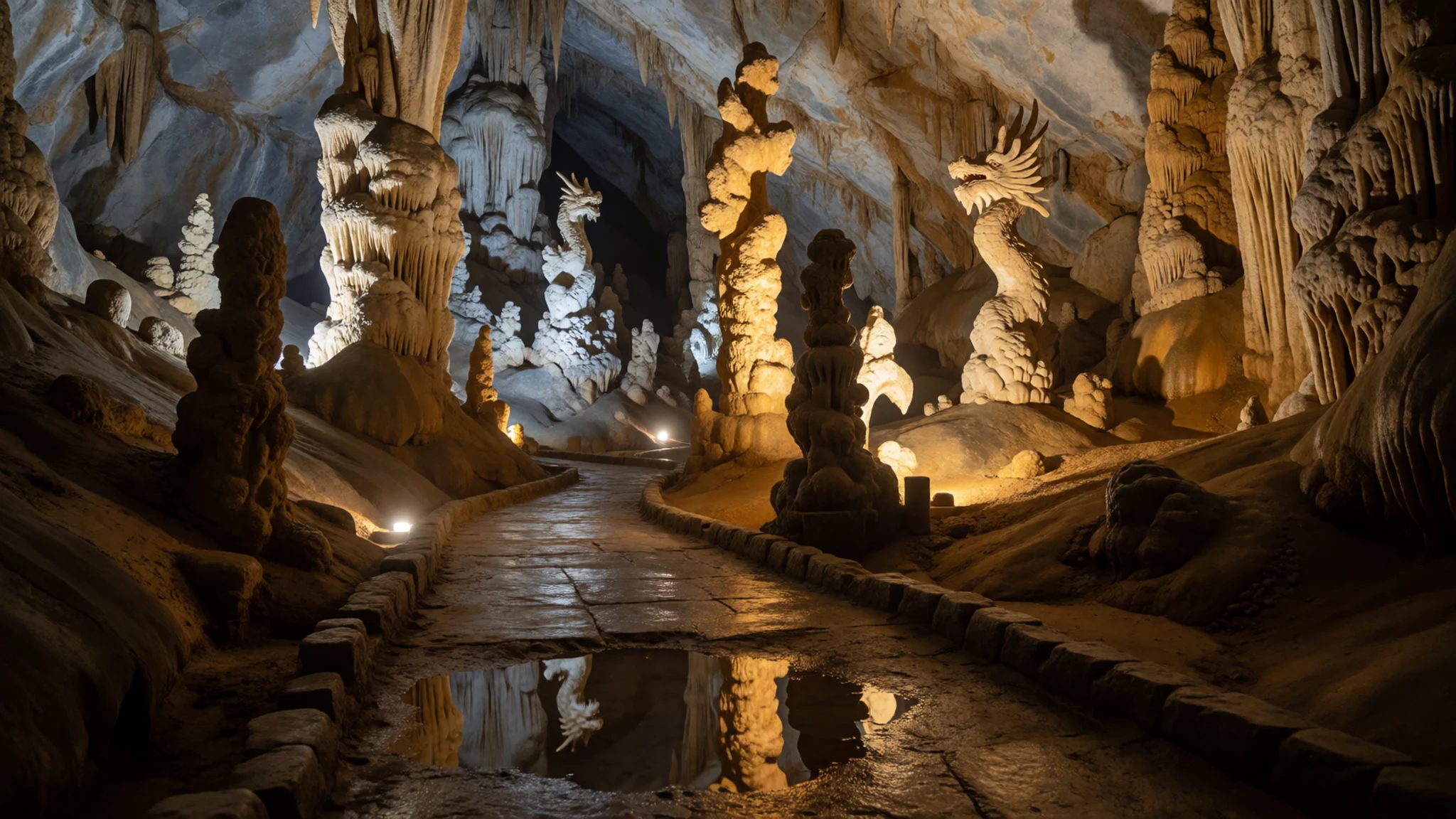
- Cormorant fishing — Li River, evening boats from the town
Evening cormorant fishing trips leave from the riverbank and take you out on a boat to watch fishermen work after dark. The birds dive for fish, and the fishermen bring them back in by hand. Tour companies sell these evening trips, so ask your guesthouse which operator it uses and what the price includes.
- Yangshuo Park — Town centre
Yangshuo Park is an easy place to see everyday life. Locals gather on benches and tables to play cards, and watching a game is a pleasant way to spend an unhurried hour. It offers a calm contrast to the river boats and the busy streets around West Street.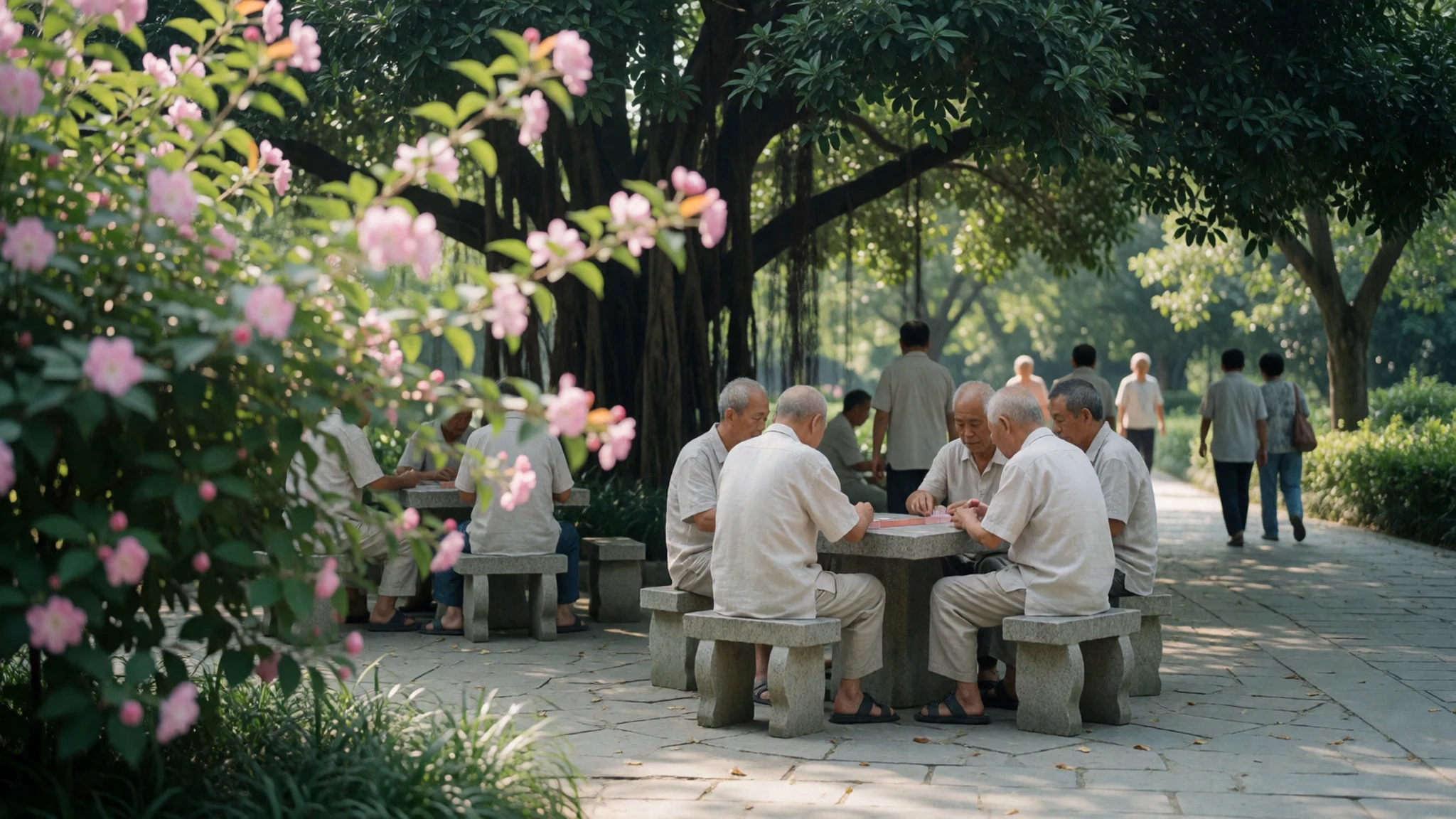
Culture
Yangshuo has welcomed visitors for decades, so local people are used to strangers in a way that is less common in many Chinese towns. Many people in the tourist trade speak some English, partly because foreign visitors have long been a presence on West Street. Today most of the crowds are mainland Chinese, and the town follows domestic habits as much as international ones. Life in the older lanes runs at a gentler pace, with card games in the park, noodle stalls and bicycles moving slowly past. Karst valleys carry sound well, so keep music and voices low after dark, especially near homes. Shops and cafés along the main streets are used to people photographing their food and surroundings, but residents in the lanes and market stallholders deserve more care. Ask before taking a close picture of a person, and do not photograph anyone who has turned away.
What to wear
Yangshuo sits in Guangxi, a region with many minority communities, and the Zhuang people in particular have long traditions of hand-woven cloth and embroidery. Traditional dress is most visible at festivals, in village performances and at cultural shows, where cotton garments in indigo and patterned embroidery appear in bright, decorative forms. Textiles of this kind are usually cotton, with geometric designs that vary from one village to the next.
Everyday wear in town is modern and practical. Locals wear T-shirts, jeans, light trousers and sandals in summer, and padded jackets when the weather turns cool and damp. In the surrounding countryside, older women are more likely to wear loose cotton clothing and wide-brimmed hats against the sun.
For a visit, plan for heat and rain. Light, quick-drying clothes, a hat and a packable waterproof will serve most days. Good walking shoes with grip matter for the steep steps of Moon Hill and the wet, uneven paths of the caves. Modest dress is expected at any temple or shrine, where covering shoulders and knees is the courteous choice, though rules vary from site to site.
What to eat
- Chinese Muslim noodles — The eatery facing the bus station entrance
A Chinese Muslim restaurant faces the entrance to the bus station, which makes it a convenient first meal after a long journey. The menu centres on noodles and rice dishes that are simple and filling. Order something hot on a cool morning, when the broth is at its best.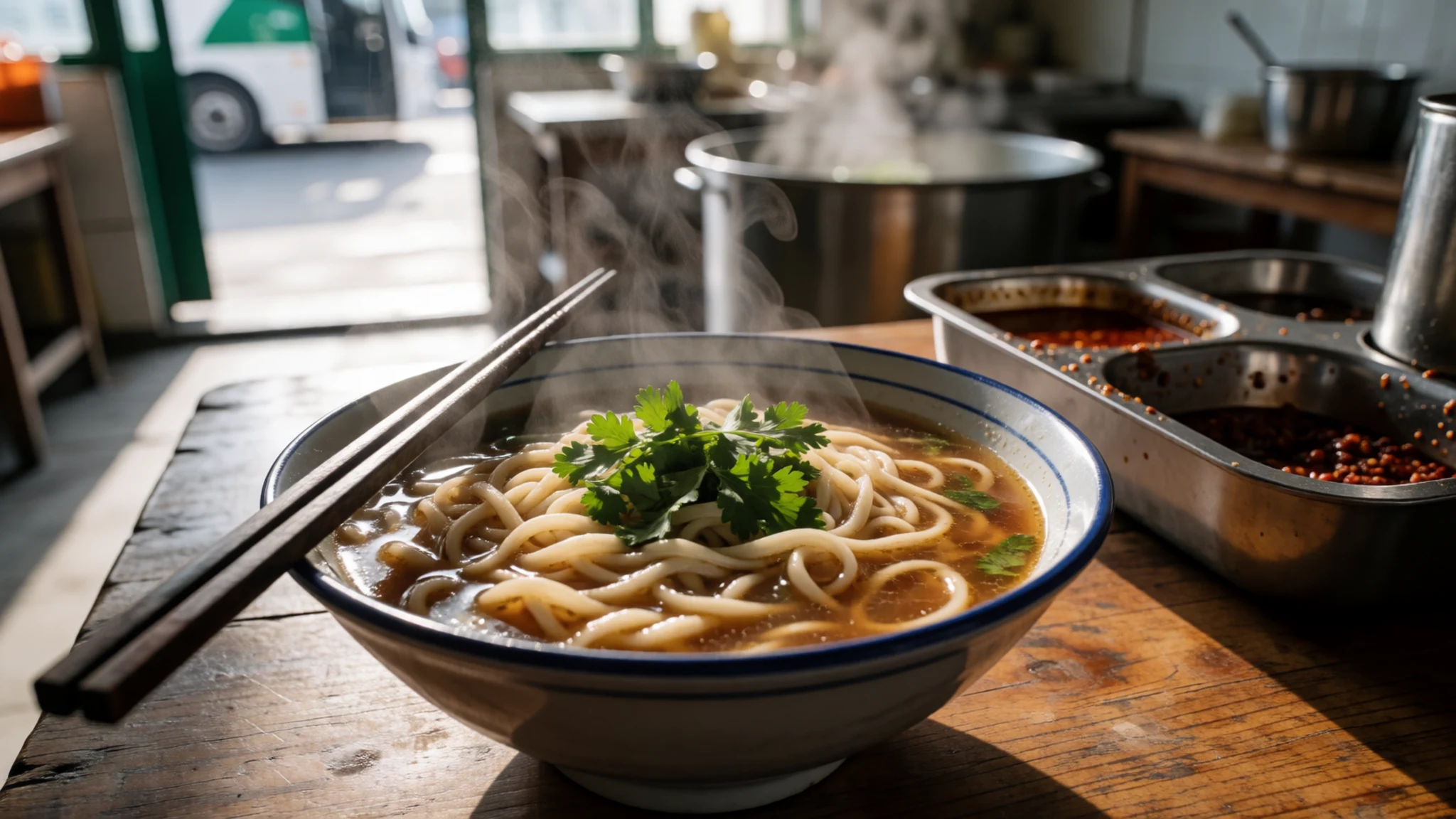
- Crêpes and French-style plates — Balcony Bar on West Street
Balcony Bar on West Street serves French-style dishes and crêpes, and it screens a film most evenings, so it works well as a place to linger after dark. Sit on the balcony if you can. Check the screening schedule when you arrive, because it changes.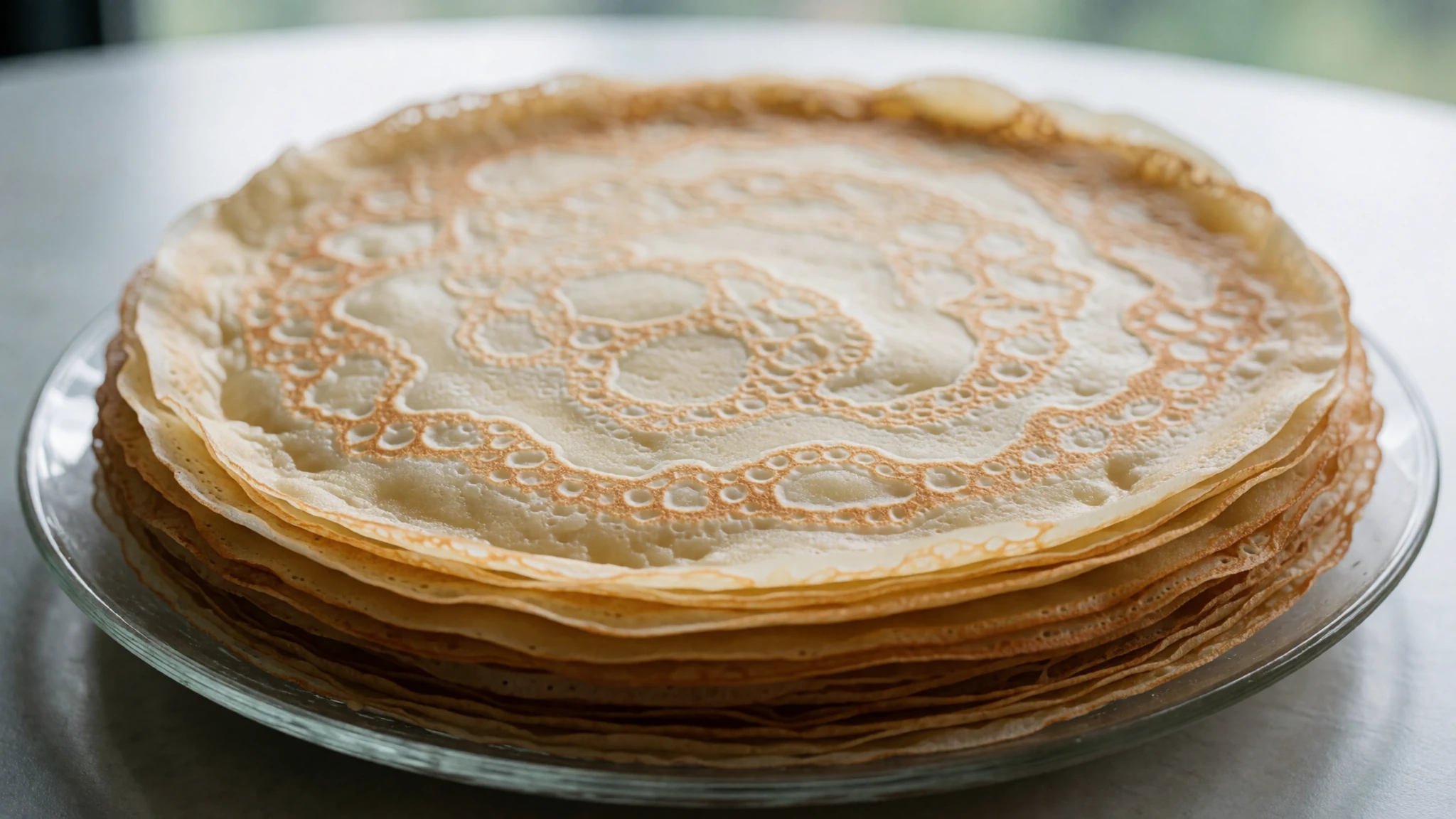
- Breakfast and coffee on West Street — Cafés along West Street
Cafés along West Street make an easy place for a slow breakfast with good coffee. Cafe del Moon is known for generous breakfasts and plenty of coffee, though its croissants are not the highlight. Cafe China fills up most nights, so arrive early for a table.
- Minority Cafe pancakes and burritos — A cafe in the town centre
Minority Cafe serves generous portions, and its chocolate and banana pancake is a favourite for a sweet lunch. The burrito is another popular choice. Staff are friendly, which helps when the menu is long and the choices are many. - South Indian dosas — Dosa U.K., a newer eatery in town
Dosa U.K. serves home-made South Indian food in a newer eatery, with attentive service and good value. Dosas and the lighter dishes make a welcome change after several days of noodles and grilled meat. - Morning market by the river — The market beside the river, in the morning
The morning market by the river is where local cooks buy vegetables and fruit for the day. Arrive before the heat builds, and buy a piece of fruit to eat as you walk. Bring small notes, since stallholders may not have change for large bills.
Plan it
Best time. October to November is the most comfortable stretch, with drier weather for cycling and walking, though early mornings can be cold. Summer is hot and wet, and winter can be grey and damp.
How long. 2–3
Getting there. Fly into Guilin Liangjiang International Airport (KWL), then take the airport shuttle bus, which takes about 90 minutes to reach Yangshuo; tickets are sold near the arrivals exit. Taxis are quicker but cost more. High-speed trains stop in Guilin, but some services also call at stations closer to Yangshuo.
Budget. mid
Tips
- Book cormorant fishing and boat trips a day ahead in peak seasons
- Start cycling and river trips early, before the midday heat and the tour groups
- Carry cash for small eateries, market stalls and park vendors, as card payment is not universal
- Drink plenty of water, and pack sunscreen and a hat for the open river and hill walks
- Hire a bicycle for the Yulong valley, where the riverside tracks are easy to follow
Etiquette
- Ask before photographing people, especially vendors and older residents
- Keep voices and music low in the lanes after dark
- Dispose of litter in the bins provided, and do not leave rubbish on the river banks
Nearby
Sources
- Wikidata Q31358 (CC0)
- Wikipedia, Yangshuo County (rev 1378292628) (CC BY-SA 4.0)
- Wikivoyage, Yangshuo (rev 5388659) (CC BY-SA 4.0)
- Aerial panorama of Yangshuo County, Chensiyuan (CC BY-SA 4.0)
- Guilin Yangshuo aerial panorama, Chensiyuan (CC BY-SA 4.0)
- Li River from Yangshuo County, Luka Peternel (CC BY-SA 4.0)
- Yangshuo, Rod Waddington (CC BY-SA 2.0)
- Li River in Yangshuo County, Gerd Eichmann (CC BY-SA 4.0)
- City of Yangshuo, pond reflection, Gerd Eichmann (CC BY-SA 4.0)
- City of Yangshuo, lane, Gerd Eichmann (CC BY-SA 4.0)
- Markets in Yangshuo, Gerd Eichmann (CC BY-SA 4.0)


