Yala National Park
Yala National Park, Sri Lanka
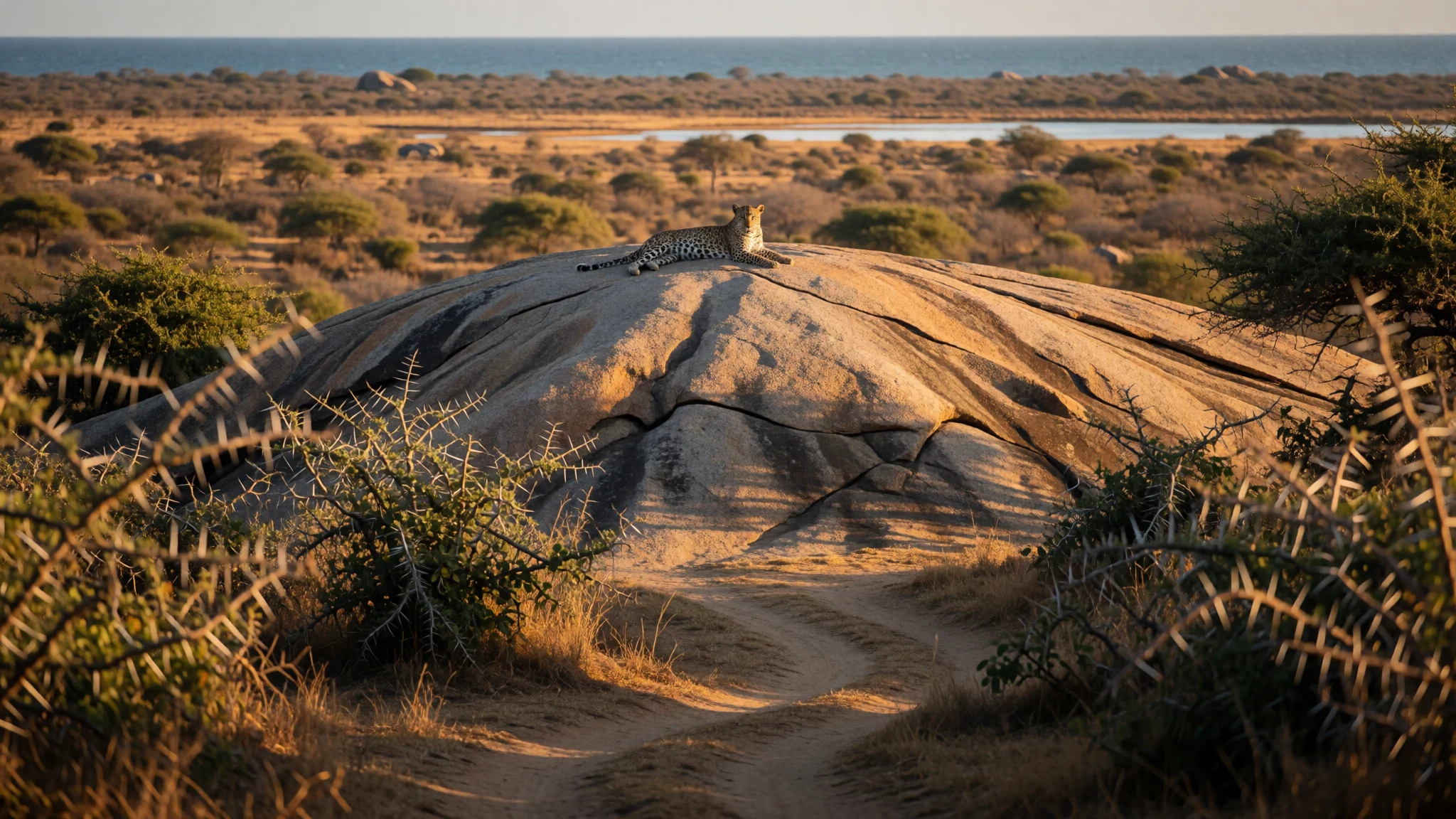
Go to Yala for a dry-season safari feel, where wildlife gathers around water and shade, and you can see elephants, leopards and many birds.
The place
Yala National Park sits in Sri Lanka’s south, brushing the Indian Ocean and mixing habitats that change with the season—dry plains, coastal edges and freshwater wetlands. The park is known for wildlife concentration around water points when the landscape dries out, and that’s where most safari drives focus. In the cooler, drier months it’s often easier to enjoy long safari days, with early starts helping you make the most of the day.
What makes Yala different from many safari parks is that you’re not just chasing “big moments”; the small stuff adds up. Crocodile-filled waterways, monkeys along scrubby tracks, and birds working the edges of lakes and wet patches all make the landscape feel alive, even when the bigger animals are quiet. The park also includes areas tied to pilgrimage, so you may notice a spiritual calm alongside the bustle of wildlife watching.
Logistics are part of the experience. There are no lodges or camping within the park boundaries, so most visitors base themselves around Tissa (Tissamaharama) and join a jeep safari. Expect a bumpy ride—partly the terrain, partly the constant scanning for movement. It’s worth going with a realistic mindset: wildlife sightings are never guaranteed, and the most reliable “certainty” is the rhythm—early departures, long stretches of waiting, then sudden movement that happens close, suddenly and loudly.
Best months are usually the comfort window when rain is lower and temperatures feel less extreme—December, January and February are the driest-and-mildest period, with rain building again toward April, then turning heavier in the later months.
Its story
Yala’s modern story starts with shifting designations and a long relationship between people and wildlife. The area was mapped and mentioned by travellers early on; later, government action and forest ordinances formalised what had been changing on the ground. The reserve phase came before it became a national park, and different blocks were added over time—so the park’s shape and management feel like they evolved rather than arrived fully formed.
Conservation stories are woven into the dates, too. In the early national-park period, wildlife protection was part of the policy direction, and later the work continued under evolving institutions. One widely shared conservation moment is connected to a rescued leopard cub photographed at the park, later transferred for care—an example of how animal welfare and research were beginning to sit side by side in Sri Lanka.
Yala also carries the harder chapters of environmental stress: pressure from illegal hunting, logging and land conversion, plus the quieter damage caused by invasive plants. When tourism grows without enough control, the park can feel the effects through noise, habitat disturbance and litter near shorelines. It’s easy to forget that behind every safari drive is a fragile system that needs restraint—wardens, rangers and local communities working to keep poaching from outpacing protection.
And then there are the natural shocks. A major earthquake and tsunami hit the Indian Ocean region in 2004, with effects felt around Yala’s vicinity. That kind of disruption reminds you that conservation isn’t only about humans and wildlife—it’s also about weather, coastlines and the sheer unpredictability of nature.
What to see
- Safari drives through dry country — Yala core blocks
Yala National Park is best experienced from the vehicle: dry scrub, open plains and occasional rocky stands. Slow driving and sharp scanning matter, because elephants and other animals often appear when you least expect it, near water or shade.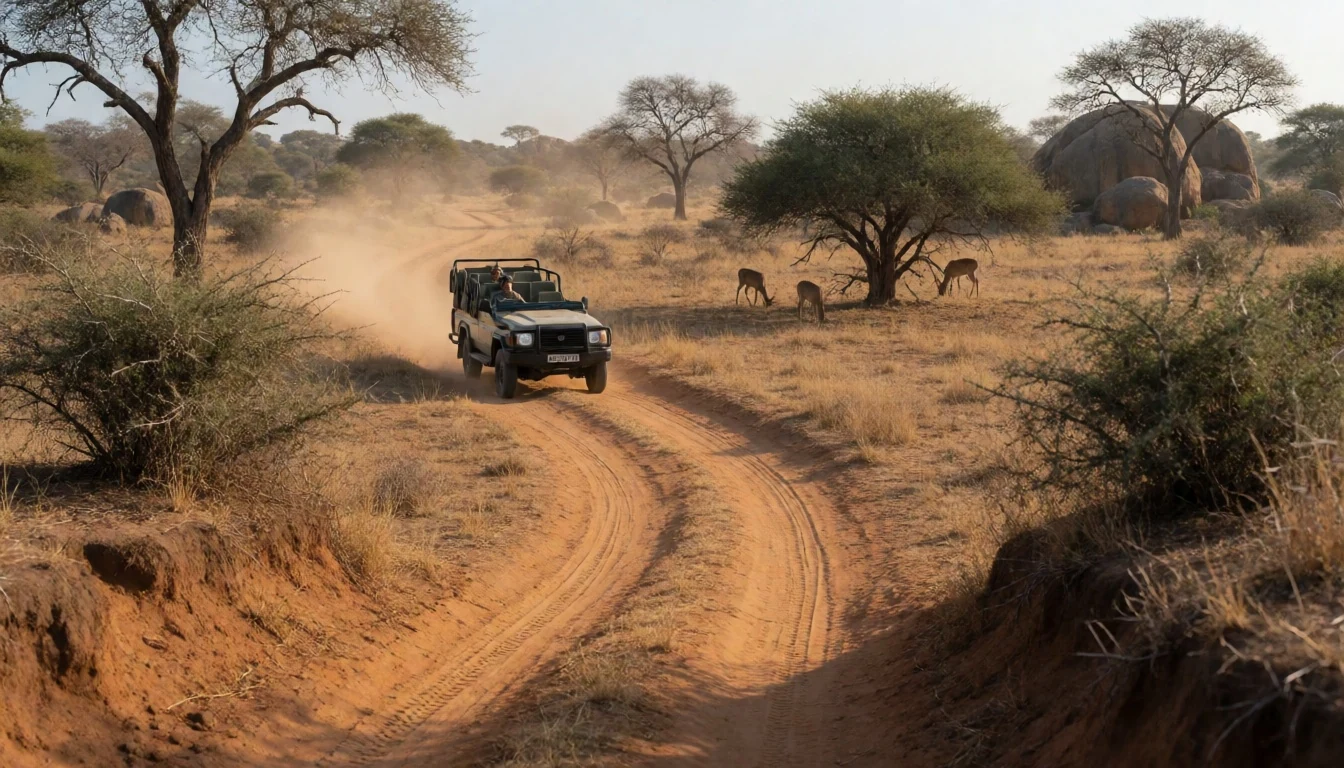
- Elephants by water — Water points across the park
In Yala National Park, elephants are often seen around waterholes in the dry season. They move to drink, and you can spot them by looking for activity where water is available.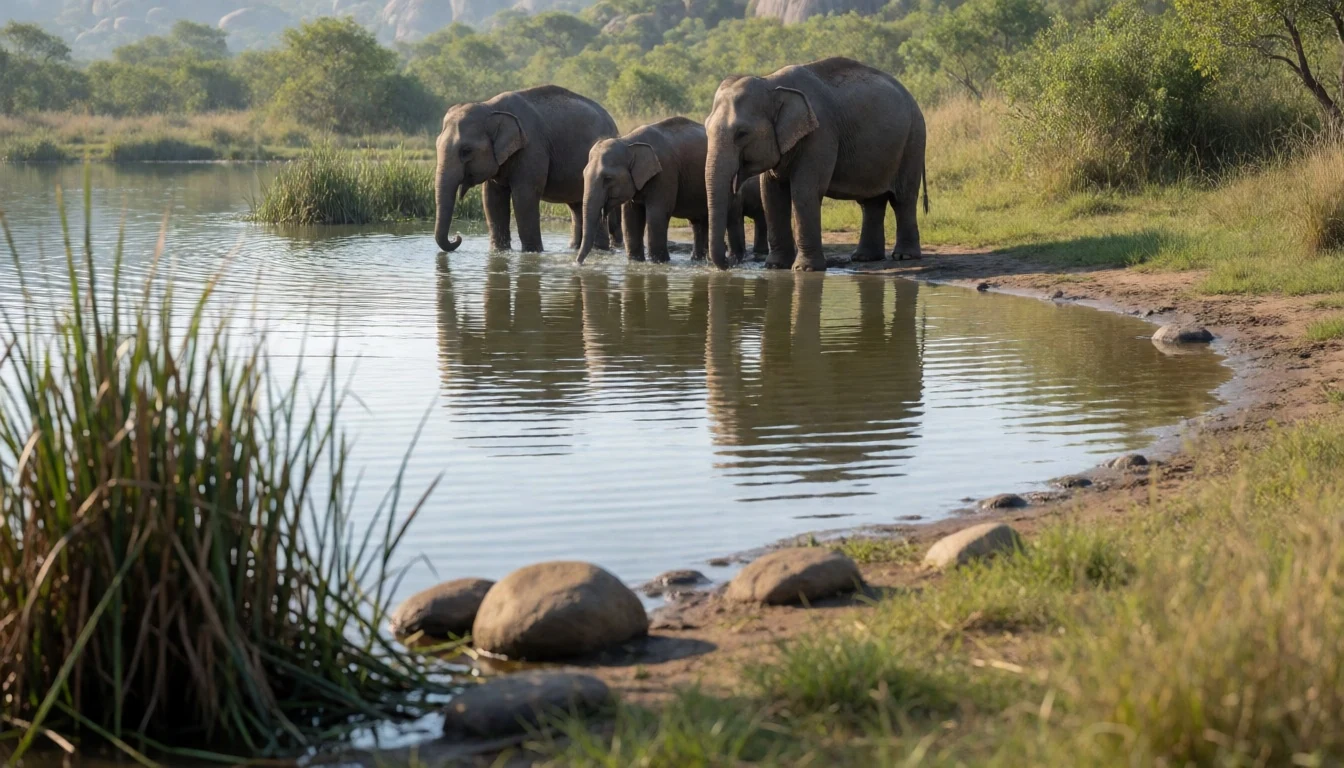
- Leopards where light and water meet — Edges near wetter patches
In Yala National Park, leopards are the hardest “yes”, but the logic is consistent: look where light breaks through and water draws movement. If you spot a still body low in the grass, don’t rush—give your guide time to read the scene.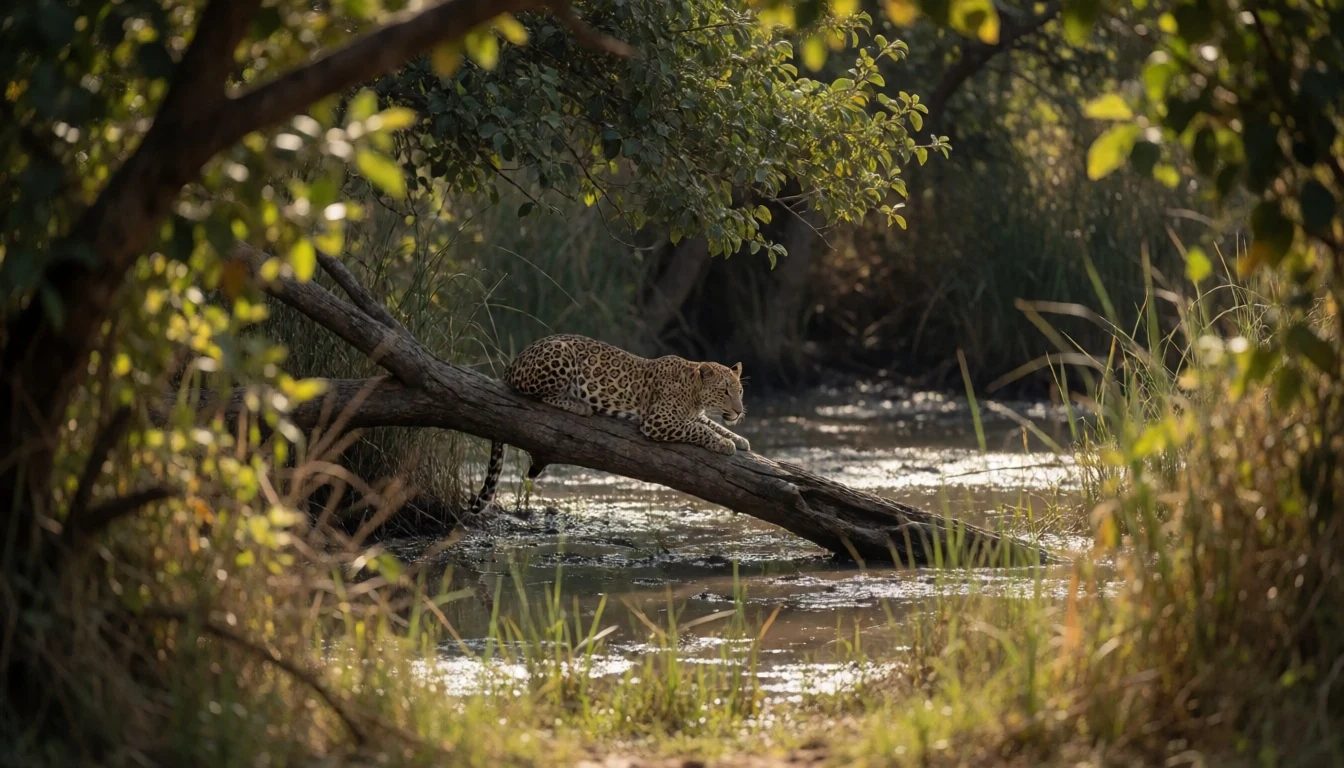
- Wetlands and lake edges — Lakes and freshwater wetland zones
Yala National Park has freshwater and marine-linked wet areas that change the whole feel of a drive. Even when bigger animals are absent, lake and wetland edges hold crocodiles, birds and steady movement along the margins.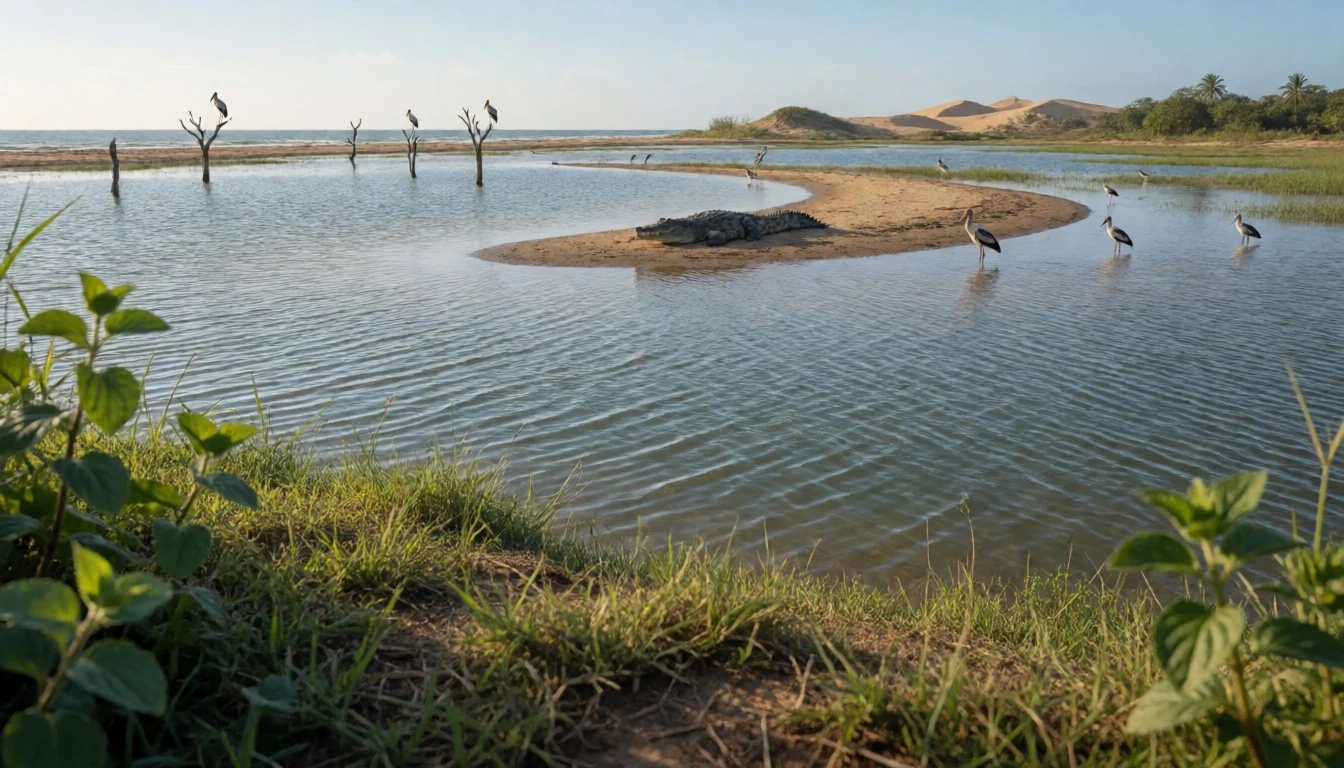
- Monsoon-tinged patches in the park — Moist monsoon-forest pockets
In Yala National Park, rain influence doesn’t mean constant greenery, but it does create pockets of life. Expect small greener patches and denser cover where animals pause longer, making these areas good for long, patient watching.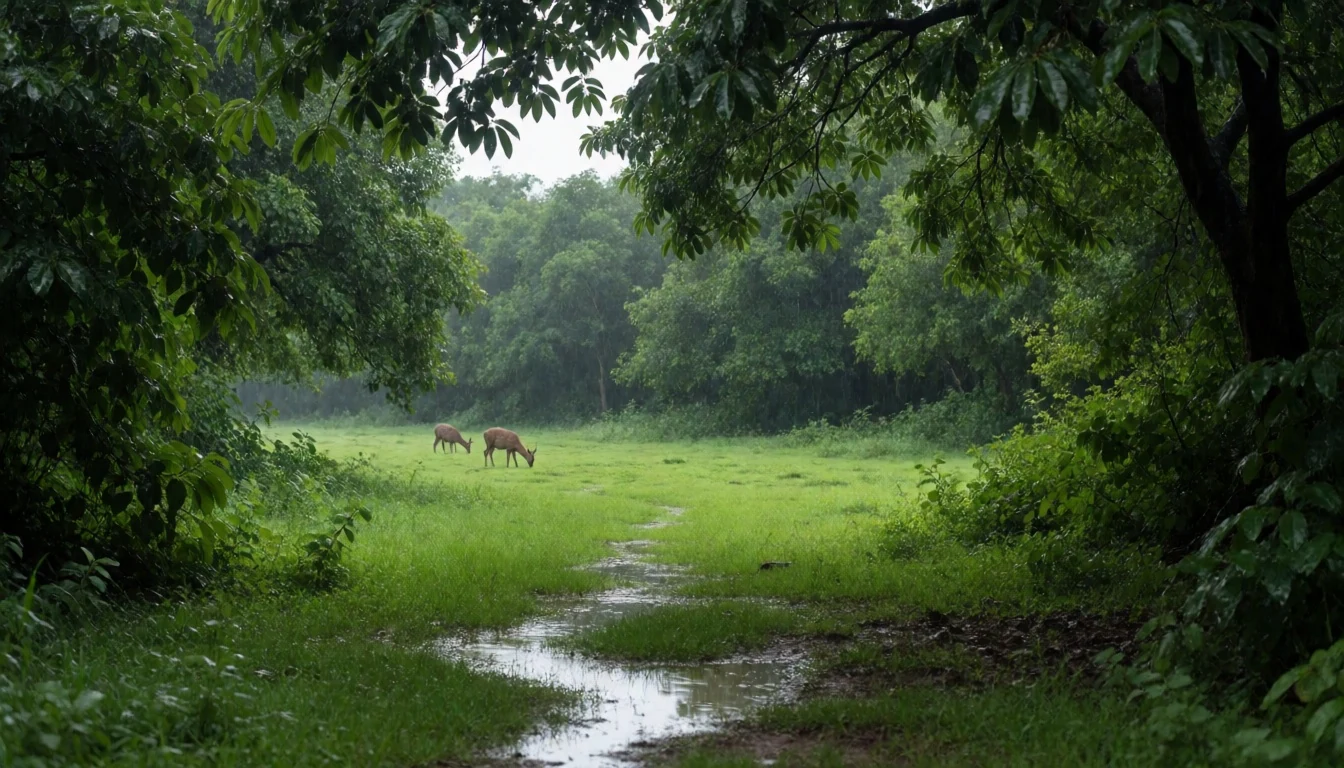
- Birdwatching through the seasons — Wetland margins and open grass areas
Yala National Park is a bird-focused stop even for non-birders. Across seasons, the park’s wetlands and scrub attract many species, with an emphasis on those that use open water, reeds and quieter edges.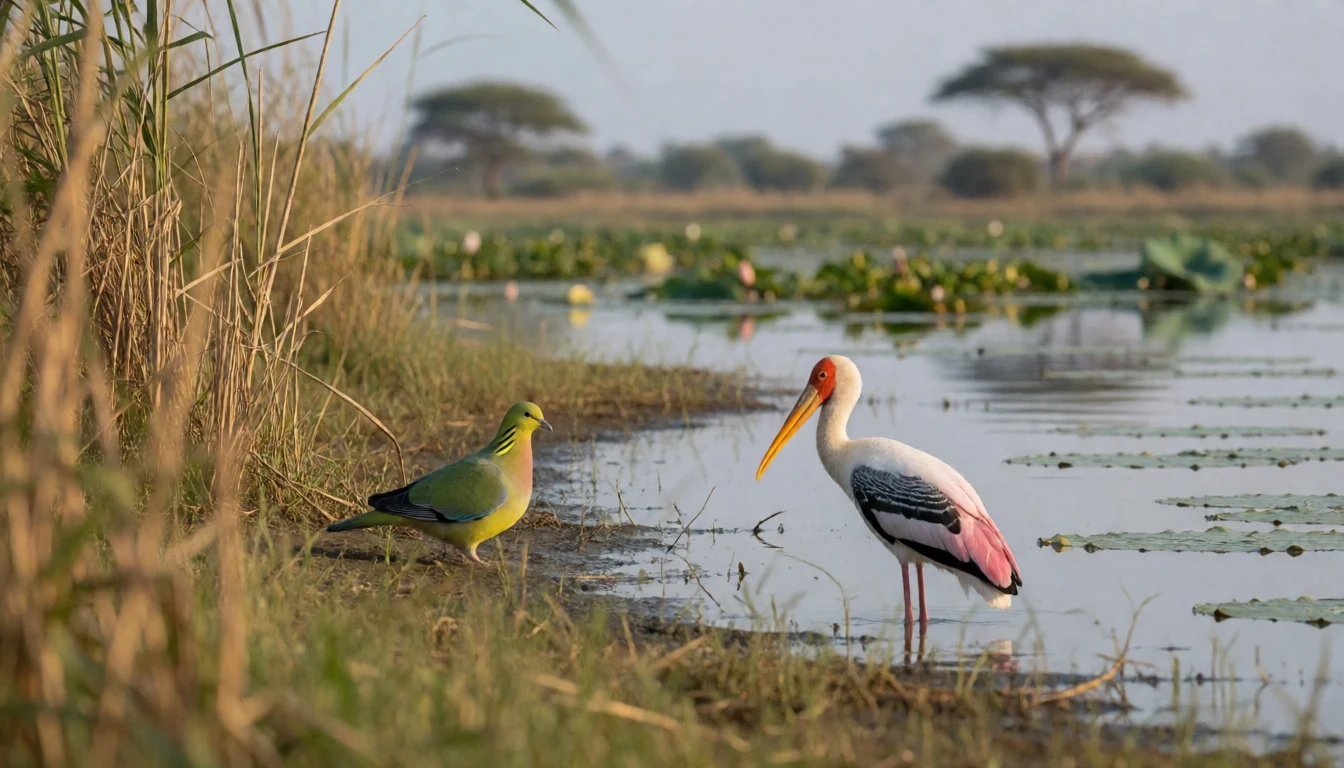
Culture
Yala National Park isn’t only about wildlife. Within the park there are Buddhist pilgrim sites, including Sithulpahuwa and Magul Vihara, which sit alongside the natural scenery in a way that can feel surprising when you’re expecting only safari drama. When you’re travelling through park areas, the mood can shift—less “hunt” and more contemplation—because these sites are part of a living religious landscape.
For many visitors, the best way to handle this mix is simply to slow down at the points you’re allowed to access and keep the tone respectful. Even if you’re mainly there for leopards and elephants, it’s worth remembering that people come here for spiritual reasons too, and that the park’s sacred character is not separate from the same environment that rangers protect.
Practical note: photography near religious or pilgrim areas should be careful and low-key, and it’s best to follow whatever guidance your guide gives. If you’re wearing safari gear with dust in mind, that’s fine—but keep behaviour calm and avoid noisy group antics when you’re close to monuments or places of worship.
Visitor etiquette: be quiet near pilgrim sites, keep voices low, and dress modestly when you move out of safari vehicle areas.
What to wear
For Yala National Park, wear for heat, dust and sun. Sri Lanka’s coastal south has warm conditions much of the year; during the drier months, the mornings can start manageable but the afternoon sun builds quickly. Lightweight long trousers (or long skirts) help with insects and sun, while a breathable top reduces that sticky, sweat-soaked feeling that arrives during long waiting spells in an open jeep.
Traditional dress in the wider Sri Lankan context often means saris for women and cloth-based shirts or national-style garments for men, usually worn for cultural occasions rather than safari drives. Some visitors like to bring a simple scarf or shawl for modesty at pilgrim places, where shoulders and knees are best covered.
What to wear now: comfortable closed-toe shoes with grip, or sturdy sandals that won’t slip in dust, plus a hat and sunglasses. A light rain layer is sensible because weather can shift, even if you’re travelling in the drier stretch. Bring a small dry bag for phone and camera, and consider tinted lenses if glare off open ground is strong.
Most important: avoid anything loose that can snag when you climb in and out of the jeep, and don’t wear bright reflective items that distract wildlife watching.
What to eat
- Simple chips and soft drinks near the entrance — Entrance area near the park
At the entrance area for Yala National Park there’s a small shop, but it’s very basic—mostly chips and sodas. For a smoother safari day, plan snacks from outside the park so you’re not stuck waiting on supplies.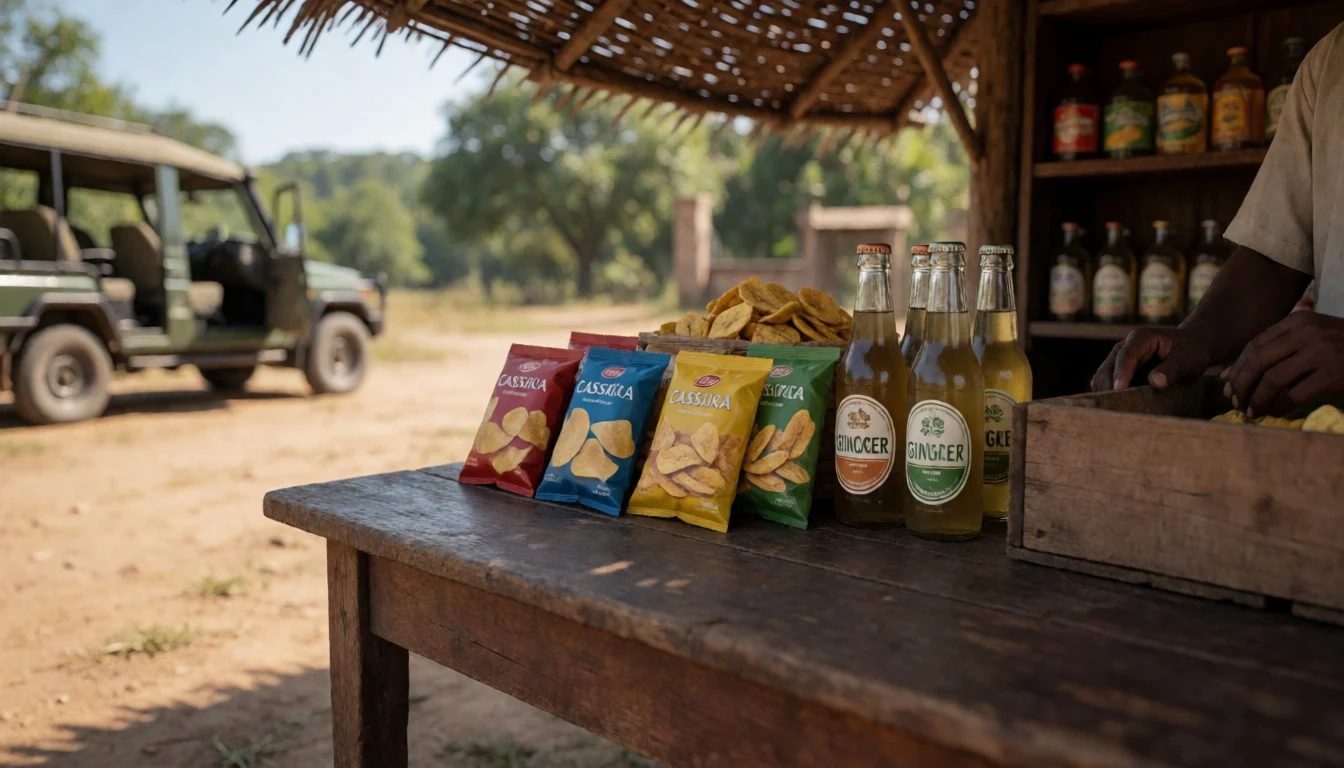
- Packable safari snacks — In your jeep, from your Tissa (Tissamaharama) base
Yala National Park safari days are long and you’ll spend time sitting in the jeep while scanning. Pack fruit, nuts or sandwiches that won’t melt, and keep water with you so you can pace meals around the drive rather than chasing food stops.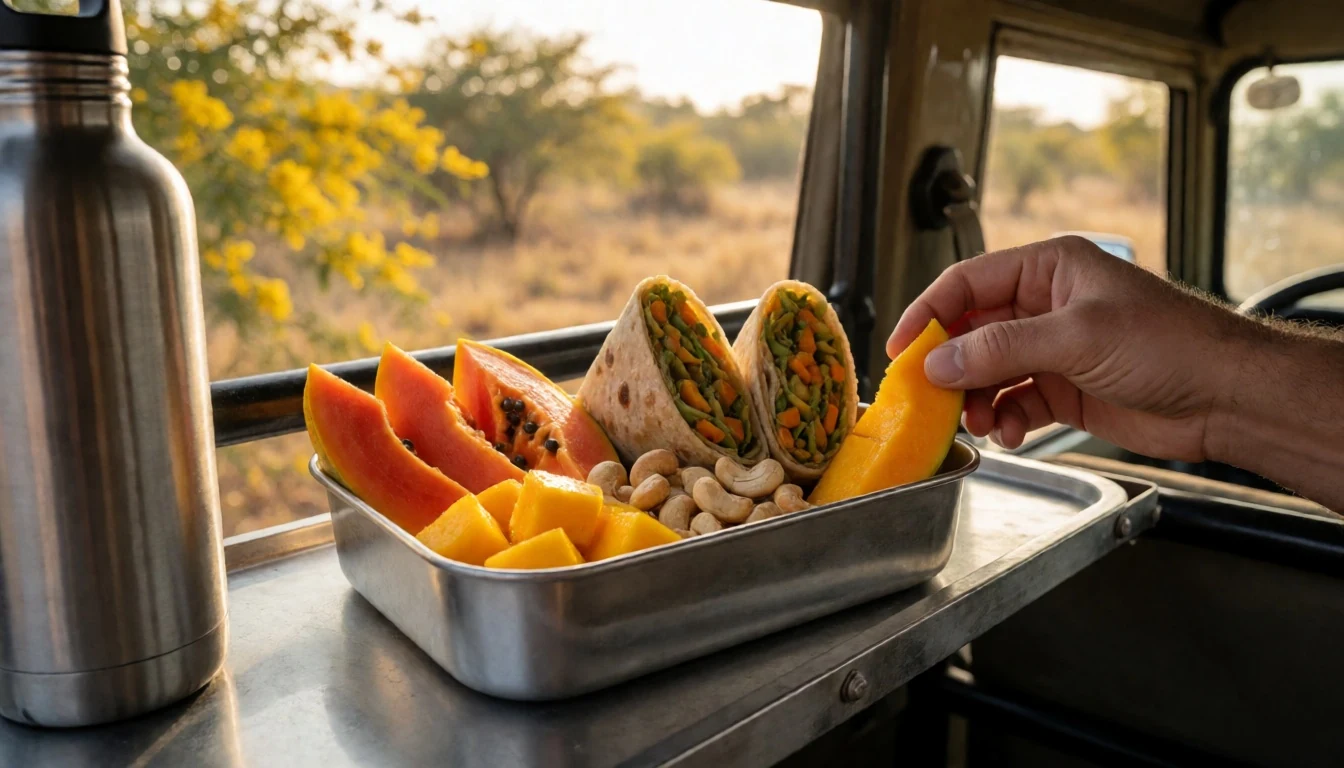
- Street-style tea and quick bites in Tissa — Tissa (Tissamaharama) town
Before and after a safari, people in Tissa (Tissamaharama) tend to grab quick bites and tea-style drinks. Look for small roadside eateries where you can eat promptly and get back to organising your next departure. - Rice-and-curry plates at local restaurants — Restaurants around Tissa (Tissamaharama)
A straightforward way to recharge after a park day is rice and curry at local restaurants. Ask for a mix of vegetable and protein options, and keep it light if you’re heading out again soon—spice levels can vary and you’ll still need hydration.
Plan it
Best time. March–April for drier, warmer safari days; and October–November when conditions are also favourable for wildlife viewing as temperatures feel more manageable.
How long. 3–4
Getting there. Fly into an airport in Sri Lanka and base yourself in Tissa (Tissamaharama). From there, the usual last leg is a short drive to the park entrance, then join a jeep safari for the time slots your operator offers.
Budget. mid
Tips
- Arrange safari days in advance, especially during the drier months when everyone wants wildlife drives
- Do at least one early-start safari to make the most of cooler morning light before the heat ramps up
- Plan snacks and extra water ahead of time; entrance options can be limited
- Expect bumpy roads—bring a camera strap and secure your belongings
- If you’re aiming for leopards, keep your patience: guides often wait for conditions and animal movement
Etiquette
- Stay in the vehicle during the safari and follow ranger instructions
- Do not feed any animals within the sanctuary
- Treat animals as wildlife first—avoid sudden blocking moves or loud shouting
Nearby
Sources
- Wikidata Q1530863 (CC0)
- Wikipedia: Yala National Park (rev 1377152116) (CC BY-SA 4.0)
- Wikivoyage: Yala National Park (rev 5213272) (CC BY-SA 4.0)
- Photo photos/01-yala-beach.jpg (CC BY-SA 4.0)
- Photo photos/02-yala-map.jpg (CC BY 3.0)
- Photo photos/03-game-ranger-liyanage-john-stanley-fernando-with-leopard-cub-.jpg (CC BY-SA 4.0)
- Photo photos/04-yalapond.jpg (CC BY-SA 2.0)
- Photo photos/05-yala-wetland.jpg (CC BY 2.5)
- Photo photos/06-thimindu-2009-09-27-yala-great-stone-curlew-2.jpg (CC BY 3.0)
- Photo photos/07-elephant-herd-yala-national-park.jpg (CC BY 3.0)
- Photo photos/08-baby-tufted-gray-langur-semnopithecus-priam.jpg (CC BY-SA 4.0)


