Xuankong Temple
Xuankong Temple, People's Republic of China
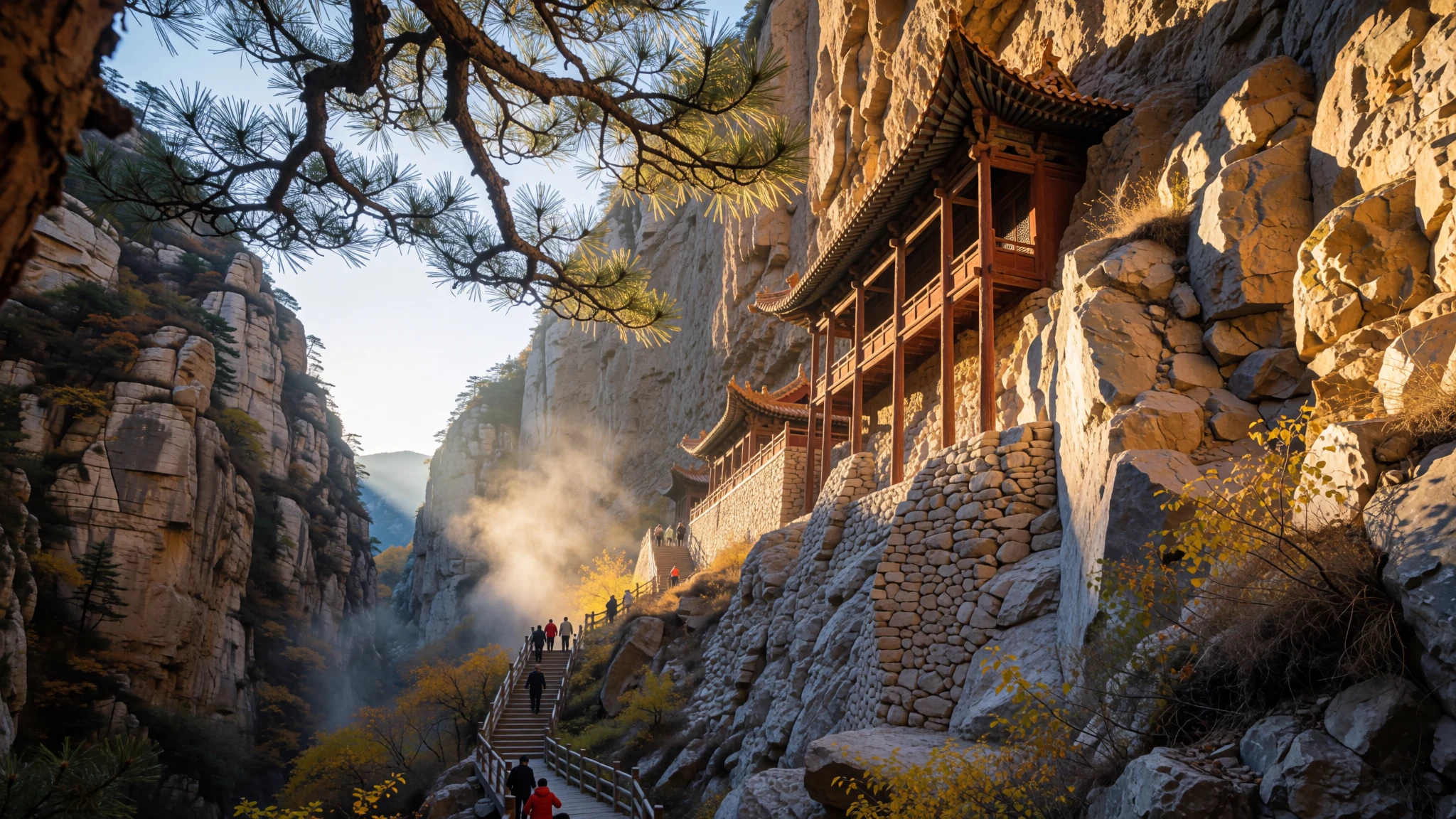
Clinging to a sheer cliff face for over one and a half millennia, Xuankong Temple unites three philosophies in a gravity-defying timber masterpiece.
The place
Xuankong Temple, also known as the Hanging Monastery or Xuankong Si, clings dramatically to a sheer rock wall in Shanxi Province, China. Positioned near Mount Heng in Hunyuan County, the complex sits roughly northwest of Datong city. The temple seems suspended mid-air, defying mountain gravity through an ingenious combination of oak crossbeams slotted directly into socket holes chiselled into the cliff, alongside supporting pillars that appear to bear the weight while the primary structural load rests securely within the bedrock. Built into a recess of a narrow canyon, the natural overhang of the stone shields the wooden pavilions from severe weather and harsh solar radiation throughout the changing seasons. The setting is remarkably compact, featuring a labyrinth of interconnected corridors, staircases, and shrines balanced upon the precipice. Visitors approach via winding mountain paths that reveal the full scale of the precipitous architecture only as they draw close. Datong itself serves as the main gateway for travellers exploring these northern historical treasures, offering a friendly introduction to regional Shanxi culture where foreign visitors remain a relatively uncommon sight. The area experiences continental weather patterns with distinct seasonal shifts, making spring and autumn particularly pleasant for navigating the steep outdoor staircases and viewing the surrounding gorge topography.
Its story
According to traditional accounts, the construction of Xuankong Temple began in the late fifth century during the Northern Wei dynasty, traditionally credited to a lone monk named Liaoran. The history of the site spans well over fourteen centuries of dynastic change, imperial patronage, and architectural adaptation. During this period, northern dynastic rulers engaged in complex shifts regarding religious policy, alternating between periods of suppression and official promotion of various spiritual traditions. Emperor Xiaowen desired grand monastic complexes in the north, prompting the creation of this unique sanctuary half-way up the cliff face where it could stand apart from the mundane world. Unlike many single-faith sanctuaries of the era, the temple was deliberately conceived to house three distinct Chinese traditions under one roof: Buddhism, Taoism, and Confucianism. Statues and shrines dedicated to figures from all three traditions share the narrow wooden platforms and cave chambers. Over the centuries, the complex underwent numerous repairs, restorations, and structural enhancements, including the addition of iron chains and auxiliary beams to stabilize the hanging galleries against seismic tremors and weathering. Modern preservation efforts, such as major overhauls coordinated by cultural heritage authorities, ensure that the fragile timber architecture survives for contemporary visitors to appreciate this unique intersection of engineering audacity and syncretic faith.
What to see
- Huayan Monastery — Datong ancient city
Huayan Monastery stands as one of the largest and best-preserved surviving religious complexes from the Liao and Jin dynasties in the region. Visitors can explore grand historical halls featuring ancient timber craftsmanship, elaborate bucket arches, and magnificent Buddhist sculptures that have endured centuries of dynastic transition and dynastic conflicts within the ancient city.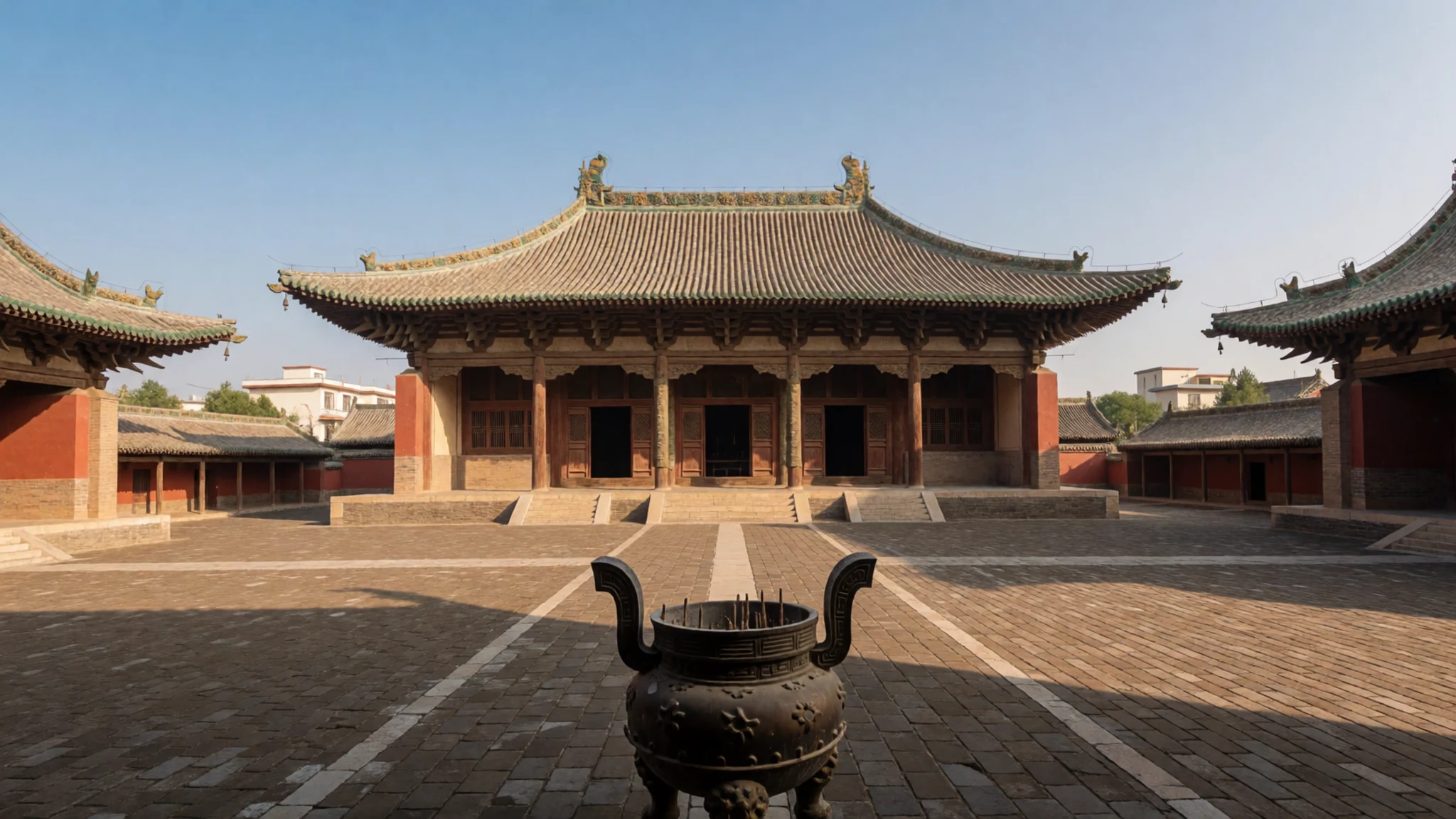
- Shanhua Ancient Monastery — Datong ancient city
Shanhua Ancient Monastery traces its origins back to the Tang dynasty before undergoing substantial reconstruction under later imperial reigns. The complex features impressive symmetrical courtyards, majestic main halls, and exceptional clay sculptures that reflect the sophisticated artistic traditions of medieval Chinese temple architecture.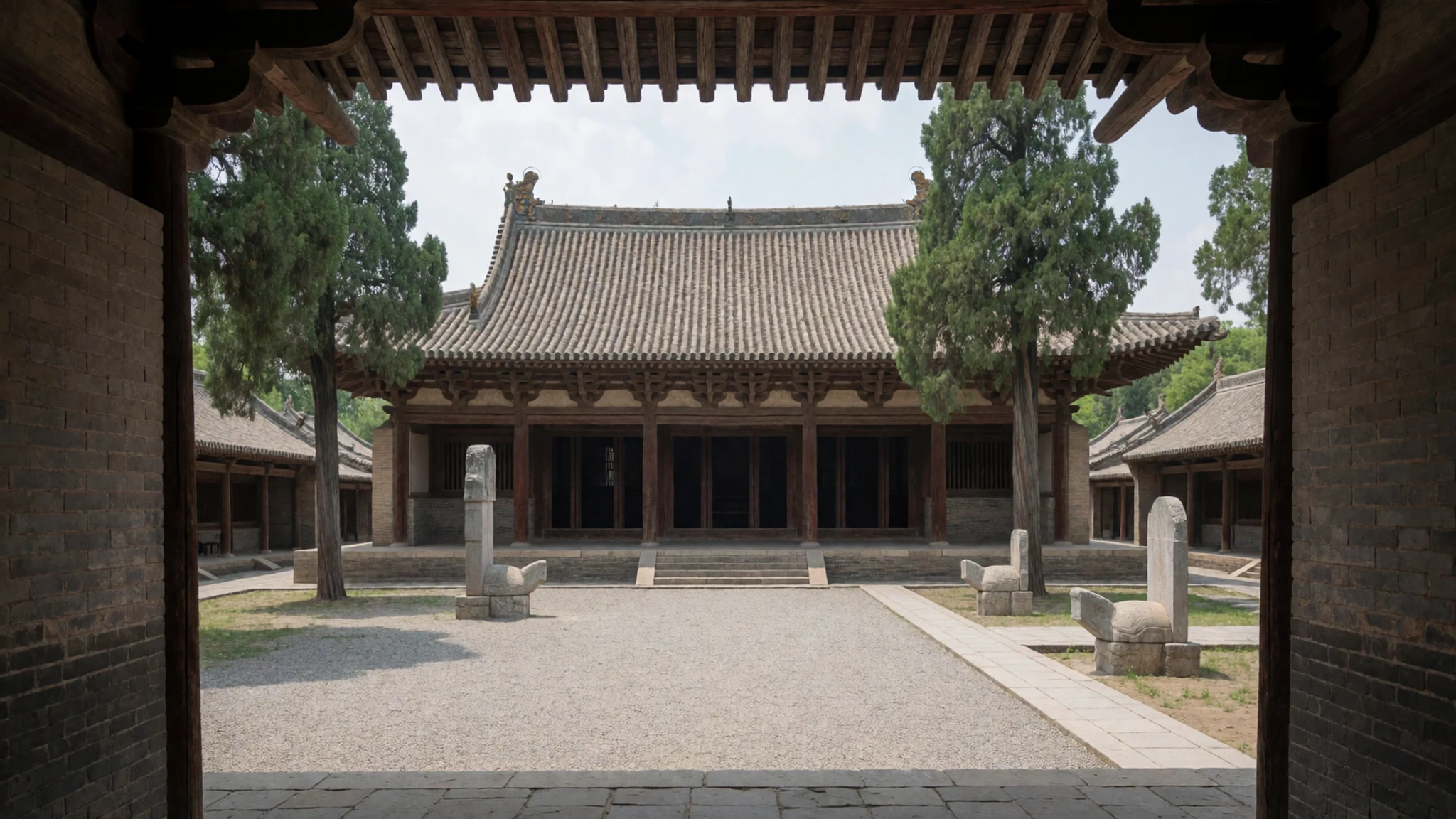
- Datong Confucian Temple — Datong ancient city
Datong Confucian Temple marks an important historical milestone as the first official institution established for worshipping Confucius outside of his home region. Originally founded during the early Ming dynasty, the sprawling site preserves traditional ceremonial gates, expansive courtyards, and classical scholastic architecture dedicated to scholarly tradition.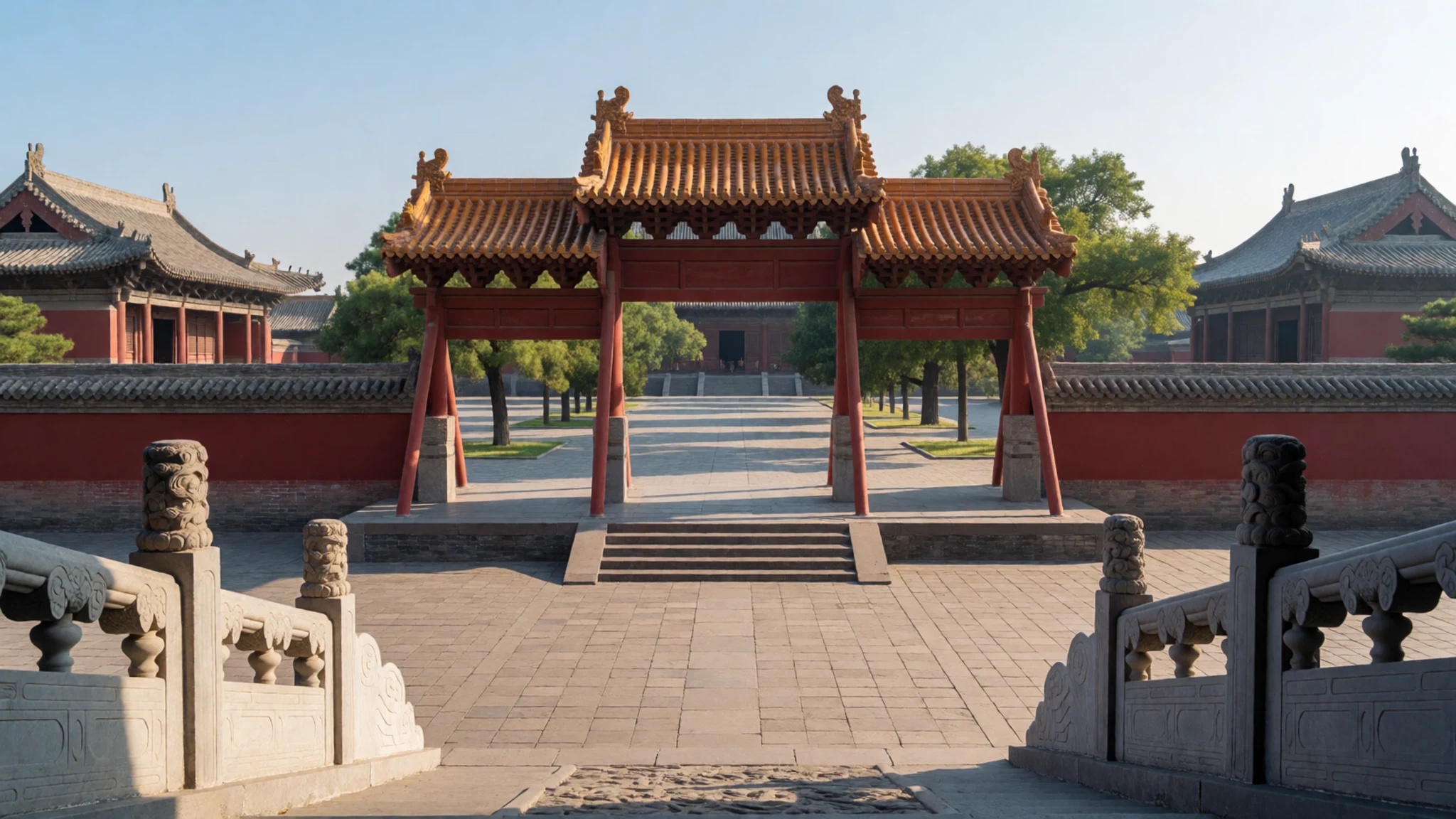
- Datong Guandi Temple — Datong ancient city
Datong Guandi Temple is dedicated to the revered martial saint Guan Yu and preserves rare architectural elements from the Yuan dynasty within its primary hall. A covered forecourt was added during later imperial eras, creating a fascinating architectural blend that honours a legendary figure of loyalty and righteousness.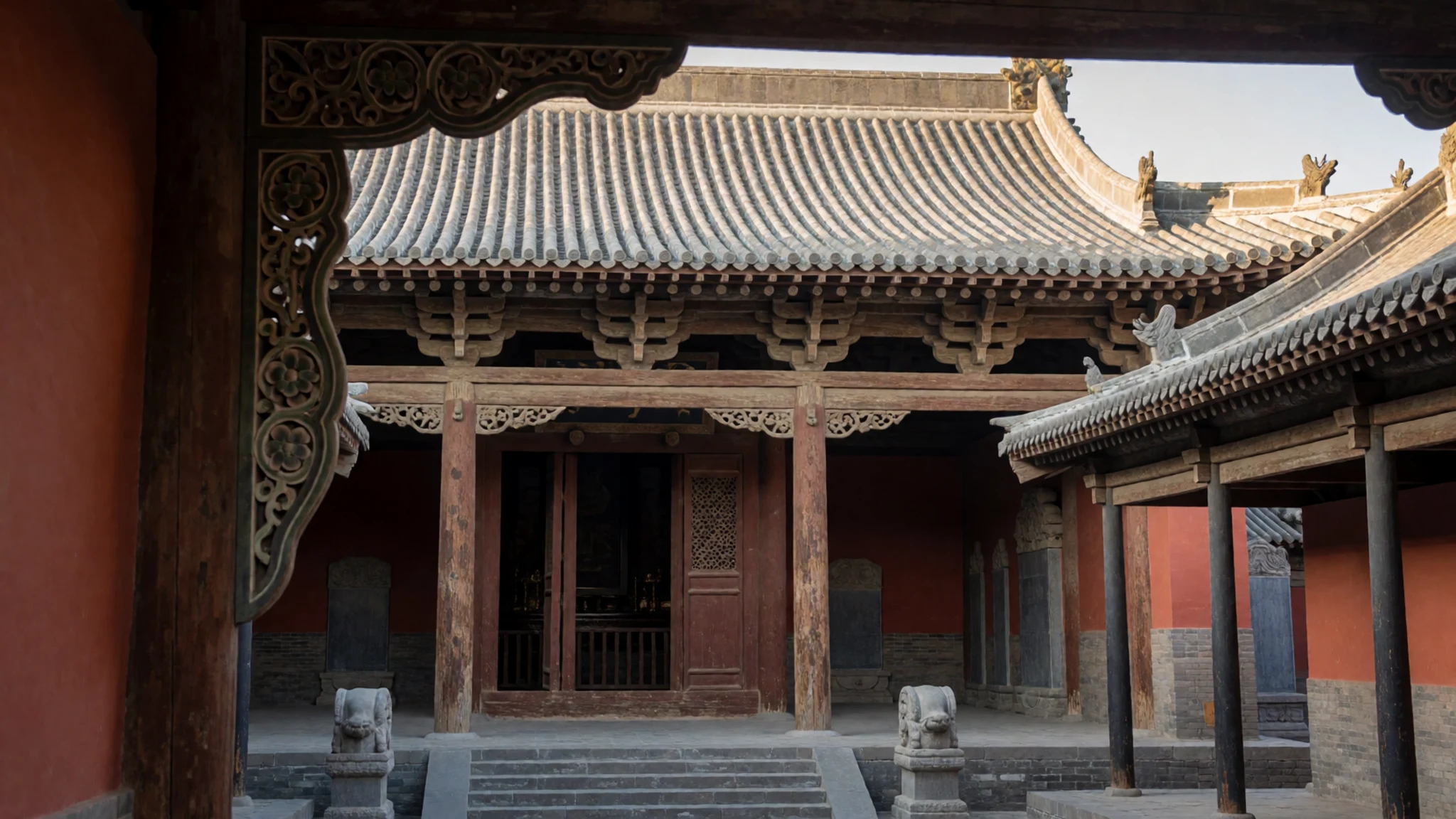
- Chunyang Palace — Datong ancient city
Chunyang Palace functions as the largest Daoist sanctuary located within the ancient walled boundaries of Datong. This peaceful complex provides tranquil courtyards and dedicated spaces for local Taoist association activities, offering visitors a serene environment distinct from the bustling urban streets outside its heavy wooden gates.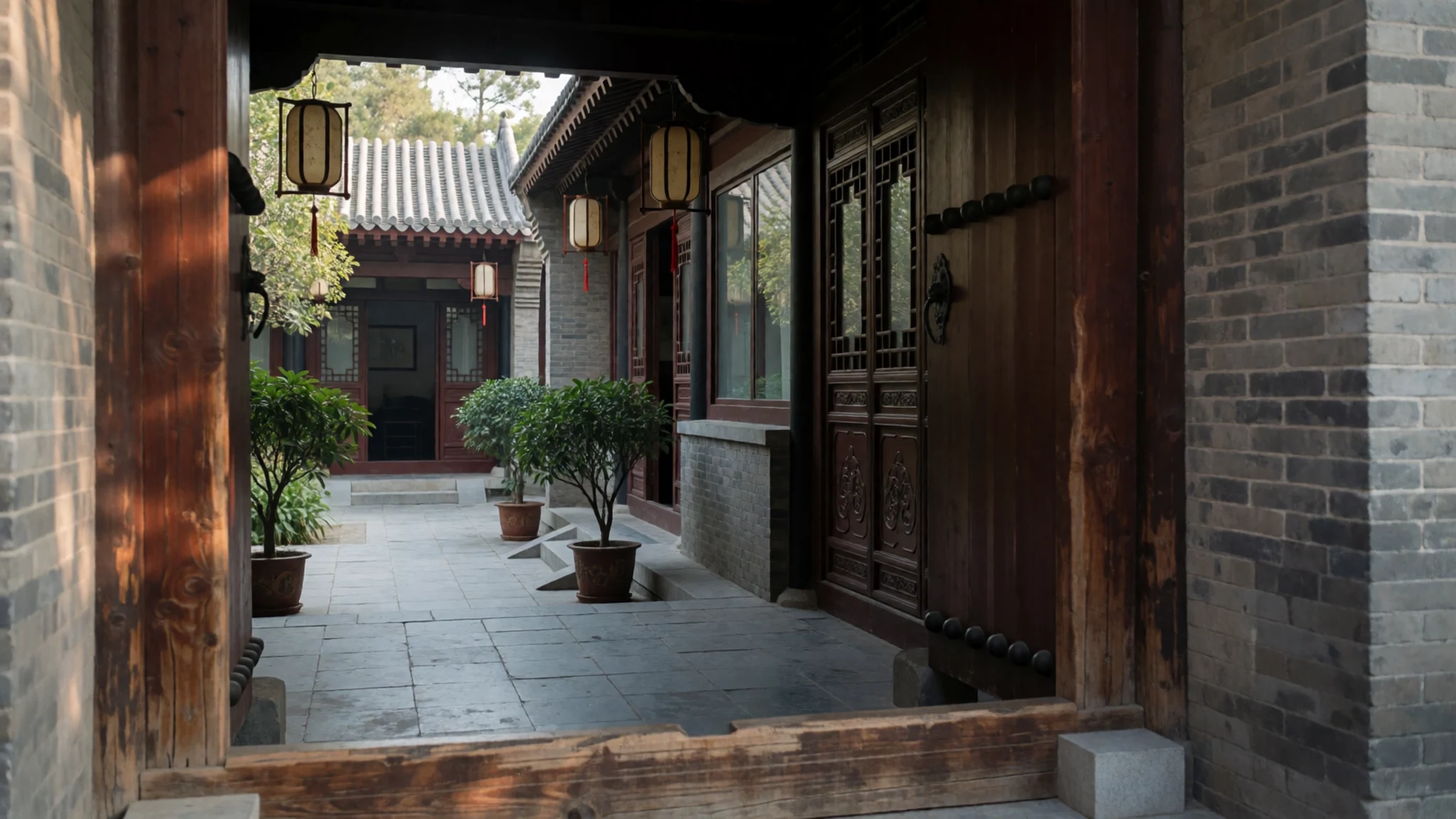
Culture
The cultural fabric of northern Shanxi reflects a deep heritage shaped by centuries of frontier trade, imperial capitals, and religious syncretism where Buddhism, Taoism, and Confucianism intertwine harmoniously. Local residents in Datong and the surrounding county towns are known for their warm hospitality, curiosity toward travellers, and straightforward rural warmth. Traditional etiquette emphasizes respect for elders, quiet contemplation inside sacred halls, and courteous interaction at historical sites. Because many shrines remain active places of worship, visitors should observe silent reflection in prayer halls and respect restricted areas where photography of sacred altars is discouraged. When visiting religious sanctuaries or heritage structures built onto fragile cliffs, always follow designated walking routes, avoid leaning on ancient railings, and yield the narrow wooden staircases to other visitors. Always remove your hat and lower your voice when entering indoor prayer chambers to show appropriate respect for the resident monks and local worshippers.
What to wear
Traditional attire in northern Shanxi historically prioritized utilitarian warmth and durability to withstand harsh continental winters, utilizing layered cotton garments, quilted jackets, and sturdy textiles suited for rugged mountain terrain and agricultural labour. Contemporary dress in Datong and surrounding areas mirrors modern urban Chinese fashion, with residents wearing practical jackets, denim, comfortable trainers, and insulated outerwear during colder months. For travellers visiting Xuankong Temple, practical clothing is essential due to the exposed cliffside setting and strenuous physical climbing required. Layered clothing works best because mountain breezes can be brisk even when sunshine warms the valley floor. Sturdy walking shoes or hiking trainers with reliable non-slip rubber soles are mandatory for navigating steep, narrow wooden stairs and metal grates suspended high above the canyon floor. Visitors should dress modestly out of respect for active religious spaces, covering shoulders and knees when entering sacred halls, and carry a light windbreaker or fleece regardless of the season.
What to eat
- Erban Datong Sliced Noodles — Datong city noodle shops
Erban Datong Sliced Noodles are a renowned regional specialty featuring freshly shaved wheat noodles cooked to a chewy texture. Diners typically receive a hearty bowl topped with savory minced pork, allowing guests to customize remaining ingredients with traditional vinegars, garlic sauces, and spicy chili oils at local eateries. - Shanxi Oat Noodles — Datong traditional restaurants
Shanxi Oat Noodles are crafted from nutrient-rich hulless oats fashioned into distinctive rolled shapes or hollow tubes before steaming. Served hot alongside rich mushroom gravies, savory meat broths, or spicy dipping sauces, this traditional northern staple offers a comforting, earthy flavour profile unique to the provincial highlands. - Datong Braised Lamb — Datong night markets and local eateries
Datong Braised Lamb is a hearty local delicacy prepared by simmering tender cuts of locally raised sheep with aromatic roots, star anise, and native spices until succulent. This warming dish is especially popular during chilly autumn and winter evenings across traditional Shanxi dining halls. - Guangling Doufu — Guangling County dining houses
Guangling Doufu is a celebrated regional soybean specialty characterized by its firm texture, rich bean fragrance, and versatile preparation methods. Often pan-fried, braised with seasonal vegetables, or simmered in savoury broths infused with local seasonings, it represents classic agricultural cuisine of the Datong countryside.
Plan it
Best time. Spring and autumn offer the most comfortable weather for exploring the outdoor cliffside stairs, avoiding the freezing winter winds and the intense summer heat of the mountain canyon.
How long. 2
Getting there. Arrive via high-speed train at Datong South Railway Station from Beijing or Taiyuan, then continue onward to Hunyuan County and the temple by local bus, taxi, or organized transport.
Budget. mid
Tips
- Purchase tickets and book travel arrangements in advance through trusted foreigner-friendly platforms such as Trip.com.
- Arrive early in the morning to beat the peak tourist crowds and secure a smoother ascent up the narrow cliff walkways.
- Wear sturdy walking shoes with aggressive tread for gripping the steep, open-air wooden staircases and metal grating.
- Carry cash for small purchases, local snacks, and temple donations where digital payment apps might occasionally fail.
Etiquette
- Remove your hat and lower your voice when entering indoor prayer chambers to show respect.
- Never lean heavily against ancient wooden railings or historical architectural supports.
- Follow designated one-way footpaths strictly to manage steady visitor flow on the narrow cliffside.
Nearby
Sources
- Wikidata Q1276887 (CC0)
- Wikipedia (CC BY-SA 4.0)
- Wikivoyage (CC BY-SA 4.0)