Wuzhizhou Island
Wuzhizhou Island, People's Republic of China
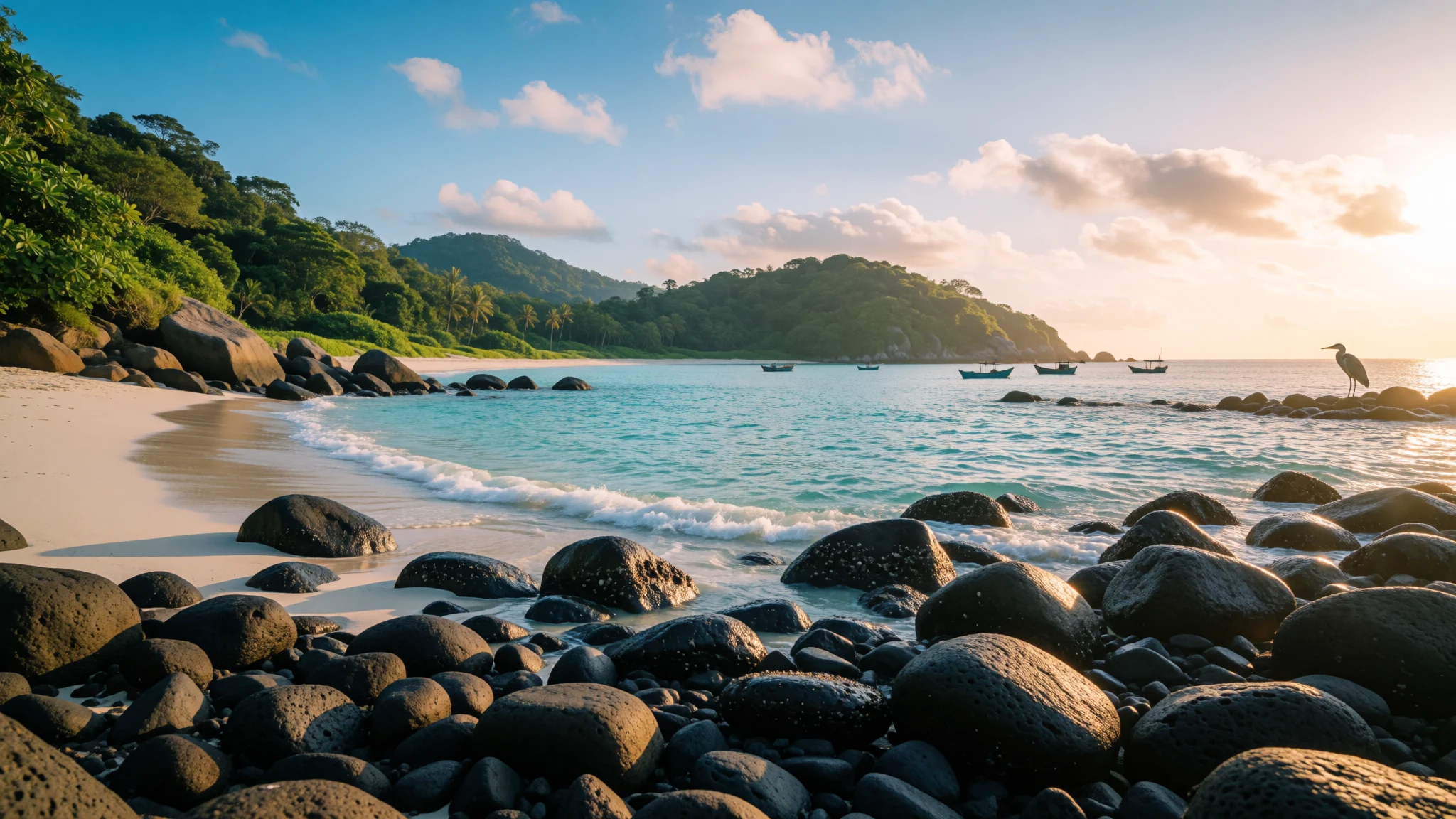
Wuzhizhou Island offers tropical shores and vibrant marine life off China's southernmost coast.
The place
Wuzhizhou Island lies off the coast of Hainan Province within Haitang Bay, positioned northeast of Sanya between Nanwan Monkey Island to the north and Yalong Bay to the south. Locally known as Lover's Island due to its distinctive heart or butterfly shape, this compact landmass measures roughly one and a half square kilometres with several kilometres of irregular coastline. Hainan itself represents China's southernmost province, positioned south of Guangdong province and across the Gulf of Tonkin from Vietnam. Its name literally translates to south of the ocean.
The human geography of the wider region reflects centuries of migration and shifting populations. The first residents were the Hlai or Li, a people of Tai–Kadai origin. Large-scale movement of Han Chinese settlers to the island began during the Song Dynasty and persisted through the Ming Dynasty. Over time, these Han arrivals pushed the indigenous Li people into the upland interiors. Today, the coastal plains feature a distinct Han majority, while the southern highlands remain the primary home for the Li communities. Historically, the province served as a remote backwater where imperial courts banished fallen officials. It remained administered as a prefecture of Guangdong until it became a separate province, establishing itself as the smallest province in the country and the only island territory governed directly under its current provincial status. The entire region functions as a special economic zone, characterised by a subtropical to tropical climate that shapes its relaxed atmosphere and outdoor lifestyle.
Its story
Wuzhizhou Island carries layers of history tied to the broader narrative of Hainan's isolation and settlement. For centuries, the wider island was viewed by the imperial mainland as a distant frontier, frequently utilised as a place of exile for disgraced scholars and failed government officials who fell out of favour with the imperial court. This reputation for remoteness kept the surrounding waters and islets largely quiet and untouched by major urban development for generations.
The most notable historical anecdote specifically attached to the island dates back to the Qing Dynasty. During this era, a Taoist priest named Wu Huacun travelled to the isolated terrain in search of a legendary sanctuary where he might successfully compound the fabled elixir of life. He constructed a modest dwelling on the shores to pursue his spiritual and alchemical endeavours. While the quest for immortality yielded no worldly results, his presence marked one of the earliest recorded chapters of human habitation on the islet.
Following centuries of quiet isolation as a fisherman's outpost and Taoist retreat, the island transitioned into a protected tourist attraction. Its transformation from a quiet refuge into a major leisure destination reflects the broader economic opening of the province, shifting from a neglected imperial backwater into a premier coastal escape.
What to see
- Bin Lang Gu — Central Hainan
Explore this cultural village dedicated to the Li people, the indigenous inhabitants of the region who settled the area long before the arrival of large-scale Han populations during the imperial dynasties. The site showcases traditional architecture, textiles, and daily crafts.
- South Bay Monkey Island — Lingshui
Visit this insular nature reserve across the water, home to a large population of wild macaques roaming freely across the forested hillsides. Visitors should remain vigilant regarding personal belongings, as the resident animals are notoriously quick at relieving tourists of loose bags.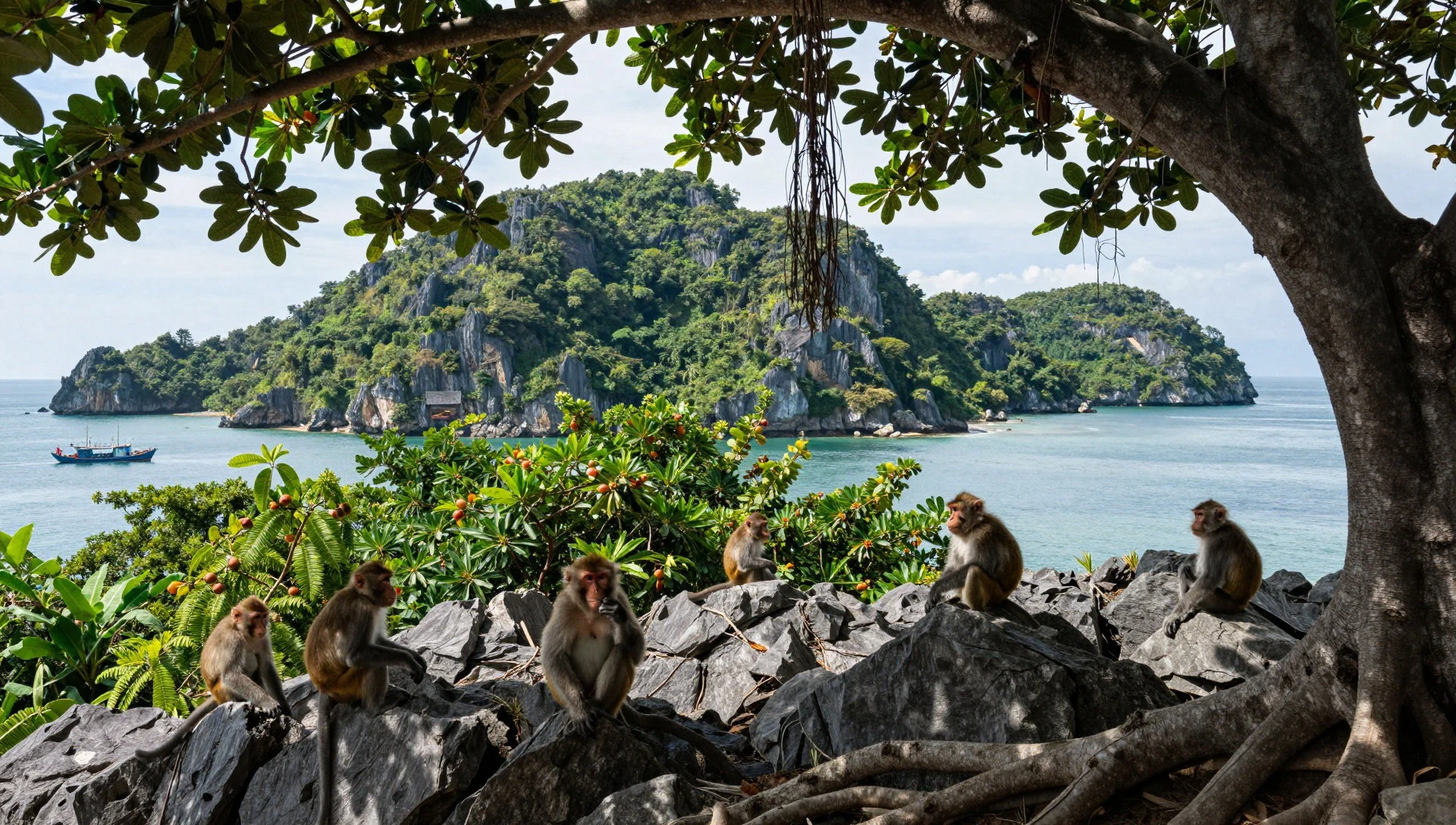
- Volcano Park and Lava Rock Villages — Northern Hainan
Wander through geological parks showcasing ancient volcanic terrain and traditional settlements constructed entirely from dark volcanic stone. Certain protected hamlets maintain traditional structures where local elders oversee community heritage and visitor access.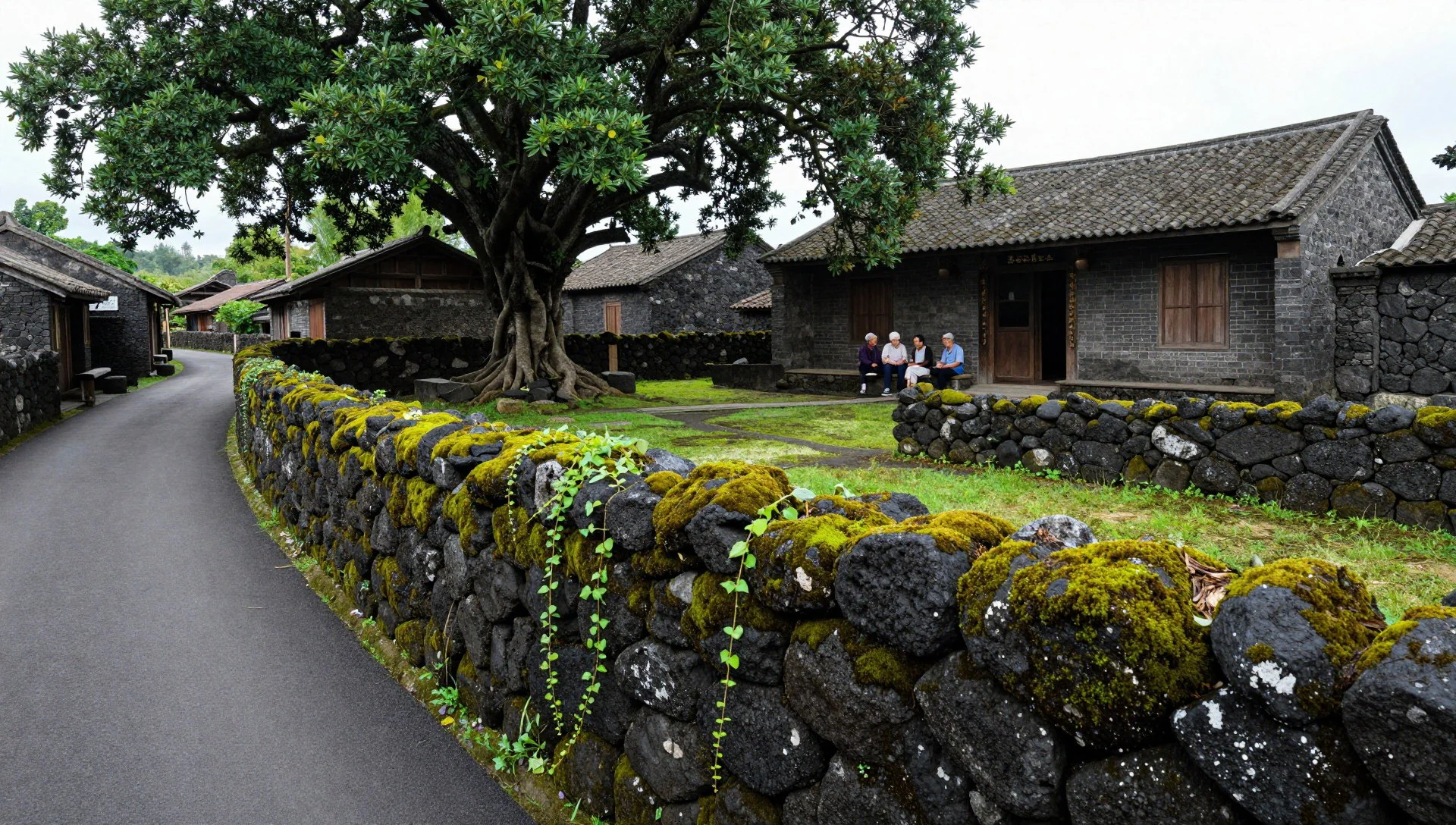
- Sanya Beach Area — Sanya Coast
Discover the long stretches of sandy shoreline that anchor the region's reputation as a premier coastal destination. The beachfront offers lively promenades, bustling nightlife spots, and extensive views across the South China Sea.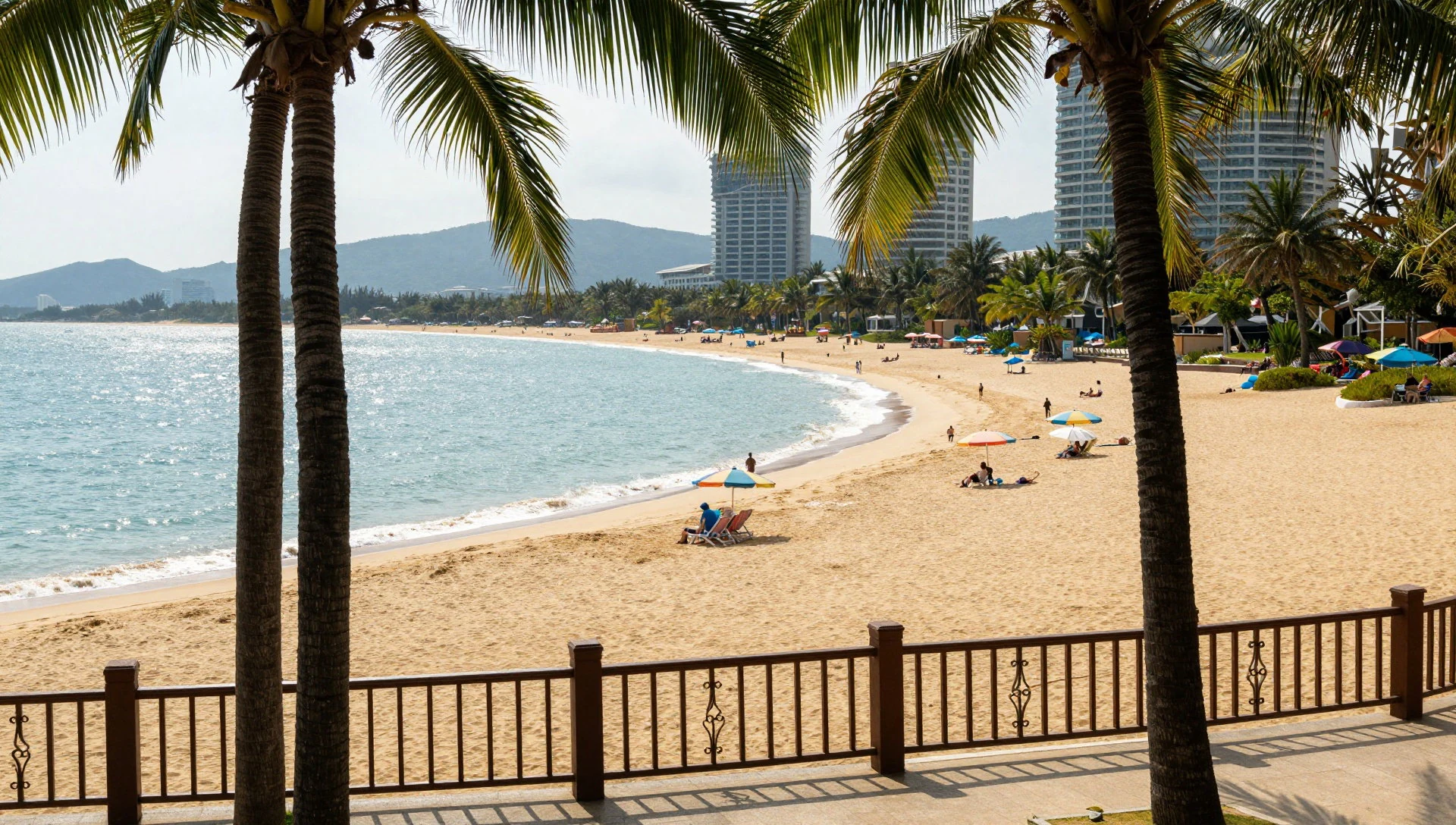
Culture
The cultural fabric of the region blends indigenous traditions with influences brought by generations of mainland settlers and overseas migrants. The Li people preserve distinct customs, including intricate textile weaving traditions and communal folk songs, which remain central to their identity in the southern highlands. Meanwhile, the coastal plains reflect a predominantly Han lifestyle shaped by maritime trades, local temple worship, and relaxed island rhythms.
Unlike northern regions where heavy spirit consumption forms a core part of social gatherings, traditional island culture favours a more moderate approach to social drinking, with casual beer consumption and communal dining taking precedence. Hospitality is warm, though the rapid pace of modern tourism has introduced urban commercial pressures into traditional village spaces. Visitors should always ask permission before photographing local residents, particularly elderly members of ethnic minority communities in rural upland areas.
What to wear
Traditional attire among the indigenous Li people features distinctive hand-woven textiles made from natural plant fibres, often dyed with intricate geometric patterns that denote tribal lineage and social status. Women traditionally wore wrap-around skirts and heavily embroidered jackets, while men favoured simple tunics suited for tropical fieldwork.
Modern daily dress across the coastal areas is casual, light, and practical, driven by the warm tropical climate. Locals and domestic travellers generally wear lightweight cotton shirts, shorts, sandals, and wide-brimmed sunhats to combat the intense sun and humidity.
Visitors should pack breathable, lightweight clothing suited for high temperatures and strong sunlight. Modest casual wear is suitable for general exploration, but shoulders and knees should be covered when visiting sacred sites, temples, or traditional rural villages in the highlands. Sturdy footwear is recommended for exploring uneven volcanic stone paths or forested nature reserves.
What to eat
- Wenchang Chicken — Local eateries across the island
Considered the signature dish of the province throughout the country, this local poultry is poached tenderly and served simply with seasoned dipping sauces and oily rice. The cooking method inspired the famous Hainanese chicken rice popularised across Southeast Asia.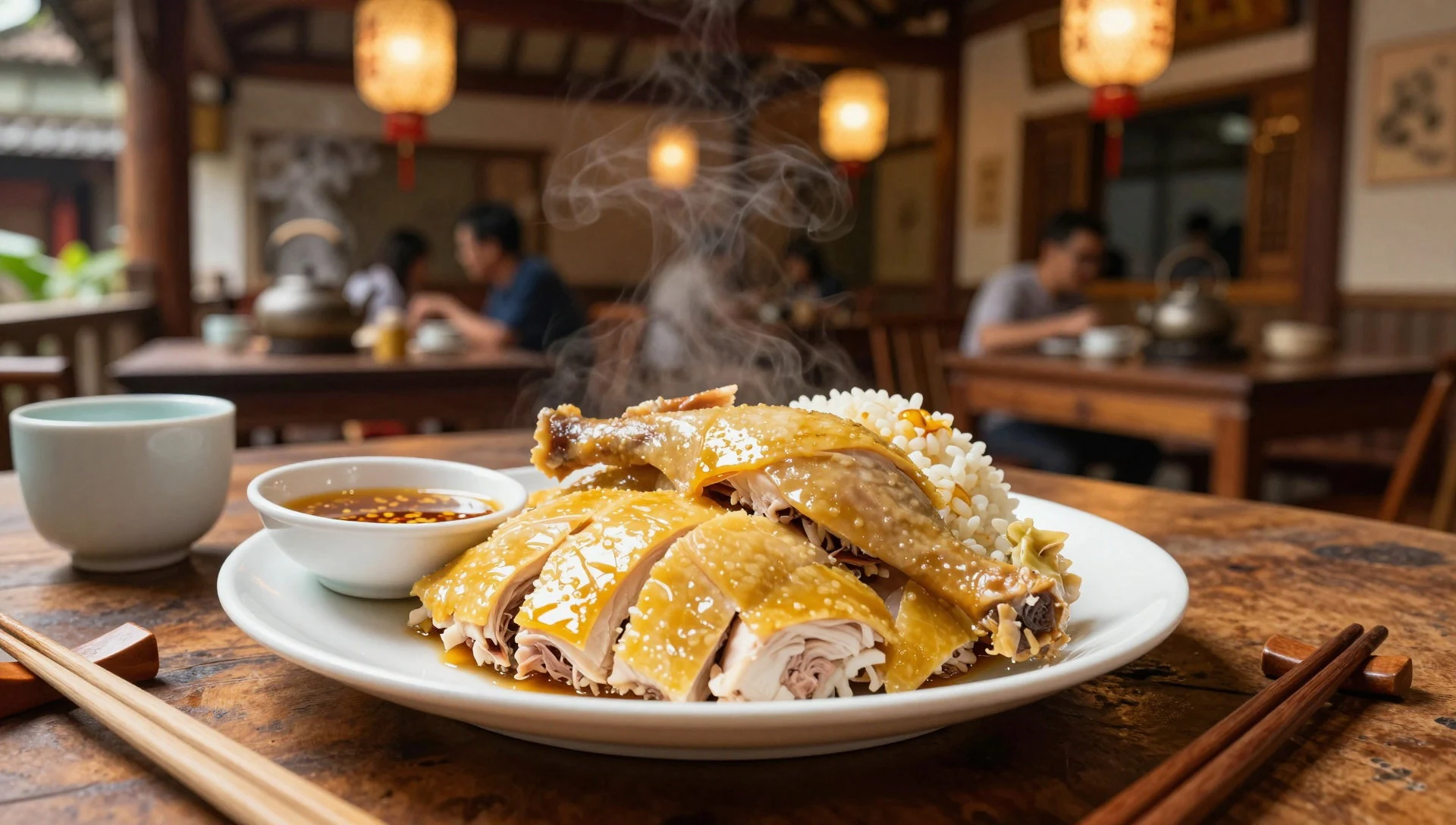
- Coconut Rice Cakes — Coastal markets and street stalls
Known locally as yi bua, these traditional sweet snacks feature sticky rice dough filled with grated coconut and brown sugar, wrapped in leaves and steamed along the northeastern coastal towns.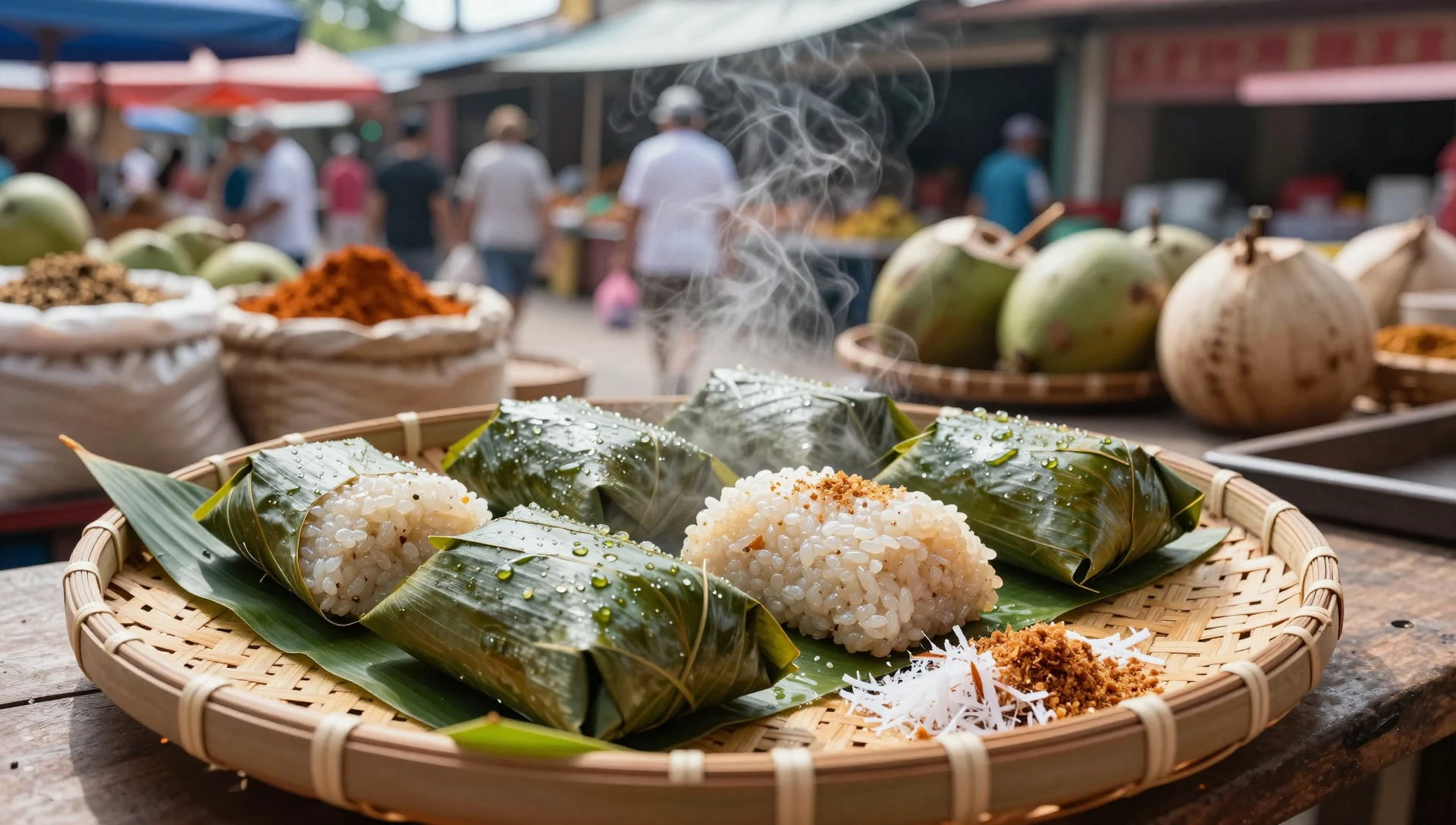
- Fresh Seafood — Seafood stalls and harbourfront restaurants
Enjoy an abundant variety of freshly caught fish, prawns, and shellfish prepared simply by local cooks, typically steamed or stir-fried with garlic and local spices in open-air dining spots. - Fresh Coconut Water — Beachside vendors and street carts
Harvested directly from the countless palm trees covering the island, chilled green coconuts provide a refreshing, natural antidote to the tropical heat and humidity.
Plan it
Best time. November to April offers the most comfortable weather with lower humidity and pleasant temperatures, avoiding the intense heat and typhoon risks of the summer months.
How long. 2–3
Getting there. Fly into Sanya or Haikou, then take a taxi, bus, or high-speed rail connection to the coastal jetties before catching the short ferry crossing to the island.
Budget. mid
Tips
- Verify all prices and ensure seafood is weighed in your presence before ordering at tourist eateries
- Exercise extreme caution with water sports, as safety standards and equipment quality can vary significantly
- Book visa-free travel arrangements well in advance through approved local agencies if arriving directly from abroad
- Carry cash for smaller village shops and rural markets where digital or card payment may be unreliable
- Slather on high-factor sunscreen and carry drinking water at all times to combat the strong tropical sun
Etiquette
- Always ask permission before photographing local residents or ethnic minority elders
- Dress modestly with covered shoulders and knees when visiting temples or rural traditional villages
Nearby
Sources
- Wikidata Q8039419 (CC0)
- Wikipedia (rev 1364345992) (CC BY-SA 4.0)
- Wikivoyage (rev 5331776) (CC BY-SA 4.0)