wooden churches of the Slovak Carpathians
wooden churches of the Slovak Carpathians, Slovakia
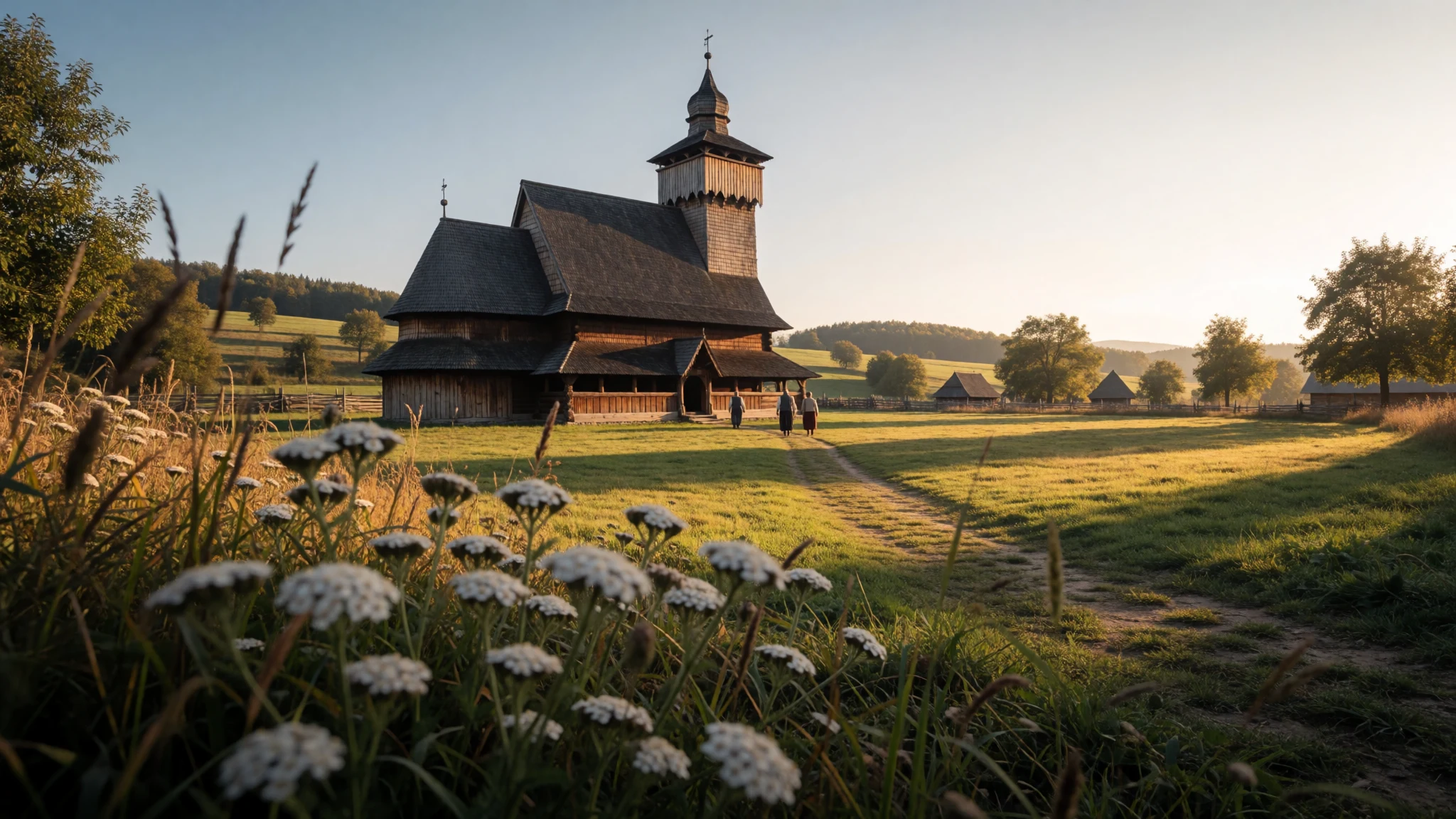
Carpathian wooden churches let you read European faith and craft in timber—small, regional, and beautifully functional.
The place
The wooden churches of the Slovak Carpathians are a UNESCO World Heritage Site made up of nine wooden religious buildings scattered across eight locations in Slovakia. What makes this collection so rewarding is how varied it feels on foot and by road: the site isn’t one big attraction, but a patchwork of communities that built, rebuilt, and kept their church traditions alive with timber and local know-how.
Dating covers work that spans from the 15th century into the 18th, which is exactly the sort of long arc you’ll feel in the details: the look of aged boards, the rhythm of structural elements, and the way each church fits its landscape. The set includes two Roman Catholic churches (Hervartov and Tvrdošín), three Protestant “Articular churches” (Hronsek, Leštiny, Kežmarok), and three Greek Catholic churches (Bodružal, Ruská Bystrá, Ladomirová). There’s also a belfry in Hronsek—useful because it helps you see how sound and ceremony were designed as much as worship spaces.
If you’re travelling for architecture, expect the experience to be more “slow discovery” than “single-photo stop”. Some visitors cluster around the better-signposted towns, while the smaller villages reward early starts and a flexible route. In summer, roads can be busy and the countryside takes longer than mapping suggests; in colder months, daylight is shorter, so the best plan is to visit during the brightest hours. Either way, the best approach is to treat each church as its own story—then connect the dots across the whole UNESCO set.
Its story
The wooden churches of the Slovak Carpathians grew out of a world where timber wasn’t a substitute—it was the material. In the region, carpentry traditions and local building knowledge made wooden church architecture practical, repeatable, and adaptable to changing circumstances.
Across the UNESCO group you can sense different religious identities living in the same wider Carpathian environment. The site includes Roman Catholic churches in Hervartov and Tvrdošín, Protestant Articular churches in Hronsek, Leštiny, and Kežmarok, and Greek Catholic churches in Bodružal, Ruská Bystrá, and Ladomirová. That mix matters because these weren’t identical “copies” of a template. Even when the outward form is recognisably wooden—rooflines, timber walls, and simplified massing—the interior life, the organisation of worship, and the community purpose differ.
One of the most interesting elements is how the churches relate to everyday settlement patterns. They’re not in isolated museums; they’re embedded in villages and towns, meaning the approach is often as memorable as the building itself: the road that narrows, the change in vegetation, and the moment the church appears as a stable landmark.
If the UNESCO label is what draws people in, the real payoff is learning to look past the idea of “old timber” and instead watch for craft decisions—joinery that has survived, roof proportions that handle weather, and spaces shaped for local congregations. It’s the kind of heritage you feel more than you “finish”.
What to see
- Hronsek wooden church (Articular) + belfry — Hronsek
In Hronsek, look for how the church and its belfry work as one idea: the belfry acts like a horizon marker, and the church reads as a compact timber structure. Even without crowd-free time, the setting helps you see why villages invested in wood.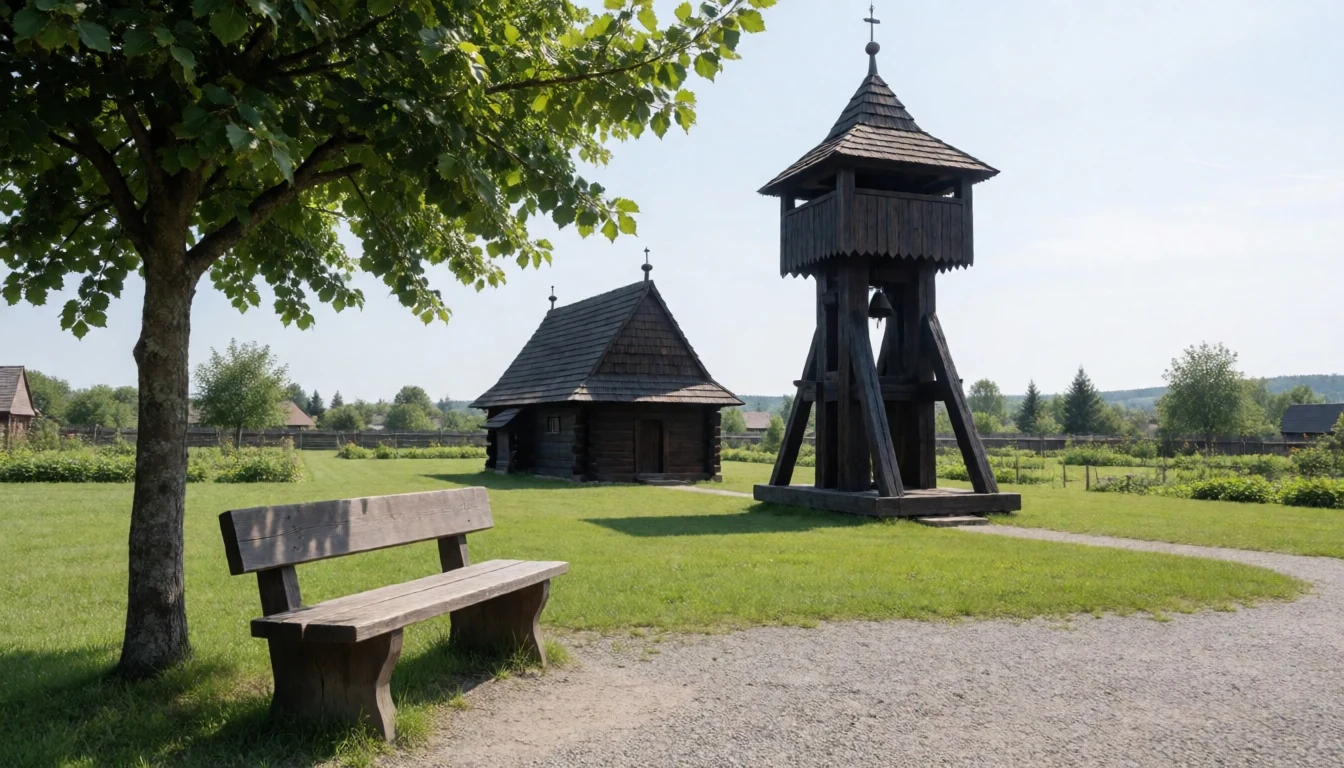
- Leštiny wooden church (Articular) — Leštiny
Leštiny’s church is part of the Protestant Articular strand of the UNESCO set. What to notice here is the building’s “stillness”: timber walls and rooflines that feel intentionally plain, meant to last through seasons and handover by handover.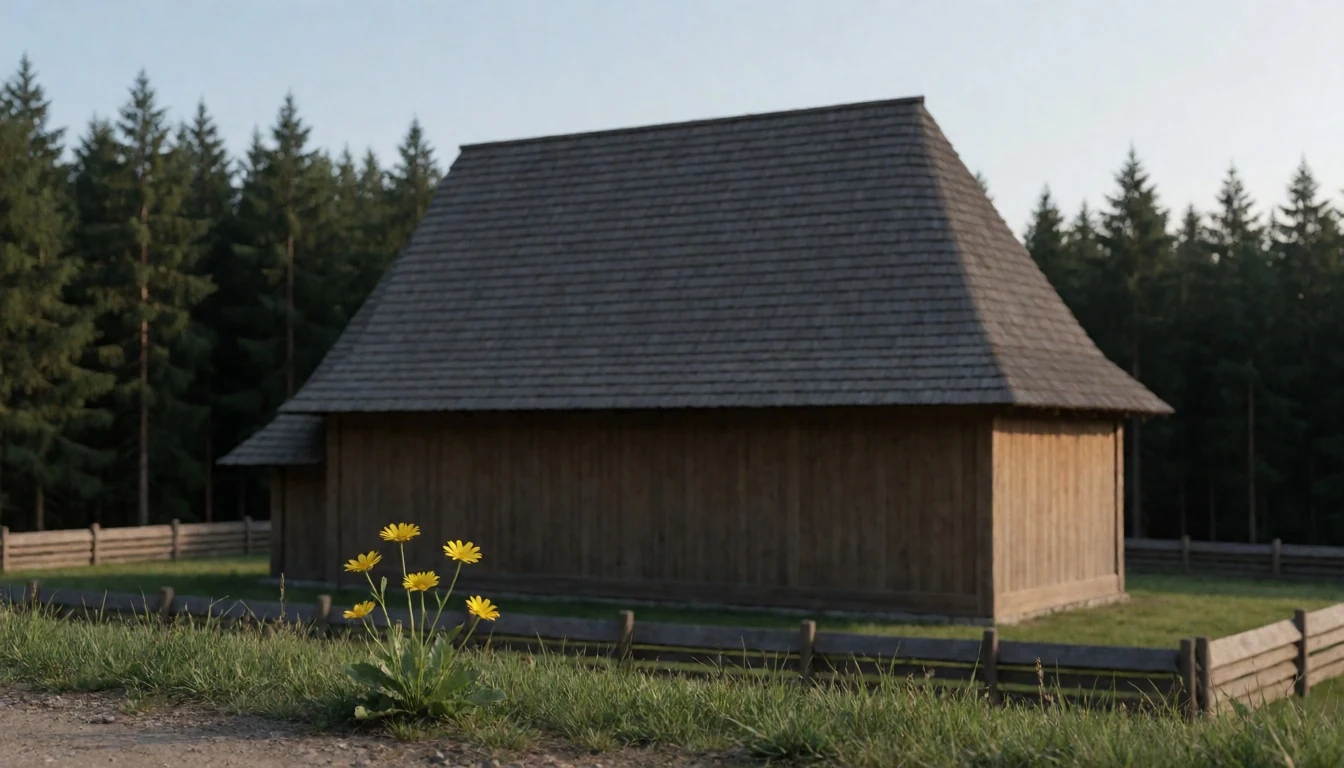
- Hervartov wooden church (Roman Catholic) — Hervartov
Hervartov represents the Roman Catholic side of the collection. Look closely at how the wooden structure supports the religious form—timber proportions, roof pitch, and the way the façade sits against the landscape rather than fighting it.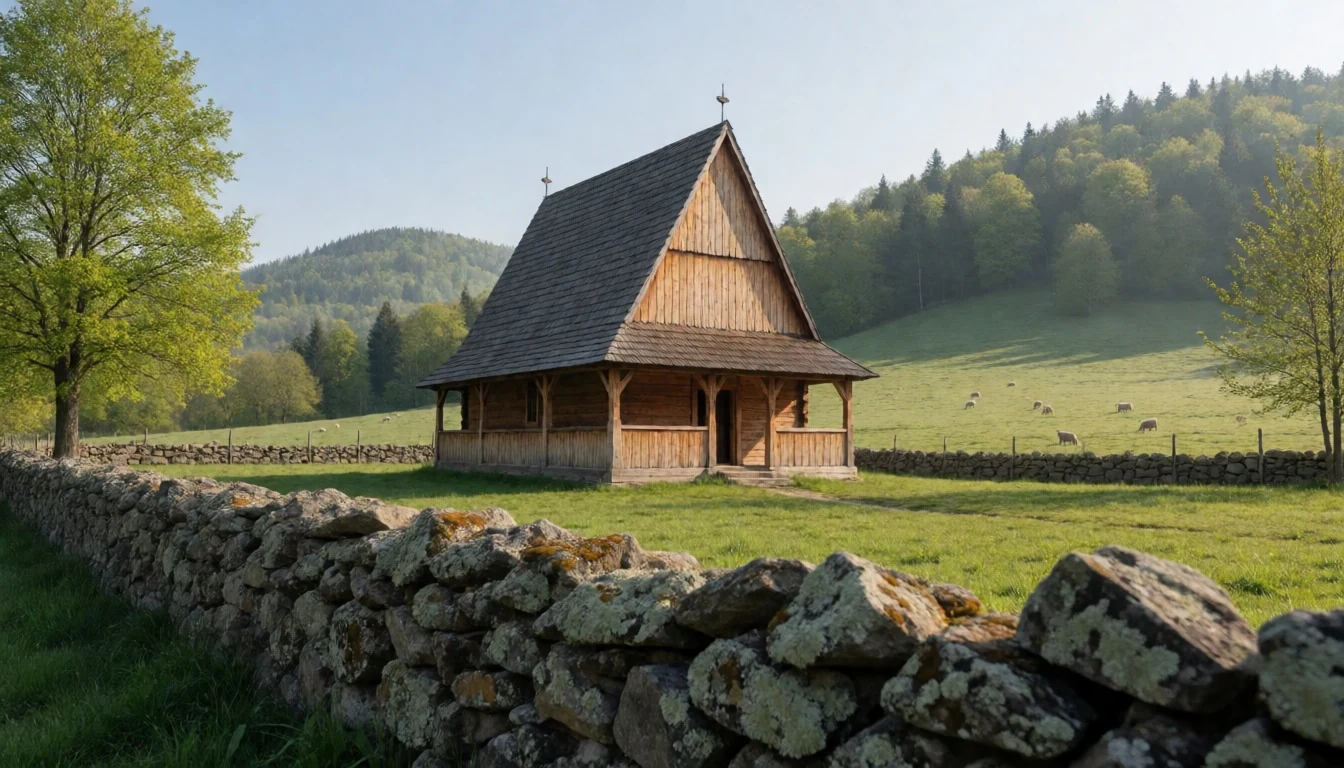
- Tvrdošín wooden church area (UNESCO within the wider region) — Tvrdošín
Tvrdošín is one of the district-town reference points connected with the UNESCO churches in the Slovak Carpathians. Use it as a base to organise your route, then visit the wooden church setting as a calm contrast to town life.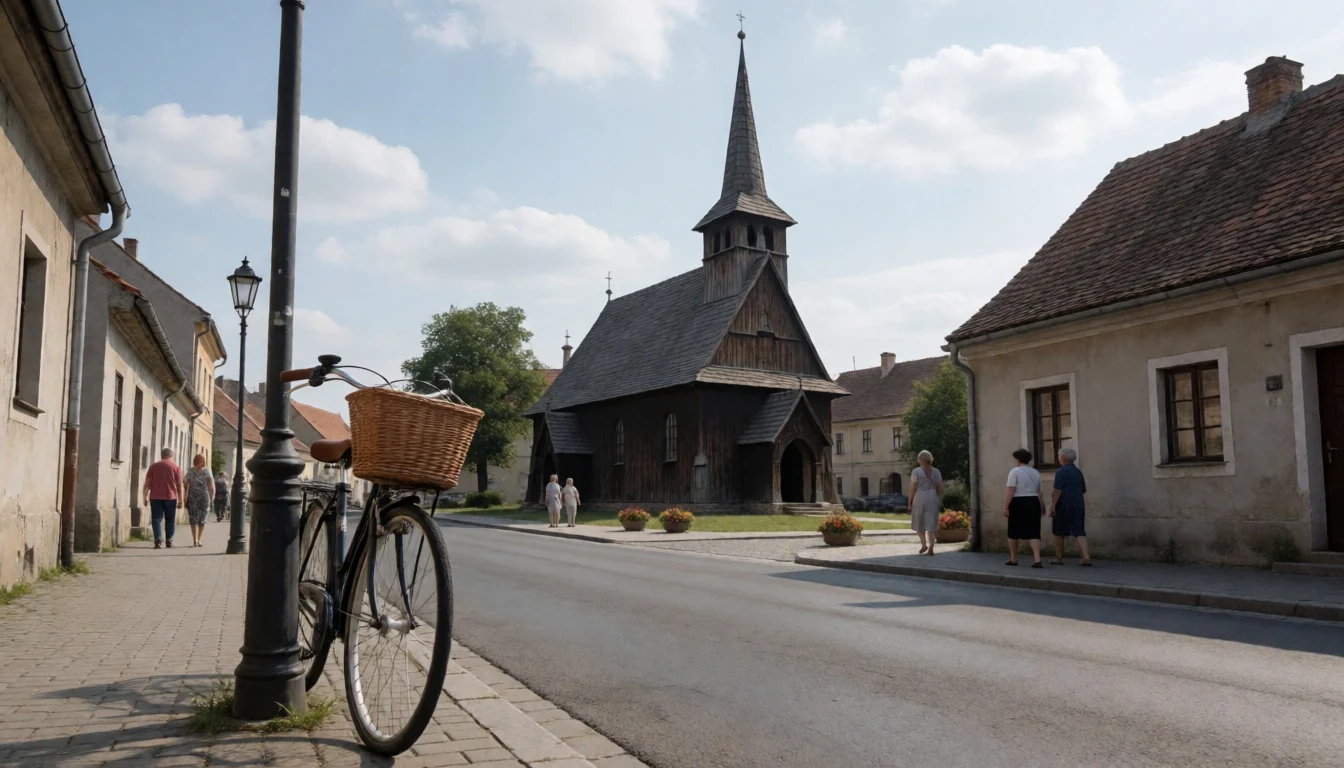
- Greek Catholic church sites in Bodružal / Ruská Bystrá / Ladomirová — Bodružal, Ruská Bystrá, Ladomirová
For a different flavour of the same UNESCO concept, seek out the Greek Catholic churches listed in the collection. The best viewing strategy is to give each one time to settle into view—don’t rush, because the timber textures reward close attention.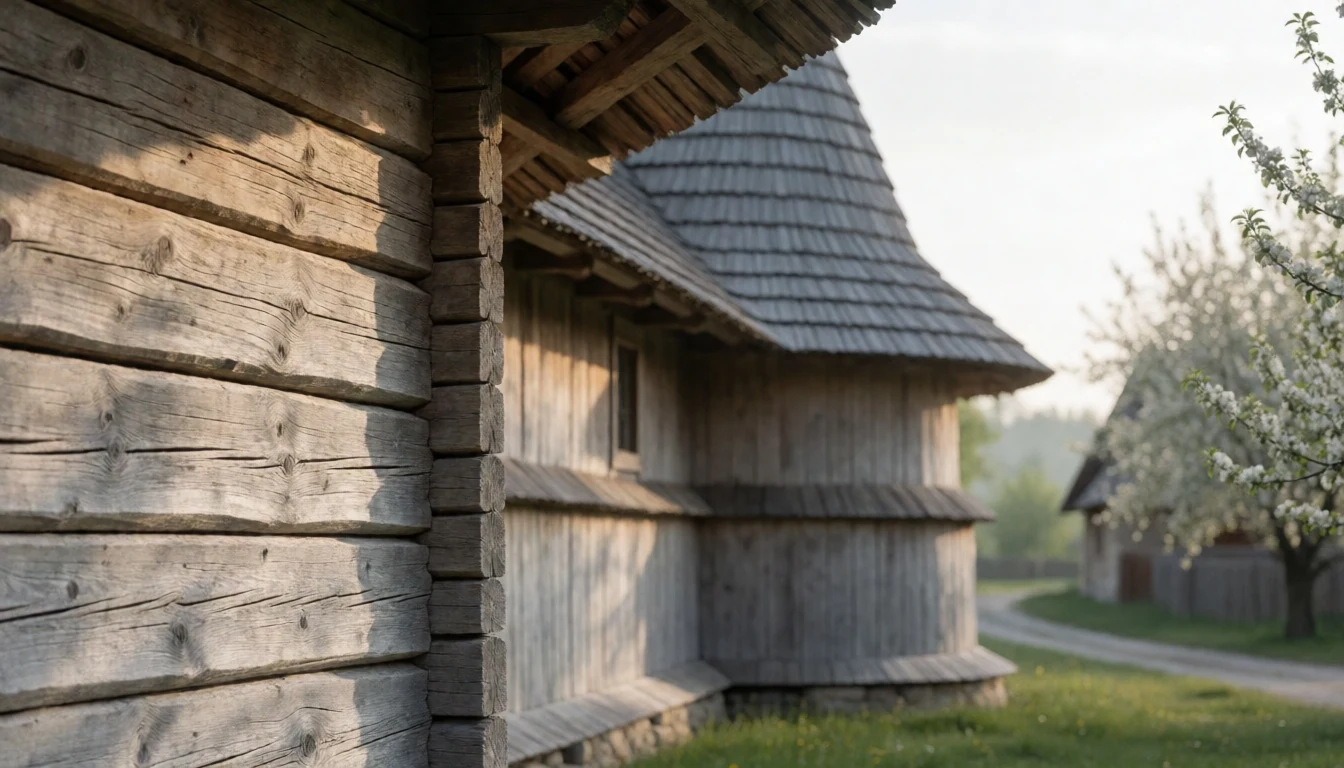
Culture
The wooden churches of the Slovak Carpathians are religious buildings, not just architecture backdrops, and the collection’s UNESCO value is inseparable from the fact that communities still connect to them. What visitors notice first is the materials: timber that has endured, roofs designed for the region’s weather, and a straightforward building logic that makes sense in rural settings. What visitors often miss at first is the rhythm of respect inside and around churches.
Because there are nine wooden churches across different denominations, it’s wise to treat each site as slightly different in atmosphere—Protestant Articular churches, Roman Catholic churches, and Greek Catholic churches may have distinct norms for visitors. In practice, your safest rule is to be quiet, keep movement slow, and follow any guidance from signage or staff if the site is open. If a service is in progress, pause outside or at the entrance rather than trying to get “one last photo”.
The best moments are early in the day or in the milder shoulder months—especially April, May, and September—when light is softer and people are fewer, so you can actually see joinery details and timber ageing rather than just capturing a silhouette.
Visitor etiquette: keep your voice low and dress modestly, and pause for services rather than walking through during worship.
What to wear
In the Slovak Carpathians, church-going style is usually more about modesty and practicality than “traditional dress tourism”. Traditional regional clothing in the area is commonly associated with embroidered shirts, woven textiles, and layers that suit cooler mornings and village life. The important part for visitors is what it signals: shoulders and legs should be covered more than you might wear for a city walk, and the fabrics should be comfortable for standing or walking on uneven ground.
What people actually wear now is typically everyday clothing—jeans, jumpers, and practical shoes—because weather and terrain matter more than costume. During warmer months, lightweight layers work, but carry something warmer for mornings and evenings near forests and hills. In the coldest months, thicker layers help because daylight is shorter and you’ll likely spend time outdoors waiting for transport or walking between churches.
For visiting the churches in the UNESCO set, wear closed-toe footwear with decent grip (wooden paths, garden edges, and village streets can be slippery), and bring a light layer to cover up when you enter. If you’re photographing, avoid blocking entrances or standing in doorways for long stretches.
What to eat
- Hearty Slovak comfort dishes in local restaurants — Tvrdošín town centre
For a simple meal break, choose a sit-down restaurant in the towns that serve classic Slovak cooking: filling soups and warm main courses that suit a day spent driving and walking between churches.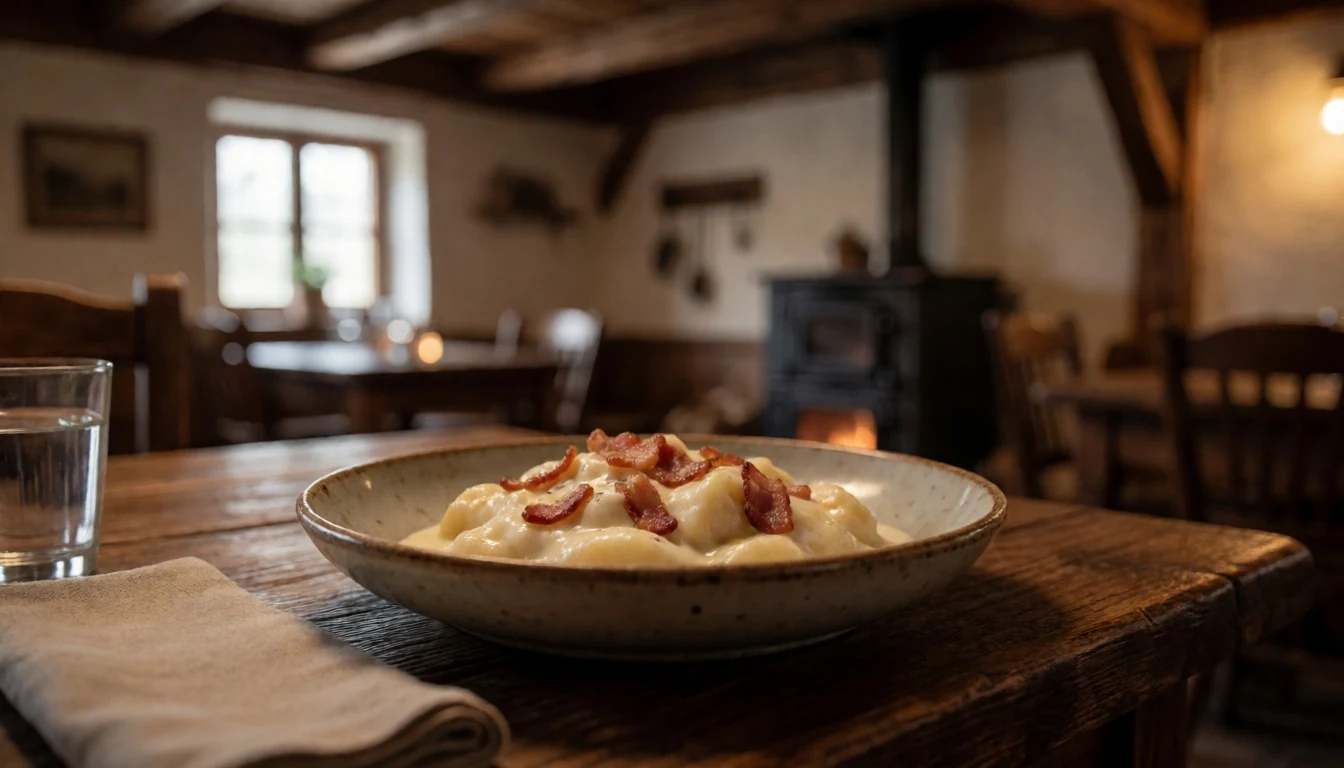
- Local soups and stews — Any local eatery in Tvrdošín
Between church visits, soups and stews are a good call because they’re warming in cooler months and steady fuel for long drives. Ask for the house special rather than searching for something “touristy”.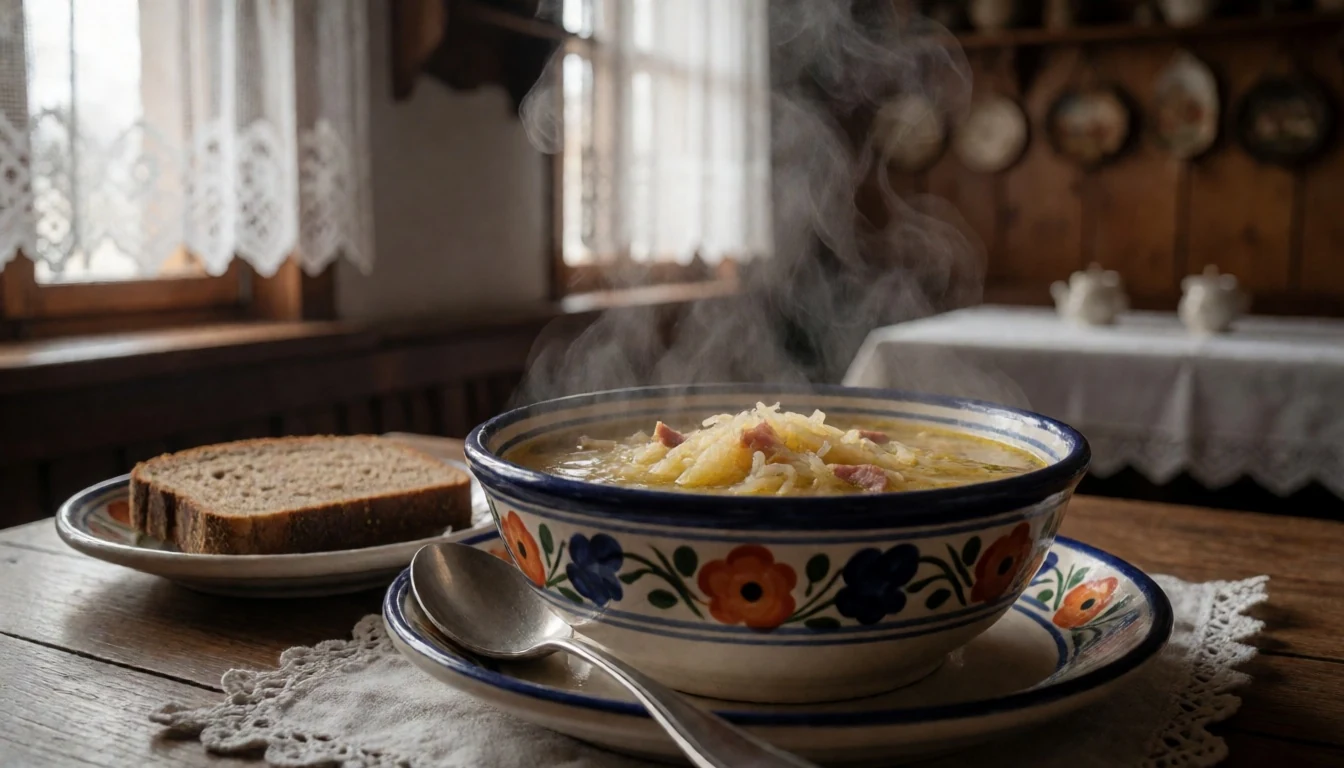
- Central European baked items — Bakeries and cafés around Tvrdošín
When the weather turns, baked goods are a dependable snack: look for sweet and savoury options that travel well if you’re moving between villages and want something quick before the next stop. - Evening pub meals — Pubs in Tvrdošín
After a day of timber churches, a pub-style meal can be the easiest way to eat without overthinking. It’s also a good setting to try local beers and keep costs predictable. - Bars for a relaxed night cap — Town-centre bars in Tvrdošín
If you want something lighter than a full dinner, bars in the centre of town are a handy option. Aim for a place where locals are chatting—energy is usually friendly even when English varies.
Plan it
Best time. March–April and October–November are comfortable for the timber-church circuit, with clearer light and fewer weather surprises; summer can be hot and busy, and winter days are shorter for road trips.
How long. 3–4
Getting there. Use a major city transfer into northern Slovakia, then drive between the UNESCO church locations; Tvrdošín works well as a base for planning local legs and day routes to the different churches.
Budget. mid
Tips
- Start your visits early to get softer light on timber façades and fewer tour groups
- Plan the route by grouping churches by area rather than bouncing randomly between villages
- Keep a buffer for slower rural roads and short photo walks off the main approach
- Bring water and snacks for time between sites—services can be spaced out in smaller communities
- If you’re visiting several denominations, treat opening times as variable and confirm on arrival
Etiquette
- Keep voices low inside church buildings and avoid lingering in entrances
- Follow any local signs about where you can stand or photograph
- Dress modestly: cover shoulders and avoid overly short clothing
Nearby
Sources
- Wikidata Q471717 (CC0)
- Wikipedia (rev 1366157579) (CC BY-SA 4.0)
- Wikivoyage (rev 5246546) (CC BY-SA 4.0)
- Photo photos/01-dreven-kostol-hronsek.jpg (CC BY-SA 2.0)
- Photo photos/02-hronsek-dreven-artikul-rny-kostol-02.jpg (CC BY-SA 4.0)
- Photo photos/03-hervartov-dreveny-kostelik-slovakia-3834.jpg (CC BY 3.0)
- Photo photos/04-wooden-church-tvrdo-n.jpg (CC BY-SA 2.0)
- Photo photos/05-ke-marok-artikul-rny-kostol-8.jpg (CC BY 3.0)
- Photo photos/06-artikularkirche-lestiny.jpg (CC BY 3.0)
- Photo photos/07-hronsek-wooden-church.jpg (CC BY 3.0)
- Photo photos/08-hronsek-dreven-zvonica-02.jpg (CC BY-SA 4.0)


