Whitehorse, Yukon
Whitehorse, Yukon, Canada
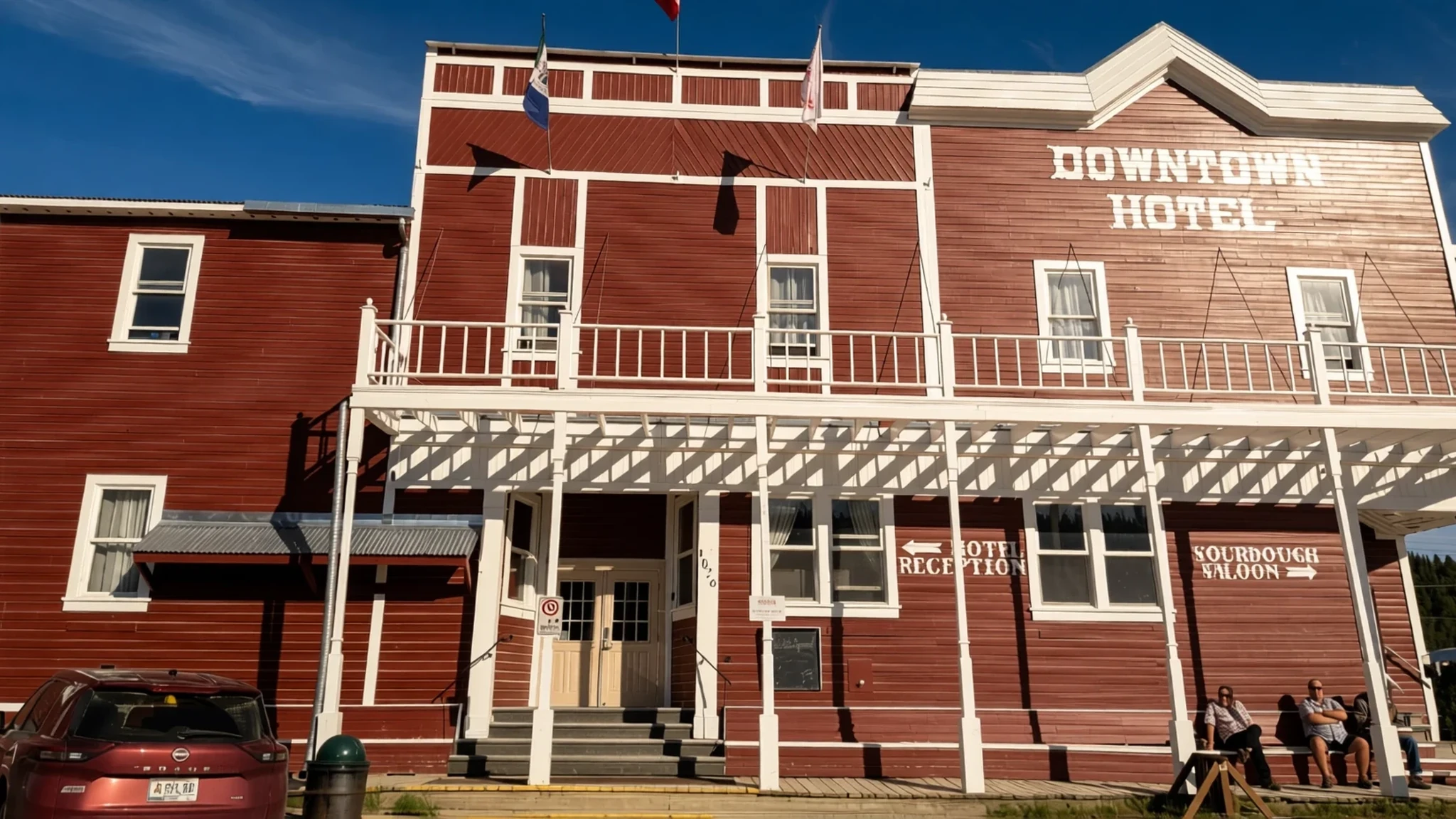
Go for the long northern summer light, a riverside town that works as a base for wild country, and a rare chance to see the Yukon up close.
The place
Whitehorse is the capital of Yukon, a territory in north-western Canada, and it is by a wide margin the biggest settlement in the north of the country. Roughly 28,000 people live here, which is most of the territory's population, so the town feels both small and central at once. It spreads along both banks of the Yukon River, with the older downtown on one side and the Riverdale neighbourhood on the other, linked by bridges. Mountains rise around the town on several sides, including Grey Mountain to the east and Golden Horn Mountain to the south. The river takes its name from a stretch of rapids that once ran through the valley. Those rapids are gone now, drowned beneath a reservoir created by a dam completed in 1958. The valley sits somewhat sheltered from the coast, so Whitehorse is milder than its latitude would suggest, although winters are long and dark, with days that shrink to a few hours of light. Summer is the reverse: the sun barely sets, and around 19 hours of daylight make evenings feel endless. Downtown is easy to walk, with cafés, shops and small museums, and the Alaska Highway runs through town, so many visitors arrive by road as well as by air. Expect a relaxed pace, and expect the town to empty out quickly once you leave it for the wilderness beyond.
Its story
Whitehorse grew from a long history of travel along the Yukon River, long before any town stood here. Archaeologists have found evidence of use by First Nations peoples over several thousand years at Canyon City, just south of the present downtown. Seasonal fish camps dotted the banks, and in 1883 the explorer Frederick Schwatka noted a portage trail that carried people around Miles Canyon. Several groups passed through the area each year, and their territories overlapped. Everything changed in August 1896, when gold was found in the Klondike by three men working together. The rush brought crowds north. Early prospectors had climbed the Chilkoot Pass, but by July 1897 steamboats were landing hopeful people at a spot called White Horse, where they camped in large numbers. By June 1898 a jam of prospectors had formed at Canyon City, boats were lost in the rapids, and five people died. The North-West Mounted Police officer Samuel Steele was struck by how few further disasters had occurred. Prospectors also found copper in the hills to the west, with the first claims staked in 1898 and 1899, and two short tramways carried the ore. A narrow-gauge railway from Skagway began construction in May 1898, tying the town to the coast. The rapids that gave Whitehorse its name were later submerged by a dam built in 1958, and the water now forms Schwatka Lake.
What to see
- S.S. Klondike National Historic Site — Riverfront, north of downtown
The S.S. Klondike is a sternwheel paddleboat that once hauled freight and passengers on the Yukon River, and it now stands on land as a museum. Walk the decks and engine room to see how river travel worked during the gold rush years. Check the official site for current opening arrangements before you go.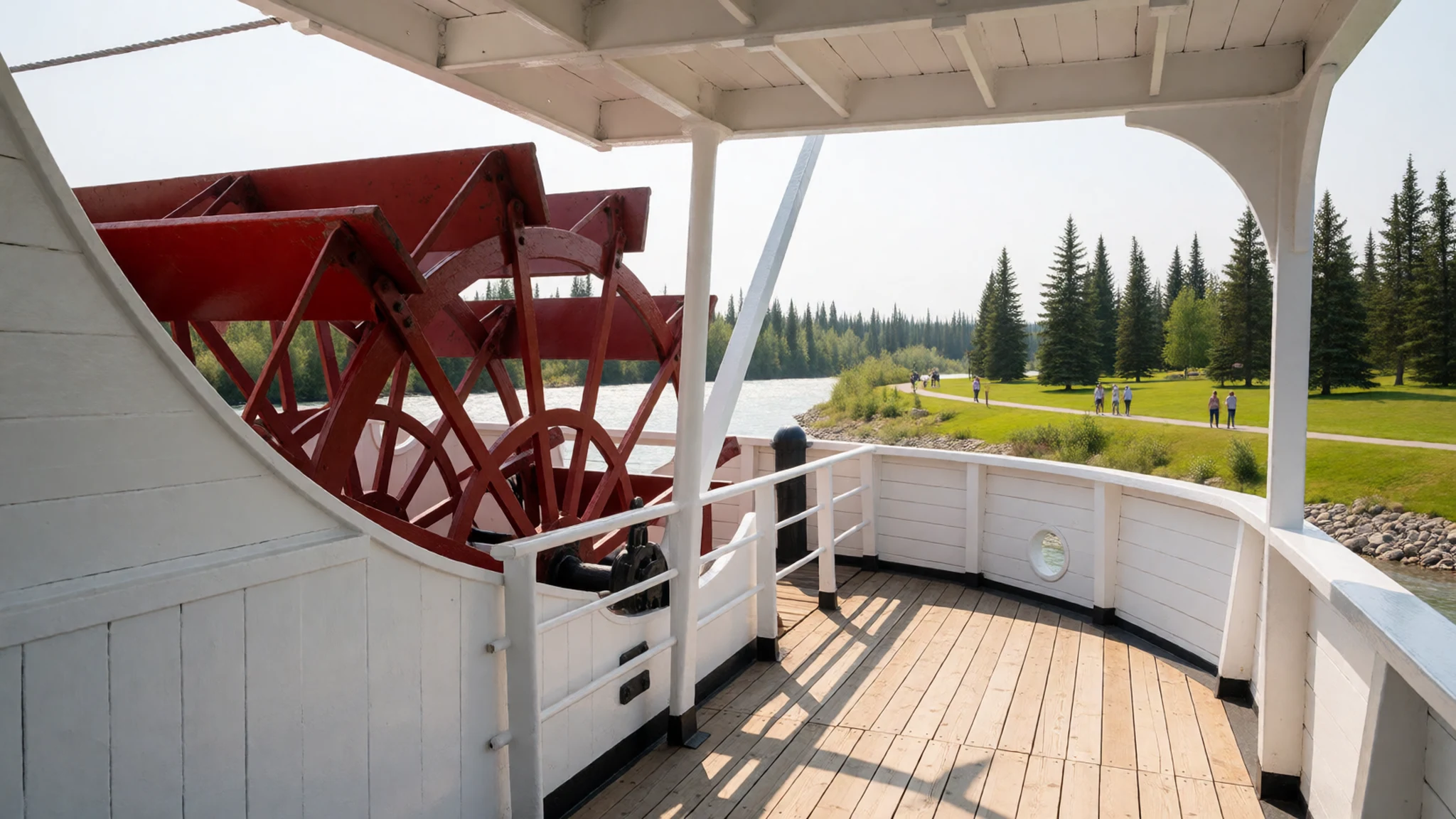
- Miles Canyon — South of downtown, on the Yukon River
Miles Canyon is a short gorge on the Yukon River just south of town, where the water once ran hard through a narrow channel. The Miles Canyon Basalts are volcanic rocks exposed along the banks, so you can get close to them without a long walk. The old portage route here hints at how prospectors once hauled their gear around the rapids. It makes an easy stop on the way out of town.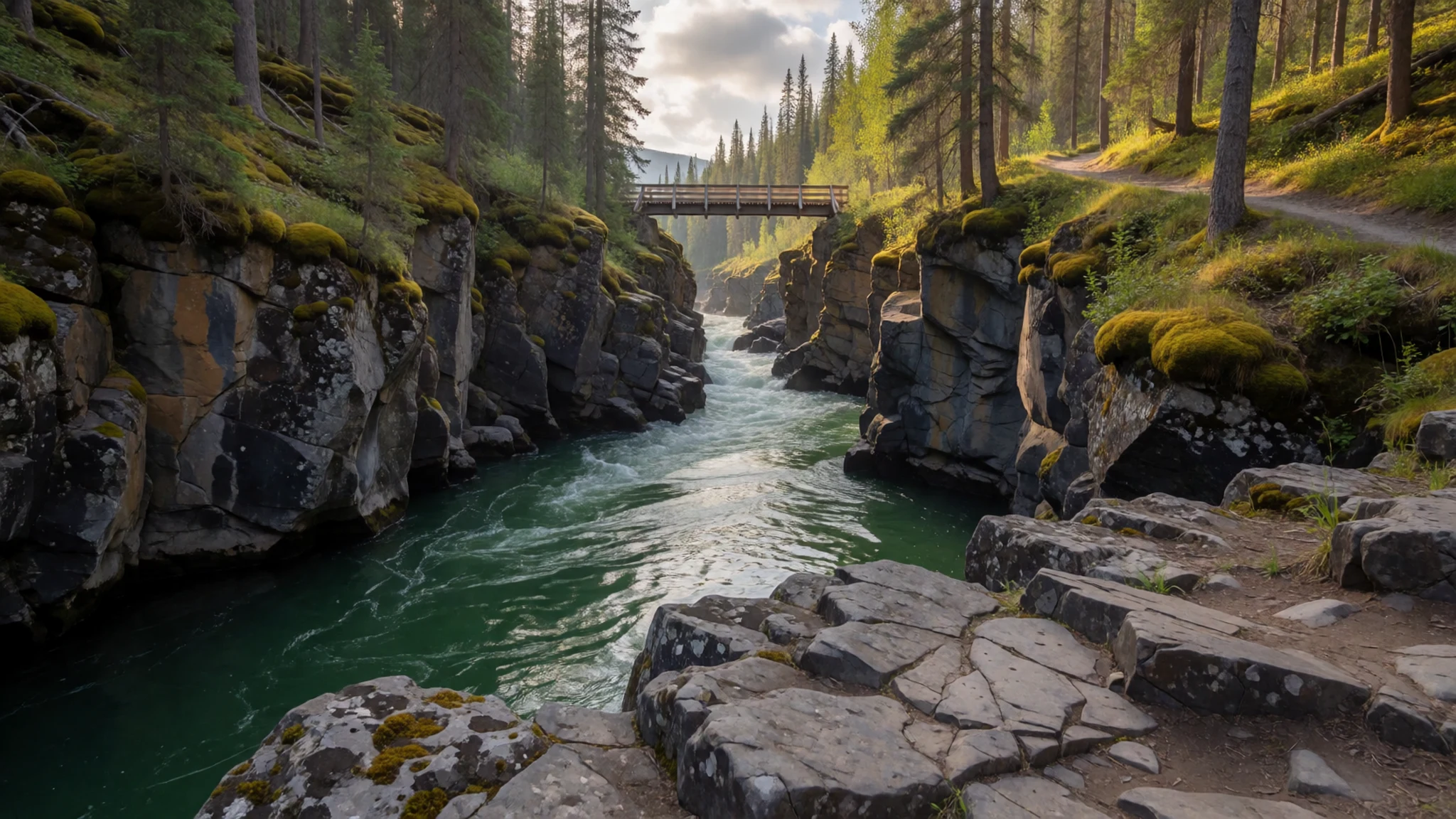
- MacBride Museum — Downtown, Front Street
The MacBride Museum sits on Front Street in downtown Whitehorse, in a building that once served as a government telegraph office. It covers local history, from First Nations material to the gold rush and the territory's mining past. A companion copper belt museum focuses on the mines in the hills west of town. Check the official site for opening times before you visit.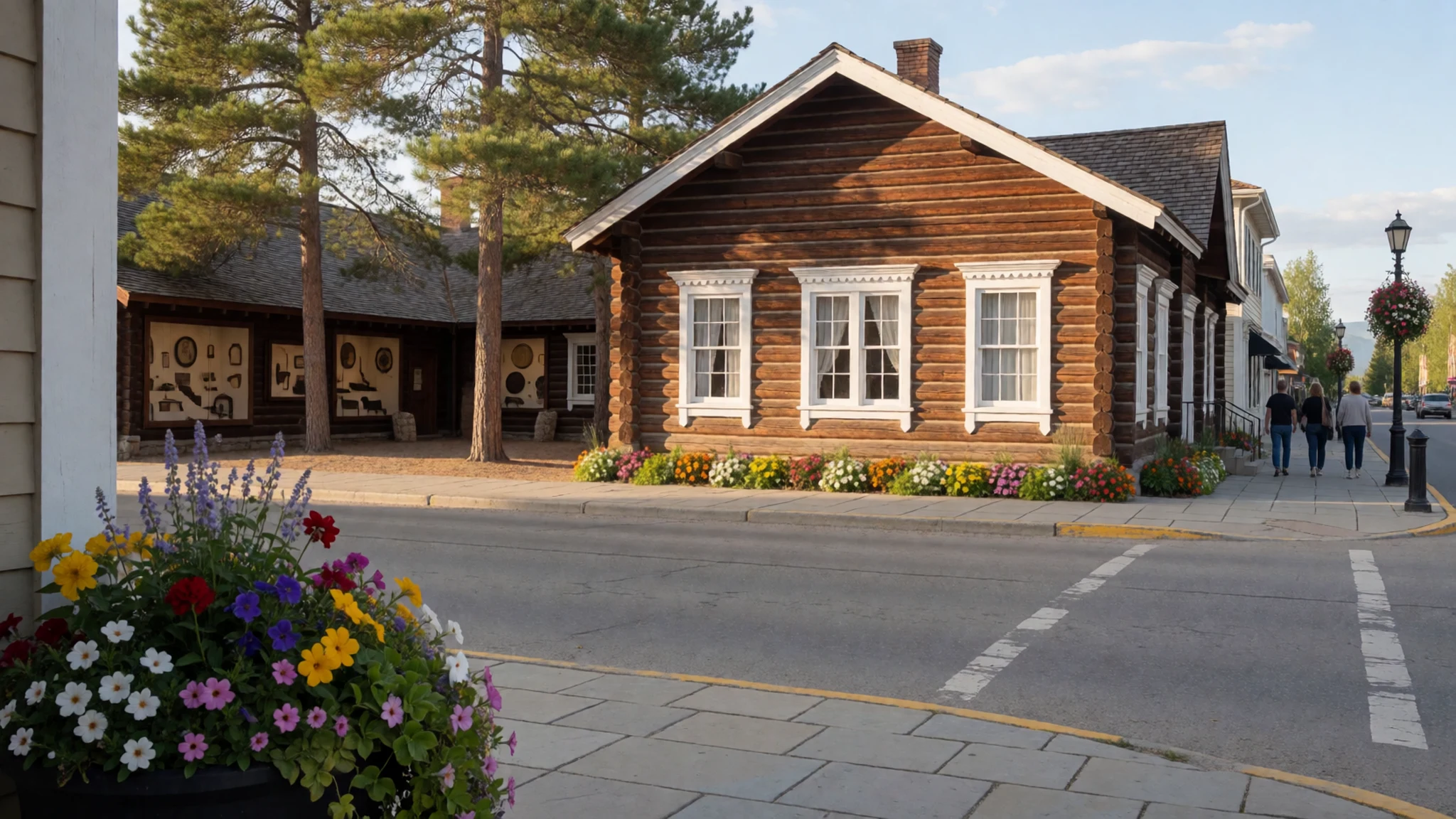
- Beringia Interpretive Centre — Near the Yukon River, close to downtown
This research and exhibition centre tells the story of Beringia, the land that once linked Siberia and North America during the Pleistocene era. Displays explain the plants, animals and people who lived across this vanished landmass. It is a useful primer before you head into the wilderness, because it shows how the northern landscape formed.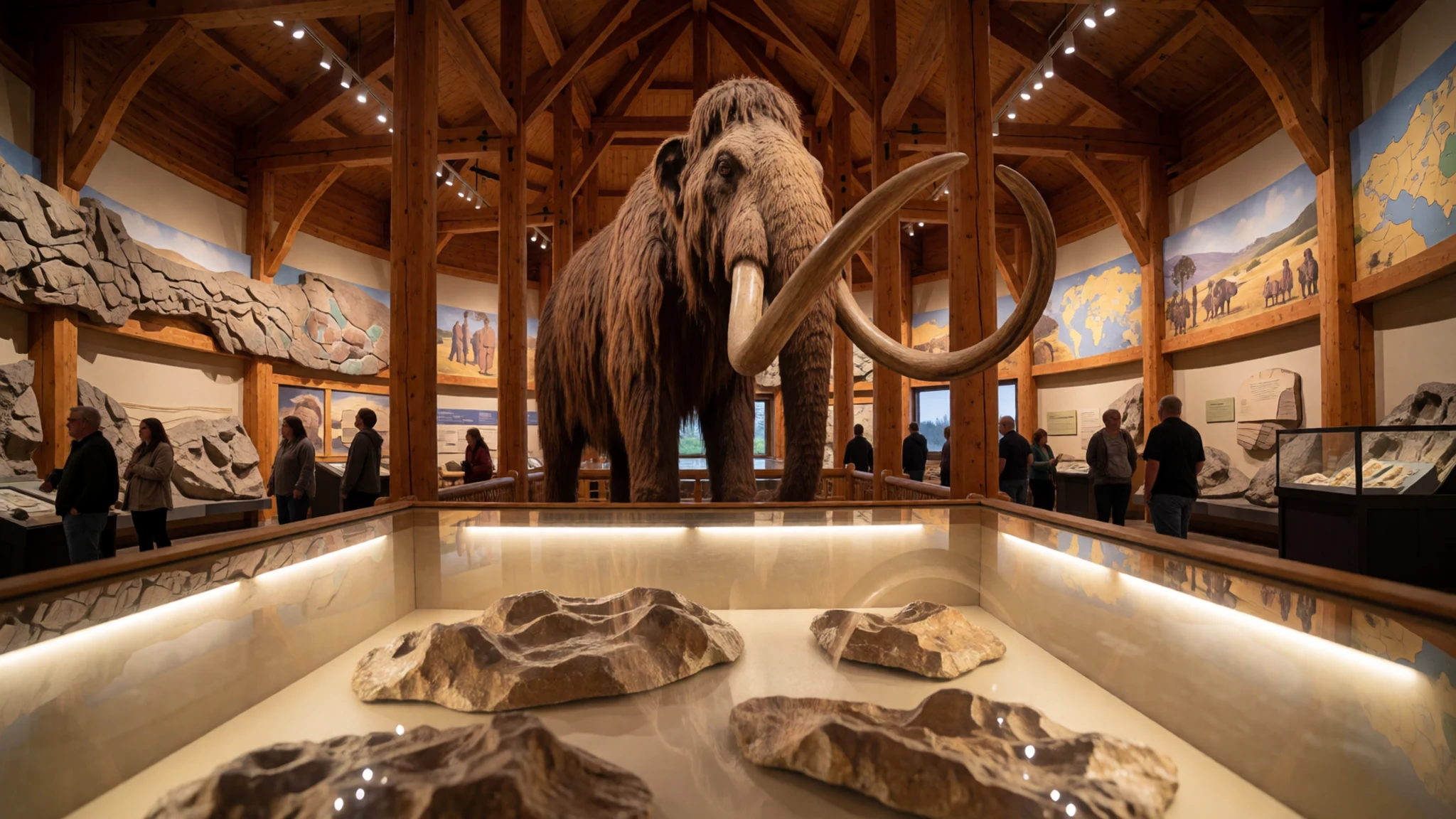
- Eclipse Nordic Hot Springs — Outside town, by road
Eclipse is an outdoor hot spring a drive out of town, and it is a good way to end a cold day. Entry is restricted to visitors aged 19 and over, so bring proof of age. Go for the warm water and the quiet, and check the official site for current hours and any booking rules.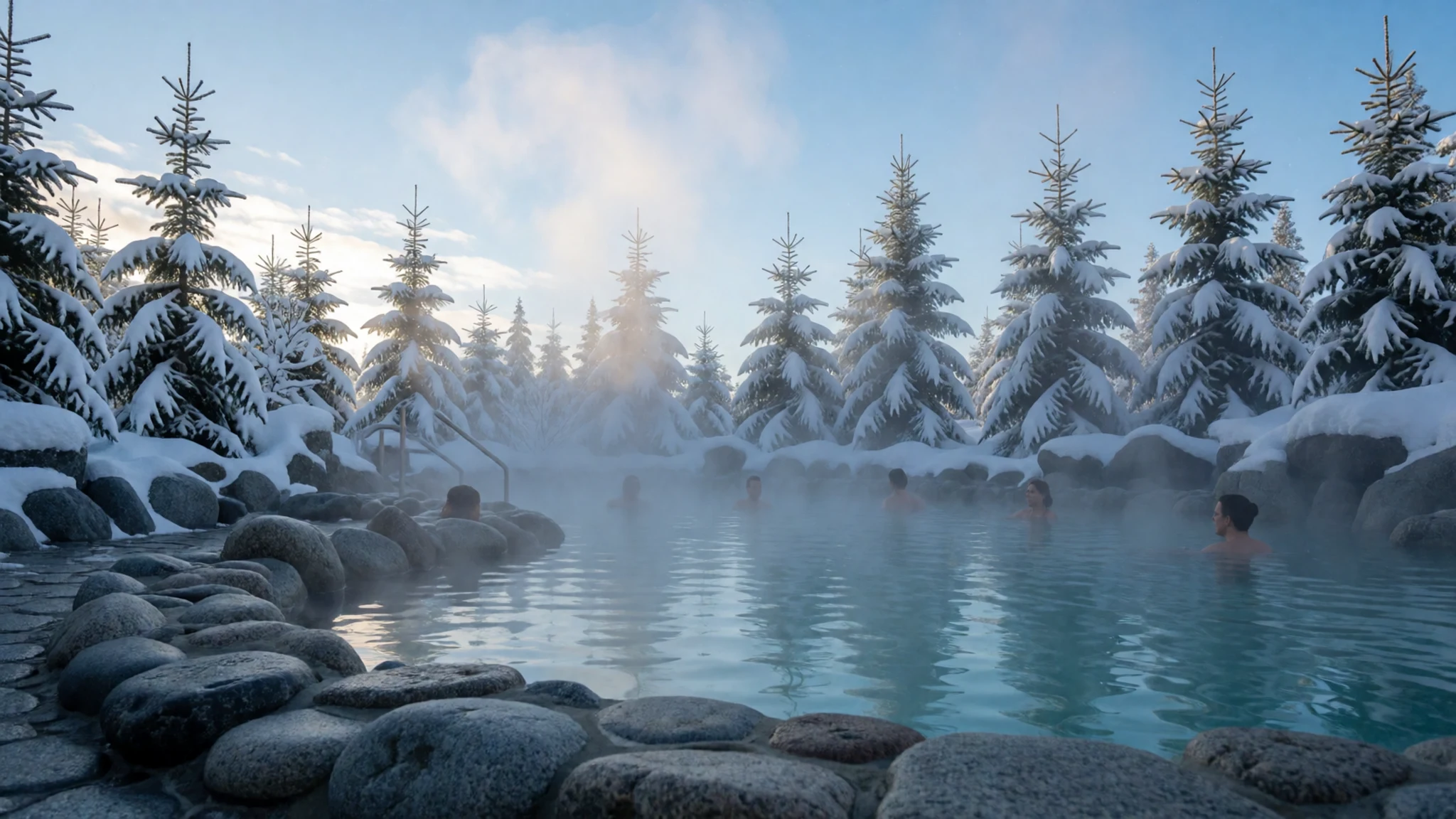
Culture
Whitehorse sits on land that several First Nations have known for thousands of years, and their presence is part of everyday life in the town rather than a museum exhibit. Local history is told through the river, the old portage routes and the gold rush, so visitors often find that a conversation about the landscape opens up more than a tour does. The town has a slow, friendly pace, and people are generally happy to talk about where they live. Respect for the environment runs deep here, and a local bylaw restricts motorised transport to specific roads within some protected zones to keep those landscapes in good condition. Keep your distance from wildlife, carry out what you bring in, and avoid driving on the riverbanks. Stay on designated roads and trails in protected areas, and never drive across the riverbank or the fragile ground beside it.
What to wear
Traditional dress in the Yukon drew on the materials the land provided: moosehide and other tanned hides, fur trim, and sinew-sewn seams. Decoration came through beadwork and quillwork, and some garments and moccasins were made to suit long journeys on foot and by canoe. Such clothing is still made and worn for ceremonies, gatherings and special occasions, and you may see it at cultural events in town. Day to day, people in Whitehorse dress for practicality: insulated jackets, fleece, waterproof shells, sturdy boots and warm hats, layered over whatever the weather has decided for the day. A visitor should pack for range rather than style. In summer, bring a light waterproof, long sleeves for the evenings and insect-proof clothing for the trails. In winter, a warm down or synthetic coat, thermal layers, gloves and boots with good grip are essential, because ice is common. Modesty norms are relaxed, though you should dress respectfully at cultural events.
What to eat
- Organic bread and pastries — Bakery cafés in downtown Whitehorse
Downtown bakery cafés bake organic loaves, pastries and hand-made chocolates, and many pair them with fair-trade coffee. Sourdough and seeded loaves make a good packed lunch for a day on the trail. Ask what is fresh that morning and buy early.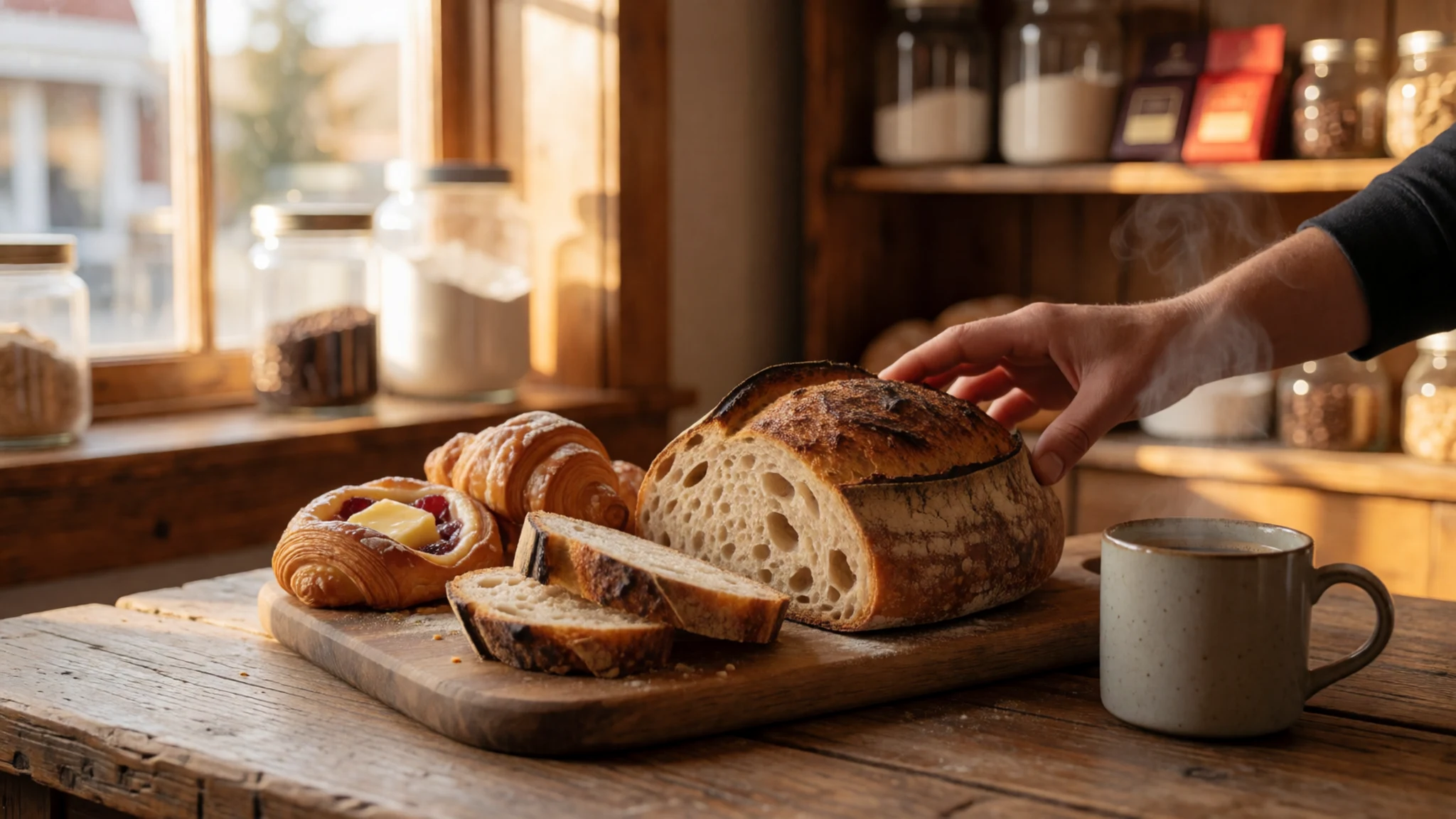
- Breakfast fry-up — Cafés on the downtown streets
A proper breakfast of eggs, potatoes and toast is the best way to fuel a day of walking or driving. Several downtown cafés do breakfast well, and the setting is relaxed. Some cafés have no WiFi, so expect to talk to the people beside you.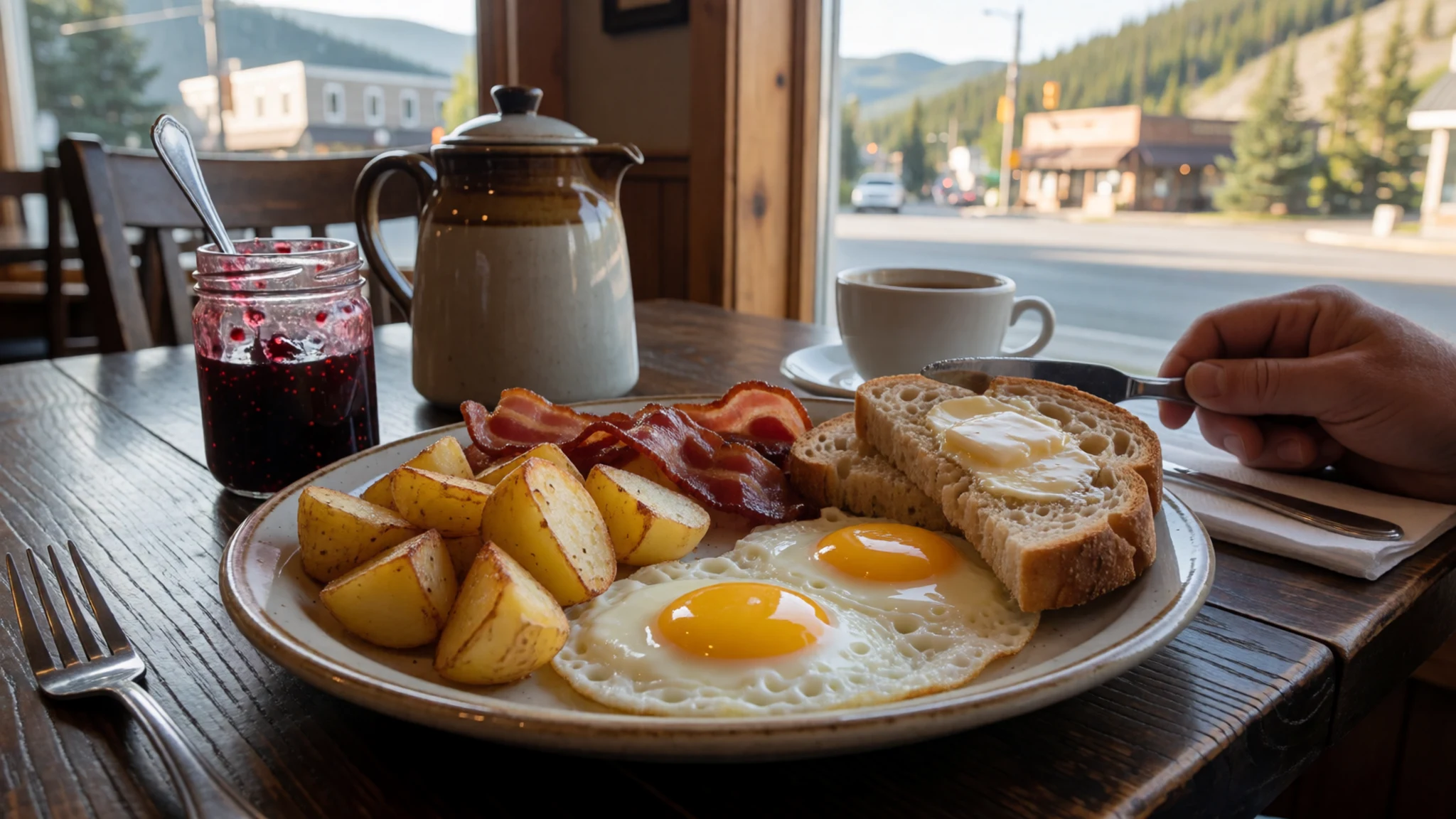
- Shawarma poutine — Taphouses and pub-style eateries downtown
A Yukon favourite that combines chips, cheese curds and gravy with spiced shawarma meat. Taphouses and pub-style eateries around downtown serve it alongside artisan pizzas and plant-based bowls. It makes a filling lunch after a long morning outdoors. - Japanese-style sushi — Restaurants in the centre of town
Whitehorse has several Japanese restaurants with large menus, and sushi rolls are a light choice when you want something other than local staples. Staff are usually friendly and happy to suggest a few rolls. Expect a varied menu and reasonable prices. - Local craft beer — Micro-breweries and taprooms on the edge of town
Whitehorse has several micro-breweries, and most have small tasting rooms where you can sample their own brews. Some serve food, so an evening can easily start with a pint and end with a meal. Expect an informal atmosphere rather than a formal bar.
Plan it
Best time. Mid-June to August brings the long days, with around 19 hours of daylight and the warmest weather. Winter is cold and dark, which suits people who want northern lights and quiet, while late May and September are quieter shoulder months with cooler air.
How long. 2–3
Getting there. Fly into Erik Nielsen Whitehorse International Airport, with Air North flights from Vancouver taking about 2.5 hours. Many visitors also arrive by road on the Alaska Highway, and the airport is a short taxi ride from downtown.
Budget. mid
Tips
- Book accommodation early for summer, as beds fill quickly
- Pack layers even in summer, because evenings can turn cool
- Bring insect repellent for the summer trails
- Check the official site for museum and hot spring hours before you go
- Fill the car before long highway drives, since services are spaced far apart
Etiquette
- Stay on designated roads and trails in protected areas
- Respect the 19-and-over rule at the hot springs
- Ask before photographing people at cultural events
Nearby
Sources
- Wikidata Q2055 (CC0)
- Wikipedia: Whitehorse (rev 1380655213) (CC BY-SA 4.0)
- Wikivoyage: Whitehorse (rev 5411825) (CC BY-SA 4.0)
- photos/01-whitehorse-yukon-in-2019.jpg (CC BY-SA 2.0)
- photos/02-yukon-river-at-whitehorse-b.jpg (CC BY-SA 2.0)
- photos/03-yukon-legislative-building-2012.jpg (CC BY 3.0)
- photos/04-ss-klondike-03.jpg (CC BY-SA 2.0)
- photos/05-whitehorse-airport-terminal-2012.jpg (CC BY 3.0)
- photos/06-panorama-for-the-yukon-college-roof.jpg (CC BY-SA 2.0)
- photos/07-coat-of-arms-of-whitehorse.png (CC BY 4.0)
- photos/08-canada-whitehorse-nara-68154678-cropped.jpg (Public domain)


