Westminster Abbey
Westminster Abbey, United Kingdom
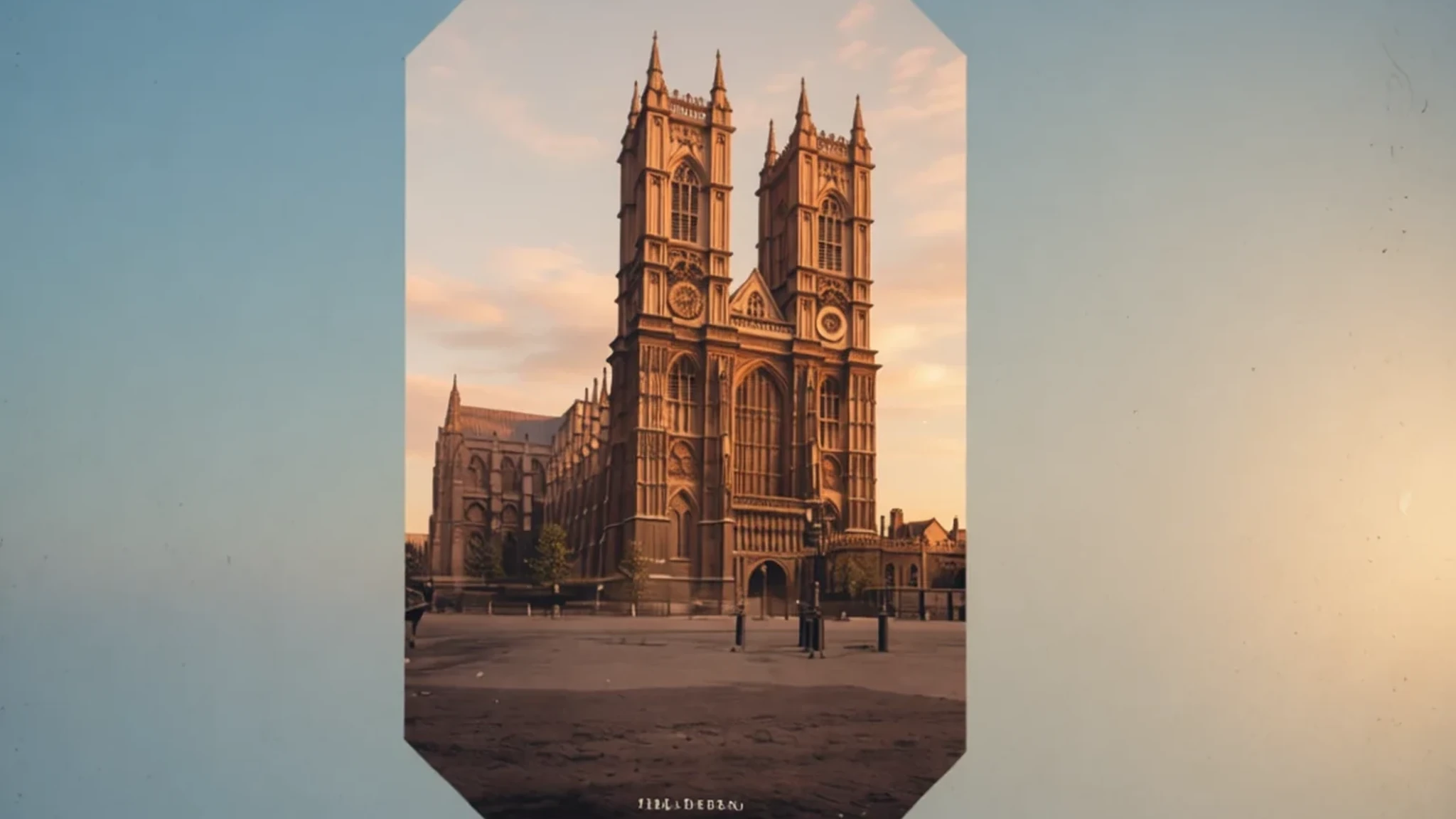
Westminster Abbey is a Gothic church in central London where monarchs are crowned and famous Britons are buried, and it rewards a slow walk.
The place
Westminster Abbey, formally the Collegiate Church of Saint Peter at Westminster, stands in the City of Westminster, a short walk from the Palace of Westminster where Parliament sits. It is an Anglican church and a Royal Peculiar, which means it answers directly to the monarch rather than to a diocesan bishop. Since the eleventh century it has been the setting for coronations, and most English and later British sovereigns have been crowned here. Many monarchs are buried inside, alongside prime ministers, poets, scientists, actors and musicians, so the floor and walls read like a compressed national history.
The building is Gothic, drawing mainly on thirteenth-century French and English models, although older Romanesque sections and later Baroque and modern additions survive. The Henry VII Chapel at the east end is the showpiece for many visitors. It is a textbook example of the Perpendicular style, with fan vaulting and carved stone rising high overhead. The antiquarian John Leland was so struck by it that he called it the wonder of the world, a phrase that has stuck.
The scale is what strikes most people first: a long nave, tall windows and a floor crowded with memorials, many of them stone slabs underfoot. The abbey is a working church with daily services, so the atmosphere shifts between a busy tourist route and quiet prayer. The abbey, the Palace of Westminster and St Margaret's Church share a UNESCO World Heritage listing, reflecting their historic and symbolic importance.
Its story
Westminster Abbey's earliest history is murky, but historians agree that a monastery dedicated to Saint Peter stood on the site well before the eleventh century. Legends fill the gap. One names a Saxon king of Essex as its founder, another a semi-mythical British king, and a third tells of a young fisherman on the Thames who saw a vision of Saint Peter nearby. The Fishmongers' Company still presents the abbey with a salmon each year in memory of that tale.
The firmer beginnings lie in the tenth century, when a community of Benedictine monks was installed on Thorney Island, a patch of land ringed by the river. Little of that first building survives, though excavations have turned up pottery and foundations from the period.
The great leap came in the eleventh century under Edward the Confessor, who rebuilt the church as a royal burial place. His design was Romanesque and among the first churches in England built on a cross-shaped plan. Records name the workmen: a master mason, patrons who paid for the work, and a churchwright who probably oversaw carpentry and roofing. Edward's endowments grew the monastic community from a small group of monks to a much larger one.
Later kings reshaped the site. Henry III began the present church in the thirteenth century, bringing in the Gothic style that defines the building today. Monastic life ended in the sixteenth century, when Elizabeth I made the church a royal peculiar, placing it under the monarch's direct authority.
What to see
- Henry VII Chapel — Inside the abbey, east end
The chapel at the east end of Westminster Abbey is the building's most elaborate space and the clearest example of late Perpendicular Gothic in the country. Its fan-vaulted ceiling and carved stonework repay a long look, and the royal tombs and banners give it a sombre grandeur. Allow time here, because the crowds tend to thin out once visitors reach it.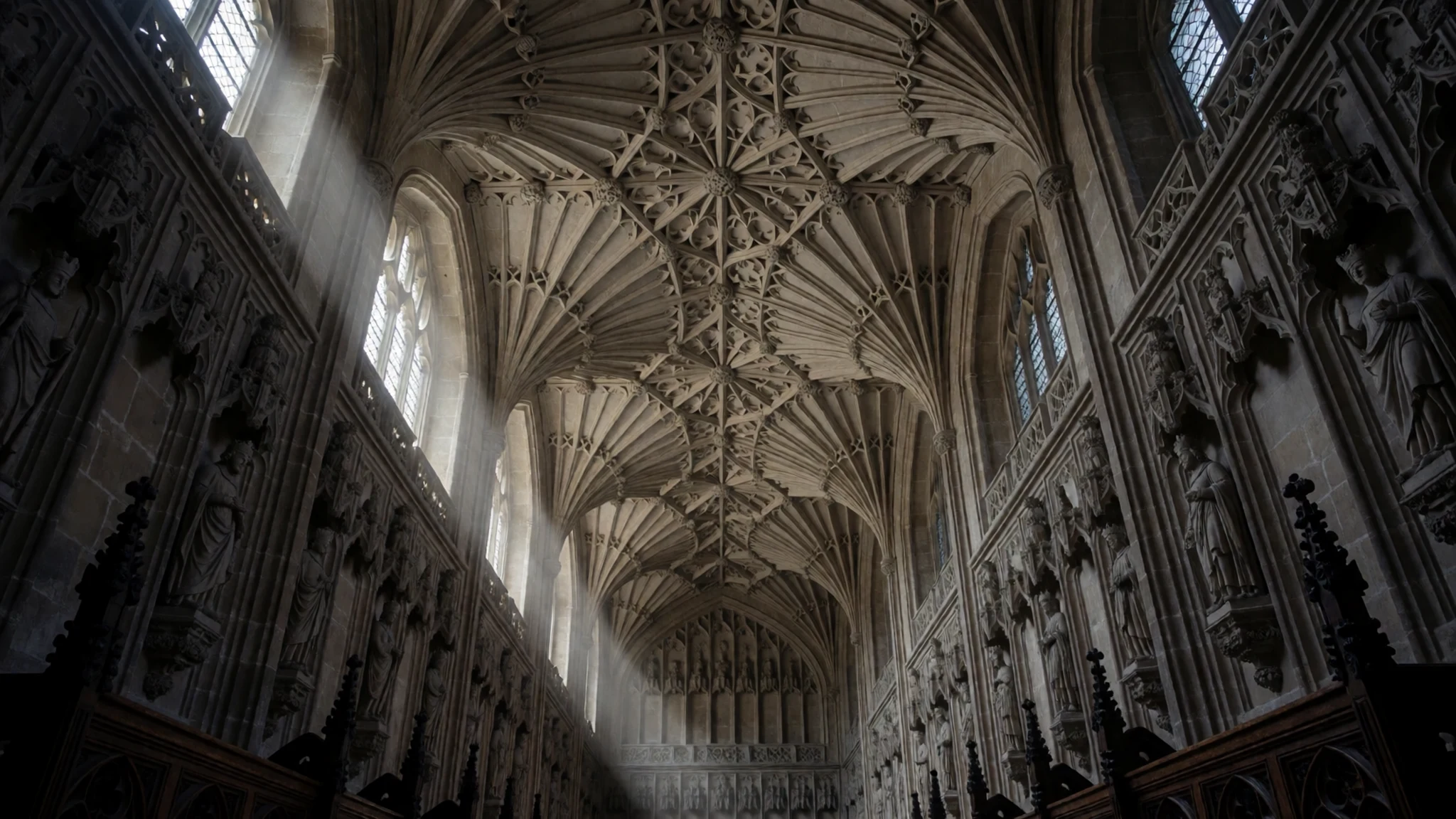
- Chamber of the Pyx — Inside the abbey, older precinct buildings
The Chamber of the Pyx is a stone-vaulted room in the older part of the abbey buildings, once used to keep valuable objects under guard. Its heavy walls and low, vaulted ceiling make a clear contrast with the airy nave above. It is a quieter corner, and the stone and carved detail are worth a slow look before you move on.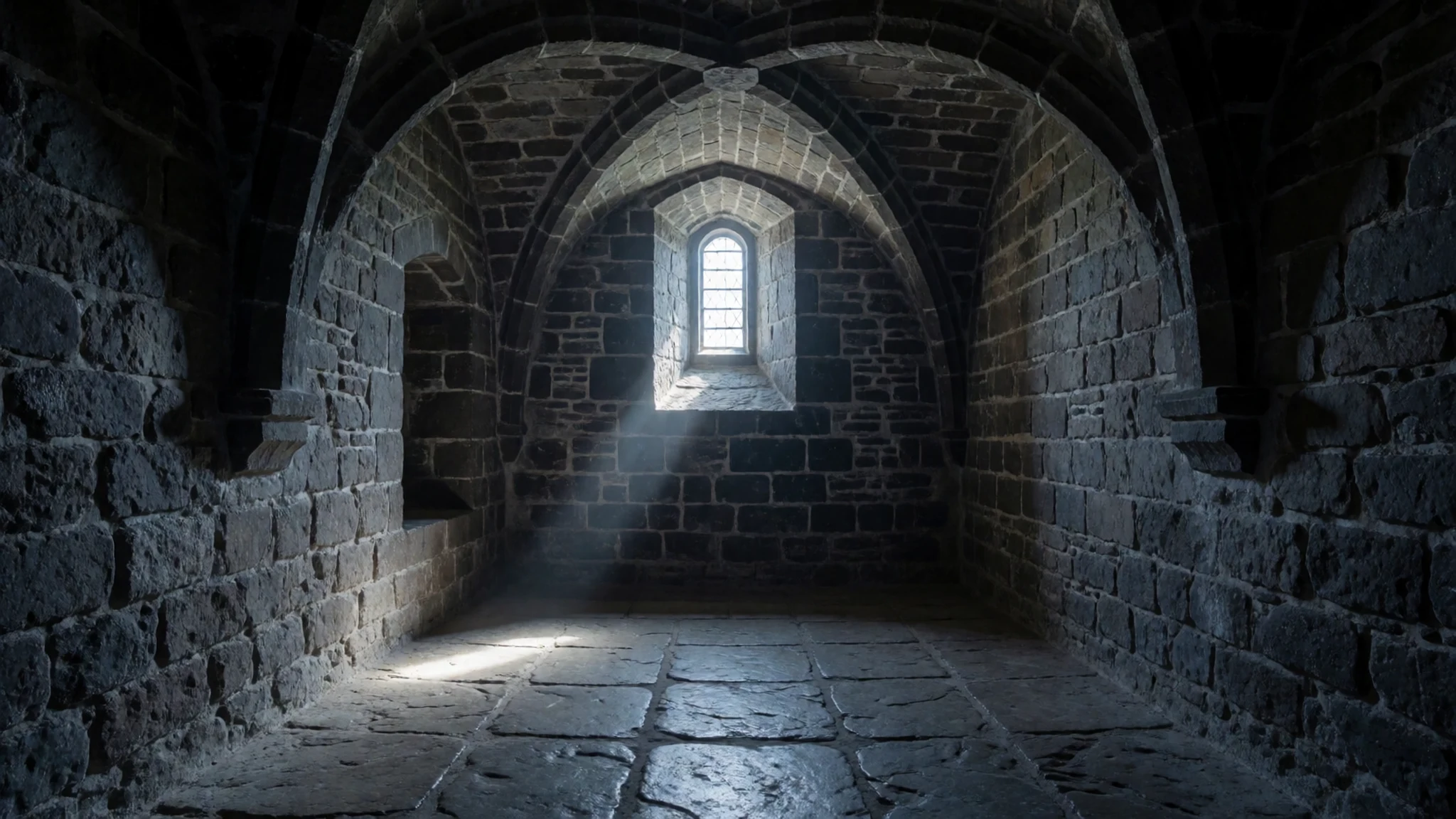
- Palace of Westminster — Riverside, Westminster
The Palace of Westminster is the seat of the UK Parliament and is listed by UNESCO alongside the abbey. Its Gothic Revival frontage faces the Thames, and the building is often called the Mother of All Parliaments, a claim that is part exaggeration and part fair point. Viewing the exterior from the riverside is free, while going inside requires security screening and a booked visit.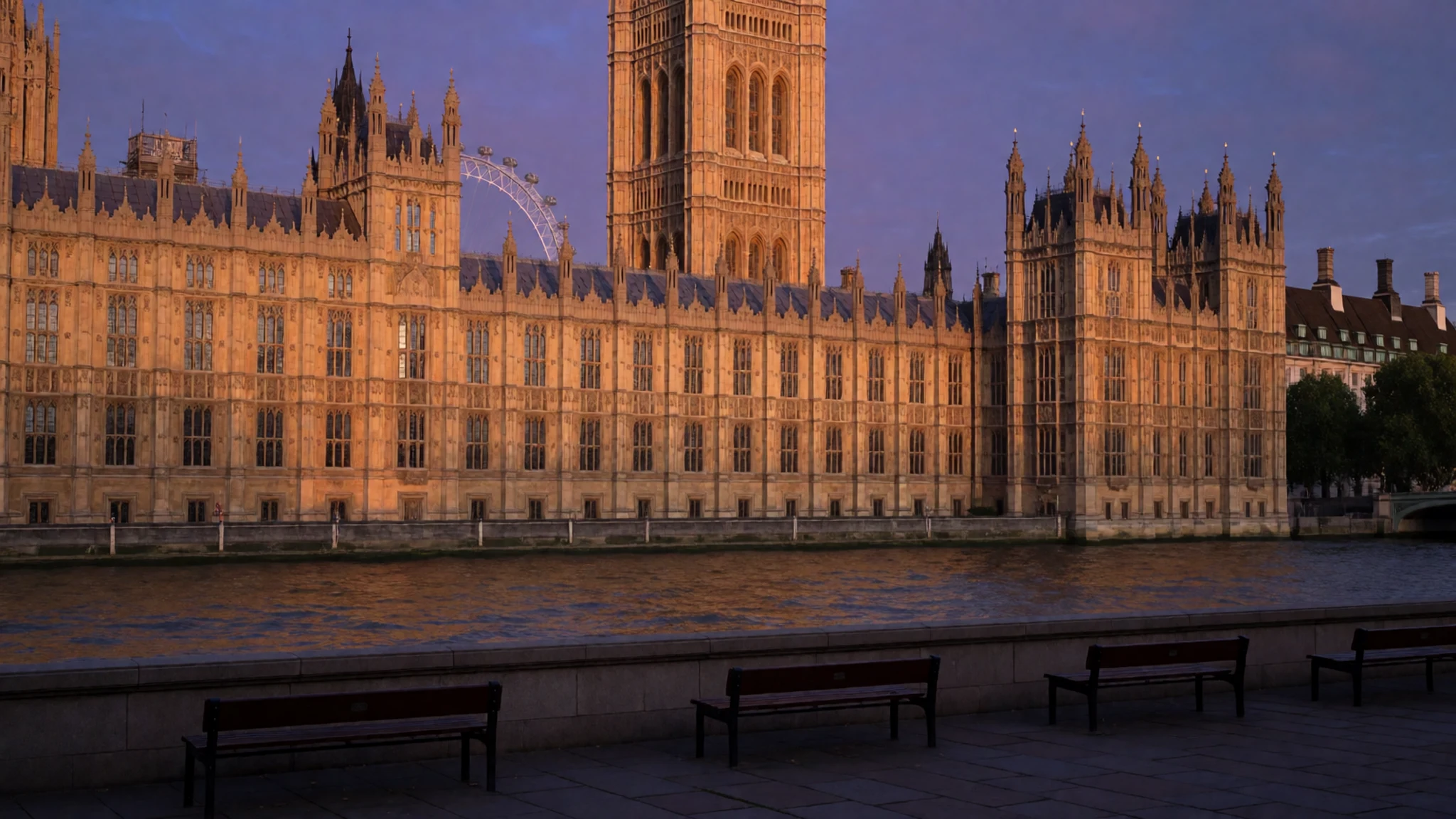
- Westminster Hall — Inside the Palace of Westminster
Westminster Hall is a great medieval hall within the Palace of Westminster and the part of the complex that visitors pass through on a tour. Its scale is impressive and its timber roof is one of the building's highlights. Parliamentary tours and gallery visits route you through the hall, so you will see it even if you do not stop to linger.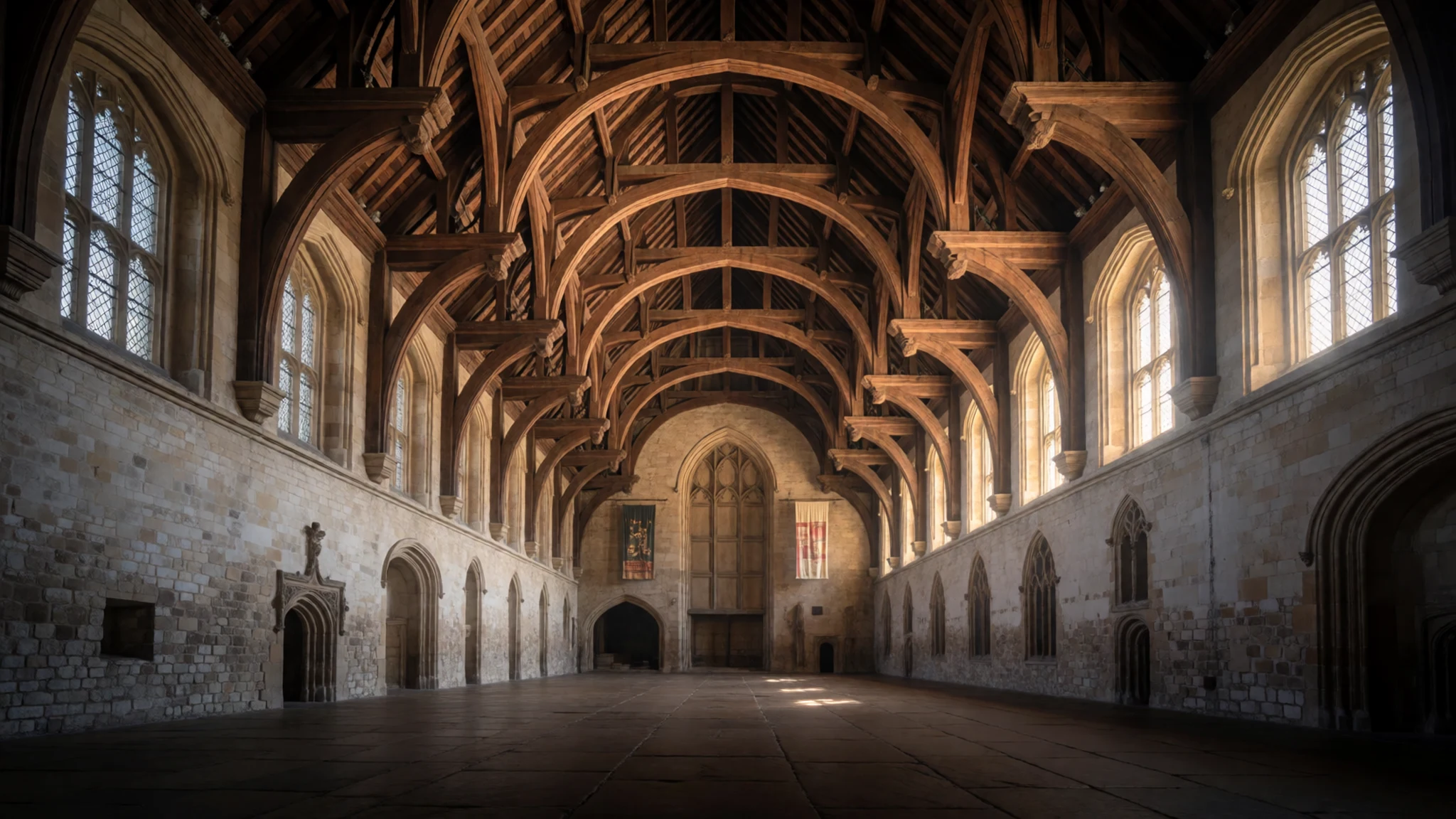
- St Stephen's Hall — Inside the Palace of Westminster, past the entrance screening
St Stephen's Hall sits between the entrance and the two chambers of Parliament. Expect a metal detector and a thorough bag search at the entrance, then a wait in the hall until your visit is called. From here, the Commons and Lords galleries are reached by separate routes, each with its own rules on bags, phones and writing materials.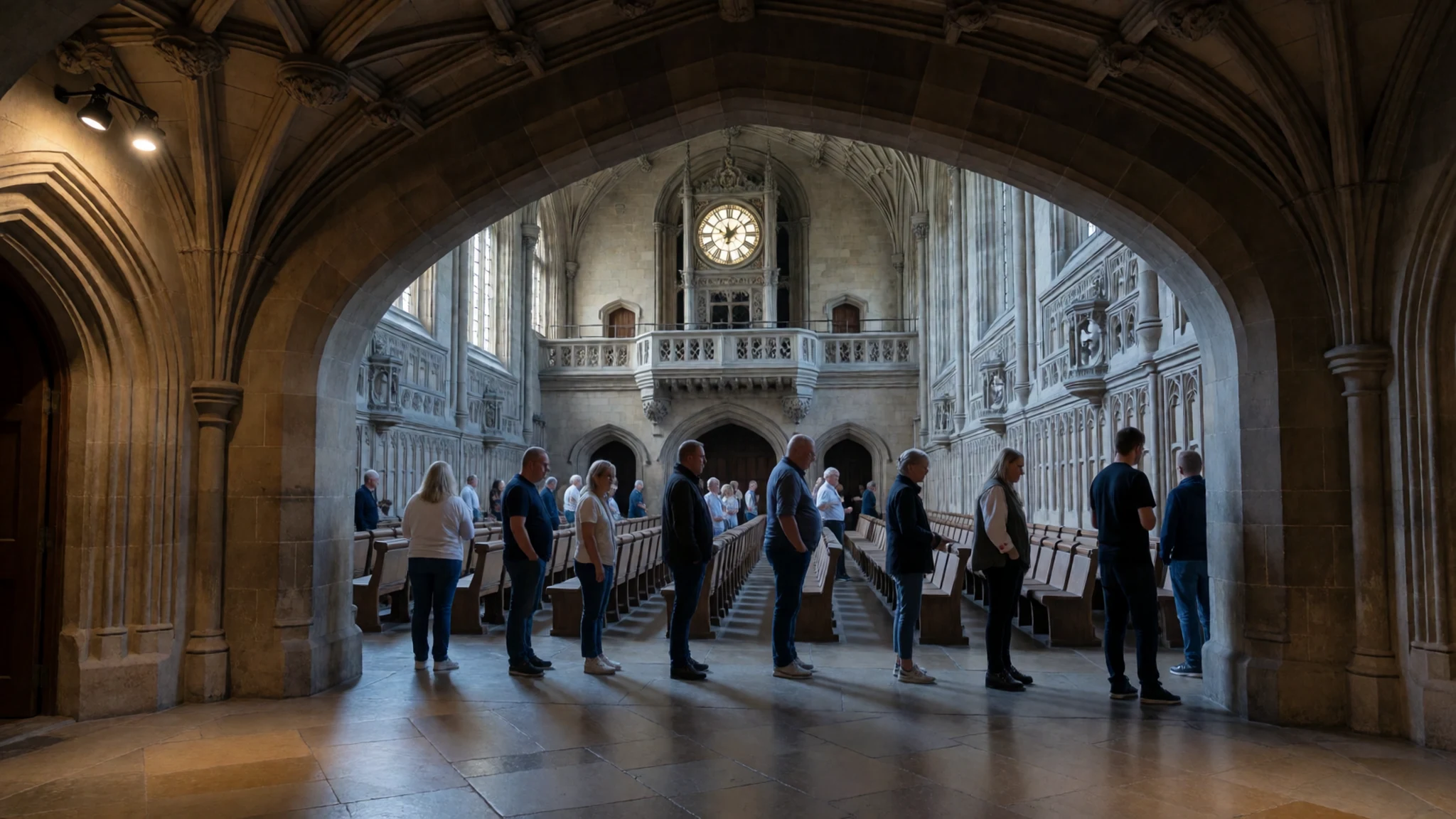
Culture
Westminster Abbey is first and foremost a working Anglican church, so visitors share the space with worshippers, clergy and choirs. Services take place through the week and set the building's rhythm: it is quiet in the nave during a service and busier when tour groups move through. Many of the people whose names fill the floor and walls are buried in or beneath the stones, so the place carries the weight of a churchyard as well as a museum.
Coronations held here follow a long ceremonial tradition, still practised with careful formality, and the abbey's staff take their role seriously. Conduct inside should match the sense of occasion: speak softly, follow the stewards' directions and avoid eating or drinking in the nave. Photography and bag rules can change, so the official site is the place to check current arrangements before a visit. Lower your voice, keep off the memorial stones and follow the stewards near the tombs, because people are often praying there.
What to wear
Westminster Abbey's traditional dress belongs to its liturgy. Clergy wear cassocks and white surplices for everyday services and, for major occasions, heavier vestments such as copes. Coronation ceremonies add robes of state and ceremonial garments, many made from embroidered silk and heavy wool, with the richest decoration reserved for the monarch and the officiating clergy. These garments are worn only at services and state occasions.
What people wear now is mostly everyday clothing. Office workers from nearby Parliament and the City pass through in suits, while tourists arrive in jeans, trainers and rain jackets. Worshippers dress simply, and nobody will look twice at a visitor in ordinary clothes.
What a visitor should wear depends on the season and the route. Dress modestly, covering shoulders and knees, which suits a place of worship. Layers help, because the stone interior stays cool even in summer and the nave can feel draughty. Choose comfortable shoes with good grip, since you will stand and walk on stone floors, stairs and wet London pavements for hours.
What to eat
- Fish and chips — Chip shops and fish restaurants around Victoria Street
Battered white fish with thick-cut chips, eaten with salt and malt vinegar, is the classic British lunch. Chip shops and fish restaurants around Victoria Street and the streets south of the abbey serve it, and it makes a sensible midday stop. Eat it from the paper on a bench to get the proper London experience.
- Neapolitan-style pizza — Pizza counters on the streets near Victoria Street
Thin, blistered-crust pizza with simple toppings is a popular and fast lunch near the abbey. Pizza counters in the streets around Westminster offer a quick meal for a light budget. Ask for one of the classic margherita or marinara options if you want the plainest version.
- Cypriot-style mangal grill — Grill restaurants on the streets south of the abbey
Charcoal-grilled skewers of lamb or chicken, served with flatbread, salad and a tangy sauce, are the house style of a Cypriot grill. The grill restaurants south of the abbey are a good choice for a relaxed meal after a long morning of walking. Order a mixed grill to try several cuts at once. - Street tacos — Casual Mexican grills on the streets south of the abbey
Soft corn tortillas filled with slow-cooked meat, coriander and onion make a light, quick lunch. Mexican grills on the streets south of the abbey offer this style in a casual setting. Add lime and a salsa to taste, and expect the portions to be generous. - Modern Indian dishes — Modern Indian restaurants in the Westminster area
Modern Indian restaurants in the Westminster area serve familiar curries and tandoor dishes with a lighter, contemporary style. A dal, a vegetable curry and freshly baked naan make a balanced meal. These restaurants are a good option for a sit-down dinner after the abbey closes for the day.
Plan it
Best time. Spring, April to May, is the most pleasant time for a visit, with mild days and the parks at their greenest. September and October are also comfortable, with fewer crowds than the summer peak. Summer is busiest, and winter days are short and grey, though the church is quieter.
How long. 2–3
Getting there. Westminster tube station, on the Circle, District and Jubilee lines, is a short walk from the abbey. London Victoria and London Waterloo are the nearest mainline stations, and both connect to Westminster by Tube. Victoria Coach Station serves national coach routes.
Budget. mid
Tips
- Book a timed visit through the official site before you travel, since walk-up queues can be long at busy times.
- Go early on a weekday morning or late in the afternoon to avoid the biggest crowds.
- Allow extra time for security at the Palace of Westminster and carry only what you need.
- Keep a card handy for small purchases, and check the official site for current payment details.
- Pair the abbey with a walk along the Thames and a stop for lunch nearby.
Etiquette
- Keep your voice low and follow the stewards' directions inside the church.
- Step around the memorial stones rather than standing on them for long.
- Dress modestly and keep bags close in busy aisles.
Nearby
Sources
- Wikidata Q5933 (CC0)
- Wikipedia, Westminster Abbey (rev 1378625637) (CC BY-SA 4.0)
- Wikivoyage, London/Westminster (rev 5409615) (CC BY-SA 4.0)
- Westminster Abbey, photo 01 (Σπάρτακος) (CC BY 3.0)
- The western aspect of Westminster Abbey, photo 02 (Antiquary) (CC BY 4.0)
- Chamber of the Pyx, photo 03 (ptwo) (CC BY 2.5)
- Westminster Abbey plan, photo 04 (Robinson, 1910) (Public domain)
- Westminster Abbey, photo 05 (Amanda Slater) (CC BY-SA 2.0)
- Westminster Abbey (Interior), photo 06 (Maksim Sokolov) (CC BY-SA 4.0)
- Looking Up, photo 07 (Amanda Slater) (CC BY-SA 2.0)
- Coronation portrait of Richard II, photo 08 (JRennocks) (CC BY-SA 4.0)


