Wellington
Wellington, New Zealand
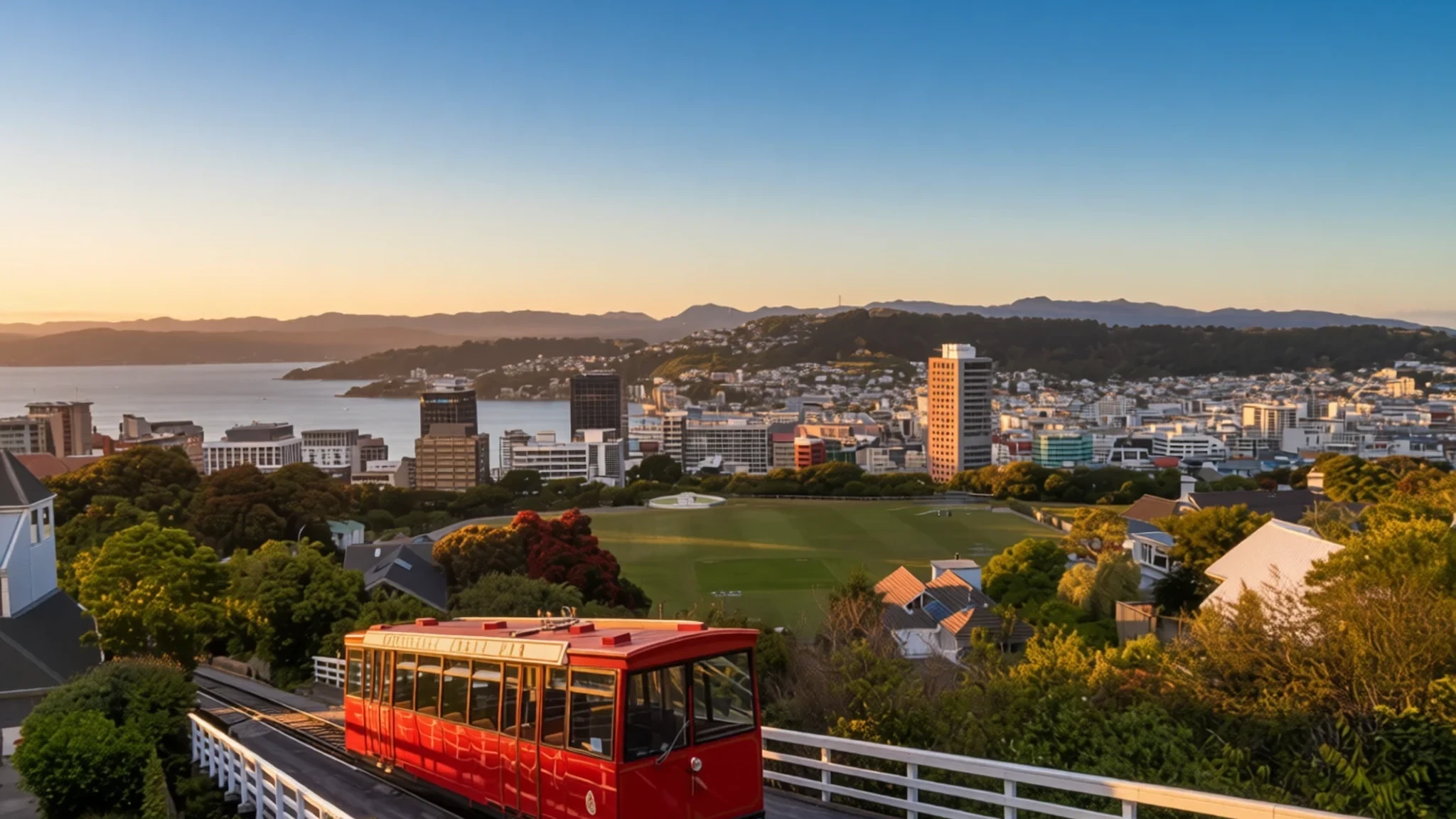
Wellington rewards a visit with a compact harbour city, excellent coffee, and a government quarter you can walk in an afternoon.
The place
Wellington sits at the southwestern tip of the North Island, where Cook Strait meets a steep ring of hills. It is New Zealand's capital, though no law names it as such; the custom dates from 1865, and Parliament, the Supreme Court and most government departments are based here. With about 216,000 people in the city proper, it is the second-largest city on the North Island and the third-largest in the country, so it feels more like a small capital than a sprawling metropolis.
The weather is the first thing most visitors notice. The city is famously windy, and gusts funnel through the streets between the hills and the water, so a windproof jacket matters more than an umbrella. Summers are mild rather than hot, and rain can arrive at any time of year, which means a day can move from bright sunshine to squally showers within an hour.
Most of what you will want is within walking distance of the waterfront. The central business district, the Parliament precinct and the Thorndon streets run along the harbour edge, while the suburbs of Mount Victoria, Newtown and Island Bay climb or stretch out from the centre. Expect a relaxed pace, lots of cafés and a crowd that dresses for weather rather than for show.
Its story
Wellington's story begins with the harbour, which Māori tradition associates with the explorer Kupe, who is said to have stayed there long before European ships appeared. Later Māori navigators gave the harbour the name Te Whanganui-a-Tara, and for generations the people who lived around it traced their descent to the ancestor Whatonga. Iwi including Rangitāne and Muaūpoko held the land until a series of migrations from the north, carried out during the upheaval of the Musket Wars, pushed them out. Te Āti Awa and other groups then made their homes around Pipitea, and their descendants remain part of the city's life today.
European settlement came with the New Zealand Company, which wanted a planned town rather than a loose collection of huts. In 1840 its first Surveyor General, Captain William Mein Smith, drew up the street grid that still underpins the central city, though the steep ground and narrow flat strip beside the water forced many compromises. The settlement itself was founded in 1839, and the lively port that developed soon attracted merchants, shipbuilders and migrants from Britain and beyond.
The choice of capital came later. Wellington took over the role in 1865, a move that owed as much to its position between the North and South Islands as to any grand plan. Government buildings, libraries and museums gathered around the harbour edge over the following decades, and the city's stone and timber civic buildings still show that long period of public construction.
What to see
- Parliament and its grounds — Thorndon, northern central city
The Parliament precinct sits at the northern end of The Terrace, and the grounds are open for a stroll. The Seddon statue stands among the lawns, and the nearby Beehive, the executive wing of government, is a striking piece of modern architecture. Access to the chambers and tours is arranged through the official parliamentary website, so check there before you go.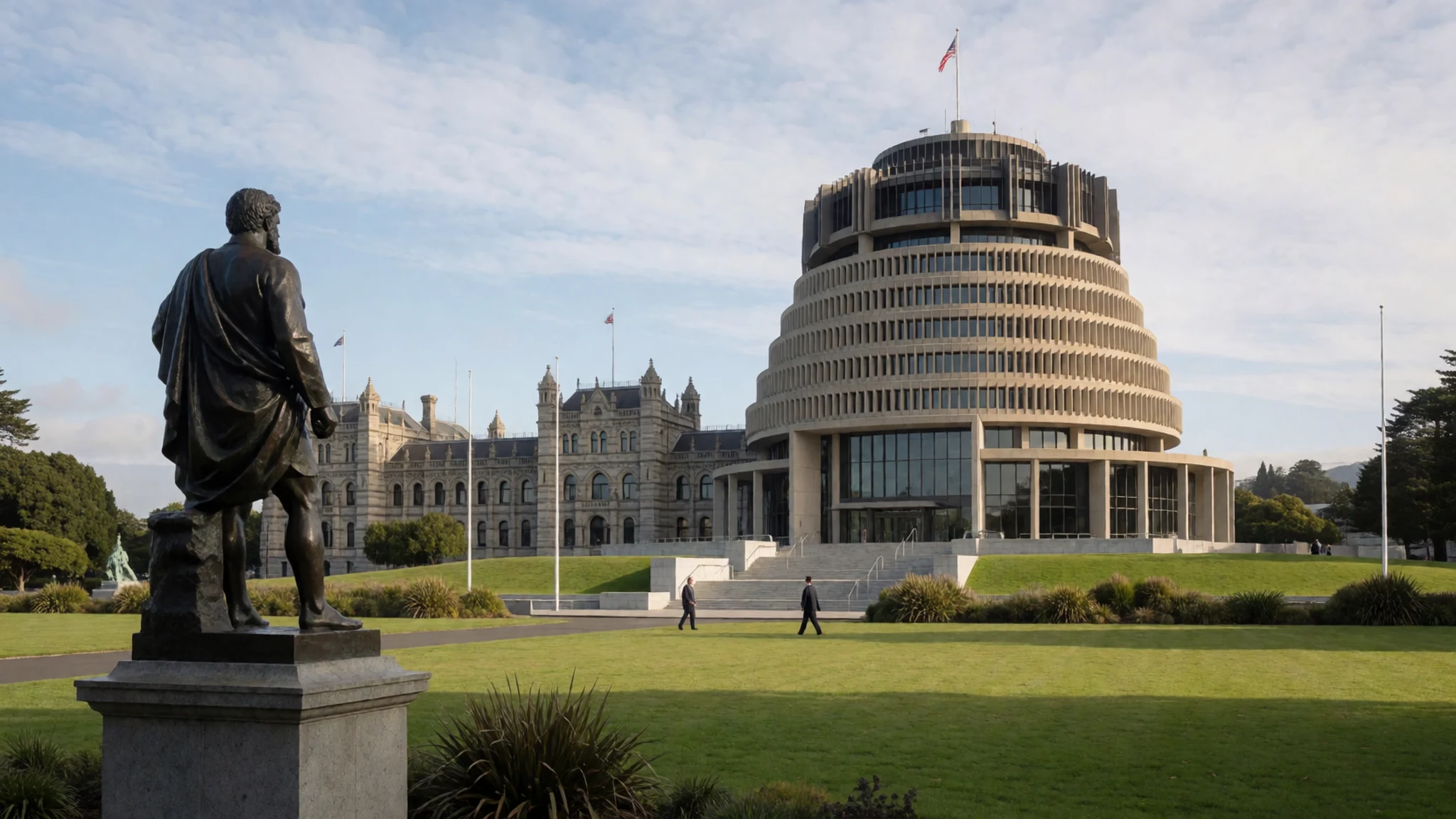
- Te Papa Tongarewa — Waterfront, Te Aro
New Zealand's national museum sits on the waterfront at Cable Street and covers the country's natural history, Māori culture, art and social history. Exhibits are well laid out and suit a rainy afternoon as much as a planned visit. Entry arrangements change, so check the official museum site for current opening times and any charges.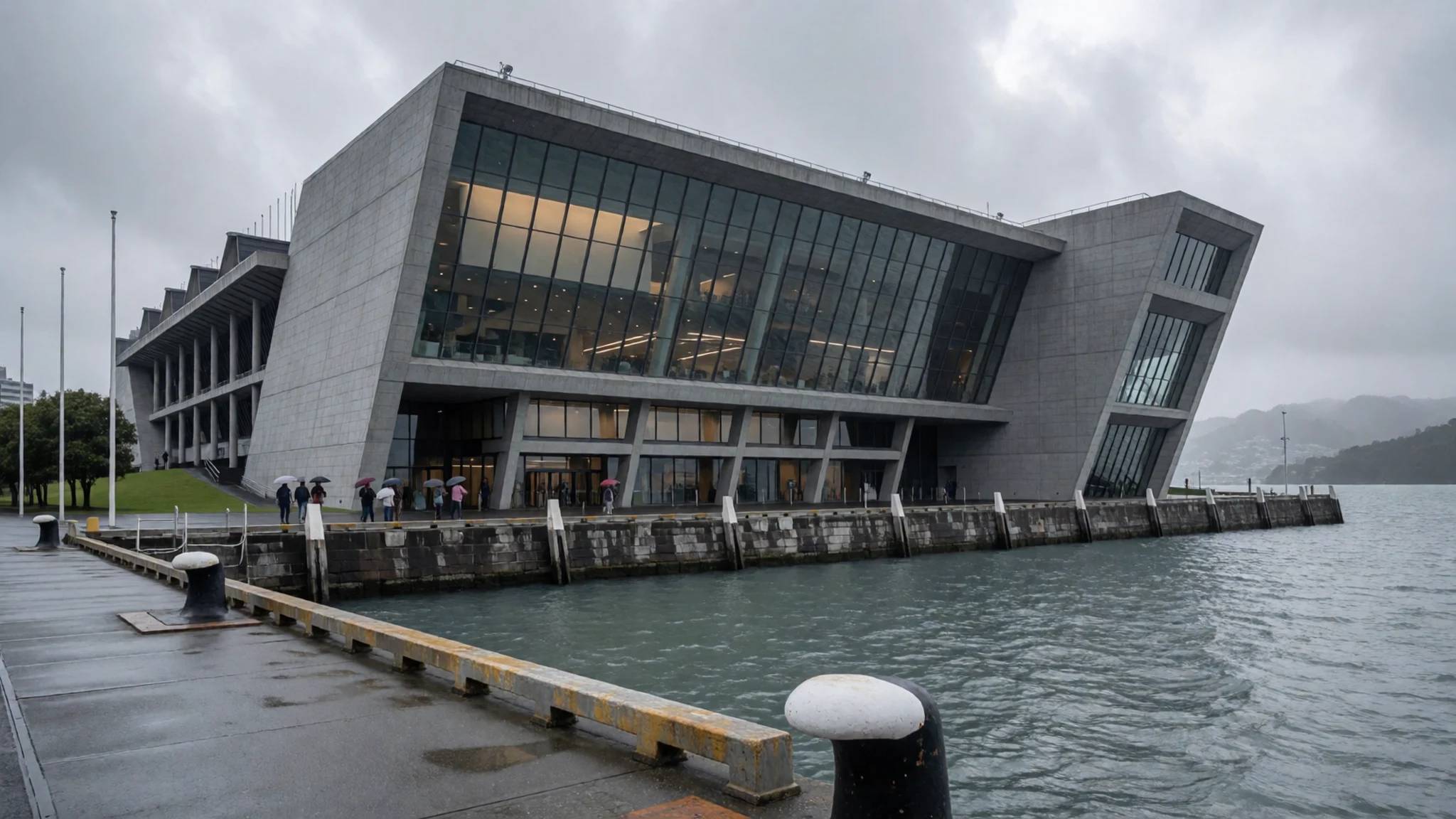
- Old Government Buildings — Lambton Quay and The Terrace
Built in the late nineteenth century, these timber and stone offices were once among the largest wooden buildings in the world, a claim you will see repeated in local guides. Their long corridors and colonial-era detail give a clear sense of how the state grew from a small colonial town. Walk along the front in daylight and take time to read the plaques.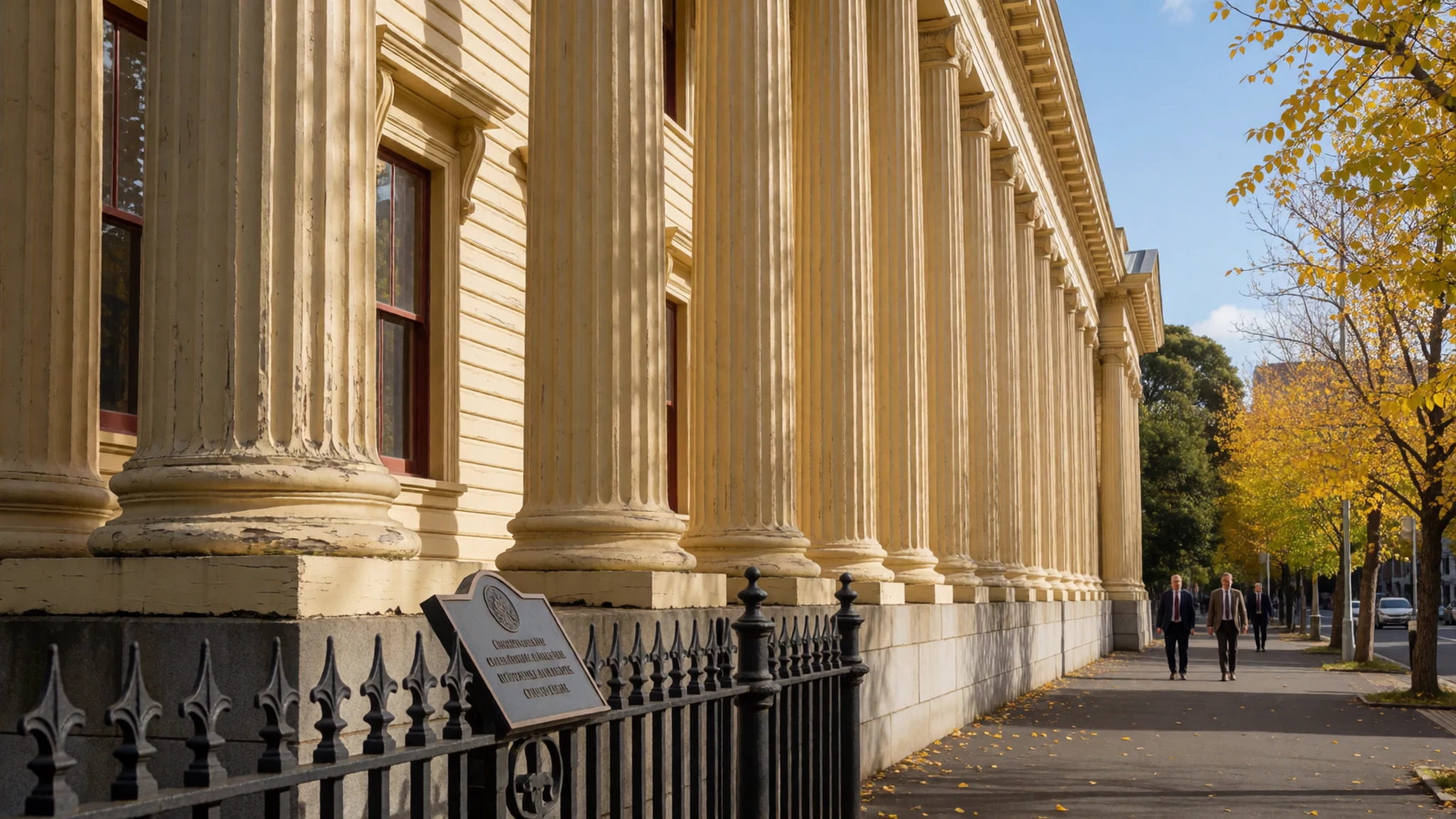
- The cable car to Kelburn — Lambton Quay to Kelburn
The cable car climbs steeply from Lambton Quay to Kelburn, where a lookout gives wide views over the harbour and hills. It is a short ride and runs on a fixed timetable, so check current times before you travel. At the top you can continue on foot through the Botanic Garden and walk back down to the centre.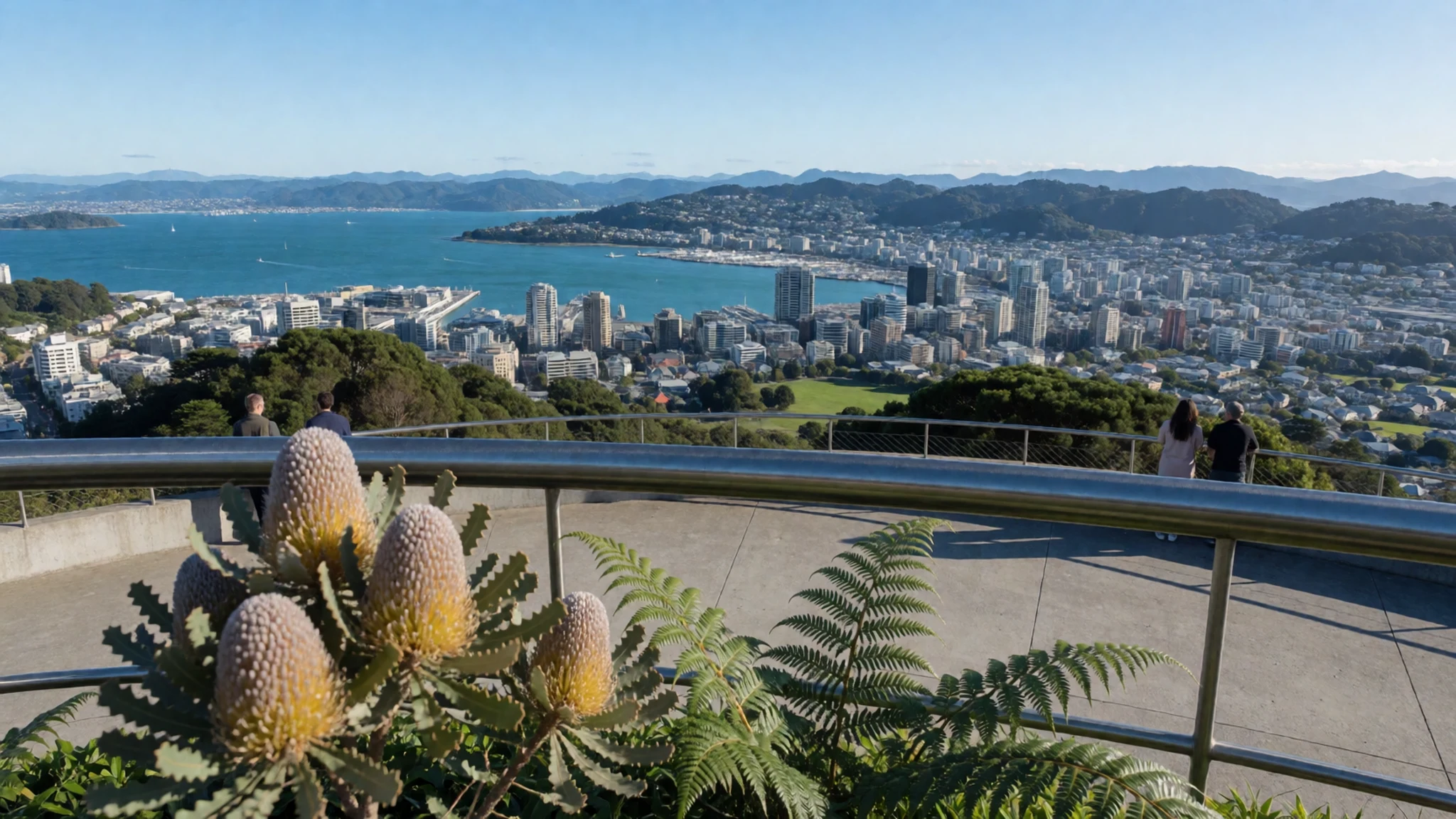
Culture
Wellington's cafés are part of daily life, and the city likes to call itself a cultural and creative capital. Italian and Greek immigrants helped to build the coffee scene in areas such as Mount Victoria, Island Bay and Miramar, and the flat white is widely credited to local baristas. Newer communities add their own flavours, with Malaysian, Korean, Chinese, Indian, Samoan, Ethiopian and many other cuisines and traditions visible across the city.
Māori culture is part of Wellington's everyday identity rather than a separate tourist layer. Te reo Māori appears on street signs, buildings and public announcements, and the local iwi, Taranaki Whānui, are the tangata whenua of the area. Visitors will meet Māori greetings, carvings and performances in museums and public spaces, and it is worth learning a few basic words.
In the city's cafés and bars, service is casual and people tend to be friendly without hurry. Tipping is not expected in the way it is in some countries, and a rounded-up bill is always welcome. When you enter a marae, a traditional meeting ground, follow the lead of your host and ask before taking photographs of people, because Māori protocol around images and personal space is deliberate and respected.
What to wear
The traditional dress of Wellington's Māori communities is the kākahu, a cloak woven from harakeke (New Zealand flax) and often finished with feathers, most famously from the kiwi or the kererū. Taniko, a patterned border worked by hand in coloured threads, marks the cloak's edges and can reveal the weaver's iwi and story. Cloaks are worn for ceremonies, welcomes and important occasions, and they are handled with great care rather than treated as costumes.
Day to day, Wellingtonians dress for the weather. Layers, waterproof jackets, wool jumpers and sturdy footwear are the norm, and the city's cafés and offices are more relaxed than many European capitals. Black clothing is common in the evening, and people rarely dress up unless they are going to a formal event at Parliament or a performance venue.
For a visit, pack a windproof outer layer, a warm top and shoes with good grip, because the hills and wet pavements can be slippery. At a marae or a formal Māori event, modest clothing is appropriate, and you should follow the host's guidance on removing shoes or covering shoulders. Nothing formal is required for ordinary sightseeing, but a light scarf or hat will serve you well in the gusts.
What to eat
- Flat white — Independent cafés in the central city and inner suburbs
Order a flat white at any independent café in the central city, or in the inner suburbs such as Mount Victoria. Espresso bars along Cuba Street and the laneways off it are a good starting point. Expect a small cup, strong coffee and a counter that moves quickly during the morning rush.
- Malaysian dishes — Casual eateries spread across most neighbourhoods
Malaysian food is widely available and popular across the city, from laksa and roti to satay and curry. Small casual eateries in most neighbourhoods serve generous plates at modest cost. Ask for the house sambal if you like heat, and check that the dish suits your preferences.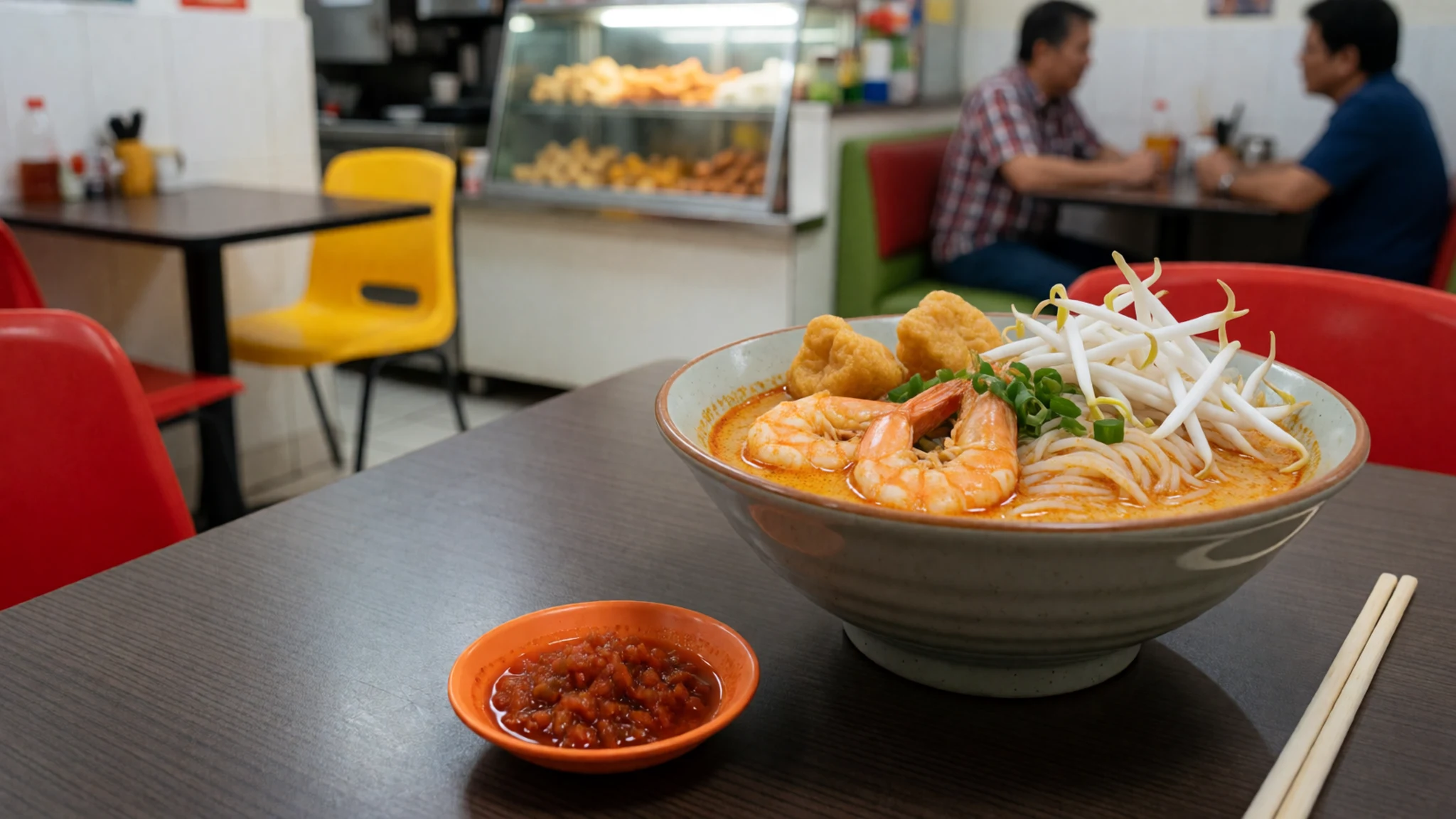
- Kebabs — Turkish kebab shops citywide and Lebanese counters around Kent Terrace
Turkish kebab shops are found across the city, and most serve a straightforward wrap or plate with salad and sauce. For something different, look for Lebanese counters around Kent Terrace, where falafel and grilled meats are a local favourite. Both are good value for a quick lunch.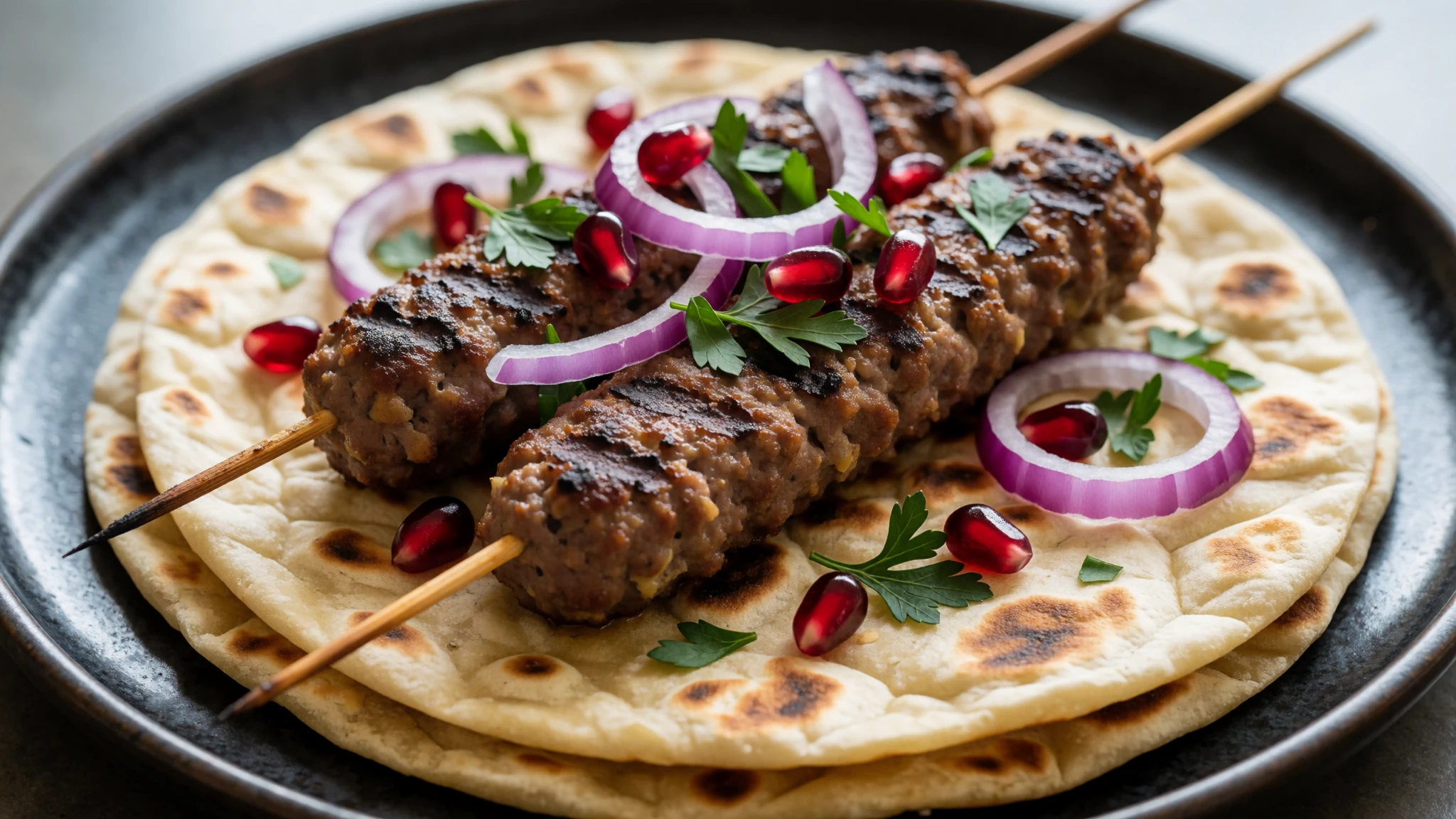
- Fish and chips — Suburban takeaway shops and seaside strips
Fish and chips is one of the best-value meals in Wellington, and the standard is often higher in the suburbs than in the centre. Takeaway shops near the beaches and in the suburban shopping strips serve freshly cooked fish. Eat it on a bench by the sea if the wind allows. - Pub food and late snacks — City pubs and late-night takeaways in the central city
City pubs serve pub fare that is often decent or better, though prices vary widely between venues. For a late bite, the round-the-clock snack shops in the central city sell pies, noodles and sweets at very low prices. They suit a quick meal after an evening out rather than a relaxed dinner.
Plan it
Best time. January to March for the warmest, driest weather and October to November for spring light; winter is cool and wet, and wind is a factor at every season.
How long. 2–3
Getting there. Wellington International Airport lies about 5 km (3 mi) southeast of the centre, with a taxi or regional bus into town. Domestic flights from Auckland and Christchurch are frequent, and international flights from Australia arrive about twice daily.
Budget. mid
Tips
- Pack a windproof, waterproof jacket even on sunny days
- Walk the central streets in the morning and save the hills for later
- If you fly in during strong wind, expect a bumpy final approach and keep your seatbelt tight
- Carry some cash for small markets and takeaway shops, though most places take cards
- Check the official Wellington site for current event and attraction listings
Etiquette
- Ask before photographing people, especially at a marae
- Follow your host's lead when entering a marae or formal Māori event
- Queue politely at café counters and wait your turn
Nearby
Sources
- Wikidata Q23661 (CC0)
- Wikipedia: Wellington (rev 1381384128) (CC BY-SA 4.0)
- Wikivoyage: Wellington (rev 5388406) (CC BY-SA 4.0)
- Photo: Wellington panorama view (Ulrich Lange) (CC BY 3.0)
- Photo: Seddon Statue in Parliament Grounds (russellstreet) (CC BY-SA 2.0)
- Photo: Old Government Buildings, Wellington (Gruyere) (CC BY 3.0)
- Photo: Wellington, February 2019 (Bengt Nyman) (CC BY 2.5)
- Photo: Papa Museum, Wellington (Ischa1) (Public domain)
- Photo: Historic Wellington Buildings (Stuartyeates) (CC BY 3.0)
- Photo: Wellington Cable Car (Takeshi Aida) (CC BY-SA 2.0)
- Photo: Kupe Group statue, Taranaki Street Wharf (Pierre André Leclercq) (CC BY 4.0)


